The Best Ornamental Grasses To Pair With Perennials In Pennsylvania Borders
Ornamental grasses have a way of making everything around them look better.
The movement they bring to a border, the texture that contrasts so effectively with broad leaved perennials, the way they catch light in the late afternoon and hold interest through the seasons when most flowering plants have nothing left to offer.
Used well, they transform a Pennsylvania border from something flat and predictable into something that feels genuinely designed.
The challenge is knowing which grasses work best alongside which perennials.
Not every combination lands. Scale, bloom timing, moisture needs, and the way grasses behave through Pennsylvania’s seasons all factor into whether a pairing enhances the border or just occupies space in it.
These are the ornamental grasses that consistently perform alongside perennials in Pennsylvania borders.
1. Switchgrass (Panicum Virgatum)
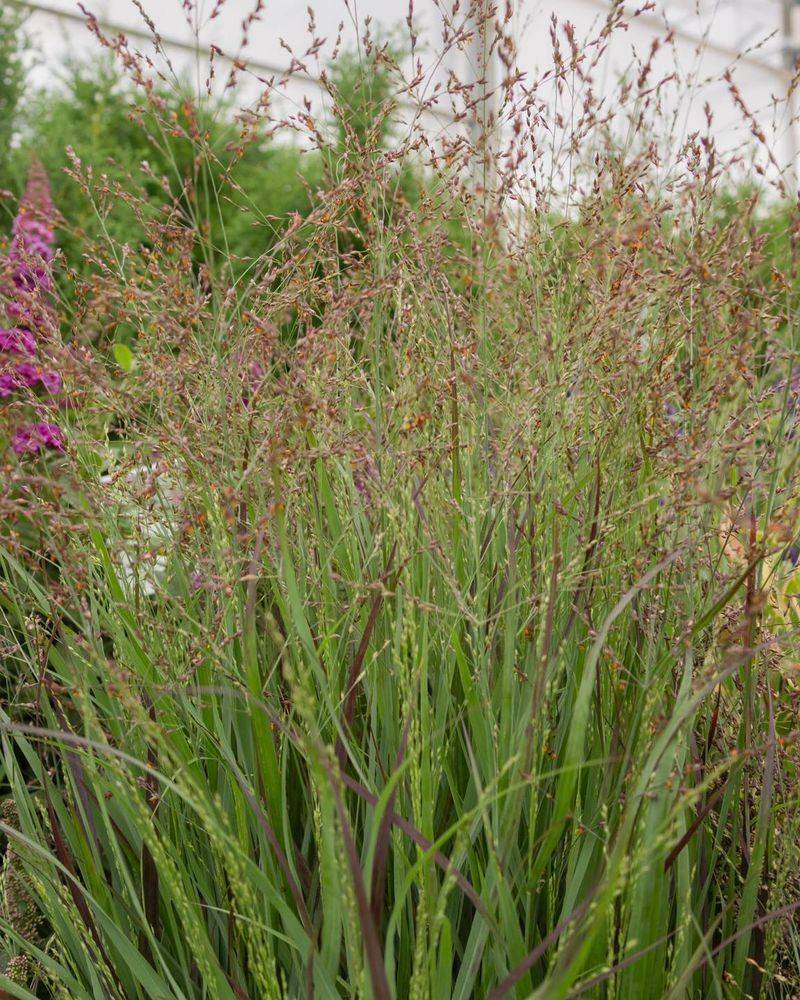
Standing tall like a golden curtain, switchgrass gives your border a strong backbone that lasts well into winter. It is a true Pennsylvania native, so it shrugs off cold snaps and hot afternoons without complaint.
The plant grows upright, reaching four to six feet, with thin blades that catch the breeze. In late summer, feathery seed heads rise above the leaves and turn a soft pink or reddish color. Come fall, the whole clump shifts to warm yellow and copper tones.
Because it grows so tall, switchgrass works great at the back of a border. Plant it behind shorter flowers so it frames them instead of hiding them.
It pairs wonderfully with coneflowers, black-eyed Susans, and Russian sage.
Switchgrass loves full sun but can handle a little shade. It is not picky about soil and even tolerates wet spots, which is handy for tricky garden corners. Once it settles in, it barely needs watering.
Fun fact: switchgrass was once a common part of the American prairie, and today farmers study it as a possible clean fuel crop. That makes it both pretty and useful.
Cut it back in early spring before new growth starts. Leaving the stalks up through winter gives birds seeds to eat and adds cool structure to a snowy garden. Look for varieties like Northwind or Shenandoah for tidy shapes and richer colors.
If you want a low-effort plant that stands proud all year, switchgrass belongs in your border. It rewards you season after season with movement and color.
2. Little Bluestem (Schizachyrium Scoparium)
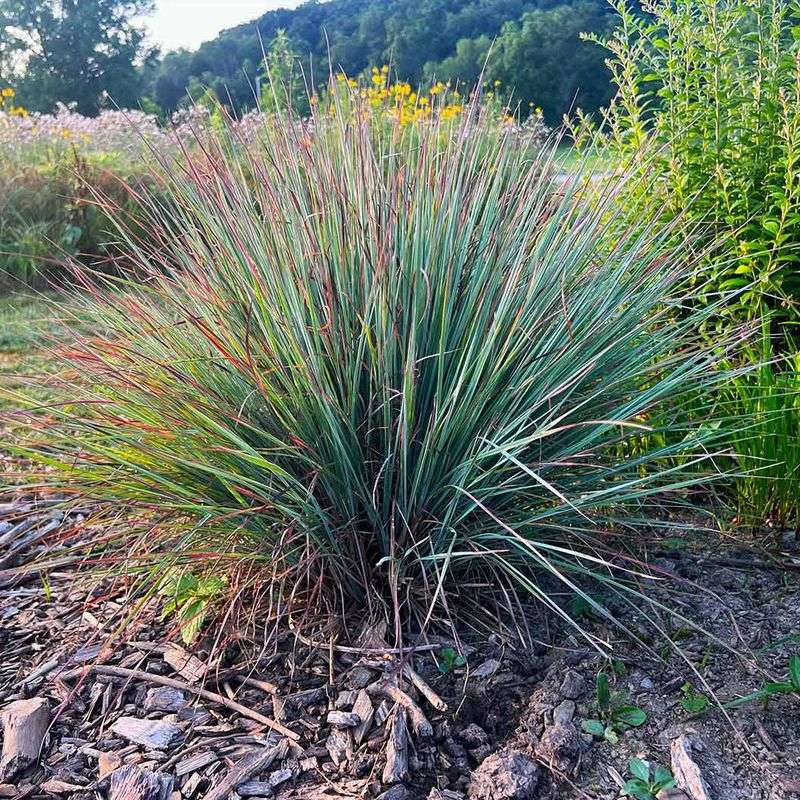
If fall color is your thing, little bluestem will steal the show. This native beauty turns fiery shades of orange, red, and copper when the weather cools, lighting up the whole border.
During summer, its slim blades wear a cool blue-green tint that blends nicely with almost any flower. The plant grows in neat, upright clumps about two to four feet tall, so it fits mid-border spots perfectly.
Little bluestem thrives in sunny, dry places where fussier plants struggle. It handles poor soil, rocky ground, and drought like a pro. Once established, you can pretty much leave it alone.
Pair it with purple coneflowers, goldenrod, or asters for a scene that looks like a wild prairie. The blue leaves in summer and the bright fall glow create a long season of interest.
Your Pennsylvania Garden Changes Every Week. Your Plan Should Too.
Gardening in Pennsylvania changes quickly throughout the season. Every Friday you’ll receive a simple weekly plan showing exactly what to plant, prune, fertilize, harvest, and protect so you never miss the right timing.
Small, fuzzy seed heads appear in late summer and shimmer in sunlight. Birds love picking at the seeds, so keep the plant standing through winter for wildlife and beauty.
Here is a neat bit of history: little bluestem was one of the main grasses of the great American tallgrass prairie that stretched across much of the country. Growing it connects your yard to that wild past.
Give it good drainage and plenty of sun, and it will reward you for years. Avoid rich, wet soil, which can make it flop over.
Cut it back in early spring, and new growth will sprout quickly. Popular types like Standing Ovation and The Blues stay upright and show off extra-bright color, making them smart picks for Pennsylvania gardens.
3. Prairie Dropseed (Sporobolus Heterolepis)
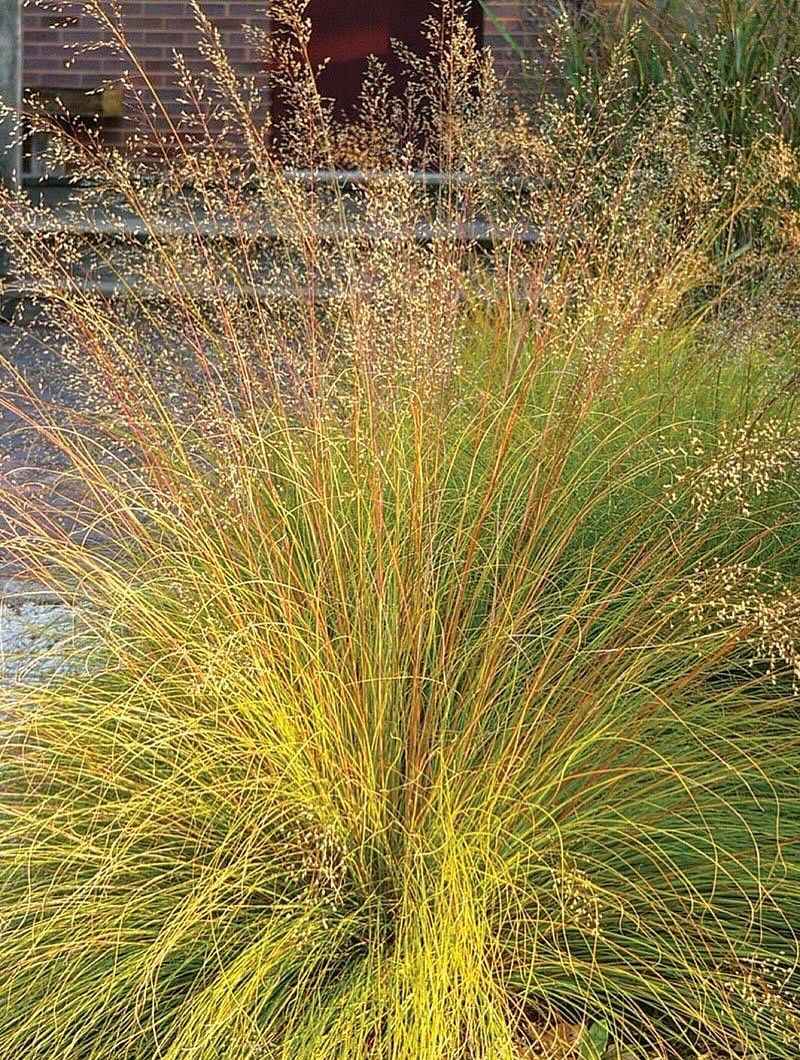
Soft as a fountain of green threads, prairie dropseed brings a gentle, flowing look to any border. Its fine leaves arch outward in a tidy mound, giving a calm contrast to bold, upright flowers.
The grass grows slowly and stays neat, reaching about two to three feet wide and tall. That relaxed shape makes it easy to place among perennials without worrying about it taking over.
In late summer, airy seed heads float above the leaves. They give off a light scent that some people compare to buttered popcorn or fresh cilantro, which is a fun surprise in the garden.
Fall brings a lovely change as the foliage shifts to golden orange and then light tan. This late-season color keeps your border interesting long after most flowers fade.
Prairie dropseed handles heat, drought, and clay soil well once it is settled in. It prefers full sun but forgives a bit of shade during the day.
Try pairing it with coneflowers, prairie clover, or butterfly weed. The soft grass softens the stiff stems of these flowers and ties the whole planting together.
Because it grows in a rounded shape, dropseed also looks great planted in a row along a path or the middle of a bed. Space plants about two feet apart for a flowing effect.
Patience pays off here since it takes a couple of years to reach full size. Once mature, it is nearly carefree and lives for decades. For a graceful, easygoing grass, prairie dropseed is hard to beat.
4. Northern Sea Oats (Chasmanthium Latifolium)
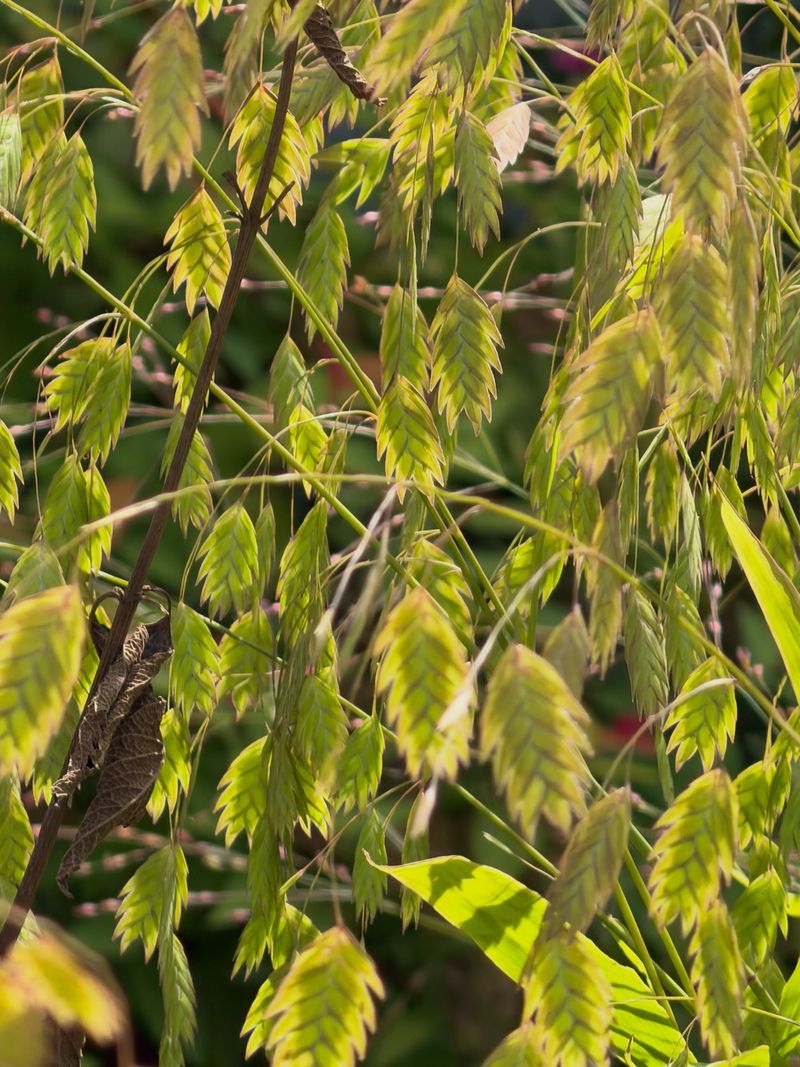
Meet the grass that loves the shade. Northern sea oats is a native plant that grows happily under trees and in partly shaded borders where many grasses would sulk.
Its most charming feature is the flat, dangling seed heads that look like little oats hanging from arching stems. They wiggle in the slightest breeze and add playful motion to quiet corners.
The plant reaches two to four feet tall and has wide, bamboo-like leaves. In summer they stay bright green, and by fall they fade to warm bronze and tan, along with the seed heads.
Because it enjoys shade, this grass mixes beautifully with hostas, ferns, astilbe, and other woodland perennials. It gives a soft, natural feel to a shady garden bed.
The seed heads are popular for cutting and using in dried flower arrangements. Just snip a few stems, hang them upside down, and enjoy their texture indoors.
One thing to know: northern sea oats spreads by seed and can pop up in new spots. To keep it in check, cut off the seed heads before they drop, or plant it where a little spreading is welcome.
It likes soil that stays a bit moist but is not soggy. Water it during dry spells, especially in its first year.
Cut the old growth back in early spring to make room for fresh leaves. For gardeners battling shady spots, northern sea oats offers a rare grass that thrives with less sun while adding charm and movement all season long.
5. Tufted Hair Grass (Deschampsia Cespitosa)
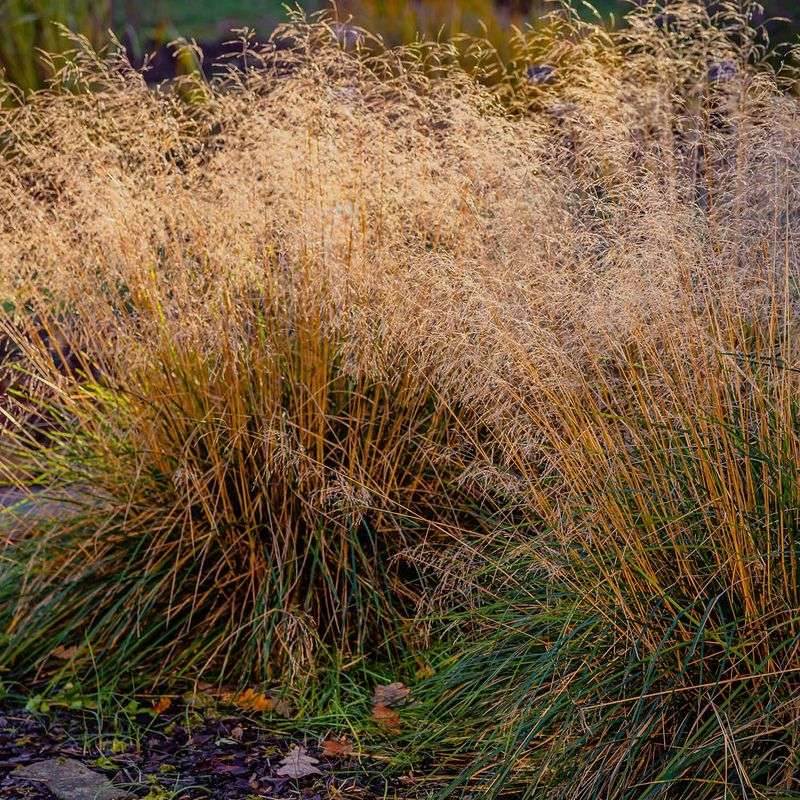
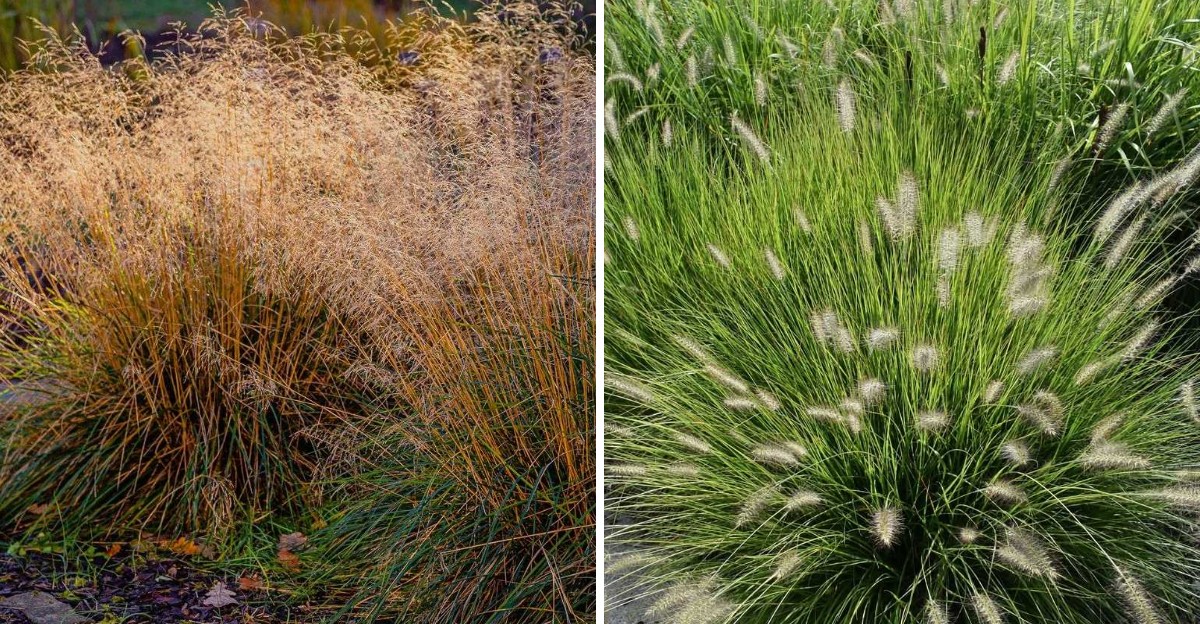
Picture a soft cloud floating just above your flower bed, and you have tufted hair grass. Its misty flower heads create a dreamy, see-through layer that makes perennials look even prettier.
Unlike many grasses, this one is a cool-season plant. That means it stays green and grows early in spring and fall, giving your garden life when warm-season grasses are still asleep.
The grass forms neat clumps of thin, dark green leaves about one to two feet tall. In early summer, tall airy flower stems shoot up and open into a haze of tiny golden or silvery seeds.
Because the flowers are so light and delicate, they never crowd out nearby blooms. Instead, they blend in and make bold flowers seem to glow through the mist.
Tufted hair grass handles part shade well, which is unusual for a grass with such showy flowers. It works in spots that get morning sun and afternoon shade.
Pair it with coneflowers, geraniums, or salvia for a soft, layered look. It also shines when planted in a large group where the flower heads catch light together.
This grass likes soil that stays evenly moist and does not enjoy hot, dry spots. Give it a drink during summer heat waves to keep it looking fresh.
Leave the flower stems standing to sparkle with morning dew and frost. Trim it back in late winter before new growth begins. For a gentle, airy touch that plays well with others, tufted hair grass is a lovely choice for shaded borders.
6. Blue Fescue (Festuca Glauca)
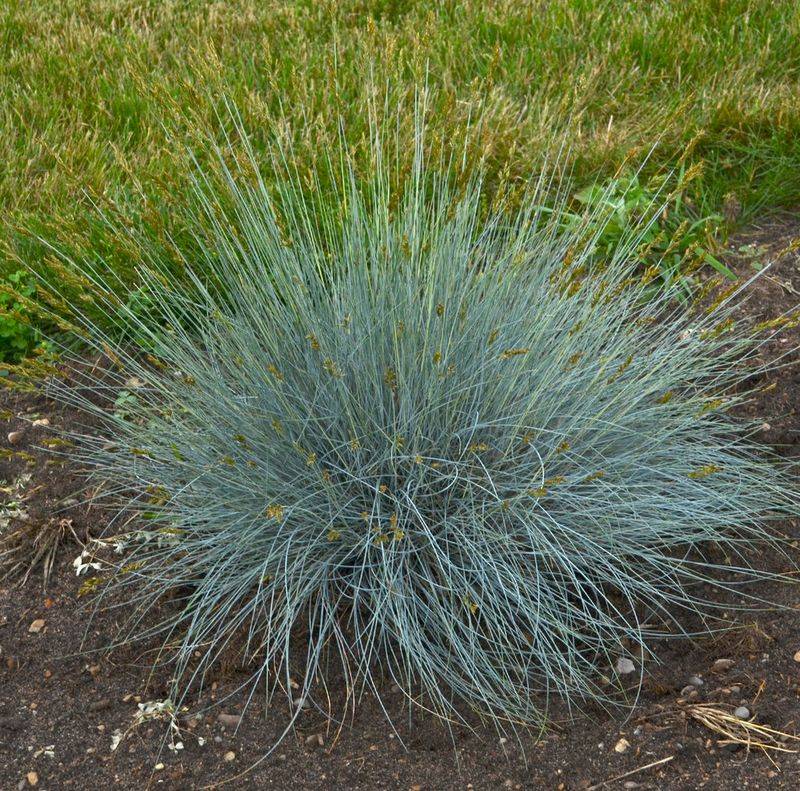
Small but mighty, blue fescue packs a punch of cool color into a tiny package. Its silvery blue-gray blades form little spiky balls that look almost like sea urchins sitting in the garden.
Because it stays short, usually under a foot tall, this grass is perfect for the front edge of a border. It lines pathways neatly and fills gaps around low-growing flowers.
The blue color is the real star here. It stands out against green leaves and makes warm-colored flowers like orange marigolds or red salvia look extra bright.
Blue fescue loves full sun and well-drained soil. Too much water or shade can make the color fade and the plant flop, so a dry, sunny spot keeps it happiest.
Pair it with sedum, dianthus, or creeping thyme for a low, tidy planting that needs little care. The rounded shapes make a fun pattern when planted in a repeated row.
In early summer, thin flower stalks rise up with tan seed heads. Many gardeners trim these off to keep the neat blue mound as the main attraction.
Over a few years, the center of the clump may thin out. When that happens, dig it up in spring, split it into pieces, and replant to refresh the color.
It stays evergreen in mild winters, adding a spot of blue when the rest of the garden sleeps. For a compact, colorful edge that asks for almost nothing, blue fescue is a bright little gem worth planting.
7. Fountain Grass (Pennisetum Alopecuroides)
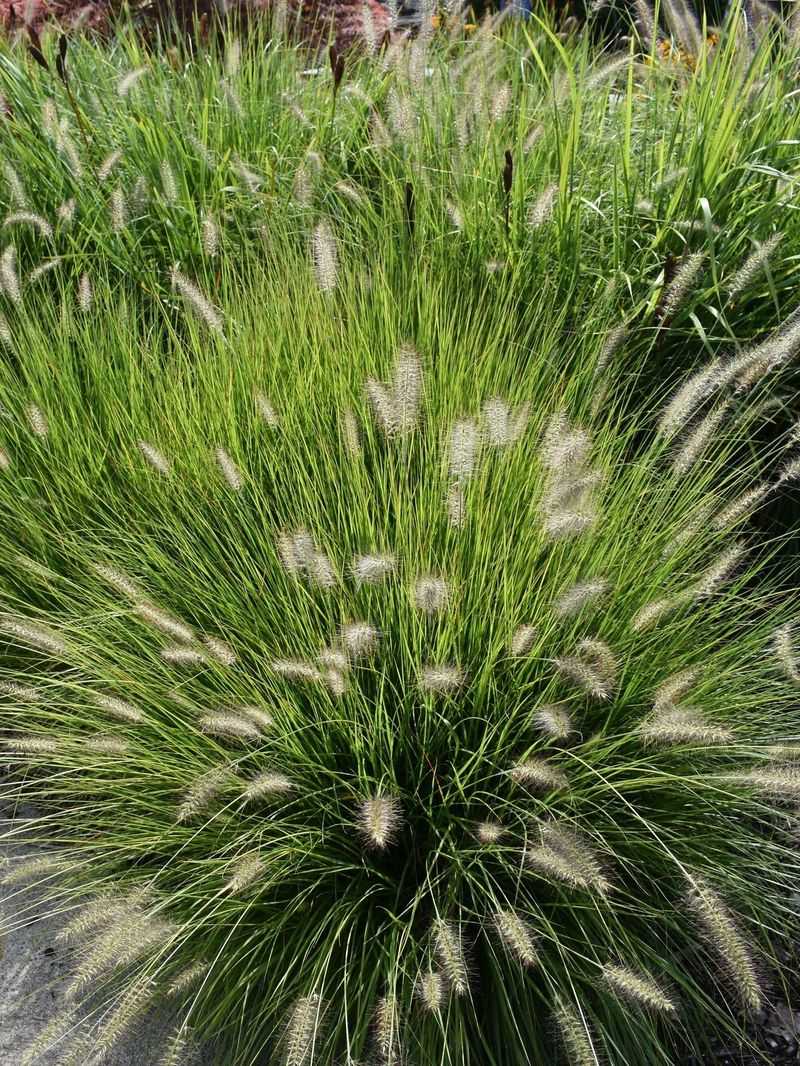
True to its name, fountain grass spills outward like water flowing from a fountain. Its graceful arching leaves and fuzzy flower spikes make it one of the most loved ornamental grasses around.
The plant grows in a rounded mound about two to three feet tall and wide. Bright green blades bend over softly, giving the whole clump a relaxed, flowing shape.
Come late summer, fluffy flower plumes appear that look just like bottlebrushes. They start out soft pink or purple and slowly fade to tan, adding texture right when many flowers are winding down.
Those plumes sway with the wind and shimmer in low sunlight, making evening walks through the garden extra pretty. They also last into winter, so the show keeps going.
Fountain grass pairs nicely with fall bloomers like sedum, asters, and mums. The fuzzy plumes contrast with flat flower clusters for a rich, layered border.
Give it full sun and average soil, and it will thrive with little fuss. It handles heat well and only needs extra water during long dry spells.
One tip for Pennsylvania gardeners: choose hardy varieties like Hameln, which is compact and reliably comes back each year in cold winters. Some tender types are treated as annuals here.
Cut it back in early spring to make room for fresh growth. Leaving the plumes up over winter gives birds a snack and adds soft beauty to a frosty yard.
For late-season texture and gentle movement, fountain grass brings a graceful finish to any perennial border.