Watch For These Snake Warning Signs In Your Virginia Yard This September
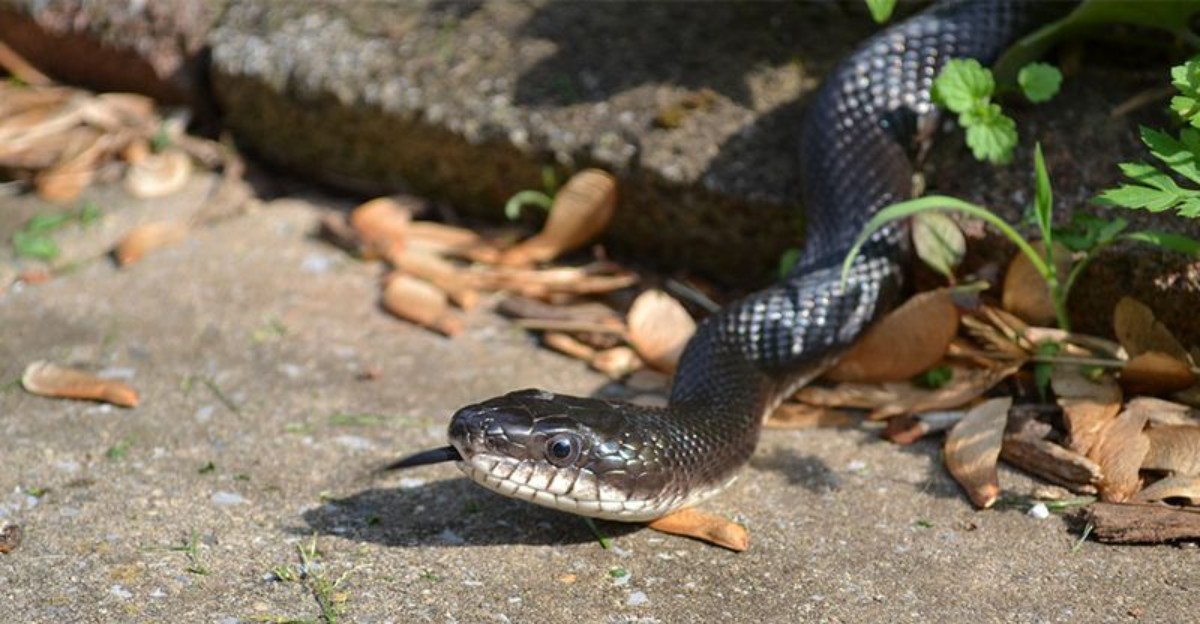
September can bring more than cooler mornings and falling leaves to Virginia yards.
Snakes are still active as they hunt for food, warm themselves, and prepare for the colder months ahead. You may never see one, but your yard can leave clues that they are nearby.
Most snakes are harmless and play an important role by helping control rodents and other pests. Still, spotting the warning signs can help you feel more prepared and know when a closer look is worthwhile.
1. Fresh Snake Skins Turn Up Near Sheltered Garden Spots
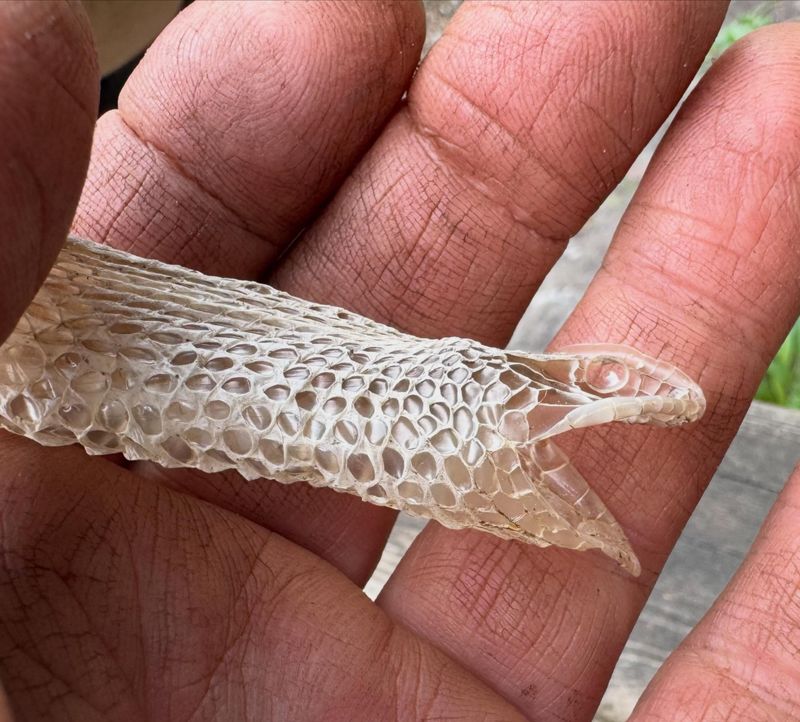
Few yard discoveries make people jump quite like a papery, ghost-colored tube tangled in the ivy. That crinkly find is a shed skin, and it means a snake was recently doing some housekeeping nearby.
Shedding, known as ecdysis, helps snakes grow and shake off pesky parasites. Young snakes may shed roughly once a month, while older ones might only manage it a couple of times each year.
Right before the big peel, a snake’s eyes turn milky blue and its eyesight gets foggy. Feeling vulnerable, it hides in quiet corners: under decks, behind garden benches, inside stacked flowerpots.
The snake then rubs its face against rough bark or stone until the old skin loosens. From there it crawls forward and the skin rolls off inside out, often in one long piece.
Finding a whole skin in a garden usually points to a resident rather than a passing visitor. Scale patterns near the head can even help experts identify the species.
Wear gloves if you handle one, then wash your hands afterward. Photographing it before disposal gives a wildlife expert something useful to look at.
Check the sheltered spots you rarely visit, like the gap behind the shed or the shady side of the compost bin. Clearing clutter from those pockets makes them far less welcoming.
One skin is information, not an emergency. Treat it as a friendly heads-up to stay observant.
2. Slithering Trails Appear Across Dusty Soil Or Mulch
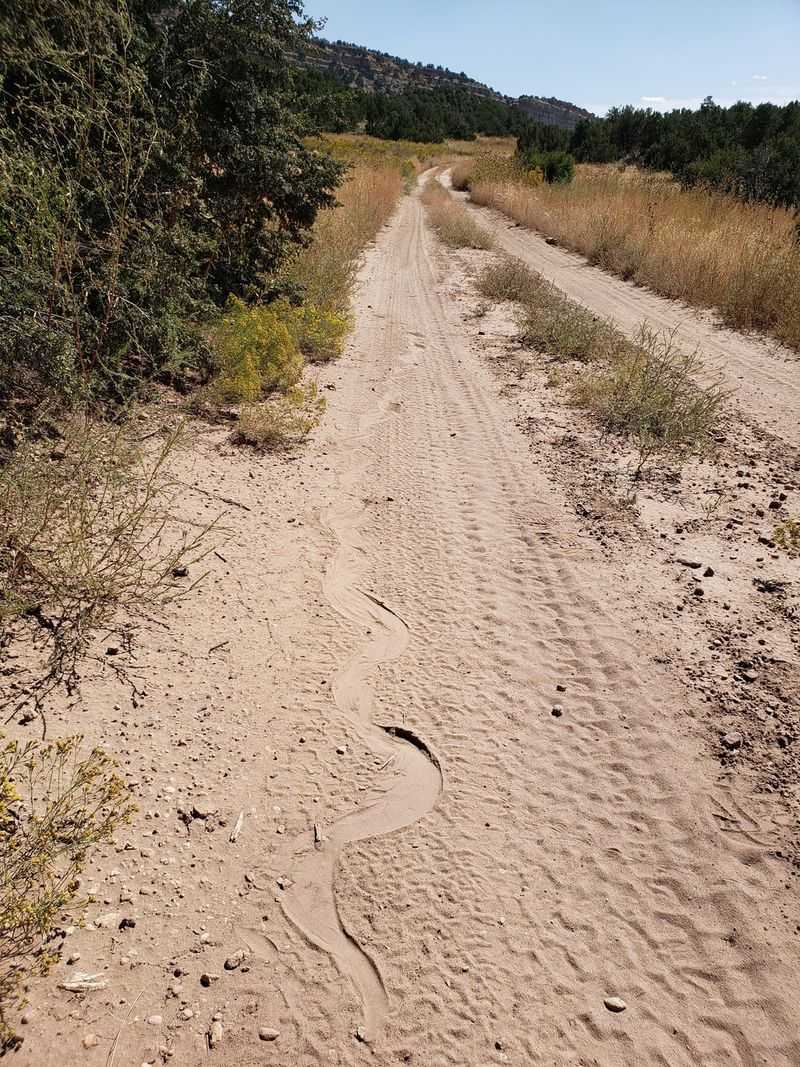
Dusty ground works like a notebook, and snakes sign their names all over it. Those wavy, S-shaped grooves across bare soil are some of the easiest clues to read.
Look along garden paths, dry flower beds, mulch rings, and the sandy strip beside a driveway. Early morning light makes the ridges pop before wind and sprinklers smudge them.
Track width offers a rough hint about body size. A thin, delicate squiggle suggests a small garter snake, while a broad channel points to something heftier like a rat snake.
Direction is readable too. Soil gets pushed backward as the snake pushes forward, so the little piled ridges point away from where it was headed.
Heavier snakes sometimes travel in a nearly straight line using rectilinear movement, sliding belly scales forward like a slow conveyor belt. Those tracks look like a smooth band instead of a wave.
Pinning down the exact species from tracks alone is tough, even for seasoned trackers. What the marks do confirm is simple: something legless is using your yard as a highway.
Your Virginia Garden Changes Every Week. Your Plan Should Too.
Gardening in Virginia changes quickly throughout the season. Every Friday you’ll receive a simple weekly plan showing exactly what to plant, prune, fertilize, harvest, and protect so you never miss the right timing.
Try smoothing a small patch of soil near a suspected crossing point, then check it the next morning. Fresh marks tell you the route is still in use.
Once you know the path, you can plan mowing, weeding, and playtime around it.
3. Rodents Become More Active Around Your Home
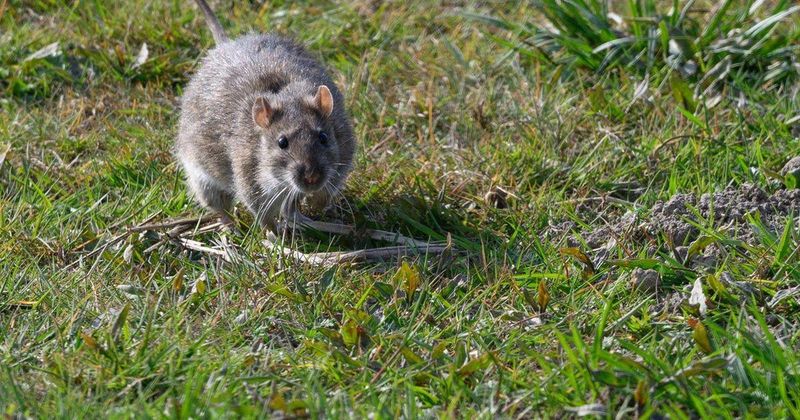
Mice throwing a block party in your garage is bad news for two reasons. The crumbs are one problem, and the predators that follow them are another.
From September through November, cooling weather pushes mice and rats toward warm buildings. Outdoor food gets scarce, and your pantry, shed, and attic start looking like a resort.
Snakes pay attention to that buffet. Rat snakes, black racers, and king snakes hunt rodents for a living, and a busy mouse population is basically a dinner bell.
Watch for small dark droppings along baseboards, chewed cardboard, greasy smudges on walls, and scratching sounds overhead at night. Each of those signs hints that a hunter may be circling closer.
Sweeping up spilled birdseed is one of the quickest wins available. Seed scattered under a feeder feeds mice around the clock, which indirectly invites snakes.
Store pet food and birdseed in metal or thick plastic bins with tight lids. Bring outdoor pet bowls inside after meals instead of leaving them out overnight.
Seal gaps around pipes, vents, and door sweeps with steel wool and caulk. Openings the width of a pencil are plenty for a mouse, and snakes follow those same routes.
Cut the rodent supply and your Virginia property loses much of its appeal for hungry visitors.
4. Tall Grass Creates Easy Cover Along Yard Edges
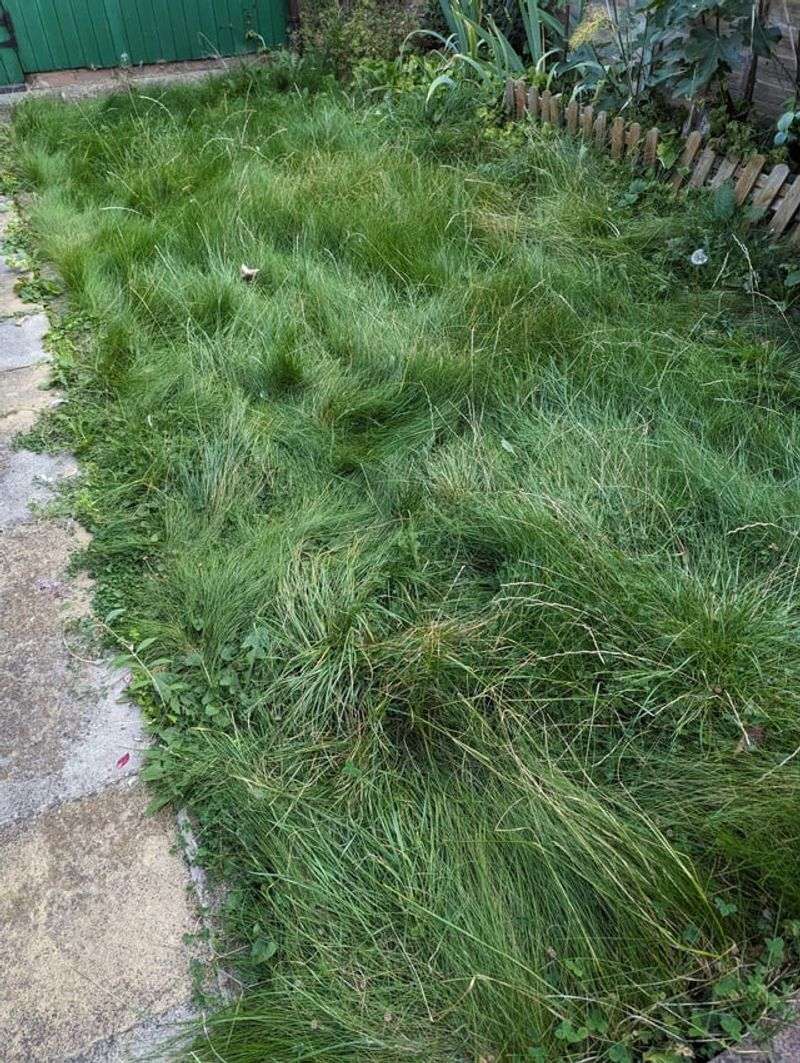
Ever notice how the far corner of the lawn gets skipped week after week? Snakes notice too, and they appreciate the hospitality.
Tall grass gives cold-blooded animals shade, cover from hawks, and a shadowy place to sit and wait. Copperheads in Virginia are known for tucking into grassy borders near woods and brush.
Those messy edges also host crickets, mice, voles, and shrews. Where prey gathers, a patient ambush hunter is rarely far behind.
Mowing on a steady schedule strips away that cover fast. Grass kept short leaves snakes exposed, and most would rather relocate than sunbathe in the open.
Give extra attention to transition zones where your lawn meets the treeline, fence rows, or a neighbor’s field. Those in-between strips are prime real estate.
Trim the lower branches of shrubs so daylight reaches the mulch underneath. A tidy shrub bed is far less cozy than a low, leafy tent.
Rake up fallen leaves and grass clippings rather than letting them pile against a foundation. Damp piles hold warmth and insects, which draws the whole food chain closer.
Boots and long pants are smart when you finally tackle that shaggy corner. Walk heavy, poke ahead with a rake handle, and give anything sunning there a chance to slip away first.
A neat border keeps your yard far less inviting.
5. Woodpiles And Rock Piles Provide Hidden Shelter
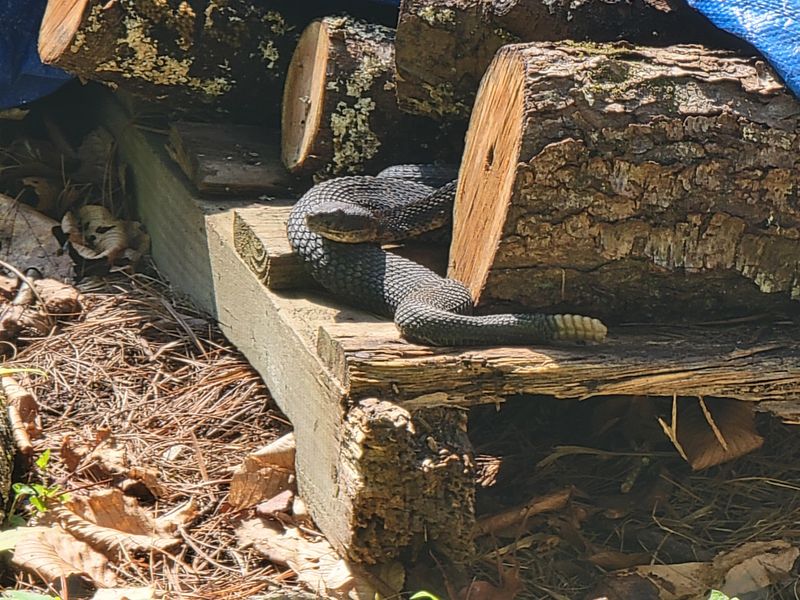
Stacked firewood is basically a snake apartment building with great ventilation. Every gap between logs offers shade, warmth, and a quick escape route.
Rock piles do the same job. Stones soak up sunshine during the day and release it slowly, creating a natural heating pad on cool evenings.
Copperheads and rat snakes both use these piles for camouflage and as ambush stations. Their patterned scales blend beautifully with bark, lichen, and gray stone.
Wood and rock stacks also shelter crickets, beetles, and mice. That built-in food supply turns a simple pile into a full-service habitat.
Raise firewood at least a foot off the ground on a metal rack. Airflow underneath makes the stack far less cozy and keeps the wood drier too.
Position the woodpile away from the house, ideally near the yard’s outer edge rather than against a porch or door. Distance buys you reaction time.
When restacking, use thick gloves and move logs with a hook or the toe of your boot. Lifting from the far side keeps your hands out of blind gaps.
Old lumber scraps, loose bricks, and forgotten landscape stone deserve a cleanup too. Hauling that debris away removes several hideouts at once.
Fun bit of trivia: rat snakes climb surprisingly well and sometimes nap on top of a stack rather than inside it.
6. Burrows Become Active In Quiet Areas Of The Yard
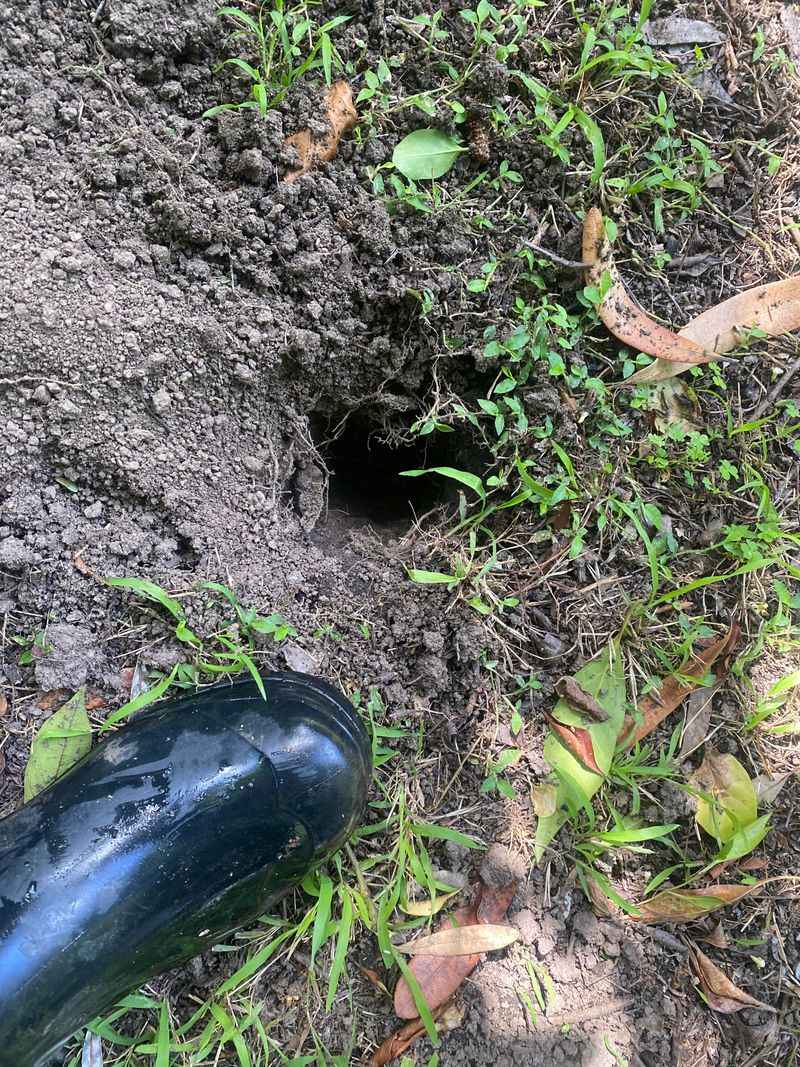
Here is a detail that surprises most homeowners: the majority of Virginia snakes are not diggers. They move into holes that chipmunks, voles, and moles abandoned.
Borrowed burrows offer steady temperatures, shelter from predators, and a front-row seat to passing prey. It is free housing with a built-in pantry.
Garter snakes, rat snakes, and king snakes all take advantage of these underground rooms. Quiet, undisturbed corners of a yard are where you will find them most often.
Some snakes spend considerable time underground, using loose soil, existing burrows, or other sheltered spaces. Loose, sandy soil suits those diggers best.
Telltale signs around an active hole include smooth tracks leading in or out, flattened grass at the entrance, and a shed skin or droppings nearby. Cobwebs across an opening usually mean nobody is home.
Resist the urge to reach in or pour anything down the hole. Both approaches invite trouble and rarely solve anything.
Filling abandoned burrows with soil and packing them firmly helps once you are certain they are empty. Hardware cloth buried along shed skirting blocks new tenants.
Keeping the quiet zones of your yard tidy makes a real difference. Fewer stacked boards, fewer overgrown patches, and fewer easy entrances add up over a season.
7. Frogs And Other Small Prey Gather Near Water Sources
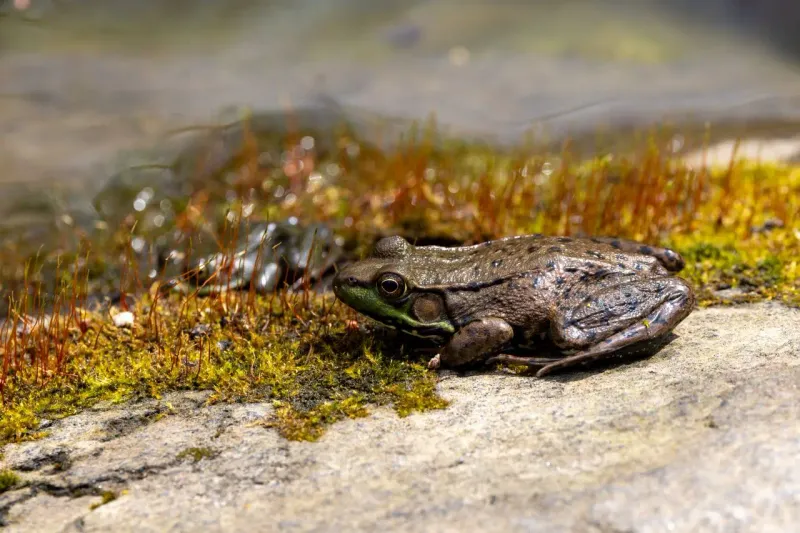
A chorus of frogs on a warm evening sounds peaceful. To a hungry snake, it sounds like a dinner announcement carried across the whole yard.
Ponds, creeks, drainage ditches, and marshy low spots gather amphibians, minnows, and insects. Wherever those small animals cluster, predators follow.
Northern water snakes are frequent visitors around waterways, and garter snakes patrol damp edges too. In the southeastern corner of the state, cottonmouths also use swampy habitat.
Water snakes get a bad reputation because people mistake them for something more dangerous. They are non-venomous, quick to flee, and excellent at fishing.
If your yard has a koi pond or a birdbath that drips into the grass, expect wildlife traffic. Standing water in buckets, old tires, and clogged gutters adds even more.
Trimming cattails and thick pond-edge plants opens up sightlines. Fewer hiding spots means fewer surprises when you kneel down to pull weeds.
Empty and flip containers that collect rain, and keep gutters flowing so water does not pool along the foundation. Drier ground supports fewer frogs and fewer followers.
Should frog activity spike near your water feature in September, stay alert during evening chores. Carry a flashlight and scan the bank before stepping close.
Watching from a few feet back is honestly the best seat in the house.
8. Snakes Start Appearing Near Sunny Spots On Cool September Days
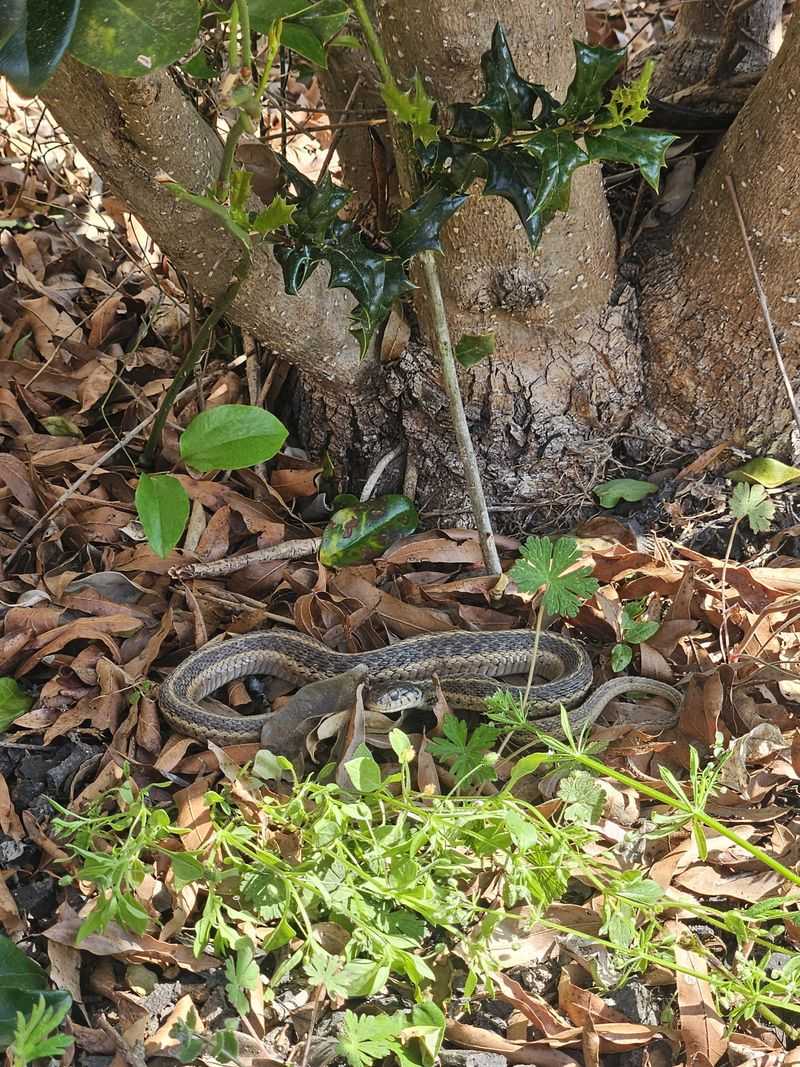
Cool mornings change everything for a snake. With no internal furnace, it has to borrow heat from the world around it.
September nights start dipping, so daytime basking becomes essential. Warm bodies mean working muscles, better digestion, and faster reactions.
Favorite sunning spots include flagstone patios, driveway edges, retaining walls, concrete steps, and dark mulch beds. Anything that soaks up sun and holds it works nicely.
Mid-morning and late afternoon tend to be prime basking hours during early fall. That is exactly when many of us are outside raking or walking the dog.
Snakes across the state are generally active from spring into fall, with the exact timing varying by species and weather. Autumn brings extra urgency as they search for food and mates before brumation, a hibernation-like slowdown.
Look before you sit on a warm stone wall or reach onto a sunlit step. A quick glance costs two seconds and saves a lot of adrenaline.
Keep walkways clear of leaf litter so basking animals have nowhere to blend in. Contrast is your friend when scanning the ground.
Should you spot one soaking up rays, simply back away and take another route. A basking snake is usually sluggish and has zero interest in a confrontation.
Give it fifteen minutes and it will likely move along on its own schedule.
9. You Notice A Snake Moving Through The Yard Or Garden
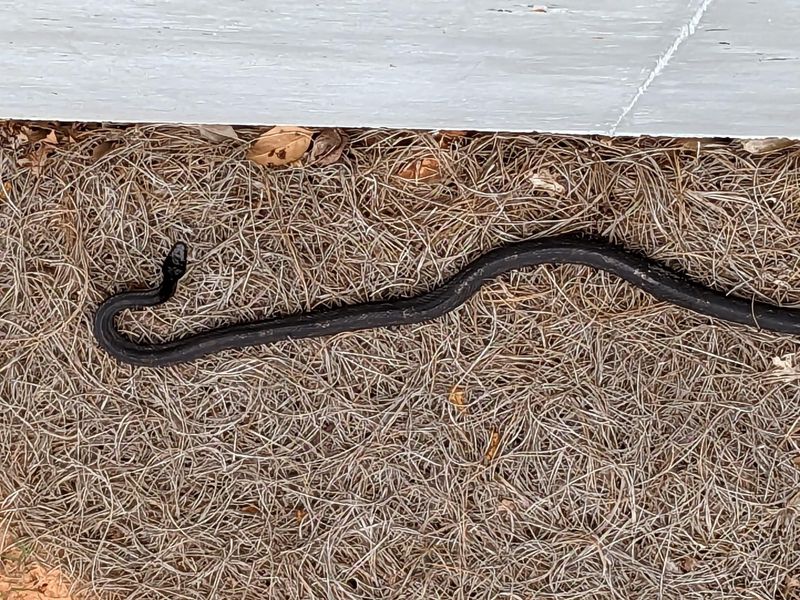
Nothing beats an actual sighting for confirming what the other clues suggested. A snake crossing the lawn is proof, not a mystery.
Late summer and early autumn bring a noticeable uptick in movement. Snakes forage harder now and scout for a protected place to spend the winter.
Many Virginia snakes give birth or hatch between July and September. Those pencil-thin youngsters wander widely, which is one reason September sightings climb.
Only a small handful of species in the state are venomous, and the rest are harmless neighbors that keep rodents in check. Free pest control is worth a little tolerance.
Standing still and letting the animal pass is usually the smartest move. Most snakes head for cover the moment they sense footsteps.
Bring pets and kids indoors, then watch from a window until the visitor leaves. Chasing or cornering one is how bites actually happen.
Snap a photo from a safe distance if you want an identification later. Zoom in with your phone rather than stepping closer.
When a snake settles somewhere risky, like a garage or under a play set, call a licensed wildlife specialist for removal. Handling it yourself is not worth the gamble.
Fun fact worth sharing: king snakes in Virginia occasionally eat other snakes, including venomous ones, which makes them handy allies.