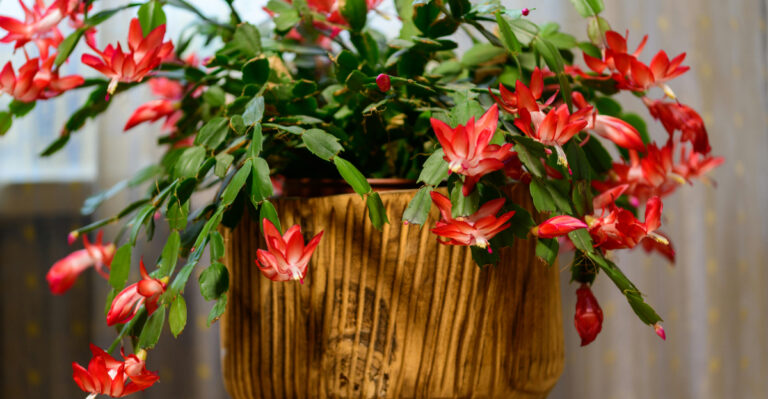
The Most Underrated New York Native That Pushes Weeds Out Along Woodland Edges
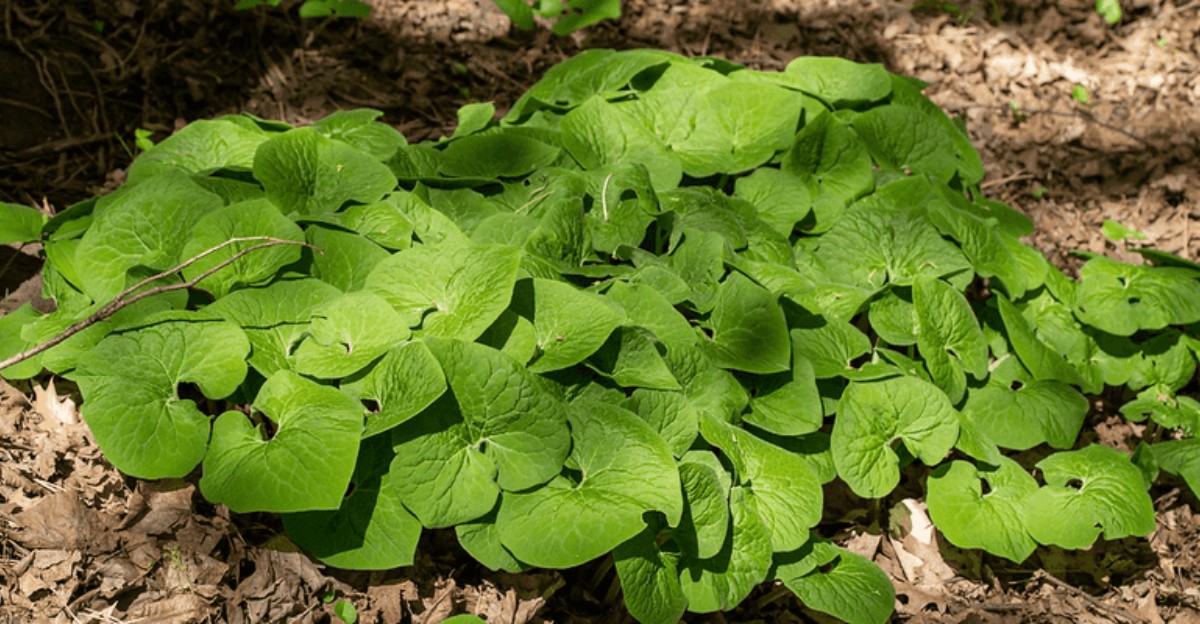
Wild ginger may not be the flashiest plant, but it can solve a common problem in New York woodlands: bare, weedy ground beneath trees. Its heart-shaped leaves spread into a dense green carpet where other plants struggle.
This native groundcover thrives in shady conditions and can settle into woodland edges with relatively little attention once established. It also adds a natural look that works beautifully beneath mature trees and around other shade-loving plants.
If you have a stubborn patch where weeds keep taking over, wild ginger could be the low-growing native worth giving a closer look.
Wild Ginger’s Dense Growth Leaves Less Room For Weeds
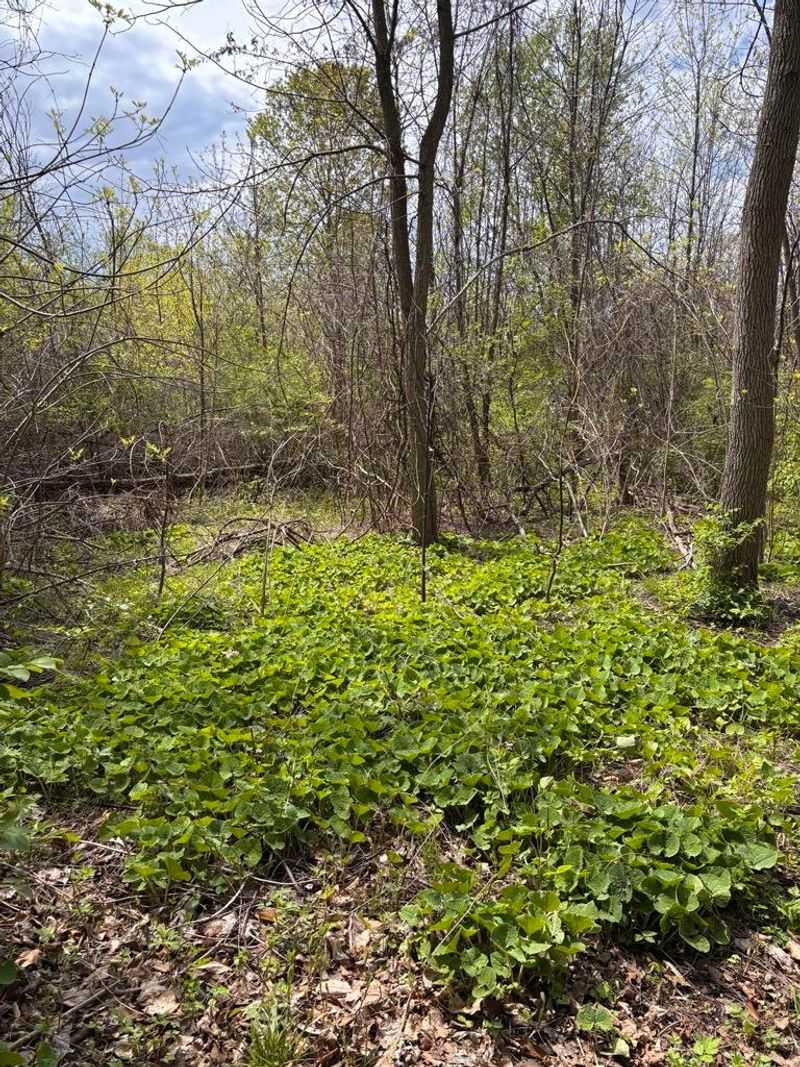
Weeds need two things to get started: light and open soil. Wild ginger takes away both.
Underground, its rhizomes creep just below the surface and send up paired leaves that overlap like roof shingles. The result is a low mat, usually 6 to 12 inches tall, that blocks sunlight from reaching seeds waiting in the dirt.
Gardeners have noticed something impressive about that thickness. Established patches can make it harder for other plants to gain a foothold.
That happens because the mat is solid rather than clumpy. Plants like hosta leave gaps between crowns, and weeds sneak into those gaps fast.
Wild ginger fills the spaces in between, so a seedling that does sprout has little room to grow tall. Over a few seasons, one small planting spreads several feet wide.
To get that coverage sooner, space plants about 12 inches apart and mulch lightly between them the first year. Hand-pull anything that pops up while the colony knits together.
After that, your weeding time drops sharply. Many gardeners report walking through their shade beds in July and finding almost nothing to pull.
Think of it as hiring a permanent groundskeeper. The pay is a bit of compost each fall, and the work never stops.
Heart Shaped Leaves Give Woodland Edges A Lush Look
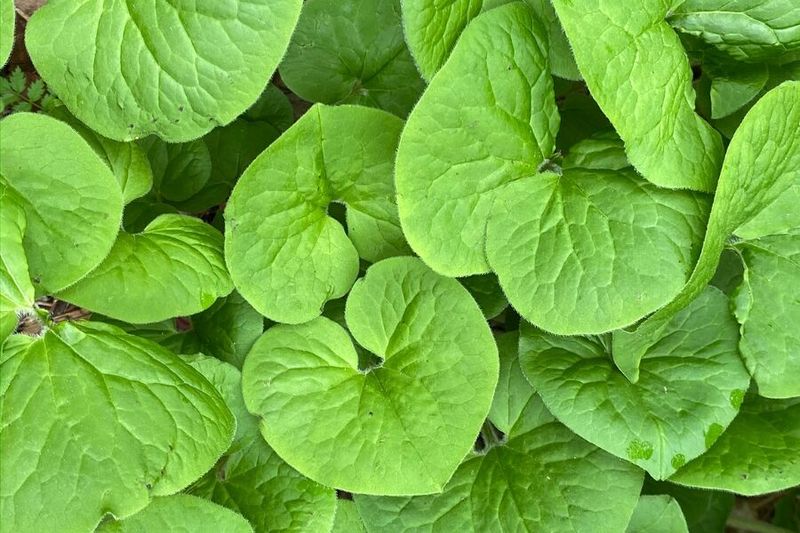
Touch a wild ginger leaf once and you will remember it. Fine hairs cover the surface, giving the foliage a soft, almost suede-like feel.
Each leaf grows in a rounded heart or kidney shape, and mature ones reach 4 to 6 inches across. Dark green and slightly cupped, they catch the little bits of light that slip through a tree canopy.
Designers love the texture because it contrasts beautifully with skinny fern fronds and grassy sedges. Put the three together and a shady corner suddenly looks layered instead of flat.
What makes the effect work is timing. Those leaves unfurl in early spring and hold their good looks through fall, unlike spring ephemerals that vanish by June.
A woodland edge planted with wild ginger keeps its polished, filled-in appearance all season. No midsummer gaps, no sad brown patches where something faded out.
For the richest color, give plants a spot with shifting shade and steady moisture. Leaves in too much sun turn pale or crisp at the edges.
Here is a small tip worth trying. Plant along a slope or raised bed so the leaves tilt toward you at eye level.
Your New York Garden Changes Every Week. Your Plan Should Too.
Gardening in New York changes quickly throughout the season. Every Friday you’ll receive a simple weekly plan showing exactly what to plant, prune, fertilize, harvest, and protect so you never miss the right timing.
Seen that way, the overlapping hearts look like a green quilt. Visitors nearly always stop and ask what it is.
Wild Ginger Thrives In Shady Areas Beneath Trees
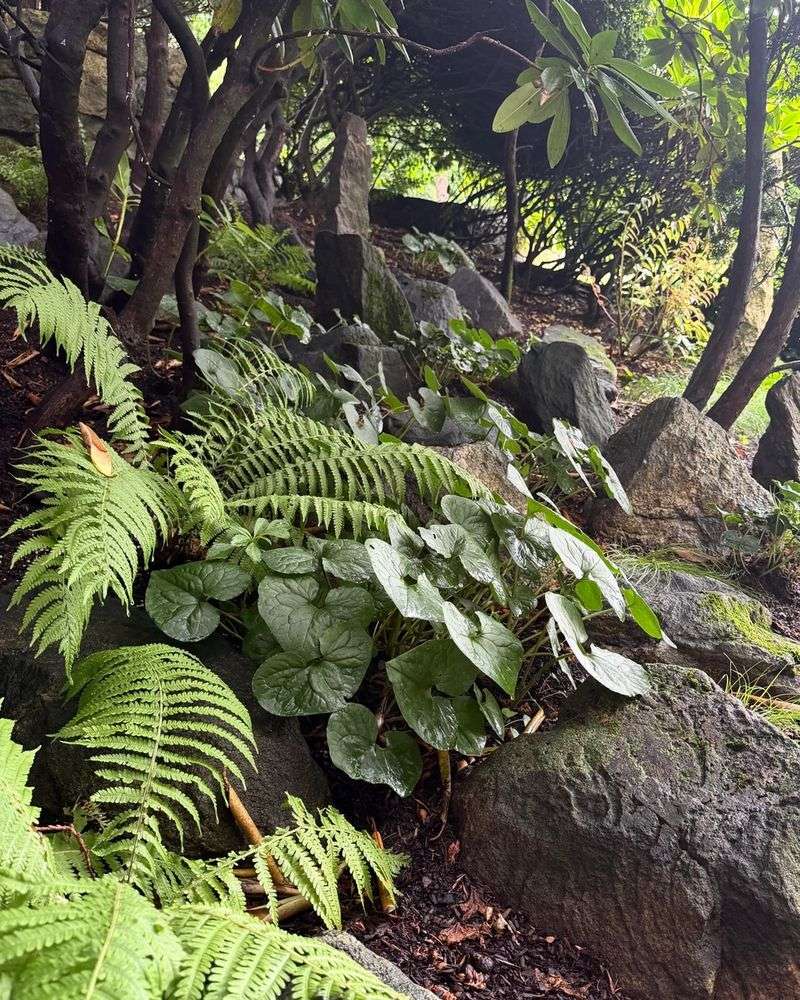
Most gardeners have that one hopeless spot. Deep shade under a maple, roots everywhere, and nothing willing to grow.
Wild ginger treats that spot like prime real estate. Partial to full shade suits it perfectly, since it evolved on the floor of moist deciduous forests.
Across New York, those forests are full of sugar maple, beech, and oak, and wild ginger tucks itself right in beneath them. The north side of a house works just as well.
Strong afternoon sun is the one thing to avoid. Hot July rays can scorch leaf edges and leave the patch looking tired by August.
If your only open spot gets midday glare, try shifting the planting a few feet east so buildings or shrubs cast shade after noon. Even filtered light from high branches is plenty.
Tree roots are not a deal breaker either. Wild ginger rhizomes travel shallowly, so they slide over and around big roots instead of fighting them.
That habit makes planting easier on your back. Scrape away leaf litter, dig a shallow pocket, set the rhizome nearly horizontal, and cover it lightly.
One caution from experience: keep new plants watered through their first summer under thirsty trees. Big maples drink fast, and young ginger needs a fair share.
Moist, Rich Soil Helps This Native Groundcover Establish
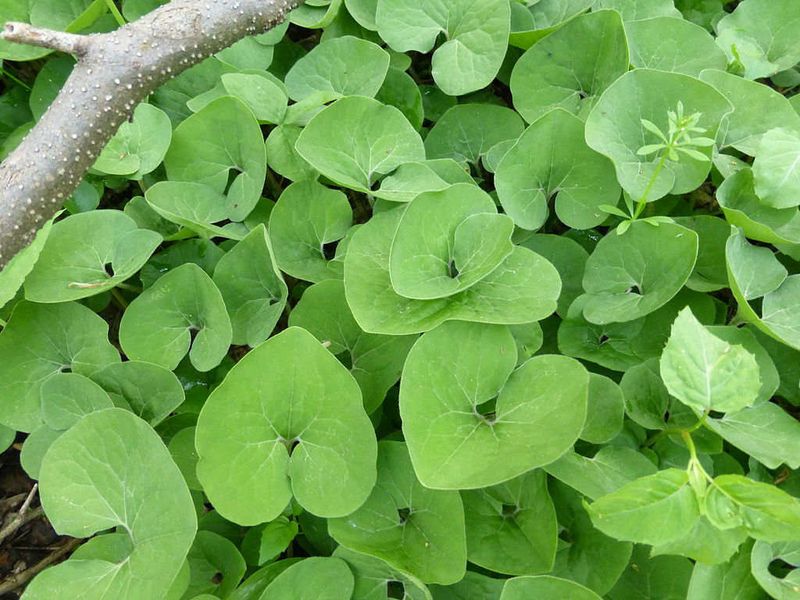
Soil is where wild ginger success really gets decided. It wants what a forest floor naturally provides: rich, crumbly ground full of decayed leaves.
Humus-rich soil that stays cool and evenly moist produces the fullest colonies. Think of the dark, spongy layer you find when you kick aside leaf litter in a woodlot.
Recreating that at home is simple enough. Work a few inches of compost or leaf mold into the top layer before planting, then top off with shredded leaves.
Drainage matters too, since soggy, standing water is not the goal. Moist but well-draining is the sweet spot.
Good news for anyone stuck with heavy ground: wild ginger tolerates clay reasonably well. Loosen it, add organic matter, and plants settle in fine.
Drier sites can work as long as the shade is generous. Less light means less water lost through the leaves.
Watering during year one is the step most people skip. Give new plantings a slow soak weekly during dry stretches, and skip it when rain does the job.
By the second summer, established plants need less attention, but they still benefit from watering during prolonged dry spells. A yearly blanket of leaf compost keeps feeding the soil after that.
Honestly, letting fallen leaves stay put each autumn does most of the work for free.
Its Rhizomes Allow Wild Ginger To Spread Across Open Ground
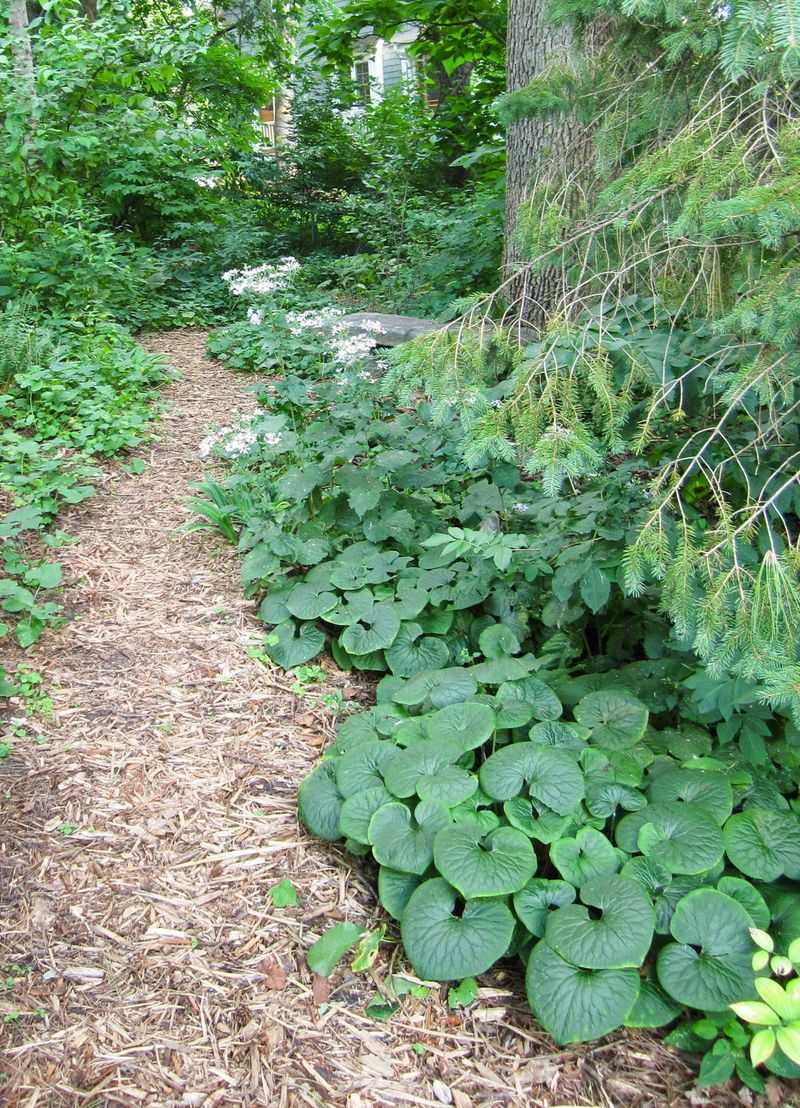
Here is the engine behind the whole operation: a thick, jointed rhizome that creeps just beneath the soil surface. Snap a piece and the spicy fragrance explains the common name.
Each section of rhizome can send up a pair of stems, each carrying a heart-shaped leaf. Multiply that a few hundred times and you get a colony.
Spreading happens at a pleasant pace. Fast enough to fill in, gentle enough that you will not be yanking it out of pathways.
That balance is rare in groundcovers. English ivy and periwinkle race off into New York woodlands and cause real trouble, while wild ginger naturalizes politely.
Want more plants without buying more? Divide the rhizomes in early spring or late fall.
Lift a clump, find a natural joint, and cut so each piece has roots plus a growing tip. Replant immediately at the same shallow depth, water well, and mulch.
A single flat of plugs can fill a surprising area within three or four seasons this way. Many gardeners start small on purpose and divide their way outward.
One habit worth adopting: mark the edges of your patch with a stick or stone. Watching that boundary creep outward each year is oddly satisfying.
Early Spring Flowers Add Seasonal Interest To Woodland Gardens
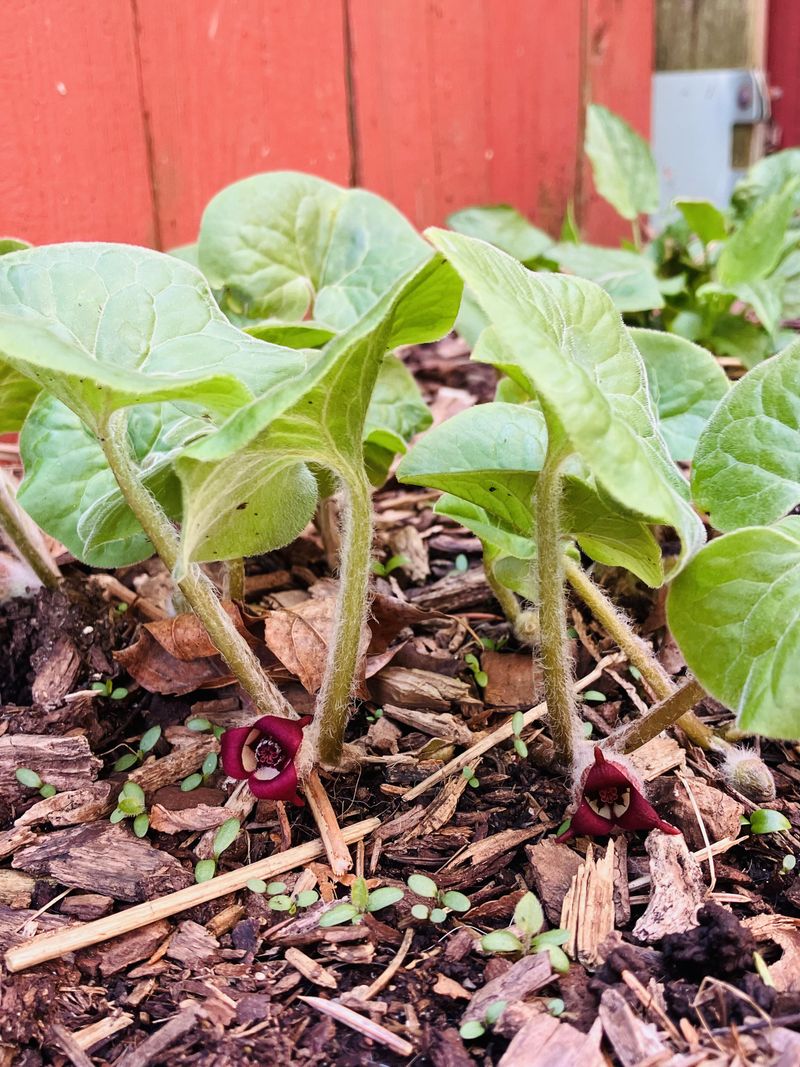
Most flowers want to be seen. Wild ginger blooms seem determined to hide.
From roughly April into May or June, small jug-shaped or cup-shaped flowers appear right at ground level. Their color runs maroon, brownish-red, or dusky purple.
You will need to lift the leaves and look underneath to find them. Children think this is the best plant scavenger hunt ever.
The odd placement has a purpose. Pollination is believed to come from ground-dwelling insects such as flies and ants, drawn in by an earthy scent rather than sweet perfume.
Instead of advertising to bees overhead, the plant markets itself to crawlers at soil level. Clever strategy for a forest floor dweller.
Timing makes the blooms extra welcome in gardens. April in the Hudson Valley or Finger Lakes still feels raw, and finding tiny flowers under new leaves is a genuine treat.
Pair wild ginger with trout lily, bloodroot, or Virginia bluebells for a layered spring show. The ginger foliage then carries the bed after those ephemerals retreat.
Skip the heavy spring cleanup if you can. Raking hard over the patch in March can damage emerging shoots and knock off flower buds.
A light hand now pays off with a fuller display later.
Wild Ginger Works Well Along Woodland Paths And Borders
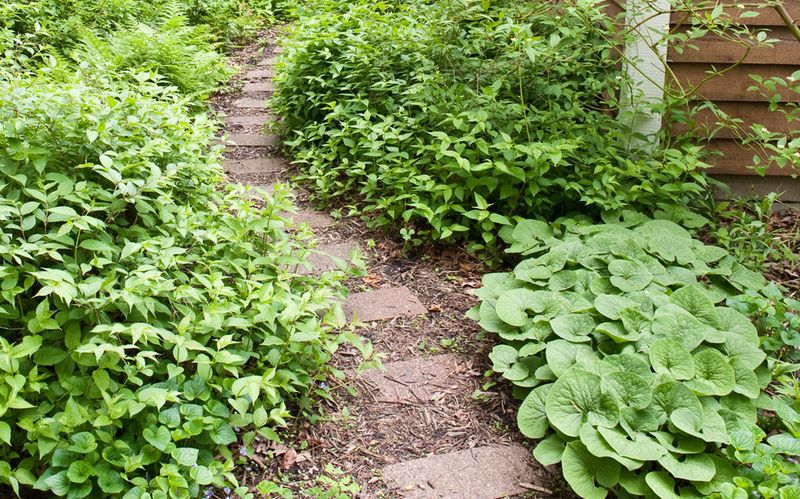
Picture a mulched path winding through trees, edged on both sides with a low green carpet. That soft framing effect is where wild ginger really shines.
Because it stays under a foot tall, it never flops over walkways or blocks a view. Shaded borders, woodland gardens, and the strip beneath shrubs all suit it well.
Landscape designers sometimes call it a living mulch. Instead of hauling in wood chips every spring, you plant something green that holds soil and shades roots.
Pairing ideas are worth thinking through. Set wild ginger in front of taller natives like maidenhair fern, wild geranium, or spicebush for a tiered look.
Along a New York property line where lawn meets woods, it makes an honest transition. The mowed edge stops, the ginger begins, and the whole boundary looks intentional rather than neglected.
Wildlife benefits come along for free. The dense mat shelters ground beetles, spiders, and other small creatures that keep a garden in balance.
For eco-minded plantings, that support for local biodiversity counts as much as the looks. Native plants feed native systems.
One practical note: keep plants back about 6 inches from stepping stones. Foot traffic bruises the leaves, and a little breathing room keeps edges crisp.
Established Wild Ginger Requires Relatively Little Maintenance
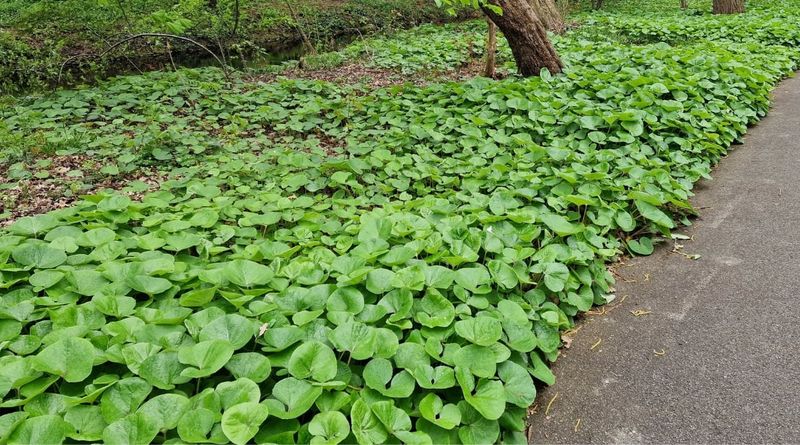
Low effort is the payoff for a little patience up front. Once roots take hold, wild ginger asks for very little from you.
Colonies can persist for decades in the right spot, slowly widening into a natural green carpet. Some patches in old woodland gardens have been there longer than the gardeners tending them.
Your annual chore list is short. Spread a top-dressing of leaf compost or shredded leaf mulch in fall, and that is largely it.
No shearing, no staking, no trimming. The plant handles its own housekeeping.
Deer browsing is another headache it sidesteps. Wild ginger rates as deer-resistant, which matters enormously in suburbs and rural areas where hostas get chewed to nubs overnight.
Drought tolerance improves with age too. First-year plants need steady moisture, while established mats shrug off light dry spells under shade.
Pests and diseases rarely cause problems. Slugs may nibble occasionally, though the fuzzy leaves discourage most of them.
If a patch ever looks thin, the usual culprits are too much sun or soil that dried out hard. Adjust shade or add organic matter and it typically rebounds.
For anyone who wants a good-looking shade bed without weekend labor, few natives deliver more for less fuss.