What Bermuda Grass Needs In September After A Brutal Texas Summer
Bermuda grass in Texas is built for punishment, and it takes its share through summer.
The heat, the drought, the relentless intensity of a Texas August all push Bermuda to its limits in ways that leave it looking significantly more tired by September than most homeowners expected when they chose it for its toughness.
September is when that recovery either happens or doesn’t, and what you do right now has a direct effect on which way it goes.
Most Texas homeowners either do too much too soon or not enough at the right moment when it comes to fall Bermuda care.
Getting the September window right sets Bermuda up for a strong finish to the season and a much better start to the following spring.
Here’s exactly what Bermuda grass needs in September after a brutal Texas summer.
1. Deep Watering To Rebuild Roots
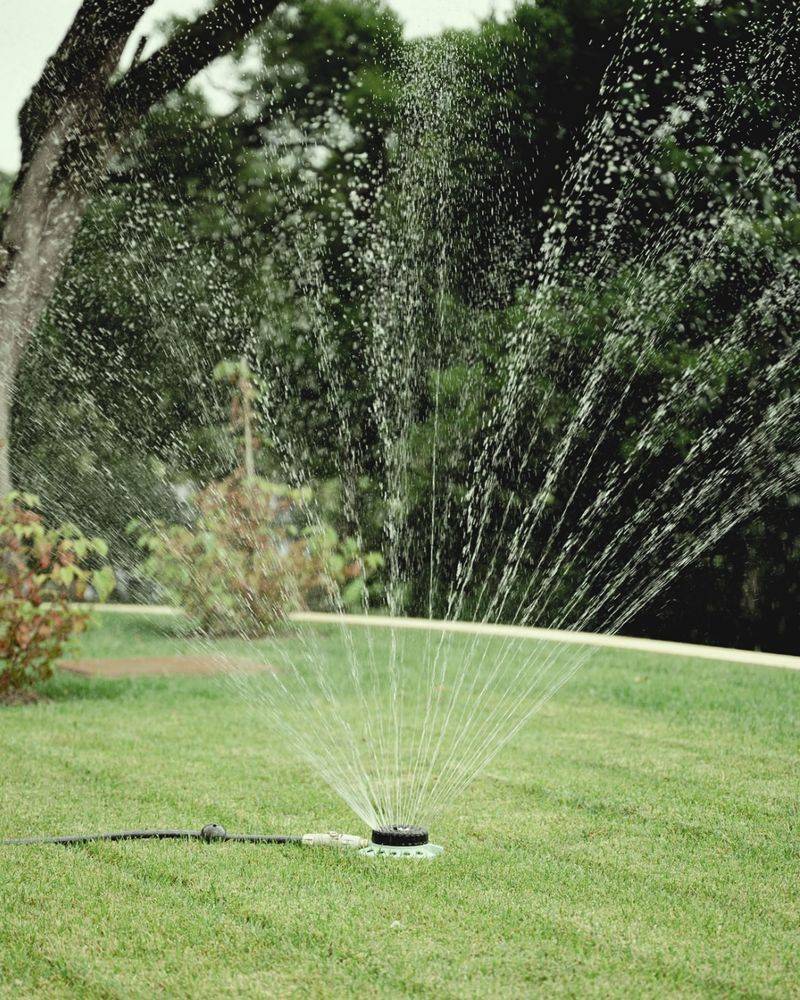
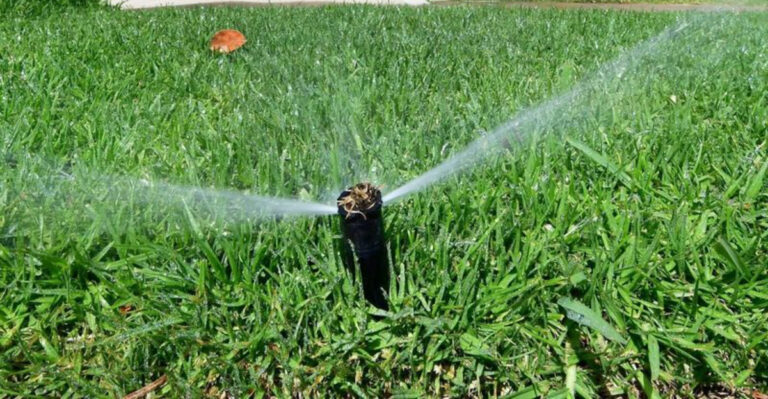
After months of heat, your Bermuda grass roots are stressed and shallow. Deep watering is the fastest way to help them grow strong again. Instead of quick daily sprinkles, give your lawn a long, slow soak.
Aim for about one inch of water each week in September. You can measure this by placing an empty tuna can on the lawn while the sprinkler runs. When the can fills to an inch, you have watered enough.
Watering deeply but less often trains the roots to reach further down into the soil. Deeper roots find moisture even when the surface dries out. This makes your grass tougher during the last warm weeks of the season.
Early morning is the best time to water. The sun is gentle, and less water gets lost to evaporation. Watering at night is not ideal because wet blades overnight can invite fungus.
Check your soil before you water again. Push a screwdriver into the ground, and if it slides in easily, the soil still has moisture. If it feels hard and dry, it’s time for another soak.
Avoid overwatering, which can drown roots and waste money. Puddles and squishy spots are signs you gave too much. Your Bermuda grass likes a balance, not a swamp.
As temperatures slowly drop through the month, you can water a little less. Watch your lawn and let it guide you. A quick color check each morning tells you plenty.
Steady, deep watering now rebuilds the strong root system your grass lost during the brutal summer heat.
2. A Balanced Fall Fertilizer Boost
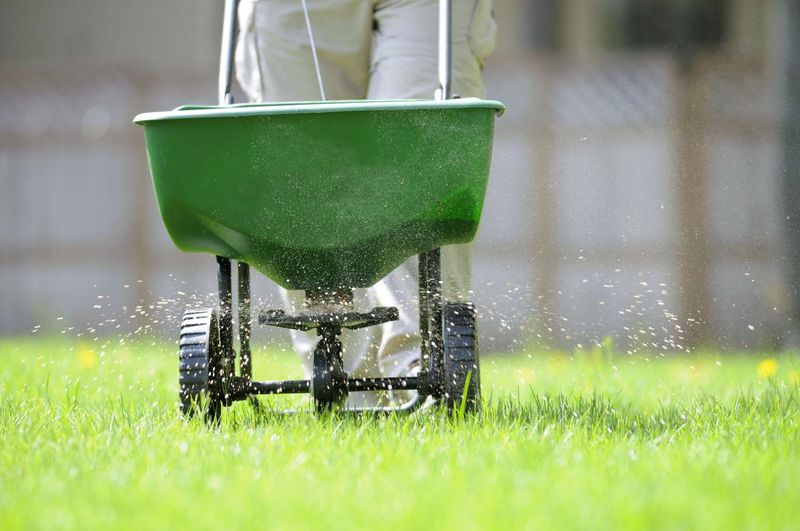
Your grass burned through a lot of energy just surviving the summer. September is a smart time to feed it and refill those tanks. A balanced fertilizer gives Bermuda grass the nutrients it needs to recover.
Look for a fertilizer with nitrogen, phosphorus, and potassium listed on the bag. Nitrogen helps blades turn green, while potassium builds strength for the cooler months ahead. This mix helps your lawn get thick and healthy again.
Timing matters, so try to fertilize early in the month. Bermuda grass is still actively growing in September, which means it can use the food. Feeding too late in fall is not helpful because growth slows down.
Your Texas Garden Changes Every Week. Your Plan Should Too.
Gardening in Texas changes quickly throughout the season. Every Friday you’ll receive a simple weekly plan showing exactly what to plant, prune, fertilize, harvest, and protect so you never miss the right timing.
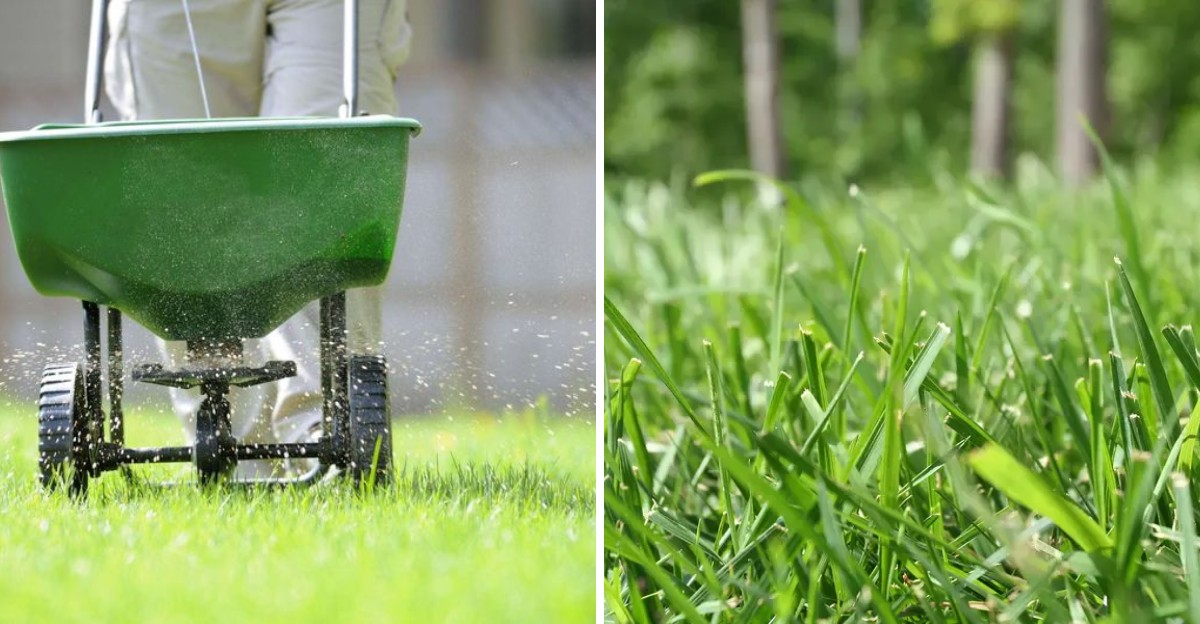
Use a spreader for even coverage across the whole yard. Walking in straight, overlapping rows keeps things neat and avoids missed spots. Uneven feeding can leave streaks of dark and light green.
Always water your lawn lightly after applying granular fertilizer. This helps the tiny pellets break down and soak into the soil. Dry fertilizer sitting on blades can cause brown patches.
Read the label carefully and never use more than the bag suggests. More is not better, and too much nitrogen can stress your grass. Follow the directions for the size of your lawn.
A soil test can help you know exactly what your yard is missing. Many local extension offices offer cheap testing kits.
That way you feed smarter, not harder. With the right fall feeding, your Bermuda grass gets the fuel it needs to green up fast.
3. Aeration To Loosen Hard Soil
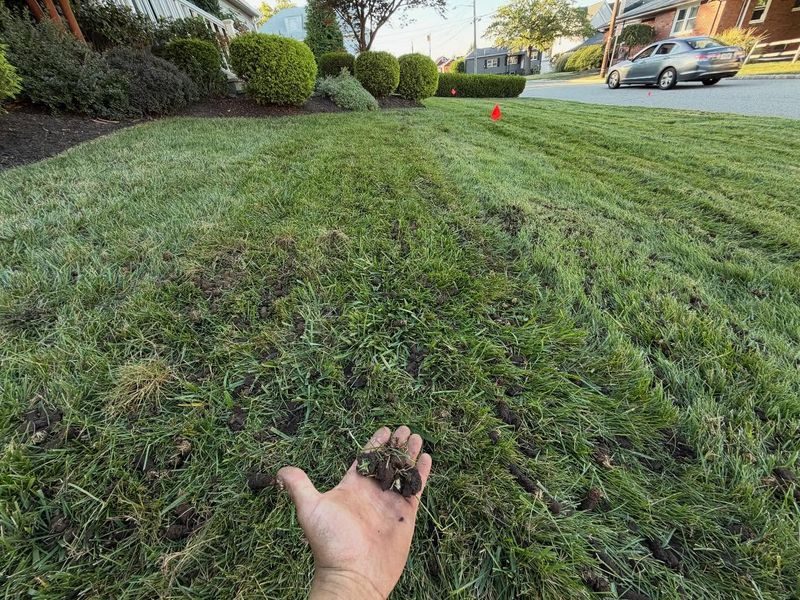
Months of foot traffic and dry weather can pack your soil down hard. Compacted dirt makes it tough for water, air, and nutrients to reach the roots. Aeration fixes this by poking small holes throughout your lawn.
A core aerator pulls out little plugs of soil and leaves them on top. These holes give the ground room to breathe again. Roots love the extra space and start growing stronger right away.
You can rent an aerator from a hardware store for a day. Some homeowners split the cost with a neighbor to save money. It’s a small effort that pays off big for your lawn.
September is a great time to aerate Bermuda grass because it is still growing. Active grass fills in the holes quickly and recovers fast. Aerating during dormancy is not as effective.
Water your lawn a day before you aerate. Slightly moist soil lets the machine pull cleaner plugs. Bone-dry ground makes the job much harder.
Leave those little soil plugs where they land. They break down naturally and add nutrients back to the surface. Raking them up just creates extra work for no reason.
After aerating, this is a perfect moment to fertilize or overseed. The open holes help those materials reach the root zone. Everything works better together.
Focus on high-traffic areas like walkways and play spots. These spots usually suffer the most compaction. Give them a little extra attention.
Loosening your soil now helps your Bermuda grass drink up everything it needs for a strong recovery.
4. Overseeding For Thicker Coverage
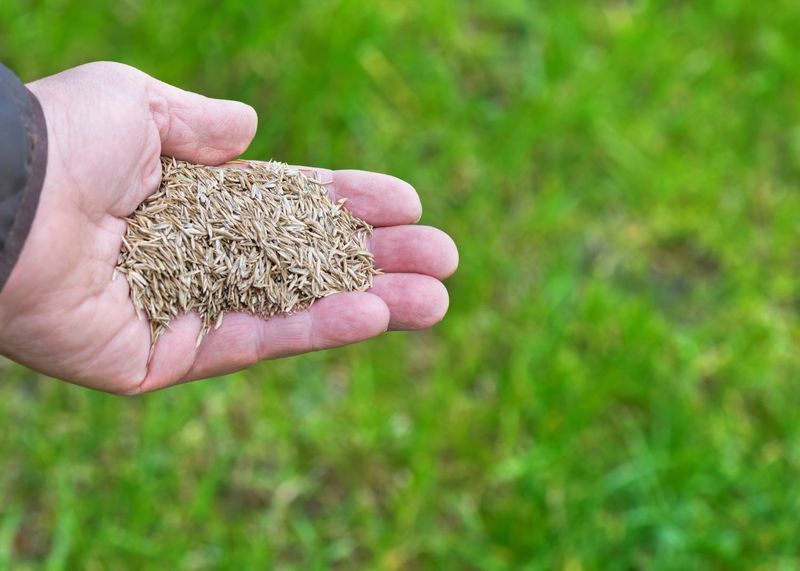
Brutal heat can leave bare, thin spots scattered across your yard. Overseeding fills in those gaps and makes your lawn look full again. It’s a simple way to bring back that lush, carpet-like feel.
For year-round green, many Texas homeowners overseed with ryegrass in fall. Ryegrass stays green through the cooler months when Bermuda slows down. This keeps your yard looking nice even in winter.
Start by mowing your existing grass a little shorter than usual. This helps the new seed reach the soil where it can sprout. Seed sitting on top of tall grass rarely takes root.
Spread the seed evenly using a handheld or push spreader. Walking in two directions, side to side, gives better coverage. Even seeding means even growth.
Keep the seeded areas moist with light, frequent watering. New seed needs steady moisture to sprout and settle in. Letting it dry out will stop germination in its tracks.
Avoid heavy foot traffic on freshly seeded spots. Tiny seedlings are delicate and easily damaged. Give them a couple of weeks to get established.
Choose good-quality seed that matches your climate and sunlight. Cheap seed often has weeds mixed in. Reading the label saves you headaches later.
Within a couple of weeks, you should see fresh green sprouts appearing. Keep watering gently until they grow taller. Patience really pays off here.
Overseeding now rewards you with a denser, healthier lawn that crowds out weeds and hides the summer damage.
5. Smart Mowing At The Right Height

How you mow in September can help or hurt your lawn’s recovery. Cutting too short after a hard summer adds even more stress. The trick is to mow smart, not aggressive.
Keep your Bermuda grass around one to two inches tall this time of year. Slightly taller blades shade the soil and hold in moisture. This gives stressed roots a break.
Never remove more than one-third of the blade in a single mow. Scalping your lawn weakens it and invites weeds. Small, regular trims are far gentler.
Sharp mower blades make clean cuts that heal quickly. Dull blades tear the grass and leave ragged, brown tips. Sharpen your blade at least once a season.
Mow when the grass is dry for the best results. Wet clippings clump together and can smother the lawn. Dry mowing also keeps your mower running smoothly.
Leave the clippings on the lawn instead of bagging them. These small pieces break down and feed the soil naturally. This free fertilizer is called grasscycling.
Change your mowing pattern each time you cut. Going the same direction every week can press the grass down. Switching it up helps blades stand tall.
As the weather cools, your grass grows slower, so you can mow less often. Watch the height and cut only when needed. There’s no reason to mow on a strict schedule.
Gentle, thoughtful mowing keeps your Bermuda grass strong while it works to bounce back from the summer heat.
6. Weed Control Before They Spread

Weeds love a stressed lawn, and they’ll happily move into thin spots. After a rough summer, your Bermuda grass has plenty of openings for them. Tackling weeds in September stops them before they take over.
Fall is prime time for winter weeds to sprout and settle in. Getting ahead of them now saves you a big battle next spring. A little effort here goes a long way.
A pre-emergent weed control product stops seeds before they even sprout. Apply it early in the month for the best protection. Timing is everything with pre-emergents.
For weeds already growing, use a post-emergent product to spot-treat them. Aim directly at the weeds and avoid soaking the whole lawn. This targets troublemakers without wasting product.
Always read the label to make sure the product is safe for Bermuda grass. The wrong chemical can harm your good grass. When in doubt, check with a garden center expert.
Pulling weeds by hand works great for small areas. Get the whole root so they don’t come back. Damp soil makes hand-pulling much easier.
A thick, healthy lawn is your best defense against weeds. Grass that grows dense leaves no room for invaders. That’s why watering and feeding matter so much.
Avoid using herbicides on freshly seeded areas. New grass is too tender and can get damaged. Wait until seedlings are well established.
Staying on top of weeds now keeps your Bermuda grass looking clean and gives it room to fully recover.
7. A Little Topdressing Love
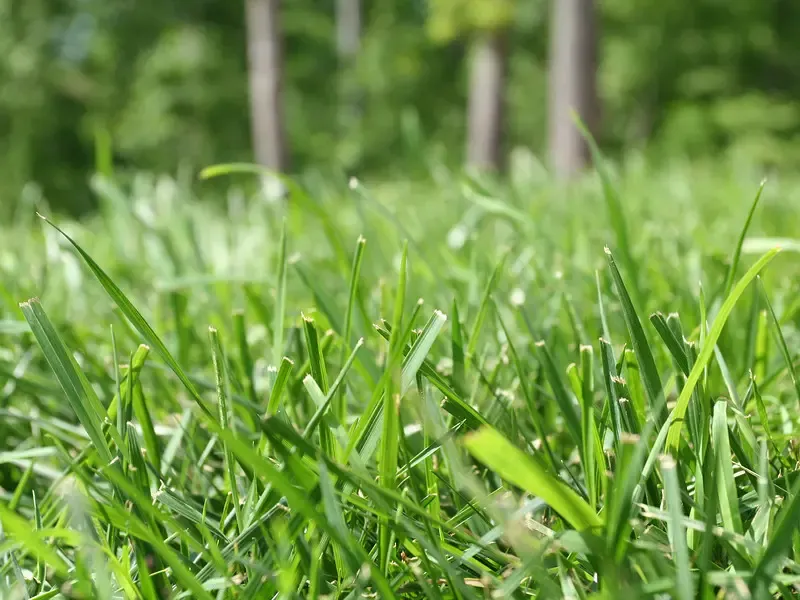
Topdressing sounds fancy, but it’s just adding a thin layer of good material over your lawn. A little compost or quality soil can work wonders after a harsh summer. It smooths bumps and feeds the grass at the same time.
This step helps level out low spots and small dips in your yard. Over time, foot traffic and weather create uneven ground. Topdressing gently fills those areas in.
Compost is a popular choice because it’s packed with nutrients. It slowly releases food into the soil as it breaks down. Your Bermuda grass gets a steady, natural boost.
Spread the material in a thin layer, no more than a quarter inch deep. Too much can smother the grass instead of helping it. A light hand is the key here.
Use a rake or the back of a shovel to spread it evenly. Work it down between the blades so it reaches the soil. You still want your grass tips poking through.
Topdressing pairs perfectly with aeration and overseeding. The compost fills the aeration holes and covers new seed. Everything works together for a healthier lawn.
Water lightly after topdressing to help it settle in. This washes the material down toward the roots. A gentle soak is all you need.
Choose clean, weed-free compost so you don’t add new problems. Cheap or unfinished compost can carry weed seeds. Quality really matters here.
Giving your lawn this little bit of extra care builds better soil and helps your Bermuda grass thrive well beyond September.