Why Are Your Michigan Hostas Turning Yellow?
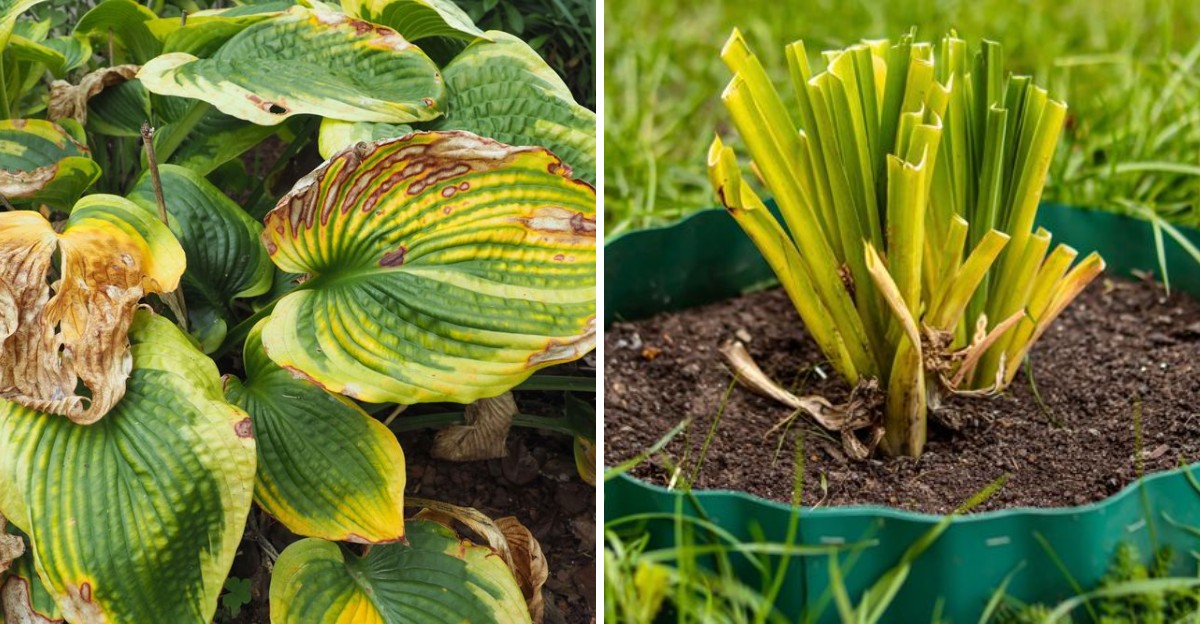
You walk out to the shade garden in early October, and every hosta in the bed has turned the same soft yellow, almost overnight, like something flipped a switch while you weren’t watching.
Your first thought is that something went badly wrong. Too much water, maybe a disease creeping through the soil, something worth worrying about.
Most of the time though, that color shift is the plant simply following a script it has known since the day it was planted.
Most gardeners assume the worst the moment they see yellow leaves, reaching for a hose or a fertilizer bag before checking the actual calendar first.
Knowing the difference between normal fall behavior and a genuine problem saves you a lot of worry and keeps your hostas coming back strong every spring.
1. Natural Fall Dormancy Is The Likely Cause
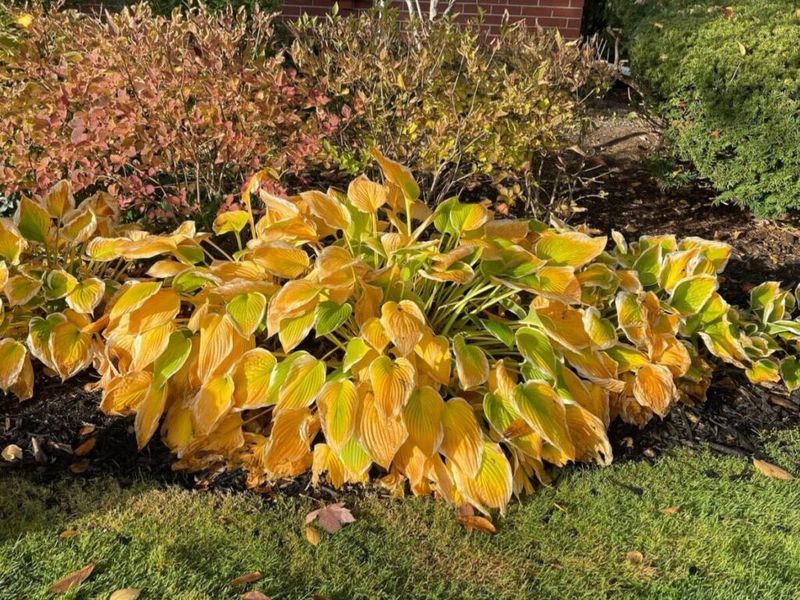
Picture a September morning in Kalamazoo, where a bed of hostas that looked lush in July has gone the color of scrambled eggs seemingly overnight.
Nine times out of ten, that shift is simply the plant clocking out for the year right on schedule.
Hostas are perennials, which means the leaves are temporary but the crown and roots underground live on through winter. As daylight shrinks in late summer, the plant begins pulling sugars and nutrients out of its leaves.
Chlorophyll, the green pigment, breaks down first, so the yellow tones that were always present finally show through the fading green.
Michigan State University Extension describes this as normal dormancy, the same process that turns maple leaves gold along I-96 every October without fail.
Healthy dormancy usually looks even. Whole leaves fade together, the entire clump goes at roughly the same pace, and the foliage stays intact rather than spotted or mushy.
Timing matters when you are trying to tell normal from trouble here. Yellowing that starts in late August and spreads through October fits the seasonal script perfectly.
Yellowing in June, or on one lonely plant while its neighbors stay green, points somewhere else entirely.
2. Cooler Nights Trigger The Color Change
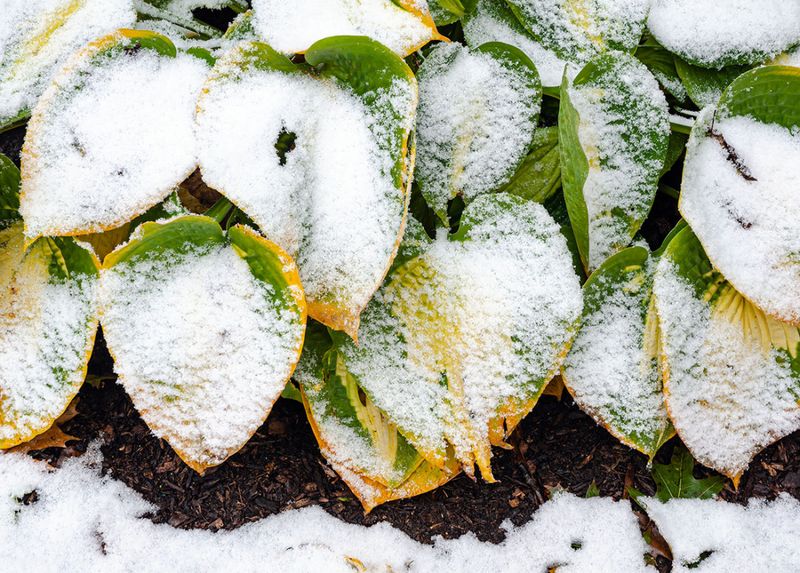
Temperature is the switch here, and in Michigan it flips fast once the season turns. Once overnight lows start dipping into the 40s, usually sometime in September across the Lower Peninsula, hostas read the message and begin shutting down.
Shorter days and cooler nights work as a pair on this process. Less sunlight means less sugar production, and chilly nights slow the plant’s internal chemistry.
Chlorophyll stops being replaced as quickly as it wears out, so the green fades, and the yellow and gold pigments underneath take over the show.
Gardeners in Traverse City or Marquette often notice this a couple of weeks before folks in Monroe or Ann Arbor. Lake effect, elevation, and how sheltered your yard is all nudge the schedule slightly.
A hosta tucked against a warm brick foundation may stay green longer than one sitting out in an open bed nearby.
The first hard frost speeds everything along fast. After a night in the upper 20s, yellow leaves often collapse into a limp, translucent heap within a day or two.
Your Michigan Garden Changes Every Week. Your Plan Should Too.
Gardening in Michigan changes quickly throughout the season. Every Friday you’ll receive a simple weekly plan showing exactly what to plant, prune, fertilize, harvest, and protect so you never miss the right timing.
That sudden flop looks dramatic, but the crown below ground is unbothered and already loaded with stored energy for spring.
3. Overwatering Can Cause Early Yellowing Too
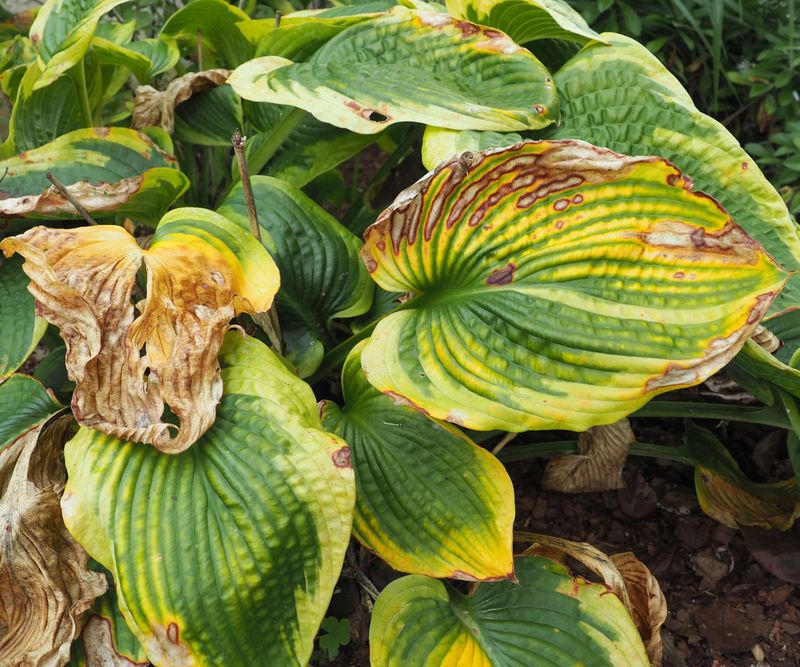
Soggy roots tell a different story, and they rarely wait for autumn to show up. Hostas love steady moisture, but they drown in standing water, and Michigan clay soil holds it like a cereal bowl.
Waterlogged soil pushes out air, and roots need oxygen to absorb nutrients properly. When they suffocate, leaves turn a dull, pale yellow starting from the bottom of the clump.
The petioles, those stalks holding the leaves, may feel soft or slimy near the base when this happens.
A few clues separate this from dormancy clearly. Overwatering damage shows up in July or August, appears in patches rather than across the whole bed, and often hits the plants sitting at the low end of a slope.
Leaves may also wilt even though the soil feels wet, which confuses a lot of gardeners at first glance.
Fixing it starts with your finger. Push it two inches into the soil, and if it comes out muddy, skip watering entirely for now.
Hostas generally want about an inch of water a week, counting rainfall, and Michigan summers often supply plenty on their own without help.
For chronic wet spots, dig in compost to improve drainage, or raise the planting bed a few inches above grade.
4. Sun Scorch Affects Thin Leaved Varieties
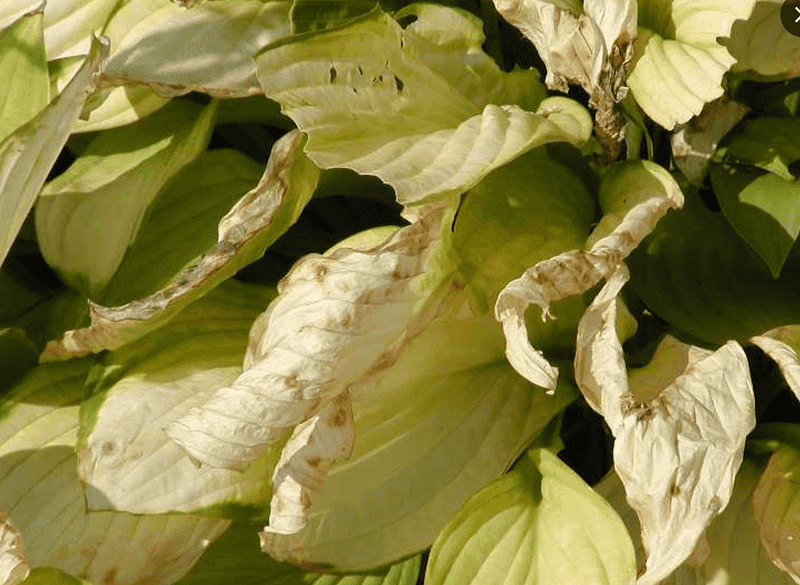
Not every hosta handles a hot Michigan afternoon the same way. Varieties with thin, papery leaves scorch much faster than the heavy, corrugated types that feel almost leathery in your hand.
Scorch starts at the edges of the leaf. Leaf margins go pale yellow, then tan or brown and crispy, and the tips may curl inward or split apart.
Look closely, and you will often see the damage concentrated on the side of the clump facing west, where the harshest light lands each afternoon.
Heat and dryness make it worse together. A hosta in dappled shade under an oak can look flawless while the same variety planted six feet away in open lawn looks bleached by mid-July.
Blue-leaved hostas also lose their silvery cast in strong sun, since that color comes from a waxy coating that breaks down under heat and bright light.
Relief is mostly about placement here. Morning sun with afternoon shade suits nearly every variety, and a layer of mulch keeps roots cooler and moisture steadier throughout summer.
Choosing tougher cultivars saves headaches later. Thick-substance types such as Sum and Substance or Guacamole hold up better in brighter Michigan yards.
5. Nutrient Deficiency Is A Less Common Cause
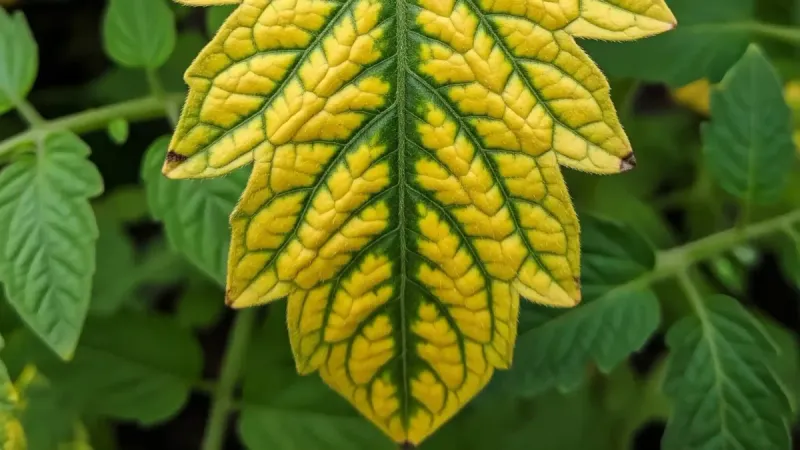
Here is a bit of good news for anyone reaching for a fertilizer bag right now. Hungry hostas are fairly rare. In decent garden soil with an annual layer of compost, these plants ask for very little.
Still, deficiencies happen occasionally. Nitrogen shortage shows as an overall pale, washed-out green fading to yellow, usually on older leaves first, with the whole plant looking smaller than it should.
Iron trouble looks different, producing yellow leaf tissue with veins that stay distinctly green throughout.
Soil pH often sits behind the iron problem specifically. When soil runs too alkaline, iron locks up chemically even though it is physically present, so adding more fertilizer accomplishes nothing at all.
Parts of Michigan have naturally limey, high-pH soil, which makes a soil test genuinely worthwhile before assuming anything.
MSU Extension offers an affordable home soil test, and the results tell you what your bed actually needs instead of leaving you guessing at the problem.
If a test does show a shortfall, a balanced slow-release fertilizer applied in early spring, as the shoots push up, handles it fine.
Skip feeding in late summer though. Pushing new growth right before frost wastes stored energy the plant needs for winter.
6. Slug Damage Can Look Similar From Afar
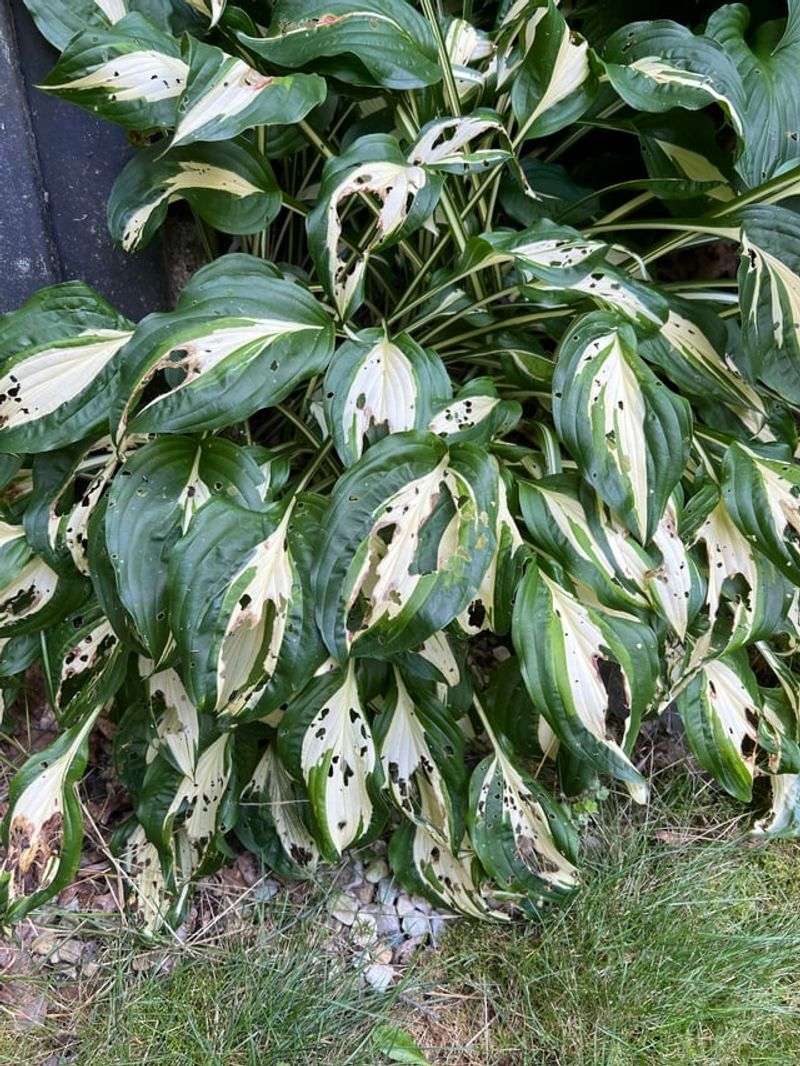
Step back ten feet from a slug-chewed hosta, and the whole plant reads as sickly yellow-green from a distance. Get closer, and the real culprit shows itself clearly.
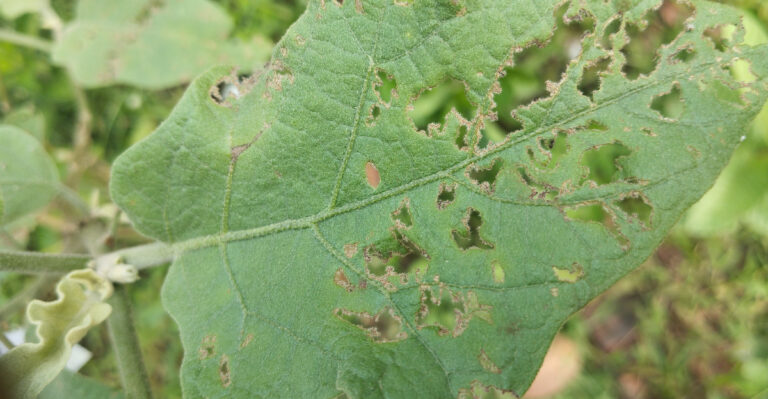
Dozens of ragged holes punched between the veins, with silvery slime trails drying on the leaf surface nearby.
Michigan’s damp springs and shady beds are basically slug paradise for these pests. They feed at night and hide under mulch, boards, and leaf litter during the day, which is why gardeners rarely catch them in the act.
Damaged tissue around each hole yellows and browns over time, and heavy feeding leaves foliage looking tattered and faded by August.
Hand-picking after dark with a flashlight works surprisingly well, especially after rain has fallen. A shallow dish of beer sunk to soil level draws them in overnight, an old trick that still earns its reputation.
Prevention beats trapping in the long run. Water in the morning so leaves and soil dry before nightfall, thin out crowded clumps for better airflow, and keep mulch pulled back a couple of inches from the crown.
Some cultivars fight back on their own naturally. Thick, waxy-leaved hostas are tougher for slugs to chew through, so gardeners facing heavy pressure often switch varieties.
7. Most Fall Yellowing Needs No Response
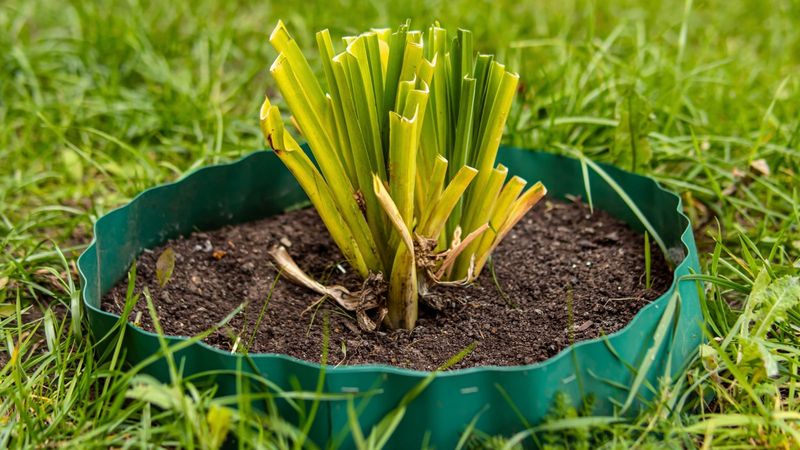
Relax. Honestly. If it is October in Michigan and your hostas are going gold, the single best thing you can do is nothing at all.
Yellow leaves are still working even as they fade. They continue shipping stored sugars down into the crown until they finally collapse on their own, so cutting them off while they are still standing shortchanges next year’s growth.
Once leaves have gone limp and brown, clip them back to about an inch above the crown and rake the debris away from the bed.
Removing that old material reduces slug eggs and disease spores overwintering in your beds. Compost it only if it looked healthy, and toss anything spotted or rotted instead.
Skip late-season fertilizer, skip extra watering unless fall has been unusually dry, and hold off on dividing until early spring arrives.
Neighbors sometimes panic and yank out plants they assume are dying, which is a real shame. A hosta that vanishes completely by November is not gone, just resting underground where the roots stay very much alive.
Come May, those same crowns send up tight spears and unfurl fresh leaves like nothing ever happened at all. Hostas are famously long-lived, with some clumps thriving in one spot for decades.
8. Cultivar Differences Affect The Timing And Color Of The Fade
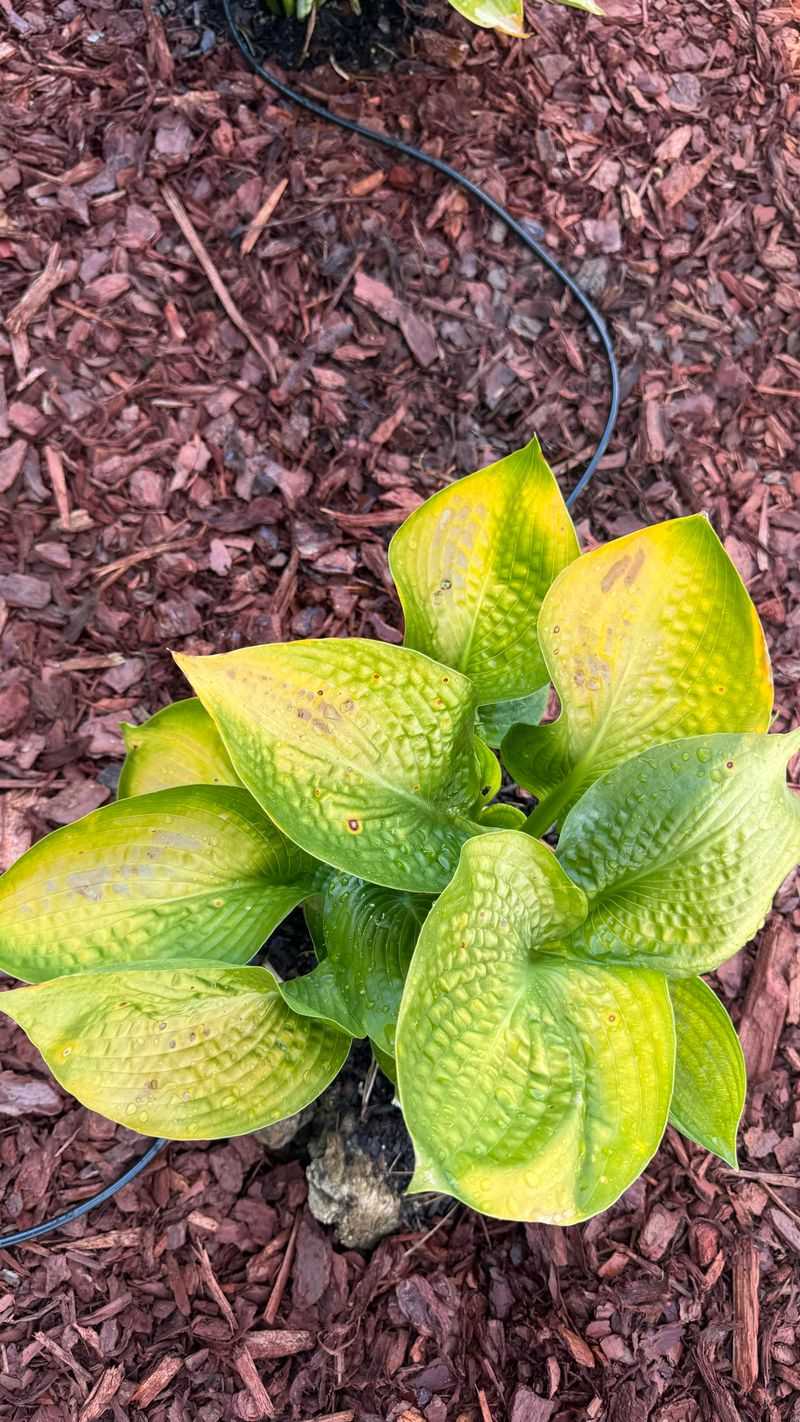
Not every hosta in a mixed bed turns yellow on the same schedule, and gardeners with several varieties often notice one clump fading weeks before another right next to it.
Some cultivars, particularly those bred with more Hosta plantaginea in their background, tend to hold green foliage later into fall, sometimes staying respectable right up until the first hard frost finally knocks them down.
Others, especially older, simpler varieties closer to wild species, follow a shorter growing season and start yellowing noticeably earlier, sometimes as soon as late August even in a normal year. Leaf color at peak season plays a role too.
Gold and chartreuse-leaved hostas already carry less chlorophyll relative to their yellow pigments, so their transition into dormancy can look more subtle, sliding from bright gold to a slightly deeper gold rather than a dramatic green-to-yellow shift.
Blue-leaved varieties, by contrast, often show one of the more noticeable transitions, since their waxy blue coating fades first and reveals the underlying yellow-green tones building throughout the season.
None of this variation signals a problem worth investigating. It simply reflects genetic differences in how quickly each cultivar responds to shortening days and cooling nights.
Keeping a rough mental note, or even a written one, of which varieties in a bed tend to fade first each year helps a gardener build realistic expectations rather than worrying every time one clump changes before its neighbors.
Comparing a cultivar against its own typical pattern from previous years, rather than against a different variety growing nearby, gives a far more accurate read on whether anything is actually wrong.