How Often Should You Water A Texas Garden In September?
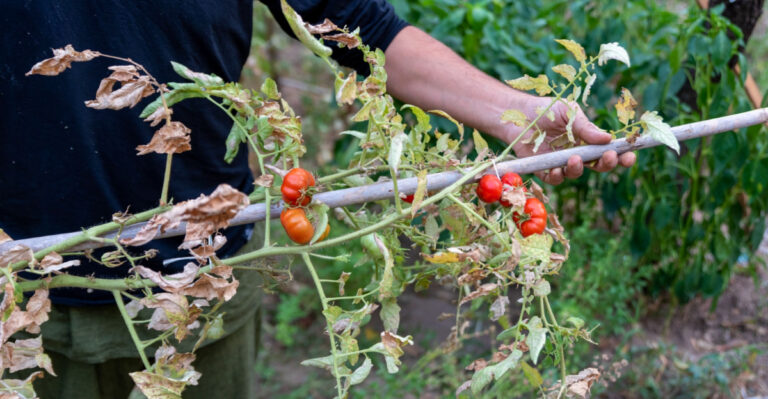
It is the first week of September in Texas, and a gardener is still dragging the hose out every single morning like it is the middle of August.
The tomatoes look fine. The lawn is holding on. But the water bill keeps climbing, and something feels off about the whole routine.
September in Texas is a strange in-between month, still hot enough to scorch but cool enough that your plants quietly start asking for less water than before.
Most gardeners never notice that shift happening, running the same schedule all the way through fall out of pure habit.
Figuring out when to ease off, and when to keep going, saves water, money, and a whole lot of guesswork along the way.
1. Cooling Temperatures Reduce Overall Demand
Something shifts in Texas around the second or third week of September. Nights get a few degrees cooler, the sun sits lower, and daylight shrinks by about an hour compared to July.
Plants respond to all of that change. Water loss happens through two paths: evaporation from the soil surface and transpiration from leaves.
Texas A&M AgriLife Extension refers to the combined amount as evapotranspiration, and it drops as temperatures moderate and days shorten across the state.
In plain terms, your garden is drinking less even if it looks exactly the same as it did in August. A bed that needed water every third day might coast for four or five days in late September.
The tricky part is that September is not uniformly mild. Much of Texas still sees stretches of 95 degrees or higher, especially in the first half of the month.
Treat the change as gradual rather than a switch you flip on September 1. Watch the forecast weekly and stretch your intervals a little at a time.
Wind matters too. A dry, breezy front pulls moisture out of soil faster than a still, humid day, so a cool windy week can dry beds surprisingly quickly.
A practical approach worth trying: keep your August schedule for the first week or so, then begin backing off by a day and watching how plants respond.
2. Deep Infrequent Watering Beats Daily Sips
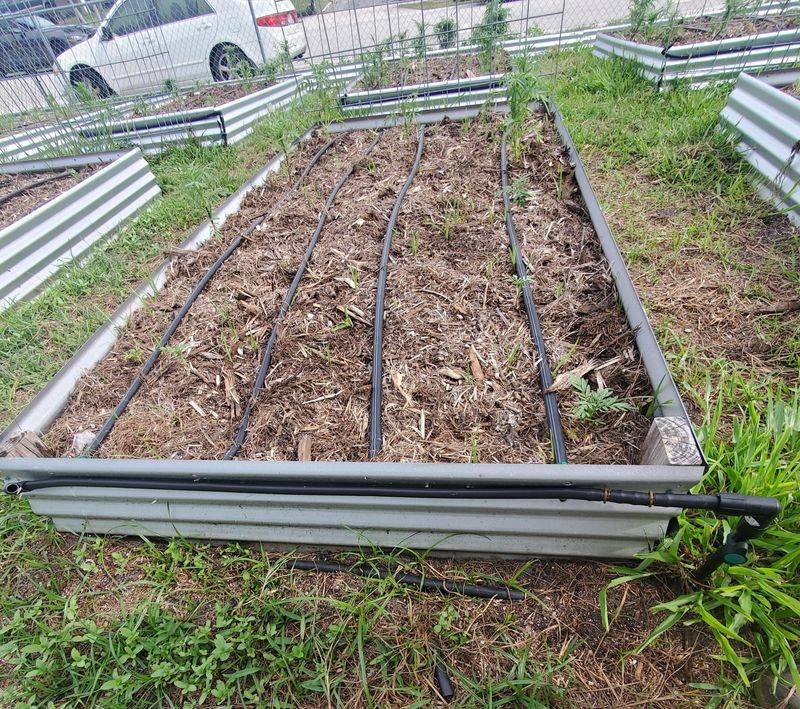
Picture two gardeners side by side. One sprinkles every bed for five minutes each morning without fail. The other soaks the same beds thoroughly twice a week instead.
By October, the second garden almost always looks better overall. Shallow, frequent watering wets only the top inch or so of soil, and roots follow water.
Texas A&M AgriLife Extension consistently recommends watering deeply and less often to encourage roots to grow downward through the soil.
Deeper roots reach cooler, steadier moisture and handle a missed watering without drama, unlike shallow ones sitting near the surface.
How deep is deep enough? For most vegetables and annual flowers, aim to moisten the top six to eight inches. Shrubs and trees benefit from moisture reaching a foot or more.
Checking is easy enough to do yourself. After watering, push a long screwdriver or a thin metal rod into the soil, and it slides smoothly through wet soil.
Your Texas Garden Changes Every Week. Your Plan Should Too.
Gardening in Texas changes quickly throughout the season. Every Friday you’ll receive a simple weekly plan showing exactly what to plant, prune, fertilize, harvest, and protect so you never miss the right timing.
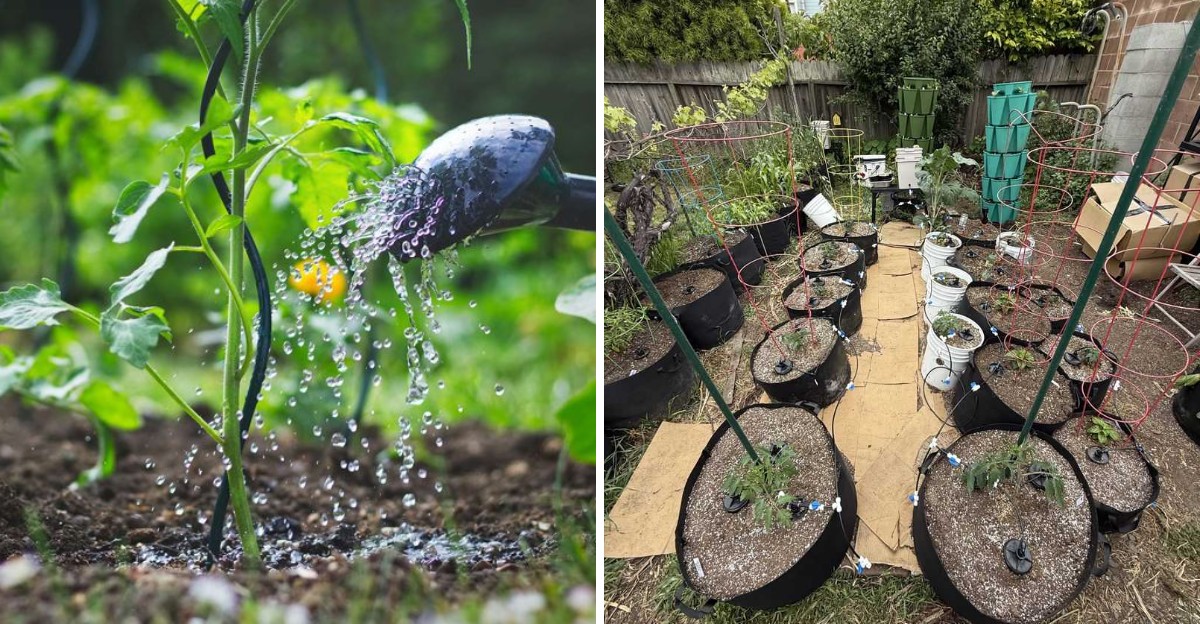
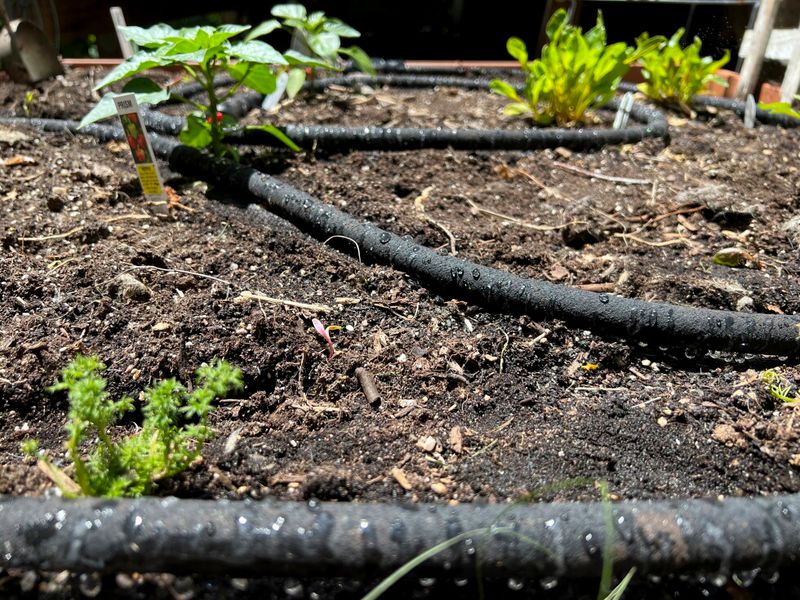
Slow delivery works better than blasting the bed all at once. Soaker hoses, drip lines, and low sprinkler settings let water soak in instead of running off.
If runoff starts before the soil is soaked, use the cycle and soak trick instead. Water for ten minutes, pause twenty, then water again so the ground has time to absorb.
3. Containers Still Need Frequent Checking
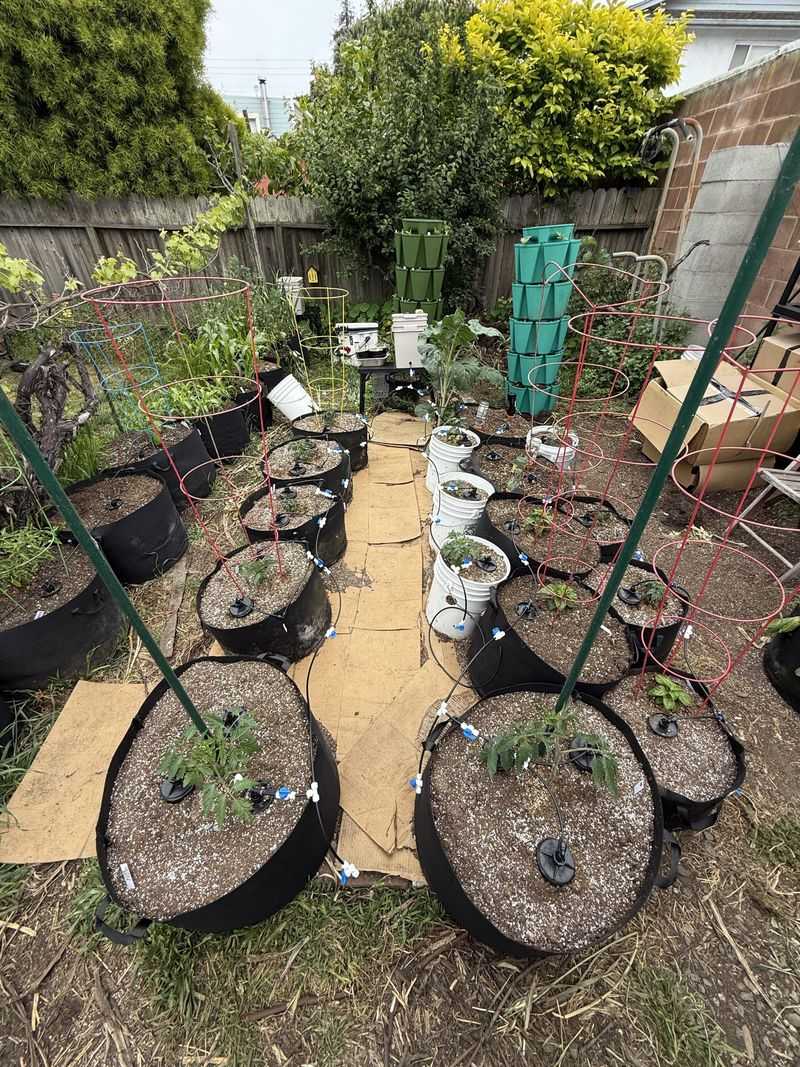
Pots play by their own rules entirely. A twelve-inch container holds a tiny amount of soil, and heat hits it from every side, not just the top.
That means a patio pot can go from moist to bone dry in a single hot September afternoon, even while the in-ground beds twenty feet away stay comfortable.
Terracotta and fabric grow bags breathe, which plants love, but they also lose moisture through their walls. Glazed ceramic and plastic hold water longer by comparison.
Daily checking stays on the to-do list through September for most container gardens in Texas. Checking does not mean automatically watering though.
Lift the pot or tip it slightly to gauge its weight. A light pot needs water. A heavy one does not need anything yet.
Water until it runs freely from the drainage holes each time. Partial watering leaves dry pockets and lets salts build up, which shows as crusty white edges.
If a potting mix has gone completely dry and water races straight through, the mix has become water repellent. Set the pot in a tub of water for twenty or thirty minutes to rewet it fully.
Grouping containers together and shifting them into afternoon shade cuts water needs noticeably during the hottest stretches.
4. Established Plants Can Stretch Between Waterings
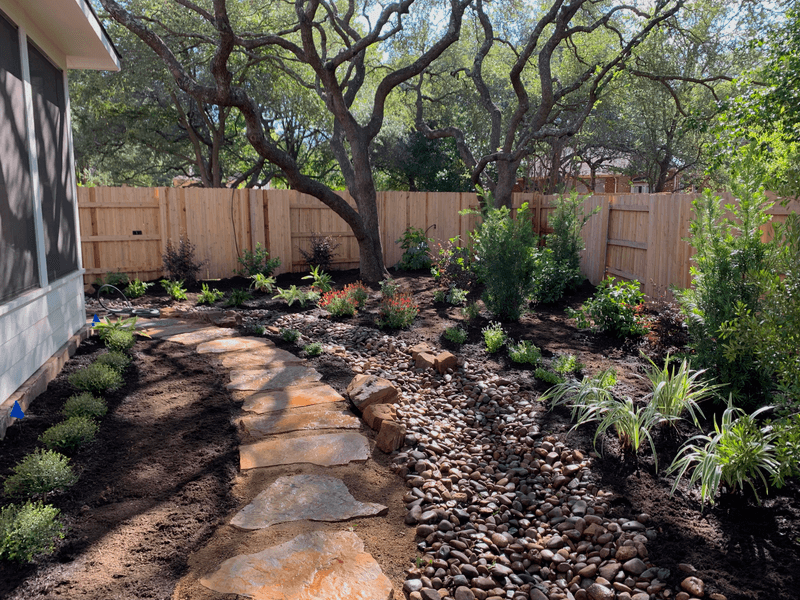
Here is the reward for patience. Plants that have been in your yard for a couple of years have built root systems you cannot see, and those roots change everything about their needs.
A well established shrub, perennial, or tree pulls moisture from a wide, deep zone of soil most gardeners never think about.
Texas A&M AgriLife Extension notes that established landscape plants generally need less frequent irrigation than new ones, often thriving on thorough soakings spaced out over a week or more.
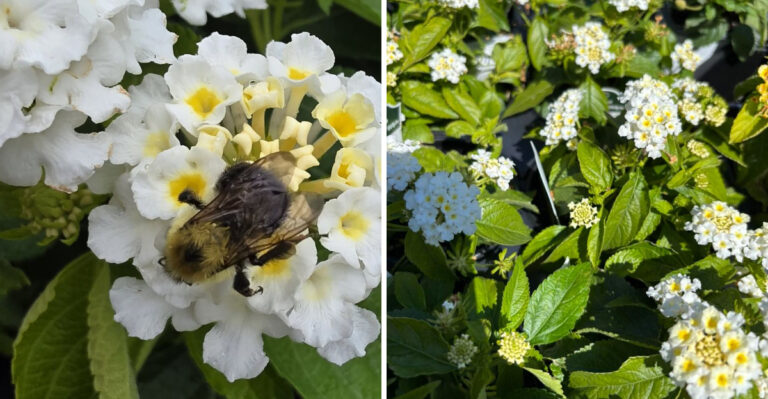
Native and adapted choices stretch even further than that. Lantana, salvia greggii, yaupon holly, Texas sage, and live oak that have settled in can often ride out long dry spells.
September is a good month to test those limits, since cooler weather means a longer interval will not punish the plant the way it might in July.
Watch the plant, not the clock, for the real signal. Dull gray-green color, leaves folding inward, or a slight droop at midday that lingers into evening are honest signals.
One caution worth flagging here. Do not confuse drought stress with the natural tiredness many plants show at summer’s end. Some yellowing and leaf drop is just seasonal.
Mulch is the quiet hero in all of this. Two to four inches of shredded hardwood or native mulch slows evaporation and moderates soil temperature.
5. New Transplants Need More Consistent Moisture
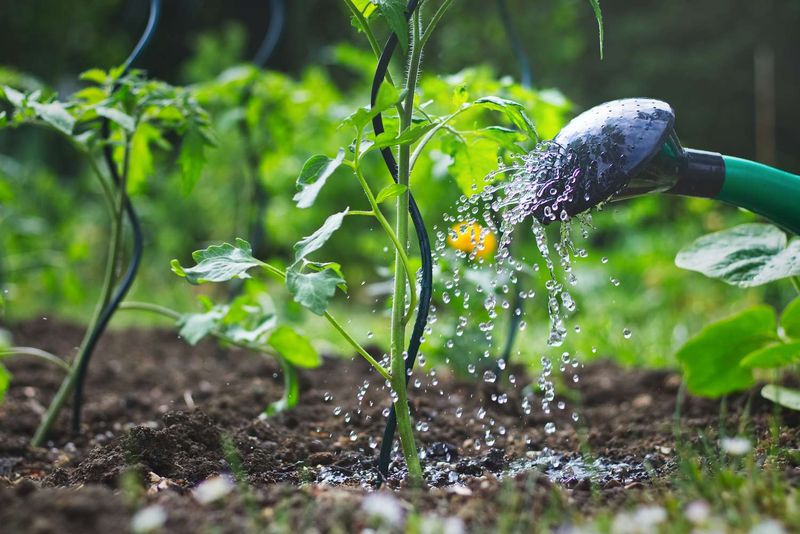
Fall planting season kicks off in September across much of Texas, and everything you tuck into the ground this month starts life with a real handicap.
A transplant arrives with roots crammed into a small root ball. Until those roots grow out into the surrounding soil, the plant can only drink from that little pocket.
So new broccoli starts, fall tomatoes, freshly planted perennials, and nursery shrubs all need water more often than their settled neighbors, sometimes daily for the first week or two.
Aim the water right at the root ball, not just the general area around it. A slow trickle from a hose or a watering can right at the base does more good than a sprinkler pass.
Frequency tapers as roots spread out over time. Many gardeners move from daily, to every other day, to every third day over the course of three or four weeks.
Newly planted trees and large shrubs deserve special attention here. Extension guidance suggests keeping them on supplemental water for a year or more, depending on size.
Seeds sown directly, like carrots, radishes, and cool season greens, need the surface kept consistently damp until germination happens.
Shade cloth over new plantings during the first hot week reduces stress and cuts watering needs at the same time.
6. Soil Type Changes The Right Schedule
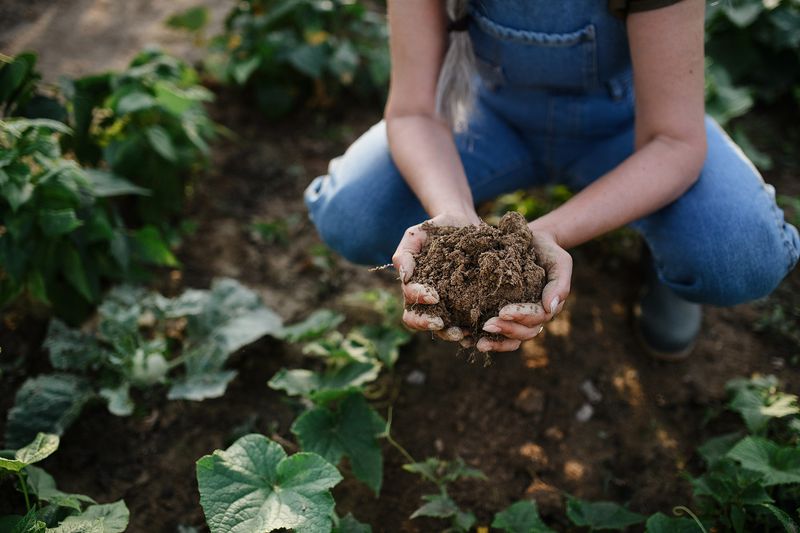
Two neighbors in different parts of Texas can follow identical advice and get wildly different results, and soil is usually the reason behind that gap.
Sandy soil, common in parts of East Texas and the Gulf Coast, has large particles and big gaps between them. Water races through fast, which means good drainage but very little storage.
Sandy beds need shorter, more frequent waterings as a result. Long soakings mostly push water past the root zone where plants cannot reach it.
Clay soil, including the famous blackland prairie clay around Dallas and Austin, holds water tightly instead. Once saturated, it stays moist for days at a stretch.
Clay accepts water slowly though, so it tends to run off before it soaks in properly. Watering in shorter bursts with pauses between lets it absorb the way it should.
Loam sits happily in the middle, which is why gardeners chase it as the ideal soil type.
Compost is the fix for both extremes here. Working two or three inches of compost into beds improves water holding in sand and improves drainage in clay.
Not sure what you have in your own yard? Squeeze a handful of moist soil. Gritty and crumbly means sand. Slick and ribbon-forming means clay.
7. Let The Soil Tell You, Not The Calendar
Forget the schedule for a second here. The most reliable watering tool in Texas costs nothing and is attached to your hand the whole time.
The finger test stays simple to use. Push your index finger into the soil near the root zone, about two to three inches for vegetables and annuals.
Dry at that depth? Water it. Cool and damp? Wait a day and check again before doing anything. That single habit prevents both overwatering and underwatering.
For larger plants or heavier soils, a long screwdriver gives you information faster than a finger can. It pushes easily through moist soil and resists where the ground is dry.
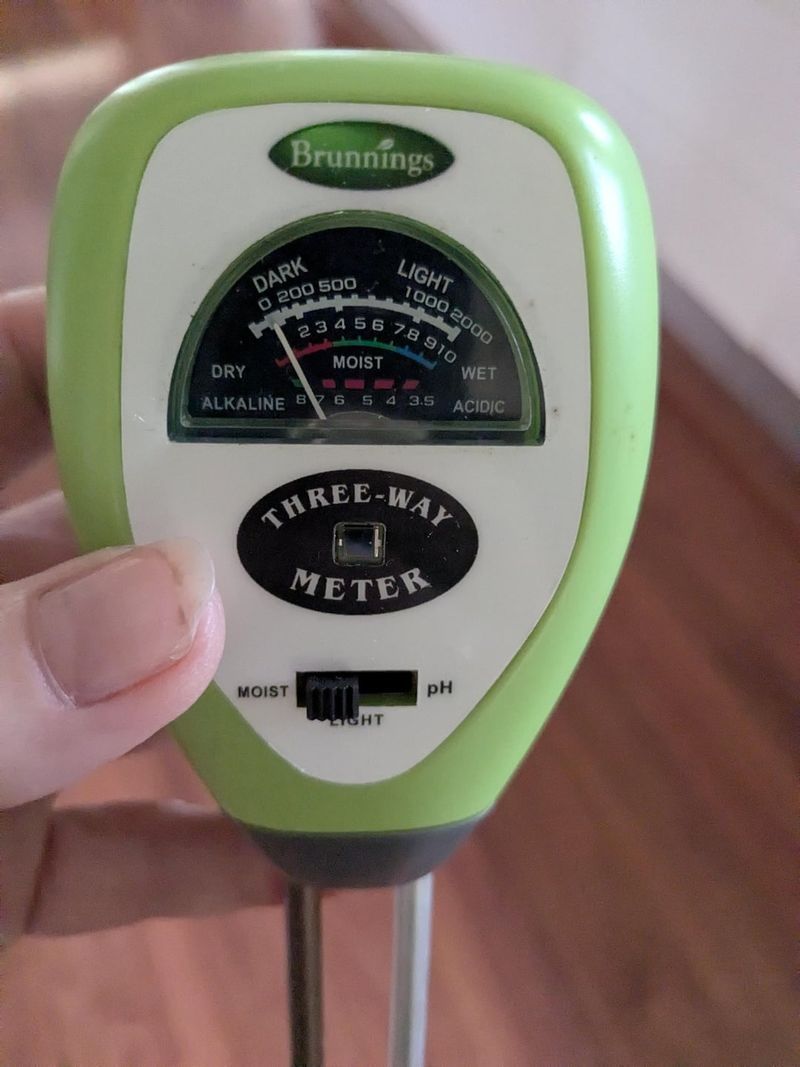
Moisture meters sold at garden centers work reasonably well for containers and houseplants specifically. Treat them as a helpful second opinion rather than gospel truth.
Rain changes the math too, worth remembering. A quick half inch during a September storm may barely wet the surface, while a slow two-inch soaking can buy you a week.
Setting a cheap rain gauge in the yard removes the guessing and tells you exactly what fell during any given storm.
Calendars are still useful as reminders to go check, just not as orders to turn on the hose automatically. Let the reminder prompt the test, and let the test decide.
8. Lawn Grass Has Its Own September Rules
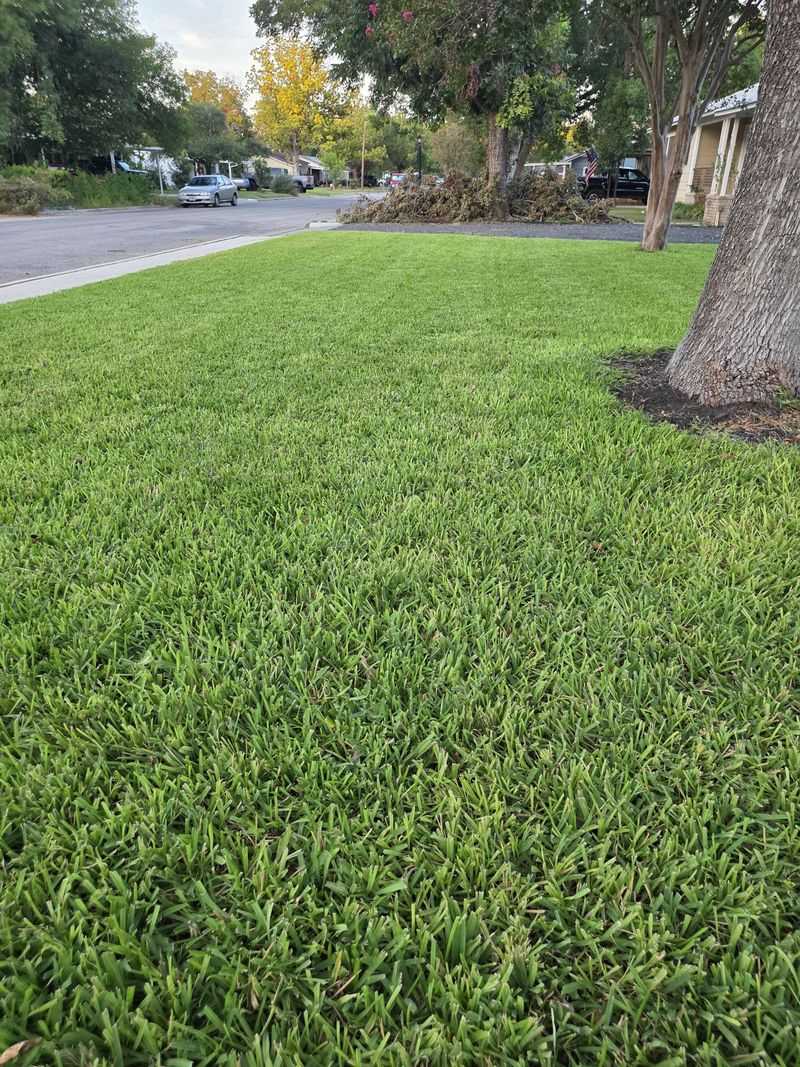
Turfgrass behaves differently than garden beds through September, and treating a lawn like a flower bed usually wastes water without improving how it looks.
St. Augustine, Bermuda, and Zoysia, the three most common lawn grasses across Texas, all slow their growth as days shorten and nights cool, needing noticeably less water than they did during peak July growth.
Most established lawns do fine on about one inch of water per week during September, whether that comes from rainfall, irrigation, or some mix of both, down from the inch and a half or more many lawns needed in midsummer.
Watering less often but more deeply trains grass roots downward, the same principle that applies to garden beds, and a lawn that gets one deep soaking a week typically outperforms one getting three light sprinklings.
A simple screwdriver test works on turf just as well as it does in a flower bed. If it pushes easily six inches down after watering, the root zone has enough moisture to coast for several days.
Watch the grass itself for cues rather than sticking to a fixed schedule. Footprints that stay visibly pressed into the blades for more than a few seconds after walking across the lawn signal it is time to water again.
Many Texas cities also shift or lift certain watering restrictions as September progresses, so checking current local rules before setting an irrigation schedule avoids both wasted water and potential fines.
Cutting back lawn watering as fall approaches also helps grass transition into the dormant season with fewer disease problems, since fungal issues common in Texas turf often thrive in the same warm, overwatered conditions the grass no longer needs by late September.