Light Green Bug Is Feeding On Tennessee’s Broccoli Before Anyone Notices
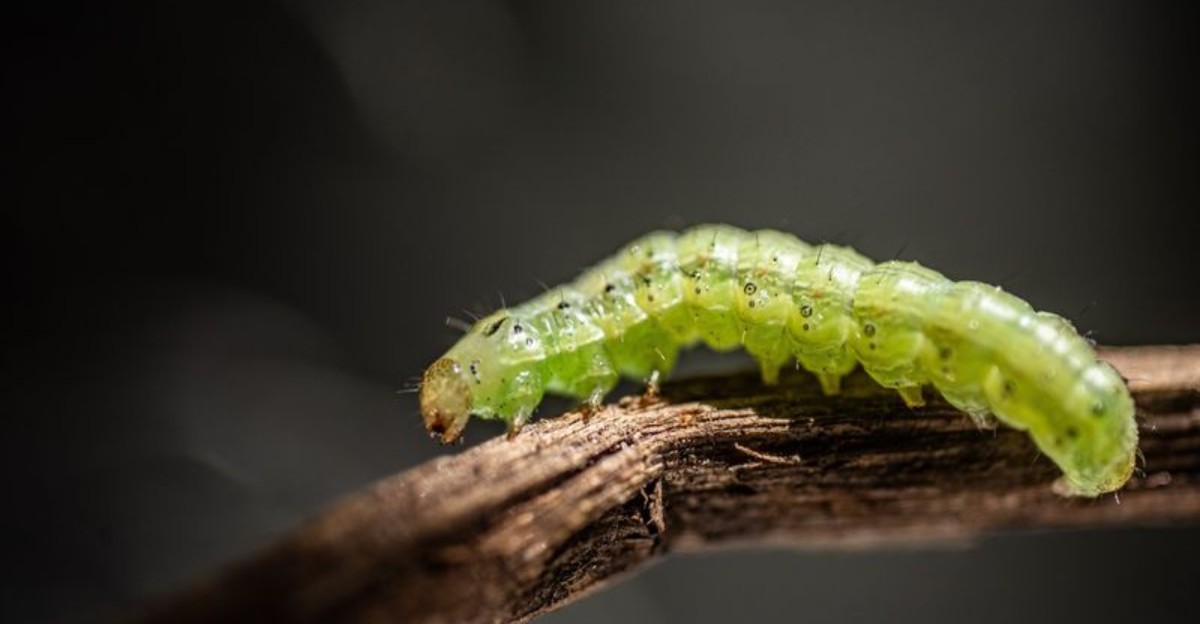
Your broccoli leaves look fine until you flip a leaf back. Flip enough of them and you find pinholes. Pinholes quickly turn into ragged tears within days. Underneath, thin translucent patches let sunlight through.
A caterpillar hides there, colored exactly like the leaf it eats. Tennessee gardens see this same sneaky trick each September. You stare right at it and still miss it. Its color blends into the vein pattern perfectly.
Growers across Tennessee hit this same wall each fall. Timing is especially frustrating right when your harvest looks its best. Spotting the pattern only takes a sharp eye.
Cheap fixes exist, and free options need only minutes. Meanwhile, the damage keeps spreading while you wait. Waiting costs you leaves you cannot get back.
Left unchecked for several days, a cabbage looper can skeletonize a leaf. Many gardeners mistake the damage for plain disease. Here’s exactly what’s crawling through your garden right now.
The Inch-And-A-Half Impostor Chewing Your Rows
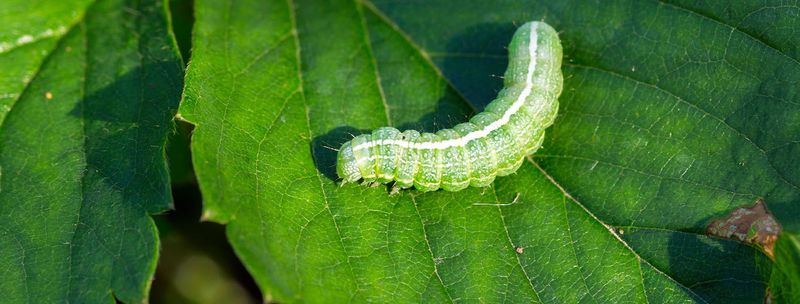
Picture a slim green caterpillar that moves like it is measuring the leaf beneath it, arching its back into a loop with every step.
That odd walk gave the cabbage looper its name, and it is the clearest sign you have found the right culprit.
Adults are mottled brown moths with a small silvery mark shaped like a figure eight on each wing. They fly at dusk, so gardeners seldom catch cabbage loopers in the act.
A single female can scatter hundreds of pale, dome-shaped eggs across broccoli leaves in a few nights.
Larvae hatch light green with faint white stripes running along their sides. Cabbage loopers carry three pairs of legs near the head and grippers at the rear, which is exactly why they loop rather than crawl smoothly.
Imported cabbageworms, a frequent look-alike, are fuzzier and shuffle along flat-bodied. Size matters while you scout. A newly hatched looper is barely as long as a grain of rice, while a mature cabbage looper can stretch close to an inch and a half.
Small ones nibble the leaf underside, leaving thin windows of tissue behind. Bigger ones punch ragged holes and tunnel into the developing head, where sprays have trouble reaching them.
Plenty of Tennessee gardeners blame rabbits or slugs for that chewing. Flip a few leaves instead, and cabbage loopers are usually found tucked along the midrib and blending in like part of the plant itself.
Why September Rolls Out The Welcome Mat

Fall broccoli goes into Tennessee beds during late July and August, right as looper moth numbers hit their yearly high point. This timing works against gardeners and in favor of the moth’s life cycle.
Loopers struggle to survive harsh winters in many regions and often ride warm air currents up from the Gulf states each summer, though some populations can persist locally in milder pockets or protected debris.
By September, three or four overlapping generations may be active at once. Eggs, pinhead-sized larvae, and fat ones can all share the same row on the same afternoon.
Your Tennessee Garden Changes Every Week. Your Plan Should Too.
Gardening in Tennessee changes quickly throughout the season. Every Friday you’ll receive a simple weekly plan showing exactly what to plant, prune, fertilize, harvest, and protect so you never miss the right timing.
Heat speeds the whole cycle up. During the 80-degree stretches common across Middle and West Tennessee, an egg can become a chewing caterpillar in under a week.
Young transplants are also at their tenderest stage right now. Soft new growth is far easier to chew than the tough, waxy leaves of a mature plant, so damage piles up quickly.
Competition plays a role as well. Spring plantings are finishing, weeds are fading, and leftover greens are thinning out, which pushes hungry moths toward the freshest thing in the neighborhood.
Toss in a dry spell and plants grow slowly, giving larvae extra days on each leaf. Steady watering plus a light nitrogen feeding helps broccoli outgrow the nibbling instead of falling behind it.
The practical lesson here is simple enough. Begin scouting the same week your transplants hit the soil, not the week you spot holes, because fall pressure climbs faster than spring pressure does.
Frass, Eggs, And Other Quiet Giveaways
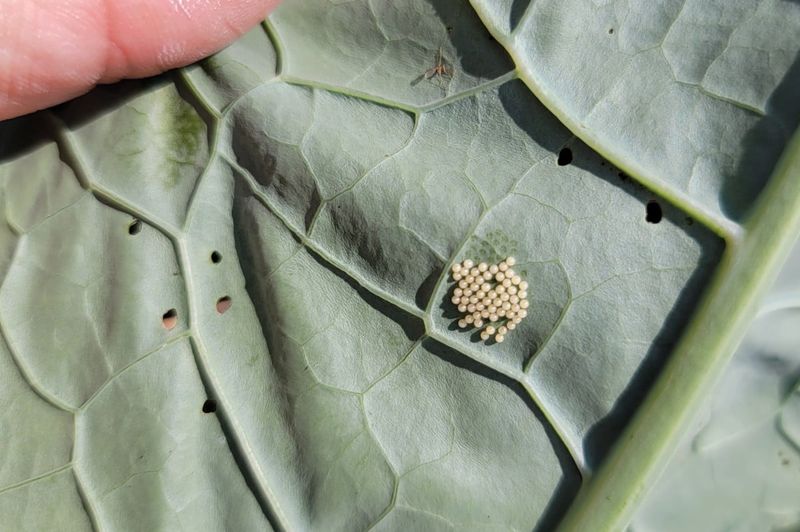
Damage shows up long before the caterpillar does, and the tidiest clue is frass. Dark green pellets gather in leaf crotches and along lower leaves like coarse ground pepper.
Follow that trail upward and the feeder is usually resting on a leaf underside near the midrib. Loopers freeze when disturbed, which is how they slip past a quick walk-through.
Eggs are worth learning too. Watch for single, round, cream-colored specks about the size of a pinhead, almost always stuck to the lower leaf surface.
Build a routine of checking five plants in each corner of the bed plus five in the middle. Many extension guides suggest treating once a noticeable share of plants show active larvae, rather than waiting for widespread damage.
Early morning is the best window for scouting, since caterpillars sit more openly before the sun climbs. Carry a flashlight if your rows are thick, and tilt leaves gently rather than yanking them.
Look for window-paning, where patches of leaf tissue turn thin and nearly see-through. That pattern points to freshly hatched larvae, the stage that responds best to any treatment you choose.
Tape a scrap of paper inside a cabinet and jot down dates and counts. Patterns appear fast, and next fall you will know which week pressure spikes in your own yard.
One last habit pays for itself. Spread the florets apart now and then, since a larva tucked inside the head will not show up during a leaf inspection.
A Few Minutes A Day With A Soapy Bucket

The old-fashioned approach still works well: a bucket of soapy water and a few quiet minutes walking the rows. Hand-picking clears larvae right now and costs you nothing but time.
Drop whatever you find straight into the bucket instead of flicking it onto the path, where it can climb back up. A second round in late afternoon catches the ones that wandered to the leaf tops.
A firm blast from the hose knocks small larvae loose, and many struggle to return. Aim the spray upward so it reaches the leaf undersides where they like to gather.
Rubbing out eggs as you spot them saves real work later. It takes a second and spares you a dozen new mouths on that leaf.
Garden cleanup counts as well. Pull finished spring brassicas, clear mustard-family weeds such as shepherd’s purse, and give volunteer greens no chance to host the next round.
Some Tennessee gardeners swear by interplanting, tucking dill, sweet alyssum, or buckwheat nearby to draw in predatory wasps and lacewings. Blooms in September do double duty as decoration.
Cardboard collars and thick mulch will not slow down a flying moth, so skip them here. Put your attention on leaf undersides and on the forming head instead.
A short daily check, or one longer weekly pass, is realistic for a backyard plot of a dozen plants. Folks who stay consistent often finish the fall without ever opening a bottle of anything.
Bt Sprays And The Art Of Good Timing

Bt is commonly recommended as a first treatment by experienced growers. Short for Bacillus thuringiensis, it is a naturally occurring soil bacterium that upsets caterpillar digestion while leaving bees and beetles be.
Timing separates a win from a frustrating weekend. Tiny larvae are far more sensitive than plump ones, so treating within a few days of a hatch gives the strongest results.
Coverage carries equal weight. Loopers feed beneath leaves, so angle the nozzle upward and spray until droplets bead, then repeat every seven to ten days while pressure holds.
Sunlight breaks Bt down, which is why evening applications stretch further. Rain rinses it off too, so work around those September afternoon showers Tennessee is famous for.
Spinosad is another gardener-friendly option and handles larger larvae that shrug off Bt. Apply it at dusk so foraging pollinators have time to head home first.
Insecticidal soap and neem oil do fine work on aphids but offer little against a healthy looper. Keep them for other jobs rather than expecting a rescue here.
Read the label for harvest intervals even on organic products. Many allow picking within a day, which suits broccoli that gets cut in staggered batches.
Switching between two modes of action keeps tolerance from building up. Loopers have shown resistance to Bt in intensively treated settings like commercial greenhouses, so rotating treatment methods is a smart precaution for home gardens too.
Netting, Wasps, And A Smarter Next Season
Fabric beats chemistry when the pest arrives by air. Lightweight insect netting or spun polyester draped over hoops blocks moths before they lay a single egg.
Put it on the day transplants go in, then bury or pin the edges with soil, sandbags, or landscape staples. A gap the width of a pencil counts as an open door.
Broccoli needs no insects for pollination, so covers can stay put right through harvest. Pick a lightweight insect mesh, which typically allows 80 to 90 percent light transmission, so plants stay stocky instead of stretching.
Peek underneath once a week anyway. A moth sometimes slips in during a quick watering, and a covered row can hide trouble for a while.
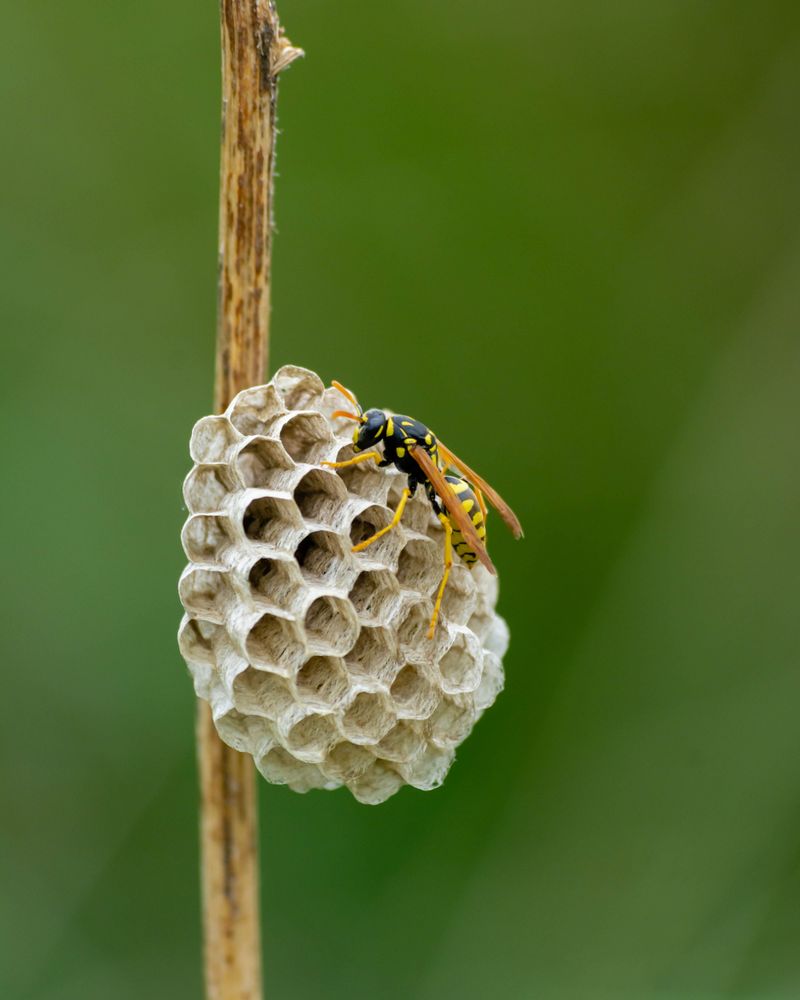
Past the netting, lean on the natural cleanup crew. Paper wasps, ground beetles, and small parasitic wasps patrol rows all season, and a white cocoon on a leaf means one of them beat you to it.
Birds pitch in as well. A shallow water source and a couple of perches near the beds pay off in steady caterpillar patrol.
Rotate brassicas to a fresh bed each year as a precaution, since any pupae that do overwinter locally spend the cold months as thin, papery cases attached to old plant debris.
Then plan around the calendar. Early spring plantings and varieties with tight, upright heads see lighter pressure than the tender fall crops moths zero in on during September.