10 Reasons Your Tennessee Pepper Plants Are Dropping Flowers Before Fruiting
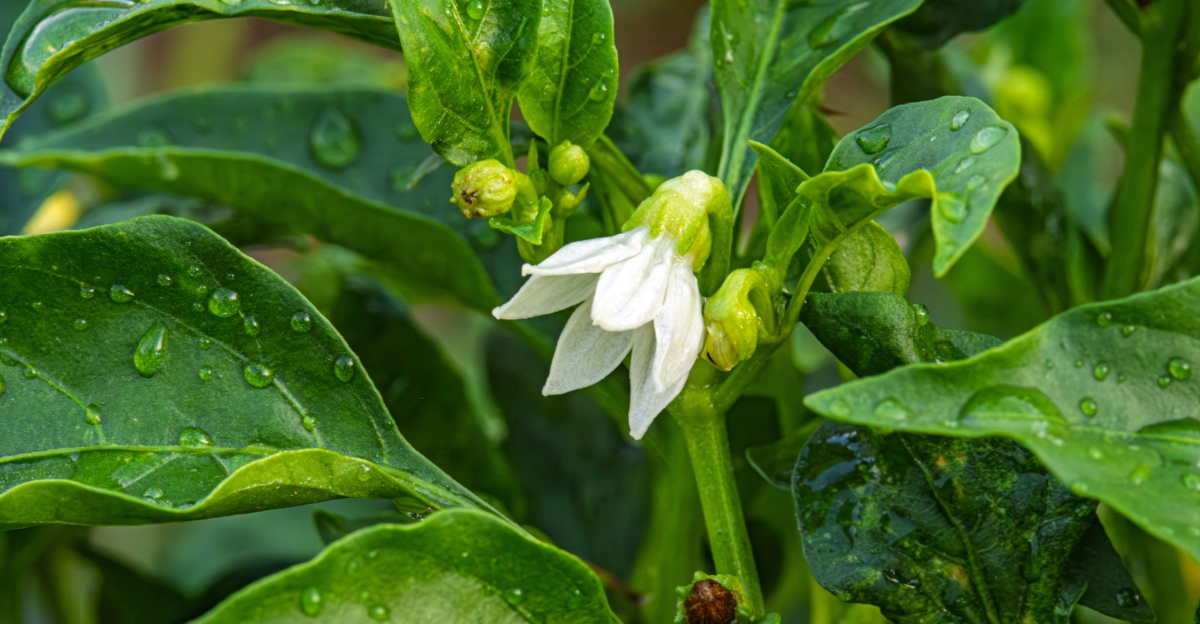
Your pepper flowers are lying on the ground, and your plant looks perfectly healthy. No pests, no wilting, no obvious damage.
Just gone. You watered on schedule, amended the soil, chose a sunny spot, and did everything the seed packet suggested.
Yet something invisible keeps pulling those blooms off before a single fruit has a chance to set. What exactly is the plant reacting to?
Tennessee’s geography writes a brutal script for pepper growers. The summer heat presses down hard, humidity never fully lifts, and the soil beneath your feet holds moisture and stress in equal measure.
Pepper plants respond to that pressure the only way they know how, by dropping flowers and conserving energy.
Every fallen blossom is a signal worth decoding. Your garden is not broken, but it is trying to tell you something.
1. Summer Heat In Tennessee Is Slowing Fruit Set On Pepper Plants
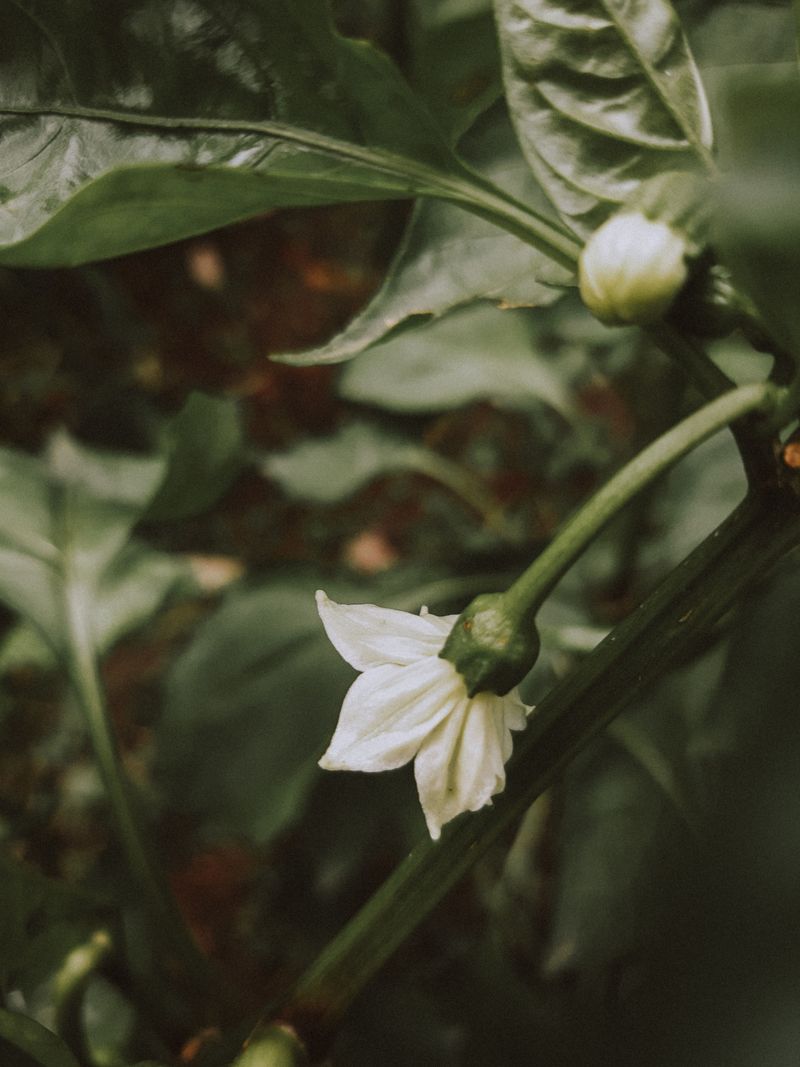
Ninety-three degrees is not just uncomfortable for you. Average July highs across Tennessee regularly climb to 90 to 93 degrees Fahrenheit, and pepper plants feel every bit of that heat.
When daytime temperatures push past 85 degrees, pollen inside the flower becomes sticky and clumpy.
That clumped pollen cannot travel properly, fertilization fails, and the plant drops the flower rather than waste energy on a fruit that will never form.
Pepper plants are surprisingly sensitive to heat stress during bloom. Even a few consecutive days above 90 degrees can trigger a wave of flower drop that leaves your plant looking stalled.
The good news is that your plant has not given up at all. Once temperatures cool slightly, usually by late August or September, pepper plants in Tennessee often bounce back and set a strong second flush of fruit.
In the meantime, try shading your plants during peak afternoon hours using a lightweight row cover or shade cloth rated at 30 to 40 percent.
Watering deeply in the early morning also helps the root zone stay cool enough to support bloom. Patience and shade are your two best tools right now.
2. Warm Nights Are Adding Steady Stress To Your Pepper Plants
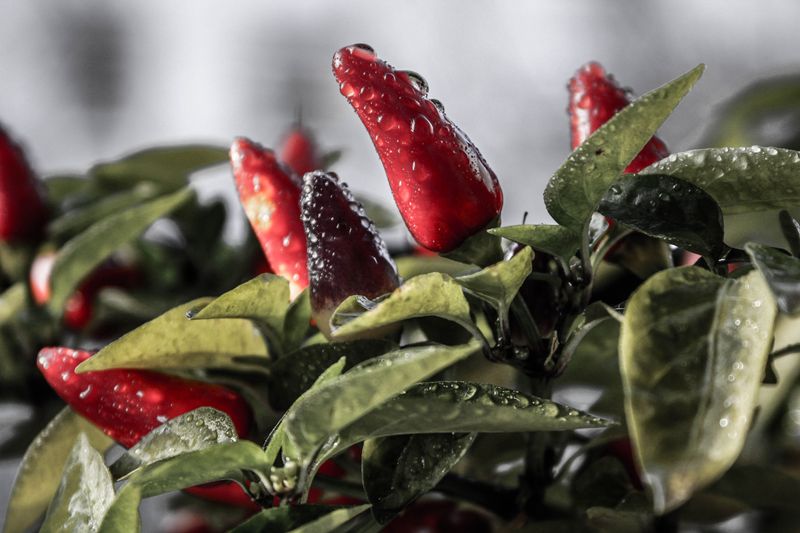
Most gardeners blame the sun, but the nights are often the real troublemaker. Overnight lows in Tennessee regularly exceed 70 degrees Fahrenheit, and that matters more than you think.
Pepper plants need cooler nights to recover from daytime heat stress and to properly develop pollen.
When temperatures stay elevated after dark, the plant never gets that recovery window, and flower drop becomes almost inevitable.
Think of it like running a marathon without any rest between training days. Your body would eventually break down, and so does your pepper plant’s reproductive system.
Continuously warm nights push the plant into prolonged stress that disrupts the hormonal signals needed to hold onto developing flowers.
There is not much you can do about the nighttime temperature itself, but you can reduce the overall stress load on your plants.
Mulching thickly around the base of each plant helps the soil retain moisture and stay cooler through the night.
Your Tennessee Garden Changes Every Week. Your Plan Should Too.
Gardening in Tennessee changes quickly throughout the season. Every Friday you’ll receive a simple weekly plan showing exactly what to plant, prune, fertilize, harvest, and protect so you never miss the right timing.
Choosing heat-tolerant pepper varieties bred for Southern climates also makes a significant difference.
Varieties like Jimmy Nardello, Cubanelle, or some Thai pepper types handle warm nights far better than standard bell peppers. Giving your plants every possible advantage adds up over a long, hot Tennessee summer.
3. Sticky Humidity Is Impairing Pollen Before It Can Do Its Job
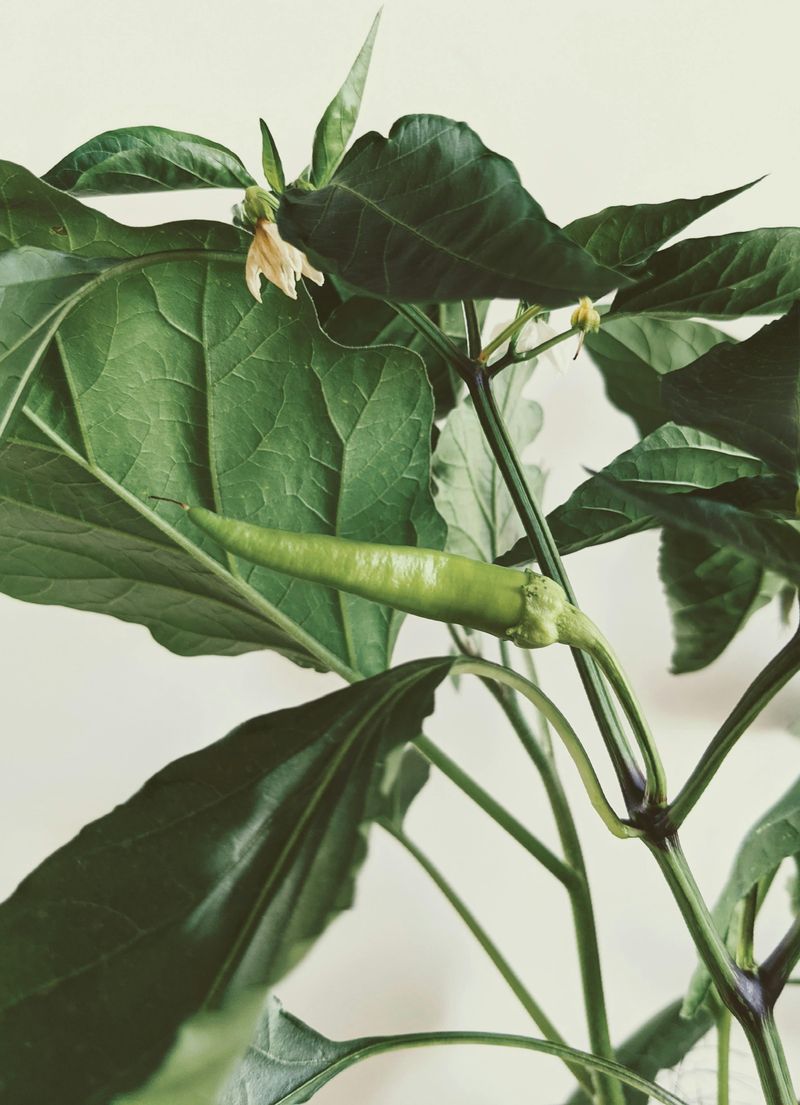
Humidity above 70 percent turns pepper pollen into a useless, clumped mess. Tennessee’s heavy clay soils hold moisture far longer than pepper roots prefer.
Pollen grains need to be dry and loose to move freely from the anther to the stigma inside the flower.
When humidity is high, pollen absorbs moisture, clumps together, and sticks to the anther instead of transferring properly.
No transfer means no fertilization, and no fertilization means the flower drops. You may notice this problem is worse on mornings after a warm, rainy night.
The flowers look perfect from the outside, but the pollen inside is already compromised. Gently shaking your pepper plants in the morning can help dislodge and redistribute pollen on less humid days.
This mimics the vibration that bees naturally provide. Improving air circulation around your plants also reduces the humidity pocket that builds up inside dense foliage.
Prune out a few inner leaves to open up the canopy and let air move through more freely. Spacing your pepper plants at least 18 to 24 inches apart gives each one room to breathe.
Small adjustments in airflow can make a surprisingly big difference in how many flowers actually hold on and develop into fruit.
4. Wet Springs And Summer Drought Are Pushing Peppers Into Survival Mode
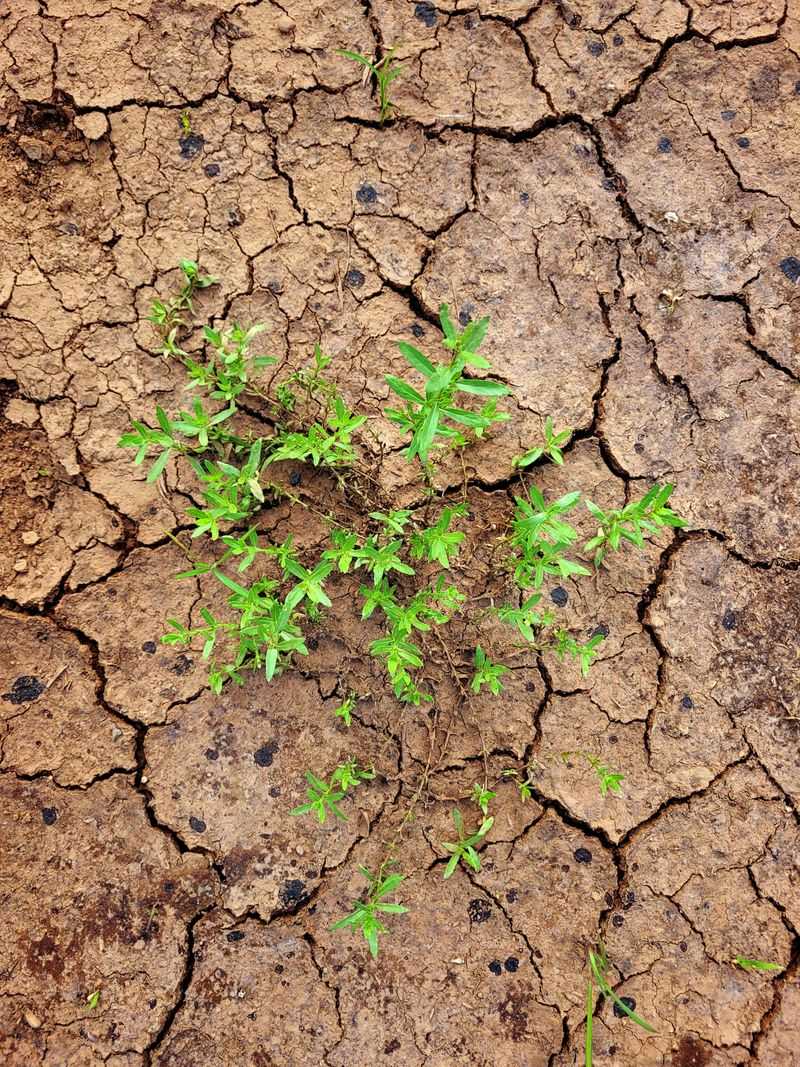
Pepper plants hate inconsistency more than almost anything else. Tennessee is known for wet, rainy springs that give way to dry July spells with little to no rainfall for weeks at a time.
That dramatic swing in soil moisture sends pepper plants into a stress cycle that directly triggers flower and bud drop.
When roots swing from waterlogged to parched within a matter of weeks, the plant shifts its energy away from reproduction and toward basic survival.
Flowers are expensive in terms of plant energy. When a pepper plant senses that water supply is unreliable, it sheds blooms to conserve resources.
This is actually a smart survival strategy, but it is deeply frustrating for the gardener hoping for a harvest. The fix is consistent, deep watering on a regular schedule rather than waiting for rain to do the job.
Aim to give your pepper plants about one to two inches of water per week, delivered slowly and deeply at the root zone. A drip irrigation system or soaker hose is ideal for this.
Mulching with two to three inches of straw or wood chips helps the soil hold moisture between watering sessions. Consistency is the key word your pepper plants are begging you to understand this season.
5. Acidic Soil Is Locking Out The Nutrients Peppers Need To Bloom
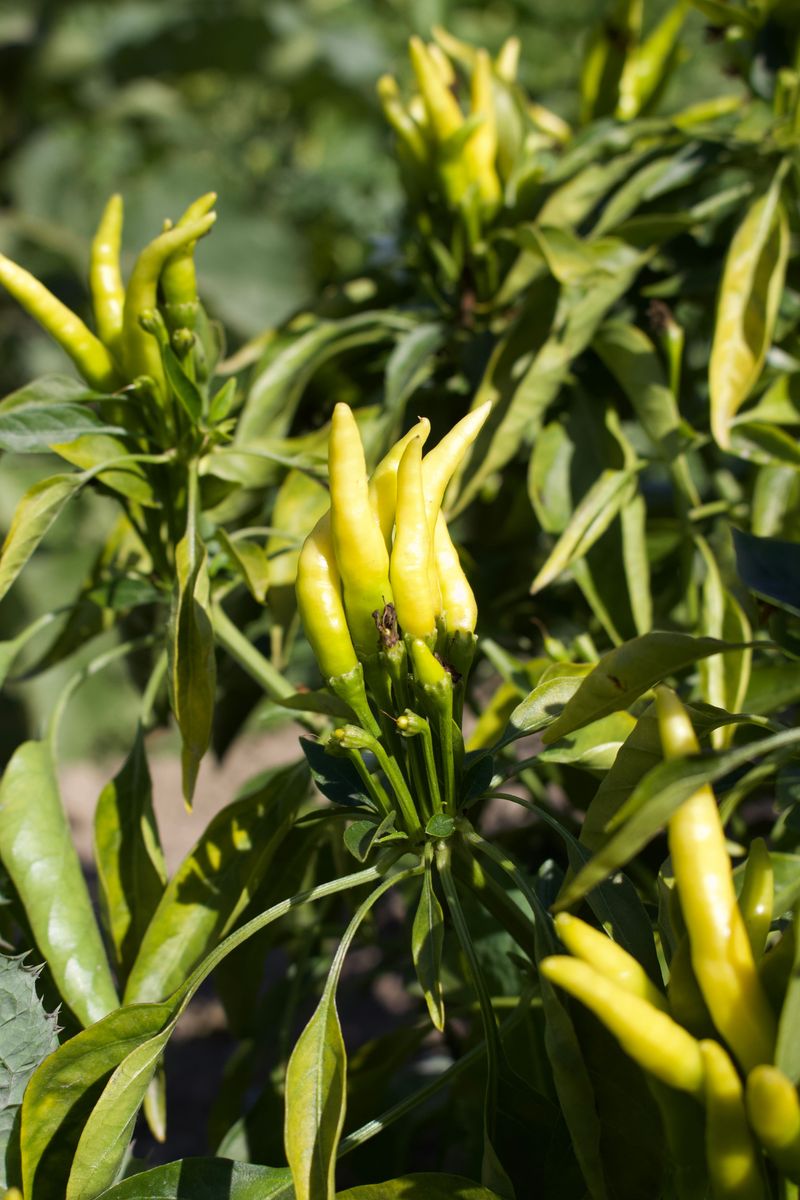
Your soil might look fine, but chemistry tells a different story. Tennessee soils are naturally acidic, with pH levels typically ranging from 5.5 to 6.2 across the state.
While peppers can tolerate mild acidity, a pH below 6.0 starts to lock up key nutrients like calcium, magnesium, and phosphorus.
These nutrients are not missing from the soil entirely. They are just chemically unavailable to plant roots at low pH levels.
Without adequate calcium and phosphorus, flower formation and retention suffer noticeably. Calcium deficiency in particular is closely linked to blossom drop in peppers.
It plays a critical role in cell wall development inside flowers and forming fruit. When calcium uptake is restricted by acidic conditions, flowers weaken at the attachment point and fall off prematurely.
Getting a soil test through your local cooperative extension office is the smartest first move you can make.
Most Tennessee counties offer low-cost or free soil testing services that give you an exact pH reading and amendment recommendations.
Adding agricultural lime to raise the pH toward the ideal range of 6.2 to 6.8 can unlock a surprising amount of nutrients already sitting in your soil. A simple soil test could be the most valuable thirty minutes you spend in the garden this year.
6. Clay Soil In Middle Tennessee Is Limiting Pepper Root Health
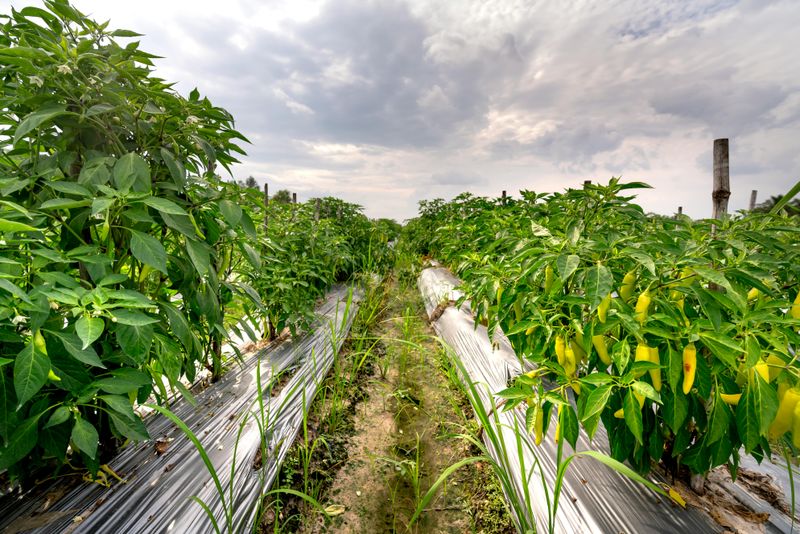
Clay soil looks rich, but it can quietly work against your pepper plants from below. Heavy clay soils across Middle Tennessee hold moisture far longer than pepper roots prefer.
Peppers need well-drained soil to thrive. When clay retains excess water around the root zone, oxygen levels drop and roots begin to suffer.
Stressed roots cannot absorb nutrients or water efficiently, which sends a distress signal up to the plant that triggers flower shedding.
Waterlogged roots also create ideal conditions for fungal pathogens that attack root tissue.
Once root health declines, the whole plant follows, starting with the most energy-expensive parts like flowers and developing buds.
You may not even realize there is a root problem until the flower drop is already well underway.
Amending clay soil with generous amounts of compost, aged bark, or perlite improves drainage significantly over time.
For faster results, consider building raised beds filled with a custom blend of topsoil, compost, and coarse sand. Raised beds also warm up faster in spring, which gives pepper transplants a better start.
If raised beds are not an option, slightly mounded rows help excess water drain away. Better drainage leads directly to better blooming and a more productive pepper patch.
7. Tiny Thrips May Be Affecting Your Pepper Flowers From The Inside
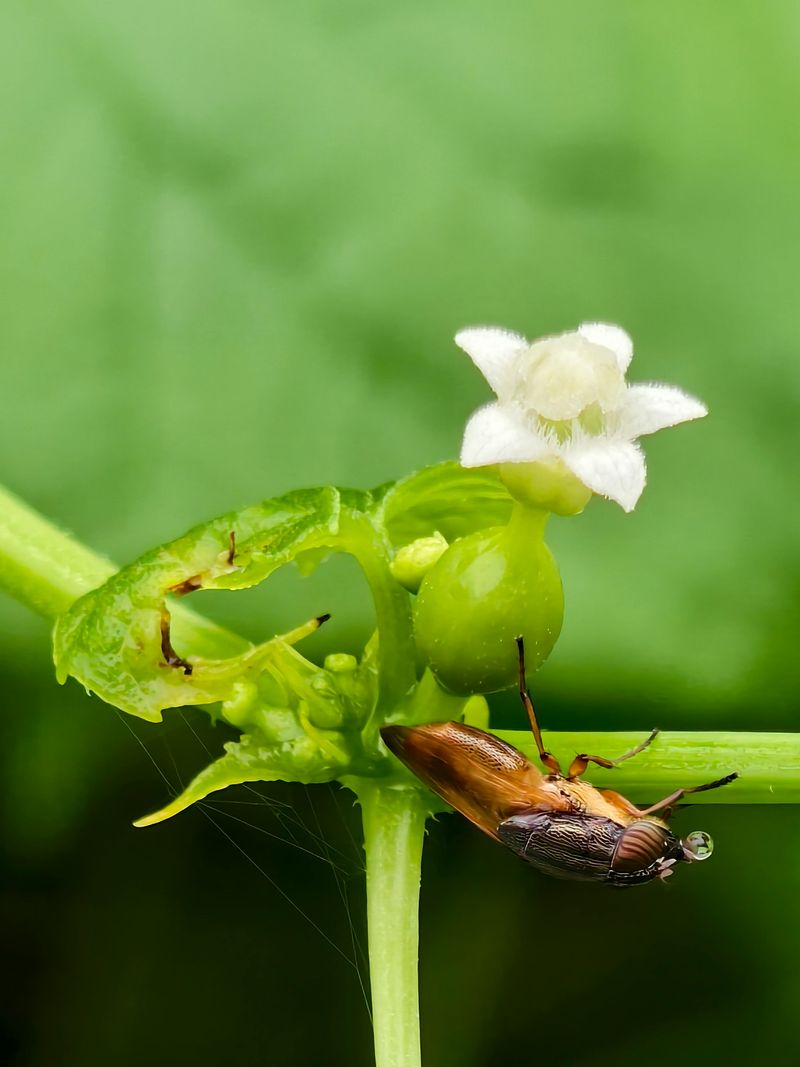
Something that small should not cause this much trouble. Western flower thrips thrive in Tennessee’s heat and humidity, and pepper flowers are a prime target.
These insects are barely one millimeter long, but they cause outsized damage by feeding directly on flower tissue and pollen.
Infested flowers often show silvery streaking, distorted petals, or discoloration before dropping off the plant entirely.
Because thrips hide inside the flower, you may not spot them until the damage is already done. Thrips also spread tomato spotted wilt virus, which compounds the stress on affected plants.
A plant dealing with both thrips feeding damage and a viral infection has almost no chance of holding onto its flowers. Early detection is everything with these pests.
To check for thrips, tap a flower over a sheet of white paper and look for tiny moving specks. Blue sticky traps placed near your pepper plants are effective for monitoring thrips populations.
Insecticidal soap sprays applied directly to open flowers in the early morning can reduce thrips numbers without harming beneficial insects.
Spinosad, a naturally derived organic insecticide, is also highly effective against thrips. chance of staying on the plant long enough to set fruit. Staying ahead of thrips gives your pepper flowers a real chance of setting fruit.
8. Botrytis Gray Mold Spreads Fast In Tennessee’s Muggy Air
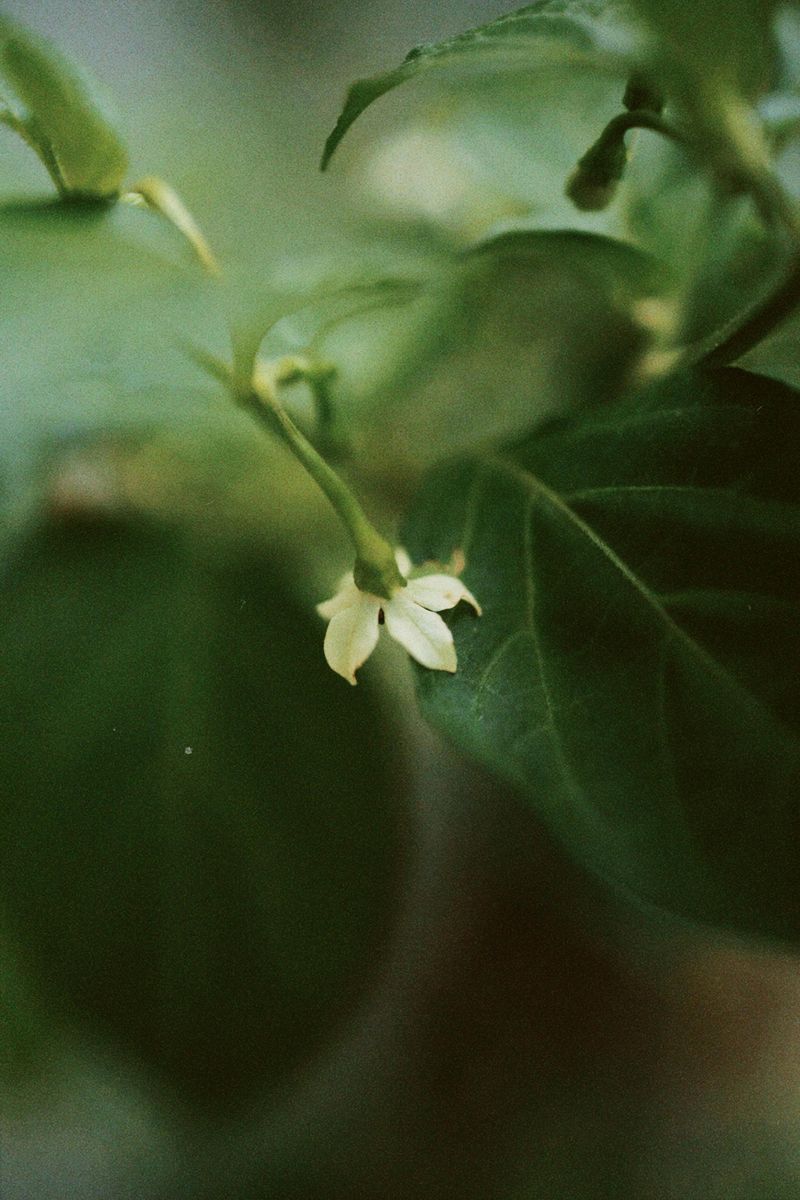
Gray mold does not announce itself before causing serious damage. Botrytis cinerea, known as gray mold, thrives in the warm, humid conditions Tennessee summers reliably deliver.
It targets weakened or aging flower tissue first, spreading a fuzzy gray coating across petals and buds. Infected flowers collapse and drop quickly, often before any fruit can form.
In a humid season with poor airflow, gray mold can move through a pepper bed with alarming speed.
The fungus spreads through airborne spores that land on wet flower tissue and germinate rapidly when humidity stays elevated.
Overhead watering in the evening is one of the fastest ways to encourage a Botrytis outbreak. Switching to morning watering at the base of the plant dramatically reduces the risk.
Removing spent flowers and any visibly infected plant material promptly helps slow the spread. Fungicides containing copper or potassium bicarbonate offer organic options for managing active outbreaks.
Improving spacing between plants so air circulates freely is one of the most effective preventive steps you can take.
Avoid wetting foliage and flowers when watering, and never let debris accumulate around the base of your plants.
Clean, well-ventilated growing conditions give Botrytis very little opportunity to take hold in your pepper garden.
9. Bee Activity Drops During Peak Heat Leaving Pepper Flowers Unpollinated
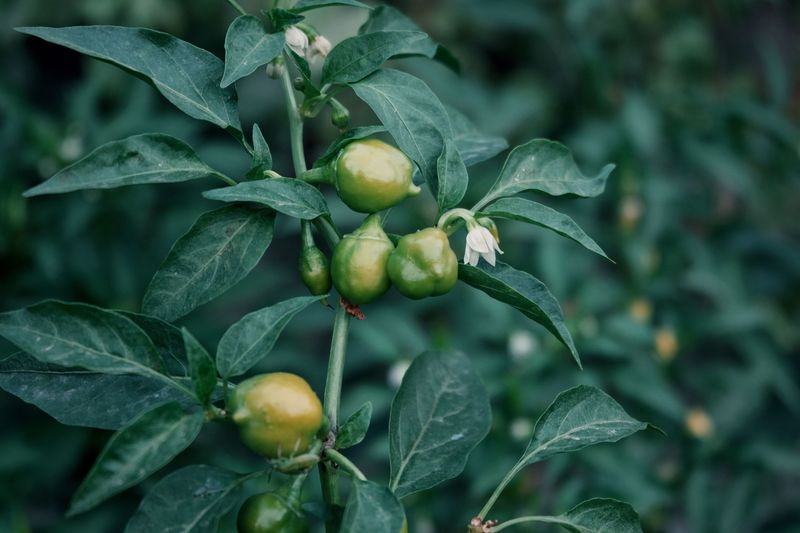
Low bee activity and still air can reduce pollen movement, especially in sheltered gardens. Bee activity drops sharply above 95°F, a threshold Tennessee regularly hits in July and August.
Honeybees and native bees reduce foraging during peak heat, cutting pollinator visits to pepper flowers during the exact hours when plants are most likely to be in bloom.
Unpollinated flowers have no reason to stay on the plant and drop off within a day or two. Peppers can self-pollinate with a little help from wind or vibration, but they benefit enormously from bee activity.
When natural pollinators are less active, the percentage of flowers that successfully set fruit drops significantly.
You can step in and help by becoming a manual pollinator yourself. Use an electric toothbrush or a small battery-powered massager pressed gently against the flower stem to vibrate pollen loose.
This technique, called buzz pollination, mimics the frequency bees use naturally. Doing this in the cooler morning hours when flowers are freshest gives the best results.
Planting pollinator-friendly companion plants like basil, marigolds, and borage nearby also encourages bees to visit earlier in the day before the heat peaks.
A little extra effort in the morning garden can translate into a noticeably fuller pepper harvest by fall.
10. Late Spring Frost Weakens Transplants Before The Season Starts
One cold night in April can set your pepper plants back by weeks. Tennessee’s frost risk runs through mid-April, and planting too early often costs you the entire season.
Even a light frost that does not completely destroy the plant can damage flower buds that were just beginning to form.
Cold-stressed transplants spend weeks recovering instead of growing, and that delayed development leads directly to flower drop problems later in the season when heat and humidity compound the stress.
A pepper plant that endured cold shock early in life often shows signs of nutrient uptake problems, stunted growth, and poor flowering weeks after the frost event.
The connection between that April cold snap and your July flower drop is easy to miss, but the link is real. Early stress creates a weakness that follows the plant all season long.
Waiting until nighttime temperatures stay consistently above 55 degrees Fahrenheit before transplanting outdoors is the safest approach in Tennessee.
If you do plant early, keep row covers or frost blankets on hand and cover plants whenever a cold night is forecast.
Starting with healthy, unstressed transplants gives your pepper plants the strongest possible foundation for surviving everything the Tennessee growing season throws at them afterward.