The Sticky Film On Illinois Patios Is Dripping From The Tree Above It
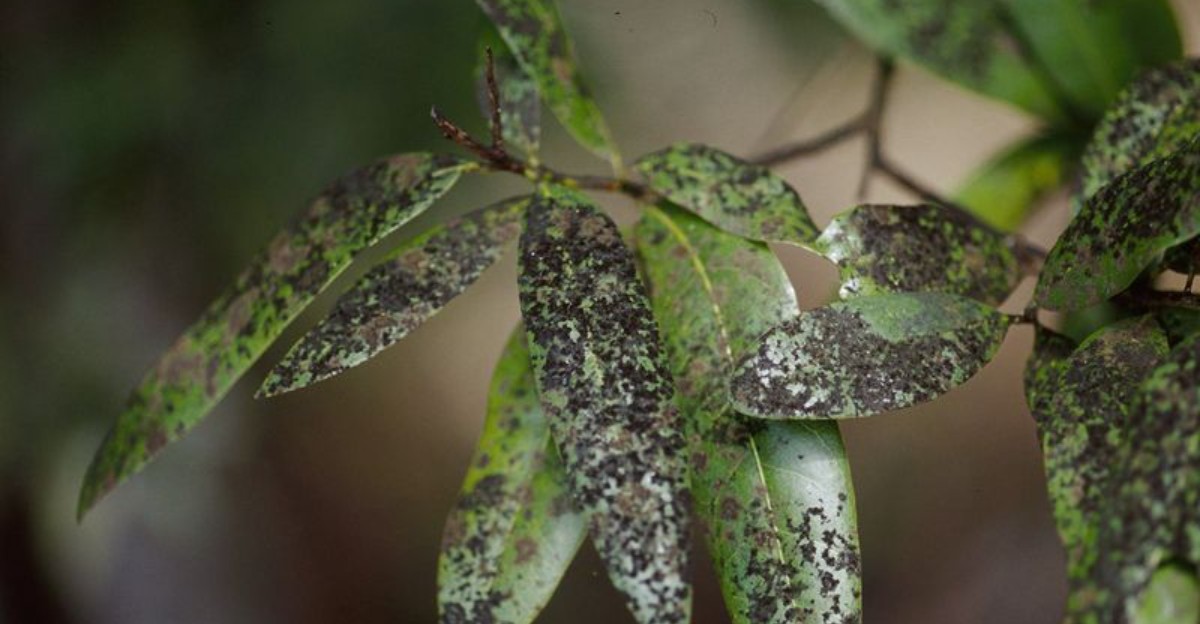
You step out onto the patio on a warm September morning and your sandals stick slightly. Nothing spilled there, yet every surface feels like it got brushed with a thin layer of syrup.
The glass table gleams strangely, the chair arms grab at your skin, and cushions feel faintly tacky. Even the car you parked in the driveway wears a sparkling film that wipers only smear around.
Scrubbing works for maybe an hour before that shiny coating quietly settles back over everything outside. Whatever is happening clearly starts somewhere high over your head, not down at the ground level.
Ants parade up the trunk like ticket holders, and wasps circle your lemonade with suspicious enthusiasm. Congratulations, your backyard has quietly been promoted to the neighborhood’s most popular open-air dessert counter.
Tiny Sap Feeders Behind The Sugary Drip
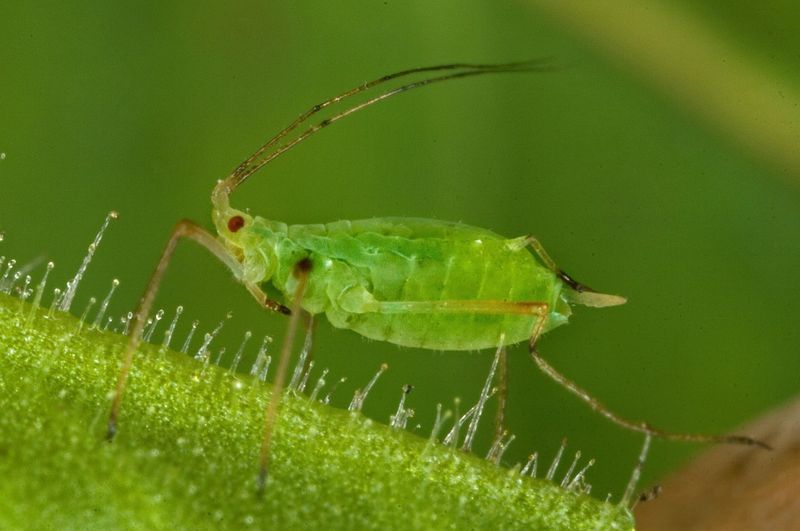
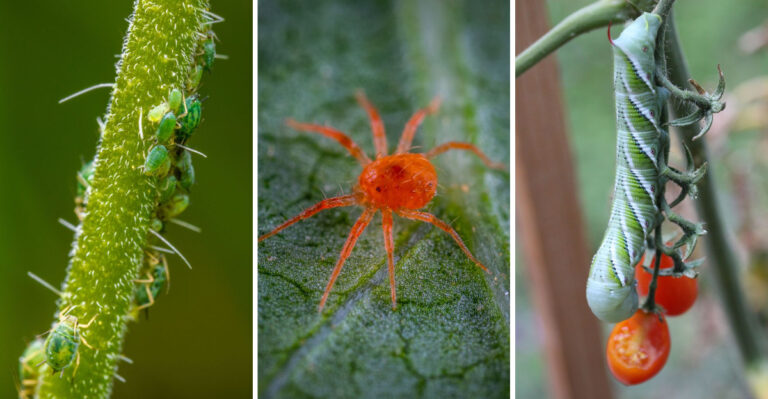
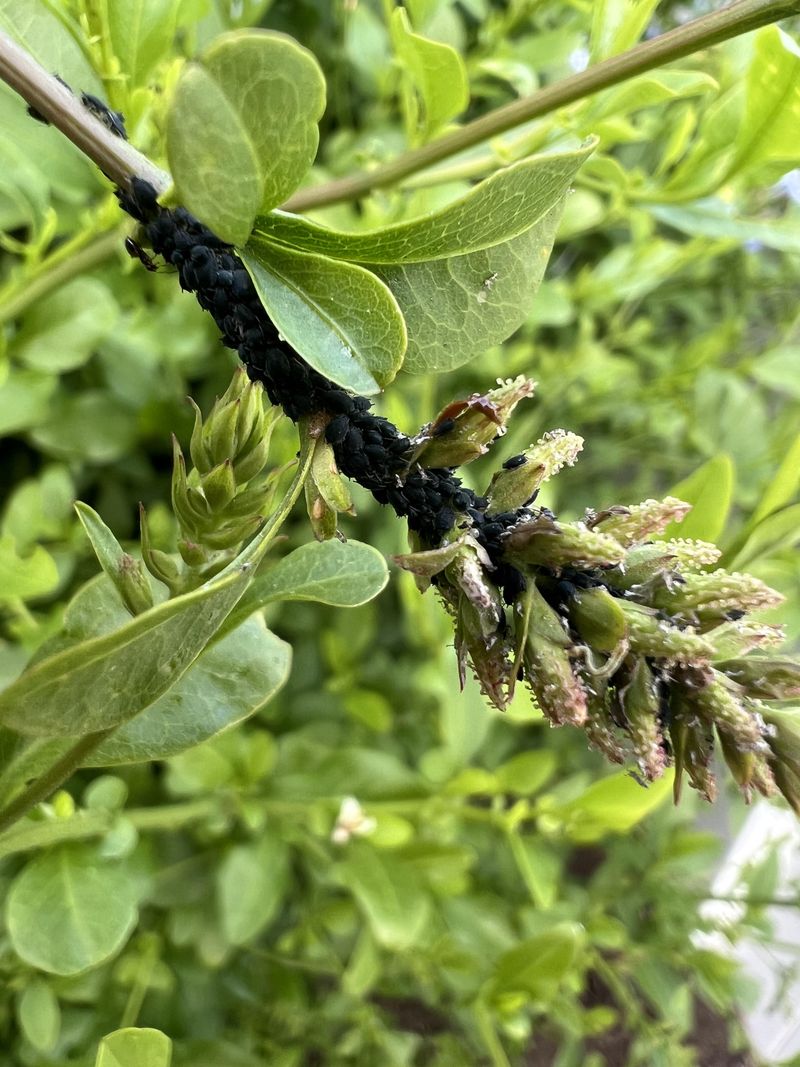
Squint at the underside of a leaf above your patio and you might spot soft-bodied insects clustered tight. Aphids feed on sap, and sap has far more sugar than they need.
The extra sugar passes straight through them as a clear, sticky liquid called honeydew. Gravity handles the rest, coating chairs, tables, grills, and anything parked below.
A single aphid produces almost nothing, but a large colony can number in the thousands. Multiply that by a full canopy and the drizzle becomes noticeable within a few days.
Honeydew is not tree sap leaking out of bark, which surprises many Illinois homeowners. The tree itself usually has no wound, no cut, and no disease causing the drip.
Aphids reproduce quickly, sometimes giving birth to live young without mating at all. Populations can double in under a week when weather stays mild and leaves stay tender.
Ants often guard these colonies because honeydew is such an easy food source. You may see steady ant traffic marching up and down the trunk all day long.
Scale insects and psyllids create the same sticky output, so honeydew is not exclusively aphid work. Aphids simply account for most of the complaints across Illinois neighborhoods each season.
Knowing the real source changes everything about how you respond to the mess. You are dealing with insects overhead, not a failing tree that needs replacement.
Once that clicks, the shiny patio becomes an annoyance instead of an emergency. Trees handle this situation far better than patio cushions ever will.
Maples, Lindens, And Other Usual Suspects
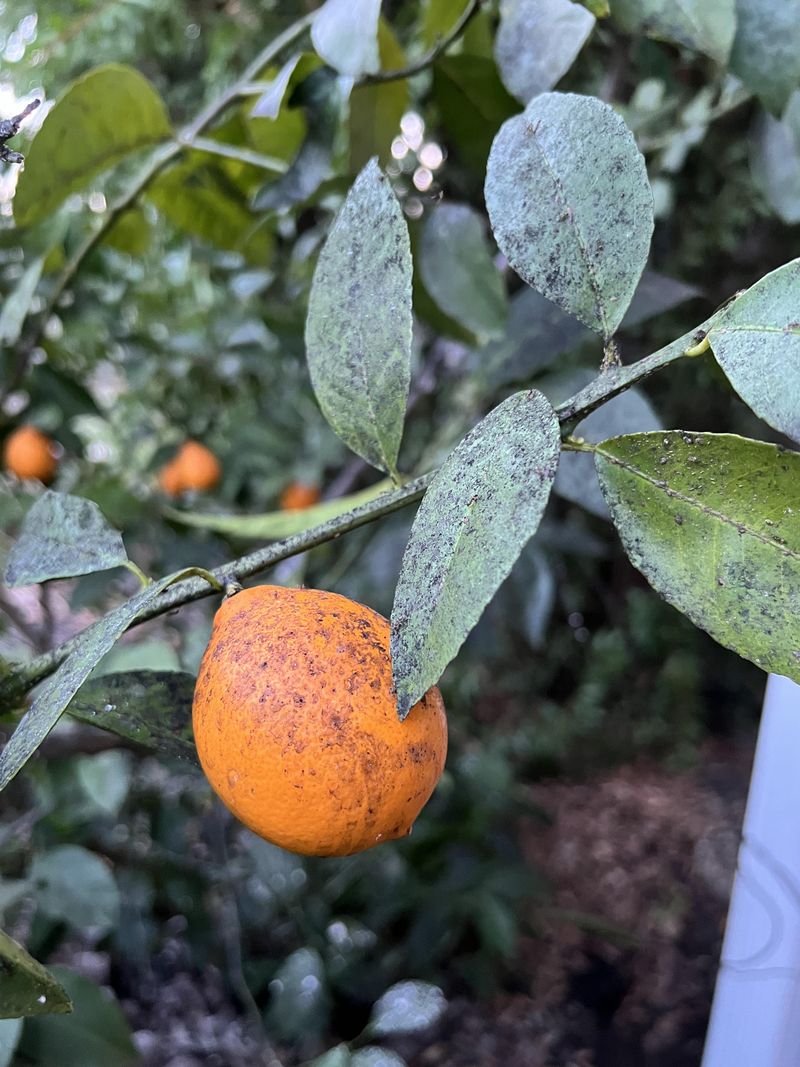
Ask an Illinois arborist which trees drip most, and littleleaf linden comes up almost immediately. Linden aphids gather in enormous numbers and glaze anything unlucky enough to sit underneath.
Silver maple and boxelder join the list, especially older shade trees leaning over decks. Their broad canopies scatter honeydew across a wide area rather than one small spot.
Hackberry is a special case thanks to woolly aphids that arrive in late summer. Fuzzy white specks float through the air while the leaves above keep leaking sugar.
Tulip trees host both aphids and scale insects, producing a heavy, syrupy rain some seasons. Homeowners often notice the shine on car hoods before spotting it on furniture.
Your Illinois Garden Changes Every Week. Your Plan Should Too.
Gardening in Illinois changes quickly throughout the season. Every Friday you’ll receive a simple weekly plan showing exactly what to plant, prune, fertilize, harvest, and protect so you never miss the right timing.
Crabapple, willow, elm, and river birch all show up in complaints around Chicago suburbs. Any tree with soft new growth can feed a colony for weeks.
Parkway maples cause the most frustration because they were planted decades ago. Removing them rarely makes sense when the stickiness lasts only a few weeks yearly.
Check the leaves directly above the stickiest spot before blaming the biggest tree nearby. Honeydew drifts slightly in wind, though the source sits fairly close by.
Hold a white sheet of paper under a low branch and shake it gently. Tiny green, black, or woolly specks landing on the paper confirm your suspect.
Identification matters because treatment options differ between aphids, scale insects, and psyllids. A quick look upward saves money on products aimed at the wrong bug.
Late Summer Timing Of The Stickiest Weeks
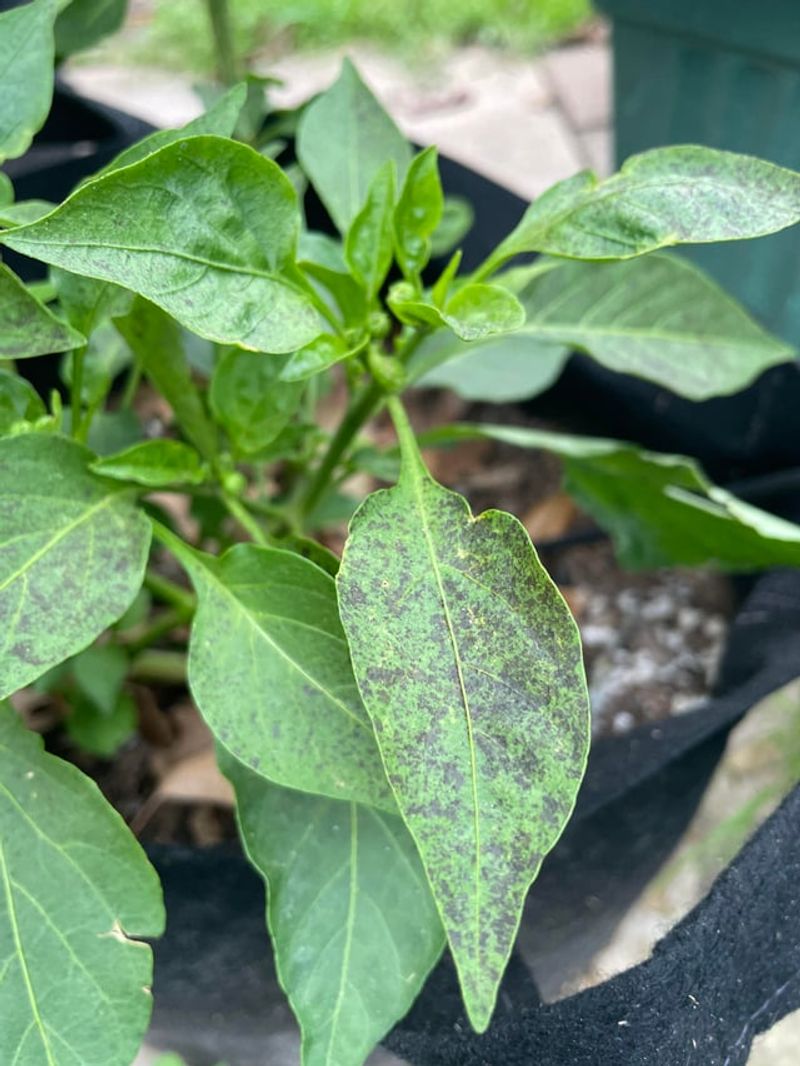
September is prime time for honeydew in Illinois, which catches plenty of people off guard. Most folks expect insect trouble in June, not during football season.
Aphid colonies build all summer, and generations stack up until numbers peak in late August. Warm days paired with cool nights keep them comfortable and reproducing.
Rain would normally rinse leaves and knock colonies loose, but Illinois often turns dry in September. Fewer storms mean honeydew piles up instead of washing away.
Drought-stressed trees also concentrate sugars in their sap, which suits sap feeders nicely. Stressed street trees frequently drip more than pampered backyard specimens do.
Woolly hackberry aphids peak sharply between mid August and early October across central Illinois. Their cottony flight is a familiar autumn sight downstate every year.
Lady beetles and lacewings do eventually catch up, though their timing runs behind. Relief usually arrives only after the messiest stretch has already passed.
The first hard frost ends the season, typically arriving in October for northern Illinois. Leaf drop removes the feeding sites, and the dripping stops on its own.
Patio season overlaps perfectly with peak honeydew, which explains the timing of all these complaints. Nobody notices sticky furniture in March, when chairs sit stacked in the garage.
Marking your calendar helps, since the same tree tends to repeat the pattern yearly. Planning cleanup for late August beats scrubbing hardened residue in mid September.
Sooty Mold, Wasps, And Slippery Concrete
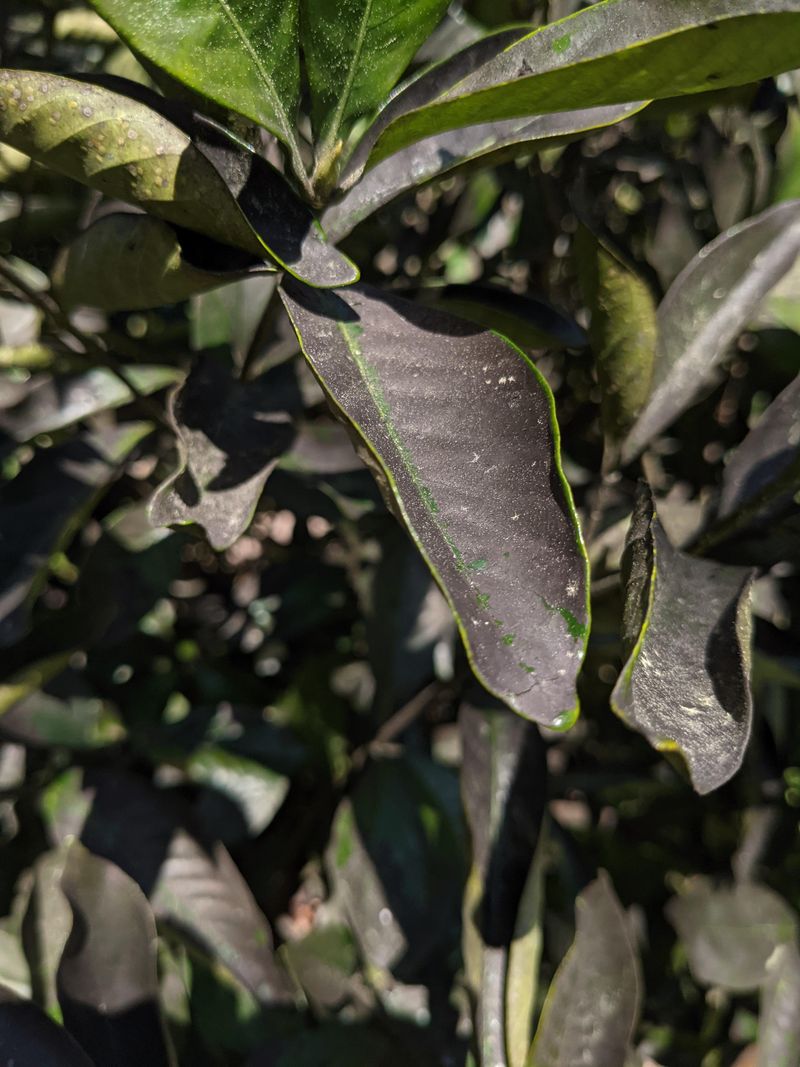
Give honeydew a few humid days and a black, powdery coating appears right on top of it. Sooty mold is a fungus that grows on the sugar, not on the plant.
Patio stones, railings, and furniture can turn a dingy charcoal color that resembles soot. Leaves below the drip zone often blacken too, including hostas and low shrubs.
The mold does not feed on your deck or your plants directly. Heavy layers on foliage do block sunlight, which slows growth on smaller shrubs.
Wasps and yellowjackets show up for the free sugar, and September makes them bolder. Late-season colonies are large and hungry, so patio lunches get crowded fast.
Ants build highways up the trunk, tending colonies like tiny ranchers with livestock. They shield aphids from predators, which keeps the drip going even longer.
Wet honeydew on smooth concrete gets slick, especially on steps near the tree. Add fallen leaves and that walkway becomes genuinely hazardous underfoot.
Car paint suffers most, since honeydew bakes hard under afternoon sun. Left for weeks, it can etch clear coat and leave dull spots behind.
Dogs pick up sticky paws and track the film indoors across floors and rugs. Grill covers, cushions, and umbrellas collect grime that a quick rinse barely touches.
None of this harms the tree much, which frustrates homeowners looking for justice. The canopy shrugs it off while your furniture takes the real hit.
Spray Mistakes That Backfire In Autumn
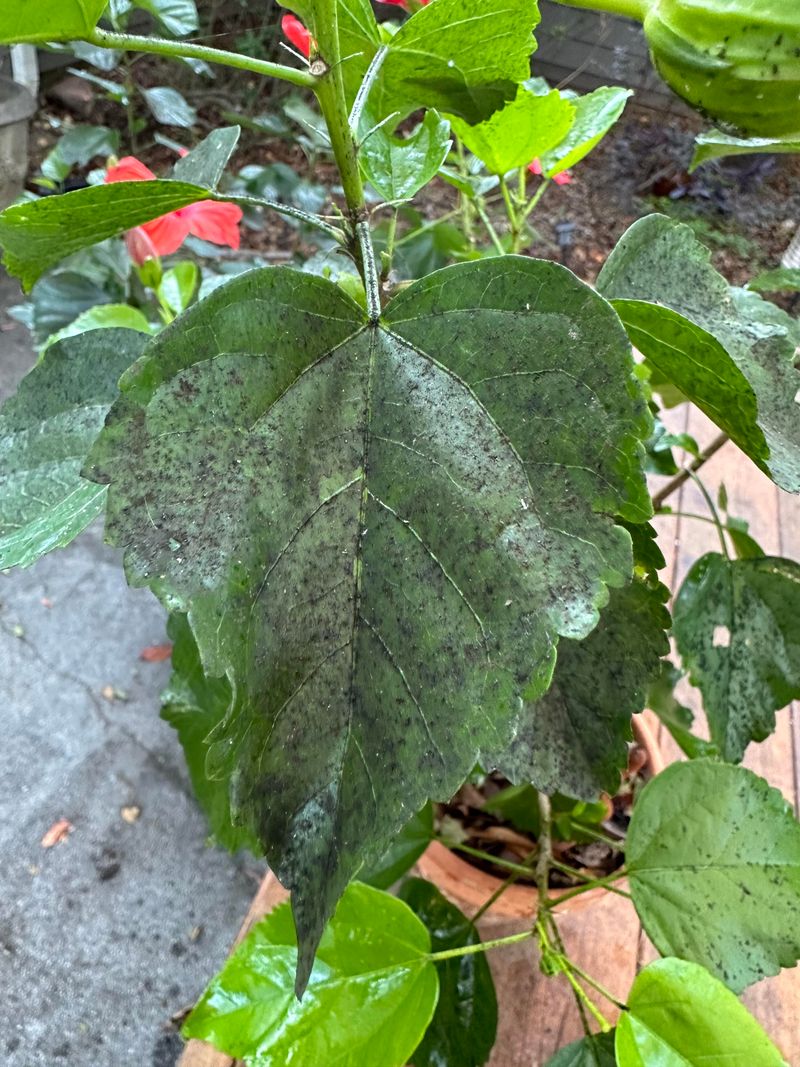
Reaching for a hose-end insecticide and blasting a forty-foot canopy wastes product and money. Most spray drifts sideways, lands on you, and misses the leaf undersides where colonies hide.
Broad-spectrum sprays also wipe out lady beetles, lacewings, and tiny parasitic wasps. Losing those helpers can trigger a bigger rebound within two weeks.
Fall soil drenches rarely help, since systemic products need months to move through a big tree. Applying one in September mostly protects next year, not this weekend.
Pressure washing wood decks at full strength strips stain and raises the grain. Lower pressure with soap handles honeydew without shredding the surface.
Bleach on outdoor cushions fades fabric while leaving the sticky residue underneath. Sugar responds to surfactants and warm water, not harsh chemicals.
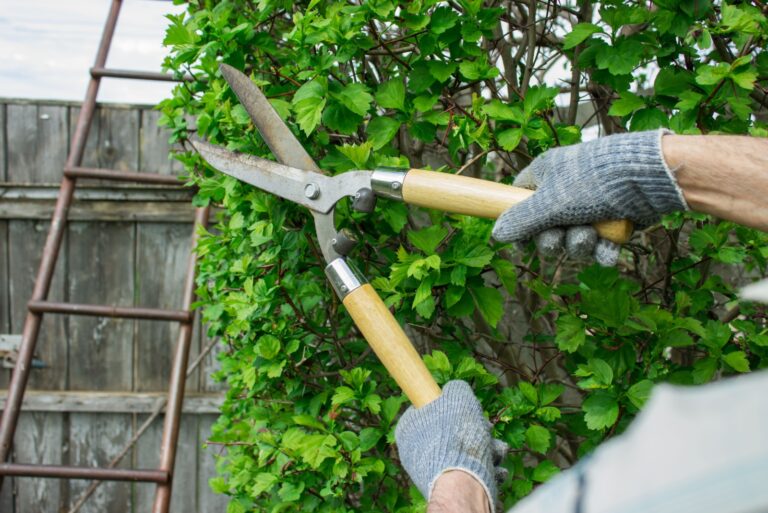
Topping or heavily pruning a shade tree to stop the drip backfires badly. Stressed trees push tender new shoots that aphids find irresistible.
Waiting until October to wash the car lets residue harden into a stubborn glaze. Prompt washing keeps the finish safe and saves detailing bills.
Blaming the tree for leaking sap leads some homeowners straight toward removal quotes. Sap from bark looks and behaves nothing like honeydew falling off leaves.
Skipping ant control leaves the colonies guarded and comfortable through the whole season. A sticky band wrapped around the trunk changes that arrangement quickly.
Patio Cleanup And A Calmer Tree Next Year
Warm water, a squirt of dish soap, and a soft brush handle fresh honeydew beautifully. Work in the shade so your solution does not dry before you rinse.
Tackle the film weekly during peak weeks rather than waiting for one giant project. Fresh residue lifts in minutes while hardened layers fight back.
For sooty mold on concrete, soapy water plus a stiff broom removes most of the staining. A gentle pressure wash finishes the job on patios and sidewalks.
Move grills, cushions, and kids’ toys out of the drip zone until leaves fall. A simple tarp or furniture cover saves hours of scrubbing later.
Park elsewhere during September, or keep a car cover handy on dripping nights. Rinsing at the first sign of shine protects your paint reliably.
A strong hose blast on reachable branches knocks aphids loose, and few crawl back up. Insecticidal soap or horticultural oil works on foliage you can actually reach.
Yarrow, dill, and sweet alyssum invite lady beetles and lacewings into the yard. Those hunters shrink colonies without any spray schedule at all.
Skip heavy nitrogen fertilizer near the tree, since lush growth feeds sap-sucking insects. Steady watering during dry spells lowers stress and keeps the canopy tougher.
For serious yearly problems, a certified arborist can time a trunk treatment for spring. One well-timed application beats a summer of ladders, sprays, and sticky chairs.