What It Really Means When A Hive Isn’t Ready For Winter In New Jersey
Cold does not wait for you to catch up. Winter in New Jersey rewards preparation, not luck. You might think your hive looks strong right now. Bees hide trouble better than you expect.
Weight tells you the truth activity cannot. Your queen can fail without warning signs. Mites multiply while you assume the season is calm.
Moisture inside your hive does damage cold air alone cannot. Ventilation gaps creep in without an obvious sign. Stores that look sufficient in October disappear by January. Population drops matter more than you realize right now.
New Jersey winters expose shortcuts taken during summer. Signs appear early, long before the cold turns severe. Momentum decides which colonies make it to March.
That window is closing fast, and you feel it. Action taken now carries weight later. Delay costs you more than you think. Ignore these signals now, and spring will show you exactly why.
Light Hives Tell A Heavy Story
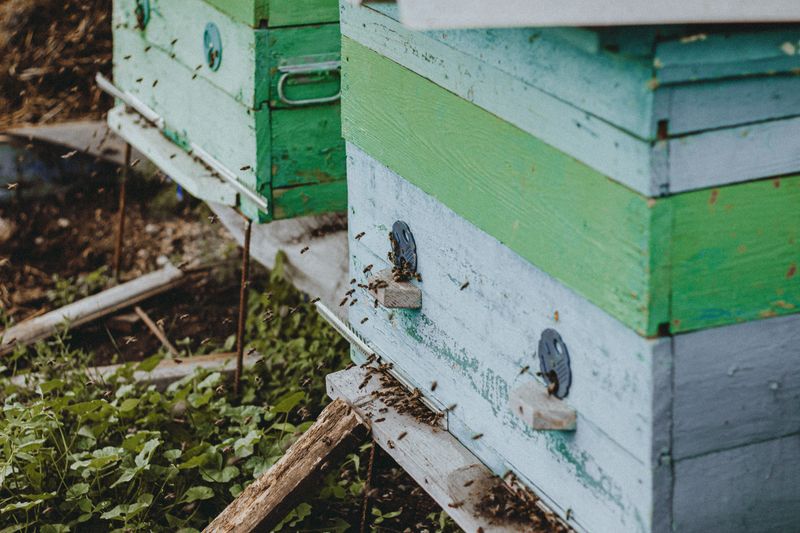
Tip the back of a hive off the stand in late October and you learn more in three seconds than an hour of inspection notes will tell you.
A colony ready for a New Jersey winter feels stubborn, almost stuck to the ground. One that lifts easily is telling you the pantry is close to empty.
Bees burn stored honey to shiver and generate heat, and that shivering runs nonstop from December through February.
As a general guideline, most New Jersey colonies need somewhere between 60 and 80 pounds of stored food to make it to the first maple bloom in March, though the exact amount depends on colony size and hive setup.
A light hive in fall usually traces back to a weak summer nectar flow, a late swarm, or a beekeeper who harvested a little too generously. None of those are moral failures, but all of them demand action.
Feeding heavy sugar syrup, mixed two parts sugar to one part water, works while daytime temperatures still reach the mid 50s.
Once the weather drops below that, bees cannot dehydrate and cap syrup properly, so switch to solid options like fondant or a sugar brick placed directly above the cluster.
Keep checking weight through the winter on mild days. Bees sometimes eat faster during a warm spell because they become active without being able to forage.
A hive that feels light in January is not doomed, but it needs emergency food within days, not weeks. Weight is the single most honest measurement a beekeeper has.
Too Few Bees To Build A Warm Cluster
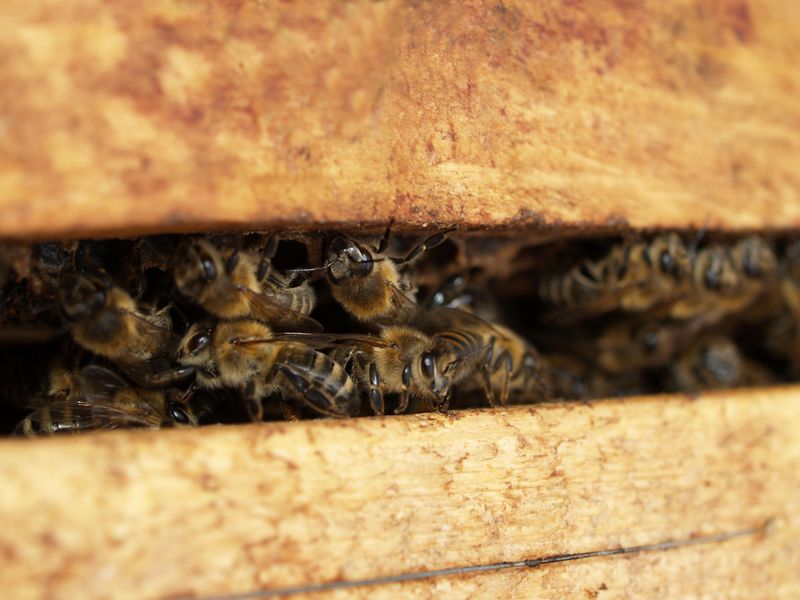
Numbers matter more than enthusiasm when the thermometer drops. Honey bees do not heat the hive box; they heat themselves, forming a tight ball that holds its center between 90 and 95 degrees even when outside air sits in the teens.
A cluster needs enough bodies to keep that ball thick. As a rough benchmark, colonies covering fewer than four or five deep frames of bees in November face elevated risk in central and northern New Jersey.
Your New Jersey Garden Changes Every Week. Your Plan Should Too.
Gardening in New Jersey changes quickly throughout the season. Every Friday you’ll receive a simple weekly plan showing exactly what to plant, prune, fertilize, harvest, and protect so you never miss the right timing.
Small clusters lose heat from the outside faster than the core can replace it. They also cannot reach food stored just a few inches away during a cold snap, which is why beekeepers sometimes find bees that starved with honey just inches overhead.
Population crashes in fall usually start earlier than people realize. A queen who stopped laying in August, a sharp mite increase in July, or a robbing event can quietly erase the generation of long-lived winter bees the colony depends on.
If you find a small colony in October, combining it with a stronger neighbor is often the kindest choice. Two modest colonies merged into one solid unit are far more likely to succeed than two failing colonies left alone.
Newspaper combines work well, and the bees sort out the introduction over a couple of days.
Another option is moving the small colony into a single box with tight follower boards so it has less empty space to warm. Shrinking the house helps when you cannot grow the family.
Varroa Mites Still Riding Along
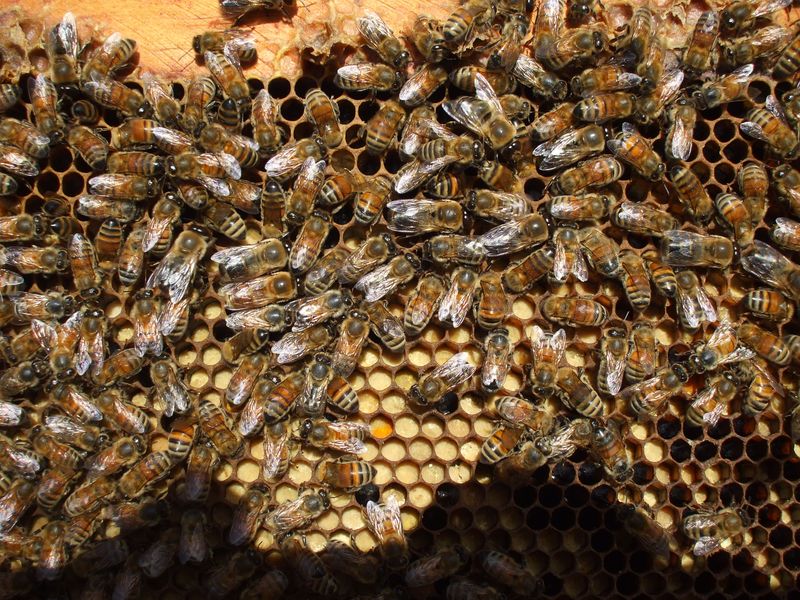
Ask any experienced New Jersey beekeeper what causes the most winter colony losses and the answer comes fast: mites, or the viruses mites carry.
Varroa destructor feeds on developing bees and spreads deformed wing virus, which shortens bee lifespans dramatically.
Winter bees are supposed to live four to six months instead of six weeks. Virus-damaged bees simply do not last that long, so the cluster shrinks week after week until nothing remains.
The frustrating part is how healthy an infested hive can look in September. Bees fly, brood looks decent, foragers come home loaded with goldenrod nectar.
Only a real count reveals the truth. An alcohol wash or sugar roll of about 300 bees should turn up fewer than three mites heading into fall, and honestly, lower is better.
Treatment timing in New Jersey matters enormously. Knocking mites down in late August or early September protects the very bees that will form the winter cluster, while a December treatment arrives far too late to save them.
Oxalic acid, formic acid products, and thymol-based options all have temperature ranges printed on the label, so read carefully before applying.
Also worth remembering: a treated hive sitting next to an untreated neighbor can get reinfested through drifting and robbing. Talking with nearby beekeepers about coordinated treatment turns a solo effort into a neighborhood defense.
No Laying Queen, No Future
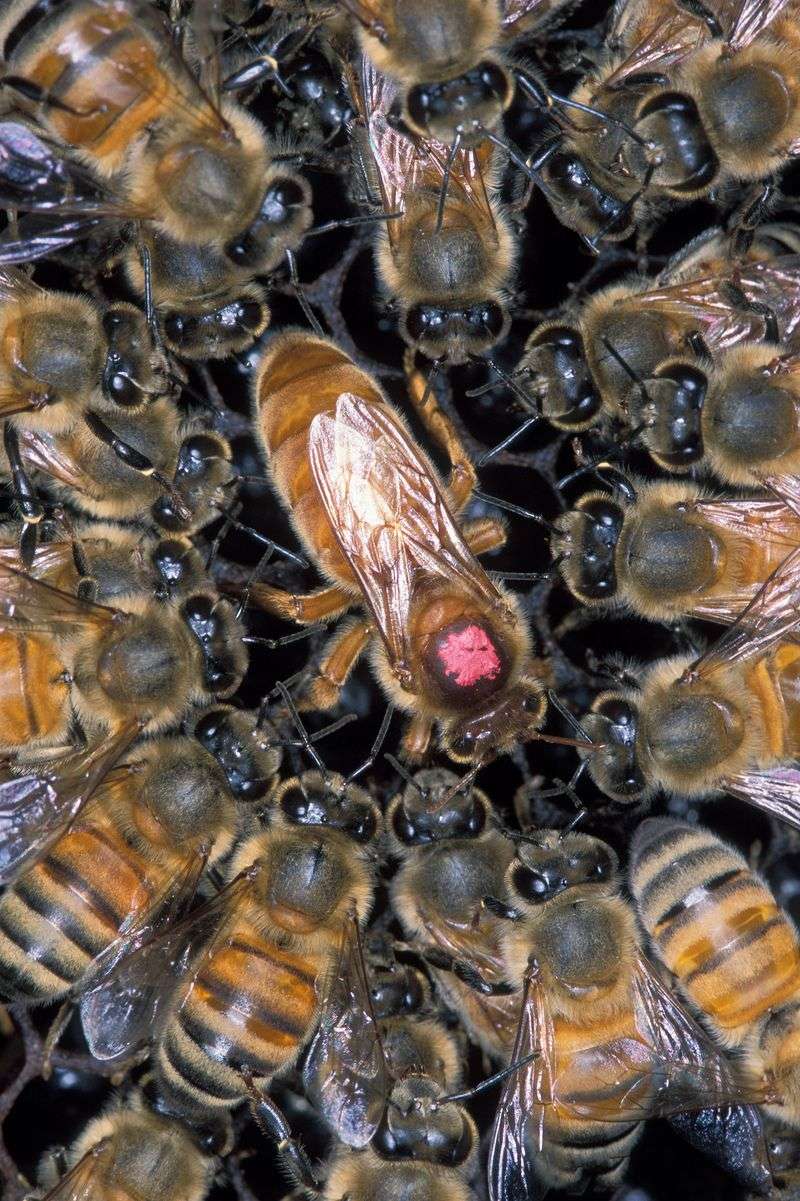
Picture opening a hive in October and finding plenty of bees but not one egg, not one larva, not a single patch of capped brood. That colony’s population will decline steadily without intervention.
Those workers will slowly age out over the winter, and with no queen to replace them, the cluster shrinks to a handful by February. Queenless colonies rarely survive a New Jersey winter without intervention.
Late-season queen failure happens more often than people expect. Queens supersede in August, mate poorly because drone numbers have dropped, or get injured during a rough inspection.
Signs to watch for include scattered drone brood in worker cells, multiple eggs per cell, an unusually loud roaring hum when you open the lid, and bees clustering oddly on the comb.
Fixing it in fall is genuinely hard. Mated queens become scarce and expensive after September, and cool weather makes acceptance shaky at best.
The practical move is usually combining the queenless bees with a healthy queenright colony so their labor and stores are not wasted.
Better yet, check for a laying queen during every August and September inspection rather than assuming all is well. A quick look for eggs takes two minutes and answers the biggest question in beekeeping.
Keeping a nucleus colony with a spare queen through the season gives you a backup, which feels like cheating until the year you need it.
Dampness Doing More Harm Than Cold

Cold alone rarely overwhelms a strong colony; trapped moisture is often the bigger threat. Bees produce moisture as they metabolize honey, and in a sealed box that water vapor rises, hits the cold inner cover, and rains straight back down onto the cluster.
Wet bees cannot stay warm, and chilled bees often cannot recover. Mold growth on frames and a sour smell in spring are both fingerprints of a moisture problem.
New Jersey makes this worse than drier states because our winters swing between freezing nights and damp 45 degree afternoons, often with ocean humidity pushing inland.
The fix involves giving the vapor somewhere to go instead of trying to seal everything tight. A small upper ventilation notch, a shim with a gap, or a quilt box filled with wood shavings all pull moisture out of the hive.
Tilting the whole hive forward roughly one inch also helps, since condensation then runs down the front wall and out the entrance rather than dripping onto bees.
Moisture boards, made of homasote or similar material, sit above the inner cover and absorb water while adding a bit of insulation.
One caution: ventilation is not the same as a draft. A gaping hole that lets wind blow across the cluster undoes everything.
Aim for a slow upward escape route while keeping the sides snug, and check on a mild January day to confirm the inner cover feels dry rather than dripping.
Stores Stashed In All The Wrong Places

Here is a costly and preventable outcome that happens every year: a beekeeper finds a colony that didn’t make it in February, surrounded by full frames of honey. The food was there. The bees just could not get to it.
A winter cluster moves as one unit, slowly upward, and only travels sideways during warm spells. Honey stored in the far corners or in a box below the cluster might as well be in another county.
Arranging stores properly in October is one of the cheapest improvements a beekeeper can make. Capped honey belongs directly above and beside the brood nest, forming a dome the bees can climb into as winter progresses.
If the bottom box holds honey and the top box sits empty, reversing them puts food where the cluster will end up.
Pay attention to frames of pollen too. Bees need protein to raise the first brood of late winter, which typically begins in early February in southern New Jersey but shifts with that year’s weather.
Frames packed solid with pollen and no honey can act as a wall the cluster cannot cross, so move those toward the outside.
One small trick helps enormously: leave a sugar brick or piece of fondant resting right on the top bars under the inner cover. Bees that climb to the ceiling looking for food will find something waiting there instead of empty wood.
Exposed Hive Stands And Unprotected Yards
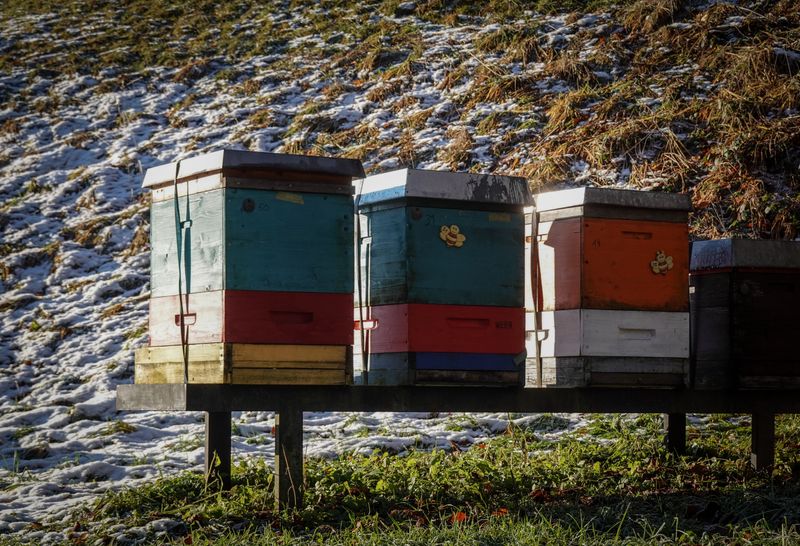
Location does quiet work all winter long, and a hive sitting alone in the middle of an open field faces a challenge it did not need to face.
Wind strips heat away from the box the way it strips warmth from your hands on a January morning.
New Jersey gets steady northwest winds through the cold months, and colonies exposed to them burn through stores much faster than sheltered ones.
Simple changes pay off. Position hives so entrances face south or southeast, which catches winter sun and lets bees take quick cleansing flights on mild days.
Place a windbreak on the north and west sides using hay bales, a fence panel, evergreen shrubs, or stacked pallets. Nothing fancy required.
Getting hives off wet ground matters as well, since a stand at least a foot high keeps snowmelt and mud away from the bottom board.
Black insulating wraps add a few degrees of solar gain, though they should never block the upper vent or the entrance.
Do not forget mouse guards. A field mouse moving into a hive in November can chew comb, foul stores, and stress the cluster through winter.
Also clear heavy snow away from the entrance after big storms so bees keep a path for airflow and cleansing flights.