Something Is Quietly Dulling Minnesota’s Fall Color This Year
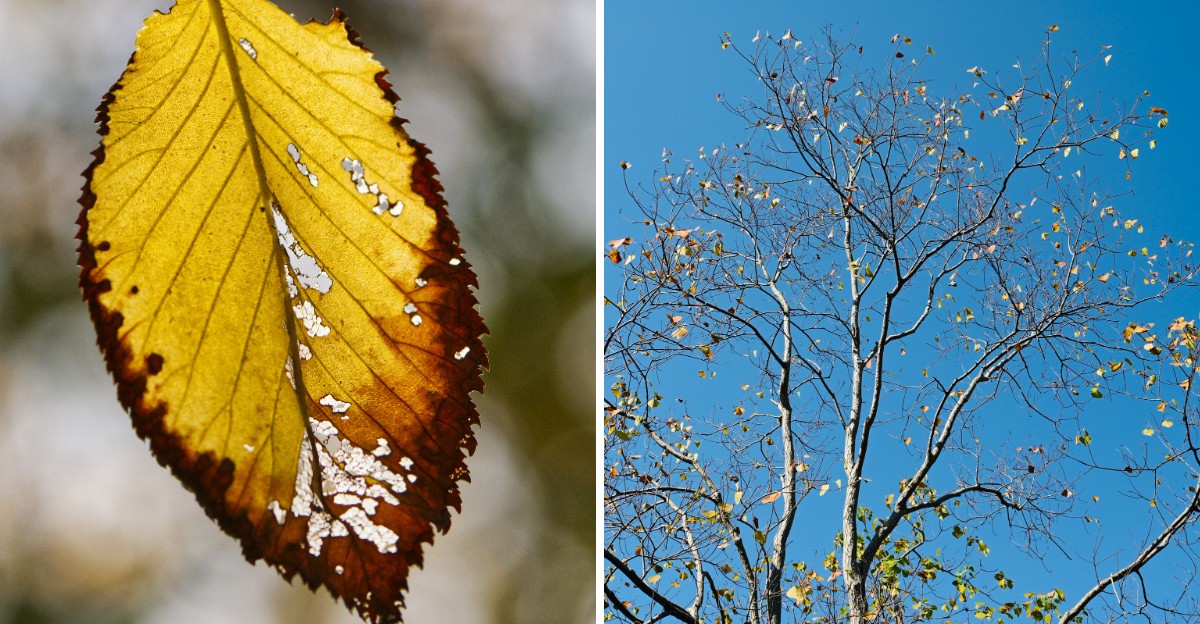
You’ve probably noticed something is different this September. Minnesota’s maples usually glow, but this year they’re hesitating. Leaves are browning early, curling before they ever shine.
Blame the weather all you want, but the real story runs deeper. Something below the soil has been shaping this moment for months. Drought stress, root strain, and shifting temperatures quietly play a hidden part here.
Reds look washed out, oranges arrive late, yellows fade quickly. Your trees have been reacting since spring, quietly and steadily. Statewide, Minnesota’s patterns feel especially unpredictable this year.
Timing matters more than people expect this season. Pests, moisture levels, and sunlight exposure add extra pressure. Each stressor compounds the next, invisibly and quickly.
Knowing the cause gives you real control over exactly what happens next. Small adjustments now can change what your trees show later. You’re about to find out exactly why, and what you can still do.
Thirsty Roots Write The Color Script Months Early
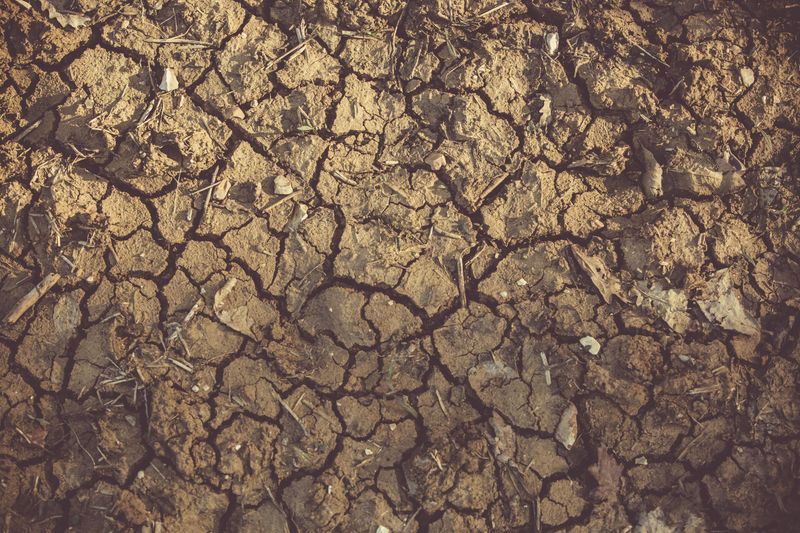
Long before a single leaf turns, the color show is being written underground. Roots spent June, July, and August deciding how much energy a tree could spare.
When soil moisture runs short, trees shift into conservation mode. They pull back on producing sugars, close their leaf pores during the hottest hours, and simply coast.
Those sugars matter more than people realize. Red and purple tones in maples, sumac, and oaks come from anthocyanins, which are built from sugar trapped in leaves during crisp autumn nights.
Less sugar means fewer pigments. Yellows still appear because carotenoids were hiding in the leaf all along, but the fiery reds need fuel that a stressed tree cannot spare.
Minnesota soils appear to have held less water than usual through much of the growing season, particularly in central and western counties, based on this year’s drought conditions.
Sandy ground drains fast, and even a few rainy days in August could not undo weeks of deficit. You can spot the signs without any equipment. Look for leaves that browned at the tip first, curled inward, or dropped while still mostly green.
For homeowners, a slow soaking now helps more than frequent light sprinkles. Let a hose trickle at the drip line for an hour, then move it, aiming for moisture reaching six to eight inches down.
Trees planted within the last five years benefit the most from that attention. Their root systems are still small, and a single dry stretch hits them harder than it hits a century-old oak.
Scorched Leaf Edges Showed Up Before September Did
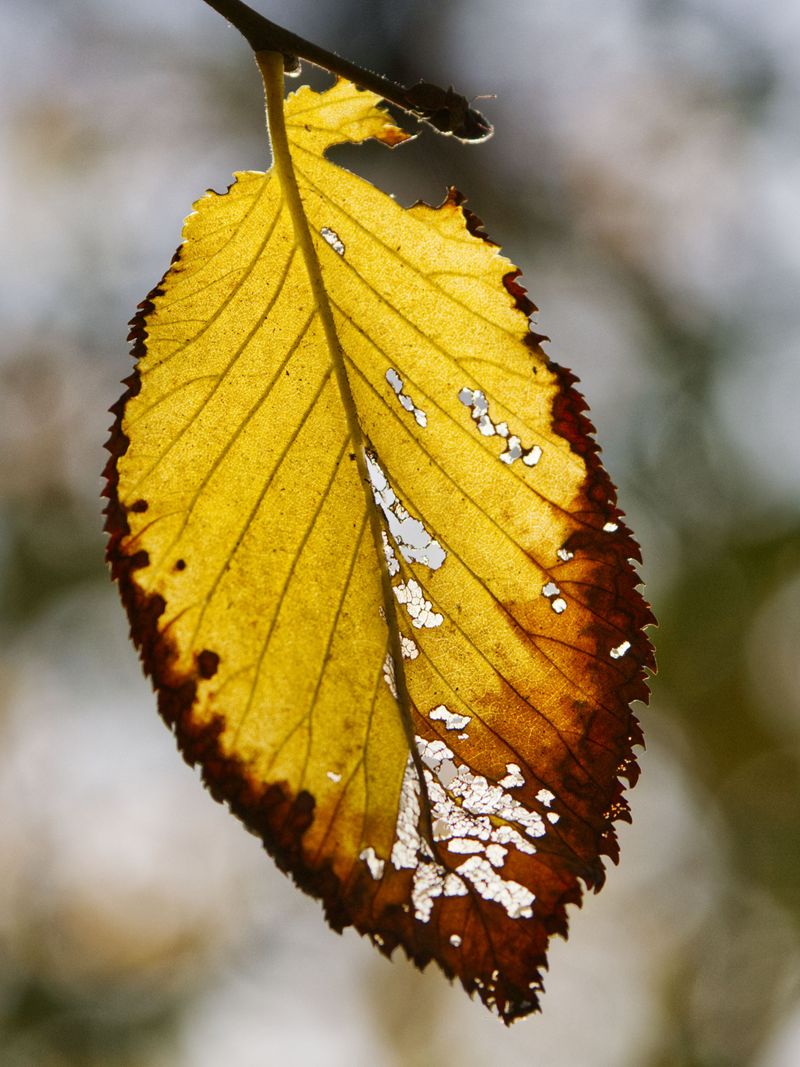
Walk under a maple in August and you may have noticed drier, crisper leaves than expected. That was leaf scorch, and it arrived weeks ahead of schedule.
Scorch happens when a leaf loses water faster than roots can replace it. The outer edges go crispy and tan while the center stays green, creating a scorched, tan appearance.
Once tissue scorches, it stops working. Those browned margins cannot produce sugar or shift into autumn pigments, so the leaf enters fall no longer functioning fully.
Your Minnesota Garden Changes Every Week. Your Plan Should Too.
Gardening in Minnesota changes quickly throughout the season. Every Friday you’ll receive a simple weekly plan showing exactly what to plant, prune, fertilize, harvest, and protect so you never miss the right timing.
Birch, maple, linden, and Japanese tree lilac show it clearly in Minnesota yards. Boulevard trees along hot pavement often show the most visible stress because reflected heat adds to the strain.
Here is a detail worth knowing. Scorch is not a disease, so no spray fixes it, and treating it like an infection wastes money and time.
What actually helps is water and shade at the root zone. A three-inch ring of wood mulch, kept away from the trunk itself, keeps soil cooler and slows evaporation considerably.
Skip the heavy fertilizer this season. Pushing new growth on a tree that cannot support it adds stress rather than relief.
If your favorite maple looks significantly scorched, it can still recover. Trees store reserves in their trunks and roots, and one hard summer rarely undoes decades of growth.
Expect muted color from those particular branches this October. Next year, with normal rainfall, the same tree can return to full brilliance.
Trees Are Dropping Leaves Ahead Of The Party
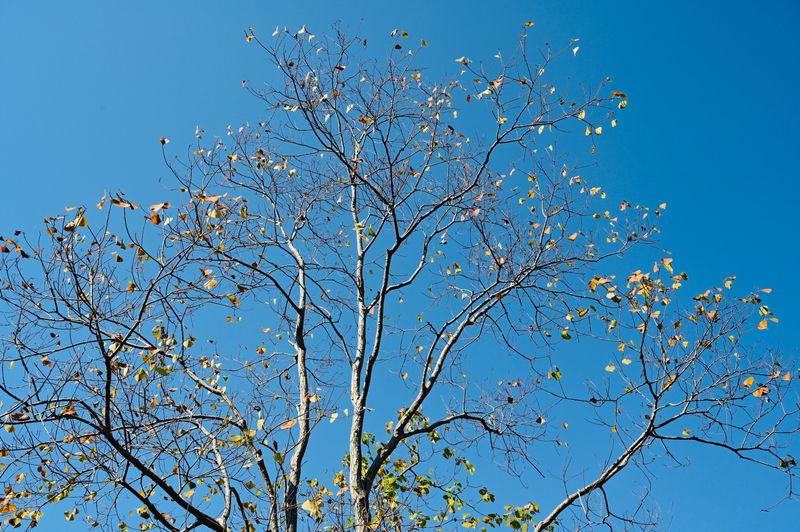
Raking in early September feels wrong, yet plenty of Minnesotans have been doing exactly that. Sidewalks filled with green-brown leaves while the air still felt like summer.
Early leaf drop is a survival move, not a malfunction. A tree short on water sheds leaves to cut its losses, because each leaf is a tiny water faucet running all day.
Birch trees are famous for this trick. They can shed a significant portion of their canopy in a dry August and often still leaf out fine the following spring.
Cottonwood, aspen, and ash follow similar habits. Once the leaves are gone, they cannot color up later, which thins out the overall autumn display across whole neighborhoods.
The effect stacks up visually. A hillside that normally reads as solid orange now shows gaps of bare gray branches mixed into the canopy.
For your own yard, resist the urge to prune heavily right now. Cutting stimulates growth that the tree has no water to support, and late-season wounds heal slowly before frost.
Instead, focus on a deep watering routine through October until the ground freezes. Evergreens especially appreciate one last long drink in late fall.
Leave the fallen leaves on garden beds if you can. They insulate roots, hold moisture, and feed soil life over winter at no cost.
Consider it a rain check rather than a cancellation. The tree is budgeting, and next season it plans to spend again.
Warm Nights Are Muting The Reds
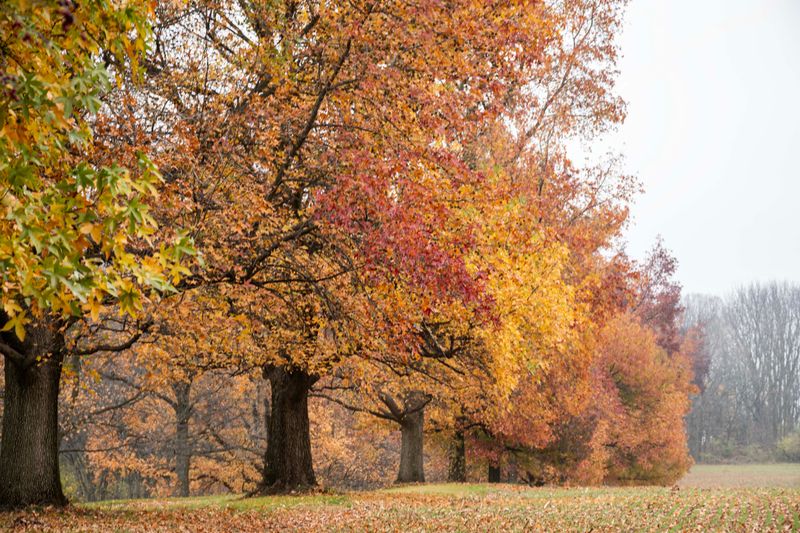
Ask a forester what makes a legendary color year and you will hear the same recipe. Steady summer rain, bright sunny days, and cool nights that stay above freezing.
Minnesota got the sunny days. The rain and the chilly nights have been harder to come by in several regions.
Cool nights matter because they slow the movement of sugar out of leaves. Sugar stuck in the leaf becomes red and purple pigment, which is why frosty-edged autumns look so vivid.
Warm nights let that sugar drain away into branches and roots. The leaf then turns a plain yellow or skips straight to brown.
Combine warm nights with dry soil and the reds take a double hit. There is less sugar made, and less of it stays put long enough to color anything.
Yellow-dominant species still deliver. Aspen, birch, and hickory rely on pigments already present in the leaf, so they often look decent even in tough years.
Plan your leaf-peeping around that reality. Northern stands of aspen and birch tend to shine when southern maples look washed out.
Timing helps too. Color usually starts in the far north in mid-September and works south through mid-October, so watching a state color map beats guessing.
Pack a camera for the golden hour anyway. Low-angle light around sunrise and sunset makes even modest yellows look surprisingly rich, and haze often adds a soft glow to lake views.
Stressed Trees Attract Uninvited Guests
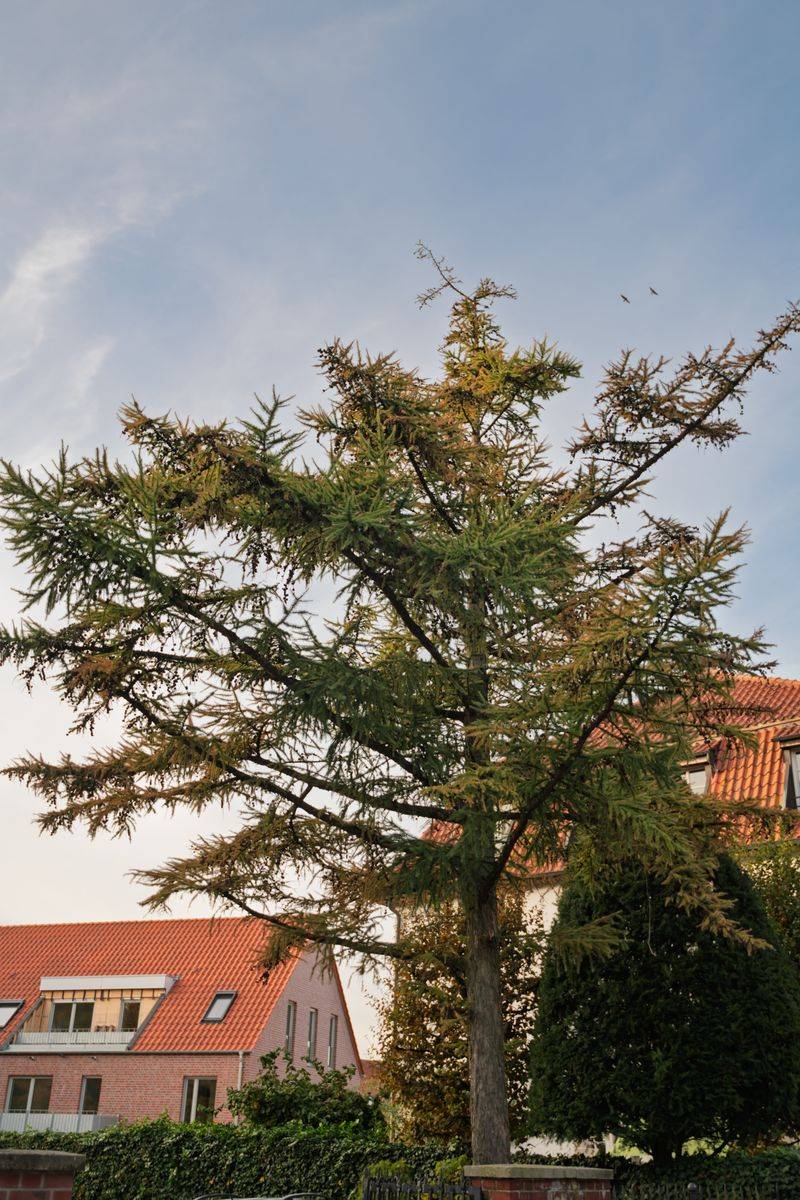
Here is an odd bit of tree biology. Healthy trees fight off pests reasonably well, but insects are more likely to target trees that are stressed by drought.
Borers, bark beetles, and certain fungi take advantage of that weakness. They target trees already under sustained water stress after a dry stretch.
Two-lined chestnut borer, for example, tends to show up in oaks that went through back-to-back dry summers. Upper branches thin out, leaves shrink, and color arrives patchy and dull.
Leaf spot fungi also flare when trees cannot outgrow minor damage. Blotchy brown patches spread across the blade, leaving little clean tissue to turn a nice shade.
None of that ruins your autumn, but it does explain uneven canopies. One maple on a block might glow while its neighbor looks tired and speckled.
Watch for warning signs worth acting on. D-shaped exit holes in bark, sawdust at the trunk base, or branches that leafed out late in spring deserve a closer look.
A certified arborist can tell the difference between cosmetic trouble and something structural. An inspection is often more affordable than expected, and early advice can help prevent costlier problems later.
Meanwhile, the simplest defense stays the same. Water deeply, mulch properly, and avoid nicking the trunk with mowers or string trimmers.
Bark wounds are entry points for pests. Keeping a mulch ring around the base does double duty by holding moisture and keeping equipment at a safe distance.
Where To Still Find A Great Autumn View
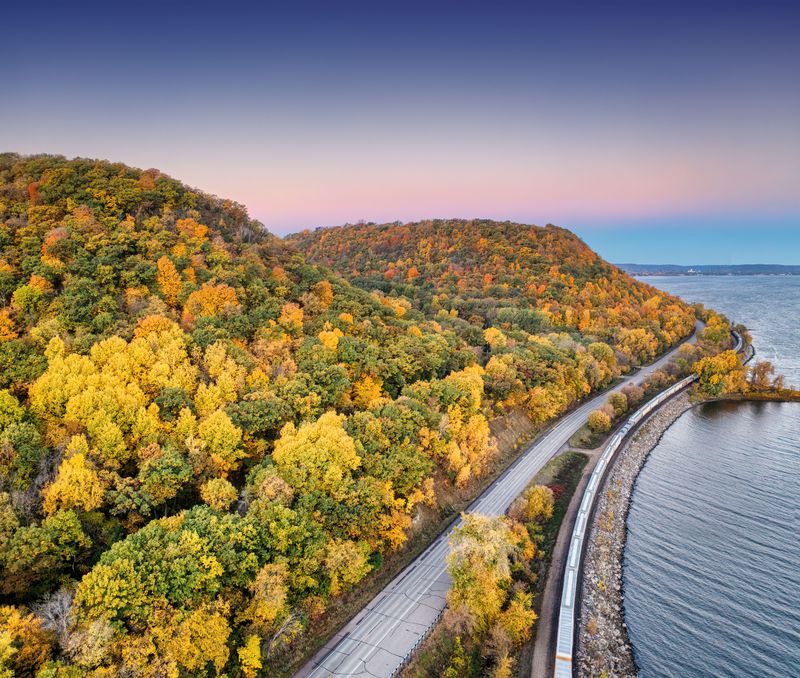
Conditions still vary enough to make a trip worthwhile. Minnesota is big enough that conditions vary wildly from county to county.
Areas that caught better summer rainfall tend to hold richer color. The North Shore, parts of the Arrowhead, and pockets along the St. Croix often outperform drier western prairie edges.
Water changes everything locally. Trees growing near lakes, rivers, bogs, and shaded ravines keep their roots damp and usually put on a stronger show.
Tamaracks deserve a mention here. Those needle-dropping conifers glow gold in bogs during mid to late October, long after maples have finished, and dry summers barely dent them.
Use the Minnesota DNR fall color finder before you drive. It updates weekly and saves you from arriving a week late to a bare hillside.
Aim for north-facing slopes and stream valleys if your local woods look flat. Those spots stay cooler and moister, which helps pigments develop.
Bring a plan B stop. Apple orchards, prairie grasses turning copper, and sumac along roadsides all provide color even when the big trees underperform.
Fun detail for the road. Sumac often produces some of the deepest reds in the state, a trait linked to its shallow root system and growth habit.
A muted color year can still offer plenty to see. Slow down, take the back roads, and you will find plenty worth pulling over for.