Black And Orange Bugs Are Showing Up In Alabama’s Fall Kale And Collard Beds
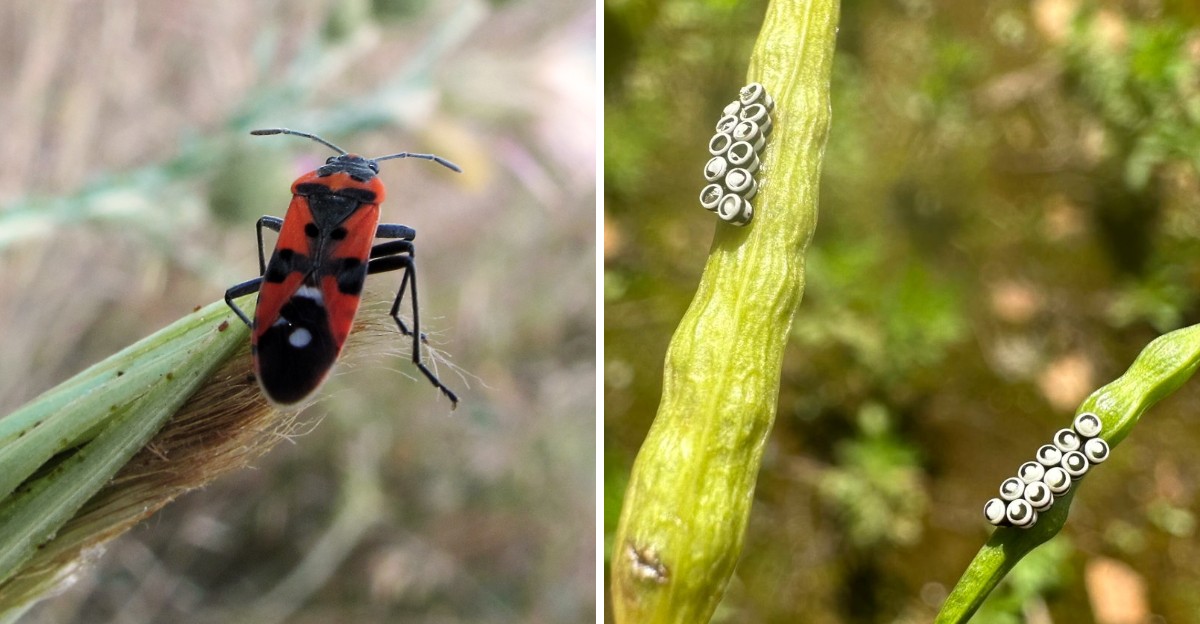
You flip a leaf and something small stares back. Its shiny, armored shell hides real trouble brewing in your garden. Alabama gardens just like yours are hosting this uninvited guest now.
Pale spots appear on your tender young leaves within a day. Yellow patches spread quickly across your entire raised bed. Bleached blotches turn your healthy greens brittle, thin, and fragile.
Your harvest balance tips faster than you probably expect it to. Speed decides whether your beds recover fully or struggle badly. This pest thrives happily in your warm, humid Alabama afternoons.
Gardeners like you often underestimate how fast it spreads. Guessing wastes the precious time you truly cannot afford now. Confusion costs you leaves, yield, and your hard-earned confidence.
Recognition changes your outcome the moment you know the signs. Understanding this pest turns your panic into a clear plan. Ignore this pest, and your harvest could take a serious hit.
Spotting The Shield-Shaped Troublemaker
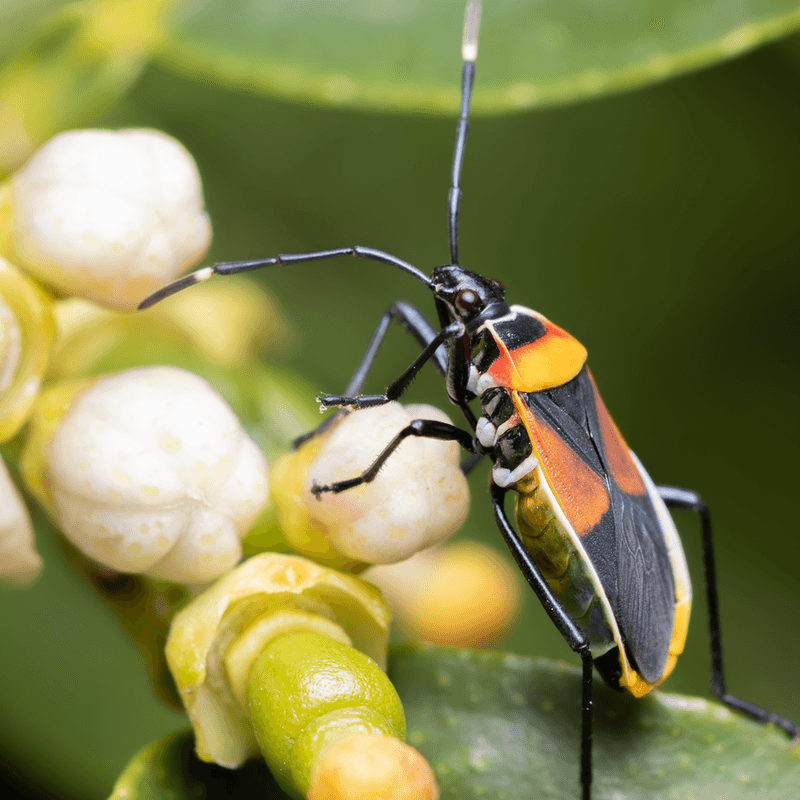
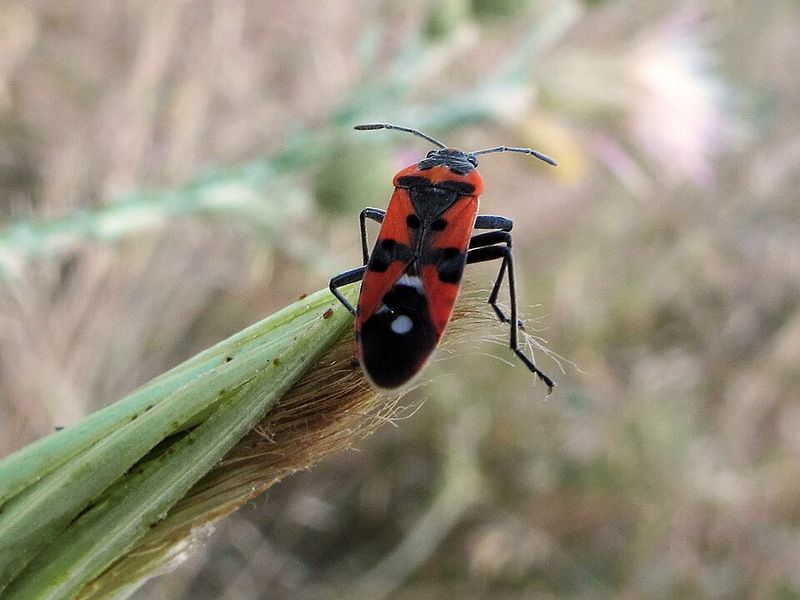
Picture a stink bug that raided a costume trunk. Harlequin bugs wear glossy black shells splashed with orange, red, and sometimes yellow, arranged in bold zigzag patterns.
Adults measure about a third of an inch long and carry the classic shield shape common to stink bugs. Their coloring is a warning sign to birds, announcing that they taste unpleasant.
Size matters when you are scouting. Nymphs look like smaller, rounder versions of their parents, often more oval and lacking full wings.
Younger nymphs can appear almost entirely orange with black dots, which confuses gardeners who assume they found ladybug babies.
A quick check of the body shape clears things up, since ladybug larvae look spiky and alligator-like rather than smooth and shield-shaped.
You will usually find them on the undersides of leaves and tucked into the crown of the plant. Mornings are the best time to look, because cooler temperatures make them sluggish and slower to drop off the leaf.
Here is a fun bit of history. The harlequin bug is believed to have arrived in the United States in the mid-1800s, first reported in Texas, and it spread across the South over the following decades.
Warm Alabama winters suit them just fine, which is why September plantings often get hit hard. Learning the look of these insects takes about thirty seconds, and that small bit of knowledge changes how quickly you can react.
Why Kale And Collards Are Their Favorite Restaurant
Cabbage family plants carry natural mustard oils, the same compounds that give collards their peppery bite. Harlequin bugs are wired to seek out that flavor, treating a bed of greens like an all-you-can-eat buffet.
Kale, collards, turnips, mustard, cabbage, broccoli, and radishes all fall into that same plant family. Alabama gardeners plant nearly the whole list in September, which lines up perfectly with peak bug activity.
Timing plays a big role here. Summer crops are winding down just as fall greens push out fresh, tender growth.
Bugs that spent August feeding on wild mustards, pepperweed, and volunteer collards go looking for something better. Your freshly transplanted seedlings are the softest, juiciest option within flying distance.
Your Alabama Garden Changes Every Week. Your Plan Should Too.
Gardening in Alabama changes quickly throughout the season. Every Friday you’ll receive a simple weekly plan showing exactly what to plant, prune, fertilize, harvest, and protect so you never miss the right timing.
Young transplants struggle more than established plants because their leaf area is limited. A single seedling can be overwhelmed by a handful of feeding adults within a few days.
Mature collards with big, thick leaves handle light feeding without much trouble, though heavy pressure still slows them down. That difference explains why some gardeners lose a whole flat of seedlings while a neighbor with older plants shrugs off the same insects.
Flowering weeds along fence lines matter too. Wild relatives of cabbage growing near your beds serve as a staging area, holding populations until your crop shows up.
Clearing those weeds in late summer takes away the waiting room and reduces the crowd that arrives in your garden.
Reading The Damage On Your Leaves
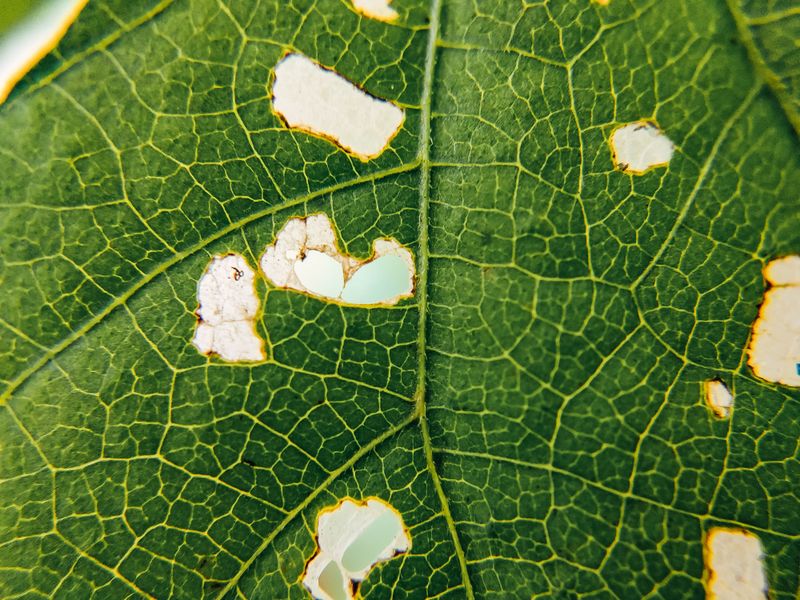
Chewing insects leave holes. Harlequin bugs leave something different, and learning that difference saves you from spraying for the wrong pest.
These insects feed with a straw-like mouthpart that pierces plant tissue and pulls out sap. Each feeding site turns into a small pale dot, white or yellowish, surrounded by healthy green.
Gardeners call the pattern stippling. Hold a damaged leaf up to the sun and the spots glow like tiny freckles.
As feeding continues, those dots merge into blotchy patches. Leaves start looking bleached, wilted along the edges, and eventually curl or turn papery.
Cabbage worms and loopers chew ragged holes and leave green pellets behind. Flea beetles create tiny shot-hole punctures that go all the way through the leaf.
Neither one produces the bleached stippling that harlequin bugs create, so the damage itself acts as a fingerprint. Once you match the symptom to the insect, your response gets far more accurate.
Severity depends on numbers and plant size. A few bugs on a big collard plant cause cosmetic spotting you can trim away before cooking.
Something like twenty bugs on a six-inch seedling is a different story, since the plant can lose more sap than it can replace. Checking twice a week during September keeps you ahead of that tipping point.
Write down what you see in a garden notebook. Patterns from one fall often repeat the next, and your notes become a scouting calendar.
Hunting Down The Striped Barrel Eggs
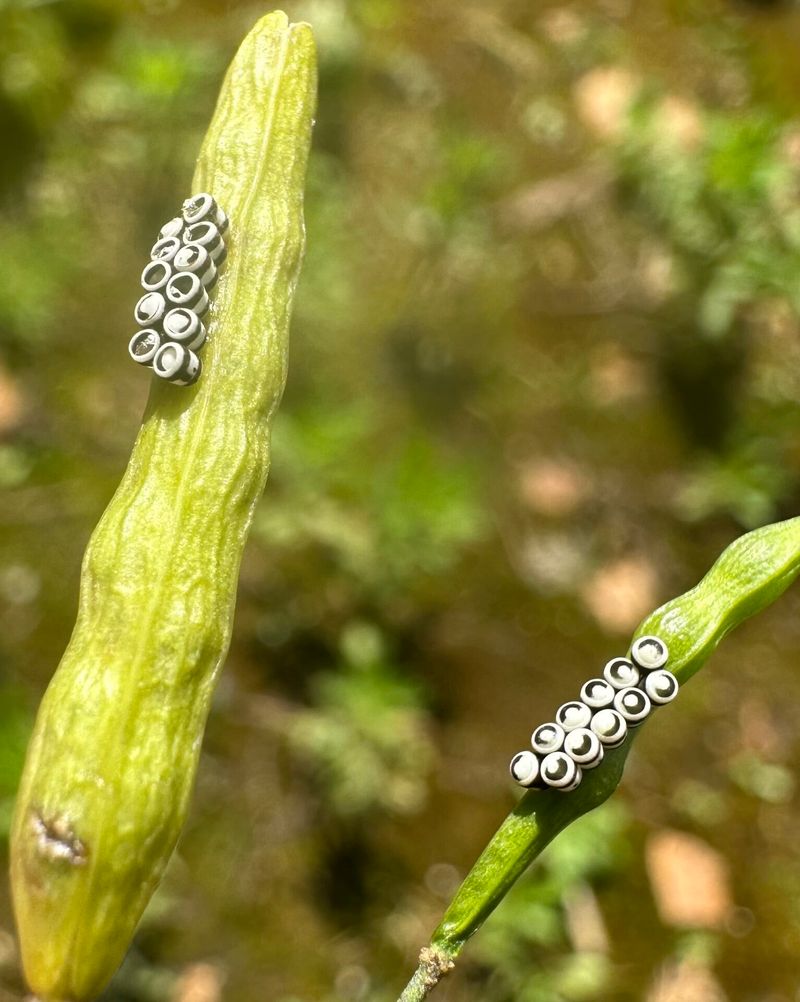
Some eggs are ugly. Harlequin bug eggs are oddly beautiful, and finding them is one of the most effective tricks in your fall garden toolkit.
Females lay clusters that look like tiny white barrels standing upright in two tidy rows. Each barrel wears black horizontal stripes, giving the whole cluster the look of a miniature picket fence.
Clusters usually hold about a dozen eggs. You will find them glued to the undersides of leaves, often near the base of the plant where it stays shaded and humid.
Removing a cluster is wonderfully satisfying. Scrape it off with your thumbnail, or snip out that section of leaf and drop it in a bucket of soapy water.
Removing one cluster in September can mean up to a dozen fewer feeding nymphs the following week. Multiply that across a few clusters and you have prevented a major population surge before it starts.
Hatching happens fast in warm weather, often within four to seven days. Nymphs go through five stages before becoming adults, a process that can take from several weeks up to two months depending on temperature.
Alabama warmth allows three or more generations in a single year. That overlap explains why you see eggs, tiny nymphs, and full adults on the same plant during fall.
Make egg checks part of your watering routine. Flip a dozen leaves each time you are out there, and the habit becomes automatic within a week.
Hand-Picking, Soapy Buckets, And Morning Patrols
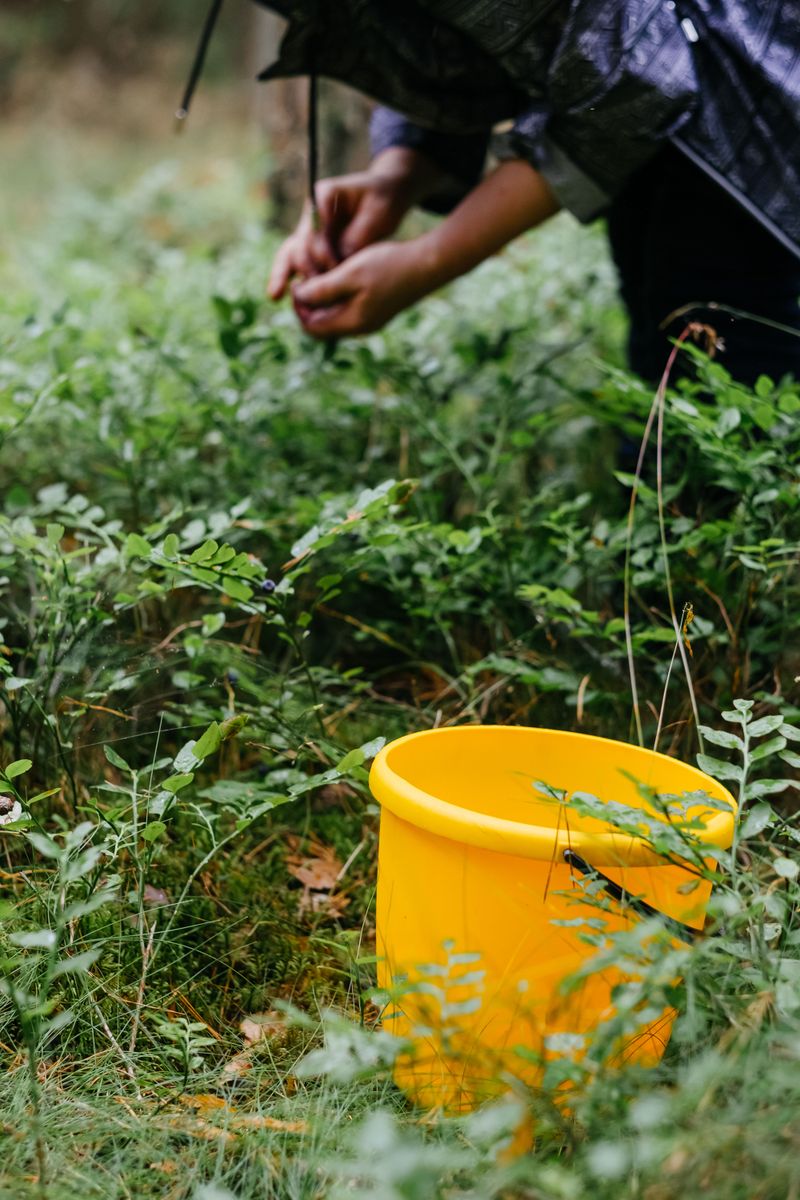
Old-fashioned methods still win here. A plastic bucket, warm water, and a squirt of dish soap will outperform a lot of expensive products.
Head out early, before the sun warms things up. Cool bugs move slowly and are far less likely to drop into the mulch when your hand gets close.
Hold the bucket under the leaf and tap. Adults and nymphs tumble straight in, and the soapy film prevents them from crawling back out.
Consistency beats intensity. Ten minutes of patrol three times a week keeps numbers low better than one frantic hour on a Saturday.
Trap cropping gives you a clever shortcut. Plant a small patch of mustard greens or turnips a few feet away from your main bed about two weeks before your kale goes in.
Bugs find the trap crop first and gather there in crowds. Clearing that one patch handles a large share of the population in a single pass.
Row cover fabric works beautifully on young transplants. Drape lightweight fabric over hoops and seal the edges with soil or landscape staples right after planting.
Since greens do not need pollinators, the cover can stay on for weeks without hurting your crop. Just check underneath occasionally, because a bug trapped inside gets a private dining room.
Clean up old cabbage-family plants once they finish producing. Leftover stalks become winter shelter and a launching pad for next spring.
When Sprays Make Sense And Which Ones To Reach For
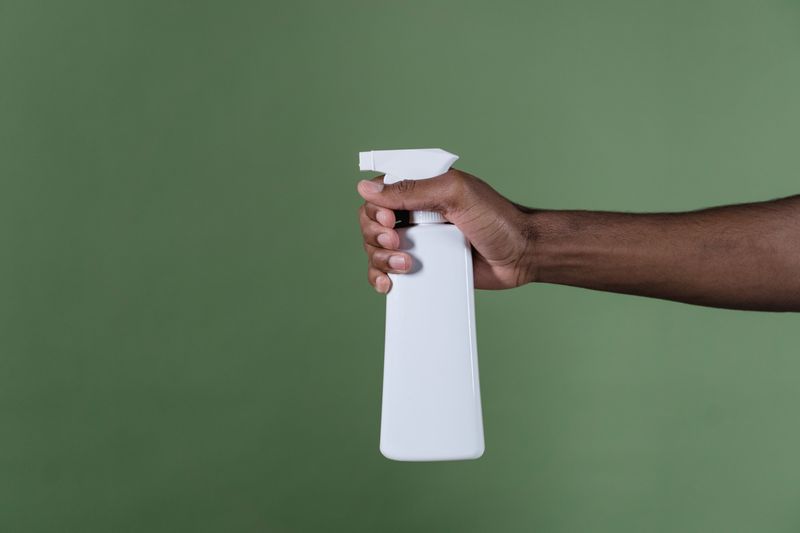
Sprays are a backup plan, not a first move. Reach for them when hand-picking cannot keep up and your seedlings are losing ground fast.
Insecticidal soap and horticultural oil work through direct contact, coating the insect and disrupting its outer layer. Coverage is everything, because a bug that never gets wet walks away unbothered.
Nymphs are much easier to treat than adults. Young stages have thinner shells, while grown harlequin bugs wear armor that shrugs off gentle products.
Timing your application matters more than the brand on the bottle. Spray in the early morning or at dusk, when temperatures are mild and bees are less active.
Aim the nozzle upward toward leaf undersides and into the plant crown. That is where the insects hide, and a top-down spray mostly wastes product on the wrong surface.
Repeat treatments every five to seven days while pressure stays high. Overlapping generations mean new nymphs appear soon after each round.
Read the label for harvest intervals before you ever mix anything. Leafy greens often carry specific waiting periods between spraying and picking.
Products containing pyrethrins knock down populations faster but affect beneficial insects too. Save them for serious outbreaks rather than routine use.
Watch for helpers already working your garden. Tiny parasitic wasps target harlequin bug eggs, and preserving them gives you free labor all season long.