The Meaning Behind Finding A Rough-Skinned Newt In Your Oregon Garden
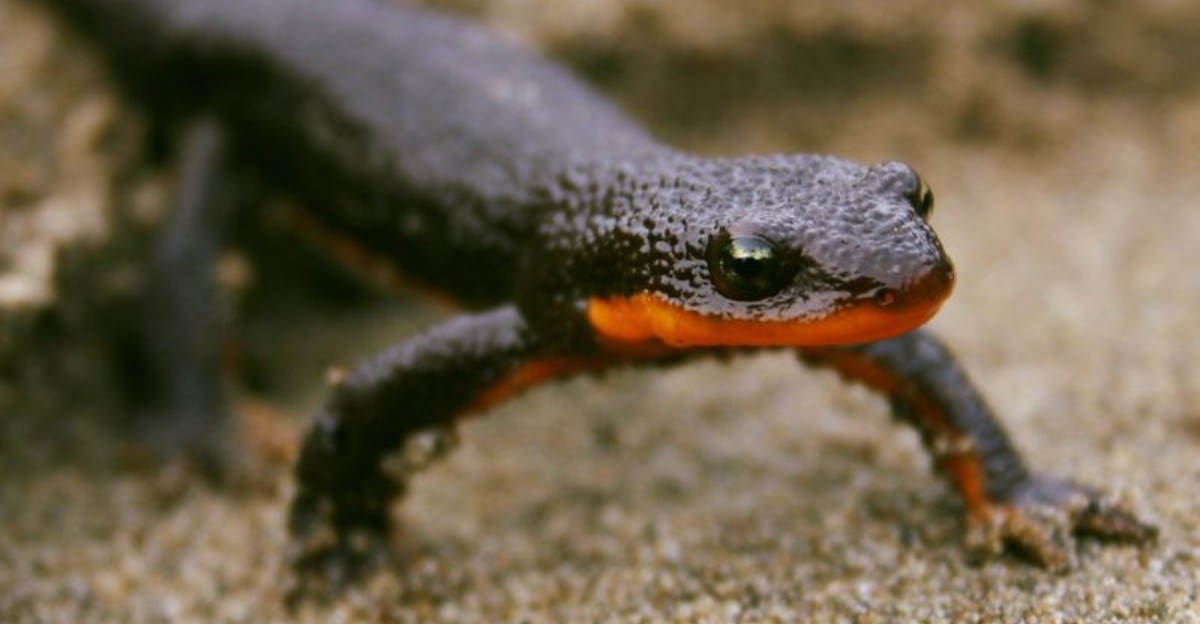
Finding a rough-skinned newt in your Oregon garden can feel like a surprising encounter with the wild. These small amphibians often appear quietly, moving through damp areas and shaded spaces where many gardeners may never expect to see them.
If one shows up near your plants, pathways, or backyard water features, it can raise a few questions. Why is it there? Does your garden provide something it needs?
And should you do anything differently after spotting one? A rough-skinned newt can tell you more about your outdoor space than you might think.
The conditions that attract these creatures are connected to moisture, habitat, and the overall balance of your garden. Knowing what their presence may indicate can help you better understand the small ecosystem right outside your door.
1. Your Yard May Have The Moisture Newts Need
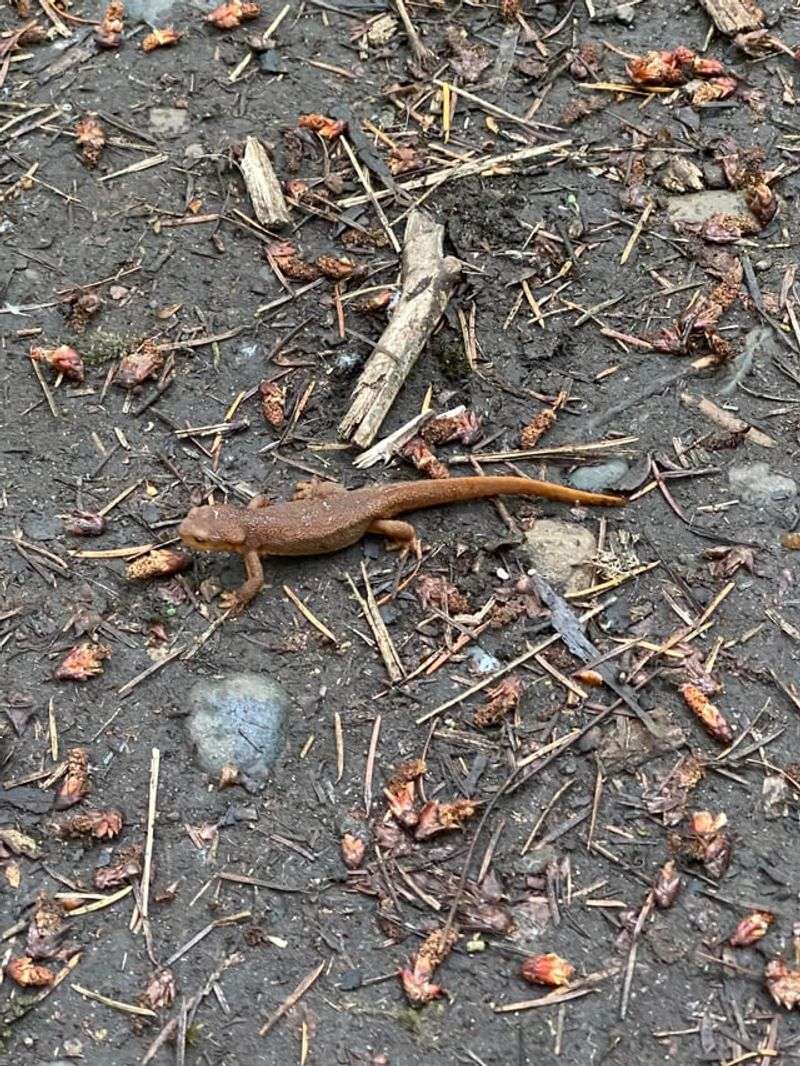
A newt showing up in your yard often points to one thing right away. Your soil and plants hold plenty of moisture.
These amphibians breathe partly through their skin. That skin must stay damp to work well. Dry ground makes it hard for them to survive, so they seek out spots that feel cool and wet.
Oregon’s rainy climate helps a lot here. Gardens with good shade, mulch, or thick plant cover trap water near the ground. That creates the perfect setting for a newt to explore.
If you spot one, take it as a sign your yard is well watered and balanced. Overly dry yards rarely attract these visitors at all.
You can support them by keeping some areas naturally moist. A layer of leaves or bark works nicely. Watering plants in the early morning also helps hold dampness longer.
Avoid draining every low spot in your garden. Those small damp pockets give newts a comfortable place to pause and rest.
A healthy amount of moisture also feeds worms, slugs, and insects. Those creatures become food for the newt.
So a single sighting really reflects a bigger picture. Your garden holds the water and life that these amphibians depend on, and that is something worth feeling good about.
2. Wet Leaves Make Good Places To Hide
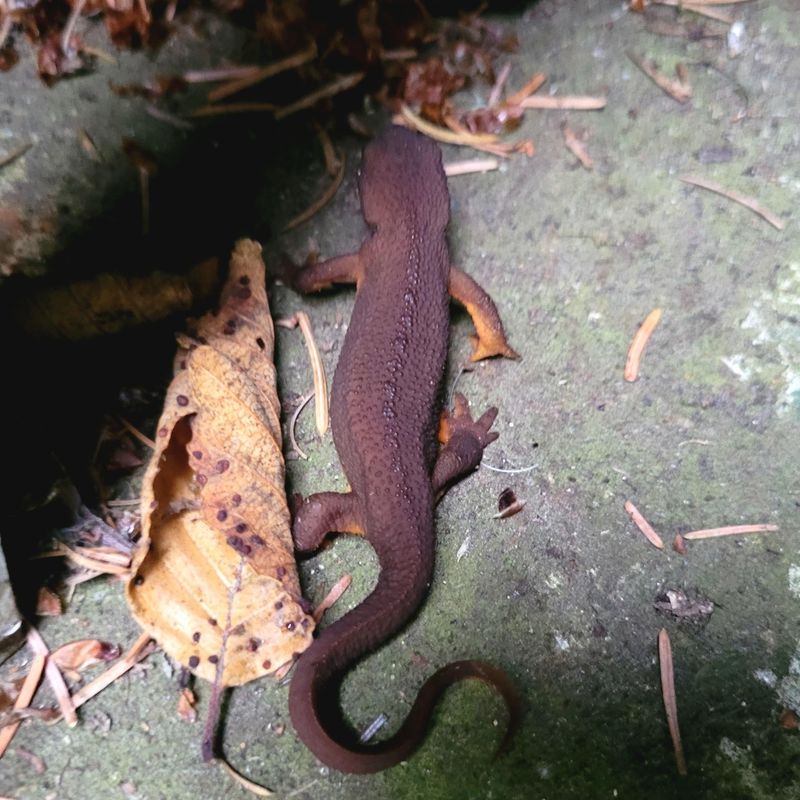
Piles of soggy leaves might look messy to us, but to a newt they feel like a cozy shelter. Damp leaf litter is one of their favorite hiding spots.
Beneath those leaves, the air stays cool and humid. That protects a newt’s sensitive skin from drying out in the sun.
Predators also have a harder time spotting them there. Birds and other animals often pass right over a newt hidden under wet foliage.
When you find one under leaves, it usually means your garden offers safe cover. That is a good thing for many small creatures, not just newts.
Instead of raking every leaf away, think about leaving a few piles in quiet corners. These little zones become natural homes for wildlife.
Damp leaves also break down over time and feed your soil. So they help your plants while sheltering visitors like newts.
Be gentle when you move leaf piles around. A newt could be resting underneath, waiting for the next rainy stretch.
Your Oregon Garden Changes Every Week. Your Plan Should Too.
Gardening in Oregon changes quickly throughout the season. Every Friday you’ll receive a simple weekly plan showing exactly what to plant, prune, fertilize, harvest, and protect so you never miss the right timing.
Try checking corners near fences, sheds, or garden beds. Those shaded, undisturbed places gather the moist litter newts love most.
A newt tucked into wet leaves shows your yard has the shelter it needs. That balance of cover and dampness keeps these amphibians coming back season after season.
3. Newts Often Move After Fall Rains
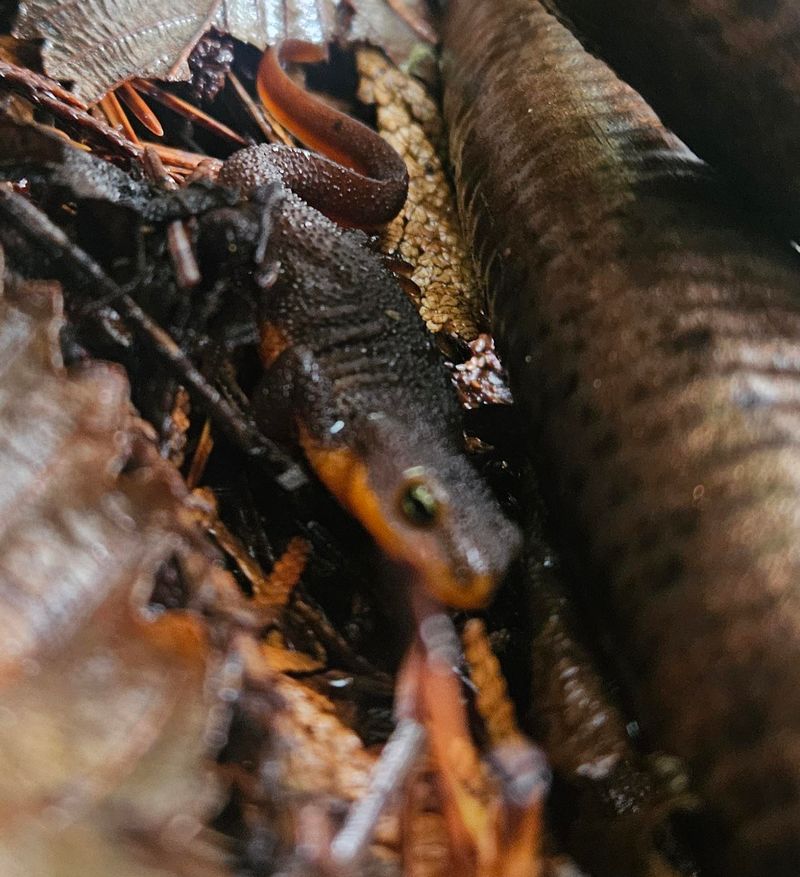
Timing plays a big role in newt sightings. Many people notice them right after the first heavy rains of fall.
Those rains soften the ground and fill the air with moisture. Newts take advantage of the wet weather to travel safely.
During dry months, they often stay tucked away. But once the rain returns, they come out to search for food, mates, or new places to live.
If a newt appears on your walkway after a storm, that is completely normal behavior. It is simply on the move while conditions feel right.
Fall is one of the busiest travel seasons for these amphibians. They may be heading toward ponds, streams, or damp gathering spots.
You can help by watching your step on rainy days. Newts move slowly and can be easy to miss on wet paths.
Driving carefully near your driveway also matters during rainy stretches. Many newts cross roads and yards at the same time.
Their fall journeys are part of a natural cycle that repeats every year. Seeing one is a small window into that rhythm.
So when the autumn showers arrive and a newt crosses your garden, know it is following an ancient routine. The rain simply gave it the perfect chance to explore.
4. They Feed On Small Garden Invertebrates
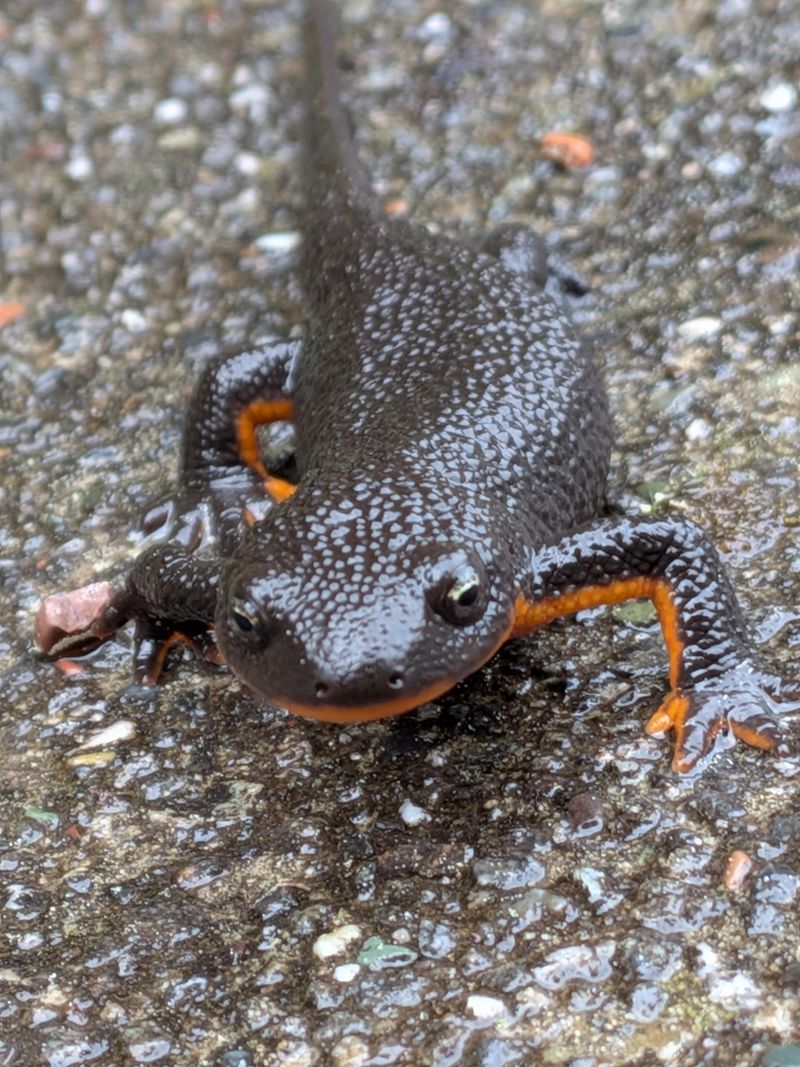
Here is something handy for gardeners to know. Newts eat many of the tiny pests that trouble your plants.
Their menu includes slugs, worms, insects, and other small invertebrates. That makes them helpful little hunters in your yard.
Slugs in particular can damage leaves and vegetables. A newt quietly working through your garden helps keep those numbers down.
When you find one, think of it as free, natural pest control. It works while you rest, without any chemicals at all.
Because they hunt slow-moving prey, newts often patrol damp soil and mulch. Those are the same places pests like to gather.
You can encourage this helpful habit by avoiding harsh bug sprays. Chemicals can harm the newt and remove its food supply.
A garden with a healthy insect population actually supports more newts. It becomes a small food web working together.
Their eating habits also show that your yard has plenty of life crawling through the soil. That is a sign of good soil health.
So the next time you spot one near your veggies, feel grateful. It is likely there for a meal, and that meal often includes the pests you dislike.
Welcoming these gentle hunters means fewer chewed leaves and a more balanced garden overall. Everyone wins when a newt sticks around.
5. A Shady Yard Can Attract More Newts
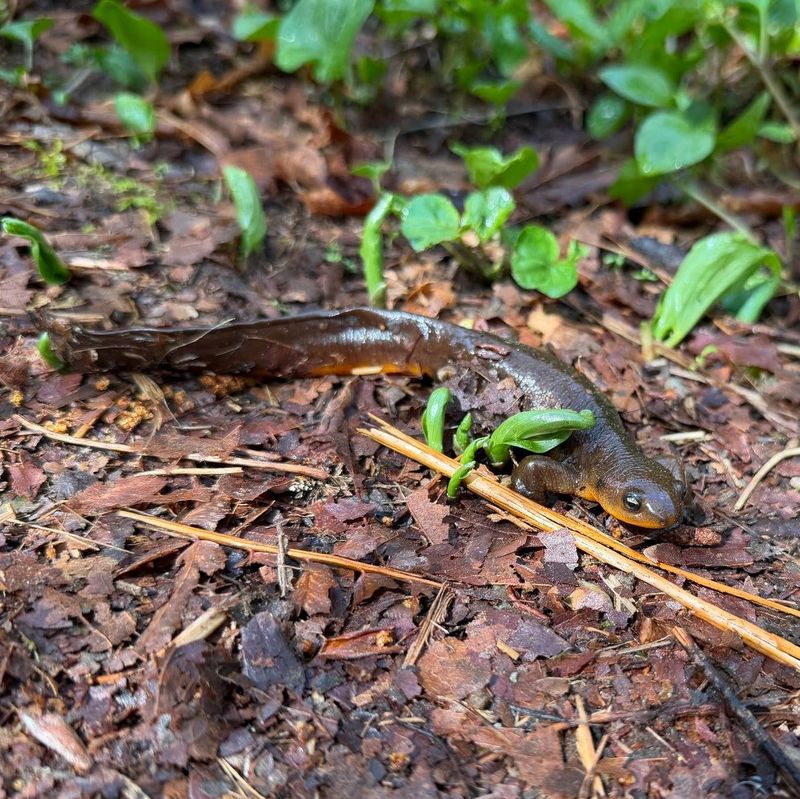
Sunlight feels nice to us, but newts prefer the cool shadows. A shady yard often draws more of them in.
Shade keeps the ground from drying out too fast. That steady coolness protects their delicate skin throughout the day.
Trees, tall plants, and ferns all create shaded pockets. Those spots hold moisture and offer relief from bright heat.
Finding a newt in a shady corner suggests your garden has the cool, damp zones they favor. That is a healthy feature.
Yards packed with sun and little cover rarely attract them. The heat simply makes those areas too harsh.
If you want to welcome newts, consider adding shade-loving plants. Native ferns and ground cover work beautifully in Oregon.
Placing plants near fences or under trees creates even more shelter. These layers give newts room to explore comfortably.
Shade also supports the insects and worms newts eat. So it feeds the whole little ecosystem at once.
You do not need to shade your entire yard. Just a few cool, planted corners can make a real difference.
A newt resting in the shadows tells you your garden offers gentle, protected spaces. That kind of setting keeps amphibians happy and helps your shade plants thrive too.
Cool corners really are quiet treasures for backyard wildlife.
6. Ponds And Wet Areas Make Good Habitat
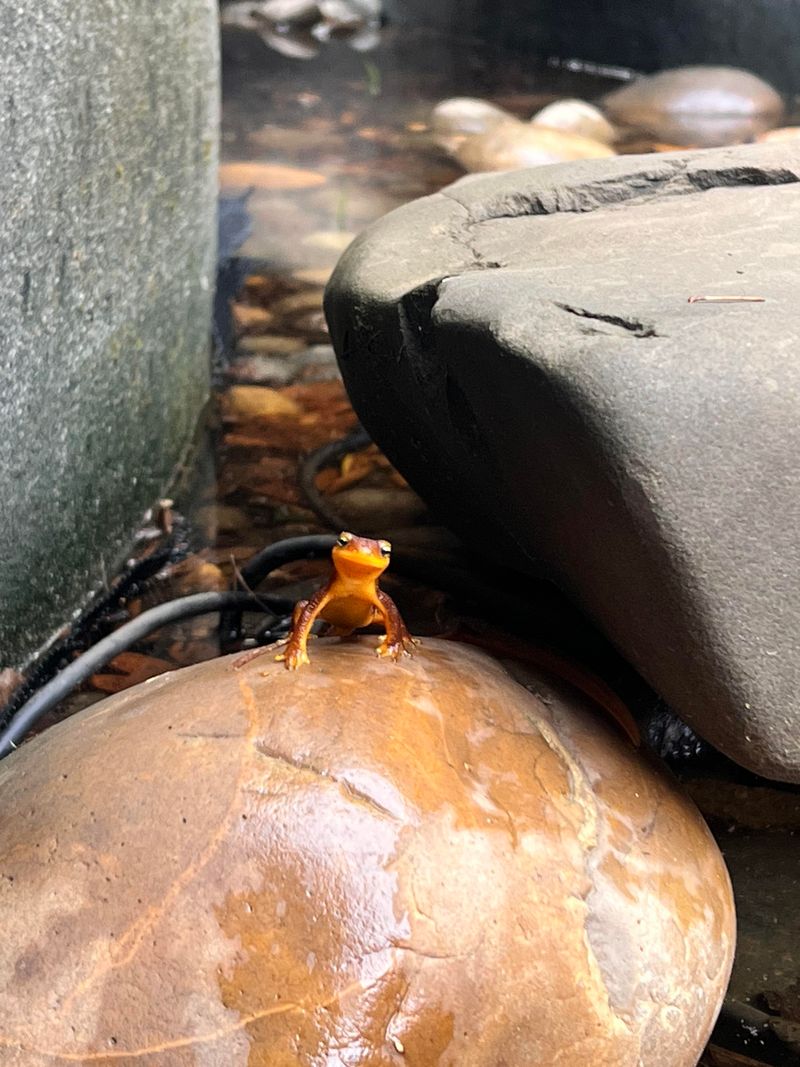
Water is a huge draw for these amphibians. A pond or wet area in your yard can turn into a newt hotspot.
Newts breed in water and often gather near ponds during certain seasons. Standing water gives them a place to lay eggs.
Even a small garden pond can attract them. They also enjoy slow streams, ditches, and puddles that stick around.
Spotting a newt near your water feature means your yard offers ideal habitat. That is a big compliment to your gardening.
If you have a pond, try keeping the edges natural. Plants along the border give newts cover as they come and go.
Avoid adding fish that might bother eggs or young newts. A quiet, calm pond suits them much better.
Clean, chemical-free water is important too. Newts are sensitive, so gentle care keeps them safe.
Wet areas also support the insects and larvae newts feed on. That makes the whole spot lively and useful.
You can add flat rocks or logs near the water. These give newts resting places above the surface.
A newt near your pond shows that your yard blends land and water in a way wildlife loves. That balance is exactly what these amphibians search for as they move through their yearly cycle.
7. They May Appear After A Long Dry Summer
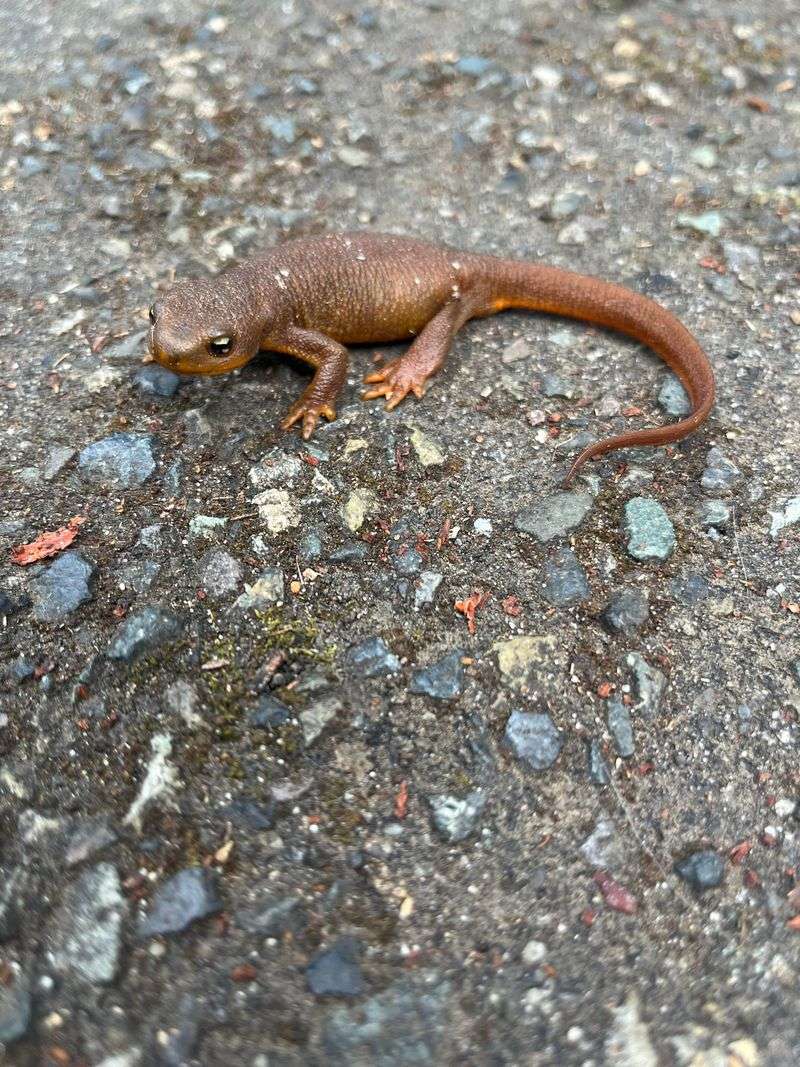
Long, dry summers push newts into hiding. When the heat finally breaks, they often reappear in yards.
During the driest stretches, newts stay tucked underground or beneath thick cover. They wait patiently for moisture to return.
Once cooler, wetter weather arrives, they come back out. That sudden appearance can surprise gardeners who forgot they were around.
Seeing a newt after a dry summer means it survived the tough season safely. Your yard gave it a spot to wait things out.
These amphibians are good at conserving energy. They can rest for long periods until conditions improve.
You might notice several at once when the rains begin. Many emerge around the same time as moisture spreads.
Keeping some shaded, damp corners year-round helps them make it through summer. Those refuges become lifesavers in the heat.
Avoid disturbing quiet, cool spots during dry months. A newt could be resting there, waiting for relief.
Mulch and leaf cover also lock in moisture during hot weeks. That steady dampness supports hidden wildlife.
When a newt strolls out after a dry summer, it signals both patience and survival. Your garden served as a safe hideaway.
That quiet resilience is one of the most impressive things about these small Oregon amphibians, and it reminds us how tough backyard creatures can be.
8. Avoid Handling Newts With Bare Hands
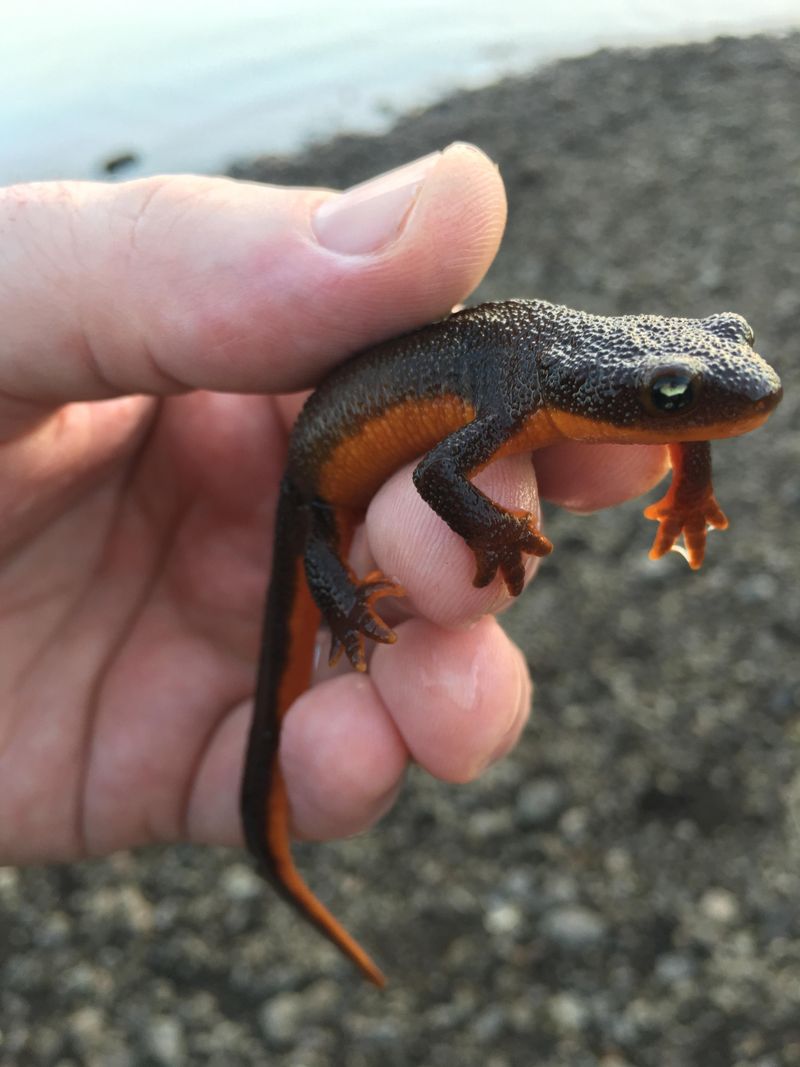
Here is the most important tip of all. Rough-skinned newts carry a strong natural toxin on their skin.
That toxin protects them from predators. But it can be harmful to people if it enters the mouth, eyes, or cuts.
Because of this, you should never pick one up with bare hands. Admiring it from a short distance is much safer.
If a newt wanders somewhere risky, gently guide it with a leaf or a stick. Avoid direct skin contact entirely.
Always wash your hands well if you happen to touch one. That simple habit keeps you and your family safe.
Teach children to look but not grab. Kids are naturally curious, so a clear rule helps a lot.
Pets should also be kept away from newts. Dogs and cats can get sick if they bite or lick them.
The bright orange belly is actually a warning sign. It tells other animals to stay back.
Respecting that warning keeps everyone comfortable. The newt stays calm, and you stay healthy.
You can still enjoy watching these amphibians up close with your eyes. Photos are a great way to remember the moment.
Treating newts with care shows respect for wildlife. By simply observing rather than handling, you protect both the newt and yourself while enjoying a truly special Oregon garden guest.