The One Thing North Carolina Gardeners Must Do After Harvesting Squash Or Pests Take Over
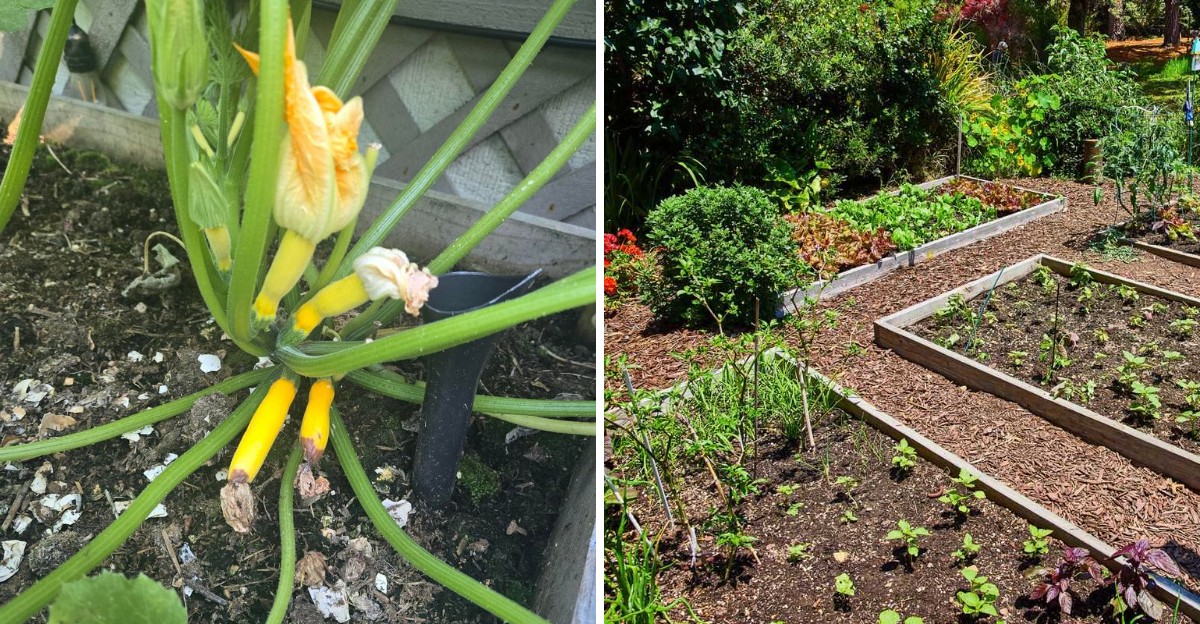
Pulling the last squash off the vine can feel like the end of the job, but skipping one important step afterward often invites a serious pest problem in North Carolina gardens.
Leftover plant debris, including old vines, leaves, and fallen fruit, provides shelter and food for pests like squash bugs and vine borers looking to overwinter close to next year’s growing space.
These pests can survive comfortably in garden debris left through fall and winter, emerging in even greater numbers once warm weather returns.
Clearing this material away promptly after harvest removes that overwintering habitat before populations have a chance to build.
Taking this one step seriously now can mean a noticeably easier pest season for whatever gets planted in that same bed next year.
Remove Spent Squash Vines Promptly
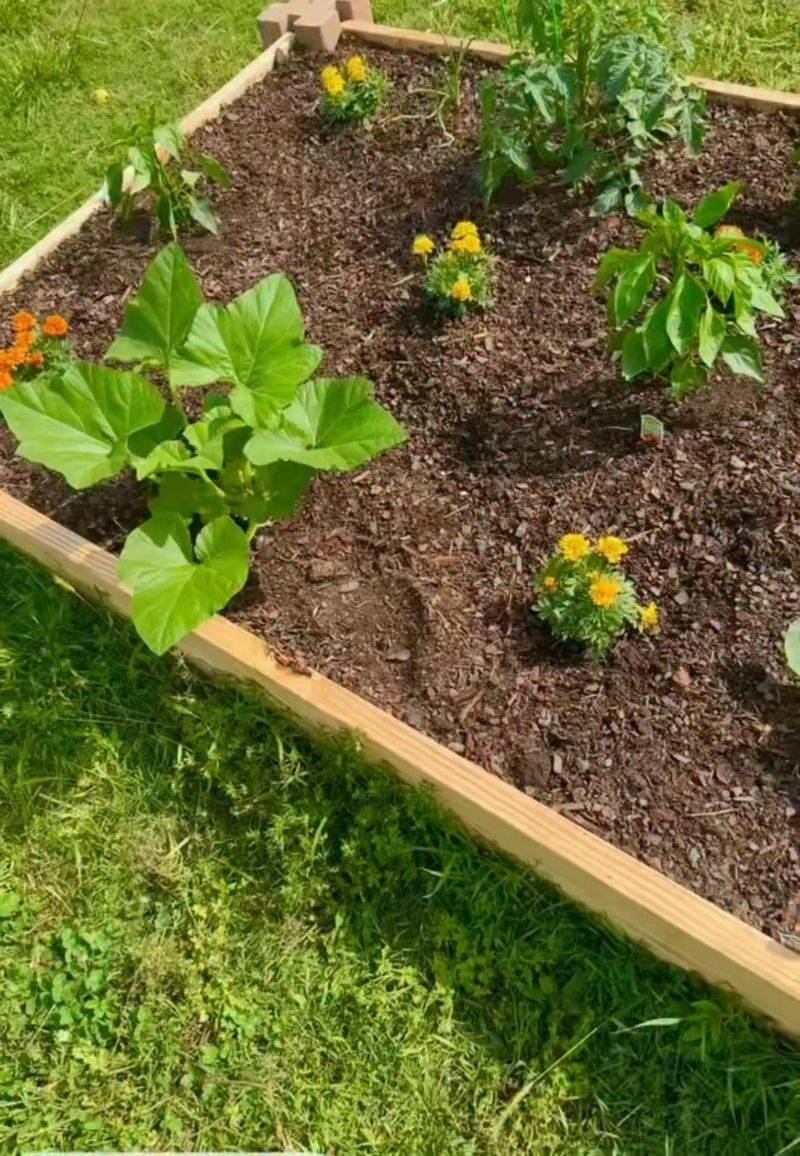
Once your squash plants stop making fruit, they start to fade fast. Those tired, sprawling vines might look harmless, but they turn into a cozy hideout for bugs.
Squash bugs, beetles, and other troublemakers love hiding under old leaves and stems. When you leave the vines lying around, you are basically handing pests a free hotel with food included.
They tuck themselves into the shade and wait for their next meal. Pulling the vines up soon after your final harvest breaks that cycle. Fewer hiding spots mean fewer pests sticking around your garden beds through the warm North Carolina months.
Grab the whole plant, roots and all, and tug it out of the soil. Shake off any loose dirt and gather every piece, even the little bits that snap off. Leaving fragments behind still gives insects something to gather under.
Try to do this on a dry day so the vines are lighter and easier to handle. Bag them up or move them far from your growing area right away.
Cleaning out spent plants also helps sunlight and air reach the soil. That drying effect makes your garden less welcoming to the moisture-loving pests and molds that thrive in damp, cluttered corners.
Think of this step as flipping a switch. A tidy, open bed sends a clear message that the buffet is closed.
Doing it quickly, instead of waiting for weeks, gives you the biggest payoff and a much calmer garden.
Do Not Leave Diseased Leaves Behind
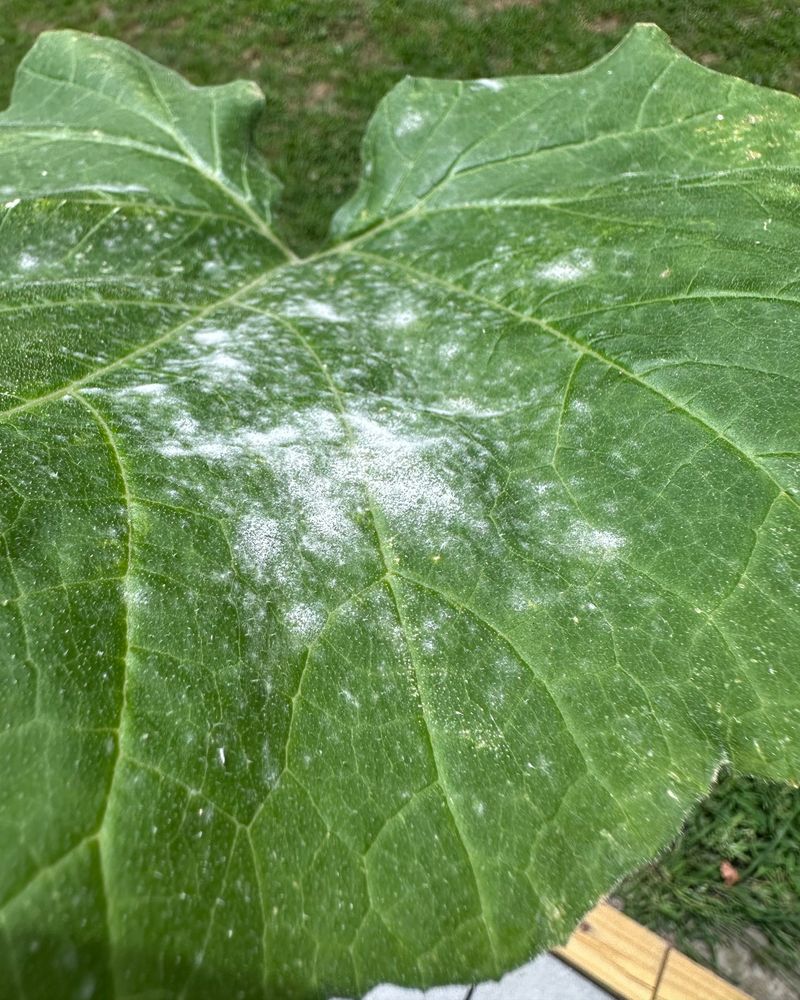
Squash leaves that turn white, yellow, or spotty are waving a warning flag. Those marks often mean fungus or bacteria have set up camp on your plants.
Powdery mildew, downy mildew, and leaf spots spread easily in North Carolina’s humid weather. If you let sick leaves rot right in the bed, the problem does not just fade away.
Instead, tiny spores stay behind in the soil and on nearby plants. Come spring, those leftover spores wake up and attack your fresh seedlings. It feels unfair to lose new plants to last year’s mess, so cleaning up now saves you future heartache.
Carefully gather every leaf that looks off-color or coated. Wear gloves and try not to shake the leaves too much, since that can scatter spores into the air and onto healthy spots.
Your North Carolina Garden Changes Every Week. Your Plan Should Too.
Gardening in North Carolina changes quickly throughout the season. Every Friday you’ll receive a simple weekly plan showing exactly what to plant, prune, fertilize, harvest, and protect so you never miss the right timing.
Place the sickly foliage straight into a bag rather than tossing it on the ground. Leaving it to break down in your garden simply feeds the same trouble you are trying to stop.
Wash your hands and tools afterward too. Pruners and gloves can carry spores from one plant to another without you noticing.
A clean sweep of diseased leaves gives your soil a fresh start. Healthy ground grows stronger plants, and stronger plants shrug off pests and sickness far better.
Taking a few extra minutes to remove infected foliage now is one of the smartest moves you can make. Your future squash crop will thank you with better leaves and fuller fruit.
Check Vines For Squash Bugs
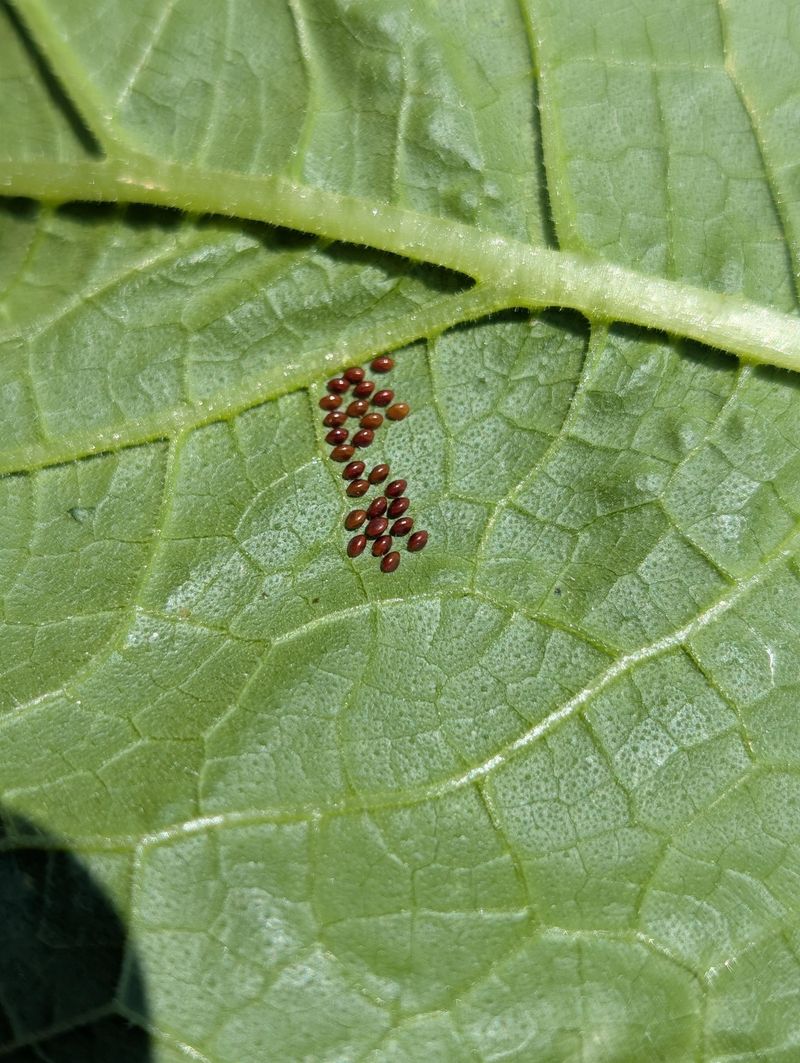
Before you haul those vines away, take a slow look underneath the leaves and along the stems. Squash bugs are sneaky and love to hide where you least expect them.
These flat, gray-brown insects lay shiny copper-colored eggs in neat little clusters. You will often spot the eggs tucked in the crook of a leaf vein or on the underside of foliage.
If you find them, scrape the eggs off into a container of soapy water. Squishing adults or dropping them in the same soapy bucket keeps them from marching back into your beds.
Checking the soil around the base of the plant matters just as much. Squash bugs crawl down and shelter in cracks, under clumps of dirt, and beneath any leftover plant scraps.
By pulling out debris and clutter, you strip away their favorite winter hideouts. Fewer places to hide means far fewer bugs waiting to greet your next crop.
North Carolina’s mild winters let some of these pests hang on if you give them cover. A clean, open bed leaves them exposed and much easier for birds and weather to handle.
Make this inspection part of your regular cleanup routine. Run your eyes over each vine as you gather it, and pause to flip leaves that feel heavy or clustered.
Catching a batch of eggs now can stop dozens of bugs later. That small effort protects the squash you plan to grow next season and keeps your garden buzzing with healthy life.
Watch For Squash Vine Borer Problems
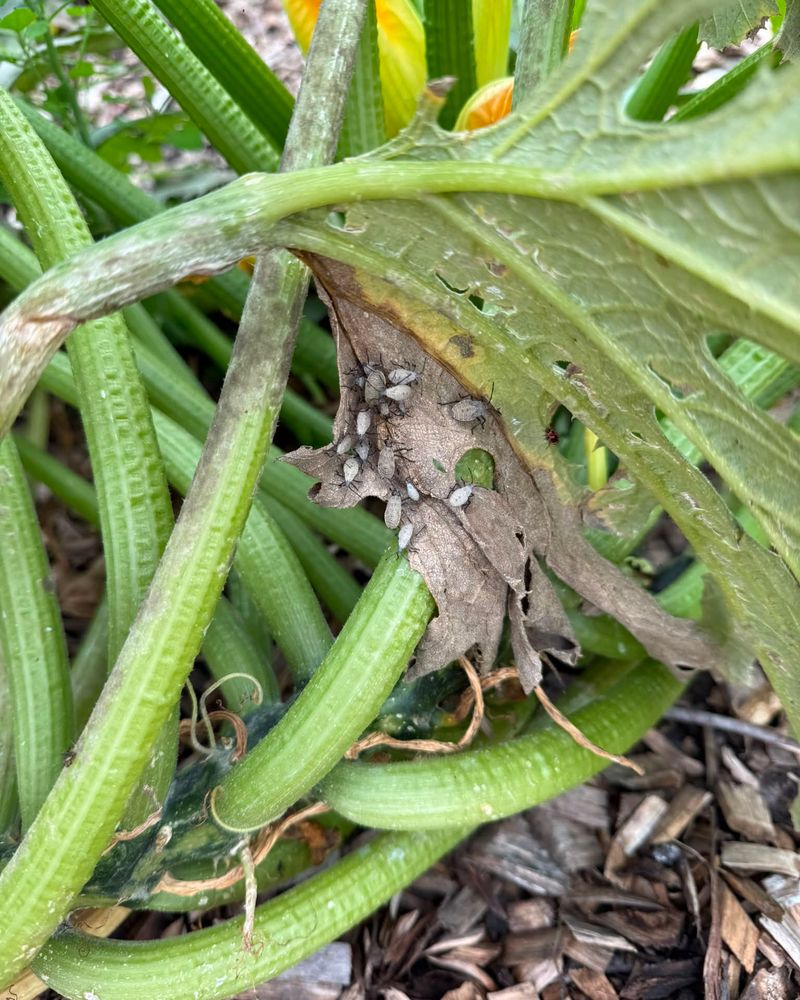
Ever had a squash plant wilt suddenly for no clear reason? A squash vine borer is often the hidden culprit tunneling inside the stem.
These pests bore into the lower part of the stalk and feed from within. You can spot their handiwork by looking for a sawdust-like mush, called frass, near holes at the base of the plant.
When you pull spent plants at season’s end, slice open a few suspicious stems to see what is inside. Finding a fat, cream-colored grub tells you borers were active in your garden.
Getting those old stems out of the ground is a big deal. The borers leave the plant and spend winter as pupae in the soil, emerging as moths the following season.
Clearing the plants breaks that chain before it restarts. Fewer borers surviving the cold months means fewer surprise attacks on next year’s tender vines.
North Carolina gardeners often battle these pests because our long, warm seasons give them plenty of time. That makes end-of-season cleanup even more valuable here than in cooler places.
Toss the infested stems in the trash rather than the compost pile. You do not want to give any lingering grubs a comfy spot to wait things out.
Digging up and removing every stalk feels like extra work, but it pays off big. A borer-free start next spring gives your squash a real fighting chance to grow tall, strong, and loaded with fruit.
Clear Fallen Squash And Fruit
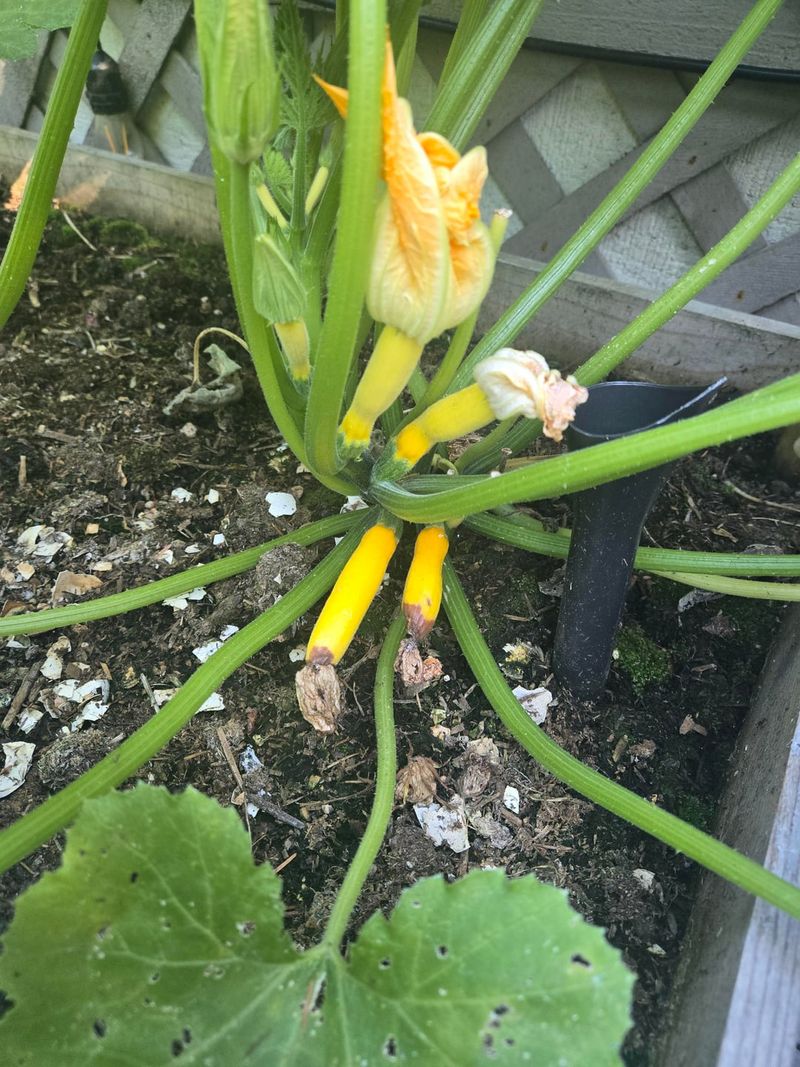
Not every squash makes it to your kitchen. Some grow too big, some soften on the vine, and a few get forgotten under the leaves.
Those leftover fruits might seem like no big deal, but they quickly become a magnet for trouble. As they soften and break down, they send out a smell that draws insects from all around.
Flies, beetles, and other pests swarm to the mushy fruit and lay eggs right there. Before long, you have a whole new generation of bugs living in your garden.
Rotting squash also breeds mold and bacteria that can spread to healthy plants nearby. What starts as one overlooked fruit can turn into a patch of sick, struggling vines.
Walk your beds carefully and pick up every abandoned or damaged squash you find. Check under big leaves and along the ground where fruit likes to hide.
Scoop them into a bucket and move them far from your growing space. A bag in the trash or a hot, active compost setup keeps the mess from lingering.
North Carolina’s warm, humid air speeds up rotting, so fruit breaks down fast here. Clearing it quickly keeps pest numbers from exploding while the weather is still warm.
A clean garden floor makes a huge difference. Without soft fruit to feed on, hungry insects lose interest and drift elsewhere.
Take a few minutes for this simple sweep, and you will spare yourself a lot of pest headaches down the road.
Do Not Compost Diseased Plant Material
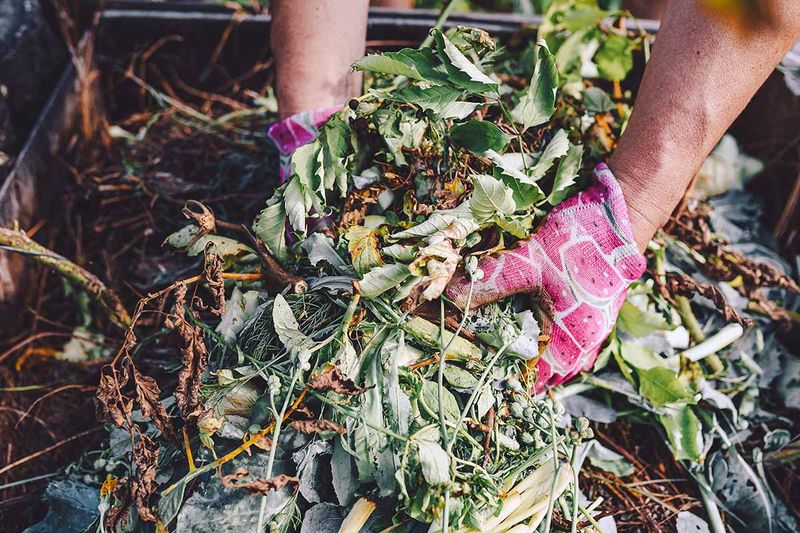
Composting is a wonderful habit, but it has one important rule when squash is involved. Sick vines and spotted leaves do not belong in your backyard pile.
Many home compost piles do not reach or maintain temperatures high enough to reliably kill disease-causing organisms. That means fungus and bacteria can survive the whole process and stay alive in your finished compost.
Spread that compost around next spring, and you might accidentally plant last year’s problems right back into your beds. It feels like doing good, but it quietly spreads the sickness.
Instead, keep diseased material separate from your healthy scraps. Bag it up and set it out with the trash, or check your local rules for proper yard waste disposal.
Healthy vines and clean leaves are fine to compost, so you do not have to give up the practice completely. Just learn to sort as you clean up your garden.
A quick glance tells you a lot. Leaves covered in white powder, weird spots, or slimy patches should go in the trash pile, not the compost bin.
North Carolina’s damp climate helps plant diseases thrive, so being picky here really pays off. One careful decision now protects every crop you grow later.
If you want to be extra safe, some gardeners burn diseased debris where local rules allow it. Others bury it deep, far from any planting area.
Whatever method you choose, the goal stays the same. Keep sick plant matter out of the soil so your future garden starts fresh and strong.
Rotate Next Year’s Squash Location
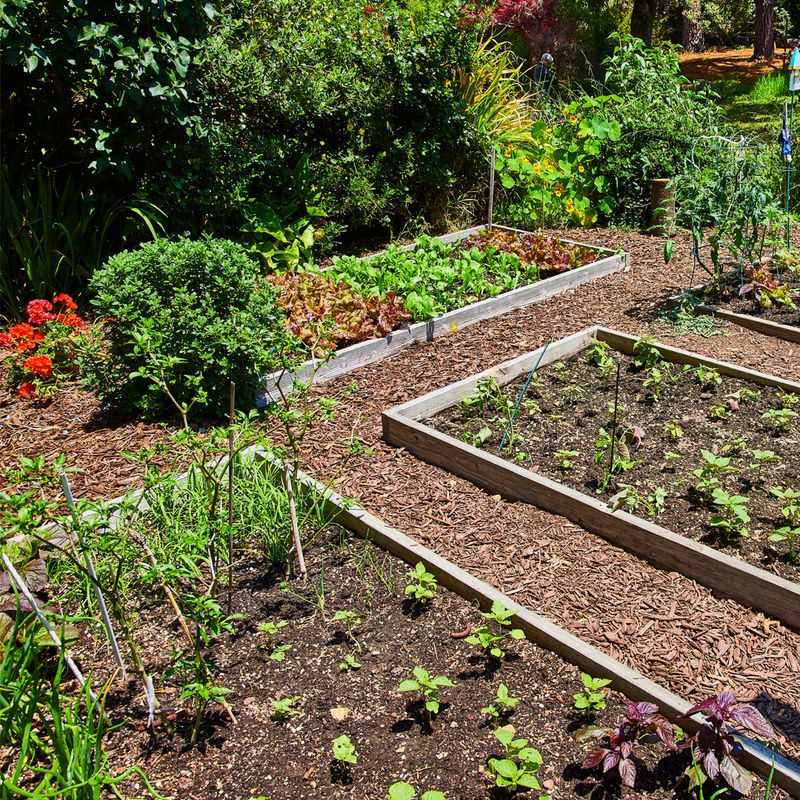
Planting squash in the same spot year after year is like ringing a dinner bell for pests. They learn exactly where to find their favorite food.
Bugs and diseases that target squash often stay in the soil through winter. When you plant cucurbits in that same ground again, the trouble is waiting right where you left it.
Moving your squash and its cousins, like cucumbers, melons, and pumpkins, to a new area breaks that easy connection. The pests wake up hungry and find the buffet has moved away.
Crop rotation gives the old soil a chance to rest and recover too. Different plants use different nutrients, so switching things around keeps your ground balanced and healthy.
Try to keep at least a three-year gap before squash returns to the same bed. That stretch of time weakens the pest and disease buildup so it cannot pile up.
Sketch a simple map of your garden each season to remember what grew where. A quick drawing saves you from guessing and helps you plan smart rotations.
North Carolina gardeners often grow several crops thanks to the long, warm season. That gives you plenty of room to shuffle plants around and outsmart the bugs.
Pair rotation with good cleanup, and you build a powerful defense. Fewer pests survive, and the ones that do struggle to find their target.
This one planning trick costs nothing but a little thought. In return, it rewards you with healthier vines and heavier harvests season after season.
Clean The Bed Before Planting Again
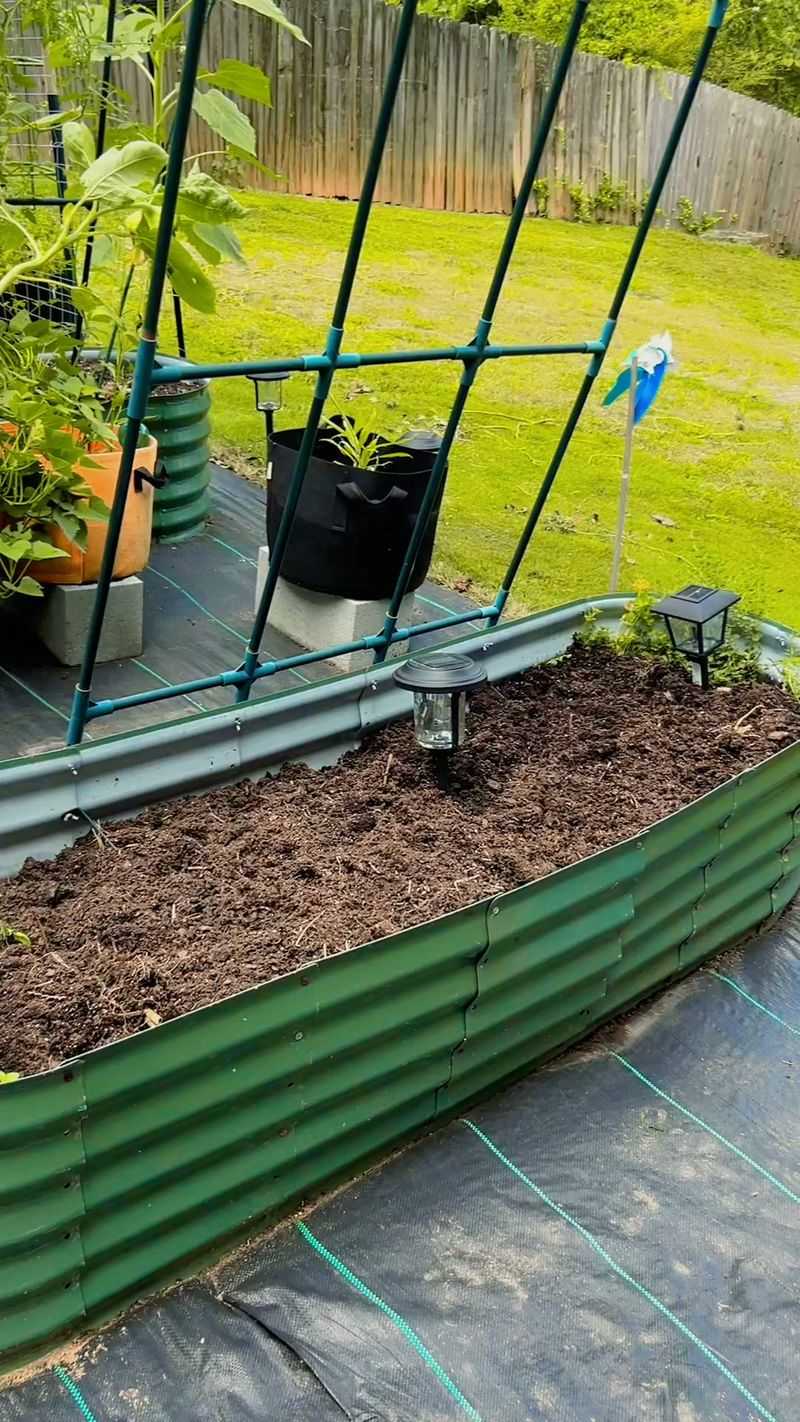
Picture stepping into your garden next spring and finding a clean, open bed ready to go. That fresh start begins with the cleanup you do today.
Old vines, fallen fruit, weeds, and crop scraps all give pests and diseases a place to hang on. Clearing every bit of that clutter wipes the slate clean for a strong new season.
Start by raking out leftover leaves and stems until the soil looks tidy. Pull any weeds too, since they can shelter bugs and steal nutrients from your future plants.
Once the surface is clear, loosen the soil a little to help it breathe. Turning it over also exposes hidden pests to the cold and to hungry birds.
You might add a layer of compost or fresh mulch after cleaning to feed the ground. Just make sure anything you add is healthy and free of disease.
North Carolina’s mild winters mean pests can linger if you leave them cozy hideouts. A bare, clean bed removes those comforts and lowers their chances of sticking around.
Doing this final sweep at season’s end saves you rushed work in spring. When planting time arrives, you simply walk out and get growing.
A clean starting point also makes it easier to spot new problems early. With no old debris in the way, fresh pests and weeds stand out right away.
Treat your garden to this reset each year. That simple habit rewards you with healthier squash, fewer pests, and a growing space you will love to tend.