The Underrated Organic Feed North Carolina Gardeners Use To Save Heat-Stressed Plants
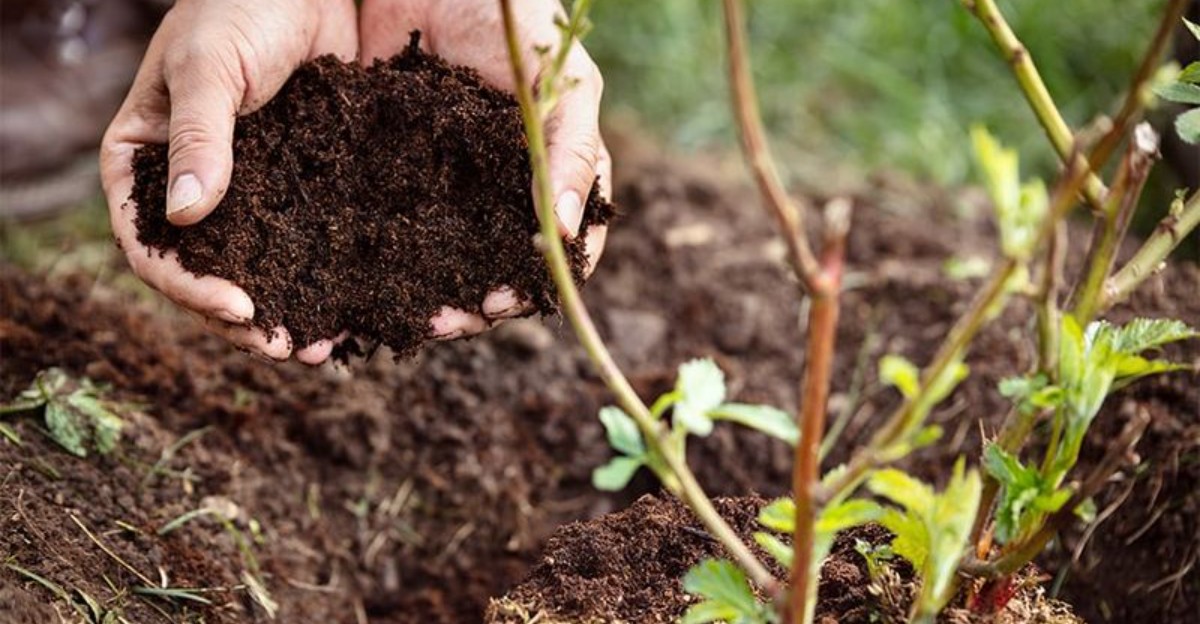
When North Carolina’s summer heat starts taking a visible toll on garden plants, many gardeners overlook one particular organic feed that can help plants recover more effectively than typical fertilizers.
This option supports root health and overall plant resilience in a gentler way than synthetic fertilizers, which can sometimes add further stress to plants already struggling with heat.
Because it works gradually rather than forcing a quick burst of growth, it tends to support genuine recovery rather than masking stress symptoms temporarily.
Gardeners using it often notice plants bouncing back with sturdier stems and better color once temperatures start to ease.
This overlooked feed offers a more sustainable way to nurse heat-battered plants back to health.
Finished Compost Builds Healthier Soil
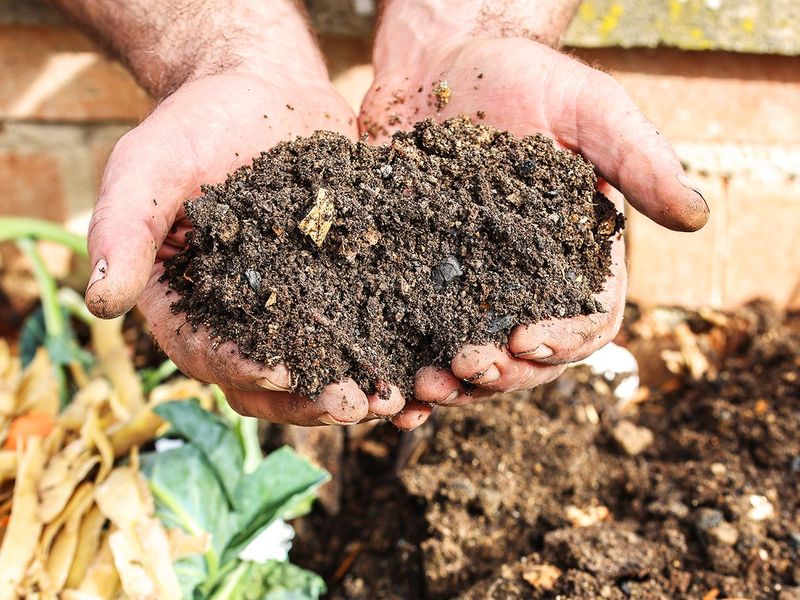
Rich, dark, and crumbly, finished compost works like a multivitamin for your soil. It adds organic matter that feeds the tiny living things underground, and those helpers keep your garden humming along.
When you mix compost into your beds, it improves the way soil holds together. Loose, sandy dirt gains more body, and heavy clay loosens up so roots can stretch and breathe.
That balance matters a lot in North Carolina, where soils swing from sandy coastal ground to sticky red clay.
Compost also plays a big role in nutrient cycling. As it breaks down, compost slowly releases nutrients and improves soil structure, which can help reduce nutrient losses. This steady supply keeps your garden fed without sudden spikes.
Moisture is another gift compost brings. Soil rich in organic matter acts like a sponge, soaking up water and holding it near the roots where plants need it most during a heat wave.
For gardens worn down by dry spells, this slow and steady support really pays off. Plants recovering from stress lean on strong soil to rebuild their energy, and compost gives that foundation.
Think of compost as a long-term investment rather than a fast trick. Add it season after season, and you will notice earthworms moving in, water soaking in faster, and plants standing taller.
Healthy soil is the quiet secret behind every thriving North Carolina garden, and finished compost is one of the easiest ways to build it.
Do Not Use Compost As An Instant Cure
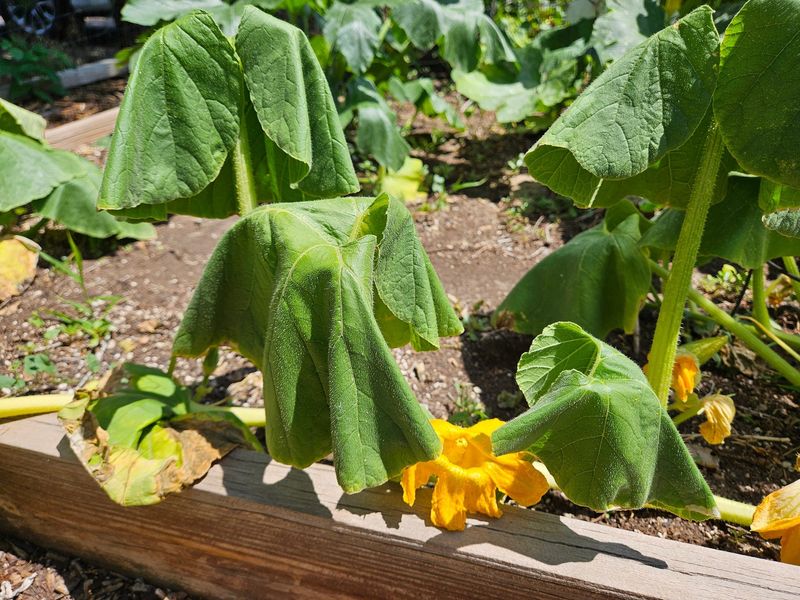
Here is where a lot of gardeners get tripped up. When a plant is wilting in the heat, spreading compost around it will not flip a switch and fix the problem right away.
Compost works slowly. It improves the environment your plants grow in, but it does not act like a magic potion that reverses droopy leaves overnight. Expecting instant results only leads to frustration.
A plant baking in the sun first needs relief from the heat and a good drink of water. Once its basic needs are met, it can start to recover on its own. Compost supports that recovery over the following weeks, not minutes.
Picture compost as a coach rather than a paramedic. It builds strength and stamina over time, helping plants handle stress better in the future. But during an emergency, the immediate care comes from shade, moisture, and patience.
Your North Carolina Garden Changes Every Week. Your Plan Should Too.
Gardening in North Carolina changes quickly throughout the season. Every Friday you’ll receive a simple weekly plan showing exactly what to plant, prune, fertilize, harvest, and protect so you never miss the right timing.
Adding a thin layer of finished compost while your plant is stressed is fine, and it will help later. Just do not pile it on hoping to see leaves perk up by dinnertime.
Set realistic expectations, and you will appreciate what compost truly offers. It rebuilds the soil so roots grow deeper and stronger, which means plants recover faster next time trouble hits.
Slow gardening wins the race. Give your plants what they need in the moment, then let compost do its quiet work in the background.
That combination keeps your garden steady through even the hottest North Carolina summers.
Compost Helps Soil Hold Moisture
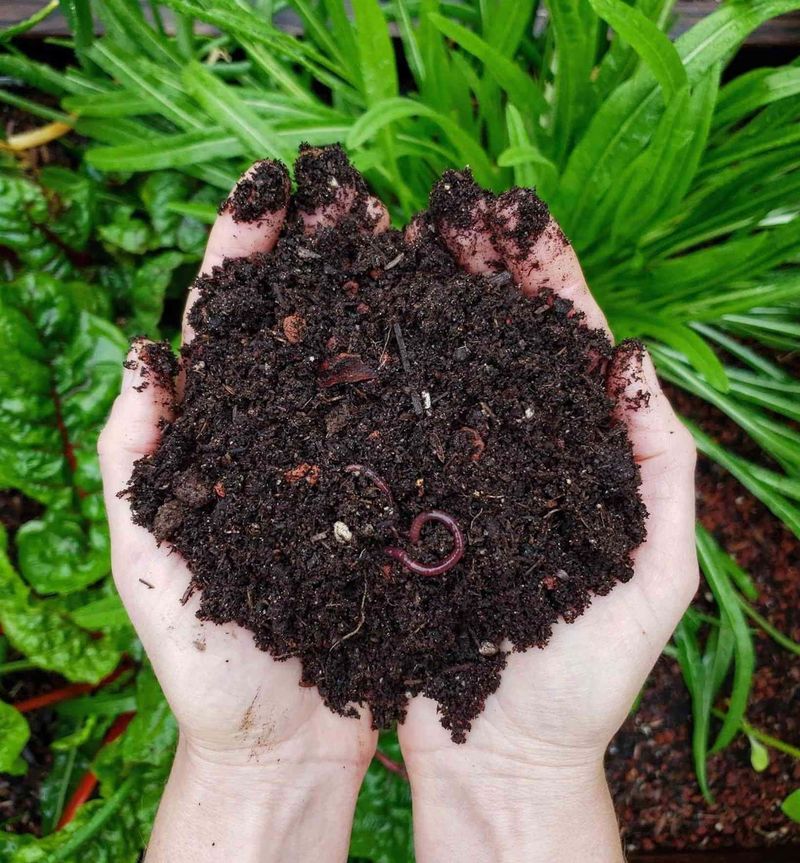
Water is precious during a North Carolina summer, and compost helps you make the most of every drop. Soil packed with organic matter grabs water and holds it longer, giving roots more time to sip.
Sandy soils drain fast, sometimes too fast, leaving plants thirsty within hours. Mixing in finished compost helps that sandy ground cling to moisture instead of letting it slip away.
Clay soils have the opposite trouble. They hold water so tightly that roots can drown or struggle.
Compost improves the structure here too, creating tiny spaces that balance air and moisture.
Still, it helps to be honest about what compost can and cannot do. It improves water-holding capacity, but it does not remove the need to water your garden during a heat wave.
On the hottest, driest days, your plants will still count on you to bring out the hose. Compost simply stretches the benefits of each watering, so you may not have to water quite as often.
Combine compost with a layer of mulch on top, and you build an even stronger moisture team. The compost feeds the soil below while the mulch shades it and slows evaporation.
Over a few seasons, this approach really adds up. Your soil becomes spongier, holds more water, and supports plants through longer dry spells with less effort from you.
Think of compost as a helper, not a replacement for smart watering. Together they keep roots cool, moist, and happy when the summer sun turns brutal across North Carolina gardens.
It Provides A Broad Range Of Nutrients
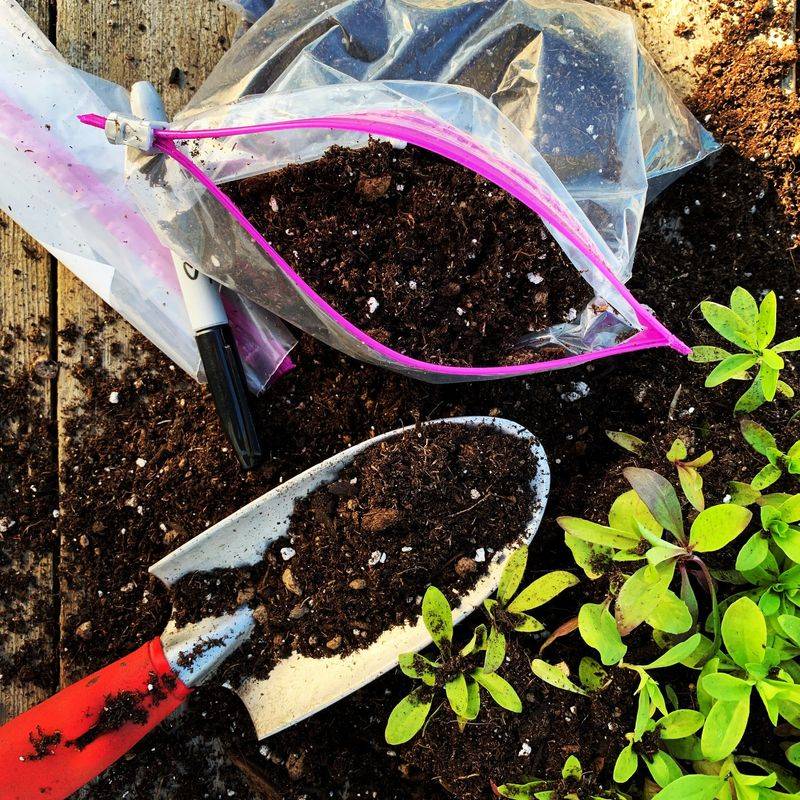
Compost is like a well-rounded meal for your garden. It carries organic matter along with small amounts of many plant nutrients, giving your soil a gentle and balanced boost.
Because it comes from a mix of materials such as leaves, kitchen scraps, and grass clippings, compost offers a little of many good things. This variety supports steady growth rather than sudden bursts.
The catch is that compost is not a precise fertilizer. Its nutrient content changes depending on what went into the pile, so two batches can be quite different from each other.
That means you should not lean on compost alone to fix a specific problem. If your plants show clear signs of a shortage, such as yellow leaves or stunted growth, guessing is not the best plan.
A soil test is your smartest move in those cases. For a small fee, North Carolina offers soil testing through its Department of Agriculture, and the results tell you exactly what your garden needs.
With that information, you can add the right amendment instead of hoping compost covers everything. Compost still plays a starring role by improving the soil overall, but it works best as a partner to targeted care.
Use compost to feed your soil little by little and keep it lively. Then rely on a soil test whenever something looks off, so you treat the real cause instead of the symptom.
This balanced approach saves money, protects your plants, and keeps your garden growing strong through every stressful summer stretch.
Apply Compost Around The Root Zone
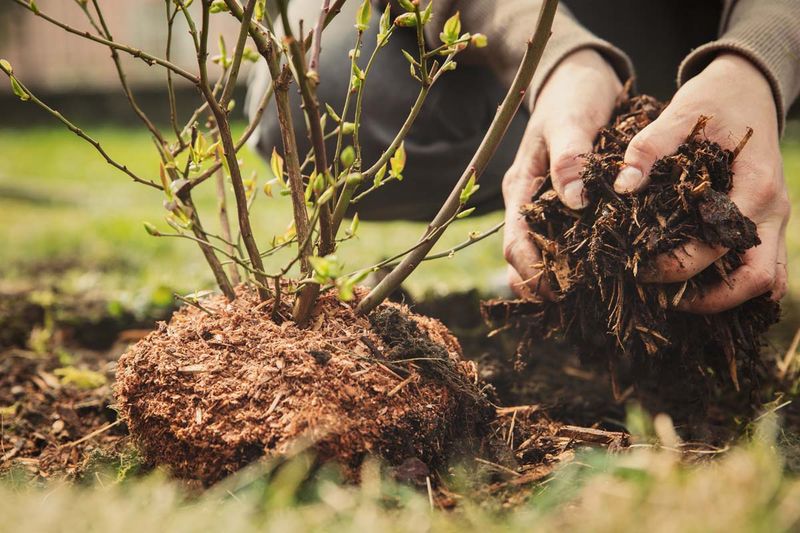
Placement makes a big difference when you feed your garden compost. The goal is to get that good stuff near the roots, where plants actually take in what they need.
For plants already growing, spread a thin layer of finished compost over the soil around them. A half inch to an inch is plenty, and you can gently work it into the top layer.
Keep the compost a few inches away from stems and crowns. Piling it right against the base can trap too much moisture there and invite rot, which is the opposite of what you want.
Picture a doughnut shape rather than a mountain. The open center protects the plant while the ring of compost feeds the wide root zone spreading out underground.
When you start a brand new bed, you have an even better chance to improve things. Mix finished compost into the soil before planting, blending it several inches deep.
This early effort pays off all season because roots grow into soil that is already loose, rich, and ready to hold moisture. New plants settle in faster and handle heat with more confidence.
For established beds, adding a fresh layer once or twice a year keeps the improvement going. Over time, worms and rain carry the compost deeper, so you do not always have to dig it in.
Simple placement habits like these help every scoop of compost count. Feed the root zone, avoid crowding the stems, and your North Carolina garden will thank you with steady, strong growth.
Avoid Fresh Manure During Heat Stress
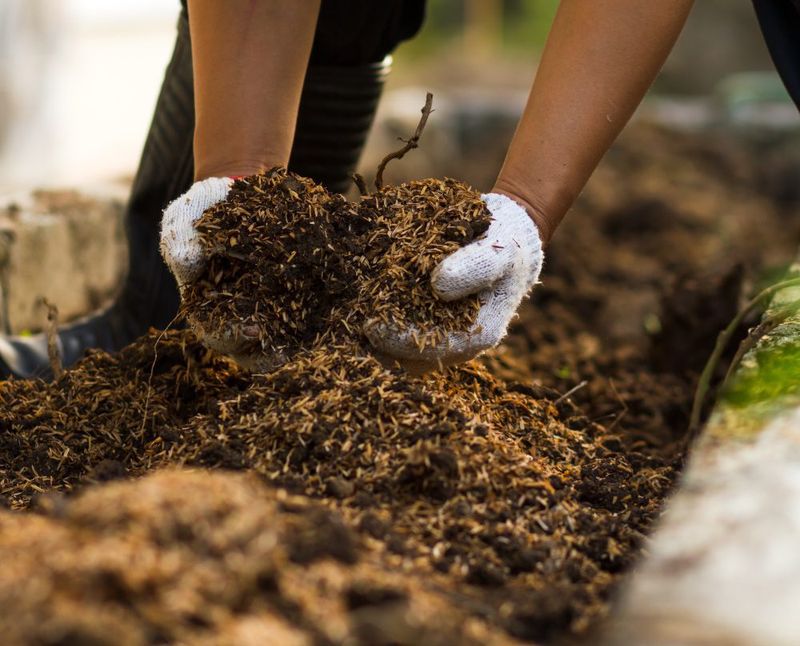
Fresh manure might sound like a powerful garden feed, but it is a poor choice for stressed plants. Raw manure can be too strong and may burn tender roots that are already struggling.
On top of that, fresh manure can carry harmful germs. Spreading it around vegetables you plan to eat raises real safety concerns, especially near leafy greens and low-growing crops.
Heat-stressed plants are in a fragile state, so this is the worst time to add something harsh. What they need is gentle support, not a shock to their system.
Finished, properly composted material is the safer path. When manure has fully broken down through hot composting, the heat of the pile reduces harmful germs and mellows the strength.
That transformation turns a risky material into a garden treasure. Finished compost feeds your soil steadily without the sharp edges that raw manure brings.
If you have access to manure, treat it as an ingredient for your compost pile rather than a direct feed. Let it age and break down completely before it ever touches your beds.
Patience really matters here. Rushing raw manure into a stressed garden can undo the recovery you are working so hard to support.
Stick with well-finished compost, and you sidestep the whole problem. Your plants get nourishment, your soil improves, and your harvest stays safe to enjoy.
During a tough North Carolina heat spell, gentle care beats bold moves every time. Choose the calm, finished option and let your garden heal without added risk.
Water Before Focusing On Feeding
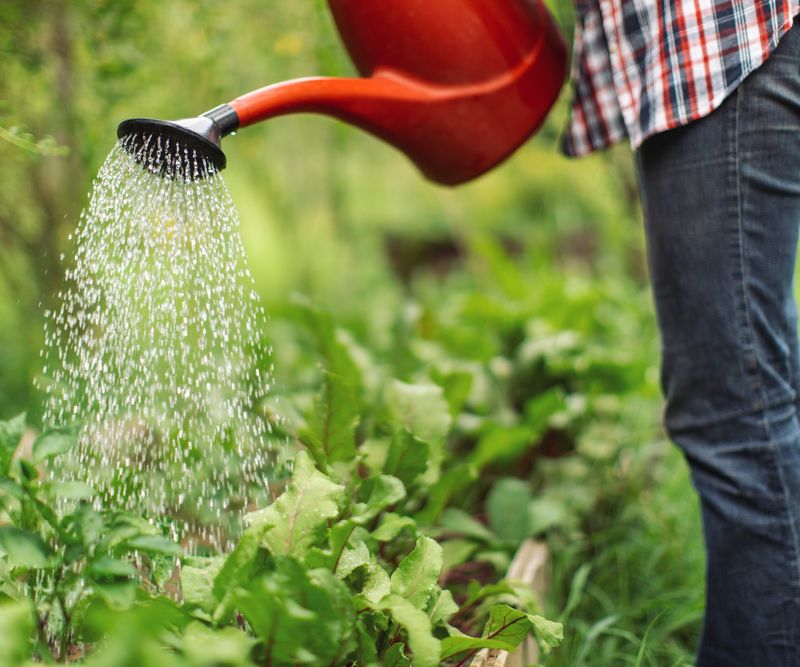
When leaves start to droop in the heat, water is the very first thing your plants crave. Feeding can wait, but a good drink cannot.
Wilting usually means the plant is losing moisture faster than its roots can pull it up. The quickest fix is restoring that moisture, not reaching for a bag of fertilizer.
Fertilizer will never replace water. In fact, feeding a thirsty plant can make things worse, because some fertilizers pull even more moisture away from stressed roots.
Start with a deep, slow watering that soaks the soil down where the roots live. A light sprinkle on top will not reach far enough to help during real heat stress.
Early morning is the best time to water. Cooler air means less evaporation, so more of that water actually stays in the ground for your plants to use through the day.
Once your garden has recovered and perked back up, then you can think about feeding. A calm, healthy plant handles nutrients far better than a wilting one.
This order matters more than people realize. Water first, feed later, and you avoid stressing plants that are already having a hard time.
Keep an eye on the forecast too. During long dry stretches in North Carolina, consistent watering becomes your most important daily habit.
Solve the moisture problem, and many heat troubles fade on their own. Save the compost and fertilizer for building strength once your garden is back on steady footing and ready to grow again.
Build Soil Health For The Next Heat Wave
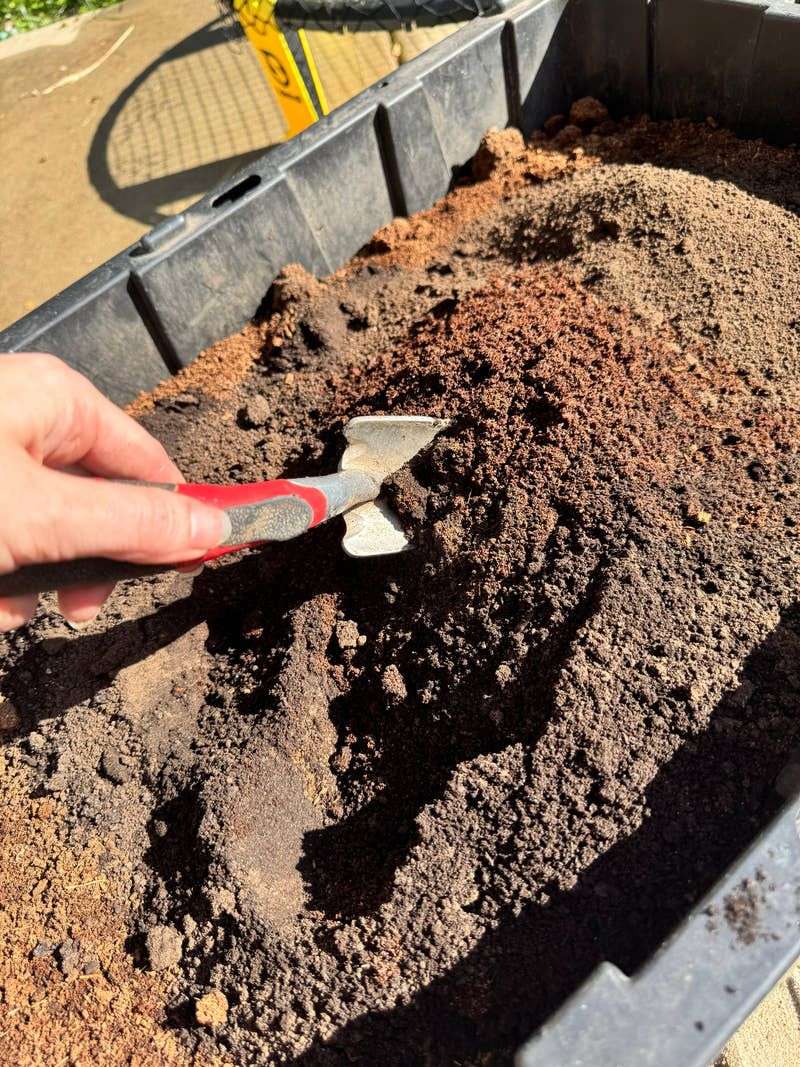
The best time to prepare for a heat wave is long before it arrives. Strong, healthy soil is your garden’s armor against future dry and scorching days.
Regular additions of finished compost sit at the heart of this plan. Each layer builds organic matter, improves structure, and helps the soil hold water when the sun turns fierce.
Mulch is the perfect teammate for compost. A few inches of straw, shredded leaves, or bark shade the soil, slow evaporation, and keep roots cooler through the hottest afternoons.
Good drainage matters just as much. Soil that drains well but still holds moisture gives roots the balance they need, so plants avoid both drought stress and soggy trouble.
Watering the right way ties it all together. Deep, consistent watering trains roots to grow downward, reaching moisture that stays cool even when the surface bakes.
When you combine these habits season after season, your garden grows tougher. Plants recover faster, need less rescuing, and stand strong through the swings of North Carolina weather.
Think of it as building a savings account for your soil. Every scoop of compost and every layer of mulch is a deposit you can count on later.
Healthy soil also supports earthworms, helpful microbes, and steady root systems that all work together during stress. That living network keeps your garden resilient.
Start these practices now, and next summer’s heat will feel far less scary. A garden built on rich, well-cared-for soil bounces back with ease, ready to thrive no matter what the season brings.