This North Carolina Native Turns Fiery Red While Feeding Every Honeybee Around
Drive a back road in western North Carolina this month and something along the shoulder is quietly blushing. Most people speed right past it, eyes locked on the bright maples farther up the ridge.
Beekeepers, though, have kept a remarkably straight face about this tree for well over a century. Their jars of pale, spicy honey sell out before most folks even learn where it came from.
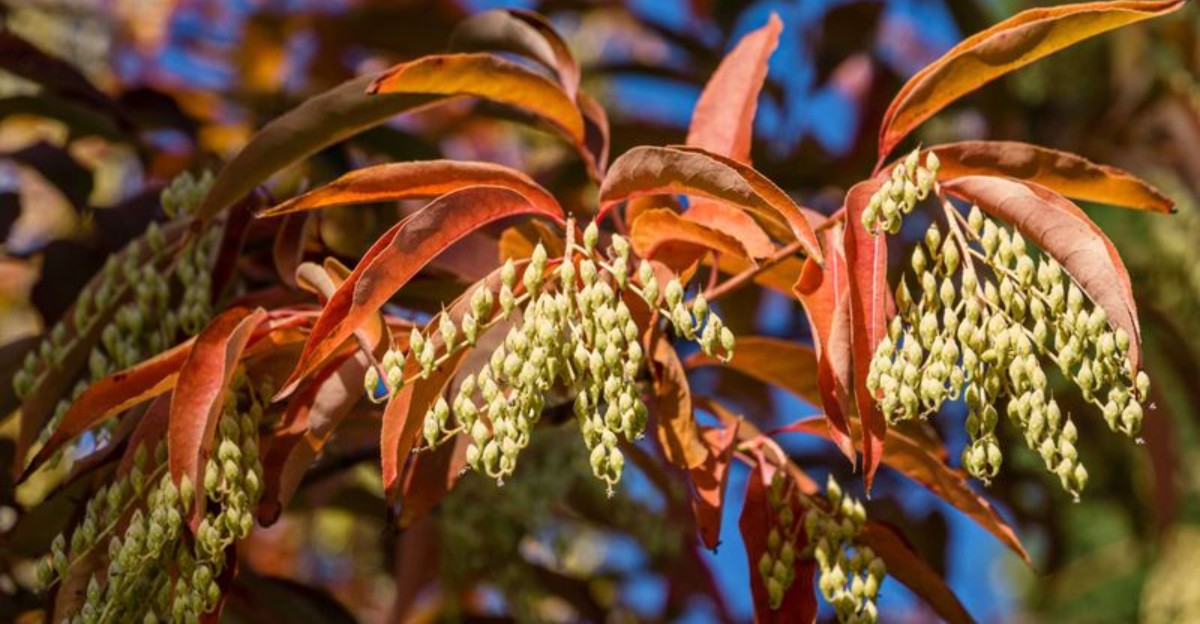
The tree itself is slim, a little crooked, and shaped like it grew up avoiding attention. Then September arrives, and those narrow leaves turn a red so deep they honestly look wet.
Bees, meanwhile, treat its summer flowers like a free buffet served in hundreds of tiny white bells. It asks for nothing in return, which frankly makes the rest of my yard look lazy.
A Slender Appalachian Native With Two Big Talents
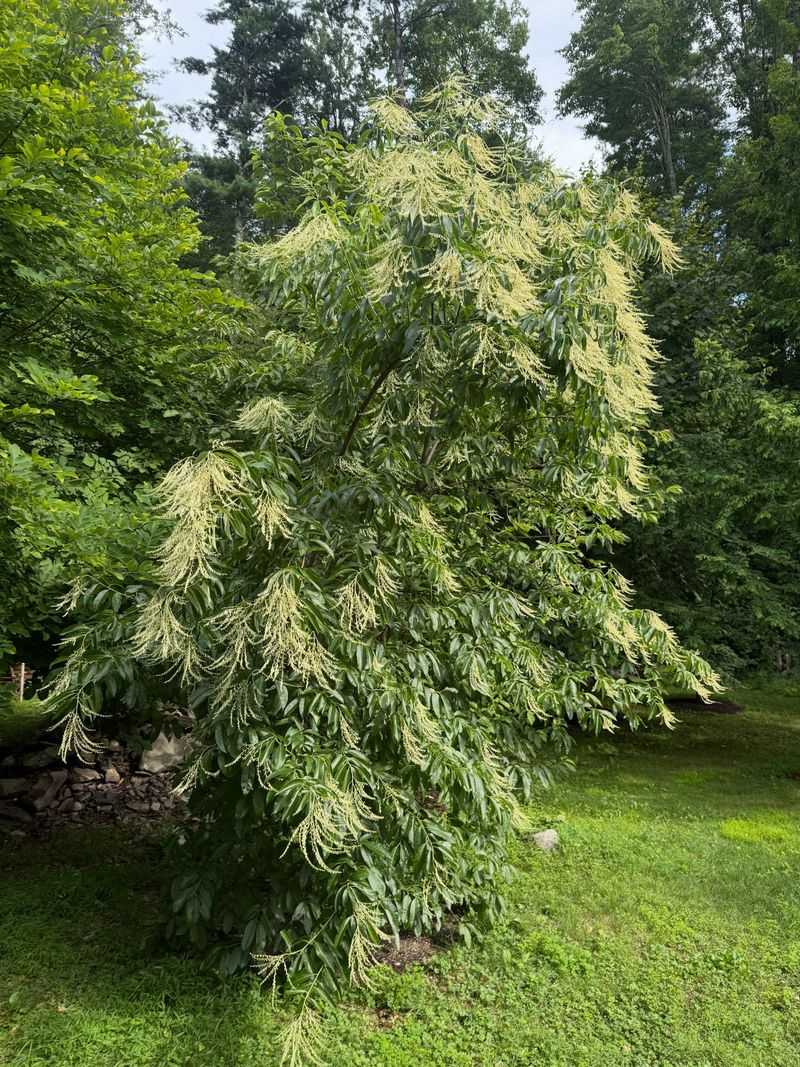
Oxydendrum arboreum grows wild across North Carolina, from Blue Ridge slopes down into Piedmont woodlands. Botanists call it sourwood, and the name comes from leaves that taste sharply tart when chewed.
It stays modest in size, usually reaching twenty five to thirty feet in a home landscape. Wild specimens on protected mountain slopes can stretch past fifty feet over many decades.
The trunk often leans, twists, or forks in ways nursery catalogs politely call picturesque. That quirky posture is part of the charm, since every trunk grows a little differently.
Sourwood belongs to the heath family, sharing cousins with blueberries, rhododendrons, and mountain laurel. Those relatives explain its fondness for acidic soil and its drooping clusters of urn shaped flowers.
Honeybees work those blooms in late June and July, producing a honey with cult status. Fall then hands the same tree a second act in scarlet, burgundy, and plum.
Few native trees pull double duty this well, which is exactly why gardeners keep rediscovering it. Nurseries in Asheville and Raleigh often sell their small stock before summer even begins.
Wildlife notices too, since deer generally leave the foliage alone and songbirds shelter in the branches. For a yard that needs one tree to earn its keep, the math works out.
Old timers in the mountains once carved sled runners and tool handles from its hard wood. These days the tree earns respect for nectar and color instead of lumber.
The Bloom Clock And The September Color Shift
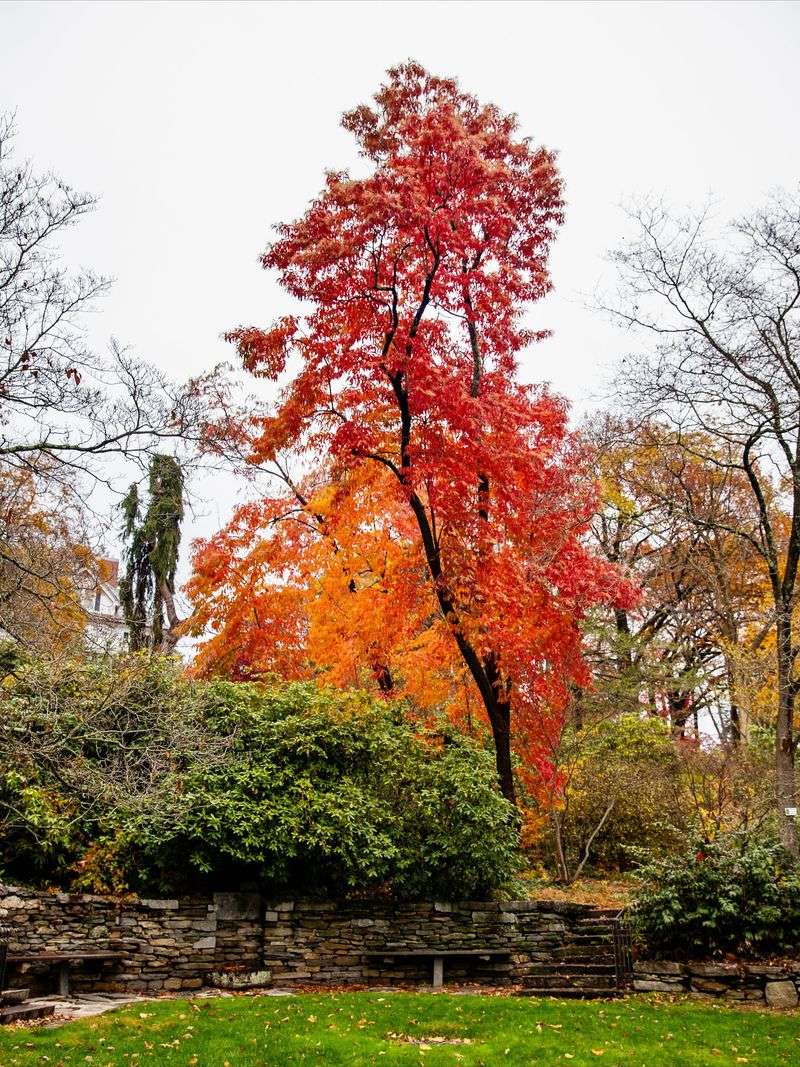
Timing is where sourwood quietly outsmarts the competition in a North Carolina yard. Most native trees finish flowering by May, leaving pollinators hungry through the hottest weeks.
Sourwood waits until late June, then opens long white sprays that last three to four weeks. In the mountains the peak often slides into mid July, depending on elevation and rainfall.
That late schedule matters because summer nectar gets thin once clover and tulip poplar fade. Beekeepers move hives uphill specifically to catch the window, sometimes chasing it by a few hundred feet.
Come September, the show switches from white to red, and it starts earlier than you expect. Sourwood is often the first tree in a neighborhood to blush, weeks ahead of maples.
Your North Carolina Garden Changes Every Week. Your Plan Should Too.
Gardening in North Carolina changes quickly throughout the season. Every Friday you’ll receive a simple weekly plan showing exactly what to plant, prune, fertilize, harvest, and protect so you never miss the right timing.
Right now, scattered branches turn wine red while the rest of the canopy stays green. The effect looks like someone spilled paint on one side of the tree.
Full color usually arrives between late September and the third week of October across the state. Coastal plain trees lag behind mountain ones by roughly two weeks most years.
Dried seed capsules stay attached after leaves drop, lining twigs like tiny cream colored beads. Those capsules catch frost in November and give winter branches an unexpected sparkle.
Planting now, in early fall, gives roots several cool months to settle before summer heat. Garden centers often discount trees this time of year, which helps the budget too.
Getting The Soil Chemistry Right For Vivid Fall Color
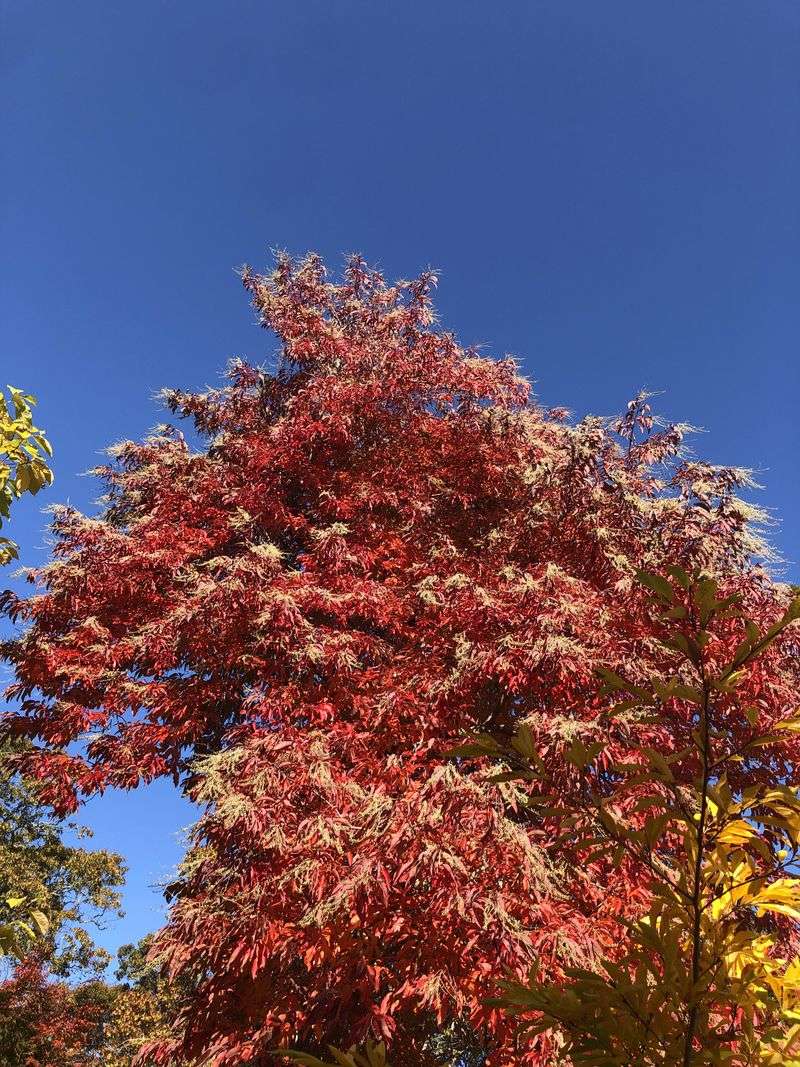
Color that vivid does not happen by accident. Sugars trapped in the leaves turn into anthocyanins, the pigments behind red and purple tones.
Bright sunlight during September days plus cool nights pushes that pigment production into high gear. A tree tucked in deep shade will still turn, though the reds fade toward dull bronze.
Six hours of direct sun is the practical minimum for strong autumn display and heavy flowering. Morning sun with light afternoon shade suits hot Piedmont yards just fine.
Soil acidity matters more than most people realize with heath family plants. Sourwood prefers a pH between four and a half and six, which suits much of our clay.
Lawn fertilizer and lime drifting into the root zone can push pH upward and stress the tree. Yellowing leaves with green veins usually signal that the soil turned too sweet.
Good drainage seals the deal, since these roots resent standing water for long stretches. A gentle slope or a raised bed solves soggy spots without much effort.
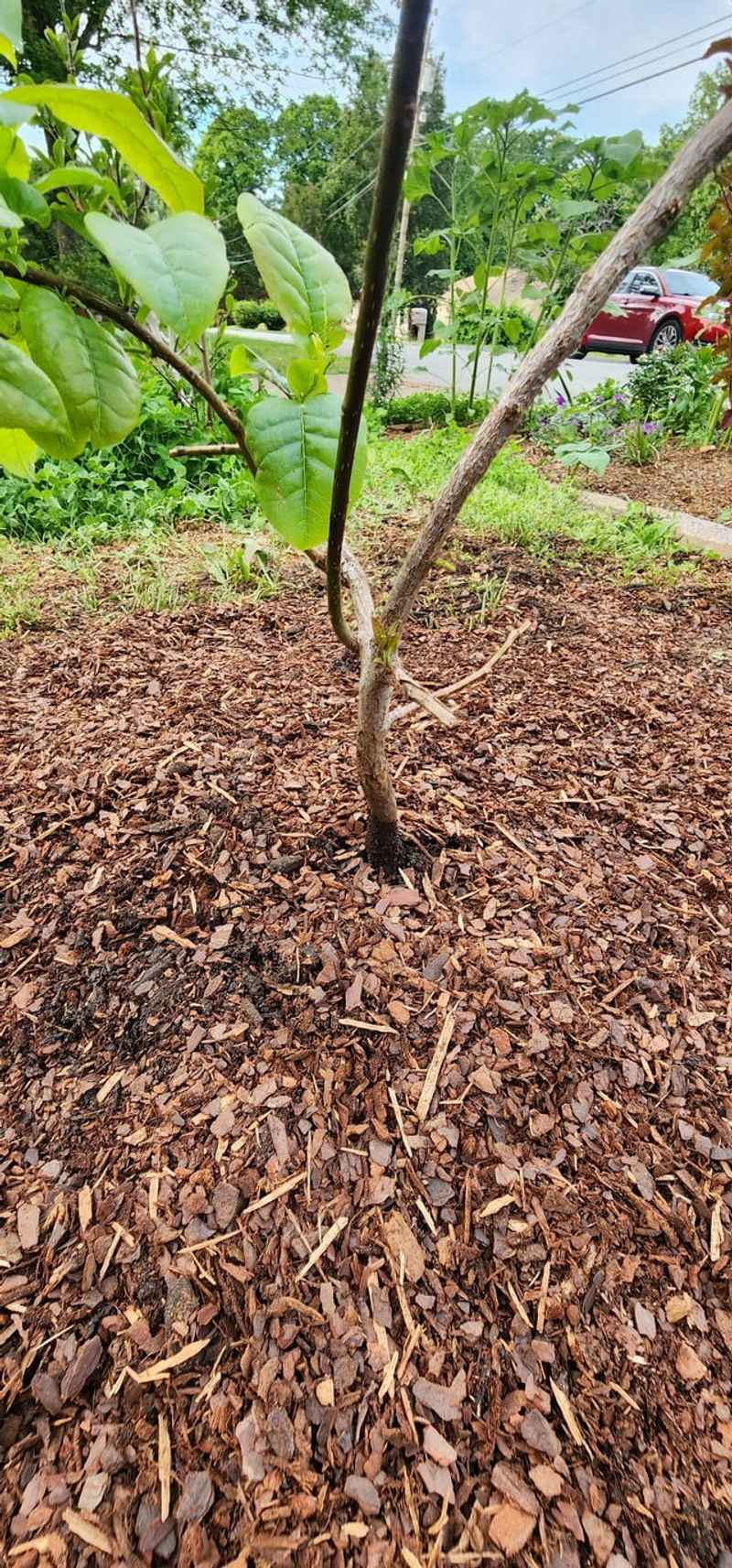
Mulch with pine bark or pine straw, both of which keep acidity steady as they break down. Keep that mulch a few inches back from the trunk to discourage rot and rodents.
Drought during August can cause early leaf drop, cutting the September show short. One deep soaking every other week through a dry summer protects the display.
Trees grown in poor, thin mountain soil often color best, since stress concentrates leaf sugars. Pampering with rich compost tends to buy you growth rather than brilliance.
Common Planting Mistakes In Piedmont Yards
A friend in Greensboro lost two sourwoods in three years before figuring out the problem. Both sat in compacted builder clay beside a driveway, baking in reflected heat.
Transplant shock hits this species harder than most natives, especially with bare root stock. Container grown trees under six feet tall establish far more reliably.
Digging a hole too deep is the classic error, and it shows up everywhere. The root flare should sit slightly above grade rather than buried under soil or mulch.
Another frequent slip involves crowding the tree against a wall or under a dense oak canopy. Sourwood tolerates light shade but sulks when it competes with aggressive surface roots.
Heavy nitrogen lawn feed encourages floppy growth and fewer flower sprays the following summer. Skip the fertilizer entirely for the first two seasons and let the roots lead.
String trimmers and mowers damage the thin bark easily, opening doors for borers and fungus. A wide mulch ring keeps machinery at a respectful distance.
Impatience causes trouble too, because young sourwoods grow slowly, often under a foot each year. Owners assume something went wrong and start tinkering when patience would serve better.
Salt spray and road runoff bother coastal plantings, so keep them away from treated walkways. Pick the spot once, carefully, and the tree rewards that decision for decades.
Buying the largest specimen available feels smart but often backfires with this species. Smaller trees catch up and pass big transplants within about four years.
Simple Fixes For A Struggling Young Tree
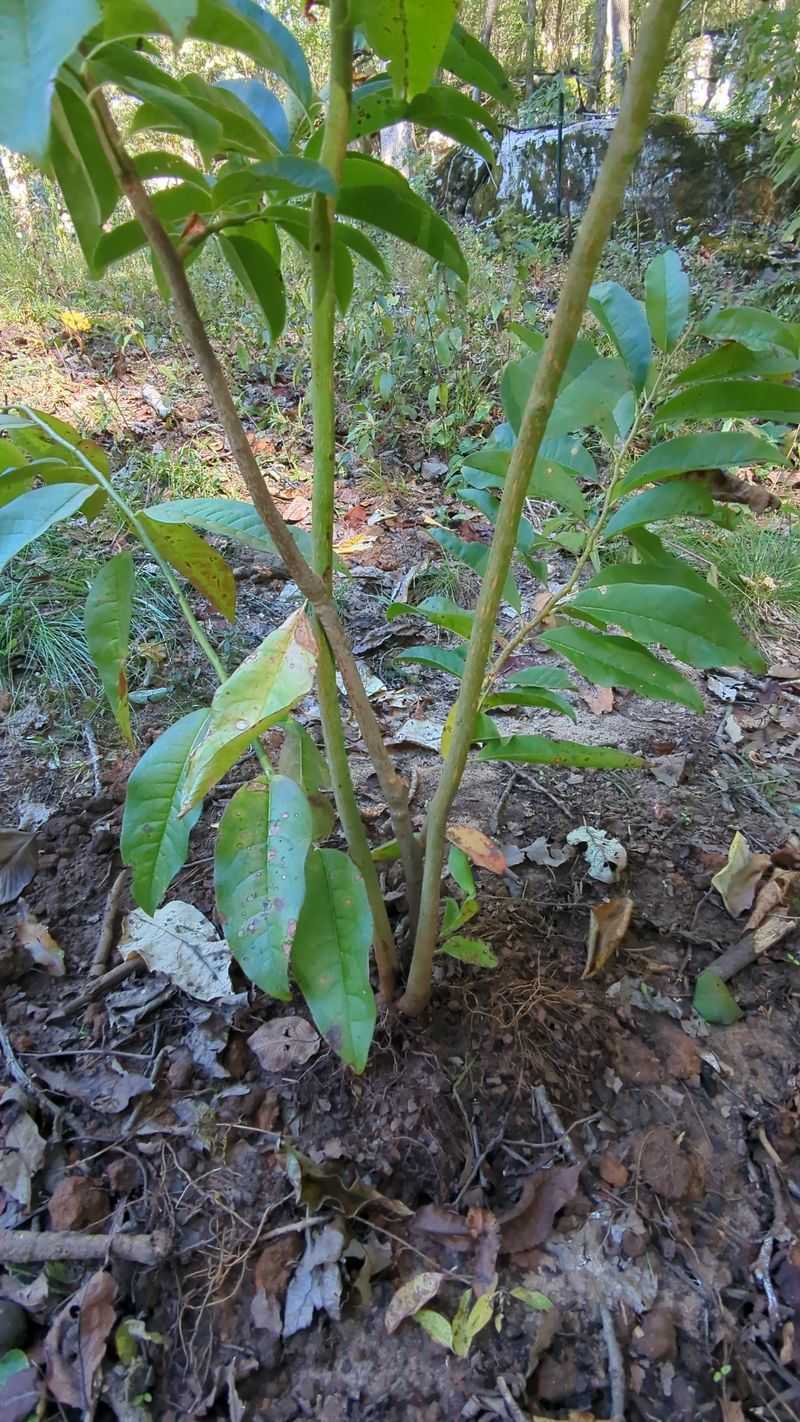
A sad looking sourwood usually signals water, soil chemistry, or root depth trouble. Start by scraping away mulch and checking whether the root flare is visible at the base.
If the trunk enters the ground like a telephone pole, the tree sits too low. Lifting and replanting during autumn dormancy fixes it, though the job takes two people.
Leaf scorch along the edges in July points to thirst rather than disease. Five gallons of slow water at the drip line, twice weekly, usually greens things back up.
Pale leaves with dark green veins mean iron is locked up by alkaline soil. Soil sulfur or an acid forming fertilizer made for azaleas corrects the balance over months.
Black spots on foliage during humid summers are typically leaf spot fungus, mostly cosmetic. Rake and remove fallen leaves in autumn to reduce spores hanging around next year.
Sparse flowering often traces to shade creeping in as neighboring trees expand overhead. Thinning a few limbs above the sourwood can restore bloom within a season or two.
Prune the tree itself only in late winter, and keep cuts light and purposeful. Removing crossing branches improves airflow without sacrificing the flower buds forming on new wood.
Stake newly planted trees loosely for one year at most, then take the ties off. Trunks strengthen through gentle movement, so rigid support actually weakens them.
Give any fix a full growing season before judging results, since recovery here runs slow. Sourwood rewards steady attention more than dramatic intervention.
Steady Nectar Flow And Long Term Protection
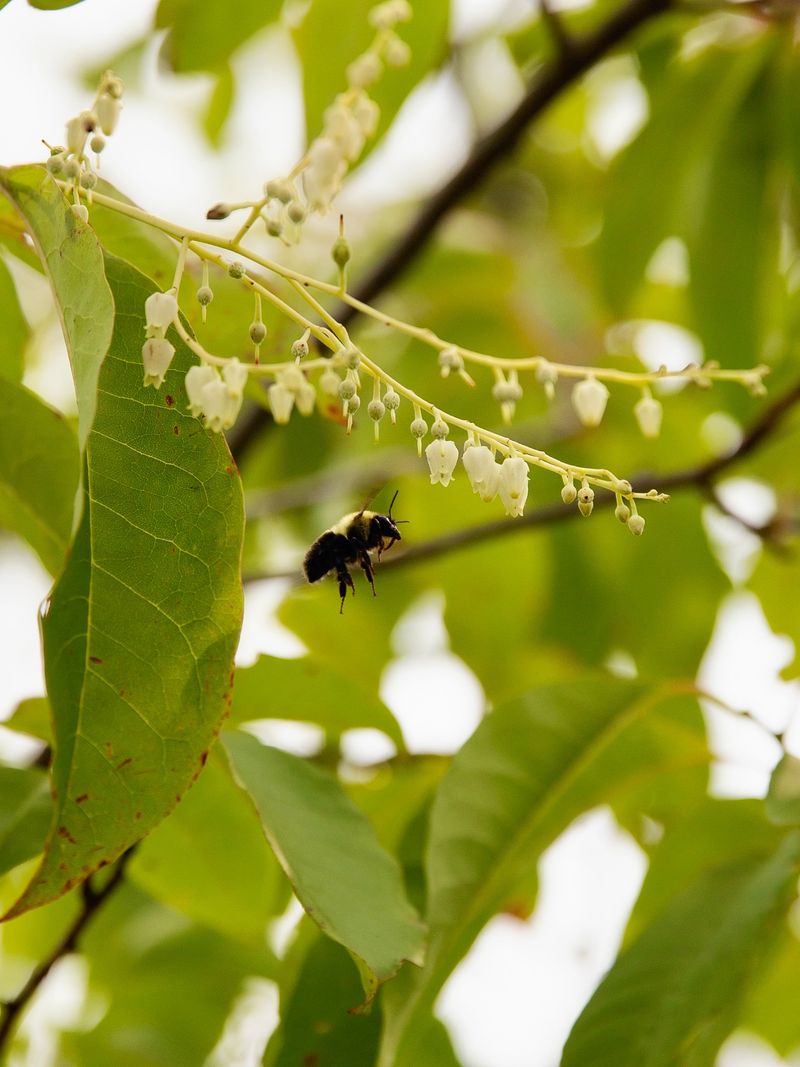
Sourwood honey has won several beekeeping awards and often sells at a premium over clover honey. The flavor runs light, buttery, and faintly spicy, with a caramel finish that lingers.
A single mature tree can supply bees with nectar for nearly a month straight. Multiply that by a hillside of sourwoods and you understand why beekeepers guard their locations.
Backyard hives benefit even from one tree, especially during the midsummer nectar gap. Native bumblebees and carpenter bees crowd the blossoms right alongside honeybees.
Protecting that nectar flow starts with skipping insecticide sprays while flowers are open. Treat nearby plants in the evening or, better yet, choose targeted products instead.
Habitat loss has thinned sourwood stands across the southern mountains over recent decades. Development, fire suppression, and shade from faster growing hardwoods all crowd out young seedlings.
Planting one in a yard genuinely helps, since the species regenerates poorly in dark forests. Seeds need bare mineral soil and open light, conditions rarely found under a closed canopy.
Guard mature trees from construction damage, because compacted soil over roots causes lasting stress. Fence the drip line before any equipment rolls in and the tree usually pulls through.
Come next September, that crimson canopy pays you back for every bit of care. The honey, if you keep bees, is simply an excellent bonus.
Neighbors will ask what that tree is, and you get to enjoy telling them. Few native plants earn compliments in both July and October.