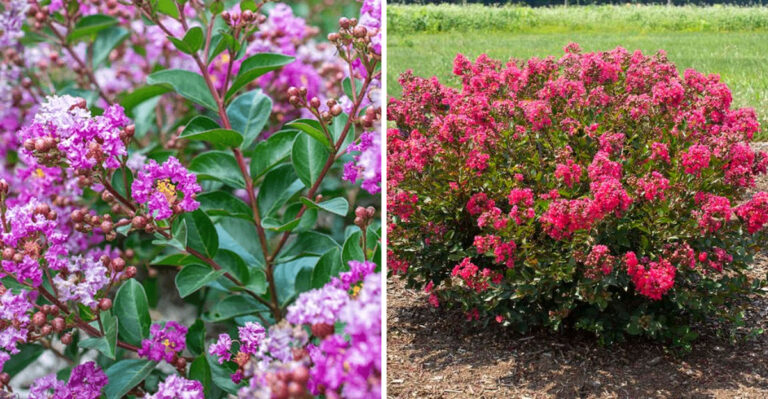
What North Carolina Gardeners Should Do With Crape Myrtle Seed Pods Before Winter
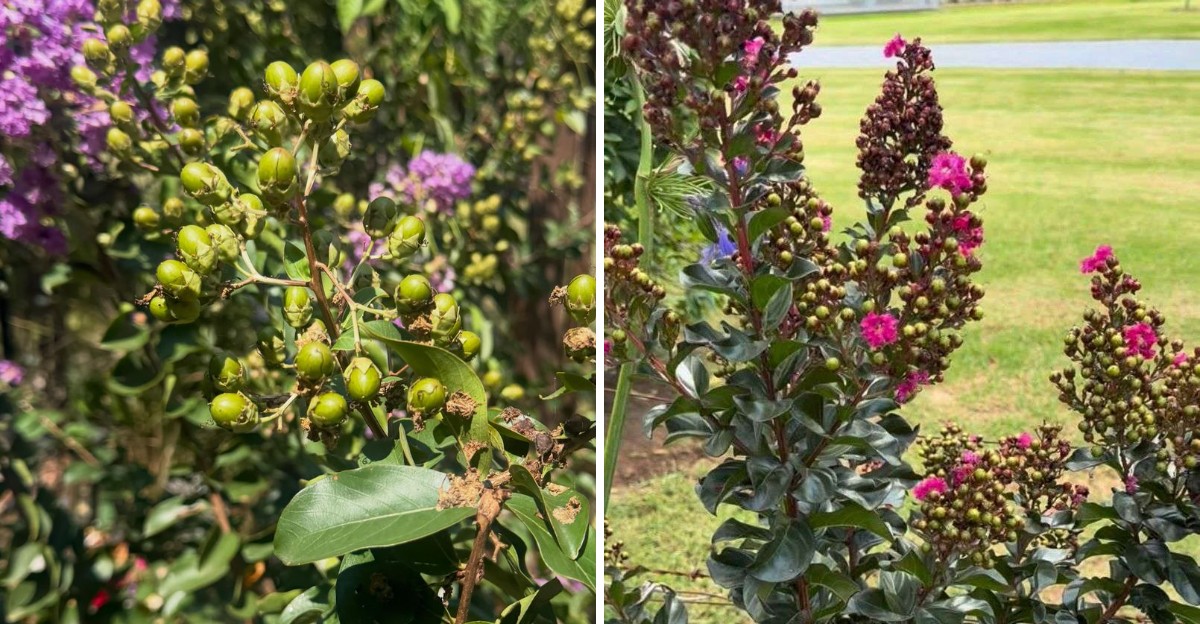
Crape myrtles produce distinctive round seed pods each fall, and what happens to them before winter can influence both the tree’s appearance and its performance the following year.
Leaving seed pods in place through winter provides a source of visual interest and can offer a small amount of food for birds, though many gardeners choose to remove them for a cleaner, tidier look.
Removing seed pods is mainly a cosmetic choice and can help reduce unwanted seedlings, but it usually does not increase next year’s blooms.
Timing this task before winter fully sets in makes the job easier, since pods become tougher and more difficult to clip away as they dry out further.
Deciding what to do with these seed pods largely comes down to personal preference between wildlife value and a more polished winter appearance.
1. Know That Seed Pods Are Normal
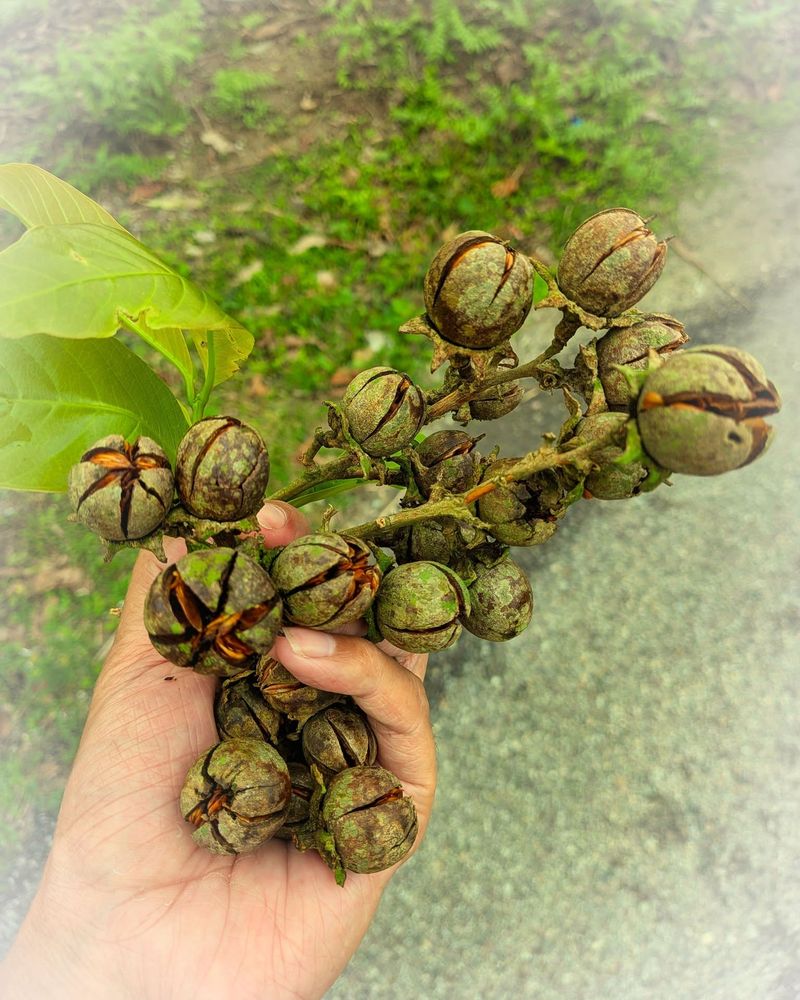
Those little round clusters hanging from your crape myrtle after the flowers fade are simply the plant finishing its natural job. Once the colorful blooms drop, the tree forms seed pods so it can make more crape myrtles down the road.
Seeing them does not mean anything is wrong. A healthy tree produces plenty of pods every single year, and they are a normal sign that your plant completed a full growing season.
Many first-time gardeners in North Carolina panic when they spot the brown, woody balls. They think the tree is struggling or that pests moved in. In reality, the pods are part of a cycle that repeats naturally, just like leaves turning color in fall.
The pods usually start green and soft, then dry out and turn brown as cooler weather settles in. When they fully dry, they crack open and release tiny seeds.
Birds sometimes visit to snack on them, which adds a little life to your yard during quieter months.
You do not need to rush outside and clip every pod the moment you see one. There is no health reason forcing you to remove them right away, and the tree will not suffer if they stay put.
Understanding this takes the pressure off. Instead of worrying, you can decide calmly whether to leave the pods for looks, tidy them for a cleaner appearance, or simply let nature take its course through the season.
2. Leave Pods For Winter Interest
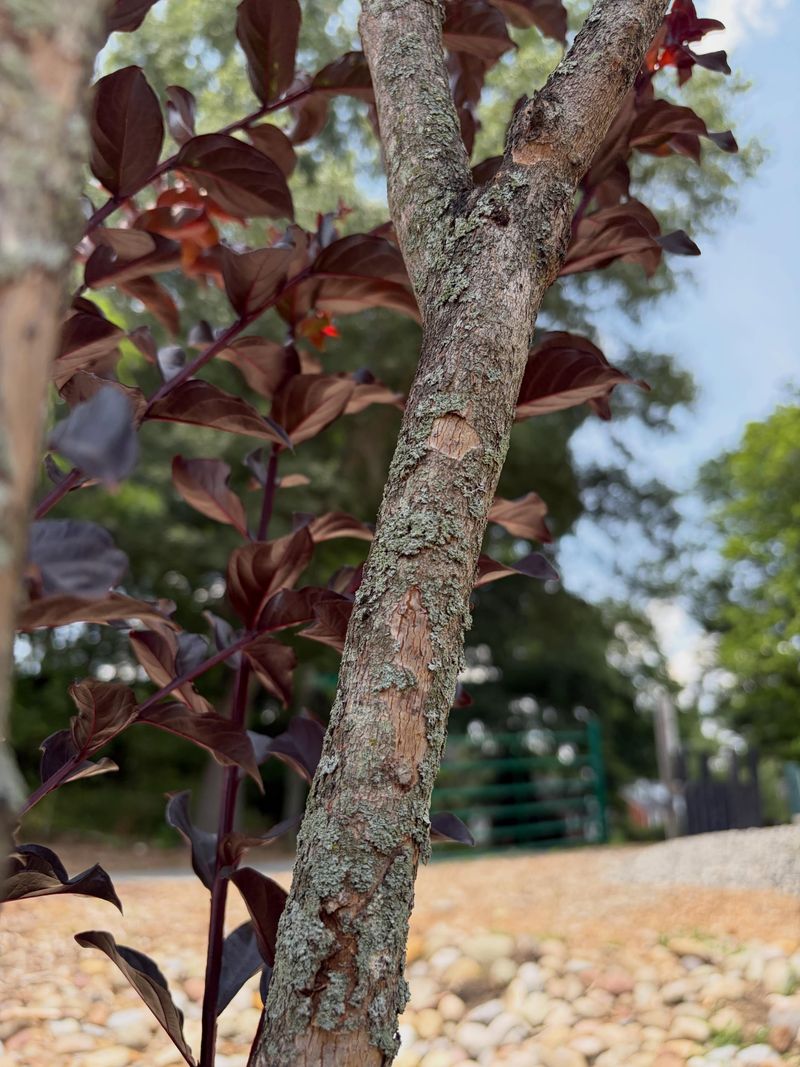
When the leaves fall and gardens look bare, crape myrtle seed pods can become an unexpected star. Their small round shapes cling to the branch tips and add texture to an otherwise plain winter scene.
Plenty of gardeners choose to keep the pods on purpose. Against a gray sky or a light dusting of frost, those clusters give the tree a sculptural look that many people find charming.
The pods pair beautifully with the smooth, peeling bark that crape myrtles are famous for. Together they create layers of interest, so your yard still has something worth looking at even in the coldest months.
Birds appreciate them too. Finches and other small visitors often stop by to pick at the seeds, turning your tree into a quiet feeding spot that brings movement and cheer to a still landscape.
Your North Carolina Garden Changes Every Week. Your Plan Should Too.
Gardening in North Carolina changes quickly throughout the season. Every Friday you’ll receive a simple weekly plan showing exactly what to plant, prune, fertilize, harvest, and protect so you never miss the right timing.
If you enjoy taking photos or simply want your garden to feel alive year-round, leaving the pods is an easy win. You spend zero effort and still get a natural decoration that changes with the light and weather.
Some gardeners even cut a few pod-covered branches to use in dried arrangements indoors. The rustic look fits fall and winter décor perfectly and costs nothing.
There is truly no rush to remove them. Waiting until late winter or early spring gives you the seasonal beauty now and lets you handle any tidying later, right before new growth begins to push out.
3. Remove Pods Only For Appearance
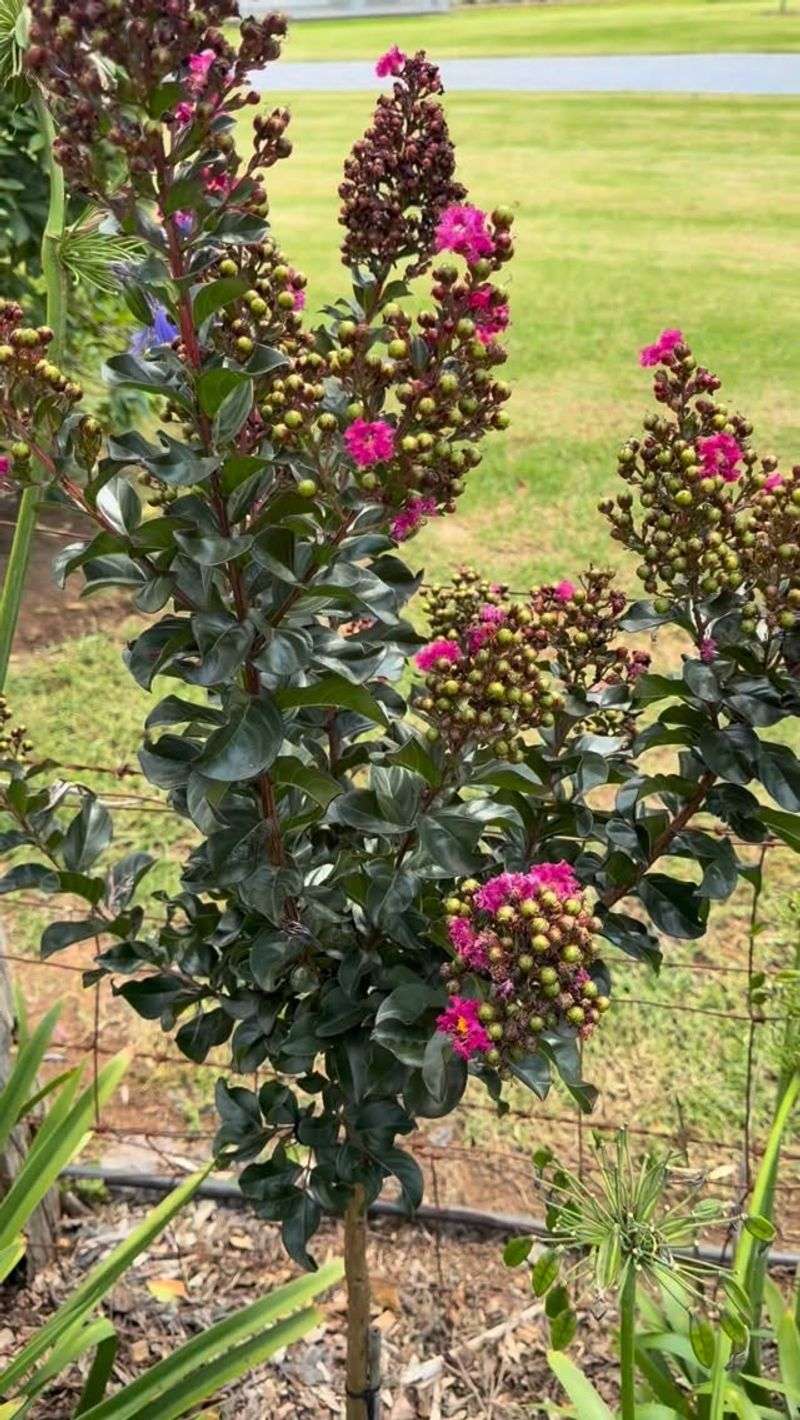
Maybe you like a crisp, tidy look in your yard, and those brown pods just feel messy to you. That is a completely fair reason to trim them off, and there is nothing wrong with wanting a neater tree.
Here is the key thing to remember: taking off the pods is a choice about style, not a task your tree needs for its health. The plant does just fine whether the pods stay or go.
If you decide to remove them, wait until they have dried and the tree has slowed down for the season. Use clean, sharp hand pruners and simply snip the pod clusters at the tips of the branches.
Focus only on the small stems holding the pods. There is no need to cut deep into the branches or reshape the whole tree just to get rid of a few clusters.
Working slowly helps you avoid removing healthy wood by accident. Step back now and then to check the overall shape and make sure the tree still looks balanced.
Some folks tackle this on a mild fall afternoon as part of general yard cleanup. It can feel satisfying to give the tree a fresh, groomed appearance heading into winter.
Just keep your expectations simple. Trimming pods will not make your tree bloom more or grow stronger next year. It only changes how the tree looks right now, which is a perfectly good reason if that is what you want.
4. Avoid Heavy Pod Removal Pruning
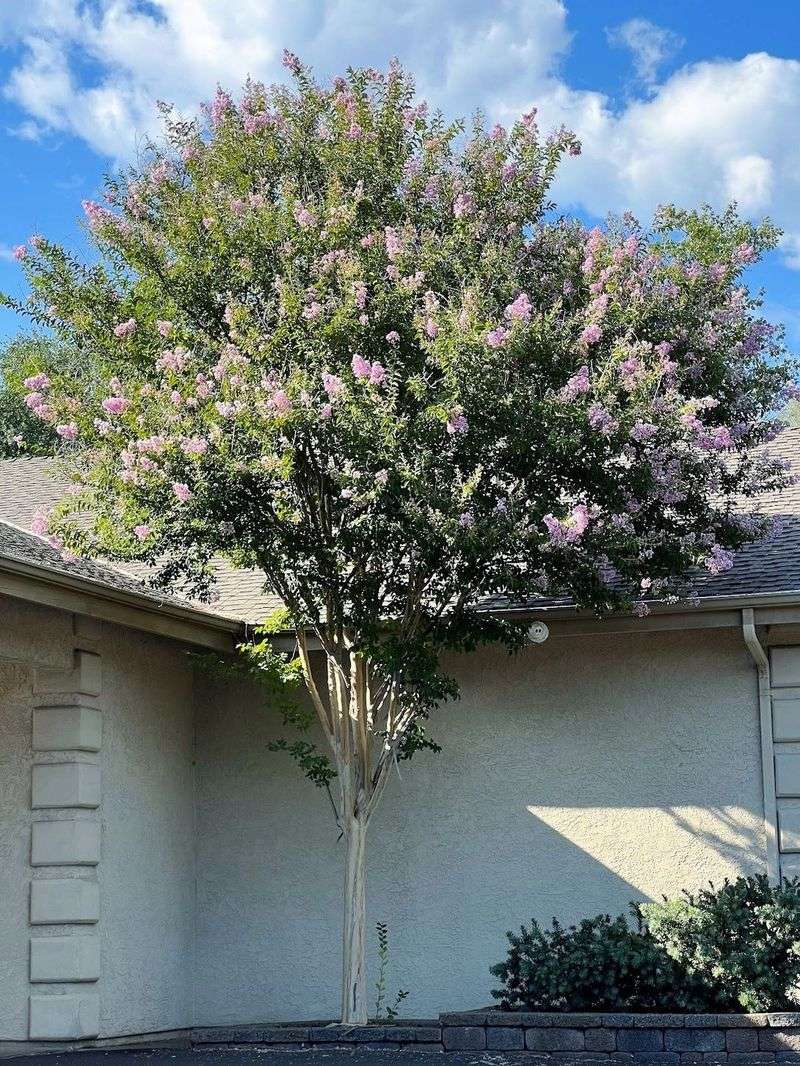
One of the biggest mistakes gardeners make is chopping off big branches just to clear away seed pods. Cutting thick limbs to reach a few clusters does far more harm than good.
This heavy cutting has a nickname in the South that many people say with a groan. When you top a crape myrtle by hacking back large branches, you ruin the graceful shape the tree naturally wants to have.
Those big cuts often lead to weak, spindly regrowth. New shoots pop out in thick clumps that flop over, look awkward, and can snap easily in wind or storms.
Crape myrtles are meant to have a smooth, open, vase-like form. Slicing into major limbs erases that beauty and leaves behind ugly knobs and stubs that only get worse over the years.
If a few pods bother you, there is a gentler path. Selective pruning means snipping only the small tips and thin stems that hold the pods, leaving the strong structure of the tree untouched.
Think of it like a light trim rather than a major chop. You remove the little bits you do not want and protect the parts that give your tree its shape and strength.
Your tree will thank you with better blooms and a more natural look. Resisting the urge to over-cut is one of the smartest things a North Carolina gardener can do, and it saves you plenty of extra work too.
5. Prevent Unwanted Seedlings If Needed
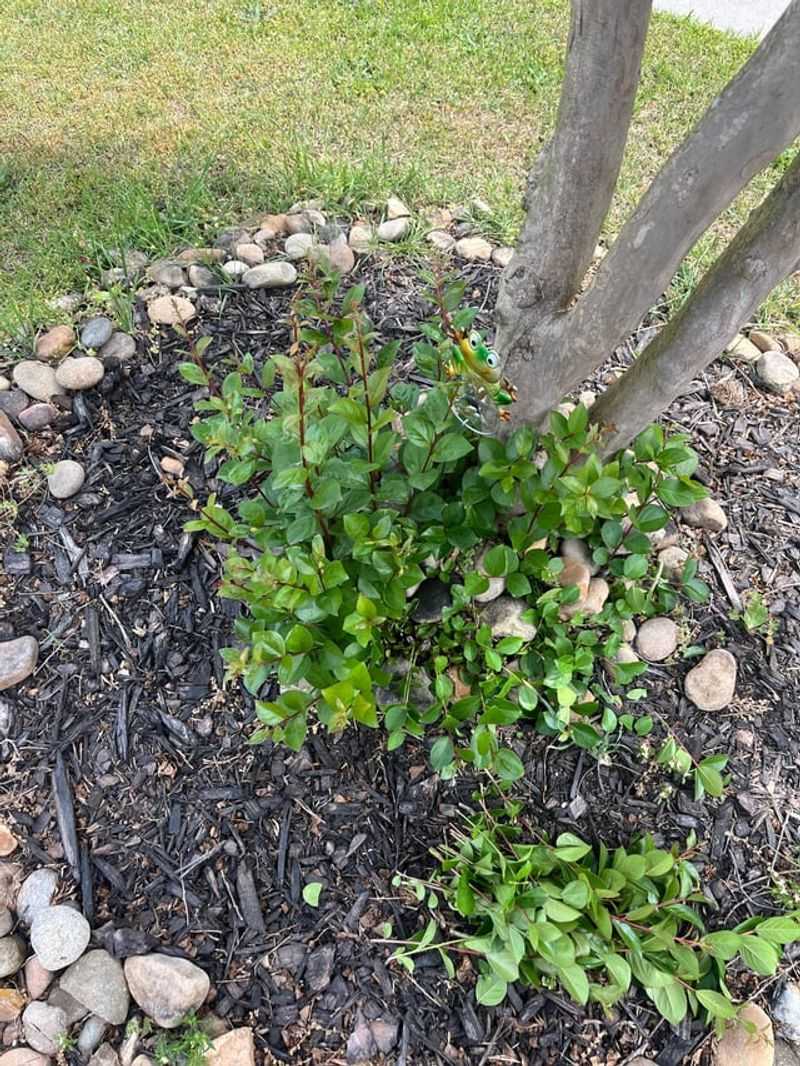
Those pods are packed with tiny seeds, and when they crack open, the wind and rain carry them into nearby beds. Come spring, you might spot little crape myrtle sprouts popping up where you never planted them.
For some gardeners, a few surprise seedlings are no big deal. But if you have neat flower beds or a mulched area you like to keep clear, all those baby plants can turn into extra weeding chores.
The simple fix is to remove the mature pods before they open and drop their seeds. Clipping the dried clusters in fall or early winter stops the seeds from scattering across your yard.
Timing matters here. Once the pods turn fully brown and start to split, the seeds are ready to fly, so getting to them a little early keeps you ahead of the game.
You do not have to catch every single pod. Removing most of them greatly cuts down on the number of volunteers you will deal with later, which saves time and effort next season.
Toss the collected pods in the trash or a covered compost bin rather than leaving them piled in the garden. That way stray seeds do not sneak back into the soil.
If you actually enjoy free plants, you can let some pods stay and even collect the seeds on purpose. It all comes down to whether you want more crape myrtles or a tidier, seedling-free yard.
6. Clean Up Fallen Pods And Leaves
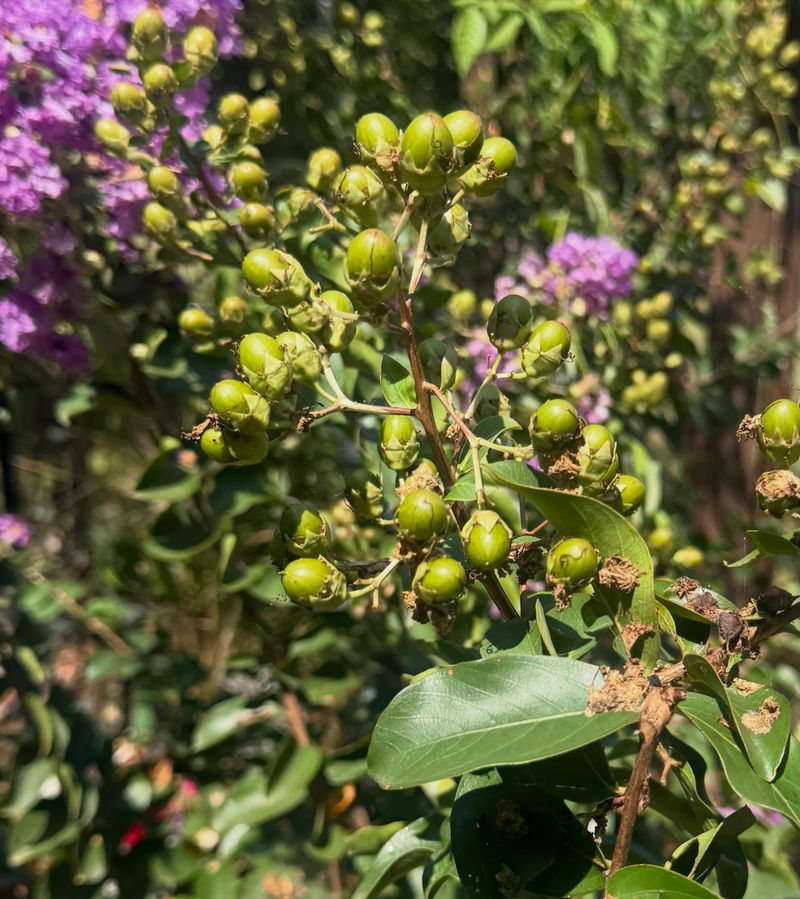
As fall rolls in, crape myrtles drop pods and leaves that gather on the ground below. Near patios, walkways, and busy spots, that debris can look untidy and even feel slippery underfoot.
A quick rake or sweep keeps these areas safe and neat. Clearing pods off hard surfaces means fewer things to slip on and a cleaner look right where people walk and gather.
You do not have to strip every leaf from your whole yard, though. Away from paths and seating areas, a light layer of fallen leaves and pods can actually help your garden.
As that organic material breaks down, it returns nutrients to the soil and feeds the earth around your tree. Nature has been recycling leaves this way long before anyone owned a rake.
Think of it as a balance between tidy and natural. Clean up the high-traffic zones where mess bothers you, and let the quiet corners keep some of their fallen bits.
If you want, you can rake extra leaves and pods into a compost pile. Over time they turn into rich material you can spread back onto your beds for free.
Doing this cleanup on a crisp fall day feels good and gets your yard ready for winter. Your patio stays presentable, your walkways stay safe, and your soil still gets a little natural boost from the leftover leaves resting in the beds.
7. Check The Tree Before Winter
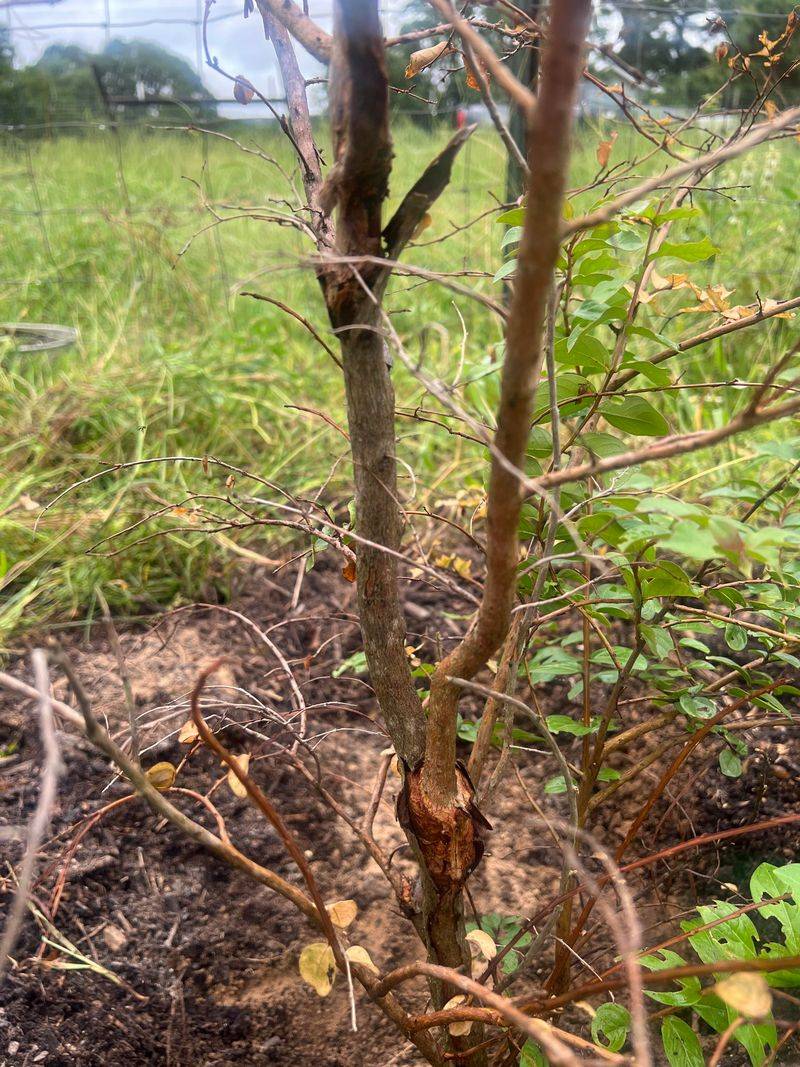
Fall is the perfect moment to give your crape myrtle a good once-over. With the leaves thinning out, you can finally see the branches clearly and spot any trouble that was hidden during summer.
Walk around the tree and look closely at the limbs. You are hunting for branches that are damaged, cracked, broken, or showing signs of disease like odd spots, oozing bark, or soft, crumbly wood.
Catching problems now pays off later. Weak or broken branches can snap under ice or heavy winter wind, and removing them early keeps them from causing bigger messes when storms roll through.
The trick is to remove only the parts that truly need it. Snip out the damaged or diseased wood and leave the healthy branches alone so the tree keeps its natural, attractive form.
Use clean pruners and cut just outside the swollen collar where the branch meets a larger limb. If you spot disease, wipe your blades between cuts so you do not spread it around.
This kind of check is quick and easy, yet it makes a real difference. A healthy, well-inspected tree heads into winter stronger and comes back looking better in spring.
Try to make it a yearly habit. A few minutes of careful looking each fall helps you catch small issues before they grow into large ones, and it gives you peace of mind that your crape myrtle is ready for the cold months ahead.
8. Prepare The Root Zone Instead Of Over-Pruning
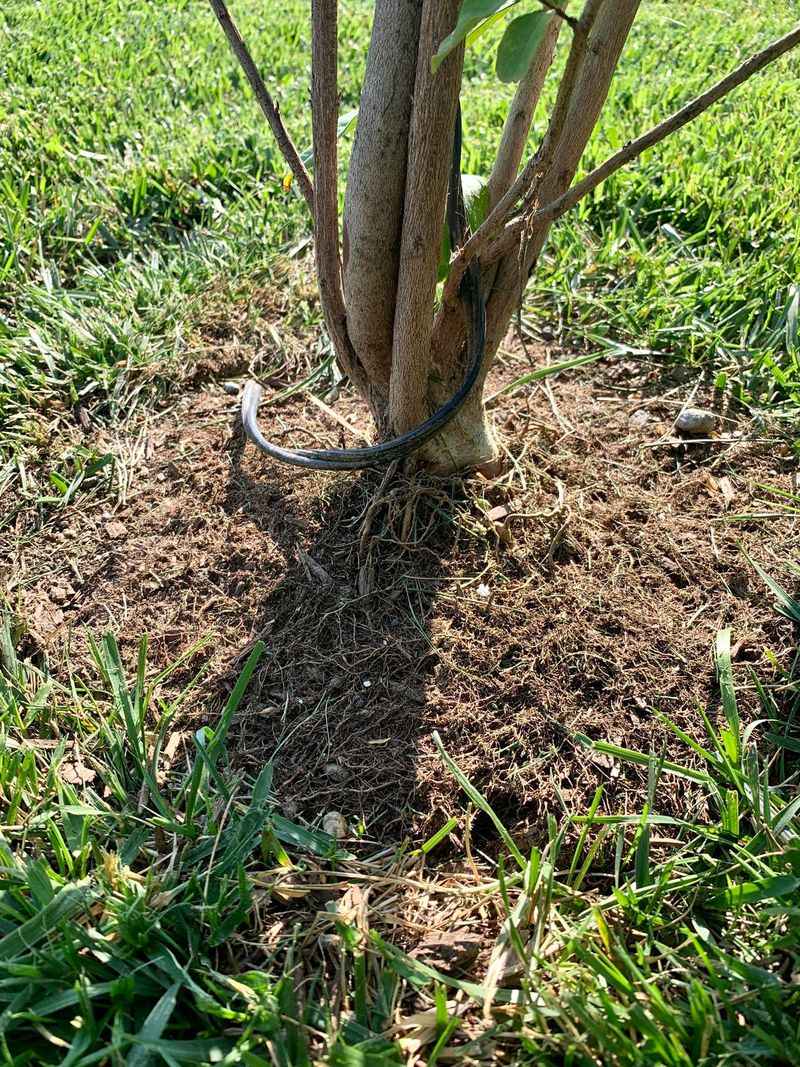
Instead of grabbing the saw and cutting your tree back hard, put your energy where it truly helps: the ground around the roots. Good root care does far more for winter health than heavy pruning ever will.
North Carolina falls can turn dry, and thirsty roots struggle when cold weather arrives. Giving your crape myrtle a deep drink during dry spells keeps it strong and ready for the season ahead.
Water slowly and deeply so the moisture soaks down to the roots rather than just wetting the surface. A good soaking every week or two during dry stretches usually does the trick.
Mulch is your next best friend. Spread a layer of shredded bark or wood chips a couple of inches thick around the base, keeping it a few inches away from the trunk itself.
That mulch blanket holds moisture in the soil, steadies the temperature, and shields the roots from sharp cold. It also cuts down on weeds and slowly feeds the soil as it breaks down.
Avoid piling mulch up against the trunk like a volcano, since that traps moisture and invites problems. A flat, even ring works far better and looks tidy too.
By focusing on water and mulch, you support the whole tree from the ground up. Come spring, a well-cared-for root zone rewards you with strong growth and generous blooms, proving that gentle preparation beats aggressive cutting every single time.