The Illinois Trees Dropping Green Leaves Before Anything Turned Color
Something odd is happening on Illinois sidewalks this month. The leaves piling up are still bright green, not a hint of gold anywhere. It looks like autumn skipped a step and went straight for the lawn.
Homeowners keep glancing at the calendar, then back at the lawn. September is not supposed to look like this, and yet here we are. Even the neighbors seem to be doing a double take.
Walk under a big shade tree and you can hear it. A soft tick, then another, as green leaves land on the driveway like tiny coins. That sound feels out of place for the season.
Most folks assume the tree is throwing a tantrum for no reason. Honestly, it is more of a strongly worded letter. Whatever it wants to say, it clearly needed the whole yard to hear it.
Green Leaf Drop In Illinois Yards Explained
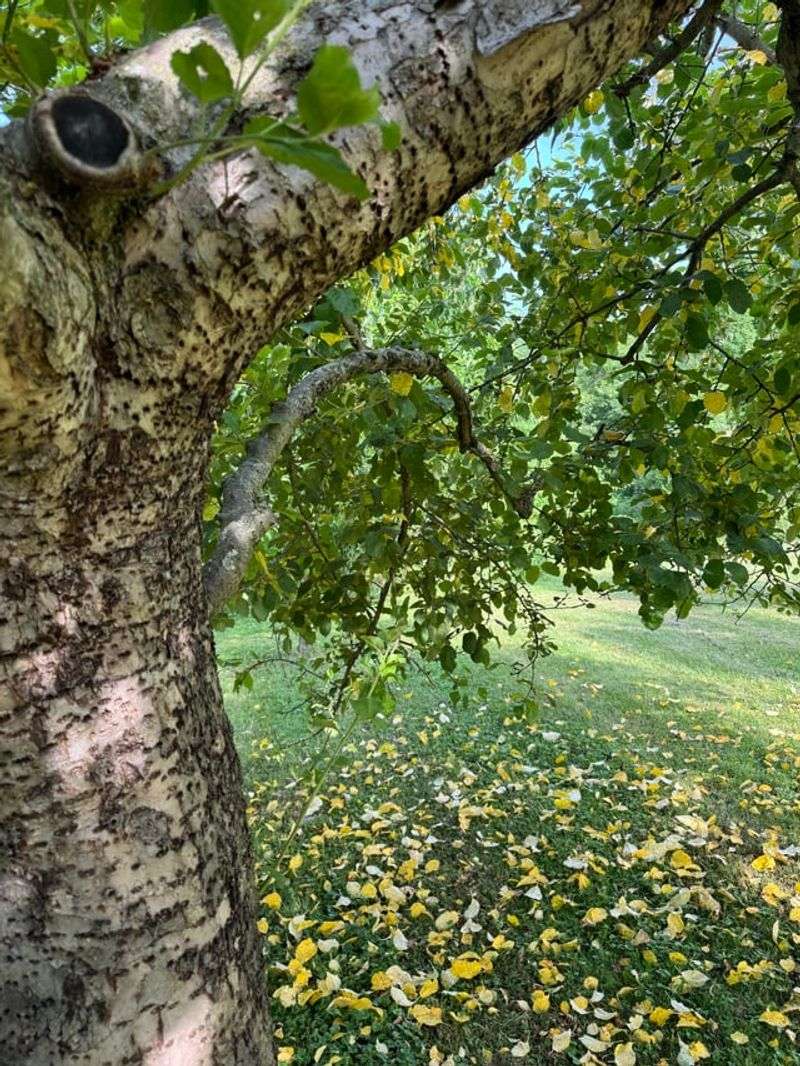
Trees across Illinois are shedding healthy-looking green leaves while neighboring branches stay full. Two things usually drive it, and both show up in late summer.
The first is water stress from a dry August and September stretch. Roots cannot pull enough moisture, so the tree sheds leaves to shrink its water bill.
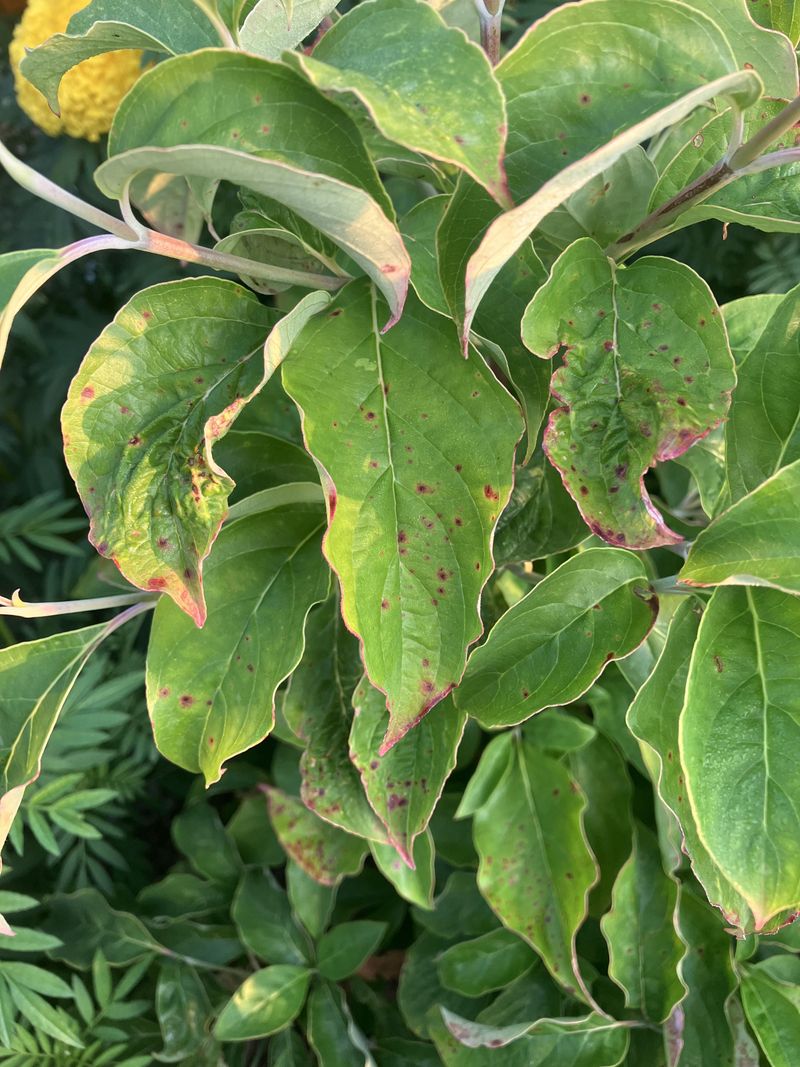
The second is anthracnose, a fungal leaf disease that thrives in wet springs. Infected leaves develop blotches and thin, papery edges, then let go early.
Both problems end the same way, with green litter on your lawn. The difference shows up when you pick a few leaves up and look closely.
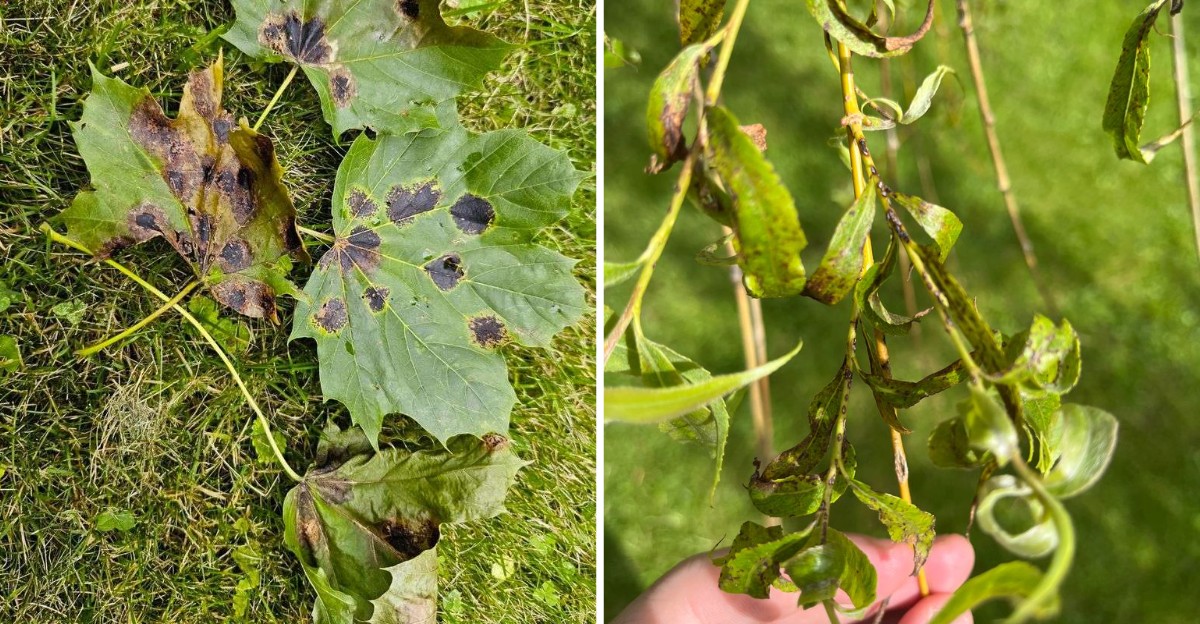
Drought-dropped leaves are often smooth, whole, and evenly colored. Anthracnose leaves carry tan or brown patches along veins and crinkled margins.
Sycamore, ash, maple, oak, and dogwood are common hosts in the state. Street trees and young plantings feel it first because their roots sit shallow.
Timing matters too, since Illinois often gets a soaking June followed by a parched September. That combination sets up disease early and thirst later.
Homeowners frequently panic and reach for fertilizer, which pushes growth the tree cannot support. A slow soak of water helps far more in September.
Losing some leaves this late in the season is rarely a real emergency. The tree has already banked most of its food for the year.
Still, repeated green drop year after year signals a tree under steady pressure. Paying attention now saves you a removal bill later.
Late Summer Drought Stress And The Water Budget Of A Shade Tree
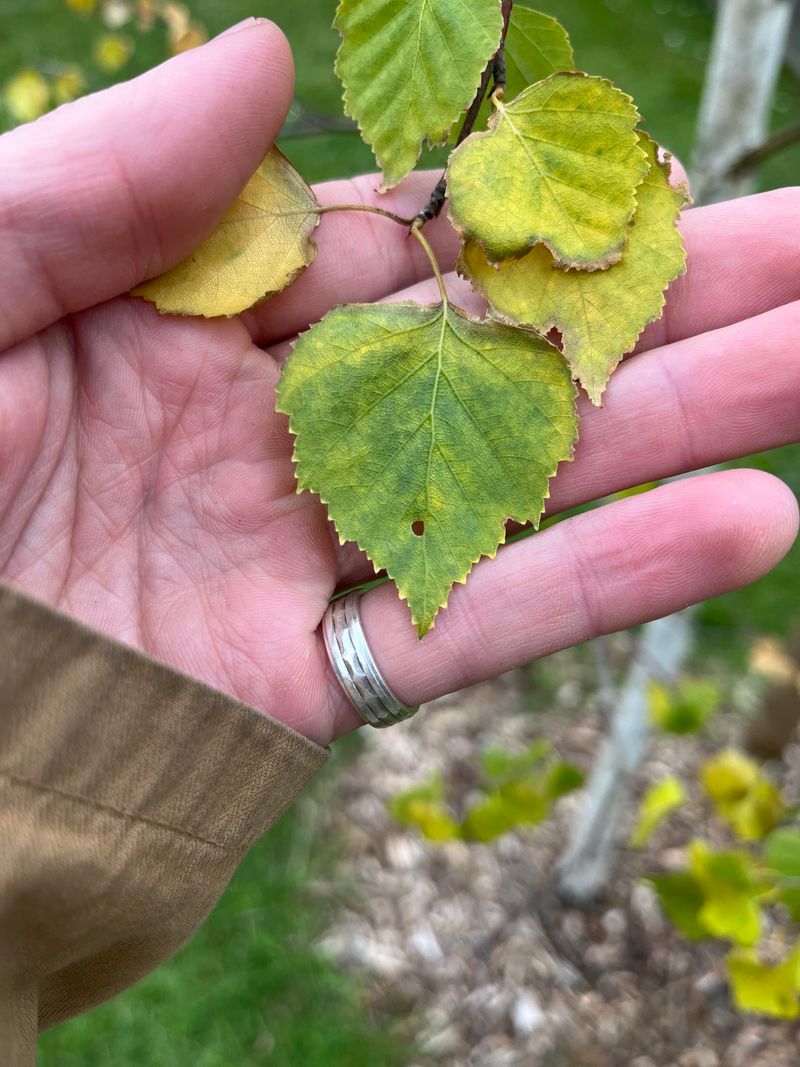
Think of a mature shade tree as a business with a tight budget. Water comes in through roots and leaves out through thousands of tiny pores.
When Illinois goes three or four weeks without meaningful rain, that budget breaks. The tree cannot refill fast enough to supply every leaf on every branch.
So it makes a cold business decision and closes some departments. Older, shaded, inner leaves get cut first because they produce the least food.
Those leaves snap off while still green, which is why the drop looks so strange. The tree skipped pulling the color-changing pigments out.
Your Illinois Garden Changes Every Week. Your Plan Should Too.
Gardening in Illinois changes quickly throughout the season. Every Friday you’ll receive a simple weekly plan showing exactly what to plant, prune, fertilize, harvest, and protect so you never miss the right timing.
Hot pavement makes it worse for parkway and driveway trees. Concrete reflects heat and blocks rain from reaching the root zone underneath.
Lawn watering rarely helps, since sprinklers wet only the top inch of soil. Tree roots run wide and sit mostly six to twenty-four inches below the surface.
A better approach is one long soak every week or two during dry spells. Let a hose trickle for an hour in several spots under the canopy.
Aim for the outer two-thirds of the branch spread, not the trunk. That is where the fine absorbing roots actually live and drink.
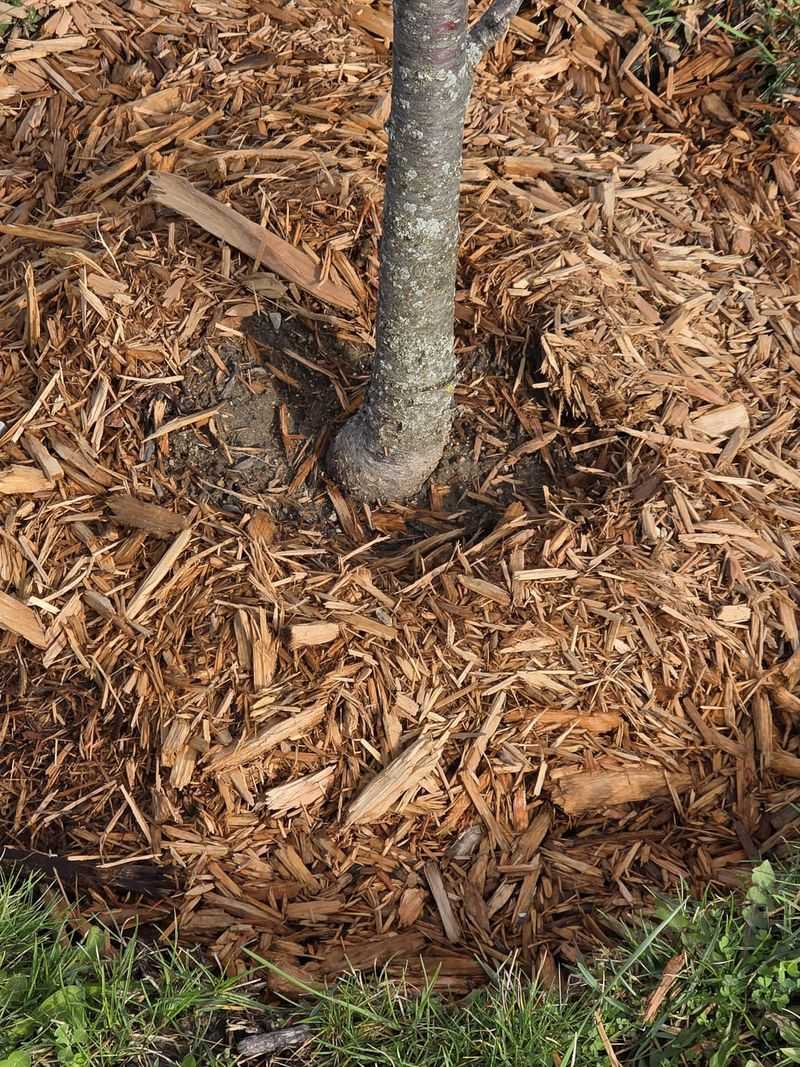
Mulch two to three inches deep holds that moisture in place. Keep it off the bark so you avoid rot and rodent damage.
Trees with a good water supply in September push stronger buds next spring. Skipping that care shows up as thin growth in May.
Anthracnose Blotches And The Wet Illinois Spring Behind Them
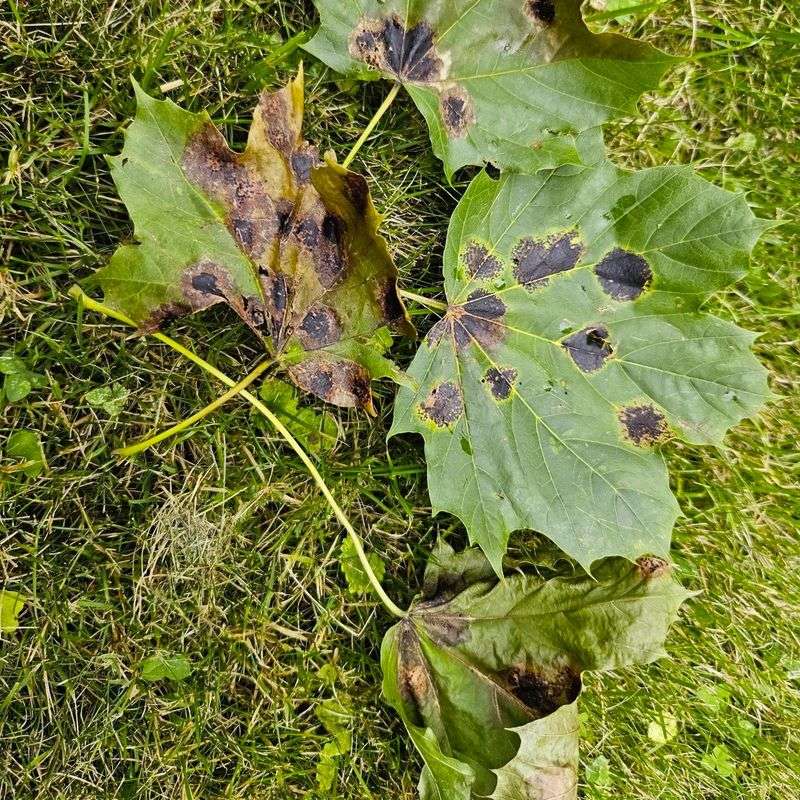
Anthracnose is the sneaky one, because the damage starts months before you notice anything. Spores splash onto new leaves during cool, rainy Illinois springs.
The fungus settles in along leaf veins and quietly expands all summer. By late August, those blotches connect and the leaf gives up.
Sycamore and American plane trees show it most dramatically in the Midwest. Ash, maple, oak, walnut, and dogwood also carry their own versions.
A classic sign is dark, angular browning that follows the veins like a road map. Leaf edges curl, and small twigs may show sunken cankers.
Drop often starts in the lower and inner canopy where air moves slowly. Humidity lingers there, giving the fungus a comfortable place to work.
Here is the reassuring part for worried homeowners. Anthracnose on a healthy, established tree is mostly cosmetic and passes with the season.
Fungicide sprays only help when applied at bud break in spring. Spraying in September accomplishes nothing except emptying your wallet.
Raking and removing fallen leaves does make a real difference. Spores overwinter in that litter and wait for next April rain.
Pruning out dead twigs improves airflow and reduces reinfection. Do heavy pruning in late winter when the wood is dormant and dry.
Repeated severe years can weaken sycamores and thin their crowns noticeably. That is when a certified arborist should take a proper look.
Timing Clues That Separate Thirst From Fungus
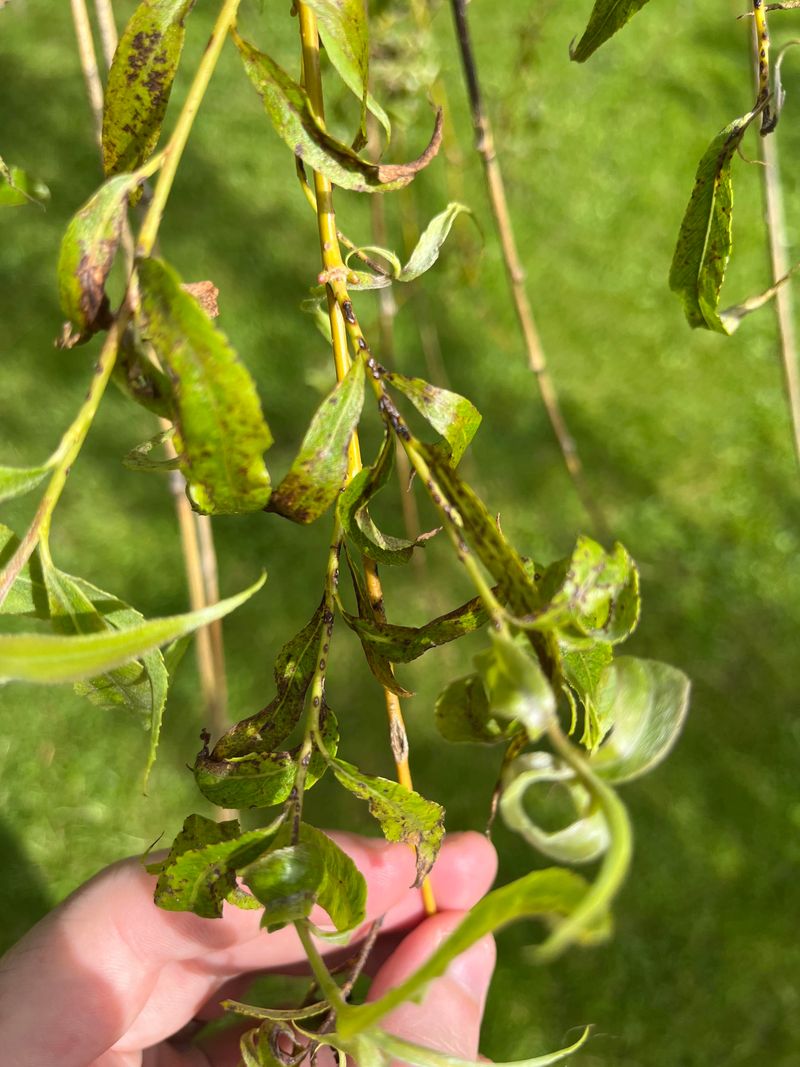
Detective work here is easier than people expect. Grab a handful of fallen leaves and read them like evidence.
Clean green leaves with intact edges and a crisp stem point toward water stress. The tree pruned itself on purpose and made a tidy cut.
Leaves with brown wedges, curled tips, or vein-following stains point toward anthracnose. The damage looks messy because a fungus made it.
Pattern across the canopy tells you more. Drought drop tends to happen suddenly and heavily after a hot, rainless stretch.
Anthracnose drop builds slowly from June onward and starts low in the tree. You may have been sweeping a few leaves all summer without noticing.
Neighborhood context helps too. If every sycamore on the block is shedding, suspect disease rather than your sprinkler habits.
If only trees near driveways and south-facing walls are thinning, heat and dryness are the likely culprits. Reflected sun bakes those root zones.
Check soil moisture with a long screwdriver pushed into the ground. Easy penetration means moist soil, while resistance means the root zone is dry.
Look at twig tips as well. Flexible twigs with plump buds mean the tree is still in good shape underneath.
Brittle twigs that snap cleanly suggest the stress runs deeper than leaves. That combination deserves a professional inspection before winter arrives.
Writing the date of first drop on your phone helps next year. Patterns repeat, and your notes become surprisingly useful evidence.
Common September Mistakes That Make Leaf Drop Worse
Good intentions cause a lot of tree trouble in September. The most common misstep is dumping fertilizer on a stressed tree.
Nitrogen tells the tree to build new leaves it cannot keep hydrated. You end up with tender growth heading straight into frost.
Aggressive pruning is mistake number two. Cutting live branches now removes food factories the tree still needs for root storage.
Wounds made in warm, humid weather also invite fungal spores inside. Save structural pruning for February and March when things are dormant.
Another frequent error is daily light watering. Short sprinkles keep the surface damp and encourage shallow, fragile roots.
Piling mulch against the trunk, sometimes called a mulch volcano, traps moisture on bark. Roots then circle upward and strangle the stem over years.
Spraying random fungicide in autumn wastes money on a problem already finished for the season. Protection has to happen at spring bud break.
Raking leaves and leaving them in a heap near the trunk is another slip. Move infected litter away or bag it for pickup.
Some people also compact the root zone by parking or storing equipment there. Squeezed soil holds less air and water than roots require.
Doing less, but doing it well, is the winning strategy. Deep water, proper mulch, clean cleanup, and patience cover most situations.
Trees operate on a slower clock than we do. Give them a season before deciding your efforts failed.
Recovery Odds And The Signs Worth Real Concern
Here is the encouraging part most homeowners want first. An established tree that sheds green leaves in September usually recovers fine.
By late summer the tree has already stored sugars in roots and trunk. Losing part of the canopy this late costs it relatively little.
Expect a normal spring leaf-out, though the canopy may look slightly thinner. Two or three seasons of decent rain typically restore full density.
Young trees planted within the last three years need more help. Their root systems are small, so give them weekly deep soaks through October.
Certain signals do deserve serious attention. Bark peeling in large plates, mushrooms at the base, or hollow-sounding trunks are structural warnings.
Branches with no buds, or whole limbs bare while others stay leafy, suggest internal problems. Vertical cracks and leaning trunks belong in the same category.
Sudden wilting across an entire oak canopy is a different story entirely. Oak wilt moves fast and needs quick professional diagnosis.
A certified arborist can test soil, check root flare, and assess risk properly. Many Illinois extension offices also offer sample identification services.
For everyday green drop, your job is simple maintenance. Water deeply, mulch correctly, clean up litter, and skip the drastic interventions.
Come mid-October, the remaining leaves should finally turn the colors you expected. The early green pile will just be a strange memory.
Neighbors will ask what you did differently next spring. Smile and credit the garden hose.