Texas Wildlife Encounters That Are More Common In September
September shifts the wildlife calendar in Texas in ways that most homeowners notice without fully understanding.
Animals that were relatively easy to ignore through summer suddenly become more visible and active. In some cases, they’re more likely to turn up in your yard, on your porch, or somewhere you weren’t expecting.
Encounters that were occasional through July and August start happening with a frequency that catches people off guard.
It’s not coincidence. September triggers real behavioral changes across a wide range of Texas wildlife, driven by the changing season, shifting food availability, and the biological pressures that fall sets in motion for animals preparing for what’s ahead.
Knowing which encounters are coming and why makes each one more interesting and easier to respond to correctly.
1. Monarch Butterflies Passing Through Texas
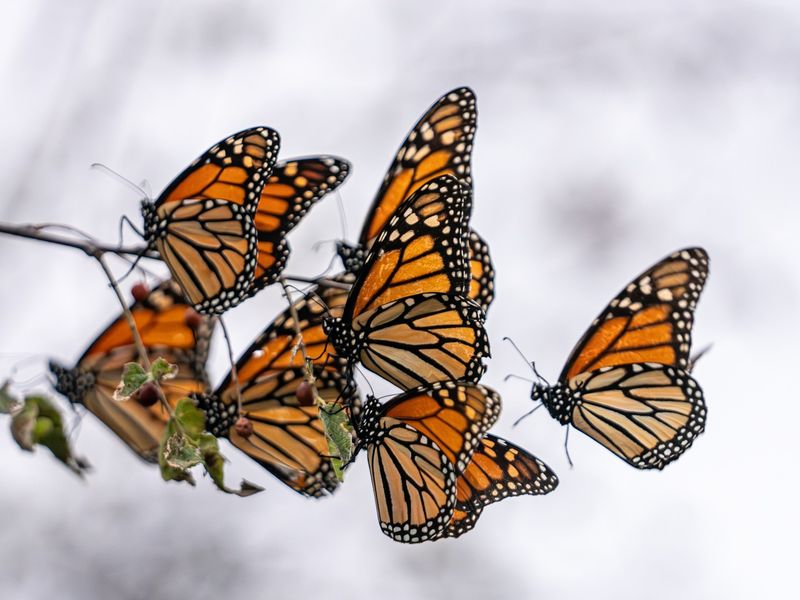
Picture thousands of orange wings drifting across the sky, and you have the magic of September monarchs.
These famous butterflies travel through the state on their long journey toward warmer wintering grounds in Mexico. Texas sits right in the middle of their flight path, so early fall is prime time for sightings.
You might see them floating over fields, resting on flowers, or gathering near patches of blooming plants. Their timing lines up perfectly with cooler weather and blooming wildflowers.
Monarchs need nectar to fuel their trip, so they stop often to feed. Planting native flowers like milkweed, lantana, or salvia can turn your yard into a welcome rest stop. Milkweed is especially helpful because it feeds their caterpillars too.
Here is a neat fact. A single monarch can travel over a thousand miles, and it takes several generations to complete the full round trip each year. The ones passing through in September are on an amazing solo mission south.
To enjoy them, avoid using pesticides in your garden during migration season. Chemicals can harm these delicate travelers and the plants they depend on. A chemical-free yard becomes a safe haven.
Watching monarchs is a peaceful way to connect with nature. Set up a chair near your flowers in the late morning when they are most active. Bring a camera because their bright colors make stunning photos.
If you spot a large cluster, take a moment to appreciate the sight. These living waves of orange remind us how connected wildlife and gardens really are across Texas.
2. White-Tailed Deer Moving Through Yards
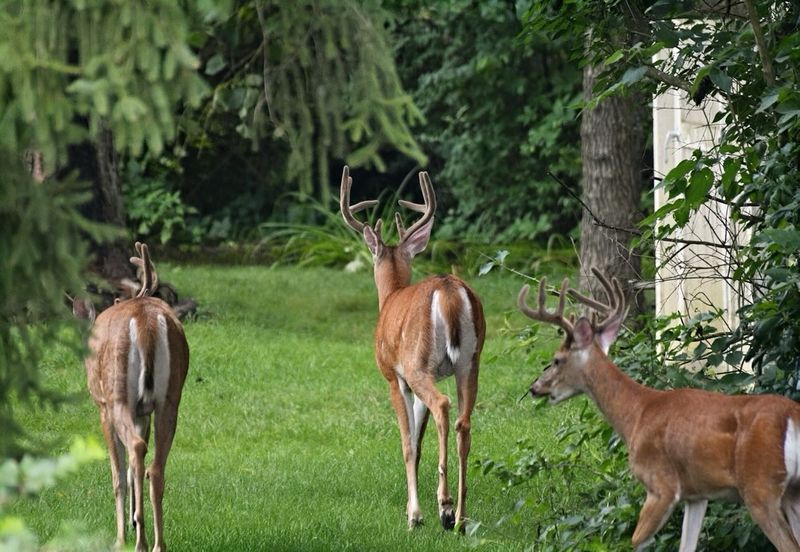
Nothing quite catches your eye like a deer standing still in your yard at dawn. In September, white-tailed deer become more active as they search for food and start their seasonal movements across Texas.
Cooler mornings and shifting food supplies push them to roam wider. They often wander into neighborhoods, gardens, and open lots looking for tasty plants and acorns. Suburbs near wooded areas see them most often.
These graceful animals love munching on flowers, shrubs, and fresh green leaves. If you have a garden, you might notice nibbled plants or hoof prints in soft soil. Roses and hostas are favorite snacks.
To protect your plants, try fencing or deer-resistant plants like marigolds and rosemary. Motion-activated sprinklers can gently scare them off without any harm. A little planning saves your flower beds.
Your Texas Garden Changes Every Week. Your Plan Should Too.
Gardening in Texas changes quickly throughout the season. Every Friday you’ll receive a simple weekly plan showing exactly what to plant, prune, fertilize, harvest, and protect so you never miss the right timing.
September also marks the start of the breeding season buildup, which makes bucks more restless and mobile.
That is one reason you may see more of them crossing roads. Drive carefully at dawn and dusk when they move most.
Watching deer can be a wonderful treat if you keep a respectful distance. Never try to feed them by hand, since that makes them lose their natural caution. Wild deer are healthiest when they stay wild.
Keep pets indoors or leashed during peak deer hours to avoid startling them. A calm, quiet approach lets you enjoy the sighting longer.
These quiet visitors remind us that wild Texas is never far away. With a few smart habits, you can share your space and still keep your garden looking great all season.
3. Armadillos Searching Lawns After Dark
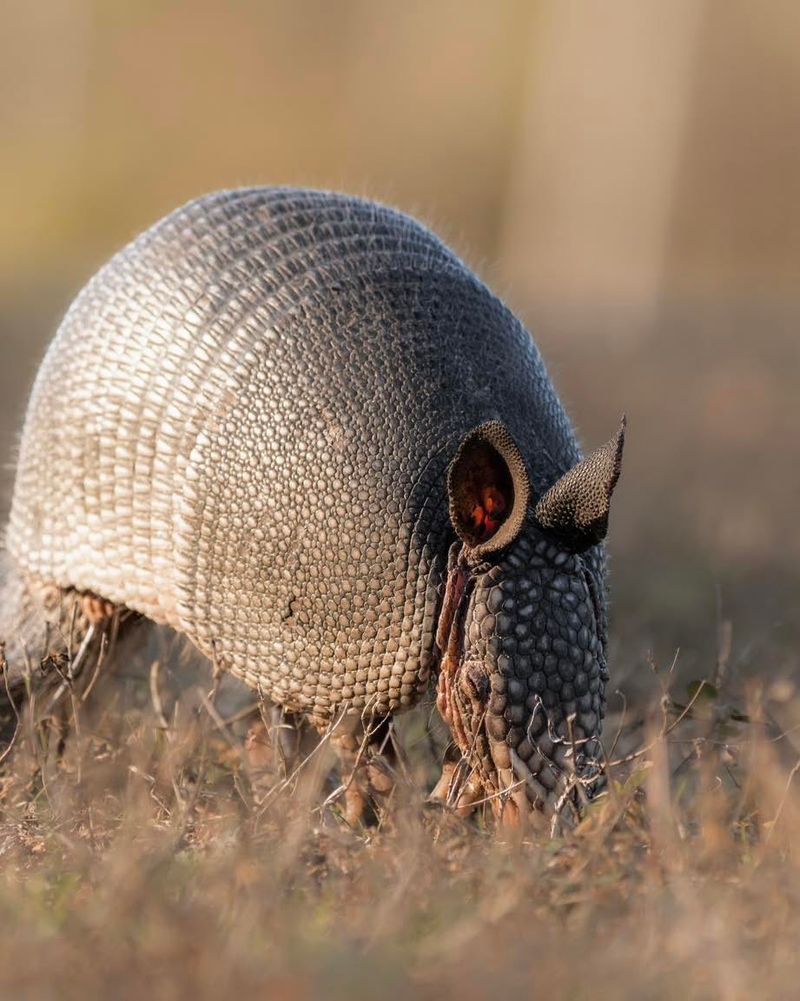
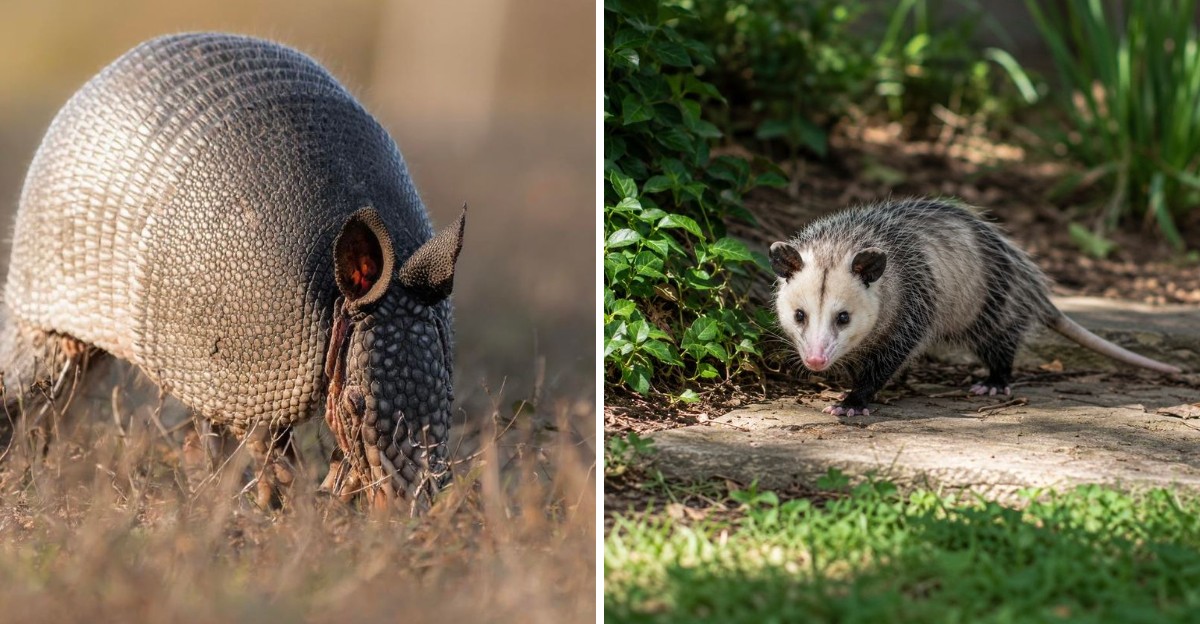
If you hear rustling and see small holes in your lawn overnight, an armadillo may have paid a visit. These armored diggers get busier in September when cooler nights make hunting for food more comfortable.
Armadillos love insects, grubs, and worms hidden just below the surface. They use their strong claws to dig little cone-shaped holes as they snack. Those holes are the telltale sign one stopped by.
Texas is home to the nine-banded armadillo, the state’s official small mammal. It has a tough, bony shell that protects it like natural armor. Despite the armor, it is surprisingly shy.
Because they hunt at night, you rarely see them during the day. Warm summer days keep them underground, but crisp fall evenings bring them out to forage. Porch lights sometimes reveal them digging away.
To keep your yard tidy, you can reduce grubs with natural lawn care and good drainage. Fewer insects mean fewer reasons for armadillos to dig there. Keeping mulch piles neat also helps.
These critters are mostly harmless and actually help control garden pests. Still, their digging can leave your grass looking bumpy. A quick morning check lets you smooth things out.
Here is a fun tidbit. When startled, an armadillo can jump straight up into the air, which is a surprising trick for such a low, round animal.
Give them room and they will move along on their own. Avoid handling wild armadillos, and simply enjoy knowing one of Texas’s quirkiest animals is exploring your yard under the stars.
4. Raccoons Visiting Backyards At Night
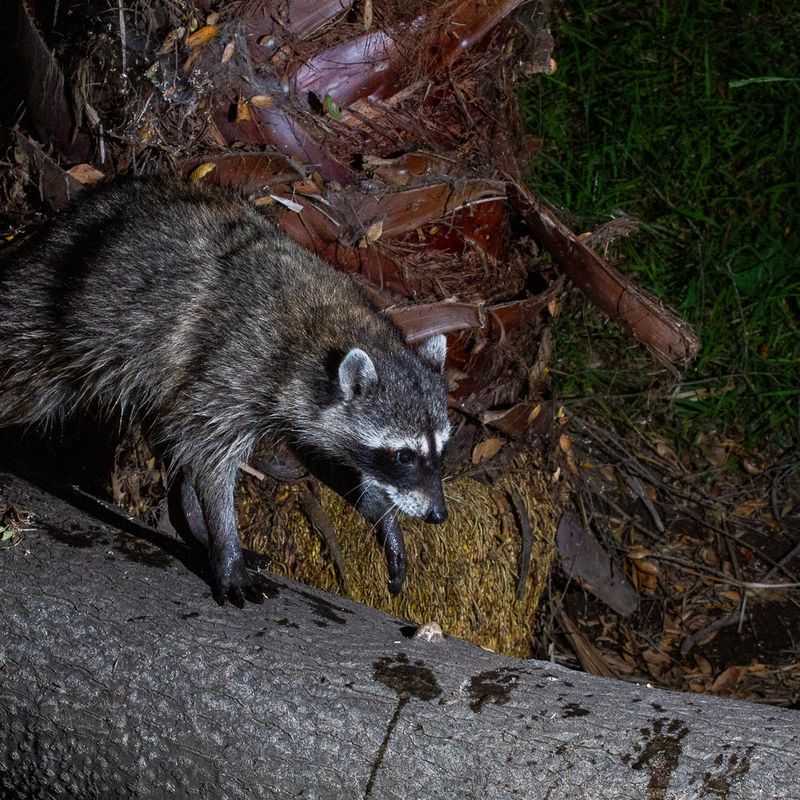
Those little bandit masks give raccoons away every time. In September, these clever nighttime visitors show up more often as they hunt for seasonal treats around backyards.
Fall means ripening fruit, garden produce, and plenty of insects, and raccoons happily sample all of it.
They also love easy meals like pet food or unsecured trash. A tipped-over can is a classic raccoon calling card.
Their paws work almost like hands, letting them open lids, latches, and containers. This makes them one of the smartest critters you might meet. They can even remember how to solve tricky puzzles.
To keep them from turning your yard into a buffet, secure trash lids tightly. Bring pet bowls inside at night and pick ripe garden veggies quickly. Motion lights can politely encourage them to move on.
Raccoons usually avoid people, but they can get bold if food is easy to reach. Never try to touch or feed one, since wild raccoons should keep their distance from humans. Watching from a window is the safest way.
If a raccoon keeps returning, remove whatever is attracting it. Once the free snacks disappear, they typically wander off to look elsewhere. Consistency is the trick.
Here is something neat. Raccoons often dunk their food in water before eating, a behavior that looks almost like washing.
These masked explorers are curious and adaptable, which is exactly why they thrive near people.
With a few simple habits, you can appreciate their cleverness while keeping your yard peaceful and your garbage right where it belongs.
5. Opossums Appearing Near Homes
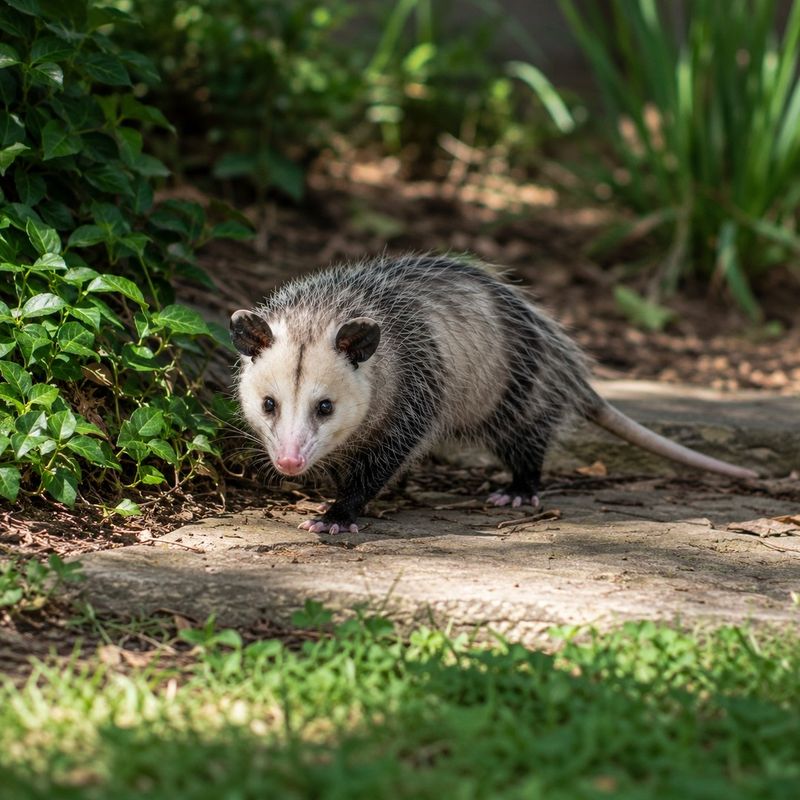
Meet the opossum, the shy, slow-moving neighbor you might not notice until fall. As temperatures shift in September, these gray-furred creatures wander closer to homes while searching for food and cozy shelter.
Opossums are North America’s only marsupial, meaning the mothers carry their babies in a pouch. That single fact makes them one of the most unusual animals in Texas. They are far more helpful than most people realize.
They feast on ticks, insects, slugs, and even fallen fruit, which makes them natural pest controllers.
Having one nearby can actually reduce the bugs in your yard. A single opossum can eat thousands of ticks in a season.
You might spot them under porches, in sheds, or near garden edges at night. They rarely cause trouble and usually keep to themselves. Loud noises or bright lights send them shuffling away.
If you want to discourage visits, seal gaps under decks and store pet food indoors. Keeping fallen fruit picked up also removes a tasty temptation. Simple tidiness works wonders.
Opossums are famous for playing possum, which means they freeze or flop over when scared. It is a clever trick that helps them avoid predators. The act can last several minutes before they recover.
These gentle wanderers are not aggressive and prefer to retreat rather than confront anyone. Give them space and they will move along quietly.
Next time you see one waddling across your yard, remember it is quietly cleaning up pests. This misunderstood marsupial is honestly one of the friendliest helpers you can have hanging around your Texas home.
6. Yellow Jackets Becoming More Active
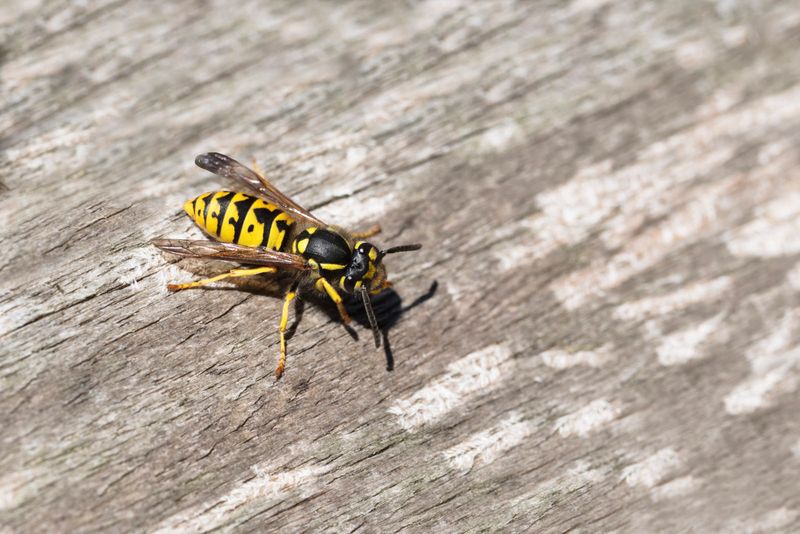
Buzzing around your picnic table, yellow jackets seem to appear out of nowhere in early fall. Late summer and September mark their busiest time as colonies grow large and workers hunt everywhere for food.
These striped insects crave sweet things and protein, so sodas, fruit, and grilled meats attract them fast. That is why outdoor meals suddenly feel crowded this time of year. Their numbers peak right around September.
Yellow jackets build nests in the ground, in wall gaps, or under eaves. They can become defensive if you get too close to their home. Unlike bees, a single yellow jacket can sting more than once.
To lower your chances of a run-in, keep food and drinks covered outdoors. Rinse recycling and take out trash often, since leftovers draw them in. Sealed containers make a big difference.
If you spot a nest, avoid disturbing it and give the area plenty of room. For nests near doorways or high-traffic spots, calling a professional is the safest choice. Do not try to knock one down yourself.
When one flies near you, stay calm and move slowly away rather than swatting. Fast movements can make them feel threatened. A steady, quiet retreat usually works best.
Despite their reputation, yellow jackets do help by eating pest insects like caterpillars and flies. They play a real role in keeping bug populations balanced. That does not mean you want them at your table, though.
With a little awareness, you can enjoy fall cookouts while keeping these feisty visitors at a comfortable distance all season long.
7. Hummingbirds Gathering Around Feeders
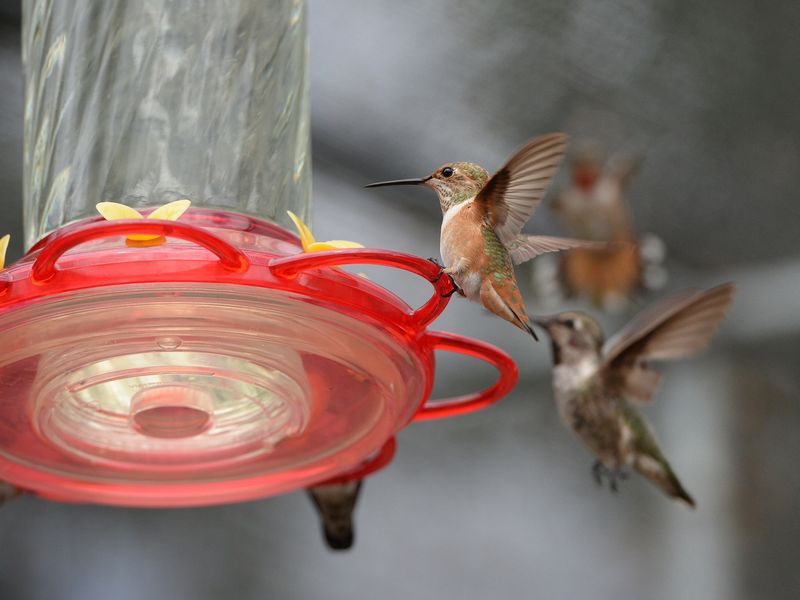
Blink and you might miss them, but hummingbirds put on a dazzling show every September. These tiny fliers gather around feeders as they fuel up for their long migration south.
Texas sits along a major hummingbird highway, so early fall brings a rush of activity. Ruby-throated hummingbirds especially pass through in big numbers. Your feeder can become a busy pit stop.
To attract them, hang a feeder filled with simple sugar water, using four parts water to one part sugar.
Skip the red dye, since the feeder’s color already draws their attention. Clean, fresh nectar keeps them coming back.
These birds eat almost constantly because their hearts beat hundreds of times each minute. They need loads of energy for their incredible journey. Some travel thousands of miles before winter.
Change the nectar every few days, especially in warm weather, to keep it fresh and safe. Dirty feeders can harm these delicate visitors. A quick rinse makes a big difference.
Planting bright, tube-shaped flowers like salvia and trumpet vine gives them natural food too. A mix of feeders and flowers makes your yard extra inviting. They will happily zip between both.
Here is an amazing fact. A hummingbird can flap its wings around fifty times per second, which is why it makes that soft humming sound.
Set up a chair nearby and watch them dart, hover, and chase each other around the feeder. Their speed and shimmer make for unforgettable moments.
Enjoy this fleeting season, because once they head south, you will be counting down the days until they return next spring.