A Nashville Botanical Garden Is Covered In A Hundred Thousand Pumpkins This Fall
Picture a garden turning strange colors overnight, right under your boots. Tennessee doesn’t do subtle when autumn arrives. Wheelbarrows roll before sunrise, hauling shapes nobody expects.
Staff move fast, stacking rounded forms where flowers once ruled. Cider steam curls through cool air, mixing with hay dust. Counts here climb past anything reasonable, and fast.
Visitors who remember roses barely recognize these paths now. Sculptures rise from produce, not stone or marble. Arches glow after dark, pulling you deeper inside.
Trails wind past a mansion holding decades of Tennessee history. Corners hide surprises you won’t expect to find. Color spreads fast, then faster, refusing to slow down.
Crowds gather here for reasons far beyond casual curiosity alone. Locals return yearly, chasing more than nostalgia.
Photographers chase light before shadows swallow the scene. Little here ever feels ordinary, staged, or predictable. What waits past the gates will not let you look away.
Cheekwood Harvest Turns A 1930s Estate Into Pumpkin Country
Picture a limestone mansion built in the 1930s by the Cheek family, the folks whose fortune grew from a coffee brand Nashville still brags about. For most of the year, it looks like a postcard from a quieter era.
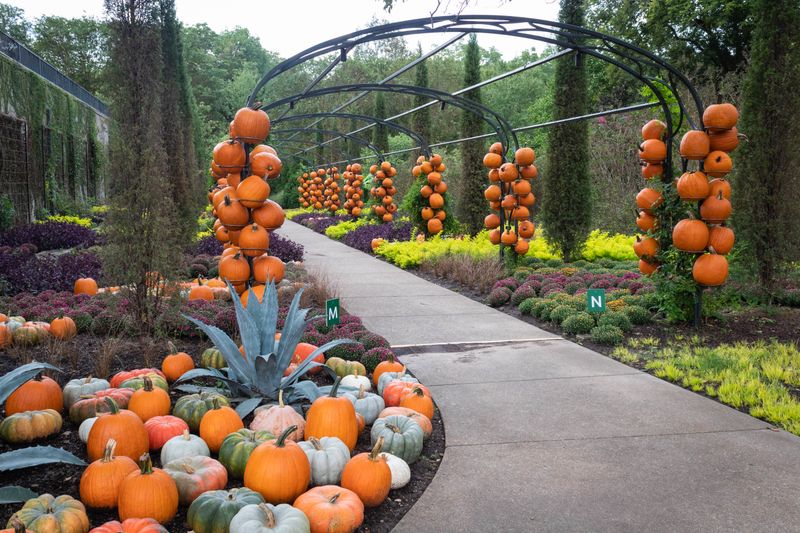
Then September arrives, and the grounds transform. Cheekwood Harvest spreads across the 55-acre botanical garden and art museum, layering more than 100,000 pumpkins, gourds, and squash across terraces, lawns, and garden beds.
The scale is hard to picture until you stand in it. Pumpkins line stone staircases, pile against fountains, and sit tucked between ornamental grasses that have gone gold for the season.
What makes the setting special is the contrast. Formal European-style gardens designed nearly a century ago suddenly wear a farm-stand costume, and the contrast works surprisingly well.
Plan for a two-hour stroll at minimum. The property sits on rolling hills in Belle Meade, about twenty minutes from downtown Nashville, and the walking paths climb and dip more than first-timers expect.
Comfortable shoes matter here. So does timing, because weekday mornings feel peaceful while weekend afternoons buzz with strollers, school groups, and photographers chasing golden light.
Tickets are timed, which keeps crowds manageable. Members get early access, and buying online ahead of your visit saves you standing in the entrance line.
Fun detail worth knowing: the estate opened to the public in 1960, and seasonal displays like this one help fund the horticulture staff who keep those historic gardens healthy year-round.
Pumpkin Village And Its Towering Orange Houses
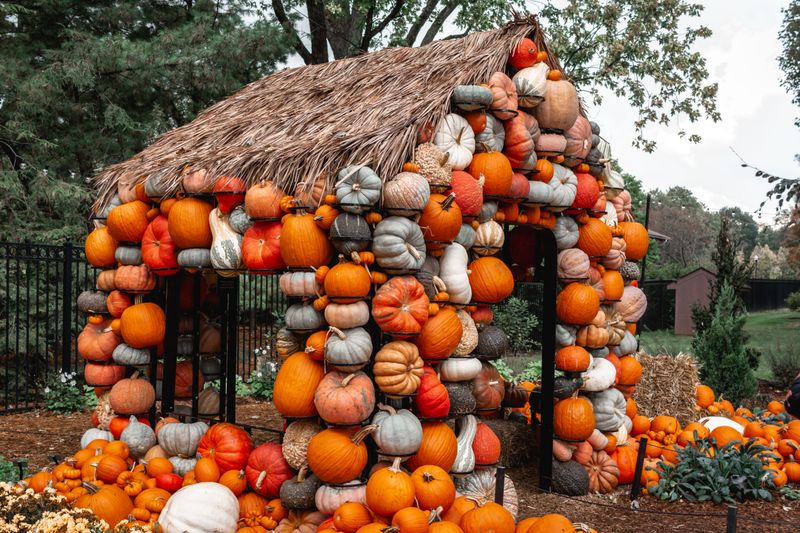
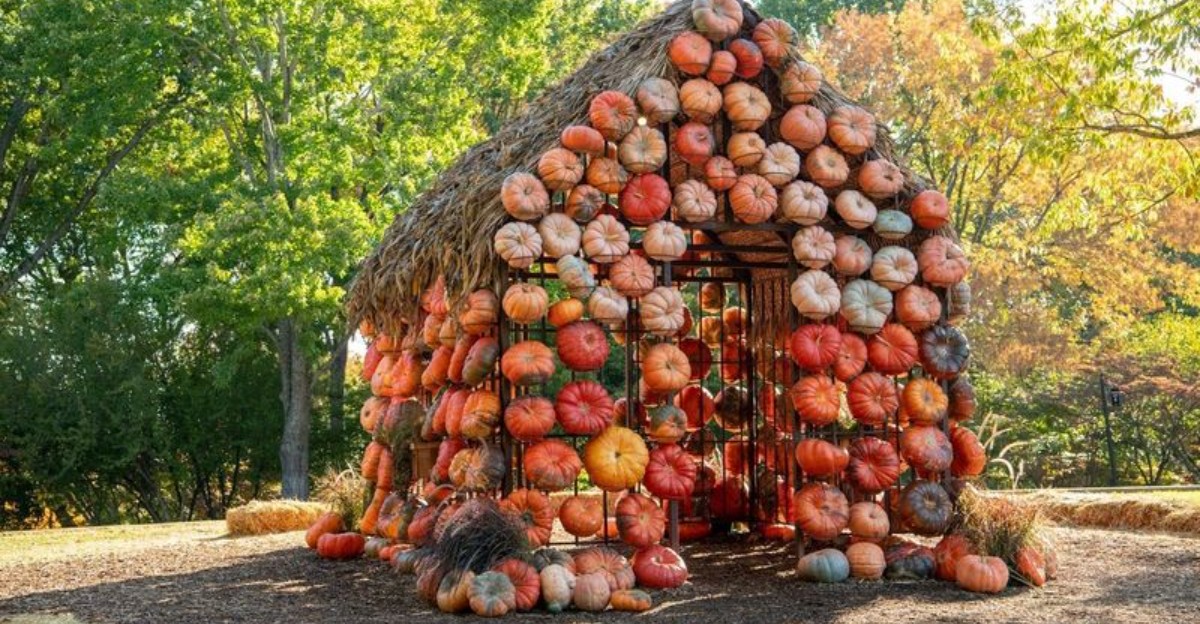
Kids spot it first and take off running. The Pumpkin Village is the centerpiece everyone photographs, a cluster of oversized playhouses and arches wrapped entirely in real pumpkins and gourds.
Building it is no small job. Horticulture crews and volunteers spend days stacking, wiring, and securing thousands of individual pumpkins onto wooden frames, choosing sizes and colors the way a painter picks from a palette.
The varieties go far beyond standard orange. Look for pale Lumina, warty Knucklehead, blue-green Jarrahdale, and squat Cinderella types that look borrowed from a fairy tale.
Your Tennessee Garden Changes Every Week. Your Plan Should Too.
Gardening in Tennessee changes quickly throughout the season. Every Friday you’ll receive a simple weekly plan showing exactly what to plant, prune, fertilize, harvest, and protect so you never miss the right timing.
Inside the structures, light filters through gaps between the stems. Little ones love ducking through doorways while grown-ups hover outside with phones ready.
A practical tip for photos: arrive within the first hour after opening. The village faces open lawn, and early light hits the pumpkins from the side, which brings out texture instead of flattening everything.
Bring a picnic blanket if the weather cooperates. Nearby lawn space gives families a spot to rest while children burn off energy between garden sections.
Staff refresh the display throughout the run. Any pumpkin that softens gets swapped out, which is part of why the village still looks crisp in late October.
Curious tidbit: many of the pumpkins come from regional farms, and after the festival wraps, a good portion heads to compost or animal feed rather than the landfill.
That behind-the-scenes effort rarely makes the photos, but it is one reason the whole production holds together.
Scarecrow Row Where Local Creativity Gets Weird
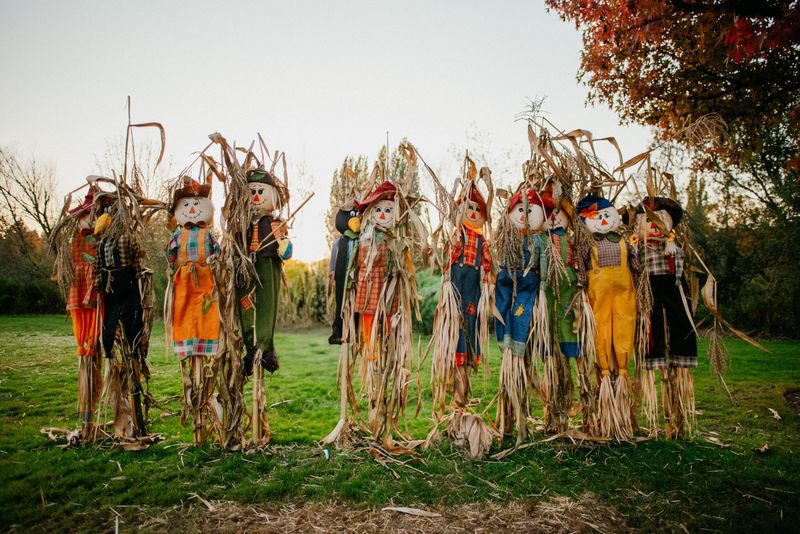
Some are charming. Some are gloriously strange. Scarecrow displays at Cheekwood Harvest come from local schools, businesses, scout troops, and garden clubs, and the range of imagination on show is half the entertainment.
One year you might pass a scarecrow dressed as a country music legend. A few steps later, a bug-themed creation covered in felt wings and pipe cleaners.
Walking the row feels like browsing a neighborhood art fair. Each entry has a small sign naming its makers, which turns the stroll into a quiet celebration of Nashville groups you might not otherwise encounter.
Children tend to have opinions. Handing them the job of picking a favorite keeps small legs moving down the path without complaint.
Photographers should watch the backgrounds. Positioning yourself so mums, ornamental cabbage, or the garden wall sits behind a scarecrow makes a far better shot than a flat frame.
The scarecrows stand through wind and rain, so their outfits weather a bit as the weeks pass. Visiting early in the run means seeing them at their sharpest.
Plan your route thoughtfully. The scarecrow area connects to other garden sections, and doubling back wastes energy on hilly terrain.
Here is a bit of background: scarecrow-making has deep roots across many farming cultures, historically used to protect grain fields from birds.
At a botanical garden in the middle of Tennessee, they have traded their old job for a friendlier one, greeting visitors and making strangers laugh out loud on a Saturday morning.
Chrysanthemums, Grasses, And The Quiet Side Of Fall Color
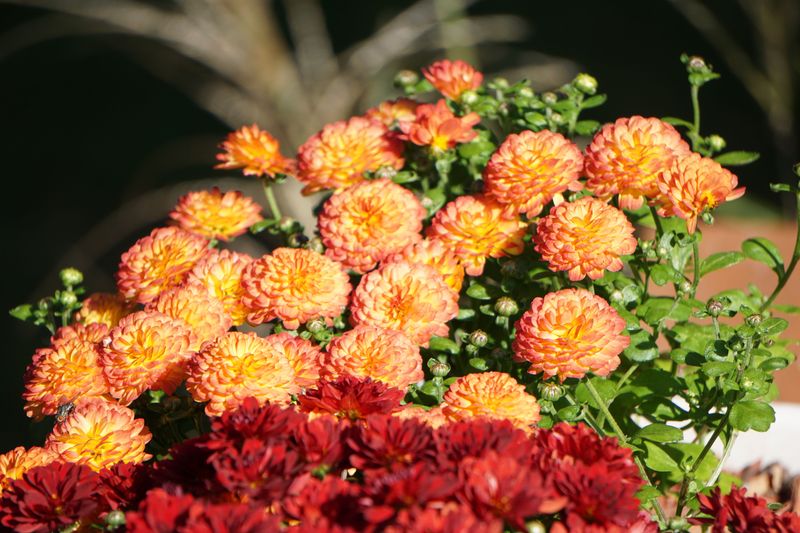
Strip away the pumpkins and there is still a serious botanical garden underneath, doing what it does best. Autumn planting at Cheekwood leans into thousands of chrysanthemums in rust, gold, burgundy, and butter yellow.
Ornamental grasses take center stage too. Miscanthus and muhly grass catch afternoon sun and turn feathery pink or silver, which is worth seeking out around four in the afternoon.
Gardeners visiting for ideas should carry a notebook. The bed combinations here are designed by professionals, and copying a color pairing you love is completely fair game at home.
September in Middle Tennessee is a fine time to plant mums yourself. Pick plants with tight buds rather than fully open blooms so the color lasts longer in your own yard.
Water matters more than people realize. Container mums drink heavily in warm weeks, and checking soil moisture daily makes the difference between a plant that thrives and one that sulks.
The Japanese garden and the woodland trails offer a slower pace. Fewer crowds gather there, and the maples begin shifting color as October approaches.
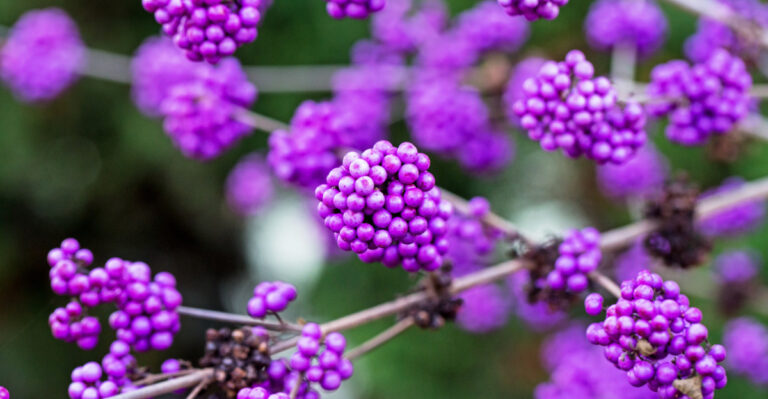
Seasonal berries add another layer. Beautyberry shrubs put out clusters of vivid purple fruit that catch first-time visitors’ attention.
The original gardens were laid out in the late 1920s and early 1930s by landscape architect Bryant Fleming, who shaped the terraces, walls, and sightlines you still walk through today. The pumpkins are temporary guests. The bones of the place are nearly a century old.
Cider, Kettle Corn, And The Food Worth Budgeting For
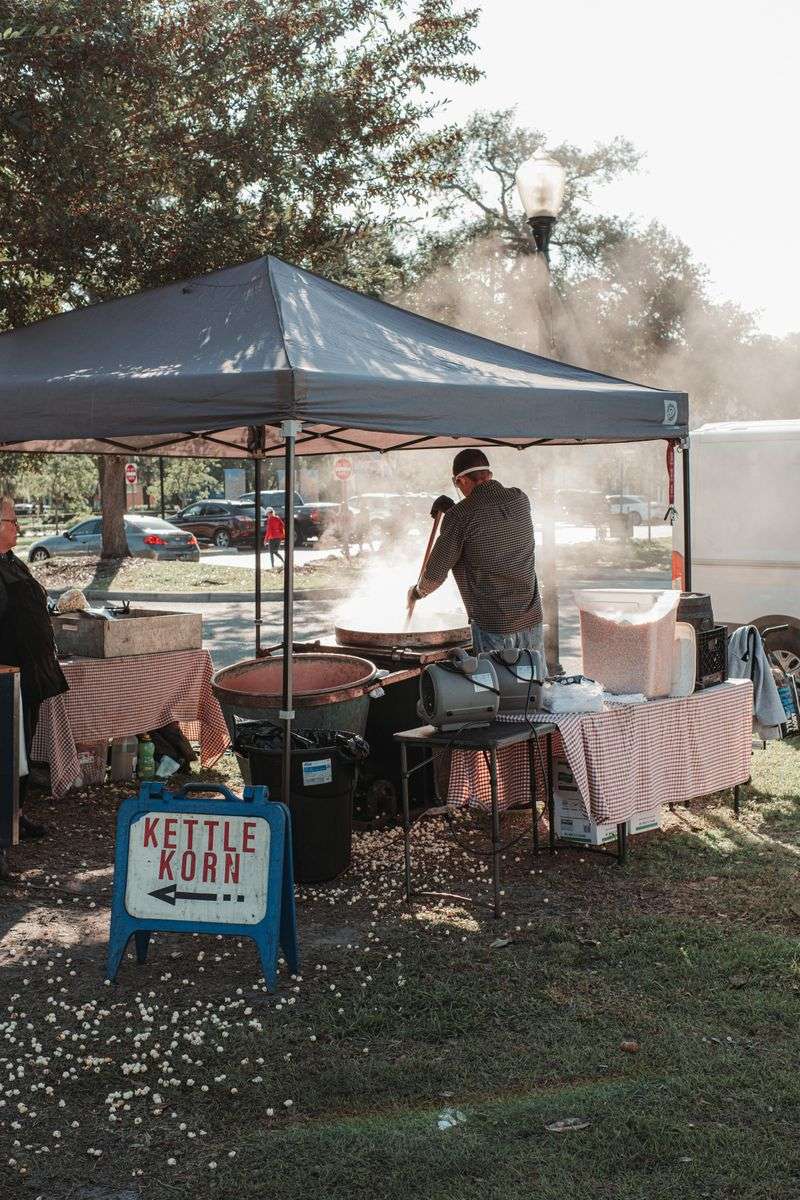
Hunger sneaks up on you around the second hill. Cheekwood Harvest leans into seasonal food, with apple cider, kettle corn, caramel apples, and warm baked goods appearing at stands scattered through the grounds.
The Cafe inside the property handles bigger appetites. Sandwiches, soups, and salads rotate with the season, and the indoor seating gives tired feet a break.
Weekend lines get long around noon. Eating at eleven or after two saves you a solid chunk of waiting time.
Outside food policies vary by event, so checking the website before packing a cooler is smart. Water bottles are generally welcome, and staying hydrated matters more than people expect on a warm September afternoon.
Cash is rarely needed anymore. Card and mobile payments work at most stands, though having a backup option never hurts.
Families on a budget can plan around one treat each. Splitting a bag of kettle corn four ways stretches further than buying individual snacks at every stop.
Picnic tables and shaded lawn spots let you slow down. Some of the best moments happen sitting still, watching leaves drift while children compare their pumpkin discoveries.
Adults may find evening events with beer, wine, or cocktails on select dates. Those tickets sell out faster than daytime admission, so booking ahead is the move.
One last thought on timing: cider tastes noticeably better when the temperature finally drops, and late September into October usually delivers that first genuinely crisp Nashville morning everyone waits for.
Planning Your Visit Without The Headaches
A little planning turns a good outing into a smooth one. Cheekwood Harvest typically runs from mid-September through the start of November, with timed-entry tickets released online well in advance.
Weekends fill quickly. Families with flexible schedules should aim for Tuesday through Thursday, when the paths feel roomy and photo spots open up.
Parking sits on-site, though the lot reaches capacity on peak Saturdays. Arriving within thirty minutes of opening usually solves that problem.
Strollers roll fine on the main paved routes. Some woodland trails involve gravel, roots, and slopes, so a carrier works better for infants if you want the full loop.
Dress in layers. September in Nashville can start at sixty degrees and climb into the eighties by afternoon, and shade comes and goes depending on where you wander.
Membership can pay off quickly for frequent visitors, since annual passes often cost less than a few separate seasonal visits, and membership also covers spring tulips and the winter light display.
Accessibility information is posted online, including routes with gentler grades and details about wheelchairs available at the entrance. Calling ahead with specific questions gets faster answers than email.
Photographers should know that tripods and professional shoots have their own rules. A quick check of the policy page avoids an awkward conversation with staff.
Give yourself three hours if you want the museum galleries too. The art collection inside the mansion includes American and contemporary work, and it makes a lovely cool-down after all those hills and all that orange.