What To Do If You Spot A Venomous Saddleback Caterpillar In Your Florida Yard
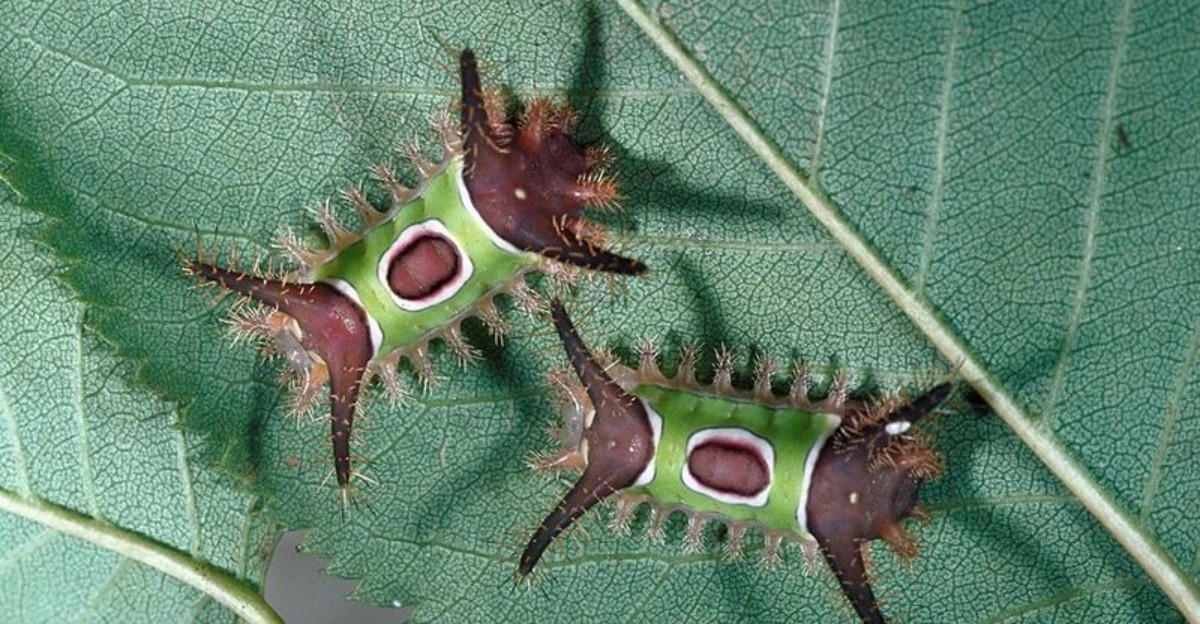
That bright green blob on your porch rail looks like something out of a candy shop, and touching it could land you in the ER within minutes.
The saddleback caterpillar carries venomous spines packed along its back, and one brush against bare skin delivers a sting that rivals a wasp attack, sometimes worse.
Florida yards serve as prime real estate for this creature, especially near hibiscus, palms, and citrus trees where it likes to hide among the leaves.
Spot one and resist every urge to flick it away with your fingers. Grab a stick, a pair of tongs, or a gloved hand instead, and relocate it far from foot traffic.
Kids and pets face the highest risk since curiosity gets the better of them fast.
A sting demands soap, water, and a cold compress right away, plus a call to poison control for anything beyond mild discomfort. Know the warning signs, because this backyard visitor packs a punch nobody expects.
1. Spot The Saddleback Caterpillar Before Your Hands Find Its Spines
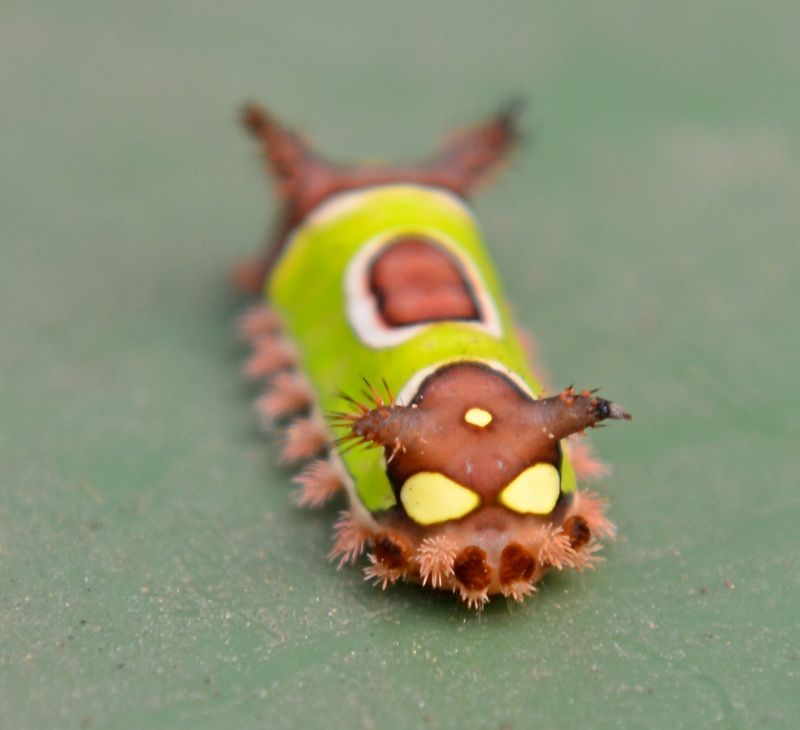
Gardeners usually meet this creature the hard way, with a yelp and a jerked hand. A little advance knowledge saves you that whole experience.
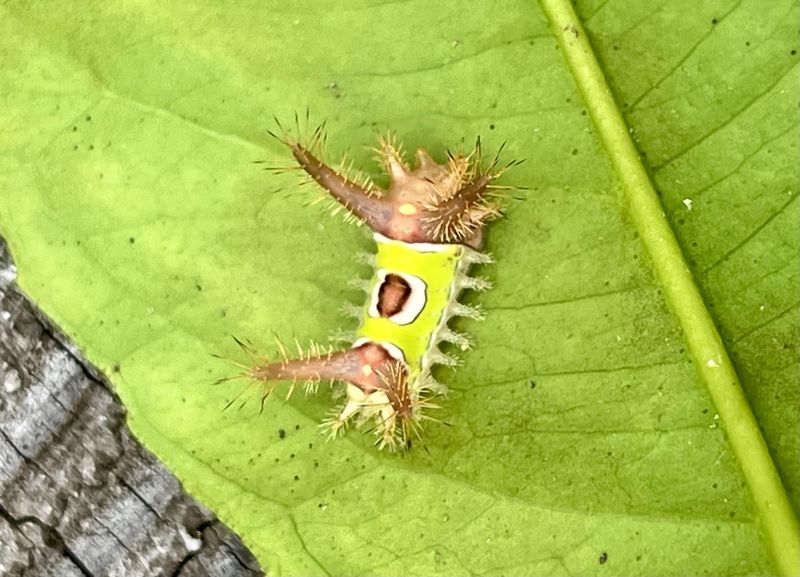
Acharia stimulea is small, roughly three-quarters of an inch to an inch long when fully grown. It looks less like a typical caterpillar and more like a slug wearing a tiny circus costume.
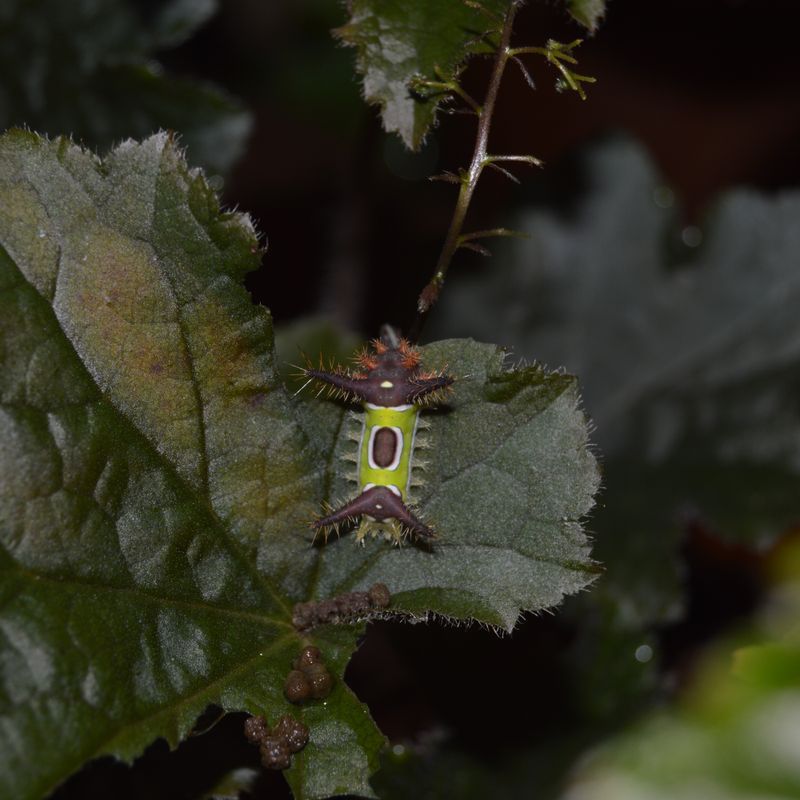
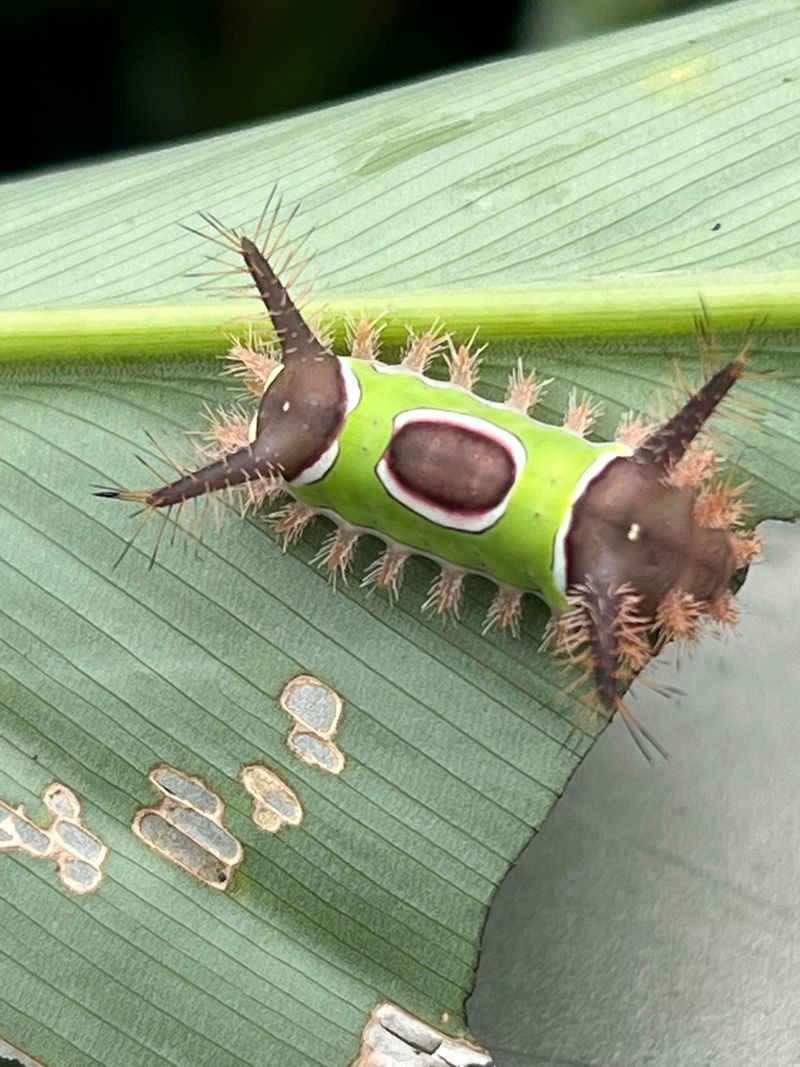
The body is vivid green at the middle, with brown or reddish-brown patches at the head and tail. Right in the center of the back sits a brown or purplish oval, often ringed in white, which gardeners describe as a saddle sitting on a green blanket.
Fleshy horns bristling with spines stick out from both ends, and smaller spiny knobs line the sides. When it moves, it glides smoothly instead of humping along like an inchworm.
Take a slow look at plants before you start pruning or pulling weeds. A quick scan of leaf undersides costs you ten seconds and spares you days of itching.
Fun fact: the adult moth is a plain, fuzzy brown thing that most people would walk right past. The showy stage happens entirely in childhood, which makes the caterpillar the family celebrity.
Learning the shape and colors now means your eyes will catch it later, almost automatically.
2. That Bright Green Caterpillar Is Not One To Pick Up
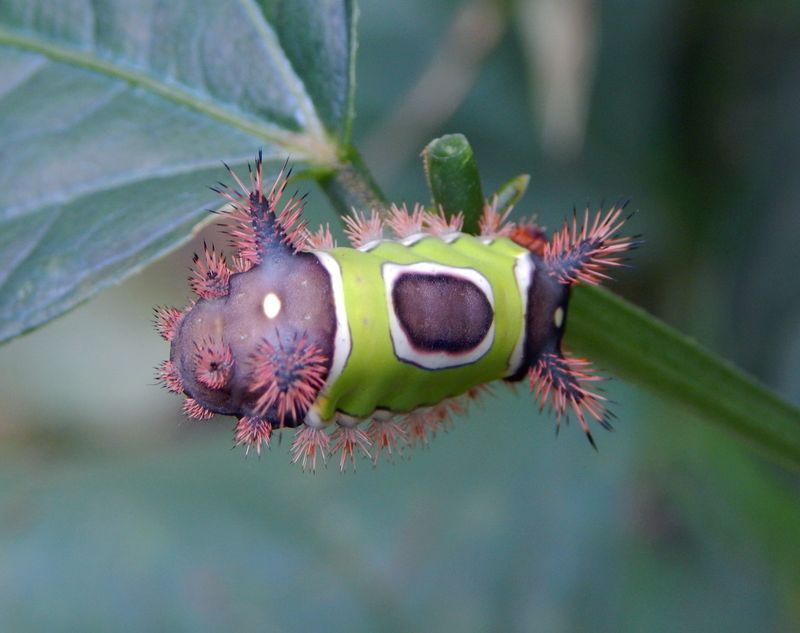
Curiosity is the number one reason people get stung by this insect. It looks like a piece of painted candy, and hands reach out before brains catch up.
Those spines are hollow and connected to poison glands beneath the skin. They snap off easily on contact, embedding in your fingers and releasing an irritating venom.
People who have been stung often describe an intense burning sensation that can be surprisingly painful for such a small insect. The ache can travel up the arm and settle into nearby lymph nodes, which surprises folks expecting a minor scratch.
Nudging one with a bare finger to see what happens is a genuinely bad plan. Even brushing the side knobs is enough to load your skin with broken spine tips.
Your Florida Garden Changes Every Week. Your Plan Should Too.
Gardening in Florida changes quickly throughout the season. Every Friday you’ll receive a simple weekly plan showing exactly what to plant, prune, fertilize, harvest, and protect so you never miss the right timing.
Should you need to move one, use a stick, tongs, or thick leather gloves. Flick it gently into a container or onto a leaf away from walkways rather than crushing it, since broken spines can scatter.
Also keep clothing in mind. Spines that break loose can catch on sleeves and gloves, then sting you later when you handle the fabric.
Shake out garden gloves before putting them back on. Treat this insect like a cactus with legs, and you will get along fine.
3. Check Your Leaves Before Reaching Into Florida Garden Growth
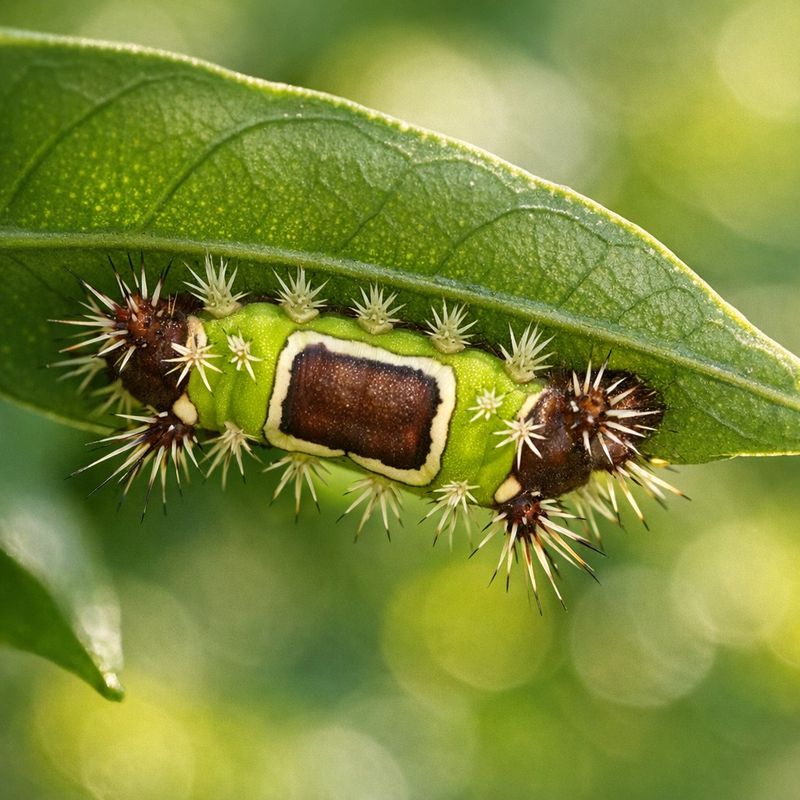
Here is the sneaky part: these caterpillars hang out on leaf undersides, exactly where your fingers go when you grab a stem.
They are solitary feeders, so you rarely find a cluster. One quiet individual tucked under a single leaf is the usual setup, which makes casual glances unreliable.
Build a simple habit before pruning, harvesting, or weeding. Tip a few leaves up with a stick or the back of your pruners and look underneath, especially on plants you handle often.
Morning light works in your favor. Low, angled sun makes the bumpy silhouette easier to catch against the leaf surface.
Chewed leaf edges and see-through patches where only the leaf veins remain are useful clues. Young larvae skeletonize foliage before they grow big enough to chomp whole chunks.
Long sleeves, closed shoes, and sturdy gloves add a solid layer of insurance. Thin cotton gardening gloves offer less protection than thicker leather ones.
Timing matters too. Late summer and fall can bring more sightings, although Florida’s mild climate means gardeners may encounter them at other times of year as well.
Slowing down by a few seconds per plant costs almost nothing. Your hands will thank you during hedge-trimming season.
4. Know The Warning Colors That Give Saddlebacks Away
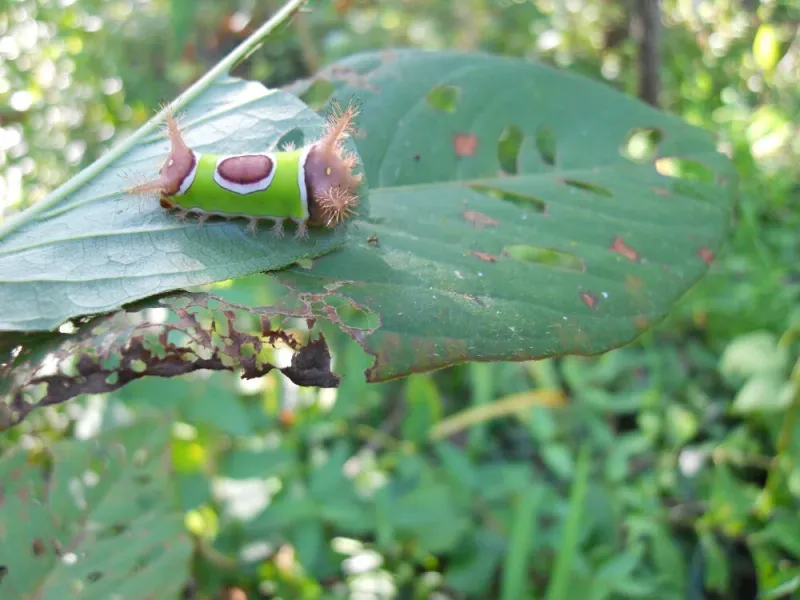
Nature has a color language, and this caterpillar shouts in it. Scientists call bold warning coloring aposematism, and the saddleback is a textbook example.
Think of the brown saddle ringed in white as a road sign. Birds and other predators learn the pattern quickly and stop trying their luck.
Green in the middle, brown at both ends, and that distinct oval spot in the center of the back make the combination hard to confuse with anything else in a Florida yard.
Watch the behavior too. A disturbed saddleback arches its back and tips its spiny horns toward whatever is bothering it, which is the insect version of raising a shield.
Size can trick you into underestimating it. At an inch or less, it looks harmless, yet the venom delivery is impressively efficient for such a small body.
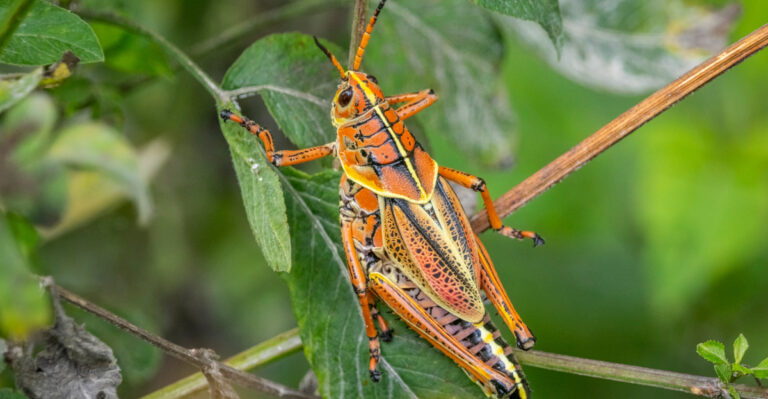
Other stingers share Florida gardens, including puss caterpillars and io moth larvae. Bright, fuzzy, spiky, or oddly patterned caterpillars deserve the same hands-off respect.
A handy rule for kids and adults alike: if it looks like it dressed up for a costume party, admire it from a distance.
Snap a photo instead of a souvenir. Your phone camera zooms in far better than your eyeballs and keeps your skin out of range.
5. Move Past The Caterpillar Without Making Contact
Finding one does not mean your gardening day is over. Most of the time the right move is simply to leave it alone and work somewhere else.
Back your hand away slowly rather than swatting the leaf. Sudden movement can bounce the caterpillar onto your arm or shirt, which is the worst possible outcome.
Tie a strip of bright flagging tape or an old ribbon on the branch as a reminder. Future you, reaching in with a hedge trimmer, will appreciate the heads-up.
If the plant sits beside a walkway, a swing set, or the mailbox, relocating makes more sense. Slide a stick under the caterpillar and carry it to a shrub at the back of the property.
Pruning off the entire leaf and carrying it away on the stem also works nicely. You skip contact completely while moving the insect somewhere quieter.
Skip the idea of squashing it with a shoe or bare hand. Crushed spines release venom and can stick to surfaces, so the sting risk hangs around.
Wash your tools afterward if spines touched them. A quick rinse and a wipe with a rag keeps loose spines from riding along to your next project.
6. Watch These Florida Plants For Hidden Stinging Caterpillars
Picky eaters they are not. Saddlebacks munch on a wide menu of trees, shrubs, and garden plants, which explains why they turn up almost anywhere.
Florida yards offer plenty of favorites. Ornamental palms such as Manila palm and sabal palm host them, and so do hibiscus, crape myrtle, and blueberry bushes.
Add maples, oaks, cherry, plum, elm, dogwood, linden, and spicebush to the list. Even flower beds are fair game, with asters, gladiolas, and sweet corn all on the menu.
Palm fronds deserve extra attention because homeowners handle them constantly. Trimming lower fronds without a peek at the undersides is a common way people get surprised.
Wetland edges, wooded lot lines, orchards, and park-adjacent yards see more activity. If your property backs up to natural growth, scan a little more carefully.
Keep an eye on the plants your family touches daily. Blueberry bushes during picking season and hibiscus near the patio rank high on the caution list.
Good news for worriers: numbers in residential landscapes tend to stay low. Spotting one does not signal an infestation, just a single hungry visitor passing through.
Knowing which shrubs to inspect turns a vague worry into a short, manageable checklist you can run through in minutes.
7. Treat A Saddleback Encounter Quickly And Carefully
So it happened anyway, and your hand is burning. Quick, calm steps make a real difference in how long the misery lasts.
First, get the caterpillar off your skin using a stick, tweezers, or thick gloves. Fingers stay out of it.
Next comes the trick that surprises people: adhesive tape. Press duct tape or clear tape firmly onto the stung area and pull it off fast, lifting out embedded spines.
Repeat with fresh strips a few times, since one pass rarely captures them all. Reusing the same sticky piece just puts spines back on your skin.
Wash the spot and the skin around it with soap and water, then let it air dry. Rubbing with a towel can drive leftover spines deeper.
Apply an ice pack or cold compress for ten to twenty minutes to calm pain and swelling. Some people use over-the-counter options such as hydrocortisone cream or antihistamines for lingering irritation, following label directions.
Expect redness, swelling, and a rash that may hang around for several days or longer. That is typical, though annoying.
Call a doctor right away if you notice trouble breathing, widespread hives, vomiting, severe headache, or asthma flaring. Rare strong reactions do happen and deserve professional care.
8. Keep Curious Kids Away From This Tiny Yard Hazard
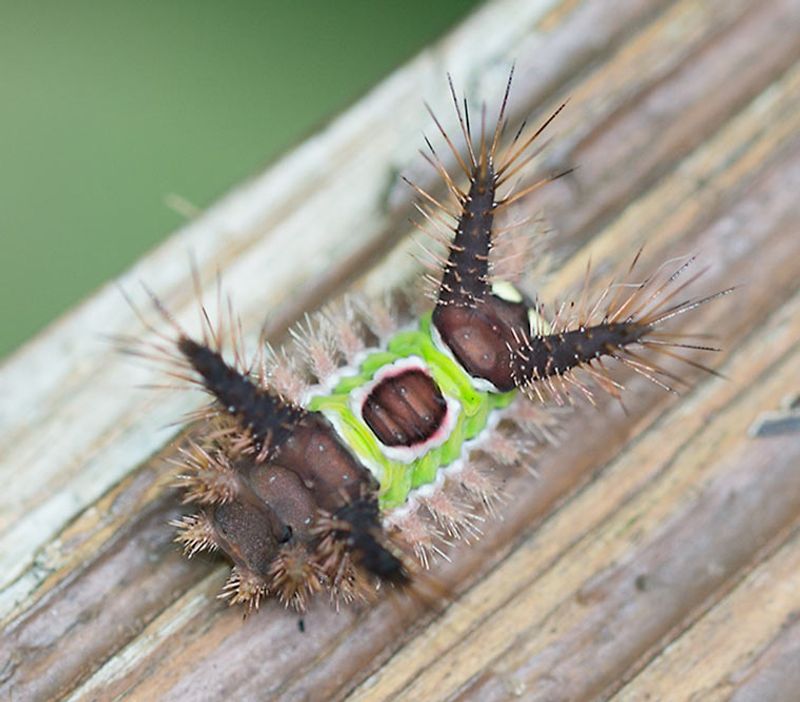
Ask any kid what they would do if they found a green caterpillar with a painted saddle on its back. The honest answer usually involves a finger poke and a jar.
Children are drawn to the exact features that mean trouble. Bright colors, a fuzzy look, and a slow-moving target add up to irresistible.
Turn the lesson into a game rather than a lecture. Show photos on a tablet, name the saddle marking, and make spotting one from three feet away the winning move.
Give the rule a simple phrase they can repeat: look with eyes, point with fingers, hands stay back. Short rules stick better than long explanations.
Let kids know that stings hurt a lot and that telling an adult right away gets help faster. Fear of getting in trouble sometimes keeps children quiet, which delays treatment.
Pets deserve a thought as well. Dogs that nose around low shrubs can get stung on the muzzle, so a vet call is wise if your dog suddenly paws at its face.
Walk the yard together before birthday parties or backyard campouts. A five-minute check of play zones, low branches, and patio plants lets everyone relax.
9. Protect Your Garden Without Wiping Out Every Caterpillar
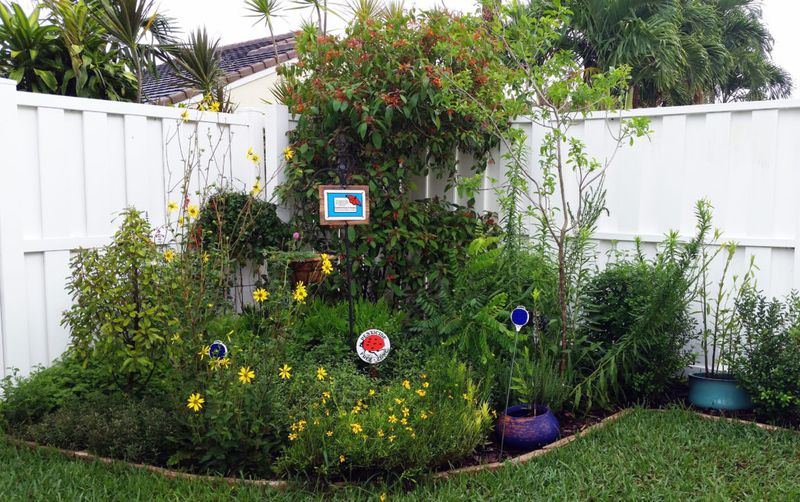
Reaching for the strongest spray in the shed feels satisfying, yet it rarely helps. Broad chemicals take out the pollinators and predators you actually want around.
Since saddlebacks show up in small numbers, hand removal usually settles the matter. Dislodge them with a stick or, with thick gloves on, relocate them to a back corner of the property.
Invite helpers instead. Birdhouses and a birdbath bring in insect-eating birds, while ladybugs, lacewings, and parasitic wasps go after caterpillars and their eggs.
Assassin bugs and paper wasps will tackle saddlebacks too, spines and all. Nature has been handling this job long before anyone owned a sprayer.
Bacillus thuringiensis can target certain caterpillar larvae and is often used as a more selective option than broad-spectrum insecticides. Neem oil discourages feeding, and diatomaceous earth works on contact in dry conditions.
Companion planting gives you another lever. Dill, fennel, parsley, sunflowers, and nasturtiums can pull pests away from prized crops or steer them elsewhere.
Floating row covers shield tender beds, and sticky bands around tree trunks stop climbers before they reach the canopy.
Remember that this spiky oddball eventually becomes a modest brown moth and a meal for birds. A balanced yard handles the occasional stinger better than a sterile one ever could.