The Black Spots Covering Indiana Maple Leaves Are Not Harmful
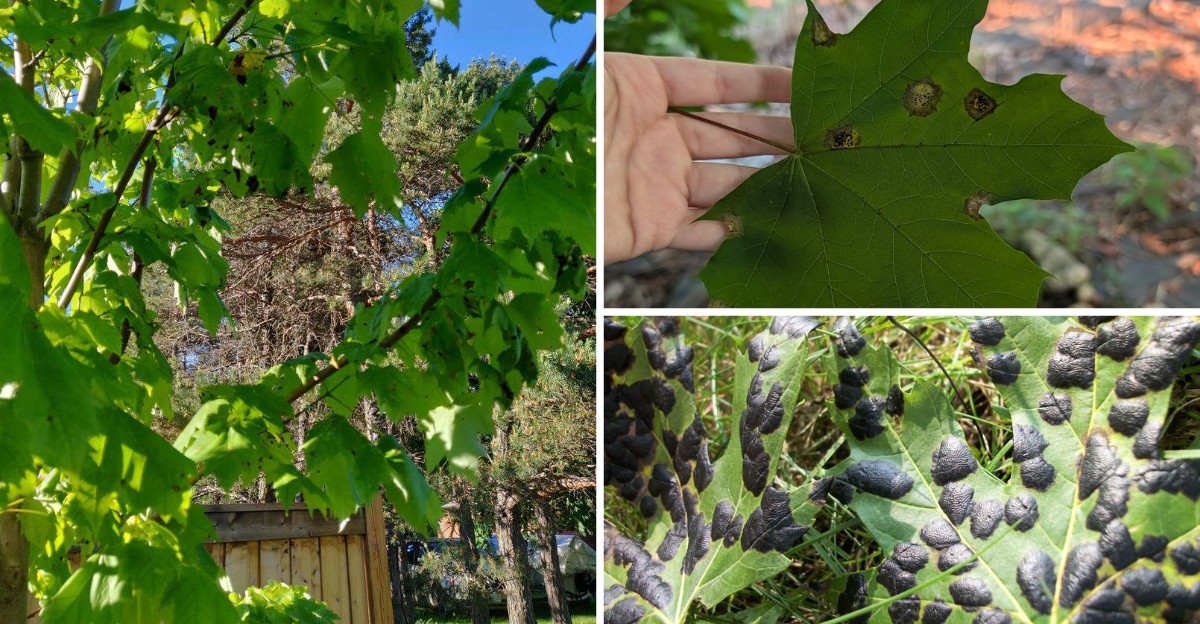
Something strange is happening across Indiana yards this September, and half the neighborhood has already noticed it. Dark, inky blotches showed up on leaves overnight, or at least that is how it feels now.
People are poking them, scraping them, and squinting at them like tiny mysteries on a stem. A few neighbors swear somebody flicked hot roofing material down the whole block last week.
Phone calls to local experts spike every fall, voices tight with worry about beloved backyard shade. Homeowners start picturing tree removal costs, big bills, and one suddenly sun-baked patio by next summer.
The truth turns out far less dramatic, and it has quietly repeated itself for well over a century. Nature apparently went through a polka dot phase back then and simply decided to keep the look.
The Fungus Behind Those Inky Blotches
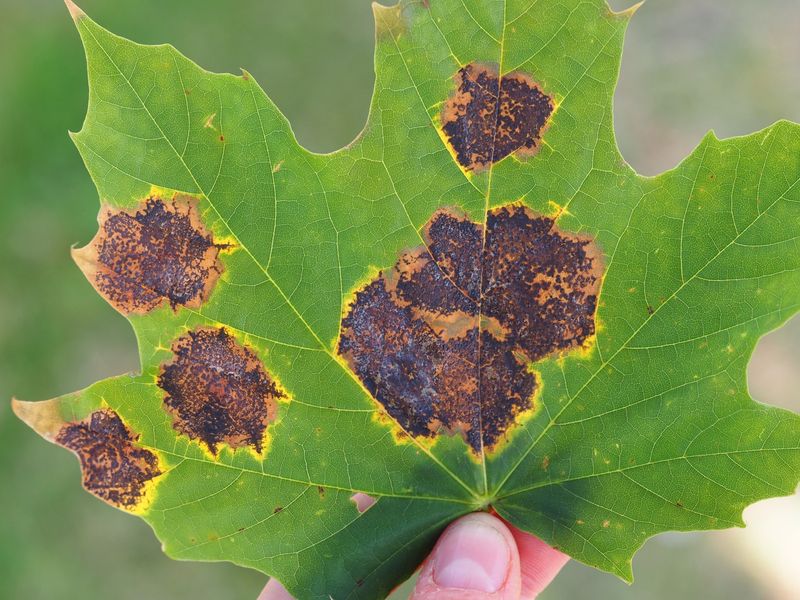
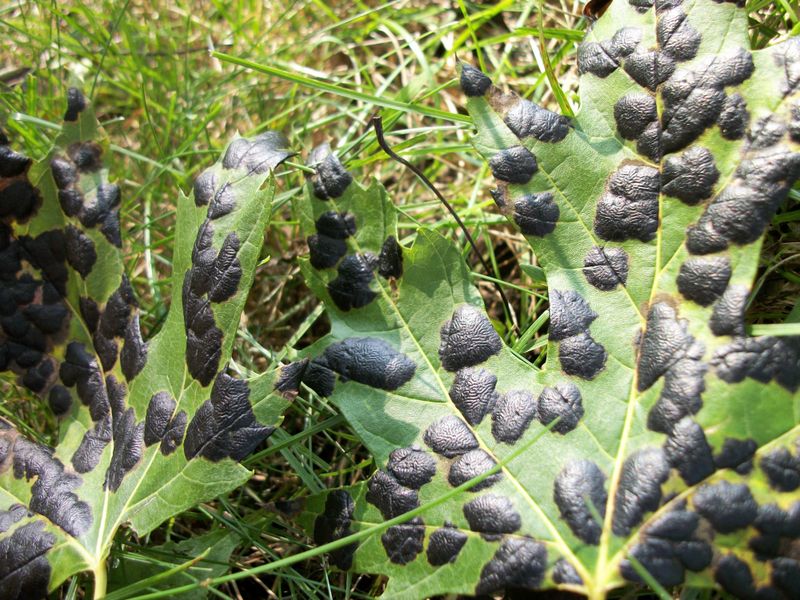
Rhytisma acerinum, the culprit, sounds fancy, but it is simply a leaf-loving fungus with a flair for drama. Indiana maples wear its handiwork every September like inky polka dots.
The fungus overwinters on fallen leaves left lying under the tree all season. Spring rain splashes its spores upward onto tender new growth, and the cycle restarts.
Infection happens quietly in April and May, when nobody is inspecting leaves. Those tiny green infections stay invisible for weeks before darkening into the famous tarry patches.
Silver maples, red maples, and Norway maples in Indiana yards catch it most often. Boxelder, a maple relative, sometimes joins the party with its own speckled leaves.
Ash, oak, and sycamore stay clean because the fungus is picky about hosts. It wants maple leaves and ignores everything else growing in your yard.
Wet springs make everything worse, and Indiana served up plenty of rain this year. Damp bark, cool mornings, and soggy mulch give spores exactly the conditions they crave.
The fungus feeds only on leaf tissue and leaves wood, roots, and buds alone. Your maple keeps making sugar and storing energy while the spots just ride along.
Neighborhood spread happens too, since spores drift on wind from a block away. One tidy yard surrounded by messy ones still gets a light dusting of spots.
Foresters have tracked this fungus for over a century with a collective shrug. Cosmetic damage, they say, and Indiana maples have been shrugging right along with them.
Late Summer Timing And The September Reveal
Late August is when phones start buzzing at Purdue Extension offices across Indiana. Homeowners panic, certain their shade tree caught something nasty overnight.
Nothing happened overnight, though, because the infection started back in cool spring rain. Four or five months passed before the fungus made itself visible.
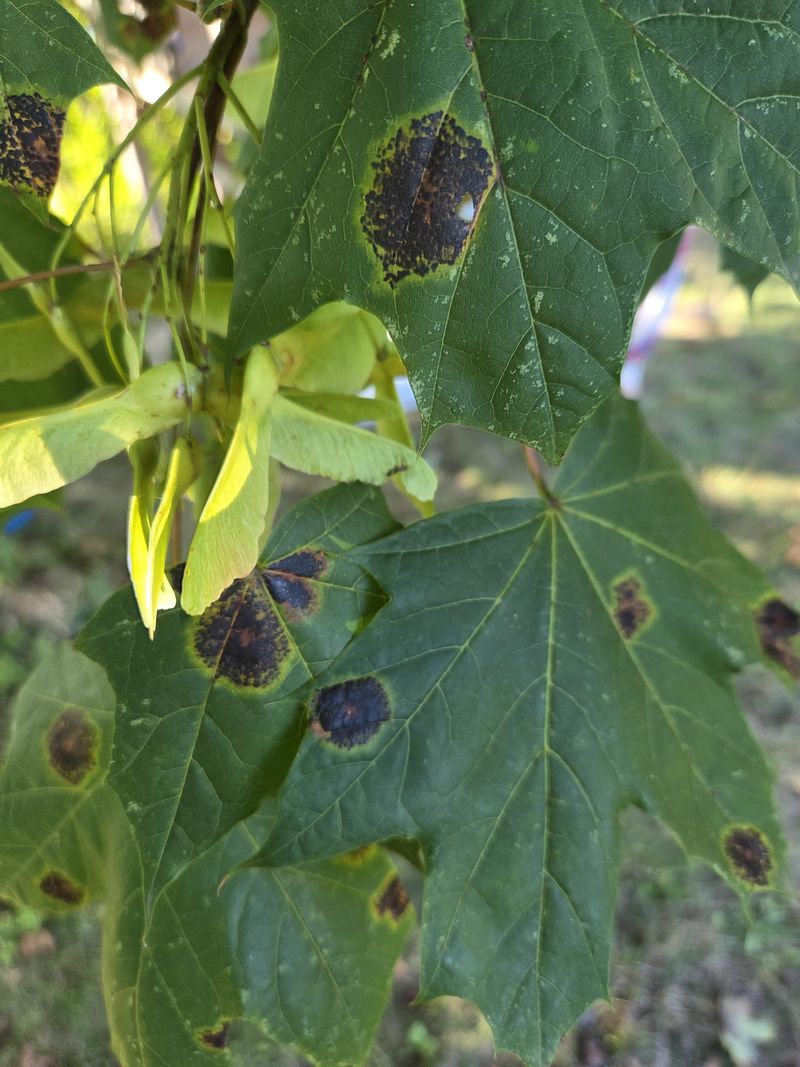
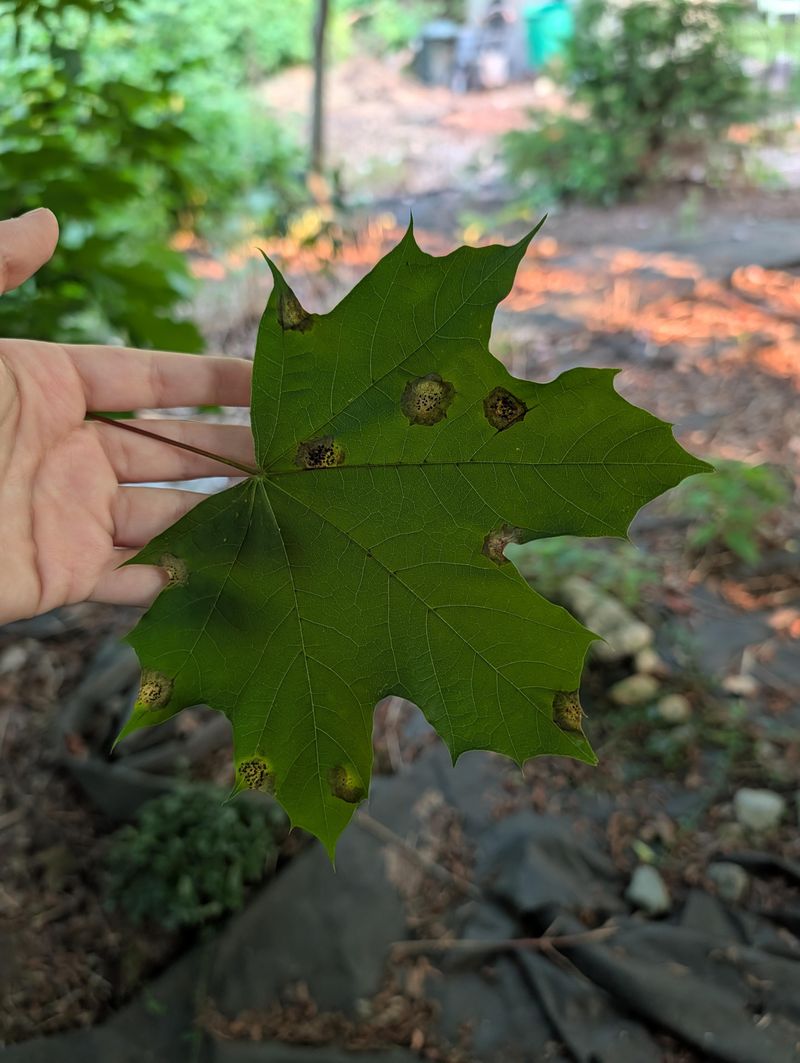
Early symptoms look like pale yellow-green freckles, easy to miss during June mowing. By mid-August those freckles darken, thicken, and turn glossy black.
September brings the full show, with raised tar-like blobs ringed in yellow halos. Some spots grow past a half inch across and look almost painted on.
Timing matters because sprays only work during that invisible spring window. Treating in September is like locking the door after the guests already moved in.
Your Indiana Garden Changes Every Week. Your Plan Should Too.
Gardening in Indiana changes quickly throughout the season. Every Friday you’ll receive a simple weekly plan showing exactly what to plant, prune, fertilize, harvest, and protect so you never miss the right timing.
Indiana weather sets the yearly volume, so wet Aprils mean heavy spotting by fall. Dry springs can make the whole thing nearly disappear for a season.
Leaf drop may arrive a week or two early on heavily spotted trees. Since autumn is already knocking, the tree loses almost nothing by clocking out sooner.
Buds for next spring formed back in summer and sit safely on the twigs. Those buds do not care one bit about September leaf decoration.
Neighbors comparing trees often notice the same rhythm on the same September weekend. The fungus keeps a surprisingly reliable schedule across central Indiana.
Mark your calendar for late October instead, when the leaves finally come down. That is when your effort actually changes next year’s picture.
Common Overreactions That Cost Homeowners Money
A tree service once quoted a Fort Wayne family hundreds of dollars for spotted leaves. The tree needed nothing except a rake in November.
Removal is the biggest mistake, and healthy maples get cut down every autumn. Losing forty years of shade over a cosmetic blemish stings badly.
Fungicide sprays in September rank a close second for wasted dollars. Products like chlorothalonil only protect new leaves, and September leaves are old news.
Heavy pruning is another swing and a miss that can stress a tree. Cutting good branches removes leaf area the maple still needs for food.
Dumping extra fertilizer on the roots does not chase the fungus away either. Excess nitrogen can push soft, weak growth and invite other pest problems later.
Some folks scrub leaves with soapy water, which is oddly charming and useless. The black tissue is inside the leaf, not sitting on top.
Mistaking the spots for something serious causes needless worry all through fall. Real trouble in maples shows up as thinning canopies and peeling bark.
Blowing spotted leaves into the neighbor’s yard also backfires in a slow, petty way. Spores travel back on the wind next April without a passport.
Save the money for something useful like mulch, water during droughts, or soil testing. Your maple appreciates those far more than a September rescue mission.
Extension specialists across Indiana repeat the same advice every single year. Relax, rake the leaves later, and let the tree handle its own reputation.
Autumn Leaf Cleanup As The Practical Fix
Here is the whole treatment plan, and it costs roughly zero dollars. Rake the fallen leaves, then get them away from the tree.
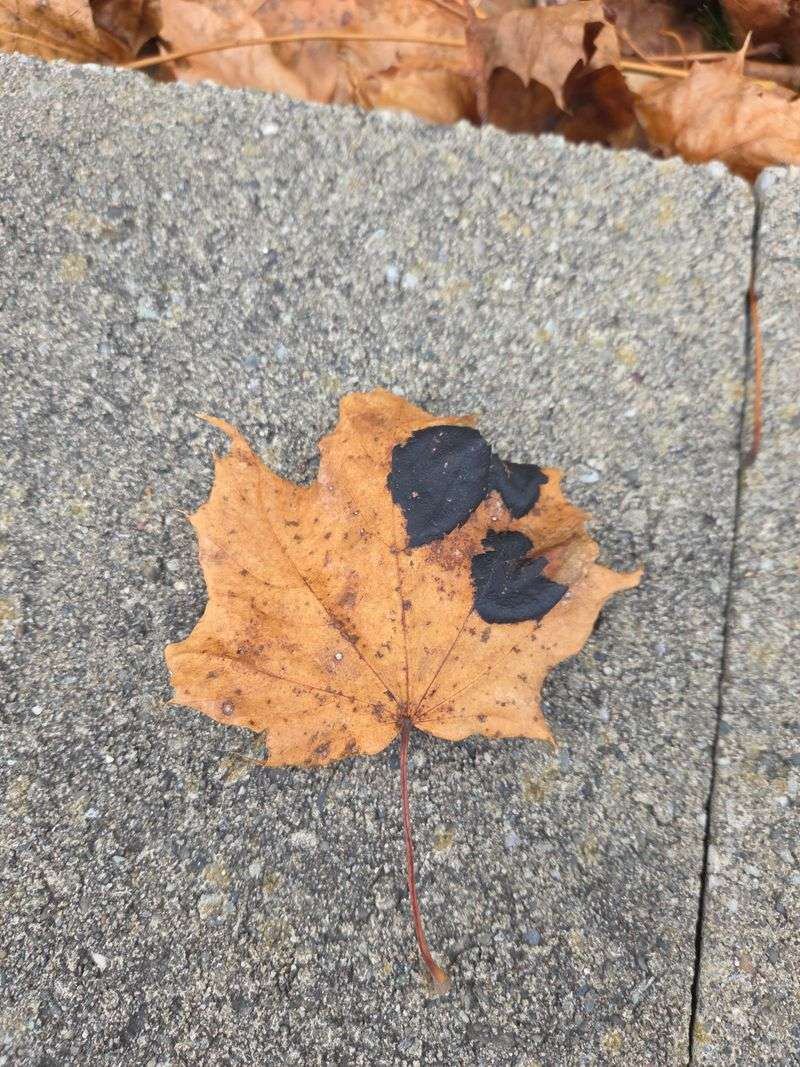
Fallen leaves are the hotel where the fungus spends winter in Indiana. Come spring, those old leaves launch spores straight up into fresh growth.
Bagging leaves for municipal pickup works well in Indianapolis and Bloomington neighborhoods. Burying them under soil or finished compost also does the job.
Hot composting reaches temperatures that break down the fungal structures inside leaves. A cold pile in the corner, though, just stores spores until April.
Mulch mowing chops leaves into confetti that soil microbes finish off quickly. Several passes with the mower beat a single lazy lap around the yard.
Check the fence line, flower beds, and window wells where leaves love to hide. Those forgotten corners are where next year’s spots quietly begin.
Skip the burn pile in counties with restrictions and check local rules first. Bagging is simpler and keeps the smoke out of your hair.
Timing the cleanup after most leaves have dropped saves you repeat trips. Early November usually hits the sweet spot across central Indiana.
Expect improvement, not perfection, since spores drift in from woods and neighbors. Fewer spots is a realistic and satisfying win.
Keep the tree watered during dry Septembers and spread mulch out to the dripline. Strong roots matter far more than spotless leaves.
Kids can help, too, since raking leaves and jumping in piles pairs nicely. Free labor with built-in entertainment is hard to beat.
Tree Health And The Seasons Ahead
Research on this fungus in North America points to one boring conclusion. Infected maples keep growing at basically the same rate as clean ones.
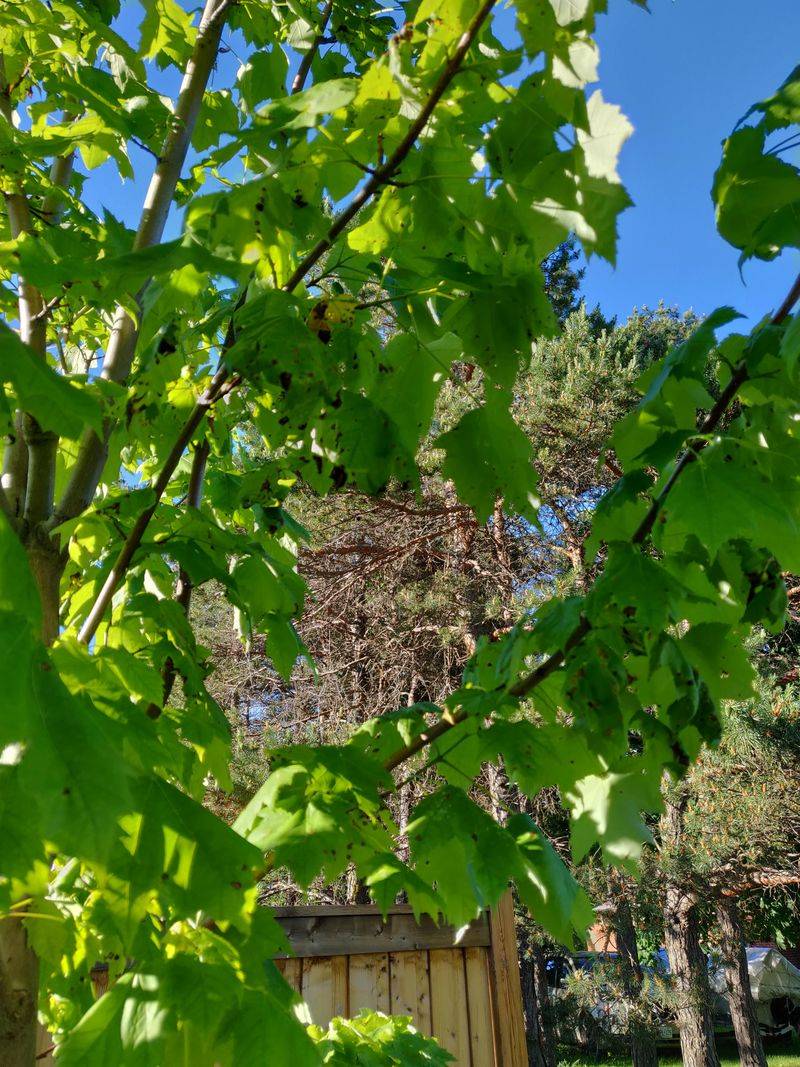
Photosynthesis takes a small hit, since spotted tissue cannot make sugar. Most of the leaf stays green and productive right through September.
By late summer the tree has already banked most of its yearly energy. Losing a bit of leaf surface in September barely dents the account.
Early leaf drop looks alarming and means very little this close to autumn. The tree was preparing to drop those leaves within weeks anyway.
Next spring the maple leafs out on schedule, green and unbothered. Nothing carries over inside the branches, because the fungus stays on leaves.
Fall color can look patchy on heavily spotted trees, which disappoints leaf peepers. Sugar maples in southern Indiana still manage a decent orange show.
Young or newly planted maples deserve slightly closer attention during hot, dry spells. Water and mulch help them bounce back from any minor setback.
Trees already weakened by construction damage or drought feel every small stress. For them, the spots become one item on a longer list.
Some Indiana maples have carried these markings for decades and still shade whole driveways. Longevity, it turns out, is not decided by leaf appearance.
Wildlife ignores the spots, and squirrels keep building nests in the same branches. The local ecosystem carries on without noticing a thing.
Think of the spots as freckles rather than an emergency in your yard. Cosmetic, seasonal, and gone the moment the leaves let go.
Smart Yard Habits For Fewer Spots Next Year
Prevention here is less about chemicals and more about tidiness and timing. A rake in November beats a sprayer in September every time.
Start with fall sanitation, then repeat it the following autumn each year. Two consistent years usually cut the spotting noticeably.
Air movement helps a lot, so avoid crowding maples against fences and sheds. Spores settle where damp air lingers with nowhere to go.
Water the soil rather than the leaves when you run sprinklers in spring. Wet foliage in April is an open invitation.
Light structural pruning in winter opens the canopy and speeds drying after rain. Keep it modest, since a thinned-out maple gains nothing.
Planting something other than a maple in the next open spot adds variety. Oaks, hackberries, and tulip trees suit Indiana soils beautifully.
If you truly want sprays, hire a certified arborist for spring bud break. Timing has to be precise, and tall trees need professional equipment.
Talking with neighbors makes a real difference, since spores travel across property lines. A coordinated block cleanup works better than one heroic yard.
Feed the tree through healthy soil instead of heavy fertilizer applications. Compost, mulch, and steady moisture build resilience over the years.
Set a phone reminder for late October so the cleanup does not slip away. Future you, sipping hot cocoa next September, will be grateful.
Accepting a few spots is also a legitimate strategy, and honestly the easiest one. Indiana maples have worn them for generations without complaint.