Fall Cover Crops California Gardeners Can Sow Before The First Rain
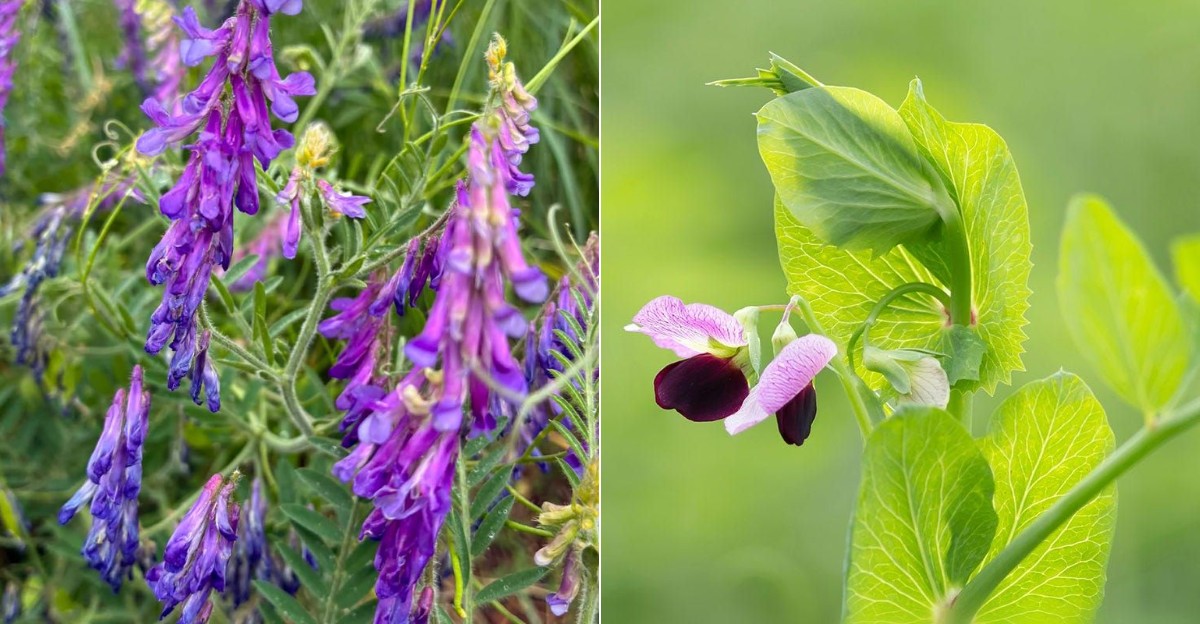
The first fall rain can change the rhythm of your California garden, but the best time to prepare often comes before those clouds arrive.
Cover crops planted at the right moment can help protect bare soil, support healthier garden beds, and set the stage for a stronger growing season ahead.
Many gardeners wait until winter to think about soil care, but fall offers a valuable opportunity to improve the ground while temperatures are still favorable.
The challenge is choosing the right cover crop and timing your planting before conditions shift.
A few options can work well in California gardens, but the best choice depends on your climate, soil, and what you plan to grow next.
Knowing what to sow before the first rain can help you make the most of the season without leaving your garden beds unprotected.
1. Phacelia Brings Pollinators While Protecting Bare Soil
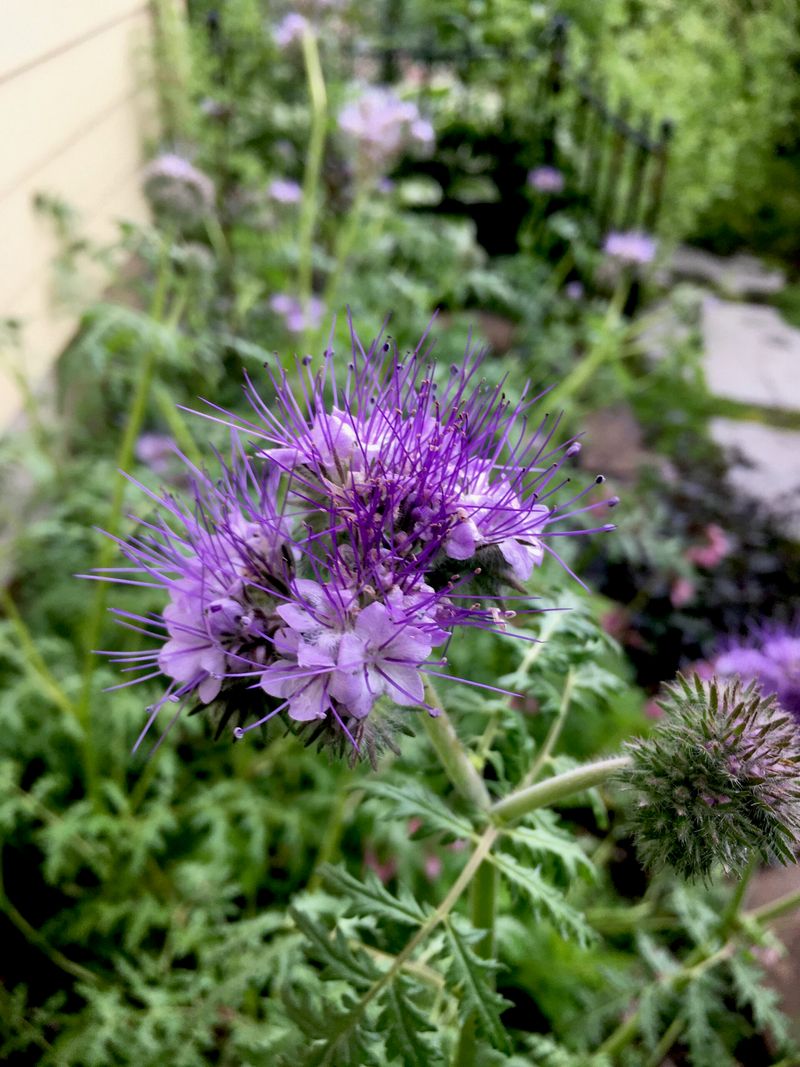
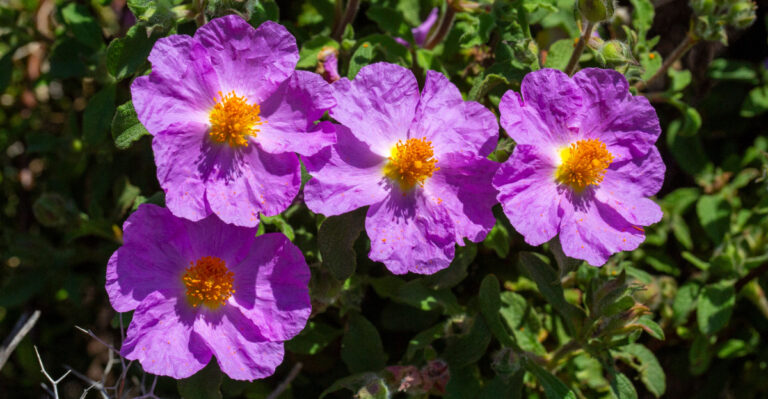
Few cover crops put on a show quite like phacelia. Its curled purple flowers unroll slowly, and bees cannot seem to stay away from them.
Gardeners love this plant because it does double duty in the garden. The roots hold soil in place during winter rains, while the blooms feed hungry pollinators looking for late-season food.
You can scatter phacelia seeds across bare beds in early fall. Rake them in gently, and they will sprout quickly once the ground gets a little moisture.
One thing that makes phacelia special is how fast it grows. Within weeks, a green carpet covers the soil and starts blocking out weeds before they get a chance to take over.
When spring arrives, you can cut the plants down and let them break down into the soil. This adds organic matter and feeds the tiny creatures that keep your dirt healthy.
The flowers also attract helpful insects like hoverflies, which eat pests such as aphids. That means fewer bugs bothering your vegetables later on.
Bees find phacelia so tasty that beekeepers sometimes plant it just for honey production. Your garden can enjoy that same buzzing energy each fall.
Phacelia handles mild winters with ease. It shrugs off light frost and keeps growing through the cooler months without much fuss.
Plant it before the first big rain, and you will have a beautiful, useful crop that supports your whole garden ecosystem.
2. Daikon Radish Breaks Up Compacted Garden Beds
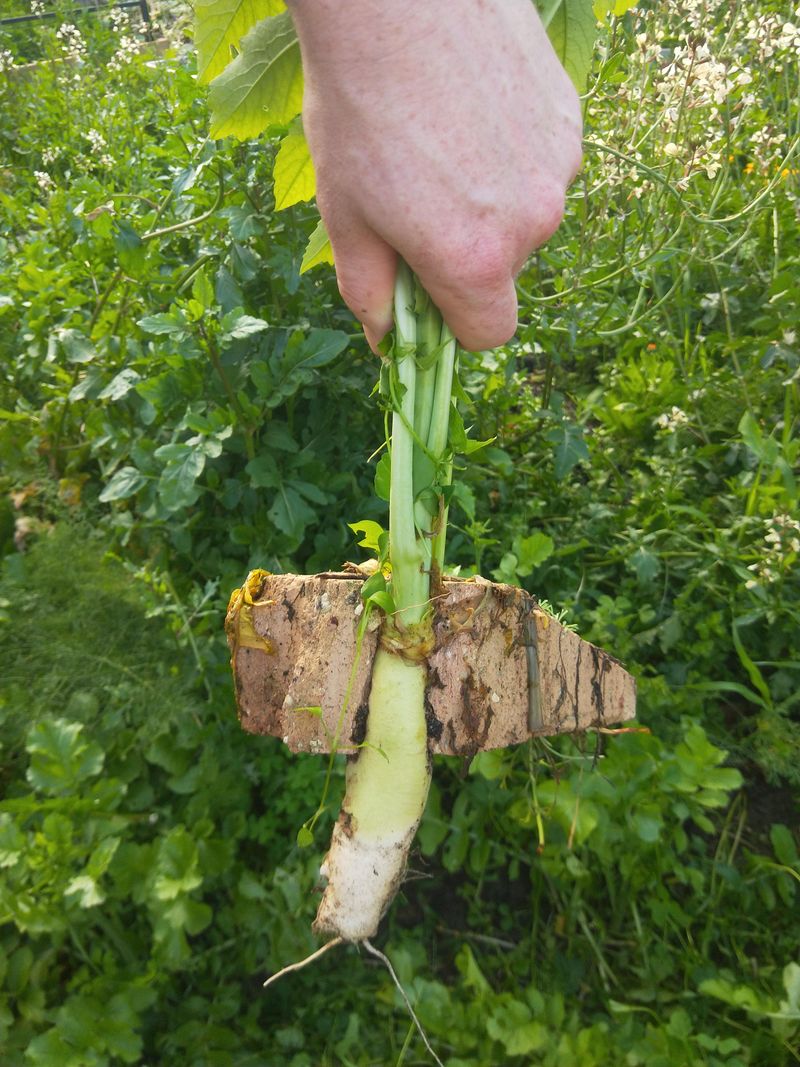
Think of daikon radish as a natural drill for your garden. Its long white roots push deep into packed dirt, opening up channels that air and water can follow.
Many gardeners struggle with hard, compacted soil that makes it tough for plant roots to spread. This radish solves that problem without any digging on your part.
You simply plant the seeds in early fall and let them grow. The roots can stretch a foot or more into the ground, loosening layers that shovels rarely reach.
What happens next is pretty clever. When winter cold arrives, the radishes break down naturally in the soil, leaving behind soft, crumbly channels.
Those empty spaces let rainwater soak in deeper instead of running off. Your spring plants then find it much easier to send roots down and grab nutrients.
Your California Garden Changes Every Week. Your Plan Should Too.
Gardening in California changes quickly throughout the season. Every Friday you’ll receive a simple weekly plan showing exactly what to plant, prune, fertilize, harvest, and protect so you never miss the right timing.
Daikon also pulls up nutrients from deep in the ground. As the plant breaks down, those nutrients stay near the surface where new crops can use them.
The leafy green tops add another bonus. They shade the soil, block weeds, and create a thick cover during the rainy season.
For best results, give each plant a little space so the roots grow big and strong. Crowded radishes tend to stay skinny and less helpful.
California’s mild winters suit daikon perfectly. Plant it before the rains come, and you will fix compacted beds while barely lifting a finger.
3. Austrian Winter Pea Adds Nitrogen Through Fall Growth
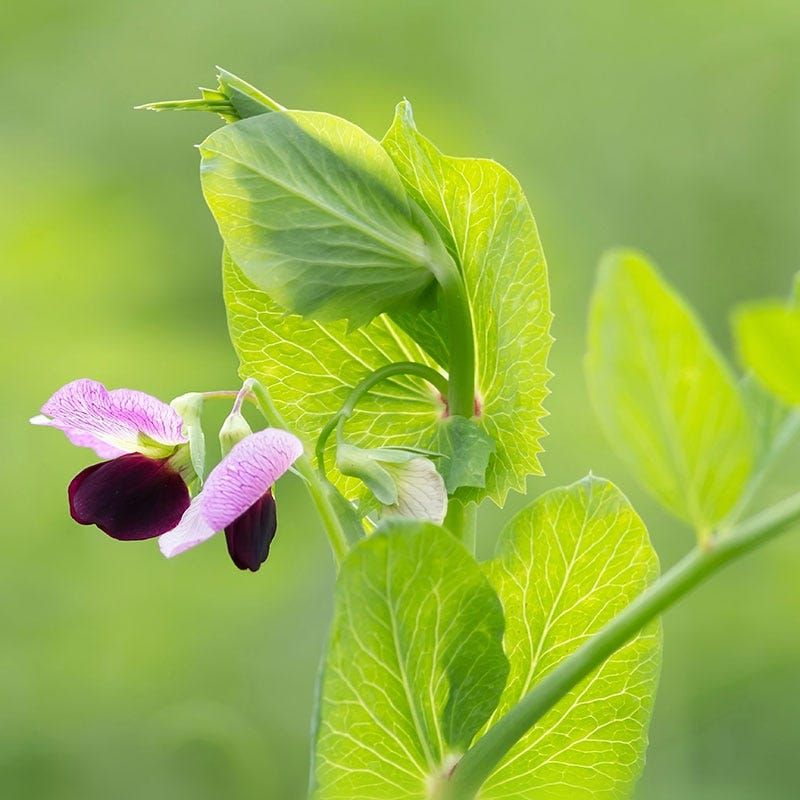
Here is a plant that feeds your soil for free. Austrian winter pea grabs nitrogen from the air and stores it right in its roots.
Nitrogen is one of the most important nutrients plants need to grow strong and green. Buying it in bags gets expensive, but this pea gives it to you naturally.
Tiny bacteria living on the pea roots do the hard work. They pull nitrogen from the air and turn it into a form your plants can actually use.
Sowing these peas in early fall gives them plenty of time to grow before the coldest weather. Their vines spread across the bed and shade out weeds.
The soft green leaves and stems break down easily in spring. When you turn them into the soil, they release all that stored nitrogen for your next crop.
Gardeners often mix winter peas with grains like rye or oats. The grains give the vines something to climb, and together they cover the soil better.
Another nice touch is that the young shoots are edible. You can snip a few tender tips for salads while the rest keeps growing.
These peas handle cool, wet winters without complaint. Light frost does not bother them, and they keep growing steadily through the season.
For a low-cost way to boost your soil, get the seeds in the ground before the first steady rain arrives.
4. Hairy Vetch Creates Strong Winter Ground Cover
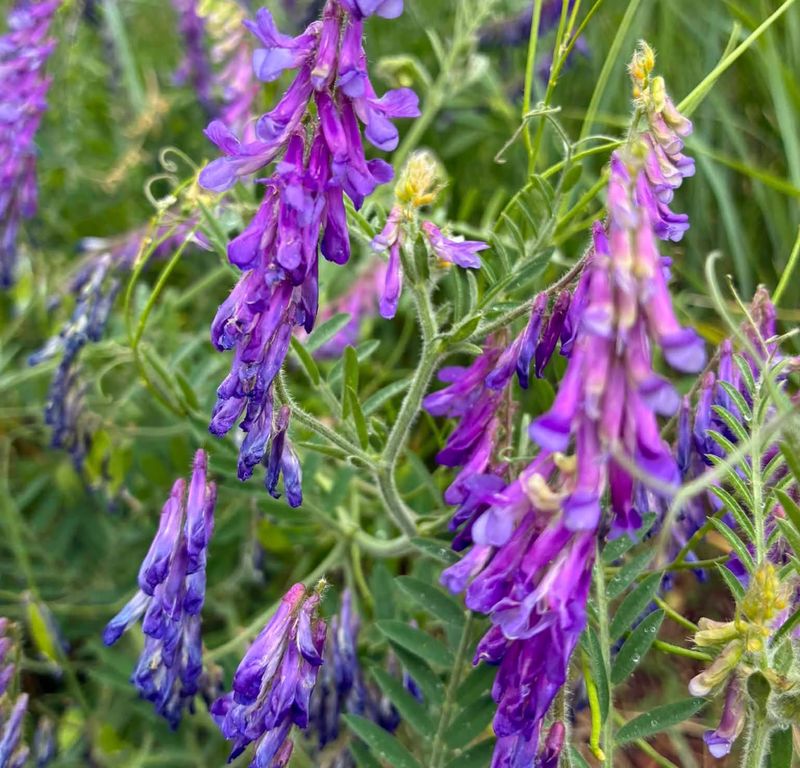
Tough and reliable, hairy vetch is a favorite for gardeners who want serious soil protection. Its fuzzy vines spread fast and hold the ground tight all winter long.
This crop belongs to the legume family, which means it also captures nitrogen from the air. Your soil gets richer while the plant simply does its thing.
Once the vines get going, they weave together into a thick mat. That dense cover keeps rain from washing away your topsoil during heavy storms.
Weeds have a hard time competing with hairy vetch. The tangled growth blocks sunlight and crowds out unwanted plants before they can settle in.
Come spring, small purple flowers appear and draw in bees and other pollinators. It is a lovely sight after a long, gray winter.
Gardeners usually pair vetch with a grain such as winter rye. The rye stands tall and gives the vetch vines a sturdy frame to climb on.
When you are ready to plant your spring garden, cut the vetch down and let it rot into the soil. It leaves behind loads of nitrogen and organic matter.
Patience helps with this crop, since it grows slowly at first and then speeds up. Give it time and it rewards you with a rich, healthy bed.
California’s rainy months keep hairy vetch happy and growing. Sow the seeds before the first big rain for the best winter coverage.
5. White Clover Forms A Low Living Soil Cover
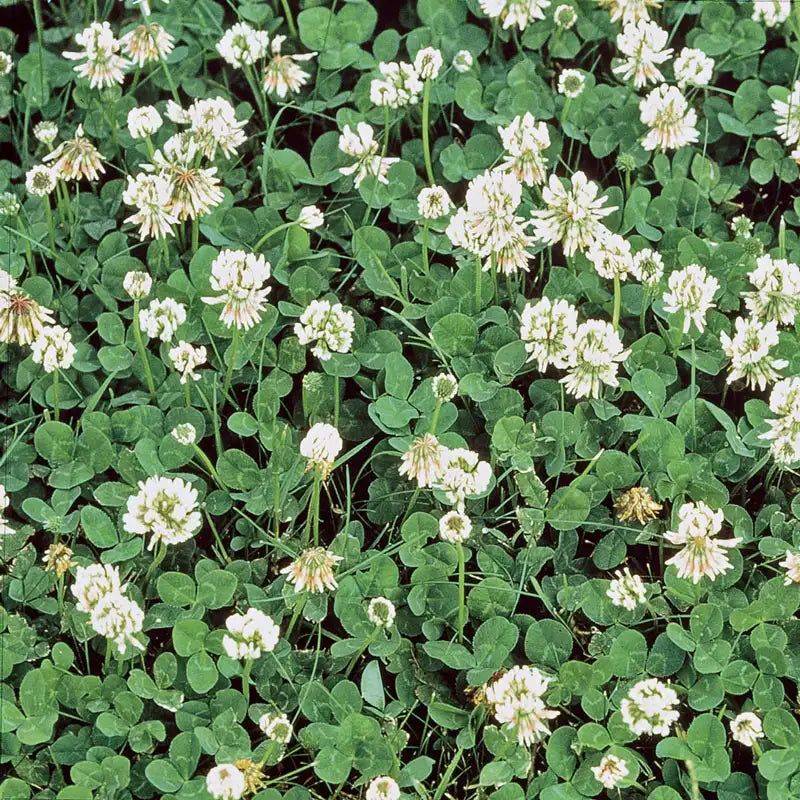
Short, spreading, and dependable, white clover behaves like a living carpet across your garden. It stays low to the ground and keeps soil covered without growing tall.
Because it hugs the earth, this clover works great in walkways and around larger plants. You can even let it grow between rows as a permanent ground cover.
Like other legumes, white clover pulls nitrogen from the air. Its roots feed the soil and leave behind nutrients that boost nearby plants.
Bees adore the tiny white flowers, so your garden fills with gentle buzzing during the warmer stretches. Pollinators get food, and you get a healthier yard.
Planting is simple. Scatter the small seeds over a prepared bed, press them lightly into the soil, and let the fall moisture wake them up.
One reason gardeners like clover is how well it handles foot traffic. Unlike taller crops, it bounces back after being stepped on.
The dense mat also blocks weeds from taking hold. Fewer weeds mean less time pulling and more time enjoying your garden.
White clover can stick around for more than one season if you let it. That makes it a good choice for spots you do not plant every year.
Mild California winters suit this plant well, and it keeps its green color through much of the cool season. Get seeds down before the rain, and enjoy a soft, living blanket over your soil.
6. Subterranean Clover Works Well In California Winters
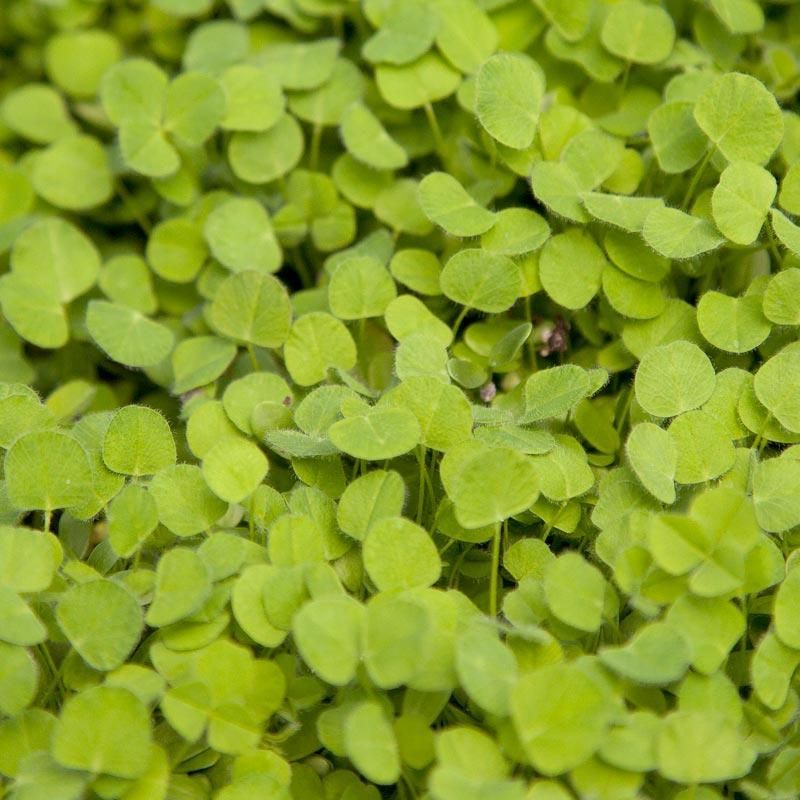
A quiet performer, subterranean clover earns its name in a surprising way. It buries its own seeds underground, which helps it come back on its own.
This trait makes it a smart pick for California gardens with dry summers and wet winters. It fits the climate almost perfectly.
The plant grows low and spreads out, forming a thick green mat over bare soil. That cover shields your dirt from pounding winter rain.
As a legume, it also adds nitrogen to the ground. Your spring vegetables get a nice nutrient boost thanks to its busy roots.
Gardeners in orchards often plant it between fruit trees. The low growth stays out of the way while still protecting and feeding the soil.
One handy feature is how it reseeds itself. After it flowers, the seeds tuck into the ground and sprout again when conditions are right.
That self-seeding habit saves you money and effort over time. You plant once, and it may return season after season with little help.
The soft cover also keeps moisture in the soil during dry spells. Roots below stay cooler and more comfortable as a result.
Weeds struggle to break through the thick clover mat, so your beds stay cleaner. Less weeding means more time for the fun parts of gardening.
For a crop built for California’s rhythm, sow subterranean clover before the first steady rain and let it settle in.
7. Buckwheat Gives Gardeners A Fast Fall Cover Option
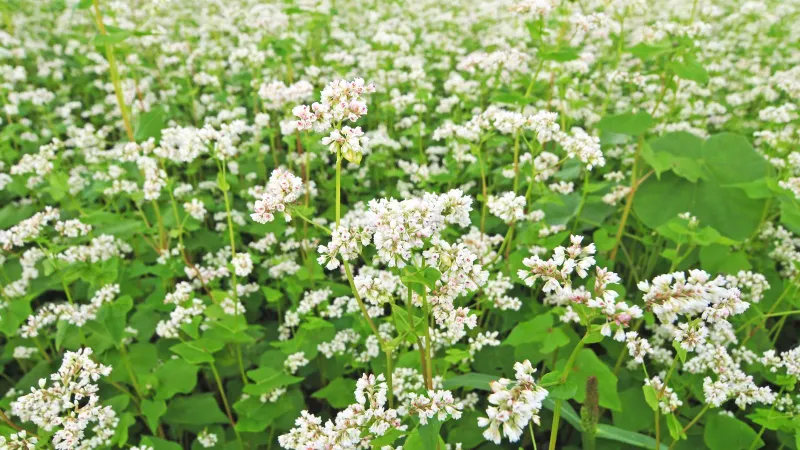
Speed is buckwheat’s biggest gift to your garden. It sprouts fast and covers bare soil quicker than almost any other cover crop.
For gardeners in a hurry, that quick growth is a huge plus. You can fill an empty bed with green in just a couple of weeks.
The plant works best in early fall before cold weather sets in. It enjoys warm soil and grows rapidly while temperatures stay mild.
Its small white flowers bloom quickly and attract bees and other helpful bugs. Pollinators flock to it, adding life to your garden.
Buckwheat also smothers weeds with its dense leaves. Unwanted plants simply cannot compete with how fast it fills in.
One thing to remember is that buckwheat does not handle frost well. Plant it early so it finishes its job before the cold arrives.
When it starts to flower, you can cut it down and let it break into the soil. It rots quickly and adds fresh organic matter.
This crop is famous for pulling phosphorus from the soil and making it available for other plants. Your next crop benefits from that boost.
Because it grows and breaks down so fast, buckwheat fits nicely into a short gap between plantings. It is a great quick fix for tired soil.
Sow it right before the first light rains of fall, and you will have fast, useful cover in no time at all.
8. Winter Rye Protects Soil Through The Rainy Season
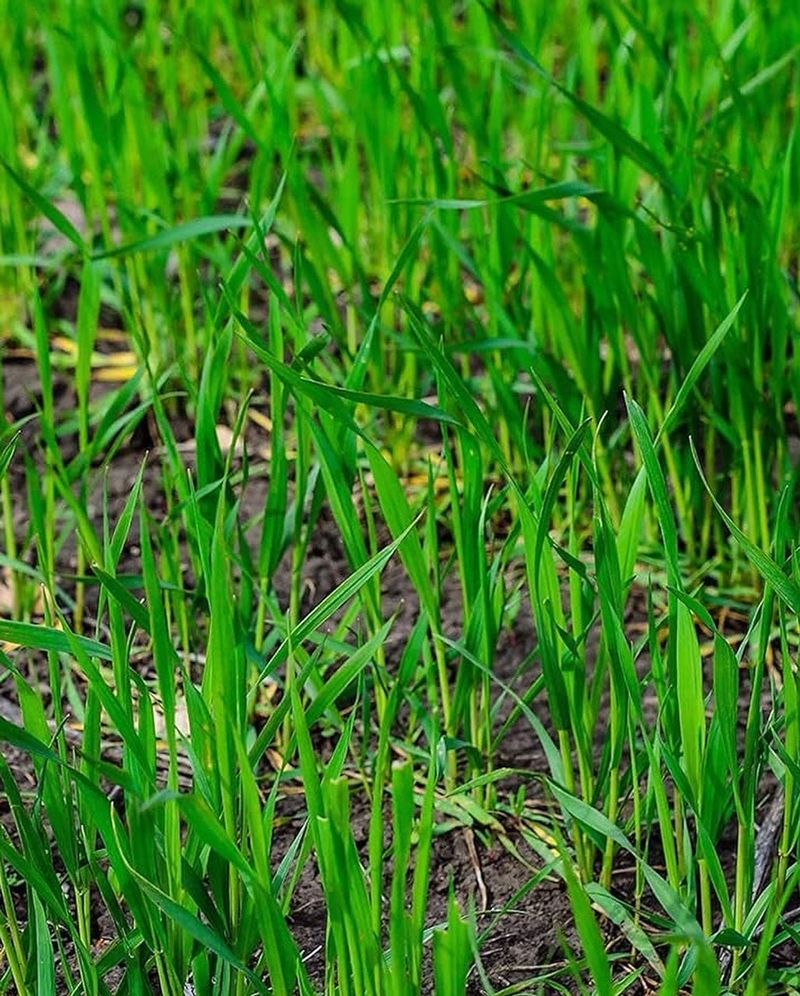
When it comes to toughness, winter rye stands near the top. This hardy grass keeps growing even when the weather turns cold and gray.
Its deep roots reach far into the soil and hold everything in place. During heavy rains, that strong grip stops your topsoil from washing away.
Gardeners rely on rye because it handles frost like a champ. While other crops slow down, rye keeps putting on green growth.
The thick blades create a dense cover that blocks weeds all winter. You spend less time fighting unwanted plants come spring.
Rye also does something special for the soil. Its roots release substances that make it harder for weed seeds to sprout nearby.
When spring rolls around, you can cut the rye down and work it into the ground. It leaves behind loads of organic matter that improves soil texture.
Because rye grows tall and fast, it makes a great partner for climbing legumes like vetch or peas. Together they cover and feed the soil.
One tip is to cut it before it gets too old and tough. Younger plants break down faster and are easier to manage.
The deep roots also loosen packed soil as they grow. Air and water move through the ground more freely afterward.
For dependable protection through the wettest months, get winter rye in the ground before the first rain and let it stand guard.