What Your Florida Lawn Actually Needs In September After Surviving Summer
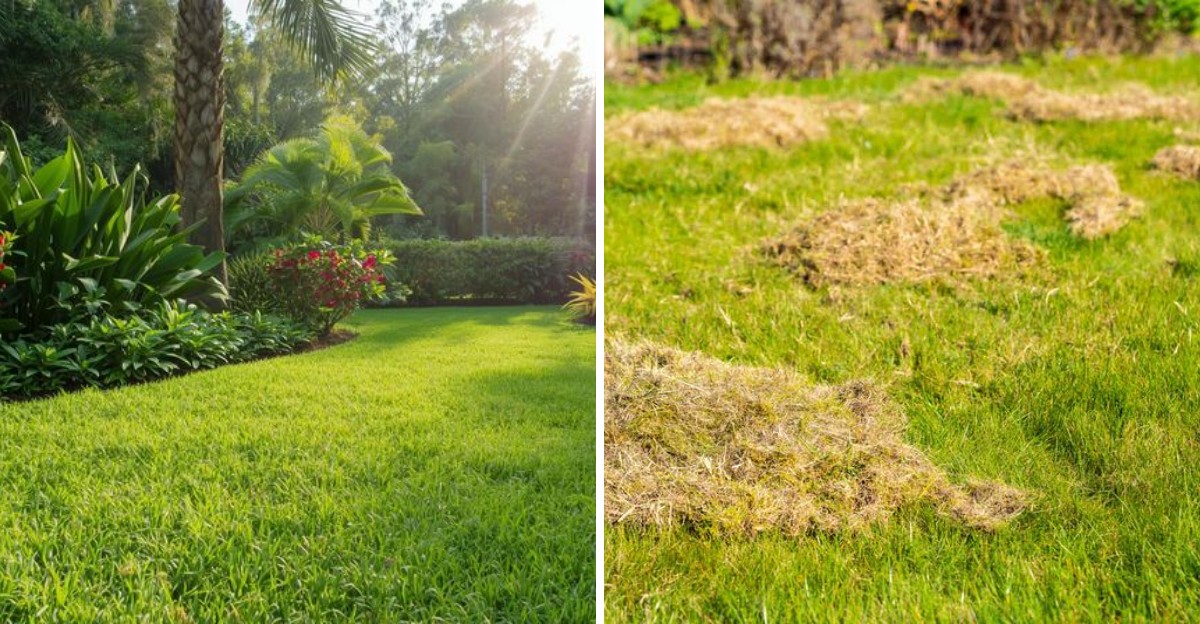
Your lawn just survived a brutal Florida summer, and what you do to it this month determines whether it thrives or spends the next six months struggling to recover.
You’d think the routine that worked all July would carry you through fall, but September plays by different rules. Your grass has spent months in survival mode, and now it needs a specific kind of care most homeowners get backwards.
Feed it the same way you did in peak summer, and you undo months of resilience your lawn built up the hard way.
There’s a particular nutrient shift that matters more right now than anything else on your to-do list, plus a mowing habit that quietly wrecks recovery without you noticing.
Get your watering wrong on top of that, especially with Florida’s rain patterns shifting under your feet, and you’ll drown roots that already have nothing left to give.
Skip the guesswork this month. What your lawn needs right now looks nothing like what it needed in June, and the difference shows up fast.
1. Raise Your Mower Height To Help Stressed Grass Recover
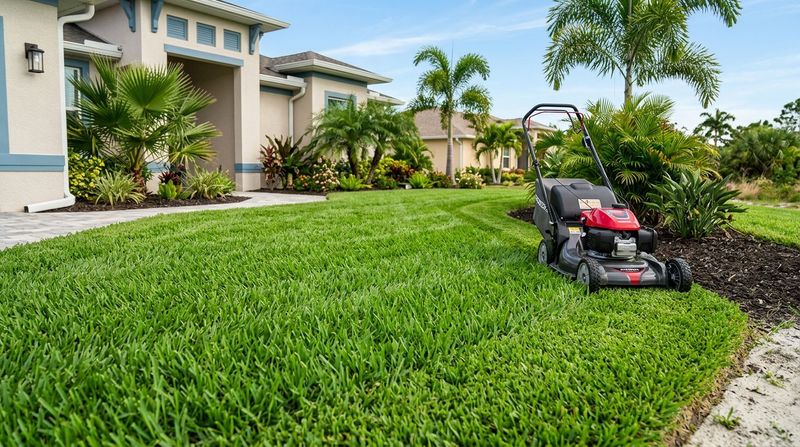
Scalped grass in September is like sunburn on already-peeling skin. Your mower blade sits closer to the soil than you think, and that shave exposes the runners that keep St. Augustine spreading.
Set your deck within the recommended range for your grass type, with many St. Augustine lawns performing well around 3.5 to 4 inches. If your yard sits under oak shade or still bakes in afternoon sun, bumping up to 4 or 4.5 inches gives the blades more surface for making food and holding moisture.
Taller grass also pushes roots deeper. Deeper roots handle the cooler nights ahead and crowd out weed seedlings that would love an open patch of sand.
Follow the one-third rule every single time you mow. Removing more than a third of the blade in one pass shocks a plant that already spent three months fighting heat and humidity.
Fun bit of turf trivia: those above-ground runners on St. Augustine are called stolons, and they are basically the lawn’s version of a travel route. Keep them shaded and they keep creeping into bare spots for free.
Sharp blades matter just as much as height. A dull edge tears the tips, leaving ragged brown ends that make a healthy lawn look thirsty when it is not.
2. Check Irrigation Before Adding More Water To A Tired Lawn
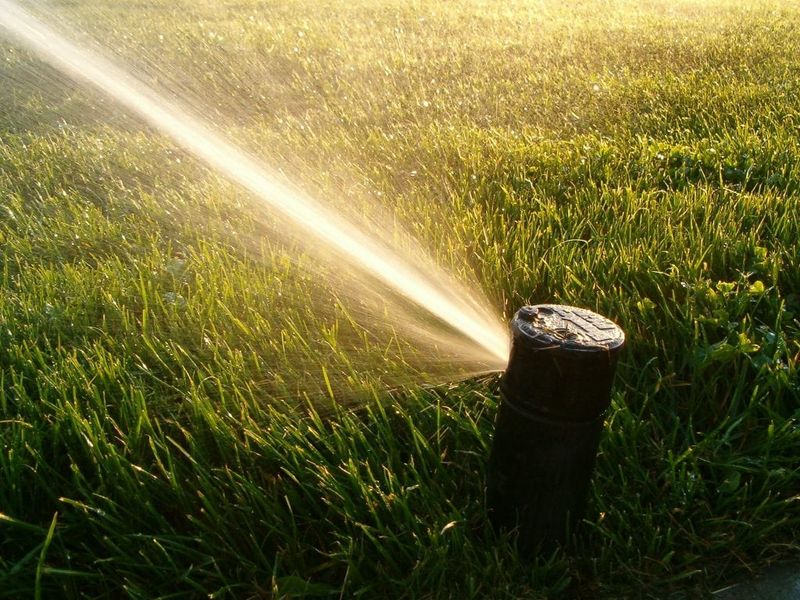
Most struggling September lawns in Florida are not thirsty. They are soggy, and the owner keeps reaching for the sprinkler dial anyway.
Try the screwdriver test before you water again. Push a long screwdriver or your finger 2 to 3 inches into the soil, and if it comes out cool and damp, skip the next cycle without guilt.
September and October wrap up the wet season, so rainfall tapers slowly rather than stopping cold. Watering frequency should follow rainfall, soil type, and local restrictions, with many lawns needing less supplemental irrigation as the wet season winds down.
Your Florida Garden Changes Every Week. Your Plan Should Too.
Gardening in Florida changes quickly throughout the season. Every Friday you’ll receive a simple weekly plan showing exactly what to plant, prune, fertilize, harvest, and protect so you never miss the right timing.
St. Augustine wants roughly an inch of water per week, rain included. A little less works fine once temperatures ease off.
Timing changes everything. Run zones between 4 and 10 a.m. so blades soak up moisture before the sun steals it and dry out before nightfall, which keeps fungus from settling in.
Walk your system while it runs at least once this month. Clogged heads, spray blocked by a shrub, or a tilted nozzle explains a shocking number of mystery brown spots.
Add a rain sensor or smart controller if you have not yet, and double-check your water management district restrictions before setting any schedule.
3. Repair Thin St. Augustine Spots Before Cool Weather Arrives
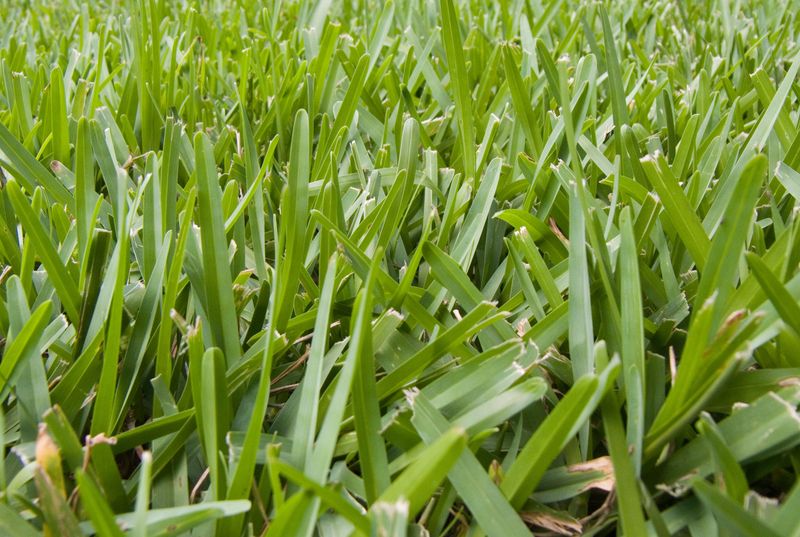
Here is something that surprises new homeowners: St. Augustine does not grow from a seed bag. Sod, plugs, or sprigs are the only ways to fill a bare patch.
Late summer into early fall happens to be one of the two best planting windows for North and Central Florida. Soil is still warm, growth is still happening, and roots have time to settle before cooler weeks arrive.
South Florida gardeners get more flexibility, with late fall, winter, and spring all workable options.
Loosen the soil in the thin area first and clear out any old debris. Press plugs or sod firmly so the roots make real contact instead of sitting on top of loose sand.
Keep new pieces consistently moist until roots anchor, then back off on watering frequency. Tug gently after two weeks, and if the piece resists, you have rooting.
Hold off on fertilizer for 30 to 60 days after planting. Tender new growth does not need a push it cannot support yet.
Wait 14 to 21 days before that first mow, and raise the deck so the blade does not yank fresh plugs loose. Patience here saves you from repeating the whole project next spring.
4. Watch September For The Turf Pests Summer Left Behind
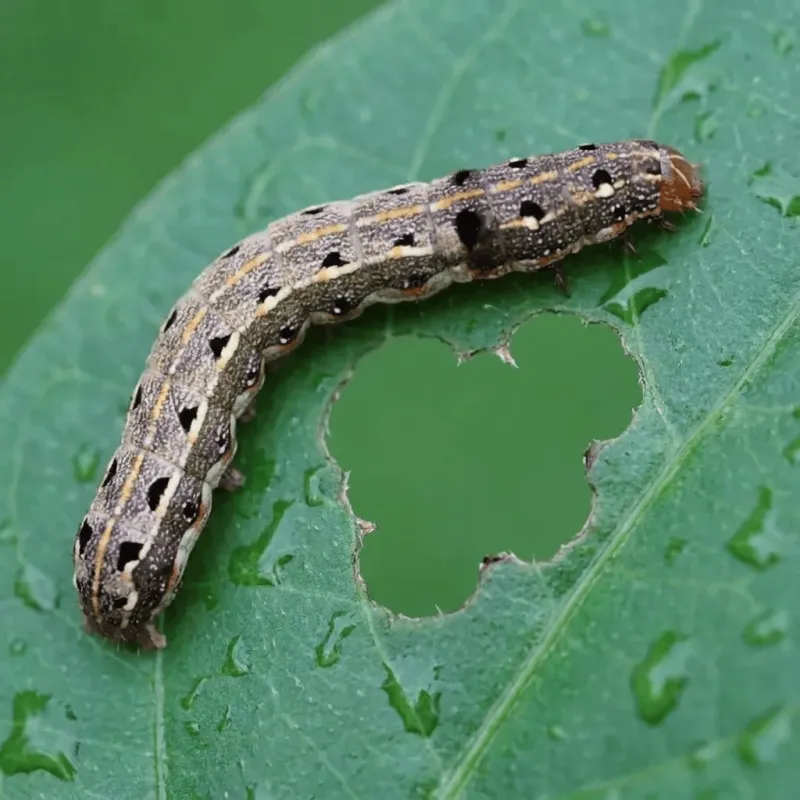
Our warm climate keeps turf pests on the clock nearly year-round, and September is prime time for several of them at once.
Southern chinch bugs top the list for St. Augustine owners. They sip plant fluids and inject toxins, leaving yellow, wilting, brown patches that look exactly like drought stress, usually starting in the sunniest, driest edges of the yard.
White grubs hatch in late summer and chew roots underground. Grass turns dull and wilted, and damaged sections lift up like loose carpet.
Mole crickets peak from late August into early October. Watch for surface tunnels, spongy footing, and sudden digging from armadillos or raccoons hunting a snack.
Tropical sod webworms show up from late June through September. Small tan moths fluttering up as you walk at dusk are your early warning, followed by thin, chewed-looking areas.
Fall armyworms travel in hungry groups, and August and September are their favorite months. A green lawn can turn brown and ragged in days.
Get down on your knees and part the grass at the edge of any suspicious patch. Correct identification decides your next move, because the treatment for a chinch bug is not the treatment for a grub.
5. Feed Your Lawn Only If Soil And Timing Call For It
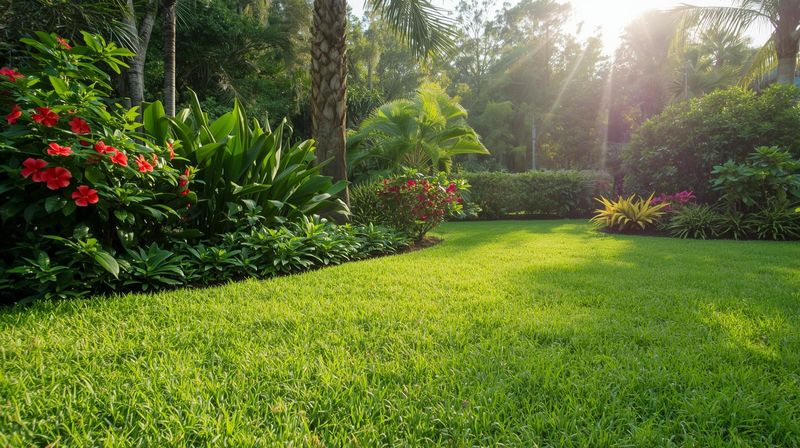
Fertilizer is not a cure-all, and September is the month people overdo it. A soil test tells you far more than a guess at the garden center.
Region matters enormously here. North Florida lawns typically get three feedings a year, with the fall round in early October, while Central Florida schedules often include an August to early September application plus another in early to mid October.
In the Jacksonville area, late September through early November hits the sweet spot, once soil sits between 60 and 70 degrees and daytime highs stay under 80.
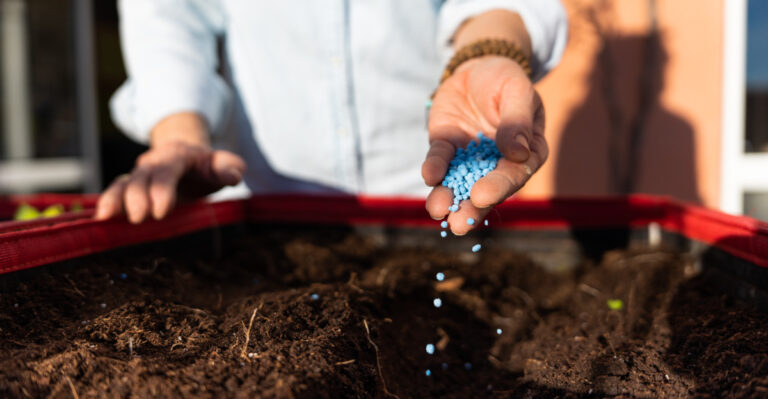
Lean toward lower nitrogen and higher potassium for fall. A fertilizer with appropriate nitrogen and potassium levels can support fall lawn health without pushing excessive tender growth.
Choose slow-release nitrogen so nutrition trickles out steadily. A sudden growth spurt creates soft blades that struggle when the first cool snap rolls through.
Skip heavy nitrogen in late fall and winter entirely. Grass is supposed to bank energy then, not sprint.
One more thing worth checking before you spread anything: many counties and cities have seasonal fertilizer bans, especially near lakes, rivers, and bays. A quick look at local rules keeps your yard legal and your waterways cleaner.
6. Remove Excess Thatch Before It Blocks Water Movement
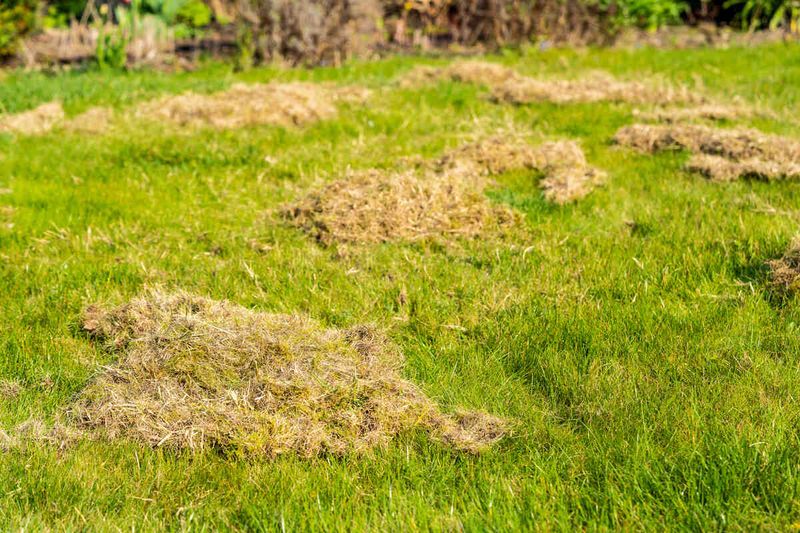
Squish. That is the sound a thatch-heavy lawn makes underfoot, and many Florida yards have it without the owner realizing.
Thatch is the spongy layer of old and living stems, runners, and roots sitting between green blades and soil. A thin layer is normal and even helpful, but once it passes three-quarters of an inch, water and nutrients struggle to reach roots.
St. Augustine builds thatch fast thanks to those creeping stolons and a humid climate with no hard freeze to slow things down.
Here is the September plot twist: this is not the month to dethatch. The University of Florida points to late spring or early summer, around May and June, when warm-season grass is growing hard enough to bounce right back.
Fall or winter dethatching on St. Augustine leaves turf thin and exposed for months, opening the door to cold damage, weeds, and insects.
What you can do now is measure. Slice out a small wedge with a trowel and look at that layer, then note it on your calendar for spring.
Plenty of lawns only need this every two or three years. Mow at the right height and feed sensibly, and some never need it at all.
7. Aerate Compacted Areas Where Roots Need More Air
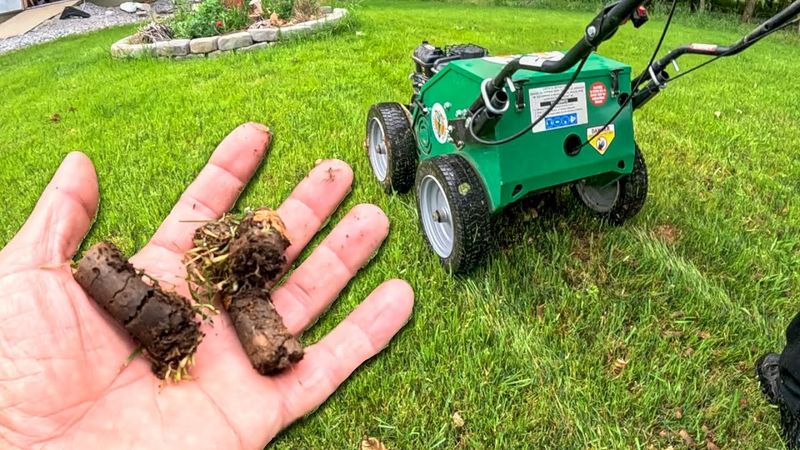
Foot traffic paths, the strip beside the driveway, the shortcut kids take to the pool gate. Those are the spots where soil packs tight and roots start gasping.
Aeration opens the ground so air, water, and nutrients can move freely to the root zone. Compacted soil basically puts a lid on all three.
Timing follows the same logic as dethatching. Warm-season grasses recover best when aerated during active growth, roughly late spring through early summer in the state.
The University of Florida advises against fall aeration for St. Augustine and Zoysia. Opening the surface now can leave turf sparse and exposed to frost damage, with weeds and pests happy to move into the gaps.
Sandy soil across much of the state resists compaction better than clay, which means many lawns only need aeration every two or three years.
Use September to scout instead. Push a screwdriver into suspect areas, and if it fights you while sinking easily elsewhere, you found your compacted zone.
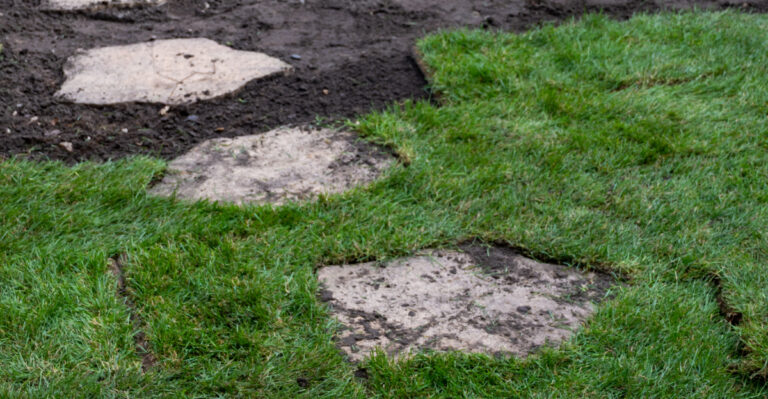
You can ease pressure right now without machinery. Reroute foot traffic with a stepping stone path, move a parked trailer, and top-dress heavy-use areas lightly so roots get a breather until aeration season returns.
8. Adjust Mowing Habits As Florida Growth Starts To Slow
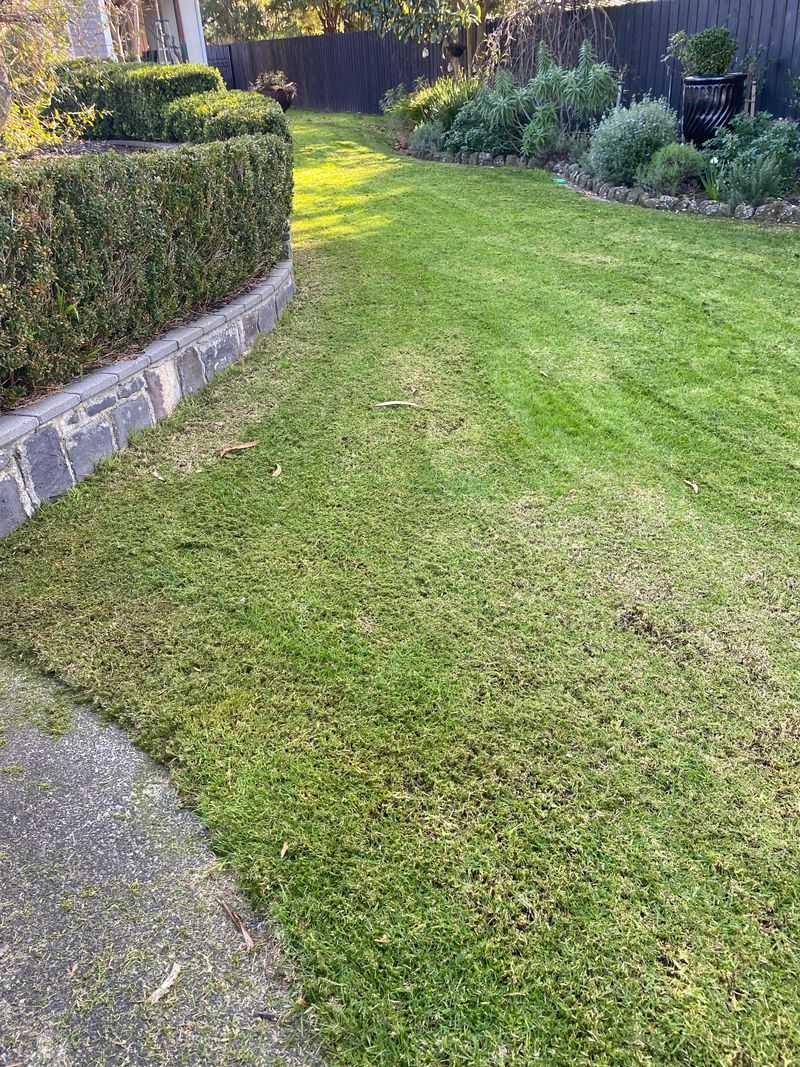
Weekly mowing from March through October is the standard rhythm for St. Augustine in North and Central Florida. September still lands inside that window, though the pace usually starts easing.
Let the grass tell you when to cut. If it has barely grown since last weekend, parking the mower does more good than running it.
The one-third rule stays in force no matter the season. Removing more than a third of the blade at once stresses a plant that is shifting into energy-saving mode.
Keep that cutting height at 3.5 to 4 inches heading into cooler weeks. Taller blades insulate the crown and shade the soil, which protects roots when temperatures dip.
By November, North Florida lawns often need mowing only every two weeks. Central and South Florida yards may creep along through mild winters, needing a trim every two to three weeks or simply when it looks shaggy.
Clean, sharp blades matter even more when growth slows, since damaged tips take longer to heal.
Leaving clippings on the lawn is a small win worth mentioning. Those short pieces break down quickly and hand nitrogen back to the soil, trimming what you need from a fertilizer bag later.
9. Prepare Warm-Season Grass For The Months Ahead
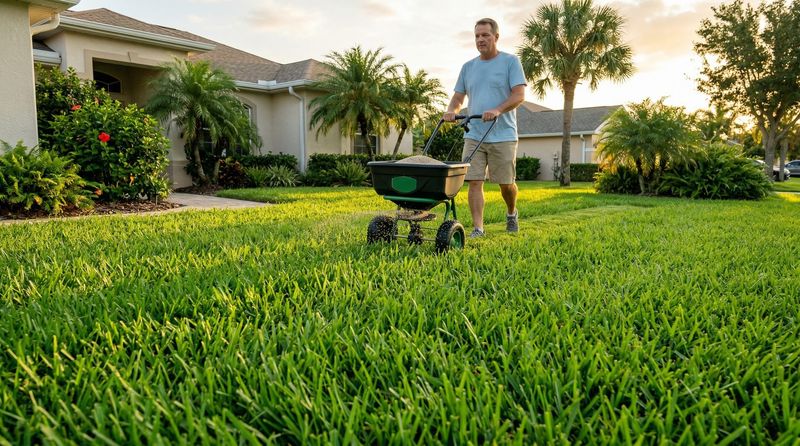
Cooler air tells St. Augustine to downshift. Growth slows, color dulls a shade, and the grass drifts toward a semi-dormant state where it quietly conserves energy.
Meet it halfway by easing off the water. Half an inch to an inch per week, rainfall included, suits the reduced evaporation of fall and winter.
Hold your mowing height at 3.5 to 4 inches and stretch out the intervals between cuts. That extra blade length acts like a light blanket over the root zone.
A properly timed pre-emergent application can help prevent some winter weeds, but timing should match your grass type, location, and local recommendations. Getting ahead of them beats pulling them in January.
If you fertilize, choose a balanced product or one leaning on potassium to strengthen roots and cold tolerance, and go easy on nitrogen.
Keep scouting for chinch bugs and brown patch fungus even as temperatures drop, because cool, damp weather has its own troublemakers.
Rake or mulch fallen leaves rather than letting them mat down over the grass. Mulched leaves feed organic matter straight back into sandy soil.
One bonus: September weather is excellent for planting trees, shrubs, and perennials, giving their roots a long head start before spring arrives.