Plant These Florida Natives In September For A Yard That Comes Alive This Fall
September can feel like the point when a Florida yard starts to lose momentum, but the season still has plenty left to offer. Summer heat begins to loosen its grip, rain patterns shift, and the soil stays warm enough to give new plants a strong start.
That combination can turn early fall into one of the smartest moments to add native color and wildlife value without forcing your yard through peak summer stress. The payoff can show up fast.
Fresh blooms draw bees and butterflies, textured foliage fills tired gaps, and new roots gain time to settle before cooler weather arrives. The key is choosing natives that actually respond well to a September start rather than treating fall like a second spring.
A few selections can change how your yard looks and feels within weeks, while also setting up a stronger landscape for the months ahead.
1. Muhly Grass Brings A Pink Cloud To The Fall Yard
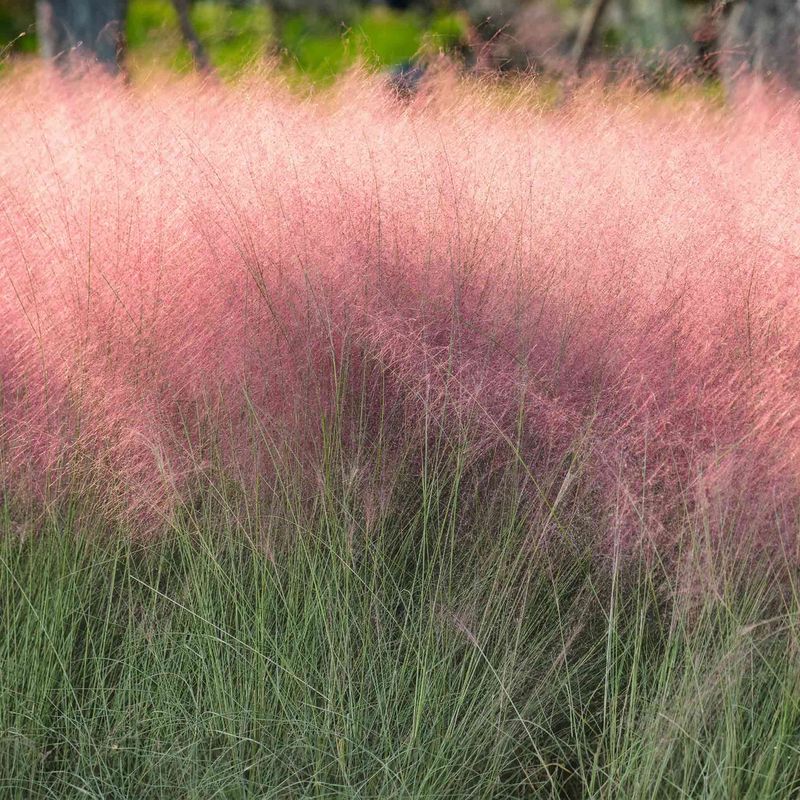
Pink flower plumes rising above green clumps are one of fall’s most reliable visual surprises in a native yard. Muhly grass, Muhlenbergia capillaris, is a Florida native that earns its place all year for tidy foliage alone.
But fall is when it truly performs, sending up airy pink to purple flower stalks that catch light and move in the breeze.
The effect is especially strong when several plants are grouped together. One isolated clump looks pleasant enough, but a mass planting creates that signature cloud of color that stops people on the sidewalk.
UF/IFAS notes that muhly grass thrives in full sun and well-drained soils, making it well-suited to many typical yard conditions across the state.
September is a good month to get nursery-grown transplants into the ground. Roots have time to settle while soil temperatures stay warm.
A small transplant may not produce a full, mature flower display its very first fall, but even young plants can push up some bloom. Larger, more established container plants tend to show off more right away.
Give plants consistent water during the first few weeks after planting. Once established, muhly grass is notably drought-tolerant.
Avoid heavy fertilization, which pushes leafy growth over the flower display you actually want. Let this grass do what it does best: add movement, softness, and genuine fall color to a yard that needs both.
2. Beautyberry Adds Purple Fruit That Birds Actually Notice
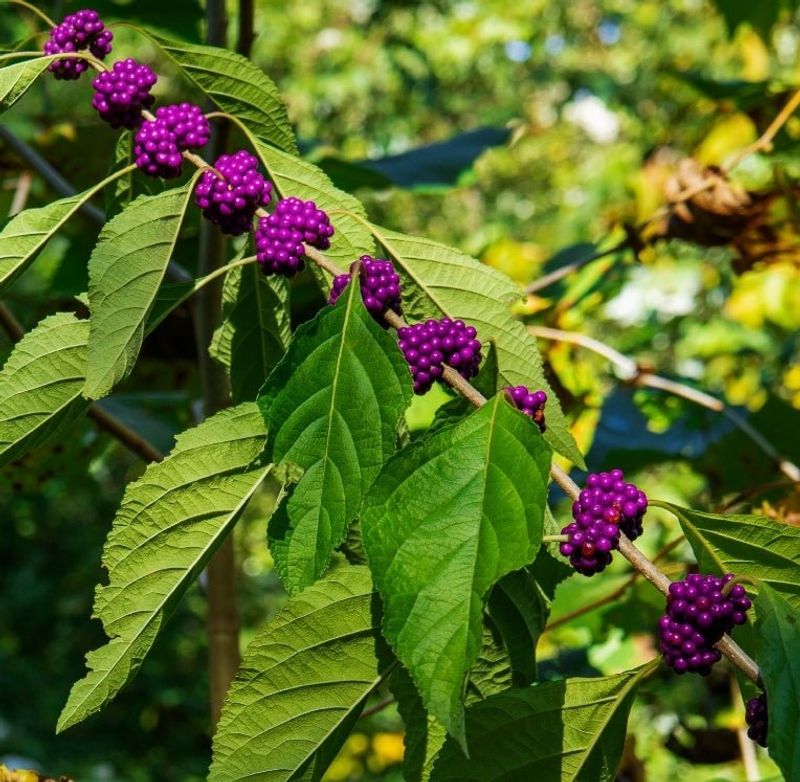
Clusters of bright purple berries crowding along arching stems are hard to miss in a fall landscape. American beautyberry, Callicarpa americana, is a native shrub that earns serious attention once those berries appear in late summer and carry into fall.
The color is genuinely striking, a saturated purple-magenta that stands out even against green foliage.
Birds, including mockingbirds, robins, and brown thrashers, actively seek out beautyberry fruit. Beyond wildlife value, the shrub adds visual interest at a time when many flowering plants have slowed down.
UF/IFAS describes beautyberry as a fast-growing, adaptable native that tolerates a range of soil conditions and light levels, from full sun to partial shade.
Your Florida Garden Changes Every Week. Your Plan Should Too.
Gardening in Florida changes quickly throughout the season. Every Friday you’ll receive a simple weekly plan showing exactly what to plant, prune, fertilize, harvest, and protect so you never miss the right timing.
Placement deserves real thought before you plant. Beautyberry can spread broadly, often reaching six feet tall and equally wide at maturity.
Squeezing it into a narrow foundation bed will cause frustration later. Give it room along a fence line, a woodland edge, or an open corner of the yard where it can arch naturally.
A nursery-grown transplant put in the ground this September will need time to establish. Do not expect a heavy berry crop that same fall from a young plant.
However, even a modest display of berries on a young shrub adds welcome color. Water regularly through the first dry spell and let the roots settle in for a stronger show next year.
3. Scarlet Sage Keeps Hummingbirds Working The Flowers
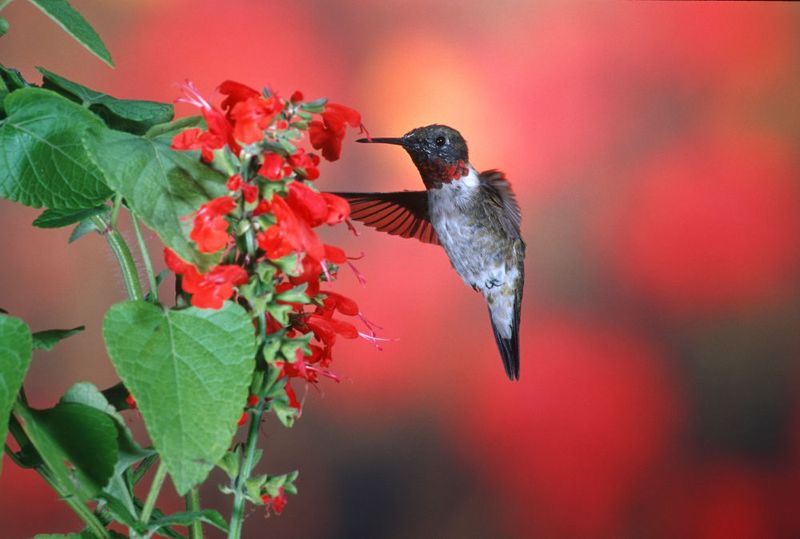
Watch a hummingbird work a row of red tubular flowers and it is easy to understand why scarlet sage earns a spot in native yards.
Salvia coccinea, the true native scarlet sage, produces slender red blooms that hummingbirds probe repeatedly on their fall migration routes.
Butterflies and other long-tongued insects visit regularly as well.
Not every red salvia sold at a garden center is native, so the scientific name matters here. Salvia coccinea is the species with established native status in Florida, and it is the one worth seeking at native plant nurseries or reputable native plant sales.
UF/IFAS notes that it performs well in full sun to partial shade, though stronger light generally supports better and more consistent flowering.
Scarlet sage tends to bloom over a long season rather than all at once, which makes it especially useful for keeping pollinators supplied with nectar into fall. Newly planted transplants may take a few weeks to settle in before flowering picks up.
Starting with a well-rooted nursery plant rather than a seedling gives you a head start. Trimming spent blooms can encourage continued flower production.
Plants may also self-seed lightly, which means you could find volunteer seedlings the following spring. Give plants adequate spacing for airflow, keep the soil reasonably moist during establishment, and let the hummingbirds find their way to your yard naturally.
4. Goldenrod Turns Fall Yellow Into A Pollinator Magnet
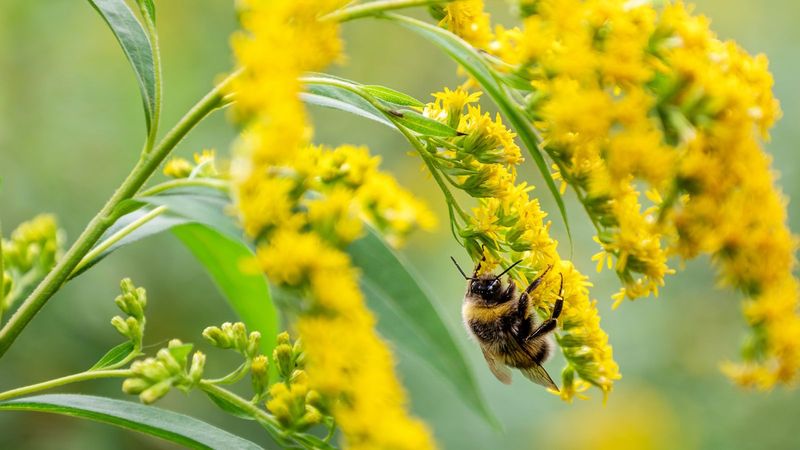
Yellow goldenrod in full bloom is one of fall’s most reliable signals that the season has genuinely shifted. Several native Solidago species flower from late summer into fall across Florida.
Their nectar-rich blooms attract many native bees, butterflies, and other beneficial insects.
A common misunderstanding blames goldenrod for fall allergy season. Ragweed, not goldenrod, is the main source of windborne pollen that triggers fall allergies.
Goldenrod pollen is heavy and sticky, carried by insects rather than wind. Its showy yellow blooms are actually a sign that insect activity is doing the work nearby.
Different Solidago species prefer different conditions. Some tolerate dry, sandy soils well, while others prefer moist or even seasonally wet areas.
Species like Solidago odora and Solidago rugosa have documented native ranges within Florida, but regional suitability varies. Ask a native plant nursery which species performs best in your specific area and soil type before purchasing.
Avoid treating all goldenrods as interchangeable statewide, because they are not. September planting with established nursery-grown transplants gives roots time to settle before the dry season arrives.
Even a young goldenrod plant can produce some bloom in its first fall. A mass of goldenrod in peak flower is a genuine spectacle, buzzing with activity from morning to late afternoon on warm fall days.
5. Blazing Star Sends Purple Spikes Into The Fall Border
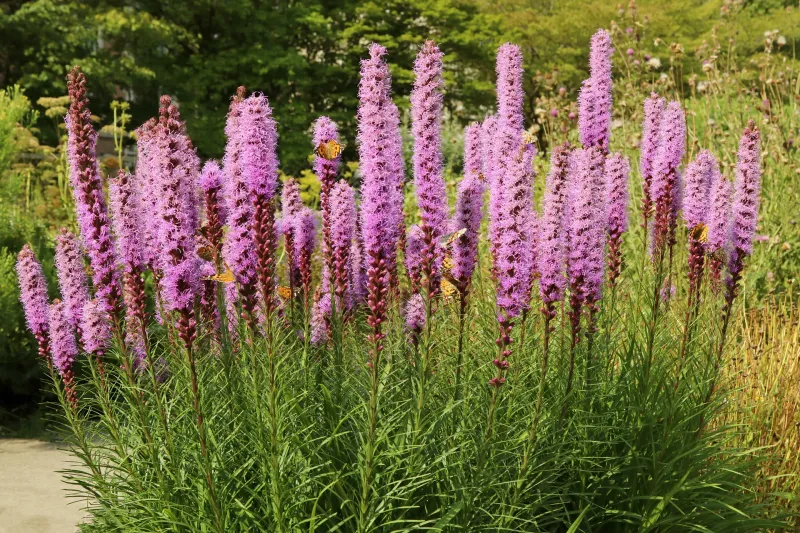
Tall purple spikes rising above surrounding plants give a fall border genuine vertical structure. Native Liatris species, commonly called blazing star or gayfeather, produce dramatic flower columns.
The blooms open from top to bottom, adding weeks of visual interest as they progress down the stem.
Bees and butterflies respond strongly to Liatris flowers. Monarch butterflies migrating through Florida have been observed nectaring on blazing star.
That makes it a useful addition to yards designed to support migrating species. Florida has multiple native Liatris species, and regional suitability matters before you buy.
Liatris spicata is widely recognized, but not every species thrives equally across all parts of the state. A reputable native plant nursery can help you identify which species suits your local soil, moisture level, and light conditions.
Do not assume that any Liatris labeled as blazing star will perform well everywhere. Seed sown in September will not produce a flower display that same fall, so start with nursery-grown transplants or established container plants.
A young plant may produce modest blooms in its first season, with a stronger display building over time as the root system matures. Plant in full sun for best flowering.
Give adequate spacing so air moves freely around each stem. Once established, many Liatris species are quite drought-tolerant and require little ongoing attention beyond occasional watering during dry stretches.
6. Mistflower Adds Blue Where Fall Gardens Need It
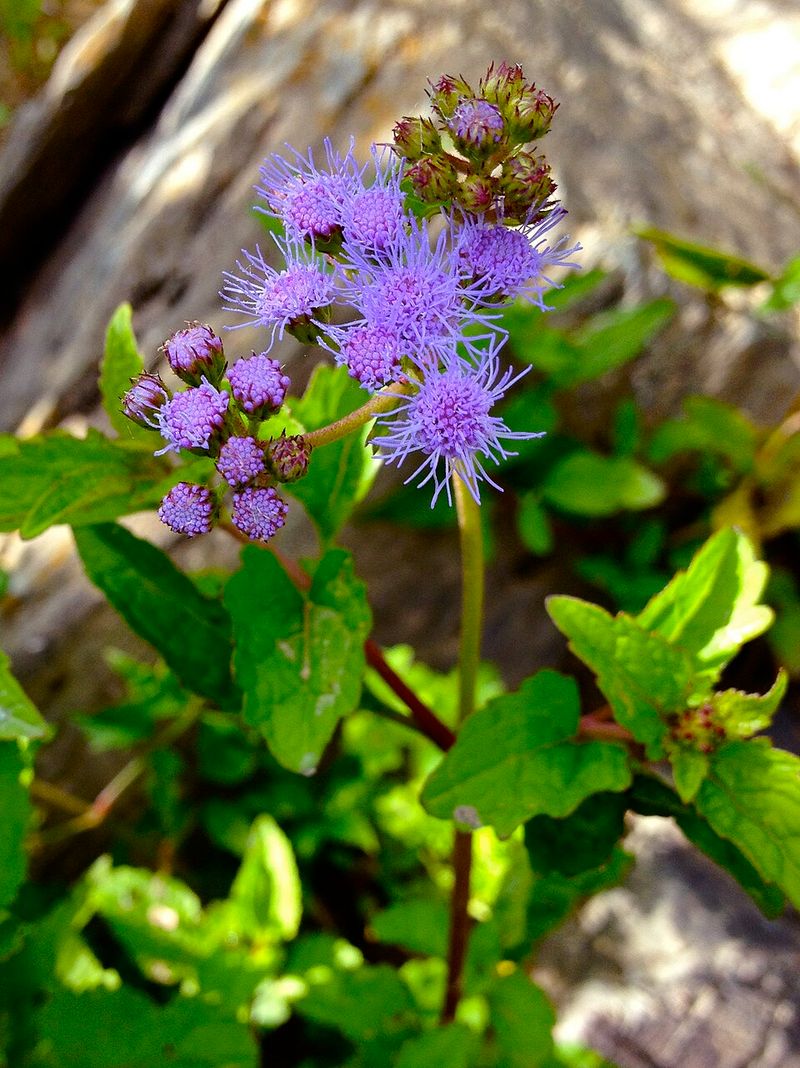
Blue is genuinely rare in a fall garden, which is exactly why mistflower earns a second look from anyone trying to add color variety. Conoclinium coelestinum, or native mistflower, produces soft blue to purple flower clusters into fall.
They attract small butterflies, skippers, and native bees seeking late-season nectar.
Mistflower is not the right choice for every yard. Mistflower performs best in somewhat moist soil.
It does especially well along pond edges, low spots, rain garden margins, and shaded areas that stay moist after rain. Planting it in a dry, sandy, full-sun bed and expecting it to thrive is setting up for disappointment.
Matching the plant to the site is the real lesson here. If your yard has a consistently moist area that other plants struggle in, mistflower may fill that niche beautifully.
UF/IFAS notes that it can spread by both rhizomes and self-seeding, so give it room to move rather than confining it tightly between other plants.
A well-rooted nursery transplant placed in September will have warm soil to establish in before cooler weather arrives.
The blue flower clusters are small individually but appear in dense, flat-topped heads that together create a soft haze of color.
Few natives offer that blue tone in fall, and for a moist yard that needs it, mistflower genuinely delivers something other plants simply cannot match.
7. Saltbush Becomes A White Cloud When Other Blooms Fade
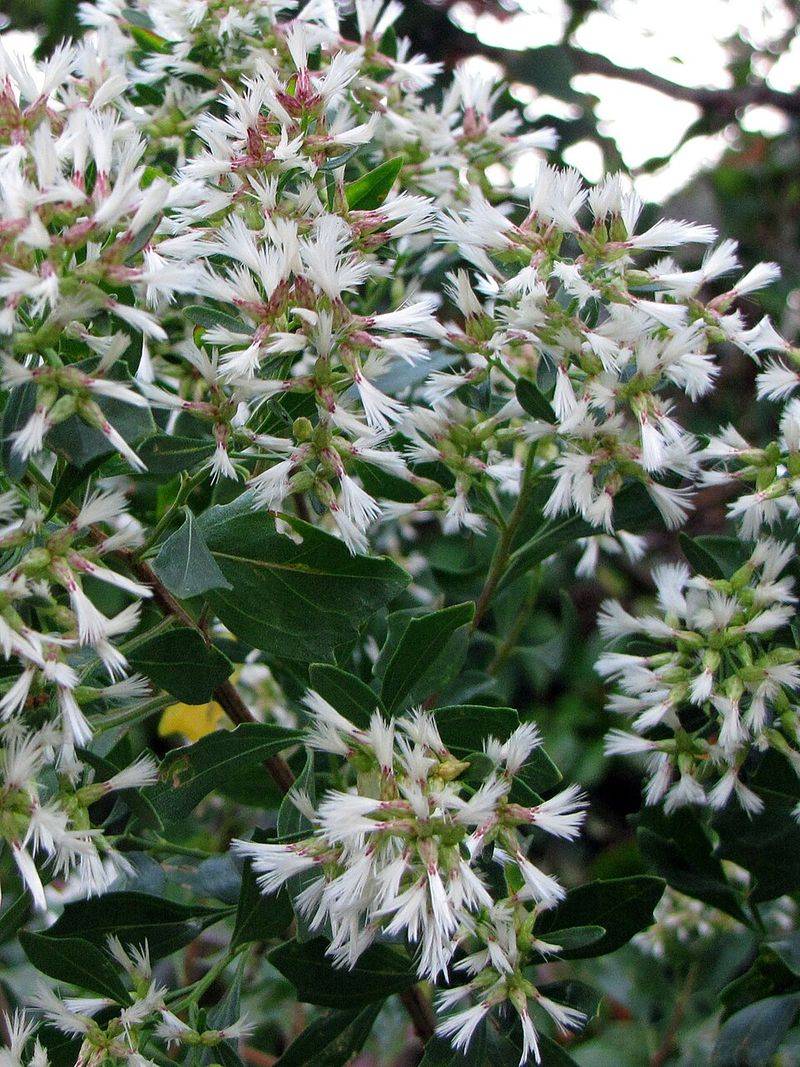
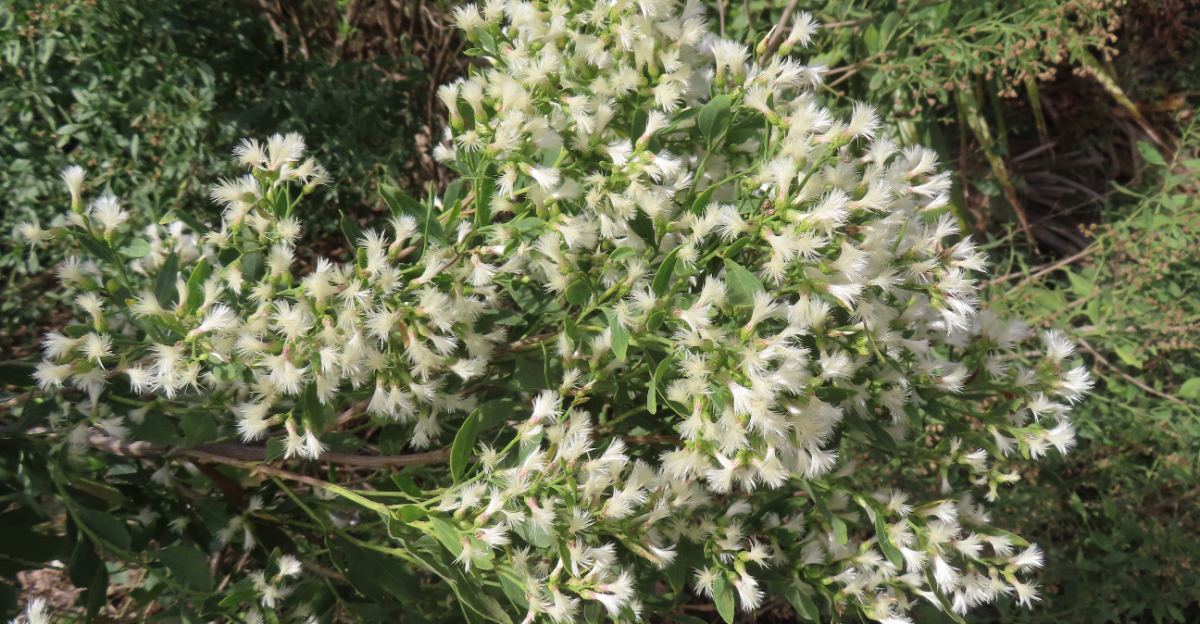
Late October has a way of emptying a yard of color just when you want the season to linger. Saltbush, Baccharis halimifolia, does the opposite.
As fall settles in, this native shrub erupts in pale flowers and then produces fluffy white fruiting material that makes the whole plant glow from a distance.
Beyond the visual drama, saltbush offers real wildlife value. The flowers provide late-season nectar for insects, including migrating butterflies that need fuel before cooler weather arrives.
UF/IFAS recognizes saltbush as a native suited to coastal, wetland-adjacent, and disturbed areas across much of Florida. It can also adapt to sites beyond strictly wet ground.
Size is something to plan for honestly. Saltbush can grow into a substantial shrub, often reaching ten feet tall or more under good conditions.
It is not a compact perennial to tuck into a small flower bed. Instead, consider it for pond margins, rain garden borders, large naturalized areas, or open corners of the property where a bold, tall shrub makes sense.
The white fall display is genuinely dramatic and distinct from anything most ornamental shrubs offer at that time of year. Plant a nursery-grown specimen in September and water it consistently through the establishment period.
Even a young plant can push some flowers in its first fall. The real spectacle builds as the plant matures and fills its space over the following seasons.
8. Frogfruit Keeps The Ground Buzzing Into October
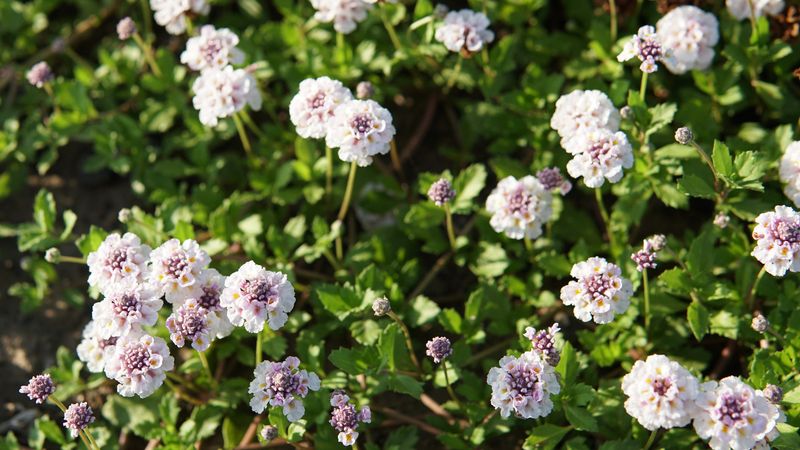
Ground-level activity is easy to overlook, but a patch of frogfruit in fall hums with more insect life than most people expect from such a small-flowered plant. Phyla nodiflora, or native frogfruit, is a low-growing groundcover that spreads across the soil surface.
Its tiny white and pink flowers can continue well into October under favorable conditions.
Its value runs in two directions. As a nectar source, frogfruit draws small native bees, skippers, and other insects that need low-growing flowers they can easily access.
As a host plant, it supports the larvae of several native butterfly species, including the common buckeye and the white peacock. That dual role makes it genuinely useful in a native yard, not just decorative.
Plugs are a practical way to establish frogfruit. Small rooted plugs placed in September will spread as soil stays warm, filling gaps along lawn edges, garden borders, or informal groundcover areas.
Do not expect a perfectly uniform carpet in the first season, and do not present it as a neat substitute for conventional turfgrass. It works best in relaxed, naturalized settings where some variation in texture is welcome.
Give plugs consistent moisture during the first few weeks to help roots anchor. Once frogfruit establishes, it is notably tough and low-maintenance.
September planting works best with established native plants suited to the specific site. Water them consistently through the warm establishment period ahead.