The Mulch Choices That Make Rat And Tick Problems Worse In California Yards
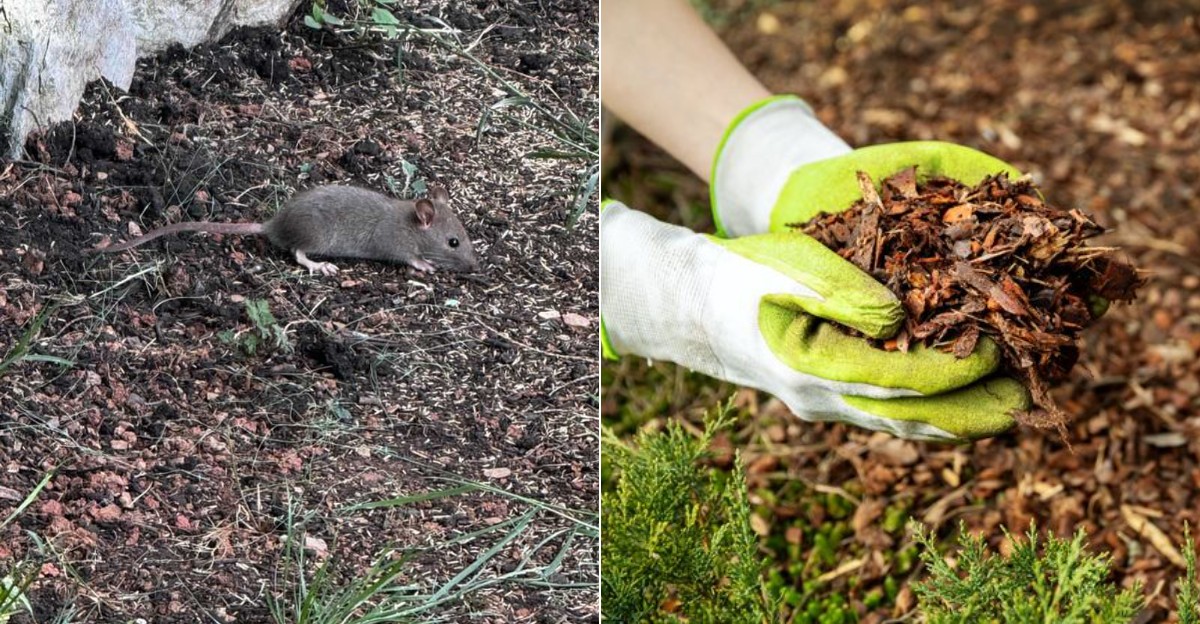
Mulch can make a California yard look cleaner, help soil retain moisture, and give plants a healthier growing environment.
But the type of mulch you choose can also create conditions that attract unwanted visitors if you are not careful.
Some materials provide the cool, sheltered spaces that pests look for, especially when they are placed near structures, dense planting areas, or other hiding spots.
What seems like a simple landscaping upgrade can sometimes add new challenges around your home.
Before spreading a fresh layer of mulch, it is worth taking a closer look at your options and where you plan to use them. The right choice can support your plants while helping you avoid creating a yard that feels more inviting to rats and ticks.
1. Thick Ground Covers Can Create Hiding Areas
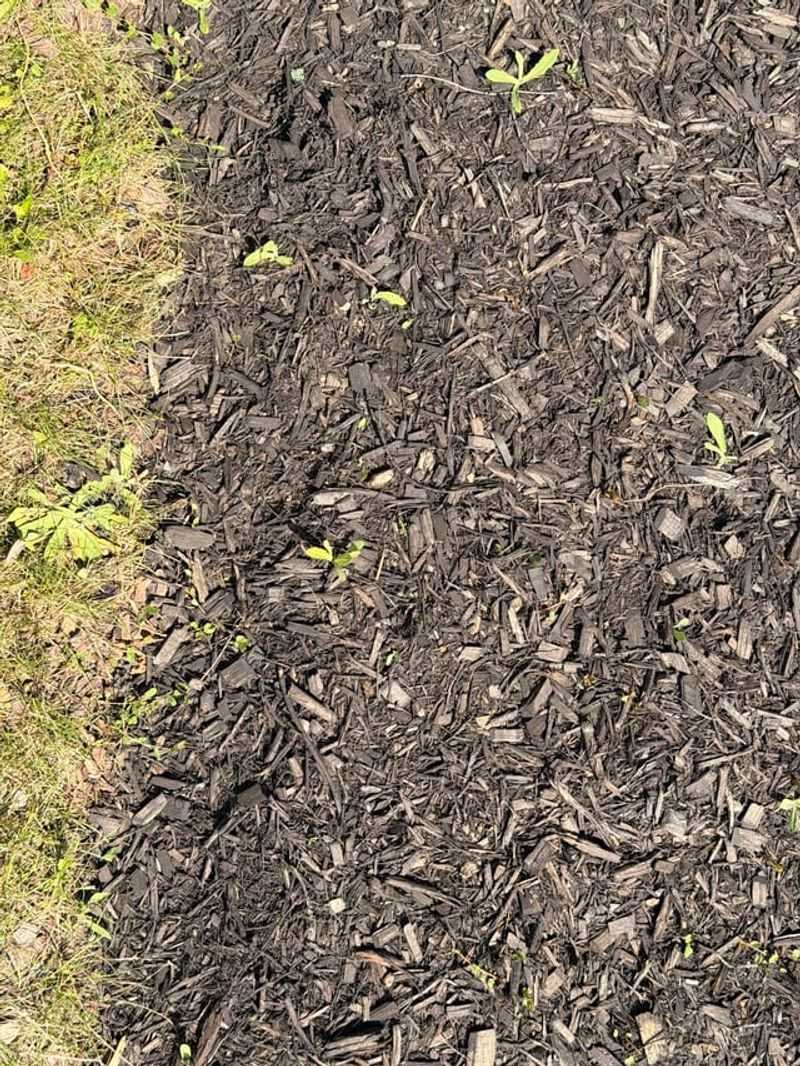
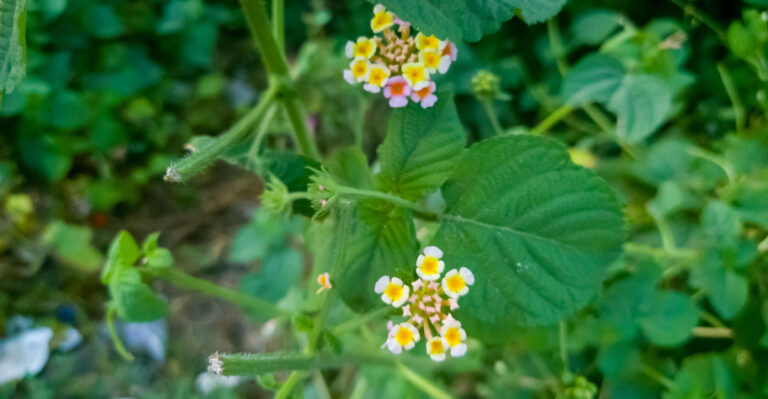
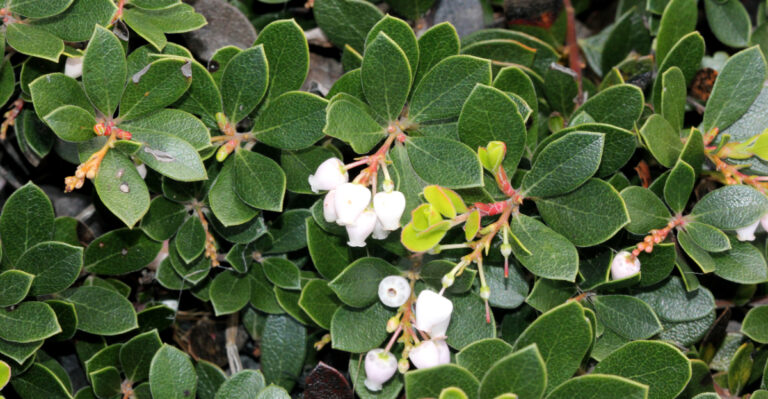
Low, spreading plants look lovely, but they can hide more than dirt. When ground covers grow thick and dense, they form a shady blanket over the soil.
Rats love that kind of cover. It hides them from hawks, cats, and people while they travel between food and shelter. Ticks also enjoy the cool, damp shade underneath.
In California, plants like ivy and dense creeping vines can spread fast. Over time, they build up layers that never fully dry out. That moisture holds in humidity, which ticks need to survive.
You do not have to remove every ground cover. Instead, keep them trimmed and thinned so light and air reach the soil below. Pull back growth near fences, sheds, and walls where rats like to travel.
Try leaving open gaps between planted areas. These breaks make it harder for pests to move around unseen. A yard with clear sightlines is far less inviting to rodents.
Check under thick patches now and then. Look for droppings, worn paths, or burrow holes near the roots.
Choosing tidier, clumping plants instead of aggressive spreaders can help too. They give you greenery without the tangled hiding spots.
Regular maintenance is the real key here. A quick trim every few weeks keeps growth in check and reduces cover.
By keeping ground covers open and neat, you make your yard less comfortable for pests while still enjoying the plants you love.
2. Dense Mulch Layers Give Rodents More Shelter
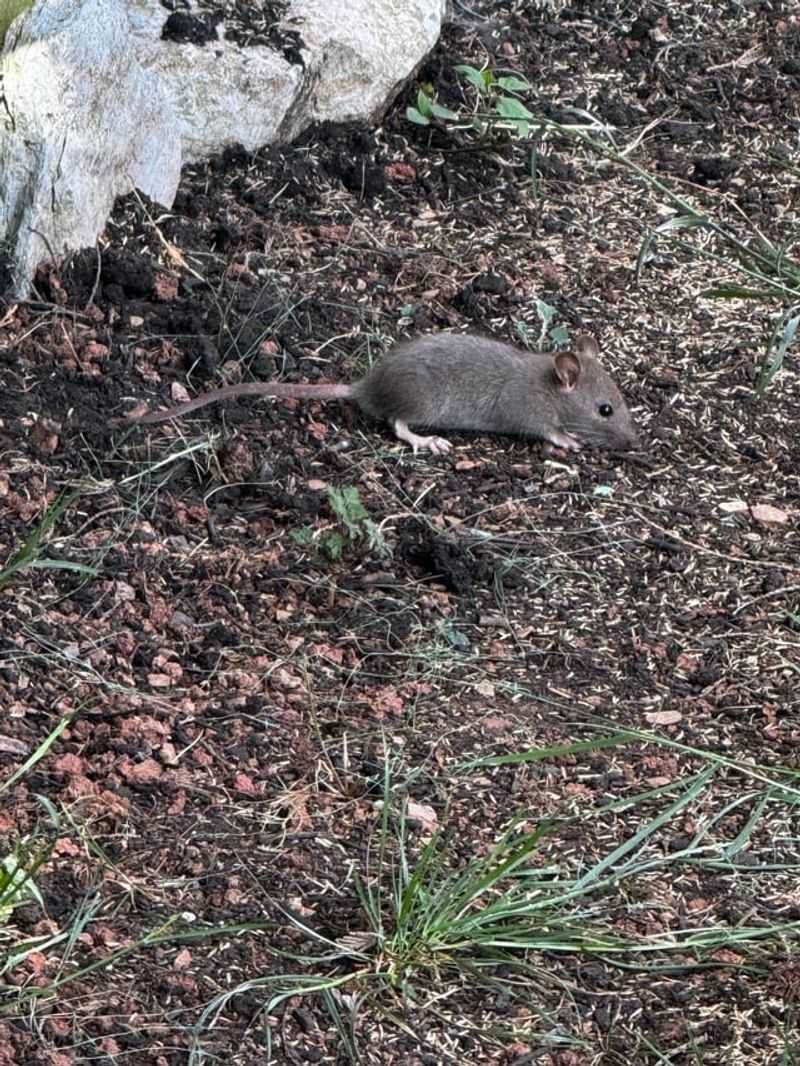
Piling mulch on thick seems like a smart move for keeping weeds down. The problem is that deep layers become perfect rodent apartments.
Rats and mice can tunnel through mulch that is several inches deep. The soft, loose material lets them dig hidden paths right under your plants.
Once they settle in, they stay warm and dry. Thick mulch traps heat and moisture, giving pests a safe place to nest and raise young.
Most gardens only need about two to three inches of mulch. Anything much deeper starts inviting trouble instead of helping your soil.
Spread mulch in a thin, even layer instead of heaping it up. Rake it flat so there are no tall mounds for animals to burrow into.
If you already have deep old mulch, pull some away and turn what remains. Disturbing it breaks up tunnels and makes the area feel unsafe to pests.
Your California Garden Changes Every Week. Your Plan Should Too.
Gardening in California changes quickly throughout the season. Every Friday you’ll receive a simple weekly plan showing exactly what to plant, prune, fertilize, harvest, and protect so you never miss the right timing.
Watch spots near foundations and low walls especially. These edges are where rodents like to dig and hide the most.
Coarser mulch that stays loose and airy can be a better pick. It settles less densely and dries faster than fine, packed material.
Checking your mulch depth every season keeps things under control. It only takes a few minutes with a rake or your hands.
Keeping layers thin gives your plants what they need without handing rodents a ready-made shelter to move into.
3. Wood Piles Near Mulch Attract More Activity
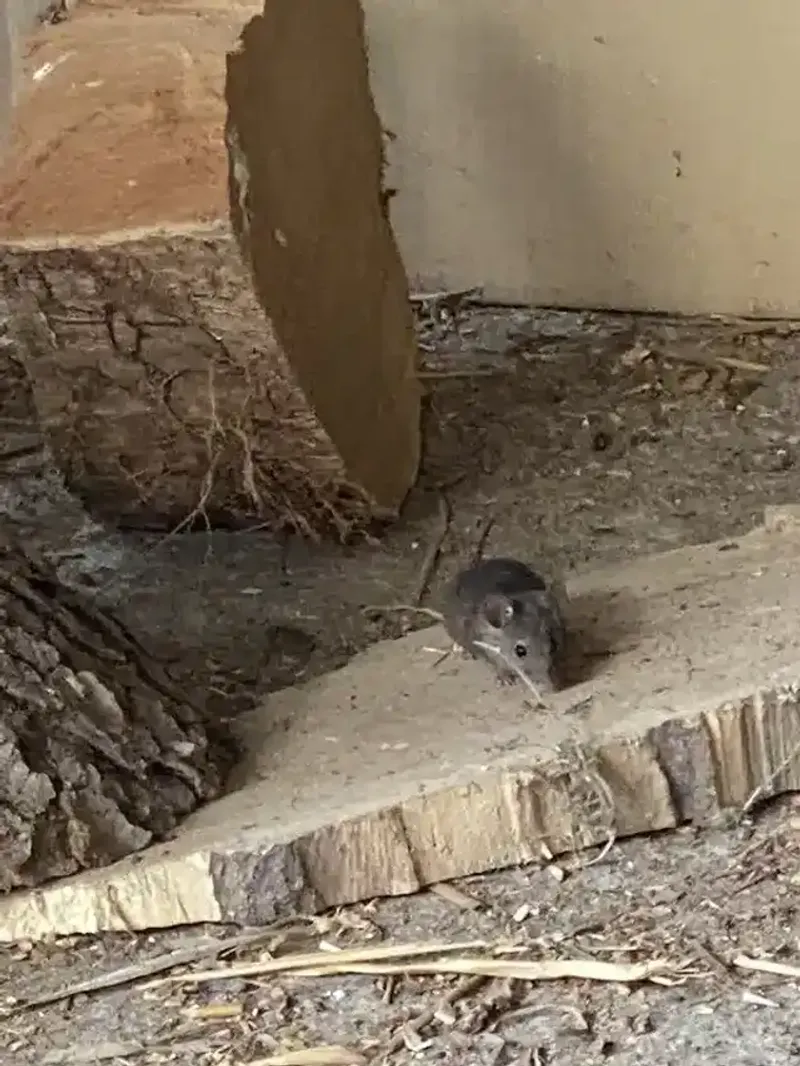
Firewood stacked near mulched beds is like ringing a dinner bell for pests. The combination gives rats both a home and a highway.
Wood piles offer dark gaps and hollow spaces where rodents nest. When they sit right beside mulch, animals can move between the two without ever being seen.
Ticks hitch rides on the mice and rats that gather there. So a wood pile can quietly raise the tick count in your whole yard.
Keep firewood well away from garden beds and house walls. A gap of several feet makes the area far less useful to pests.
Raise stacks off the ground using a rack or metal stand. Air moves underneath, the wood dries faster, and rodents lose their cozy floor.
Avoid letting mulch creep up against the base of a wood pile. That soft edge only makes digging and nesting easier for animals.
Check the pile now and then for signs of activity. Droppings, chewed bark, or scurrying sounds mean it is time to act.
Storing wood farther from the home is smart in fire-prone California too. It helps with both pest control and safety around your house.
If you rarely use firewood, consider clearing old piles entirely. Removing the shelter removes much of the reason pests hang around.
Separating wood and mulch breaks the link pests rely on, making your yard a lot less welcoming to unwanted guests.
4. Leaf Litter Can Increase Tick Habitat
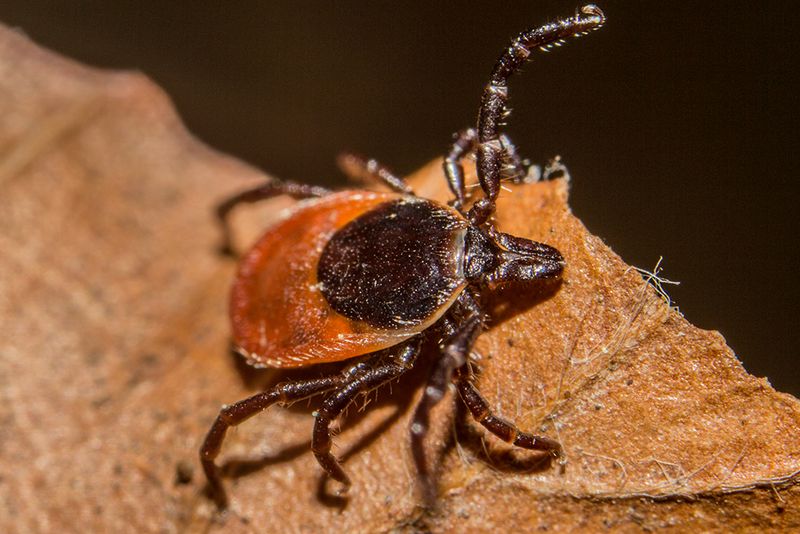
Fallen leaves seem harmless and even natural. Yet a thick blanket of leaf litter is one of the best homes a tick could ask for.
Ticks need moisture to stay alive, and damp leaves hold it well. Under that cover, they wait for a pet or person to brush by.
Leaf litter also feeds small animals that carry ticks around. Mice and other critters forage through it, spreading the pests as they go.
Raking leaves regularly makes a real difference. Removing that layer takes away the cool, moist shelter ticks depend on.
Pay special attention to fence lines, shady corners, and spots under bushes. Leaves pile up there and rarely dry out on their own.
You can compost the leaves you collect, just keep the bin away from play areas and walls. A far corner works best for that.
Mixing loose leaves into your mulch is not a great idea. It adds moisture-holding material right where you walk and garden.
Clearing leaves along paths and near seating areas protects the spots your family uses most. Ticks cannot wait where there is no cover.
In California, dry seasons help, but shady, watered gardens still stay damp. Those green pockets are exactly where litter builds tick habitat.
Staying on top of fallen leaves through the year keeps tick numbers down. A little raking now saves a lot of worry later on.
5. Moist Mulch Against Structures Creates Problems
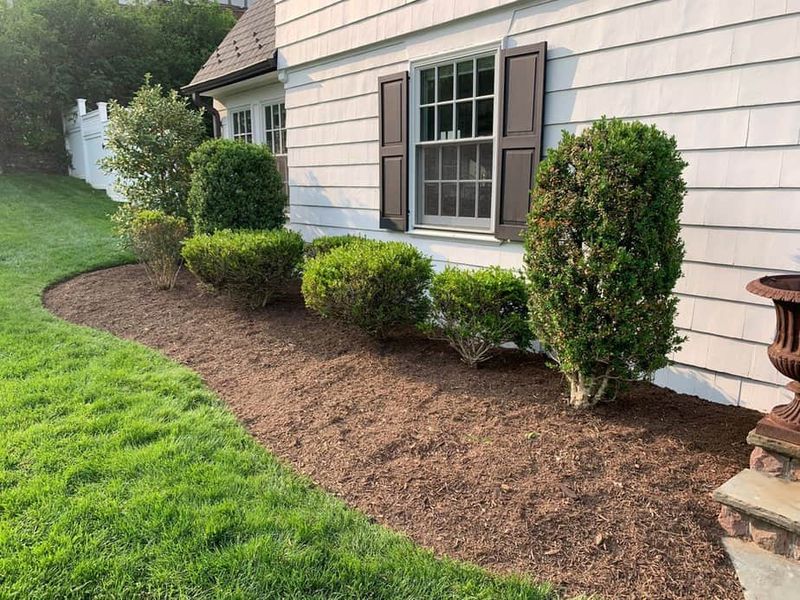
Mulch pushed right up against your house holds trouble close to home. When it stays wet, it draws pests straight to your walls.
Damp mulch against a foundation gives rats a shaded, humid path. They follow that cover looking for gaps to slip inside.
Moisture also softens wood and siding over time. That can create small openings pests use to reach the inside of a house.
Leave a clear gap between mulch and any structure. A band of bare soil or gravel several inches wide works nicely.
This dry break makes the edge less inviting and easier to inspect. You can quickly spot droppings, holes, or chewed spots.
Try not to overwater beds that sit next to the house. Constant dampness near the wall keeps humidity high and pests happy.
Gravel or stone near the foundation is a smart swap. It drains fast, dries out, and gives rodents nothing soft to burrow through.
Check gutters and downspouts too, since leaks keep mulch soggy. Directing water away helps the whole area stay drier.
Ticks also favor the shady, moist strip along a building. Keeping that zone open lowers their comfort as well.
Walk the base of your home now and then to look for damp buildup. Fixing it early keeps small issues from growing.
Keeping mulch back from your walls protects both your house and your peace of mind from unwanted visitors.
6. Avoid Letting Mulch Touch Tree Trunks
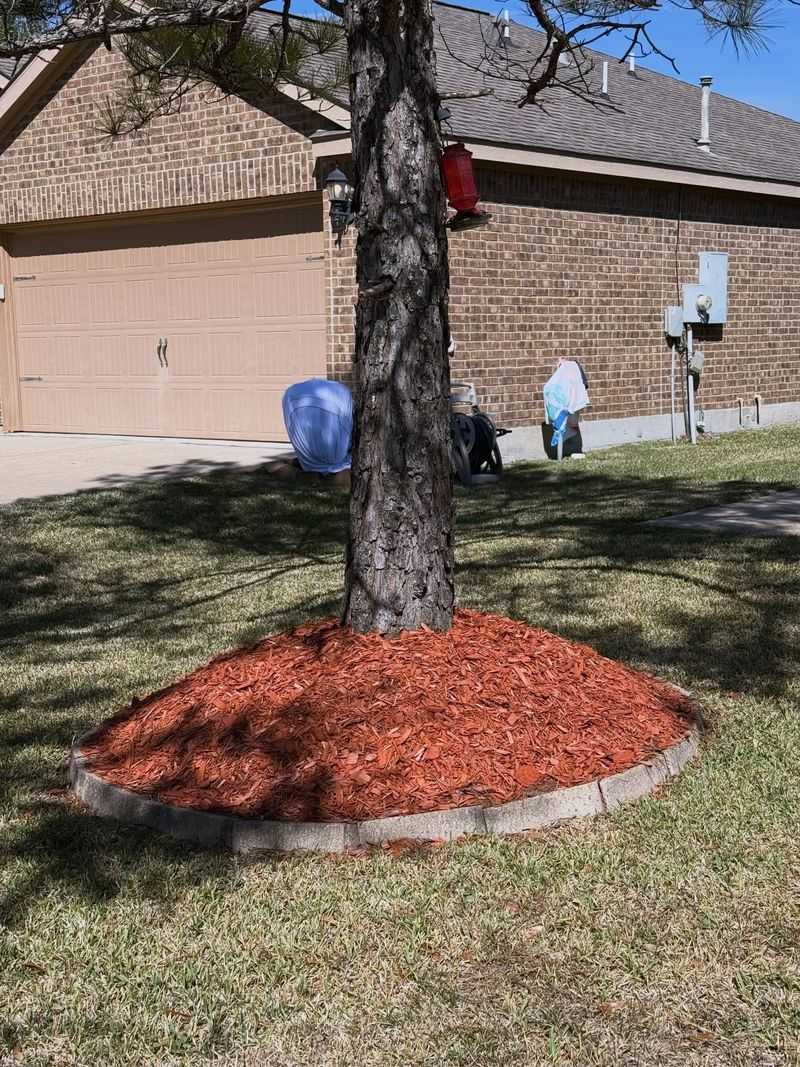
Heaping mulch around a trunk in a tall mound is a common sight. Gardeners often call it a mulch volcano, and pests adore it.
That piled mulch traps moisture right against the bark. The damp, dark space becomes a hideout for rodents and insects.
Rats can burrow into these mounds and gnaw the bark. The soft cover hides them while they nest close to the tree.
Instead, pull mulch back a few inches from the trunk. Leave the base of the tree open so air can reach it.
A flat, doughnut shape works far better than a tall cone. Spread the mulch out wide and keep it low and even.
This lets water soak into the roots where it belongs. It also keeps the bark dry and less inviting to chewing pests.
Check young trees especially, since their bark is tender. Damage near the base can weaken them for years.
Ticks may also linger in the shaded pile around a trunk. Keeping the base clear cuts down on that cover too.
Look at your trees each season and reshape the mulch as needed. A quick adjustment keeps the trunk healthy and pest-free.
Adding a small ring of open space around each tree makes inspecting easy. You will spot problems before they grow serious.
Keeping mulch off the bark protects your trees and removes one more cozy spot pests would happily claim.
7. Keep Mulched Areas Open And Maintained
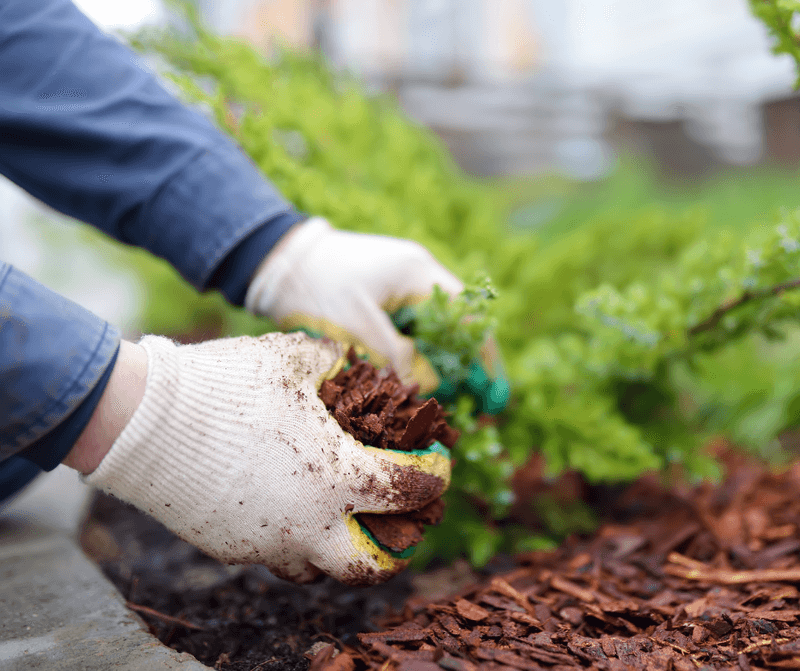
An open, tidy yard is far less appealing to pests than a messy one. Rats and ticks want cover, and neat beds give them little.
Regular upkeep is your strongest tool. Raking, trimming, and clearing debris keep hiding spots from ever forming.
When you can see the ground clearly, pests feel exposed. Predators spot them easily, so they look for busier gardens elsewhere.
Rake your mulch every few weeks to break up packed layers. Turning it also helps moisture escape and dries out damp pockets.
Trim plants back so they do not sprawl across the mulch. Open space between beds stops rodents from traveling unseen.
Remove weeds, fallen fruit, and clutter as you go. These extras give pests food and shelter you never meant to offer.
Walk your yard now and then just to look around. Spotting droppings or worn paths early makes them simple to handle.
Keep tools, pots, and junk off the mulch too. Stacked items create shady gaps that pests quickly claim as homes.
A watered garden in California can stay green and damp. Frequent care keeps that moisture from turning beds into pest hotels.
Set a simple routine you can stick with. Even fifteen minutes each week adds up to a much cleaner space.
Staying on top of maintenance keeps your mulch working for your plants instead of working against you and inviting unwanted guests.
8. Choose Mulch Based On Your Yard Conditions
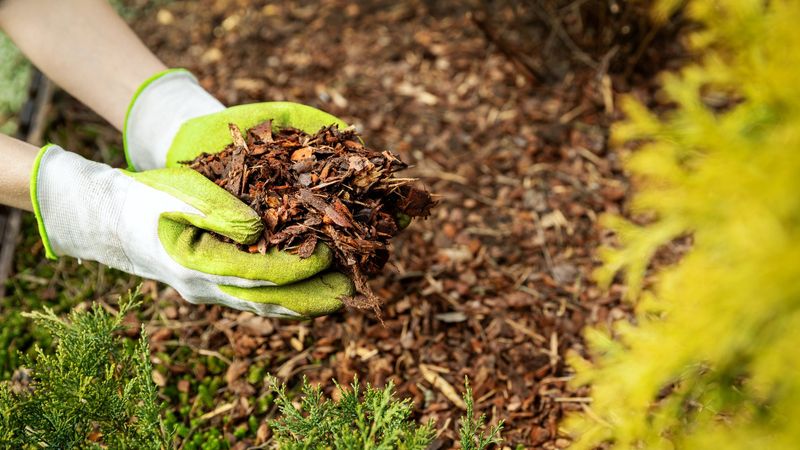
Not every mulch fits every yard, and the right pick makes pest control easier. Your climate, moisture, and location all shape the best choice.
Dry, sunny spots do well with coarse bark or gravel. These materials drain fast and give pests little damp cover to enjoy.
Shady, moist areas need extra thought. Fine mulch stays wet there, so a looser, chunkier option keeps things drier and safer.
Gravel and stone work great near walls and paths. They do not hold moisture, and rodents cannot burrow through them easily.
Wood chips are fine for open beds when spread thin. Just keep the layer light so it does not trap heat and pests.
Think about what grows nearby too. Some plants love rich organic mulch, while others thrive with mineral options like rock.
In fire-prone parts of California, gravel near the home adds safety. It resists sparks and keeps the base of the house cleaner.
Avoid picking one mulch for the whole yard by habit. Matching the material to each area gives you far better results.
Watch how your mulch behaves after rain or watering. If it stays soggy for days, a switch may be worth it.
Ask a local nursery about options suited to your region. They know what handles your soil and weather best.
Choosing mulch that fits your conditions keeps beds healthy and dry. Smart selection makes your whole yard less welcoming to rats and ticks alike.