Scents North Carolina Gardeners Use To Discourage Squirrels, Chipmunks, And Other Critters
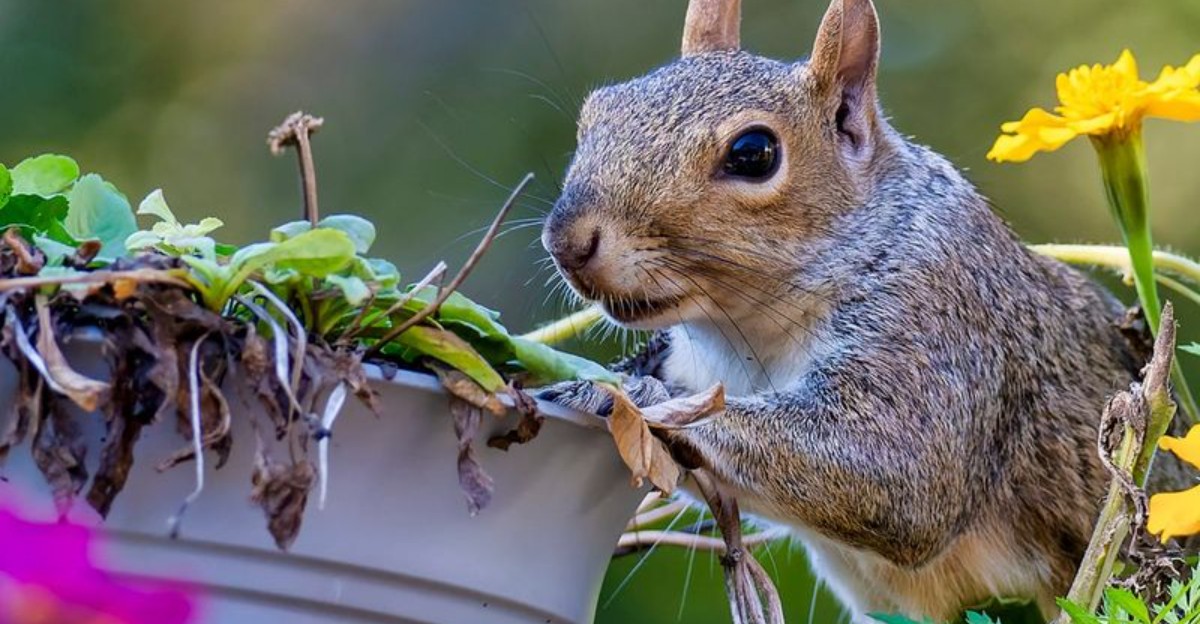
Certain smells can make a North Carolina garden considerably less appealing to squirrels, chipmunks, and other common yard visitors looking for an easy meal.
Many of these animals rely heavily on scent to locate food, and strong, unfamiliar odors can disrupt that process enough to send them elsewhere.
Ingredients like peppermint, garlic, and certain hot pepper compounds are frequently used for this purpose, either planted directly in garden beds or applied as sprays around vulnerable plants.
While scent deterrents aren’t a permanent fix on their own, they can meaningfully reduce browsing and digging when paired with other prevention methods like secure fencing or covered planting areas.
Understanding which scents actually work gives North Carolina gardeners a more natural option for keeping persistent critters at bay.
1. Peppermint Has A Strong Aroma
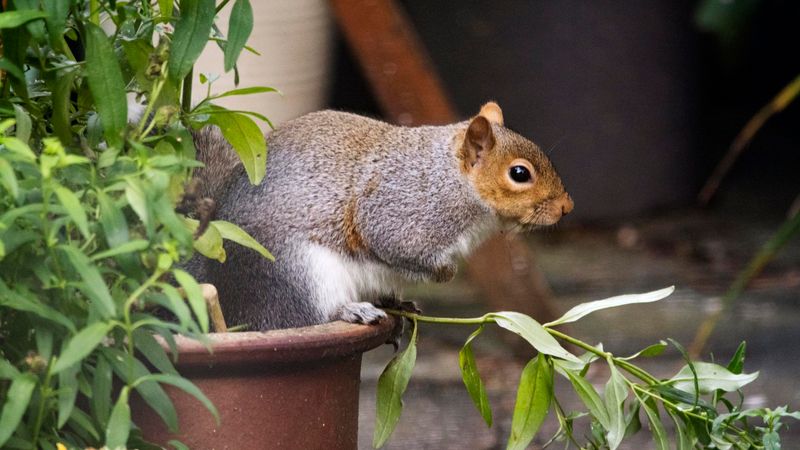
Walk past a patch of peppermint and you will notice how quickly that cool, sharp smell hits your nose. That intensity is exactly why so many gardeners reach for it when small critters start snooping around their flower beds and vegetable rows.
Squirrels and chipmunks rely heavily on their sense of smell to find food and feel safe. A powerful minty scent can confuse them and make an area feel less welcoming.
Many people mix peppermint essential oil with water and spray it near plants, or they tuck cotton balls soaked in oil around trouble spots.
Results can be a little unpredictable, though. One squirrel might dash away at the first whiff, while another barely notices and keeps digging. Weather plays a big role too.
Rain, wind, and hot North Carolina afternoons cause the scent to fade fast, so you often need to reapply it every few days.
Freshly planted peppermint offers a longer lasting option than sprays alone. The living leaves keep releasing fragrance, especially when they get brushed or bruised.
Just remember that mint spreads quickly, so containers or bordered beds help keep it under control.
Think of peppermint as one helpful tool rather than a magic fix. Pairing it with other smart habits, like cleaning up fallen seeds and food scraps, gives you a much better chance of success.
Even when it does not fully stop every critter, peppermint leaves your garden smelling wonderfully fresh, which feels like a nice bonus for your effort.
2. Garlic Creates A Powerful Odor
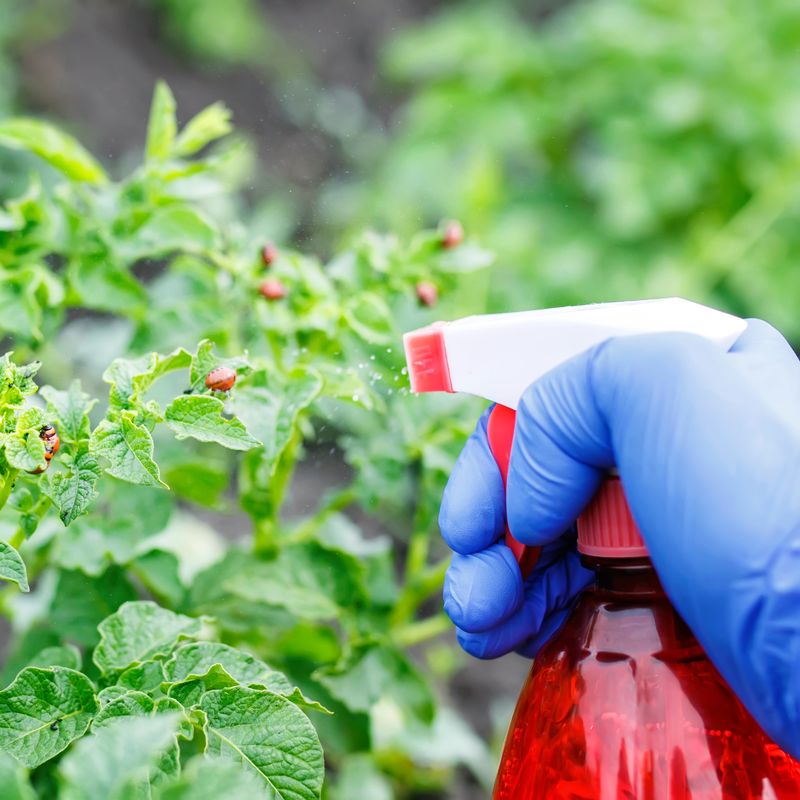
Few smells are as bold and unmistakable as garlic, and that pungent punch is part of why gardeners keep it in their toolbox. When crushed or chopped, garlic releases sulfur compounds that fill the air with a scent most animals would rather avoid.
Some North Carolina gardeners boil garlic in water, let it cool, and spray the liquid around plant edges.
Others scatter crushed cloves near burrow openings or along garden borders. The strong odor can make certain spots feel unpleasant enough that a curious chipmunk decides to search elsewhere.
Keep your expectations realistic, though. Garlic works better as a helper than as a full solution. Hungry critters are stubborn, and a determined squirrel may push through the smell if a tasty tomato is nearby.
Your North Carolina Garden Changes Every Week. Your Plan Should Too.
Gardening in North Carolina changes quickly throughout the season. Every Friday you’ll receive a simple weekly plan showing exactly what to plant, prune, fertilize, harvest, and protect so you never miss the right timing.
The odor also fades with time and washes away in the rain, so regular reapplication matters. Applying it after a big storm or every few days keeps the scent strong enough to make a difference.
Planting garlic directly in the ground gives you a longer lasting barrier because the growing bulbs and leaves add fragrance to the area. As a bonus, you get fresh garlic to enjoy in your kitchen later.
Combining garlic with fencing, cleanup, and other scents boosts your results far more than relying on it alone. Think of it as one layer in a bigger plan.
Even if a few critters ignore it, garlic remains an easy, budget friendly option that many gardeners are happy to keep trying season after season.
3. Hot Pepper Can Discourage Some Mammals
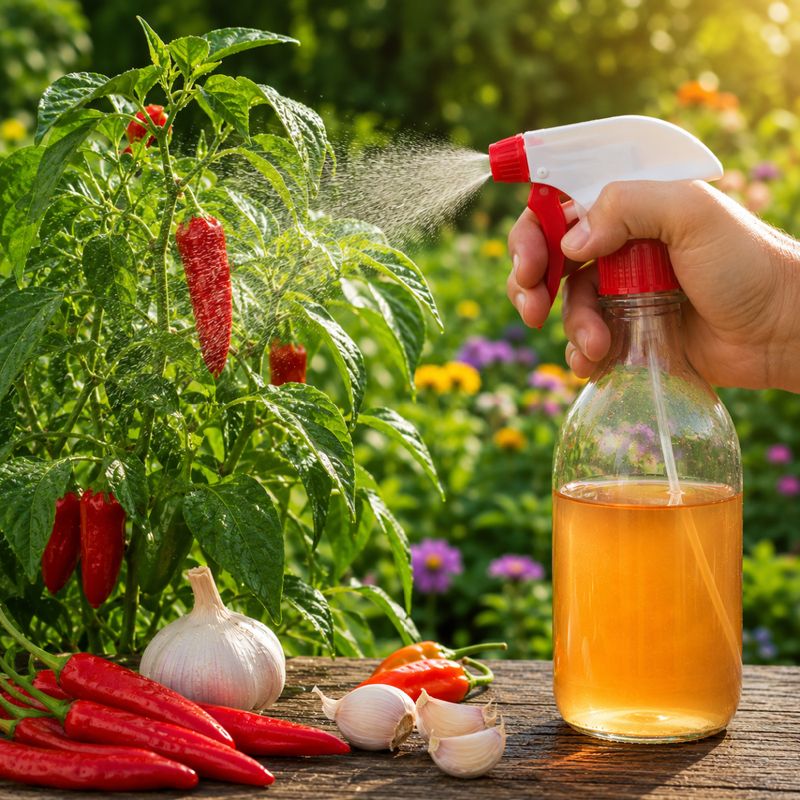
Bite into a hot pepper and your mouth instantly knows something powerful is happening. That fiery feeling comes from a natural compound called capsaicin, and it turns out to bother many garden critters just as much as it bothers us.
Squirrels and chipmunks that try nibbling plants treated with pepper products often get an uncomfortable, burning surprise. That single unpleasant taste can teach them to leave your plants alone and look for easier meals somewhere else.
You can find capsaicin based repellents at garden centers, and many gardeners prefer these over homemade mixes because they are made to stick to leaves and last longer.
Following the label directions is really important, especially in vegetable gardens where you plan to eat what you grow.
Choosing products clearly marked as safe for edible plants protects both your harvest and your family. Always wash homegrown produce well before eating, since pepper residue can linger and cause a spicy shock.
Be careful when applying it, too. Pepper spray can irritate your eyes and skin, so gloves and a calm, windless day make the job much safer and easier.
Reapplying after rain keeps the deterrent working, because water slowly rinses the spicy coating away. A quick refresh every week or two usually does the trick.
Hot pepper will not send every animal running, but its unpleasant sting gives it real staying power. Used thoughtfully and paired with other methods, it becomes a surprisingly effective way to protect the plants you care about most.
4. Rosemary Adds A Fragrant Garden Barrier
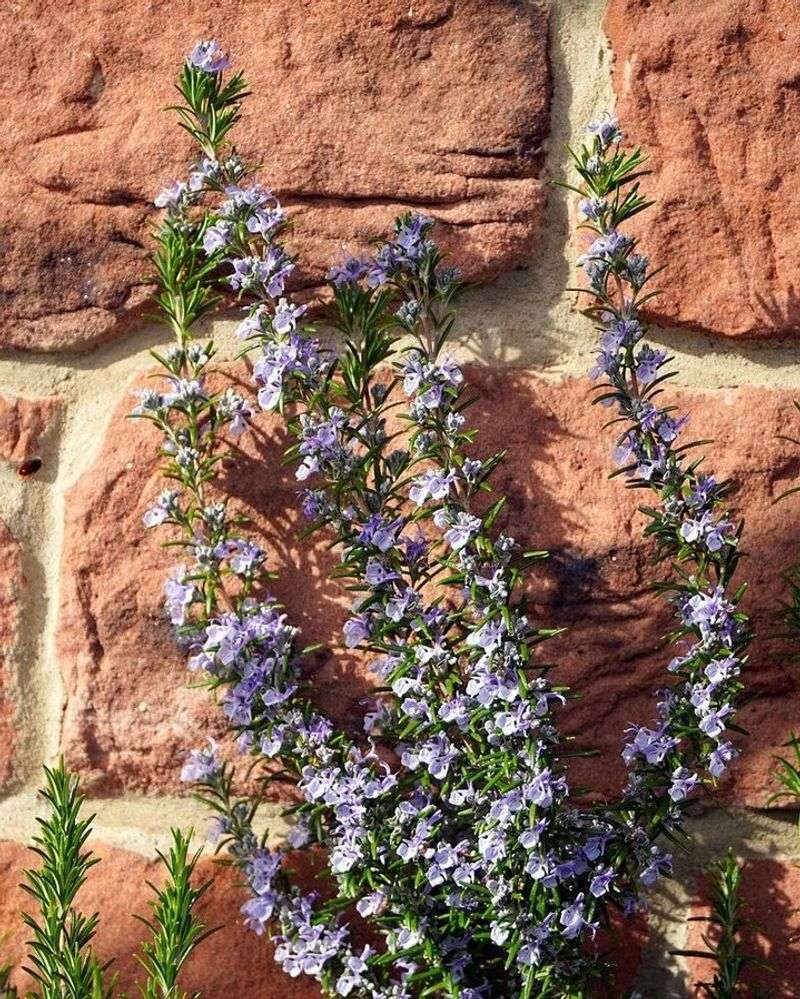
Brush your hand across a rosemary bush and a rich, piney fragrance rises into the air. That woodsy scent smells lovely to us, but it can send a very different message to snooping squirrels and chipmunks.
Rosemary grows well in much of North Carolina, thriving in sunny spots with well drained soil. Because it is a tough, hardy herb, many gardeners plant it around the edges of beds where they want extra protection.
The strong aroma may make those areas feel less inviting to critters searching for food. Animals often prefer places that smell familiar and safe, and a wall of fragrant rosemary can throw off their usual routine.
Placing rosemary near vegetables, bulbs, or flowers you want to protect creates a living scented border. As the plant grows bushier over time, it releases even more fragrance, especially on warm afternoons.
This herb offers plenty of extra perks, too. You can snip sprigs for cooking, enjoy its year round greenery, and watch pollinators visit its small blue flowers.
Do not expect rosemary alone to keep every animal away, though. Its scent helps set the mood, but hungry critters may still test their luck if the reward looks tempting enough.
Pairing rosemary with cleanup habits and physical barriers gives you far stronger results. Think of it as a fragrant first line that works best with backup.
Low maintenance, drought tolerant, and pleasant smelling, rosemary earns its place in gardens whether or not it fully outsmarts the neighborhood squirrels.
5. Sage Provides A Strong Herbal Scent
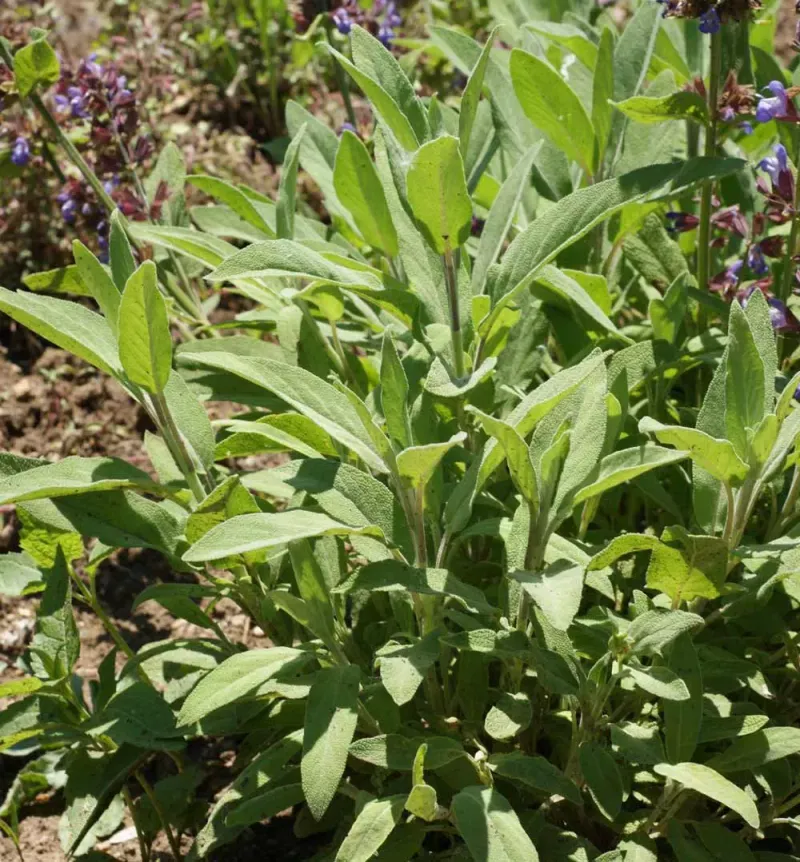
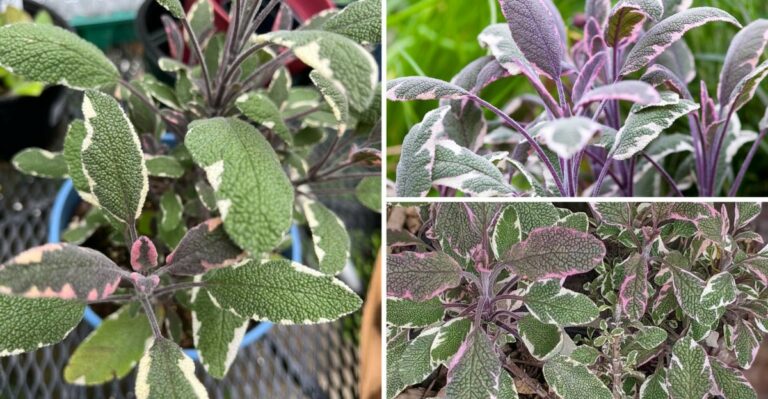
Rub a sage leaf between your fingers and its earthy, slightly peppery scent lingers on your skin. That bold fragrance comes from natural oils packed inside the leaves, and it makes sage a favorite among gardeners who want a pest aware landscape.
Many small critters navigate their world through smell, so a patch of strongly scented sage can make a garden feel a little less predictable to them. When an area smells unfamiliar or intense, animals sometimes choose to explore somewhere calmer.
Sage handles North Carolina summers nicely and prefers sunny, well drained spots. Its soft, silvery leaves add texture and color while quietly doing double duty as a fragrant deterrent.
Planting it along walkways or near beds you want to shield lets the aroma spread across a wider area. Every time you brush past or the breeze stirs the leaves, more scent fills the air.
Be honest with yourself, though. Sage alone will not clear out wildlife or guarantee an untouched garden. Determined squirrels and chipmunks can still wander in when the smell of food is strong enough.
Where sage really shines is as part of a bigger plan. Combined with cleanup, fencing, and other aromatic plants, it adds one more layer of protection.
You also gain a useful cooking herb right outside your door, ready for soups, roasts, and seasonings. That practical bonus makes sage worth growing no matter what the critters decide.
Easygoing and fragrant, sage rewards gardeners with beauty, flavor, and a helpful herbal barrier all season long.
6. Lavender Adds Another Strong-Smelling Plant
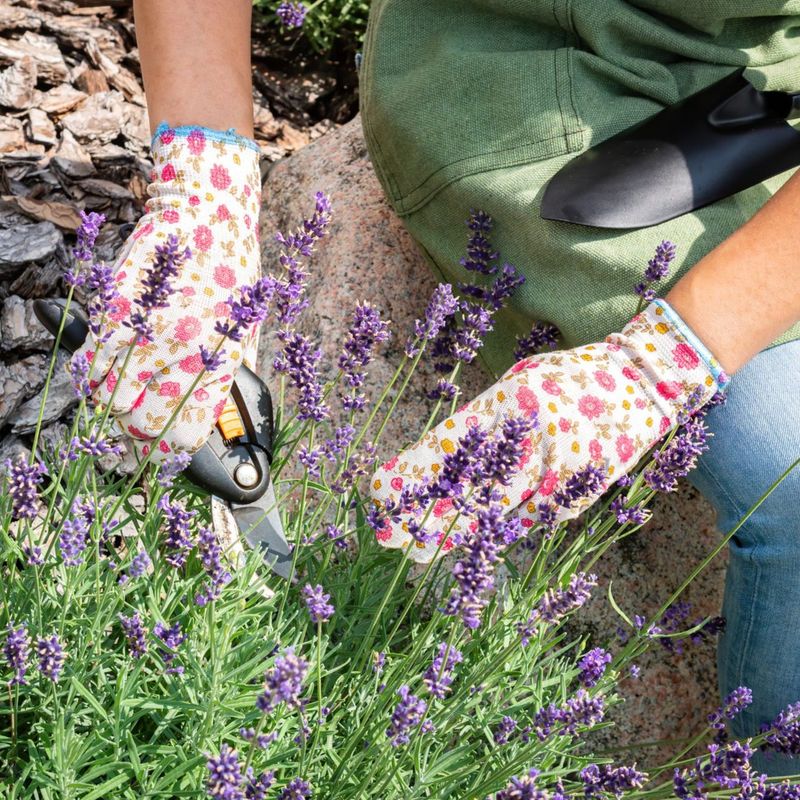
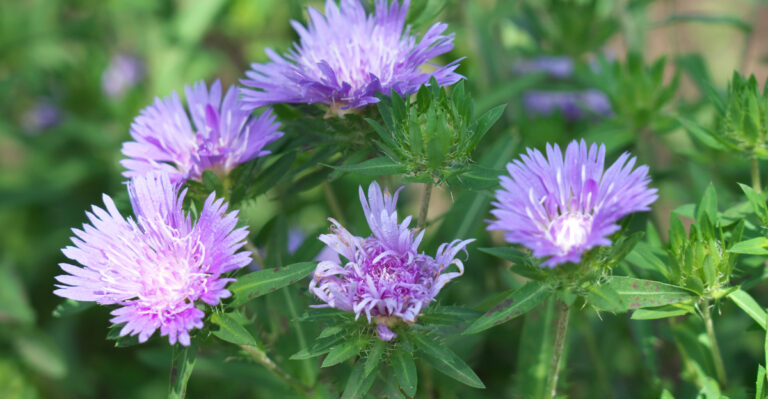
Picture a row of purple lavender swaying in the breeze, filling the yard with a sweet, calming perfume. People adore that fragrance, yet the very same scent can help nudge nosy garden critters in another direction.
Lavender fits beautifully into North Carolina landscapes when planted in sunny spots with soil that drains well. Its silvery green leaves and bright blooms make it a showpiece as well as a working plant.
The strong floral aroma may make certain areas feel less appealing to squirrels and chipmunks. Because these animals depend so heavily on smell, a fragrant lavender border can quietly discourage their usual snooping.
Tucking lavender near vegetable beds, flower borders, or bulb plantings surrounds those spots with scent. As the plants mature, they pump out even more fragrance during warm, sunny days.
Here is the smart part. Most experienced gardeners do not rely on lavender by itself. They combine aromatic plants with other steps, like fencing, cleanup, and removing tempting food sources, to get the best results.
That layered approach makes each method stronger. Lavender sets a pleasant, unwelcoming tone for pests while the other tactics handle the stubborn visitors.
You get lovely rewards along the way, too. Lavender attracts bees and butterflies, dries wonderfully for crafts, and keeps your garden smelling like a spa.
Even if a determined critter ignores the perfume, your effort still pays off in color, pollinators, and fragrance. Few plants offer so much beauty while quietly helping guard the garden you have worked hard to grow.
7. Mint Can Create A Scented Border
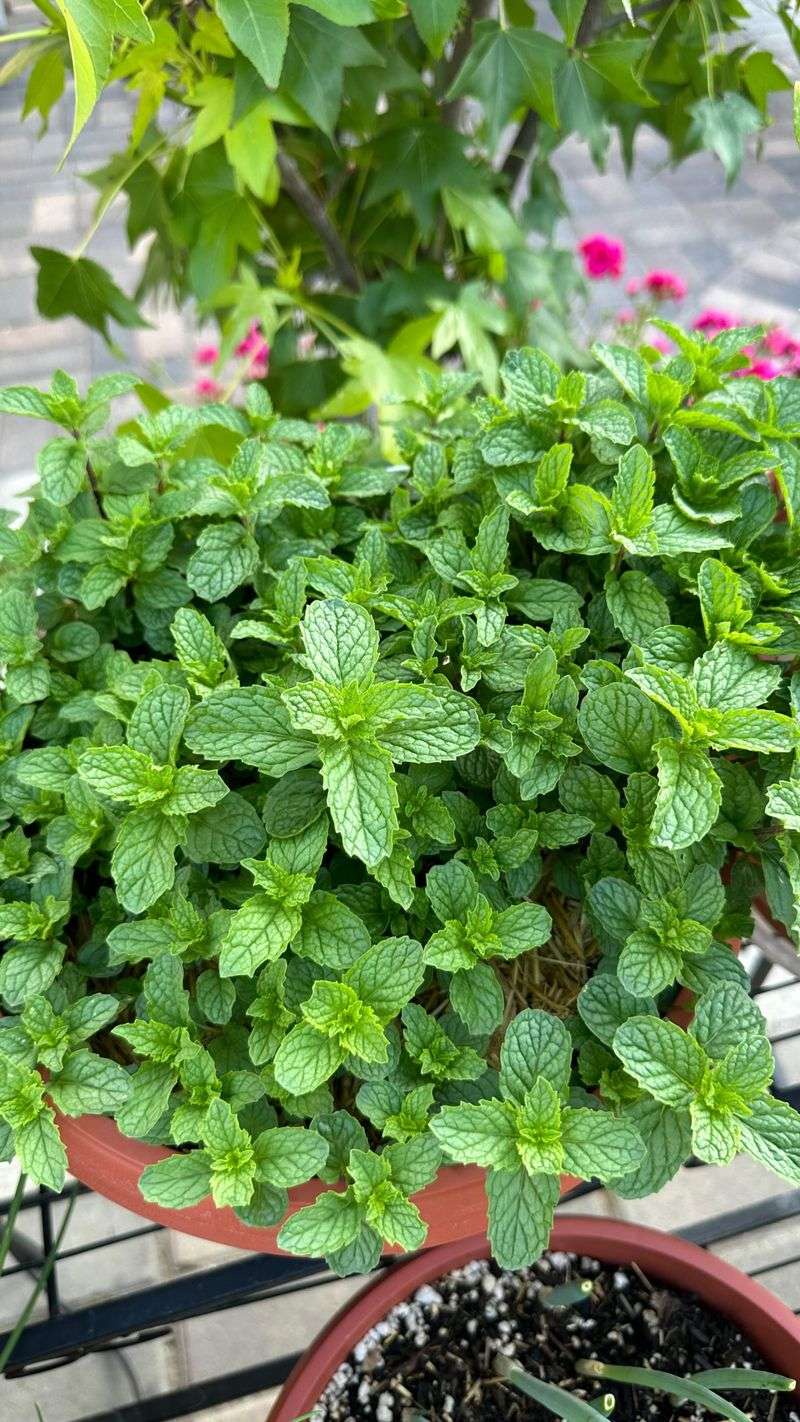
Crush a single mint leaf and the whole area seems to wake up with a bright, cool fragrance. That punchy smell is exactly why so many gardeners turn to mint when they want to discourage unwanted visitors from poking around their plants.
Squirrels and chipmunks often steer clear of areas that smell intense and unfamiliar. A border of leafy mint can create just that kind of scented buffer around beds you want to protect.
There is one big catch you need to know about, though. Mint spreads fast and can take over a garden in a single season if you plant it straight into the ground.
To keep it from marching everywhere, grow mint in containers or raised pots. That way you enjoy all the fragrance without letting it crowd out your other plants.
Setting potted mint along pathways, near entrances, or beside vulnerable crops lets you move it wherever trouble pops up. This flexibility makes mint one of the handiest scented plants around.
The living leaves keep releasing fragrance day after day, which gives them an edge over sprays that fade quickly. A gentle brush or breeze refreshes the scent naturally.
Do not count on mint to solve everything by itself, of course. Pairing it with cleanup and barriers gives your garden the strongest defense.
Best of all, you get fresh mint for tea, lemonade, and cooking right at your fingertips. Contained and cared for, mint delivers fragrance, flavor, and a helpful hand against curious critters all at once.
8. Scents Work Best With Other Prevention Methods
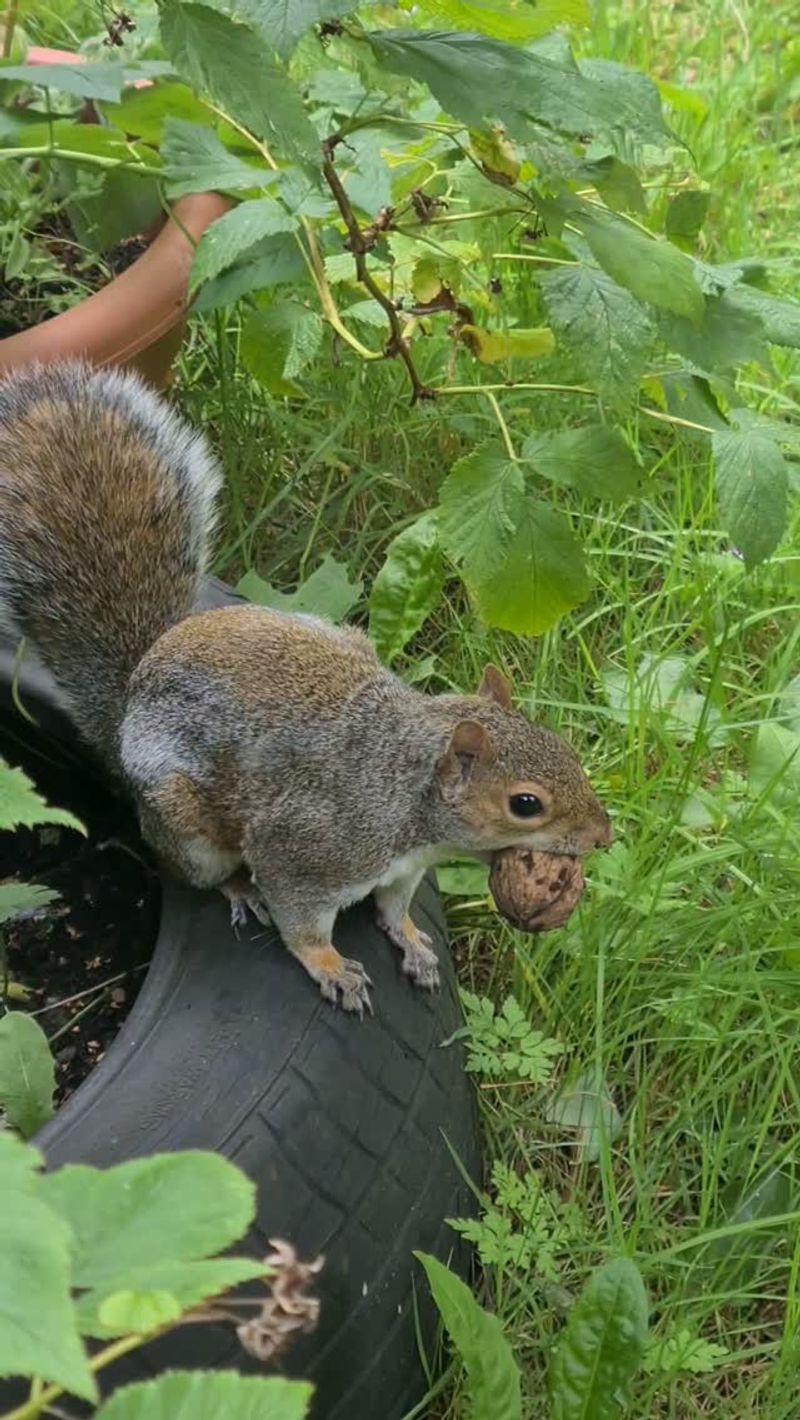
Here is the honest truth every gardener eventually learns. Scents alone rarely solve a critter problem for good, especially outdoors where wind and rain wash fragrances away.
Smells fade fast in the open air, and hungry squirrels or chipmunks often push past a whiff of pepper or mint when a tasty reward waits nearby. That is why the smartest approach mixes scents with practical, hands on steps.
Start by cleaning up fallen fruit, nuts, and seeds that pile up under trees and feeders. Leftover snacks act like an open invitation, drawing critters straight into your yard.
Secure your birdseed, too. Spilled seed feeds squirrels just as easily as birds, so tidy feeders and sealed storage bins make a real difference.
Physical barriers offer some of the strongest protection you can add. Fencing, mesh cages, and row covers keep animals away from vegetables and bulbs no matter how good the garden smells to them.
Reducing hiding spots helps as well. Trimming thick brush, clearing wood piles, and closing off gaps under decks make your yard feel less safe for burrowing visitors.
When you layer all these habits together, scents finally get to shine. They add one more reason for critters to move along while your barriers and cleanup handle the heavy lifting.
Think of your garden defense like a team, with every method covering the gaps left by the others. Combined thoughtfully, these steps give North Carolina gardeners far better, longer lasting results than any single trick ever could.