What Florida Gardeners Should Know Before Planting Seminole Pumpkins
A gardener in Ocala once pressed a single Seminole pumpkin seed into a bare corner of the yard, figuring one plant could not cause much trouble.
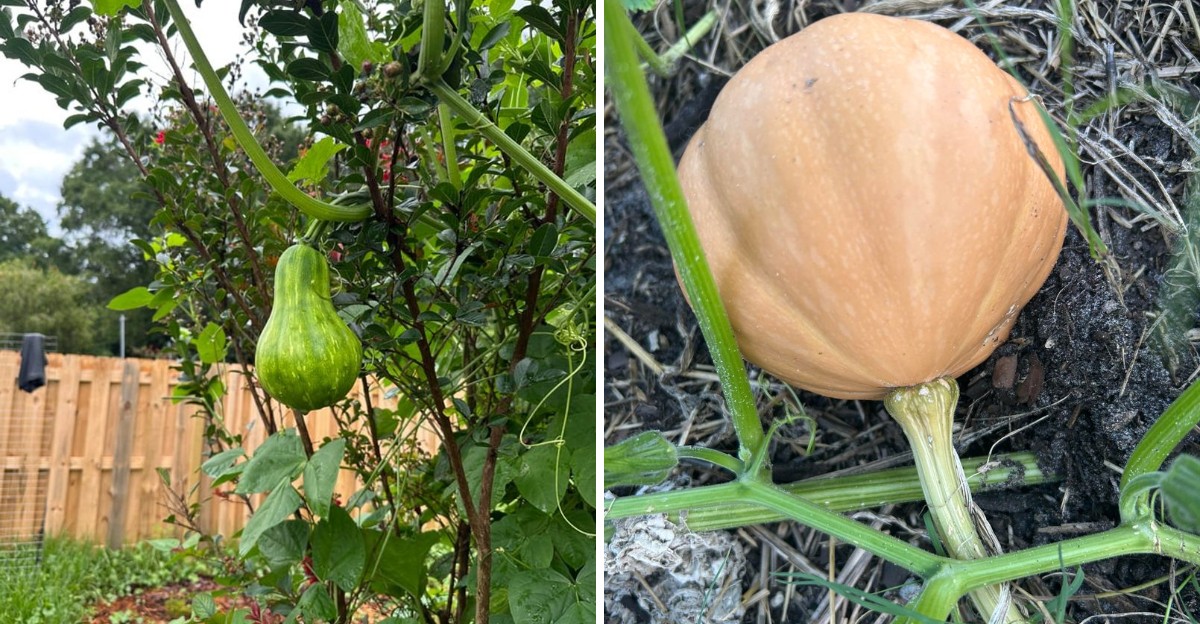
By August, the vine had crossed a walkway, wrapped a mailbox post, and climbed halfway up a fence without anyone noticing until it was everywhere.
Fruit hung in odd places, tan and ribbed, looking like something from an old Florida postcard tucked into a drawer for decades.
That is the Seminole pumpkin in a nutshell, a Cucurbita moschata heirloom that has been growing in Florida soil far longer than any modern hybrid ever will.
Most gardeners plant it the same way they would any squash, never realizing how far those vines travel or how long the fruit actually keeps in a pantry.
Read through before you plant, and your vines will work with your yard instead of taking it over completely.
1. Vines Need Serious Room To Sprawl
Measure your garden space, then measure it again for good measure before committing to a spot. Seminole pumpkin runners commonly stretch 20 to 25 feet across a yard without slowing down once they get going.
Standard jack-o-lantern types usually top out around 10 or 12 feet at most. A Seminole treats that distance as a warm-up before really getting started on claiming territory throughout the whole yard.
Each runner also sends down roots where a leaf node touches moist soil, which feeds the vine independently and pushes it even farther across the ground than a single root system could manage alone.
Spacing matters more than most seed packets suggest for this particular plant. UF IFAS guidance points toward generous spacing for vining Cucurbita moschata, so plan on several feet between hills at minimum, more if space allows.
Give the vine a direction before it picks one for itself entirely on its own terms. Many Florida gardeners plant along a fence line or beside a chain-link boundary so growth heads outward rather than into a vegetable bed.
Watch for the sneaky habits too as the season progresses through summer. Runners climb shrubs, wrap around citrus trunks, and cover irrigation heads without much warning until it is already done.
Trim tips back when a vine reaches a walkway or driveway edge, since light pruning does not seem to hurt production based on what Florida gardeners report season after season.
One plant can genuinely feed a family on its own without much trouble. Instead of a long row, start with two or three seeds and see how much territory they claim first before committing more space.
2. Heat And Humidity Barely Slow It Down
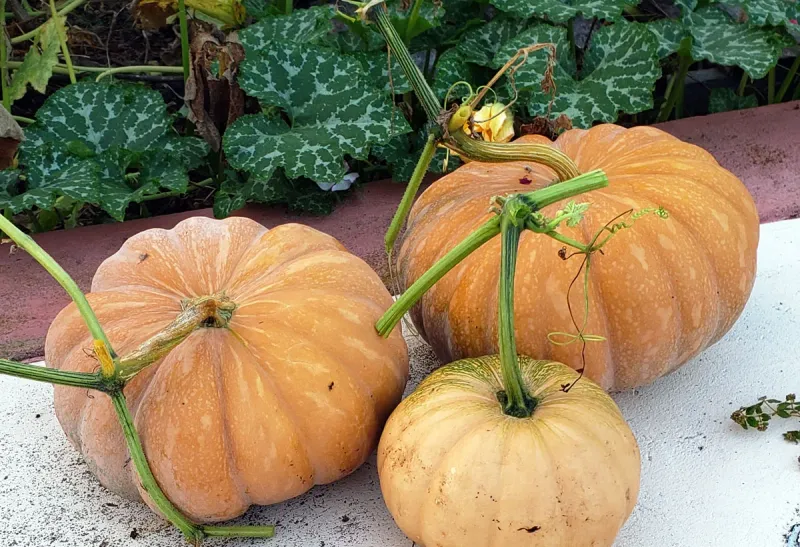
July in Florida wrecks most pumpkin plants completely within weeks of the heat really settling in. Leaves scorch, vines wilt by noon, and powdery mildew moves in with the afternoon storms rolling through almost daily.
Seminole pumpkin keeps going anyway, largely unbothered by conditions that finish off other varieties. Its tolerance for heat and humidity is the main reason UF IFAS Extension lists it among the squash crops best suited to Florida gardens specifically.
Your Florida Garden Changes Every Week. Your Plan Should Too.
Gardening in Florida changes quickly throughout the season. Every Friday you’ll receive a simple weekly plan showing exactly what to plant, prune, fertilize, harvest, and protect so you never miss the right timing.
Cucurbita moschata types generally handle warm, muggy conditions better than Cucurbita pepo pumpkins, and this heirloom sits near the top of that group by a wide margin according to growers across the state.
Planting windows are wider because of that toughness built into the plant’s genetics over generations. Many Florida growers sow from early spring through late summer, with plantings in March and again in August working well in much of the state.
South Florida gardeners often get a longer growing run than North Florida, where cool nights eventually shut things down once fall really arrives.
Steady moisture still helps the plant along though, even with all that natural toughness. Sandy Florida soil drains fast, so water deeply a couple of times a week rather than sprinkling daily, and mulch around the base to hold what moisture you give it.
Afternoon thunderstorms are not the enemy here at all, though poor drainage is a genuine problem worth addressing early. Raised beds or slightly mounded hills keep roots from sitting in standing water after a heavy August downpour rolls through unexpectedly.
Expect a pause in fruit set during the hottest stretch of summer regardless of variety. Blossoms may drop when temperatures spike, then production picks right back up once things cool slightly.
3. Strong Support Beats Fighting For Ground Space
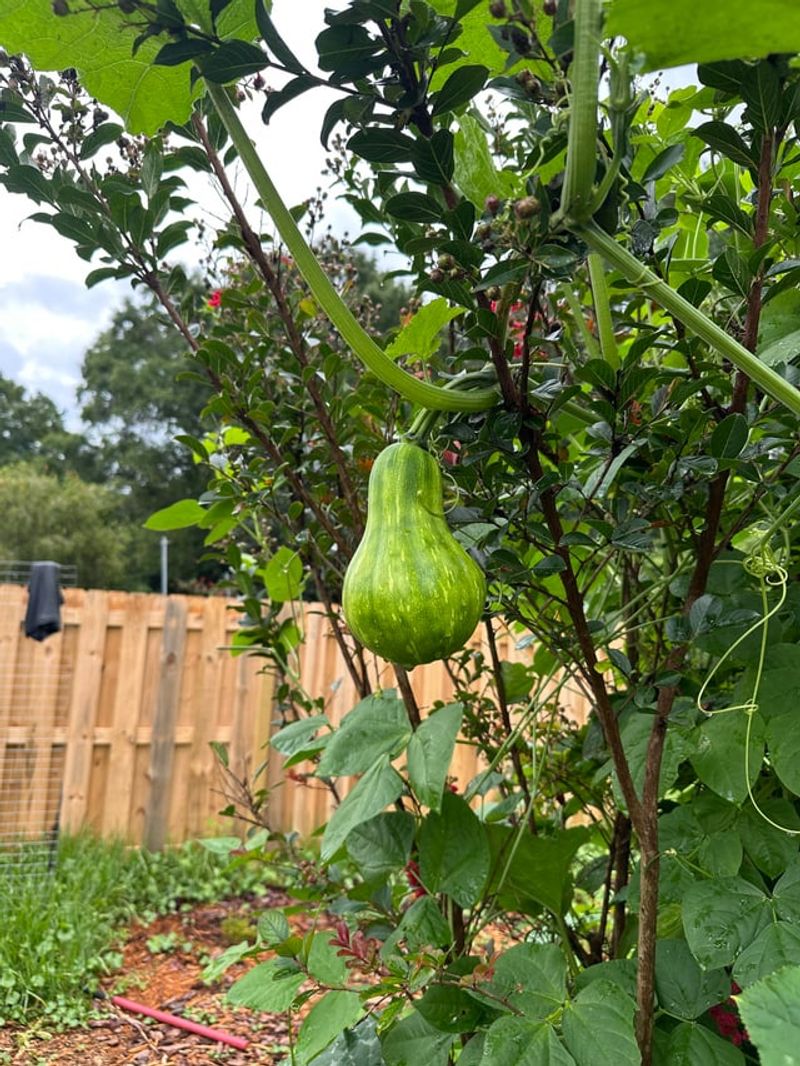
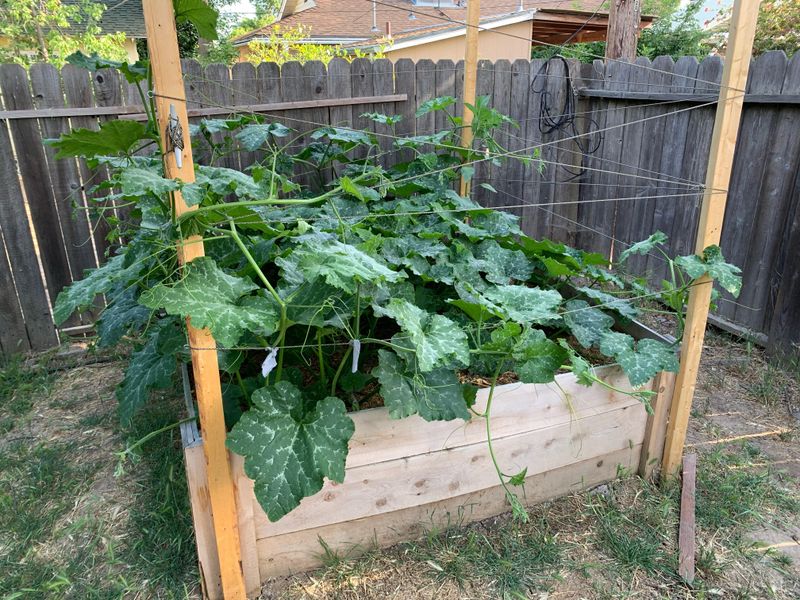
Small yards do not rule out this pumpkin entirely, contrary to what the vine’s reputation might suggest to a nervous first-time grower. Send it up instead of out, and a 4-foot garden bed can host a plant that would otherwise claim the whole lawn given enough time.
Vertical growing works because Seminole pumpkin climbs willingly with tendrils reaching out for anything solid nearby to grab onto. Build something genuinely solid though, not flimsy garden store hardware.
A flimsy tomato cage will collapse under mature vines and fruit, especially once a summer storm adds wind and water weight to branches already straining under the load of developing pumpkins.
Cattle panels bent into an arch, heavy wire fencing, pergolas, and strong wooden A-frames all hold up well against this plant’s vigor throughout a full growing season without buckling under pressure.
Sink posts deep into the ground, since Florida sand offers less grip than heavier soils found elsewhere. Anchoring with concrete or long stakes prevents a lean that eventually turns into a full collapse mid-season.
Fruit support is the part gardeners forget most often when planning a trellis system. Seminole pumpkins often weigh 6 to 12 pounds, enough to snap a stem while hanging up high on a support structure.
Old T-shirts, pantyhose, or mesh produce bags tied to the frame cradle each pumpkin as it fills out and gets progressively heavier throughout the season.
Guide the vines during the first few weeks of growth before they establish a climbing pattern on their own. Tuck runners into the wire every couple of days, and they take over the job themselves soon enough.
There are bonus perks to growing vertically too, beyond simply saving ground space. Air moves freely through raised foliage, which cuts leaf disease considerably compared to sprawling ground-level growth left unmanaged.
4. Disease Resistance Rivals Any Squash
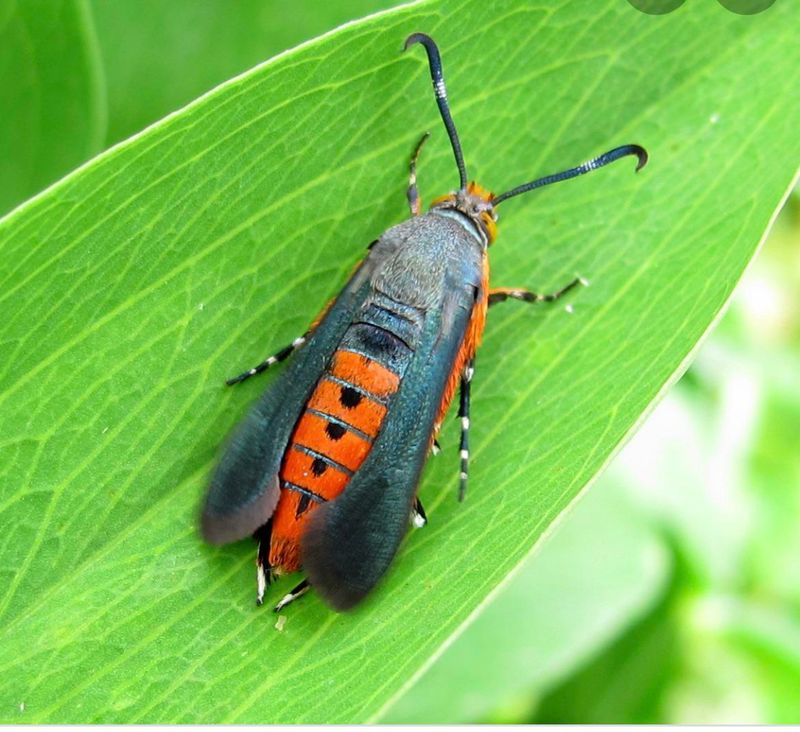
Squash vine borers end most Florida squash experiments before they really get going, often within a single disappointing season. Larvae tunnel into hollow stems, and the plant collapses overnight without much warning to the gardener watching it happen.
Seminole pumpkin dodges much of that damage thanks to its tough, solid stems typical of Cucurbita moschata as a whole species, giving borers far less hollow space to work with compared to other pumpkin types.
UF IFAS Extension highlights this resistance as a key reason the variety suits home gardens here in Florida specifically, where borers thrive in the warm climate year-round without much natural check on their populations.
Rooting at the nodes adds another layer of insurance too, since a damaged section along one part of the vine does not doom the entire plant the way it might with a single-rooted variety lacking that backup system.
Powdery mildew and downy mildew still show up during humid stretches of the growing season regardless of the plant’s overall toughness. Seminole handles them better than most other varieties though, often producing well even with some spotted lower leaves.
Spacing plants generously and watering at the soil line rather than overhead keeps foliage drier and slows the spread of these fungal issues considerably compared to crowded, overhead-watered plantings nearby.
Pickleworms, aphids, and squash bugs may visit the plant occasionally throughout a typical season. Scouting once or twice a week catches trouble early before it spreads too far across the whole planting.
Floating row covers help young plants get established safely, but remove them once flowers open so bees can actually reach the blossoms and pollinate them properly for fruit set.
Nematodes deserve a mention too, since Florida sand is genuinely full of them in most home gardens. Rotating planting spots and adding compost improves soil life and gives roots a better shot at staying healthy.
Do not expect total immunity from this plant though, no matter how tough its reputation runs among Florida gardeners. Resistance means the plant fights back and keeps producing, not that pests skip your yard entirely.
5. Harvest Timing Affects Storage Length
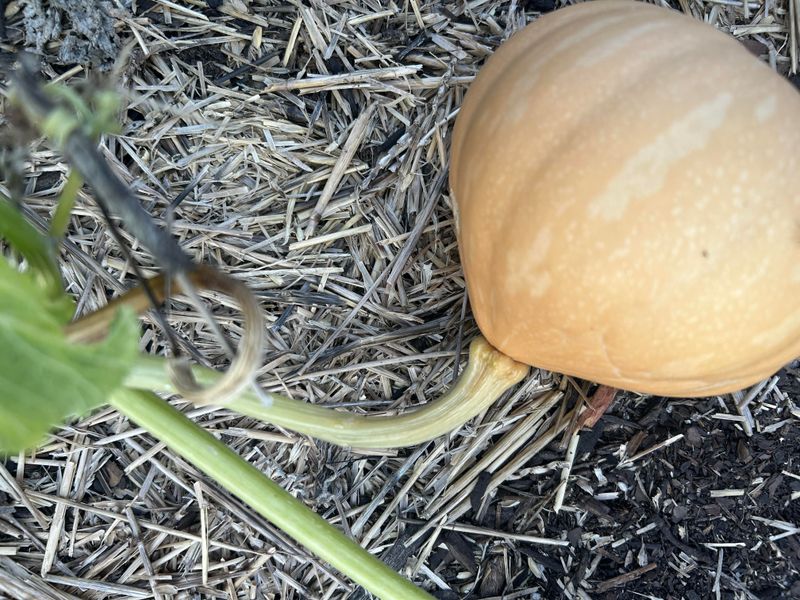
Cut a pumpkin too soon, and the pantry clock starts ticking fast on you before the fruit even makes it inside the house. Maturity is what builds a hard rind, and a hard rind is what lets fruit sit for months without softening prematurely.
Color gives the clearest signal here for judging readiness. Young fruit looks green and glossy on the vine, practically shining in direct sunlight during the hottest part of the day.
As it ripens, the skin shifts to buff, tan, or deep orange depending on the specific seed strain you planted, and the shine fades to a dull matte finish that looks noticeably different up close.
Try the fingernail test to check readiness before committing to a harvest date. Press a thumbnail against the rind, and if it dents easily the pumpkin needs more time on the vine still soaking up nutrients.
A mature shell resists that pressure entirely, refusing to give under a fingernail the way younger fruit would. The stem also tells you something useful, turning dry, brown, and corky when the fruit is genuinely ready to come off.
Leave a long handle when you harvest the fruit from the vine. Snip the stem 3 or 4 inches from the fruit using clean pruners, and never carry a pumpkin by that stem alone.
A broken stem opens a wound where rot gets in fast, undoing months of careful growing in just a few weeks of storage. Curing follows harvest right after cutting the fruit free from the vine.
Set fruit somewhere warm and airy with good ventilation for a week or two, which toughens the skin further and heals small scratches picked up during the harvest process itself.
Not every pumpkin needs to reach full maturity before picking it from the vine. Immature Seminole fruit tastes fine cooked like summer squash, so pick a few young and let the rest harden undisturbed.
Just eat those tender ones within days rather than stacking them for winter storage, since they lack the hardened rind that makes mature fruit keep so well.
6. Fruit Stores For Months, Not Weeks
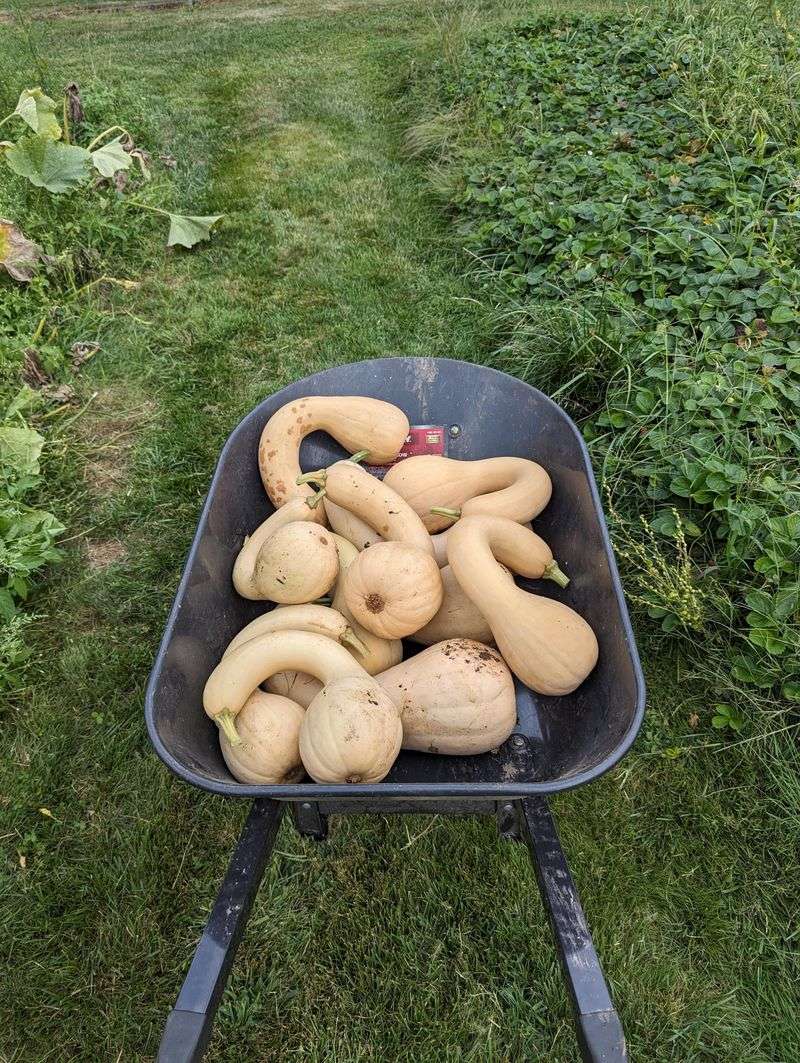
Carving pumpkins go mushy on a porch within a few weeks of sitting out, disappointing anyone hoping for a longer display. Seminole pumpkins sit on a shelf and simply wait patiently instead, holding their quality far longer than most people expect.
Properly cured fruit commonly keeps six months to a year, a storage life UF IFAS notes as one of the variety’s standout traits worth planning around when deciding how much to grow each season.
Native Floridians relied on that keeping quality long before refrigeration existed at all in the region. A summer harvest could feed a household through winter with nothing more than a dry, shaded storage spot tucked away somewhere in the home.
Conditions make the difference here though, and getting them right extends storage life considerably. Aim for a cool, dry, well-ventilated place around 50 to 60 degrees with moderate humidity, avoiding anywhere damp or poorly ventilated.
A closet, spare bedroom shelf, or garage corner away from direct sun all work reasonably well in most Florida homes without any special equipment needed. Refrigerators are too cold and too damp for this particular fruit to store properly.
Arrange fruit in a single layer with air space between each one sitting there on the shelf. Stacking traps moisture and spreads soft spots from one pumpkin to its neighbors sitting close by.
Check the pile every few weeks throughout the storage period and pull anything with a bruise or a weeping blemish before it spreads and ruins fruit sitting nearby on the same shelf.
Flavor actually improves during the first month or two of storage as starches convert to sugar naturally over time, a process that happens slowly but noticeably as the weeks pass.
Flesh turns sweeter and deeper orange, closer to butternut than to a watery carving pumpkin picked fresh off the vine. Cooking possibilities stay wide open with this fruit throughout its long storage life.
Roast chunks, fill pies, thicken soups, or cube it into stews for a hearty meal any time of year. Save seeds from your best-storing fruit as well, since open-pollinated Seminole seed comes back true enough to plant again next season.
7. A Piece Of Real Florida History
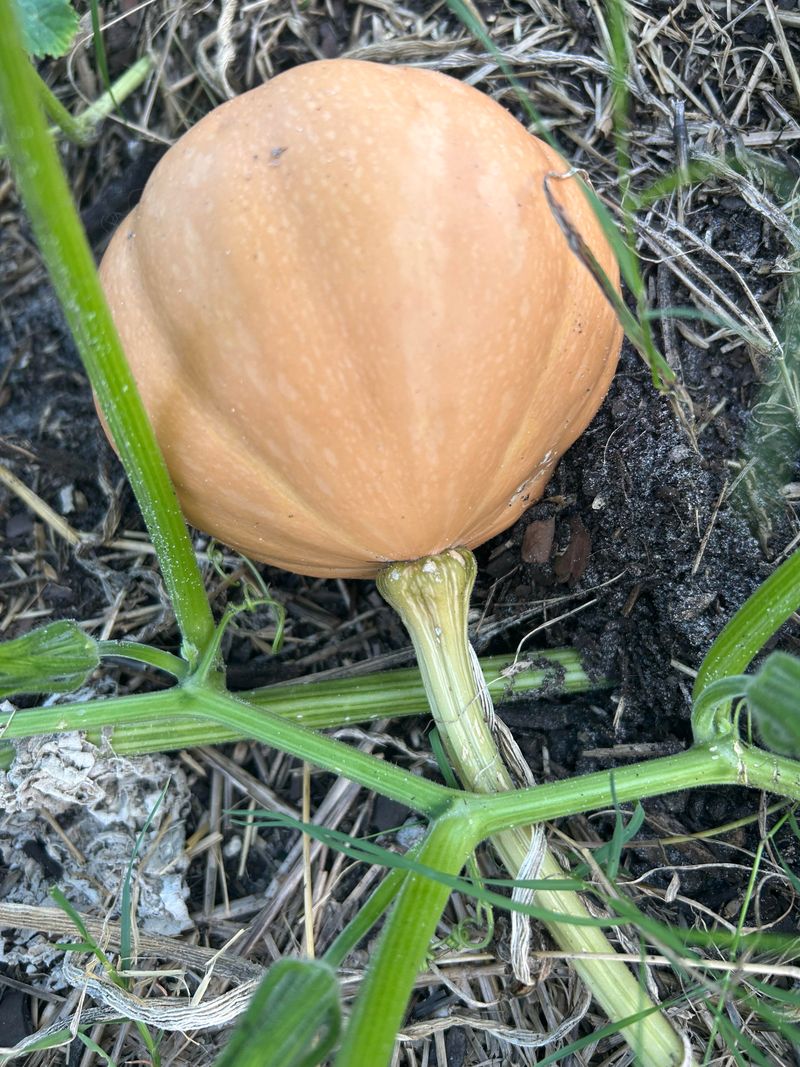
Long before seed catalogs existed, this pumpkin was already a Florida staple grown by generations of families who depended on it for food security through lean months. Seminole people and earlier Native groups grew it throughout the peninsula for centuries.
Spanish explorers recorded seeing squash hanging from trees in Florida settlements, a detail that fits the plant’s climbing nature perfectly well and confirms how long this growing style has been practiced in the region.
The pumpkin took its common name from the Seminole growers who kept it going for generations despite everything working against widespread adoption during eras when commercial hybrids started dominating the market.
Centuries of selection in this exact climate explain the toughness built into every seed sold today. No breeding program produced this heat-tolerant, borer-resistant, long-storing squash for Florida overnight through modern laboratory techniques.
Gardeners saved seeds from the plants that survived, year after year, through droughts, storms, and pest pressure, and the results speak for themselves in every hardy vine still growing across the state today.
The variety nearly faded from use as commercial hybrids took over mid-century, pushed by seed companies favoring uniform, shippable produce over regional heirlooms suited to specific climates like Florida’s demanding growing conditions.
Seed savers, small farms, and UF IFAS interest helped bring it back from near obscurity over the following decades, and today it turns up at Florida plant sales, farmers markets, and native food gardens throughout the state.
Growing one connects your backyard to that chain of history stretching back generations before modern agriculture reshaped how most Americans grow and eat vegetables entirely.
Because the plant is open-pollinated rather than hybrid, seeds you save carry the same traits forward reliably, keeping a living heirloom in circulation rather than something you must repurchase from a catalog every single year.
Plant it with respect for what it is, a crop shaped by Florida sun, Florida storms, and Florida people who kept it alive against real odds. Few vegetables offer that kind of story alongside dinner.