Why Peonies Struggle In Most California Gardens (And Where They Actually Thrive)
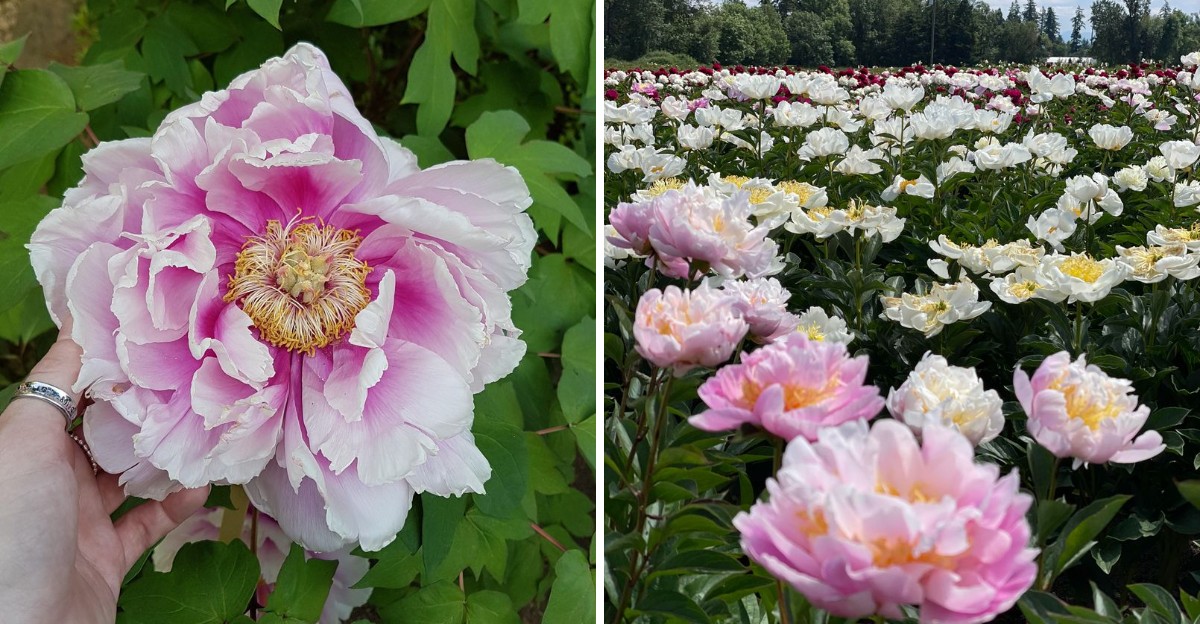
A gardener in Santa Barbara unpacks bare peony roots ordered from a glossy catalog, dreaming of those huge ruffled blooms that filled the pages so beautifully.
Three springs later, the plants are green, leafy, and completely flowerless despite years of careful attention and good soil.
That disappointment plays out across coastal and Southern California every year, and the reason has almost nothing to do with skill at all.
Most gardeners blame themselves entirely, adjusting fertilizer and watering schedules when the real culprit sits somewhere else altogether.
Peonies measure winter in cold hours, and most of California simply does not hand them enough of what they need to bloom.
1. Winter Chill Is The Real Requirement
Cold is not an inconvenience for peonies at all. Cold is the instruction manual telling the plant exactly what to do next in its cycle.
Without a long enough stretch of chilly weather, the plant never gets the signal that winter happened properly and thoroughly.
Horticulturists measure this signal in chilling hours, generally counted as hours spent below roughly 45 degrees Fahrenheit during the dormant season.
University of California Agriculture and Natural Resources materials on chill-dependent plants place peony needs at approximately 400 to 800 hours, varying by cultivar.
During that cold period, hormones inside the dormant crown shift considerably. Growth inhibitors break down, and the buds tucked just beneath the soil finish developing into flower buds.
Skip the cold, and the plant still wakes up in spring anyway, because leaf production runs on a separate schedule entirely from flowering.
That is exactly why a chill-starved peony looks deceptively healthy on the surface. Handsome foliage, strong stems, zero flowers, year after year without change.
Gardeners often blame themselves and start adjusting everything else they can think of. More fertilizer, deeper planting, less water. None of it addresses the missing ingredient.
One helpful habit is checking your local chill accumulation before ordering anything. UC Cooperative Extension offices in several counties publish regional chill data worth consulting first.
2. Coastal And Southern California Fall Short
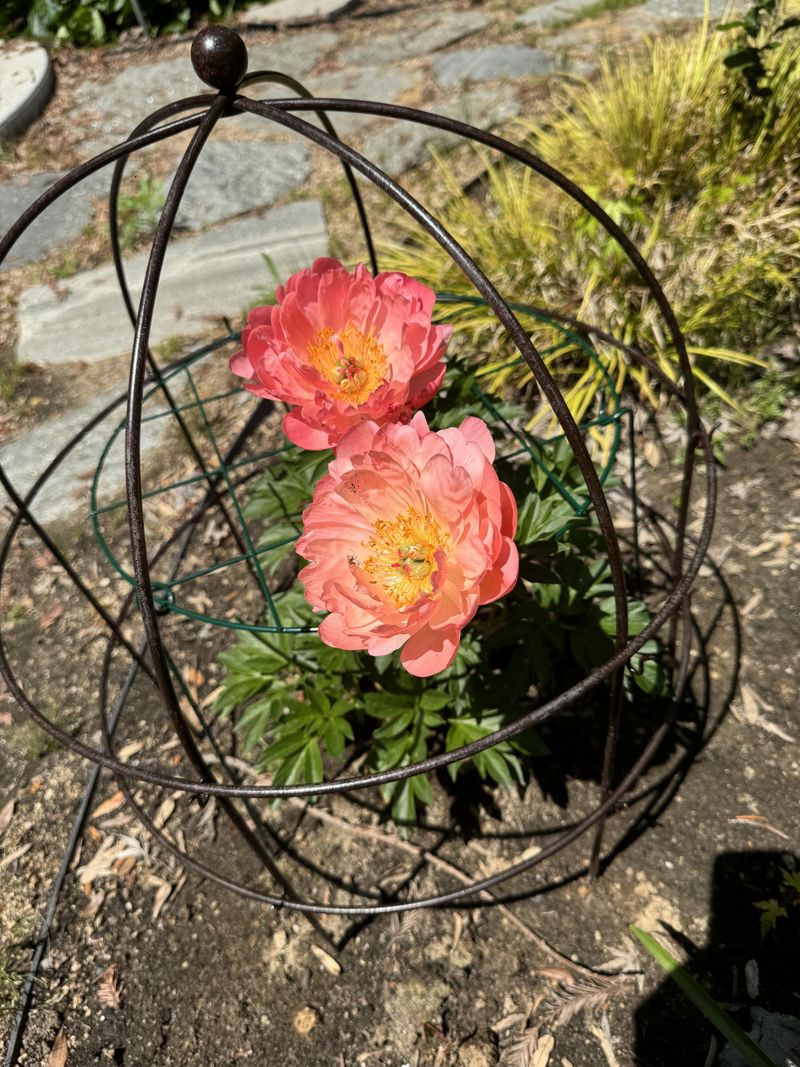
Anyone who has walked outside in a T-shirt on a January morning in San Diego already understands the problem intuitively without needing an explanation.
Ocean air keeps nights mild, and mild nights are the enemy of chill accumulation for any plant depending on cold to trigger flowering.
The Pacific acts like a giant temperature buffer along the coast. From Santa Barbara south, and across much of the Los Angeles basin, winter lows often hover in the high 40s.
Those hours never get counted toward the total a peony needs. Chill records compiled through UC Cooperative Extension county programs routinely show low totals in coastal zones.
Warm winters can push numbers lower still some years, which is why even low-chill fruit growers in these areas watch the data closely each season.
For peonies needing 400 hours or more, the shortfall is not a small gap to overcome. It is structural and built into the climate itself.
Herbaceous types feel it worst of all the peony varieties. Gardeners in Encinitas or Malibu frequently report plants that survive for years but never set a single bud.
Your California Garden Changes Every Week. Your Plan Should Too.
Gardening in California changes quickly throughout the season. Every Friday you’ll receive a simple weekly plan showing exactly what to plant, prune, fertilize, harvest, and protect so you never miss the right timing.
Fog belts add another wrinkle to this whole picture. Places like Half Moon Bay stay cool but rarely cold, accumulating fewer qualifying hours than people expect.
Honest advice for these areas involves treating standard peonies as a long shot. Explore the alternatives covered further down instead of fighting the climate directly.
3. Northern California And The Foothills Deliver
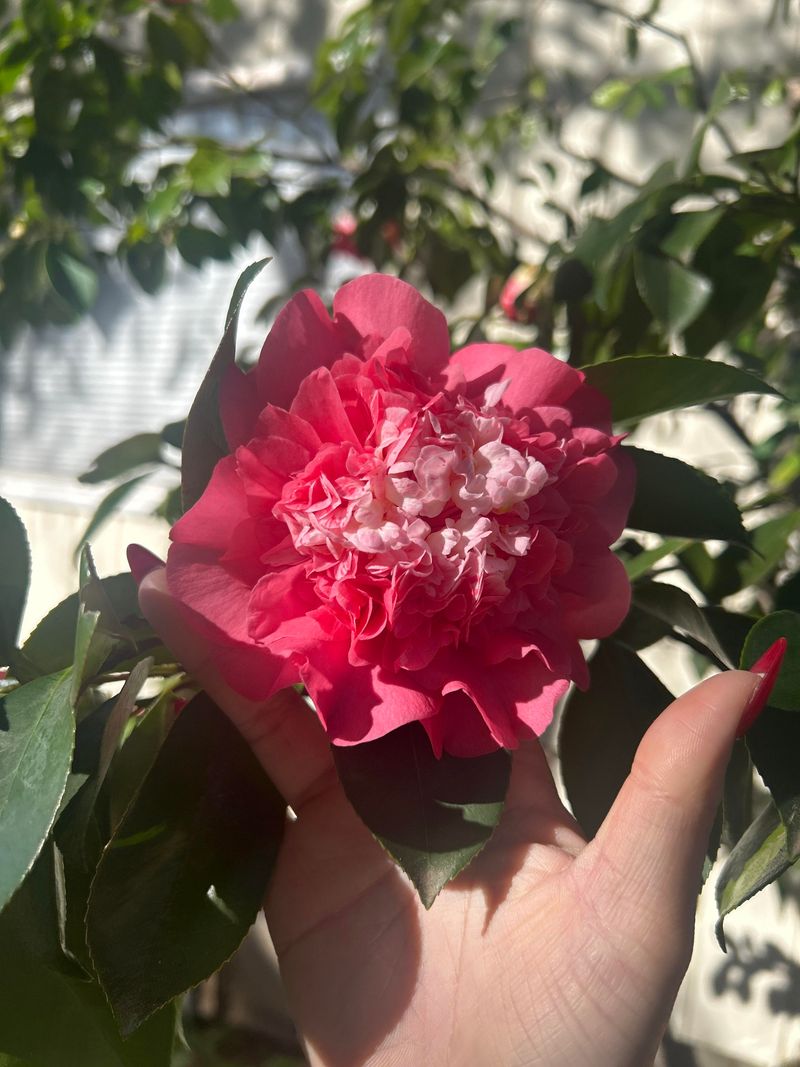
Drive up into the Sierra foothills in late May, and the difference becomes obvious immediately to anyone comparing the two regions side by side.
Peonies there behave like the catalog photos promised, heavy with blooms that flop over from their own weight under all that abundance.
Elevation and distance from the ocean do the heavy lifting here. Communities such as Placerville and Grass Valley get genuinely cold nights for months on end.
Inland valley areas and northern counties often work well too for this crop. The Sacramento Valley and mountain-adjacent towns commonly reach chill totals in the several-hundred-hour range.
Cold snaps matter more than average temperatures in this equation. A region with clear, still winter nights drops into the 30s easily most years.
Gardeners in these zones still have jobs to do though, even with favorable climate on their side. Plant the crown shallowly, about one to two inches deep.
Burying eyes too far down suppresses flowering even where chill is plentiful, so depth still matters regardless of how cold your winters run.
Give them full sun, decent drainage, and space for air to move freely around the plants throughout the growing season.
Fun bit of history worth mentioning here. Peony collections have thrived in Northern California mountain communities for generations, with some old homestead plants still blooming decades later.
4. Artificial Chilling Can Bridge The Gap
Stubborn gardeners have invented workarounds over the years, and a few genuinely produce flowers in low-chill areas despite the odds against them.
Fair warning though, since the work never really ends once you commit to this approach for growing peonies successfully.
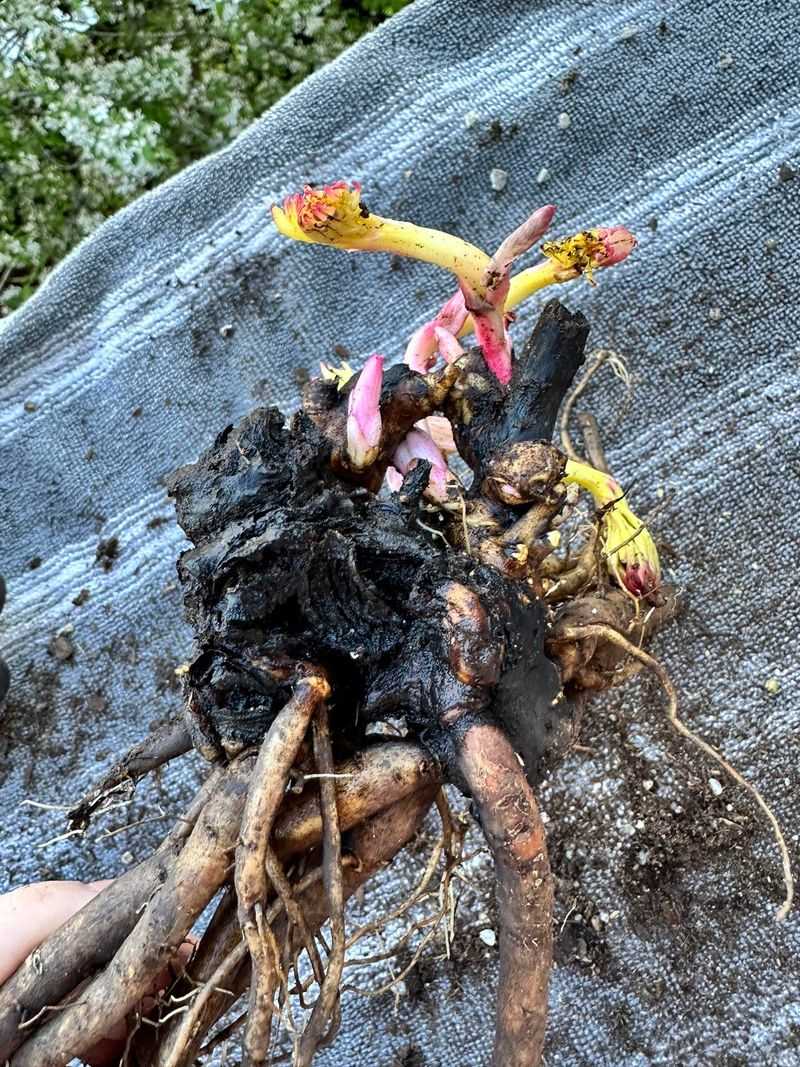
The refrigerator method is the most documented option available. Bare roots get wrapped in slightly damp material, sealed loosely in a bag, and stored in a refrigerator.
Container growing pairs well with that approach too. Peonies in pots can be moved into a cold garage or spare refrigerator during winter months.
Icing the bed is the other trick passed between marginal-climate growers over time. Bags of ice get applied over the dormant crown through winter evenings.
Results tend to be inconsistent with this method though. Reports from home gardeners suggest some blooms are possible, but published research remains limited on this topic.
Honest cost accounting helps when deciding whether to try any of this. Between fridge space and years of waiting, many gardeners decide it is not worth it.
A practical middle path exists for anyone wanting peonies without the labor. Order pre-chilled roots or cut peonies from growers in cold regions instead.
Save your garden space for plants that actually want your climate naturally, rather than fighting against what the weather provides you.
5. Tree Peonies Handle Warm Winters Better
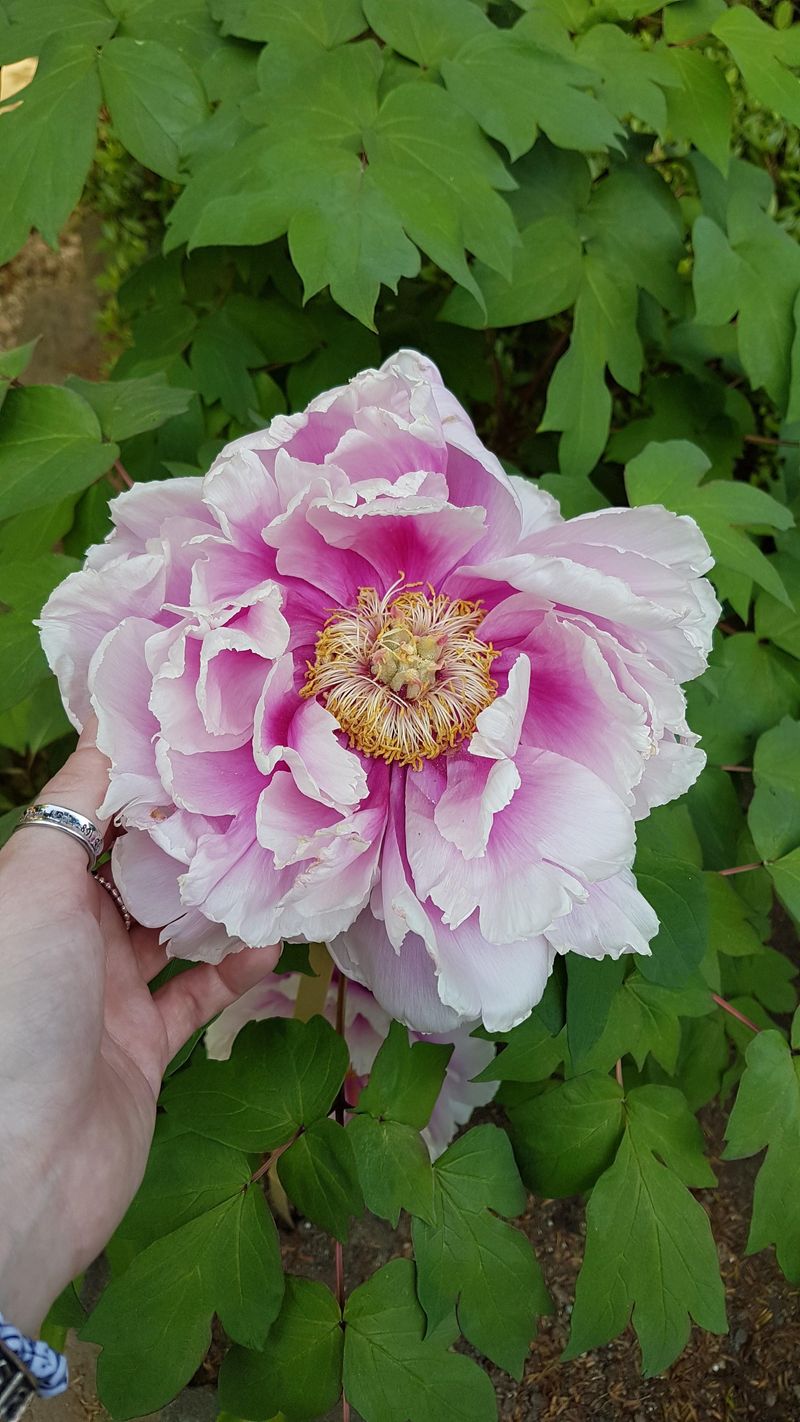
Here is the good news coastal gardeners rarely hear about this flower family. Not all peonies share the same cold appetite as their herbaceous cousins.
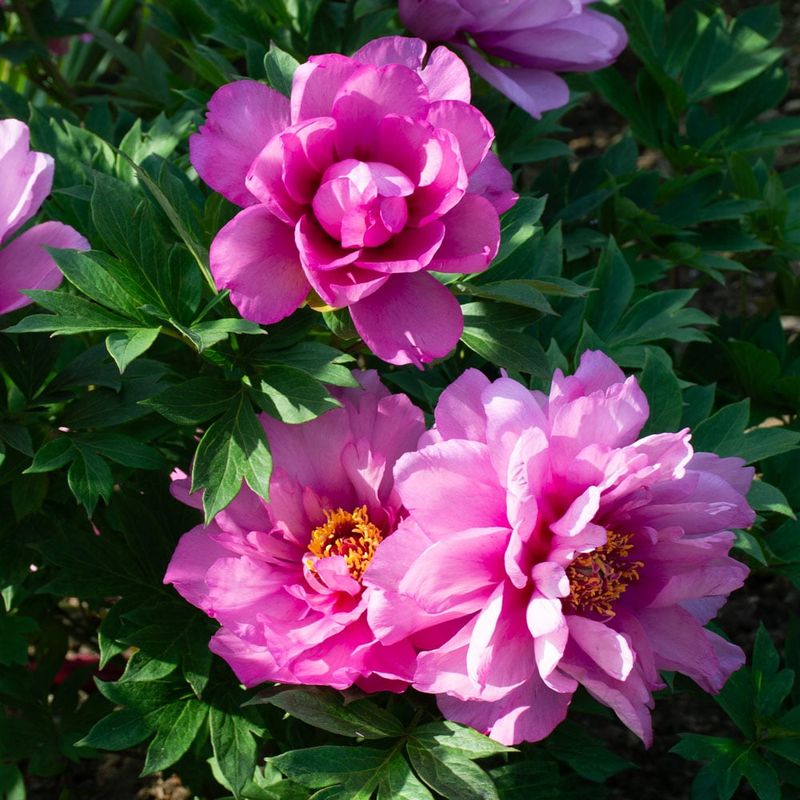
Tree peonies, the woody shrub types, generally tolerate milder winters far better than the herbaceous crowd most people picture when thinking of peonies.
Structure explains part of it clearly. Tree peonies keep permanent woody stems above ground with buds carried on those branches throughout the year.
Their dormancy behaves more like a flowering shrub than a perennial that fades back each year, giving them a real advantage in milder climates.
Their blooms are spectacular too, sometimes eight to ten inches across, in colors herbaceous varieties simply cannot match at all.
Plants live for decades and slowly build into handsome shrubs four to five feet tall over the years they spend in a garden.
Certain low-chill herbaceous cultivars also stretch the map somewhat. Early-blooming Chinese and Japanese selections have reputations for flowering with less cold overall.
Shopping smart matters more than anything else when trying this approach. Specialty nurseries serving mild climates often list which selections have flowered successfully nearby already.
Give tree peonies afternoon shade in hot inland spots, steady moisture, and excellent drainage for the best possible results over time.
6. Humid Coastal Air Invites Fungal Issues
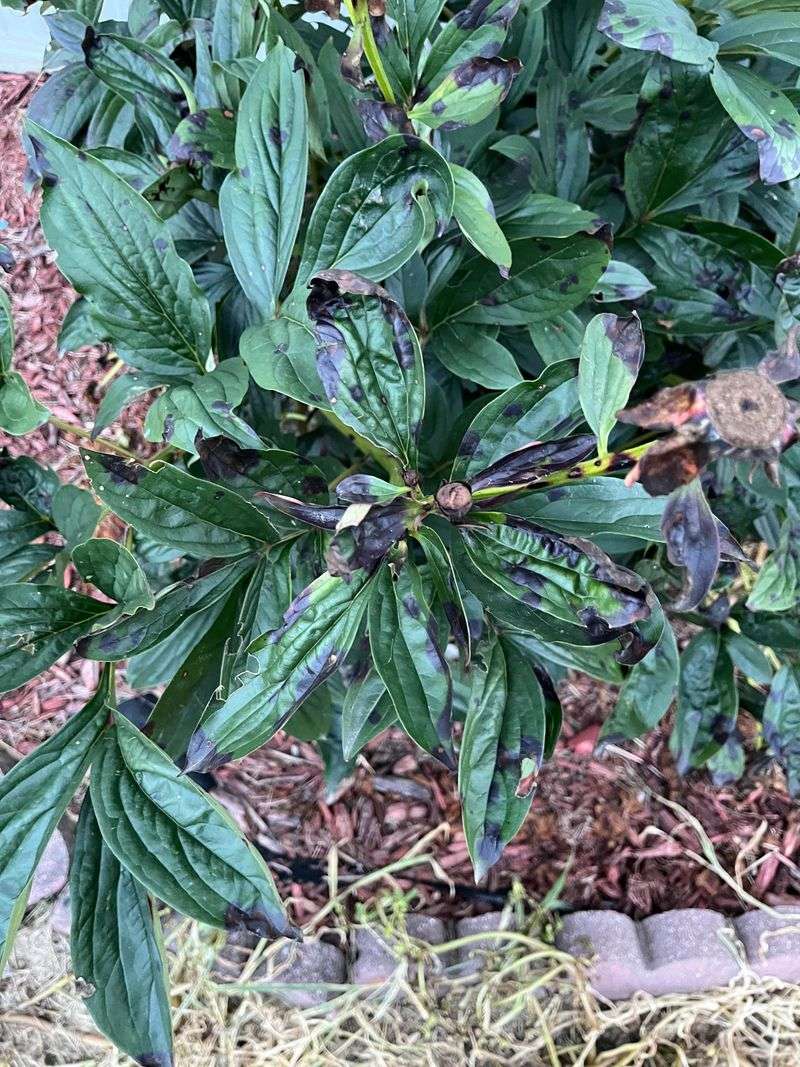
Chill shortage is not the only obstacle near the ocean for anyone trying to grow peonies successfully in that environment.
Damp, still air brings a second set of troubles that have nothing to do with temperature or cold hours at all.
Botrytis blight tops the list of concerns here. The gray mold fungus thrives in cool, wet, poorly ventilated conditions, blackening buds before they open.
Powdery mildew shows up as a dusty white film across leaves too, especially where fog lingers into midmorning and foliage stays wet for hours.
Fog belt gardens hit the trifecta of problems at once. Extended leaf wetness, limited air movement, and mild temperatures that keep fungal spores comfortable.
UC Integrated Pest Management guidance on ornamental botrytis consistently emphasizes moisture management as the core control for this problem.
Several habits reduce the damage considerably though. Space plants generously so breezes pass through, and water at soil level rather than overhead.
Clear away all spent stems and fallen leaves in fall since spores overwinter on that debris left sitting in the garden bed.
Cut infected stems right down to the ground and bag them instead of composting the material where spores could spread further.
Even with flawless sanitation, a chill-deprived coastal peony fighting mold is a hard plant to love for most gardeners in that climate.
7. Right Region Beats Any Amount Of Effort
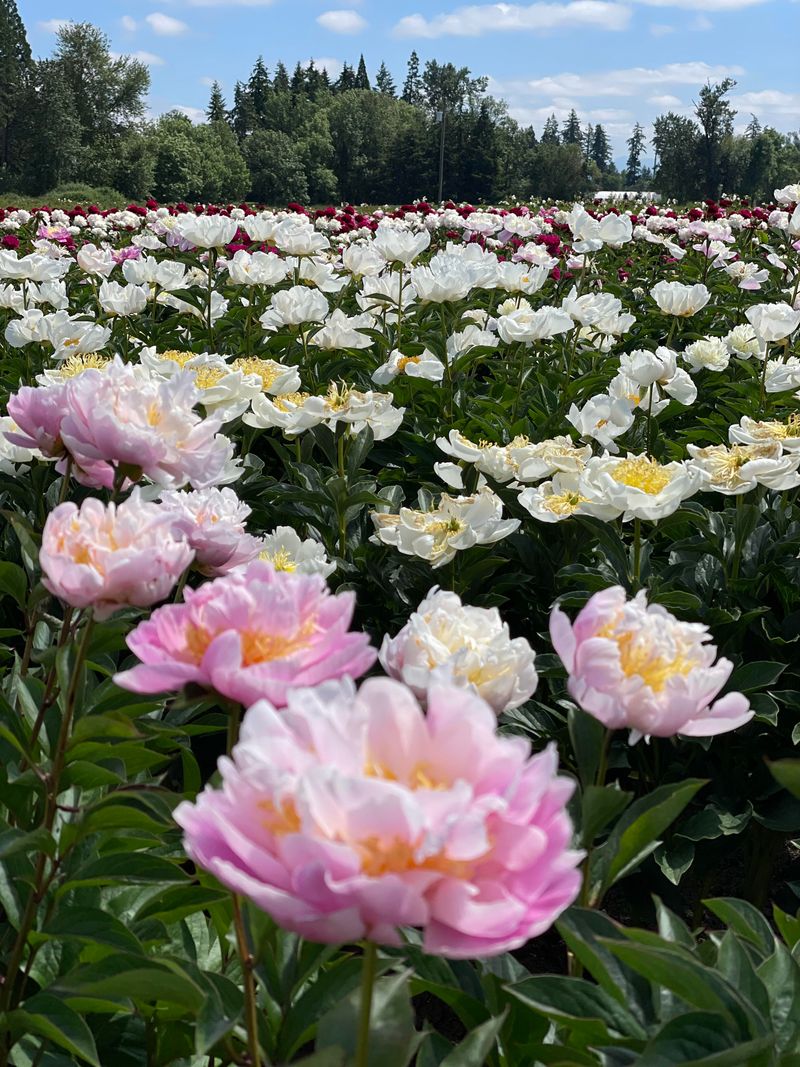
No amount of compost, encouragement, or premium fertilizer creates chill hours where none naturally exist in a given climate zone.
Climate sets the ceiling here, and gardeners work underneath it no matter how much effort they pour into the attempt.
Accepting that saves years of frustration and wasted effort. A peony in Redding will outperform an identically cared-for plant in Long Beach every single season.
So start with data instead of desire when planning your garden. Look up chill accumulation for your county through UC Cooperative Extension resources available online.
If your totals land comfortably above that range, order confidently and plant shallow in full sun without much worry.
If they fall well short of what peonies need, shift toward tree peonies or seek out low-chill cultivars with real track records nearby.
Choosing the right plant for your conditions is not giving up on gardening ambitions at all. It is simply working with reality.
Gardeners in mild California zones grow citrus and bougainvillea that cold-region gardeners can only envy from afar every winter.
Trading a flowerless peony for something that flourishes in your specific climate is a genuine win, not a loss to mourn.
8. Local Growers And Trial Gardens Offer Real Answers
Catalog descriptions and chill hour charts only take a gardener so far.
The most reliable information about what actually flowers in a specific California neighborhood often comes from people growing peonies nearby right now.
Botanic gardens with peony collections, including a few in Northern California and the foothills, sometimes track bloom performance publicly, giving coastal and Southern California gardeners a realistic preview before committing money to bare roots.
Local garden clubs and rose or peony societies frequently include members who have experimented for years with low-chill cultivars, artificial chilling, or tree peonies in exactly the microclimate a new gardener is trying to work within.
Asking a specialty peony nursery directly whether they have documented feedback from customers in warmer California counties often surfaces information that never makes it into a general catalog description written for a national audience spanning many climates.
Online gardening forums focused specifically on California conditions, rather than generic peony advice sites written for colder states, tend to surface honest reports of failure and partial success that catalogs have no incentive to mention upfront.
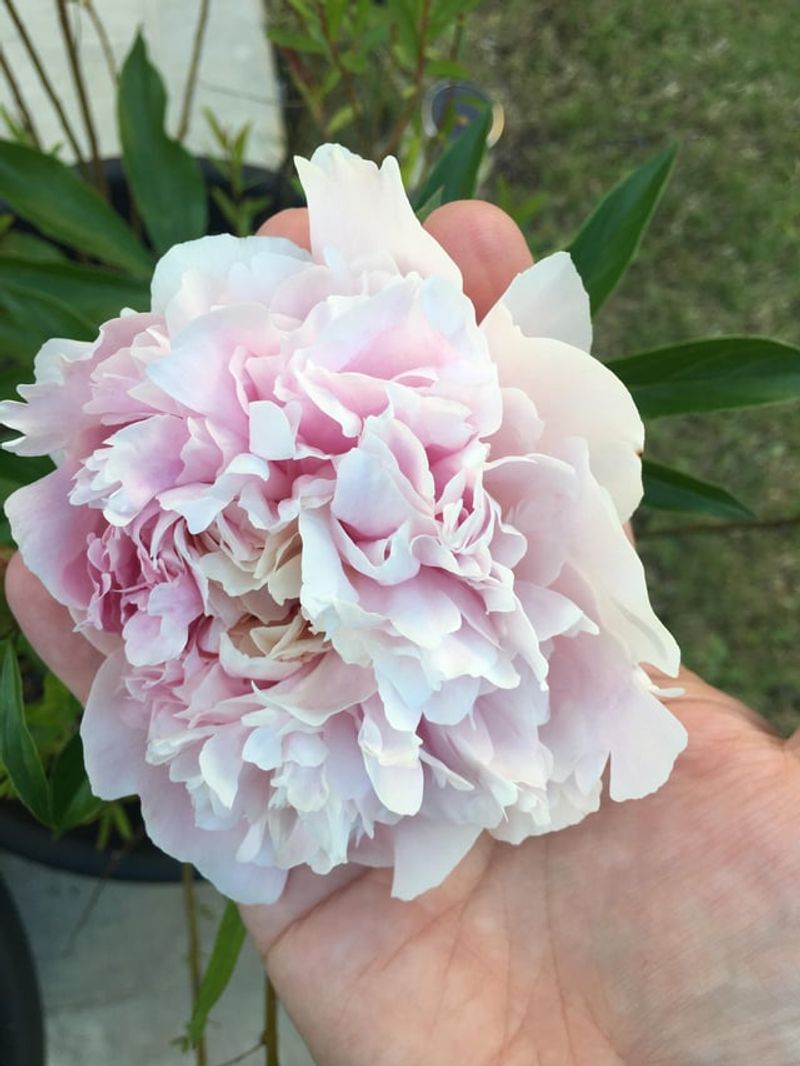
Visiting a demonstration garden or a friend’s yard during actual bloom season, rather than relying on photos alone, reveals real details like stem count, flower size, and overall vigor that a plant tag can never fully capture on its own.
Keeping a simple log of local chill hours alongside bloom results, shared informally within a neighborhood gardening group, slowly builds exactly the kind of hyperlocal data that official chill maps are often too broad to capture at a smaller scale.
Combining this kind of ground-level, real-world feedback with the official chill hour guidance covered earlier gives a California gardener the clearest possible picture before investing years of patience into a peony that may or may not ever bloom.