The California Palm Pruning Mistake Homeowners Make Right Before Santa Ana Wind Season
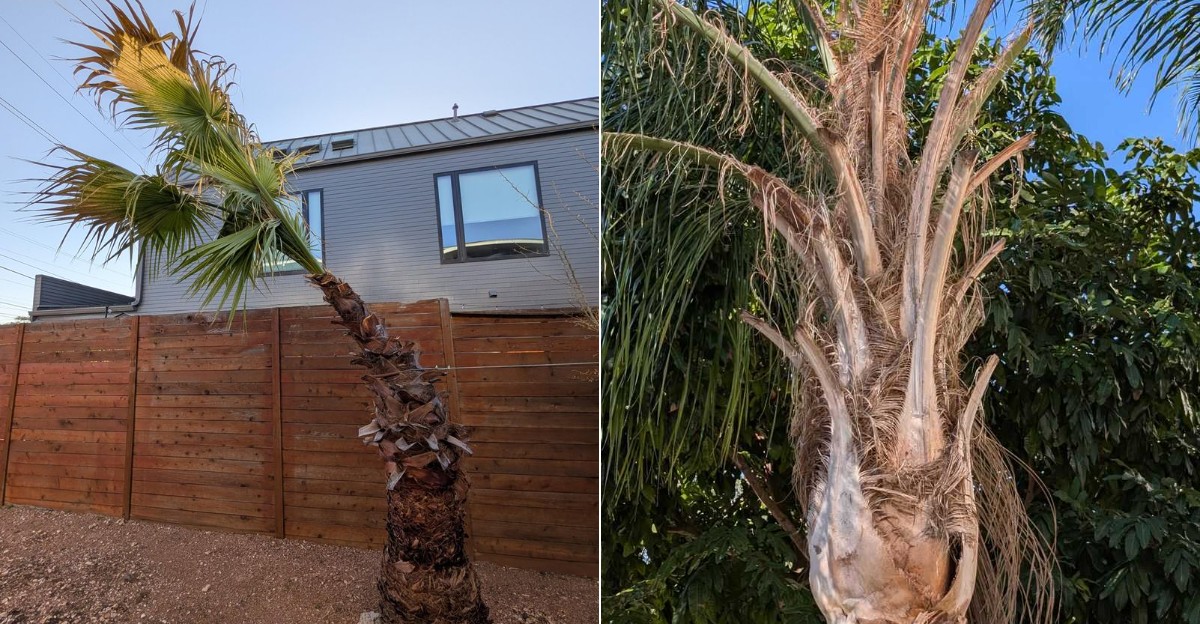
Getting your California yard ready for Santa Ana wind season often means checking trees, clearing debris, and handling overdue maintenance. If palm pruning is on your list, the way you trim those fronds matters more than you might expect.
A palm that looks cleaner after a heavy cut is not always a healthier palm. Some pruning choices can leave the tree under extra stress when hot, dry winds arrive and conditions become more difficult.
You do not need to remove every brown frond to keep your palm looking good. Knowing which growth helps protect the tree and which parts can be removed can make a big difference during wind season.
A few simple changes to your pruning habits can help you avoid a mistake that many California homeowners make.
1. Cutting Healthy Fronds Weakens The Palm
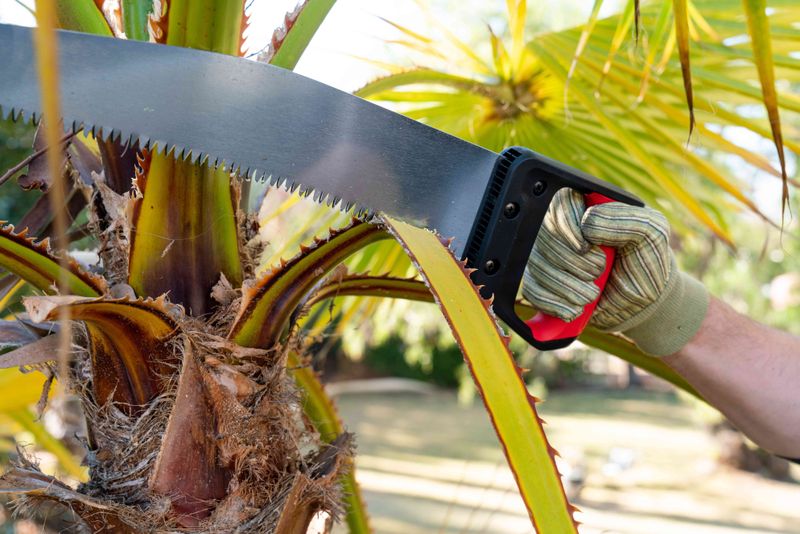
A lot of folks think fewer leaves mean less wind resistance. So they climb up and start slicing away healthy green fronds. Sadly, this common habit does more harm than good.
Palms are not like oak or maple trees. They do not grow new branches to replace what you remove. Each frond takes real time and energy to grow back.
When you cut healthy ones, the palm loses fuel it needs to stay strong.
Think of the fronds like solar panels. They soak up sunlight and turn it into food for the whole tree. Strip too many away, and the palm goes hungry.
A hungry palm becomes weaker, not tougher.
Weakened palms struggle to fight off pests and disease. They also grow more slowly and can look thin and sad. That is the opposite of what most homeowners want before a windy season.
Right before Santa Ana winds, the palm needs all the strength it can get. Removing its green energy source leaves it running on empty. A tired tree cannot bend and recover the way a healthy one can.
The smarter move is to leave those healthy green fronds alone. Let them keep feeding the tree through the tough months ahead. Your palm will stand taller and handle gusts far better.
Patience really pays off with palms. Trust the tree to know what it needs. Less cutting often means a stronger, healthier palm in the long run.
2. Green Leaves Still Provide Energy For Growth
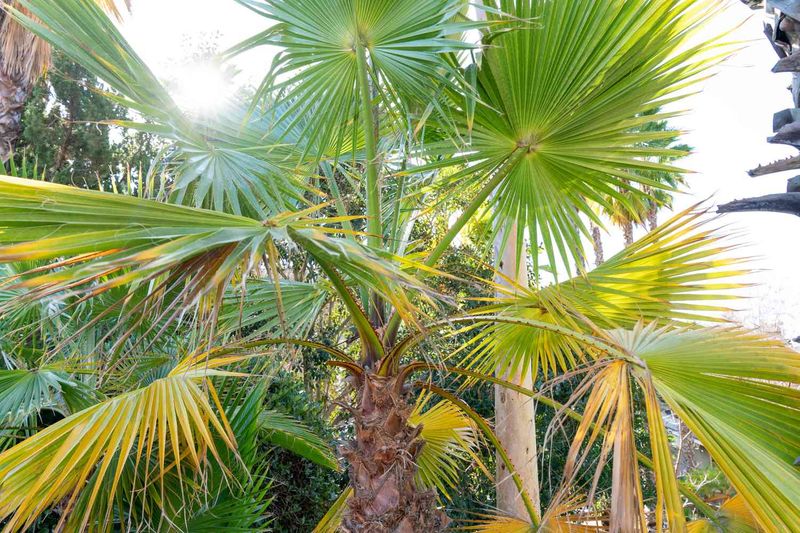
Here is something many people in California forget. Those bright green fronds are working hard every single day. They are not just for looks.
Green leaves are packed with a special ingredient called chlorophyll. This is what lets the palm make its own food using sunlight, air, and water. The process is called photosynthesis, and it keeps the tree alive.
When fronds are green, they are still doing their job. They pump energy down into the trunk and roots. This energy helps the palm grow taller and push out fresh new leaves.
Cutting a green frond is like unplugging a charger before your phone is full. You stop the flow of power the tree really needs. The palm ends up with less energy stored for hard times.
Your California Garden Changes Every Week. Your Plan Should Too.
Gardening in California changes quickly throughout the season. Every Friday you’ll receive a simple weekly plan showing exactly what to plant, prune, fertilize, harvest, and protect so you never miss the right timing.
Windy weather is exactly when stored energy matters most. A well-fed palm can repair small tears and keep growing. A drained palm just sits there, struggling to bounce back.
Even fronds that look a little tired might still be green and useful. If there is green in the leaf, it is probably still feeding the tree. Give it a chance to finish its work.
So before you reach for the saw, take a close look. Are the fronds still green and healthy? If yes, leave them be and let them keep charging your palm.
Respecting how palms make food is the first step to caring for them well. Green means go, so let those leaves grow.
3. Over-Pruning Leaves The Crown Less Protected
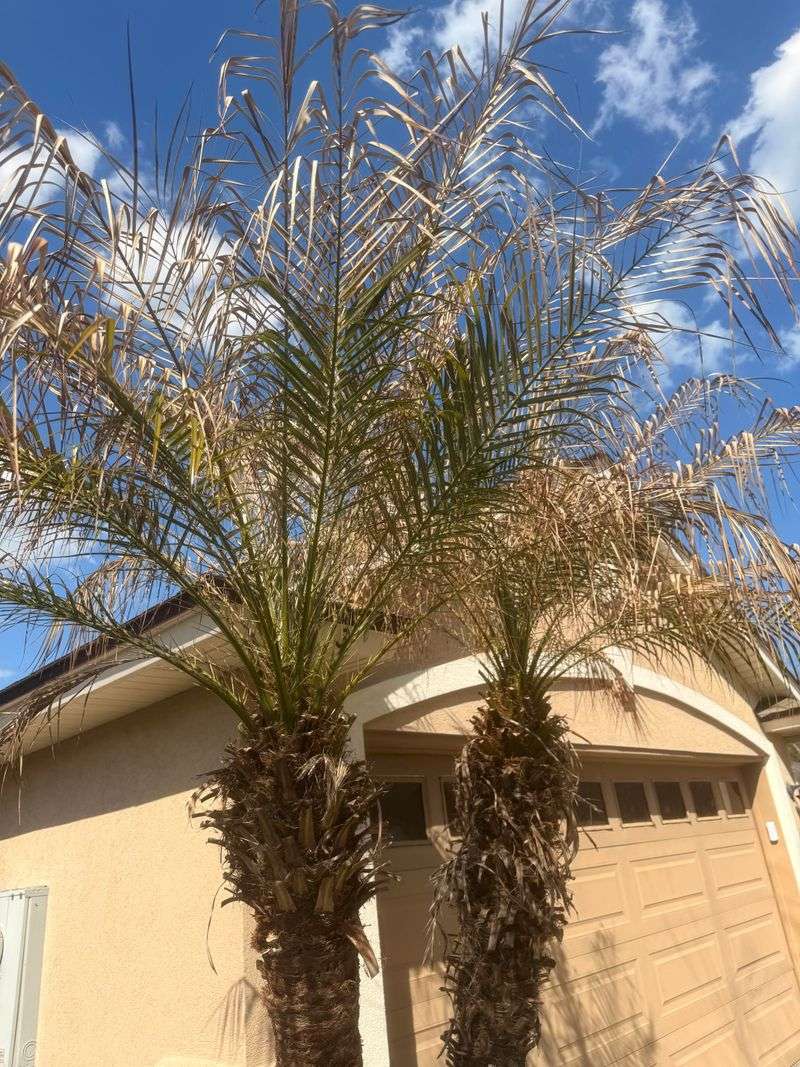
At the very top of every palm sits its most important part. It is called the crown, and it holds the growing point where new fronds form. Protecting it is a huge deal.
Healthy fronds naturally wrap around and shield this tender crown. They act like a cozy blanket against sun, wind, and cold. Remove too many, and that blanket disappears.
An exposed crown is much more fragile. Harsh Santa Ana winds can dry it out fast. Blowing dust and debris can scratch and stress the sensitive center.
Once the crown is damaged, the whole palm is in trouble. This is the only spot where new growth happens. Hurt it, and the tree may never recover fully.
California homeowners never realize this hidden risk. They see bare space near the top as tidy and safe. In reality, they have stripped away the palm’s built-in armor.
The fronds also help hold moisture around the crown. That moisture keeps the growing tip healthy during dry, hot winds. Take away the leaves, and the tip bakes in the sun.
Keeping enough fronds is like keeping a helmet on. It guards the most valuable part of your tree. A protected crown means a palm that keeps growing strong.
Before your next trim, remember what those upper fronds are doing. They are guarding the future of your palm. Leaving them in place is one of the kindest things you can do.
4. Remove Only Problem Fronds When Needed
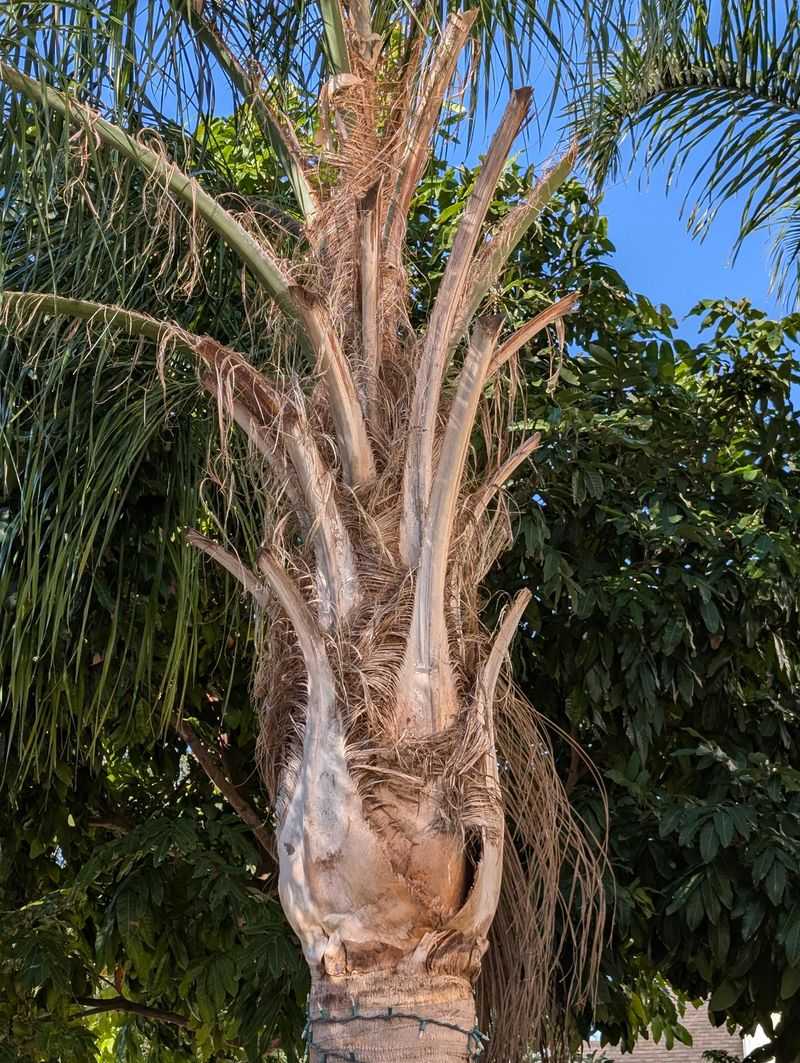
Good palm care is not about cutting a lot. It is about cutting the right things. Less is almost always more with these trees.
Focus on fronds that are truly causing problems. That means ones that are fully brown, broken, or clearly unhealthy. Those are safe and helpful to remove.
Sometimes a frond hangs over a walkway or blocks a light. In those cases, careful trimming makes sense for safety. Just take what you must and stop there.
A simple rule helps many homeowners. Never cut fronds that grow above an imaginary horizontal line across the trunk. Anything pointing up or out sideways should usually stay.
This approach keeps the palm balanced and full. It removes trouble without stealing the tree’s energy. You get a neat look and a healthy plant.
Old flower stalks and loose seed pods can also come off. These do not help the tree much and can make a mess. Clearing them is a fine reason to prune.
Always use clean, sharp tools when you cut. Dirty blades can spread disease from tree to tree. A quick wipe with rubbing alcohol keeps things safe.
By trimming only what needs to go, you protect your palm’s strength. You also save yourself time and effort. There is no need to strip the tree bare.
Thoughtful, minimal pruning is the secret many pros swear by. Treat each cut as important, and your palm will thank you with steady, healthy growth.
5. Avoid Hurricane Cutting Palm Trees
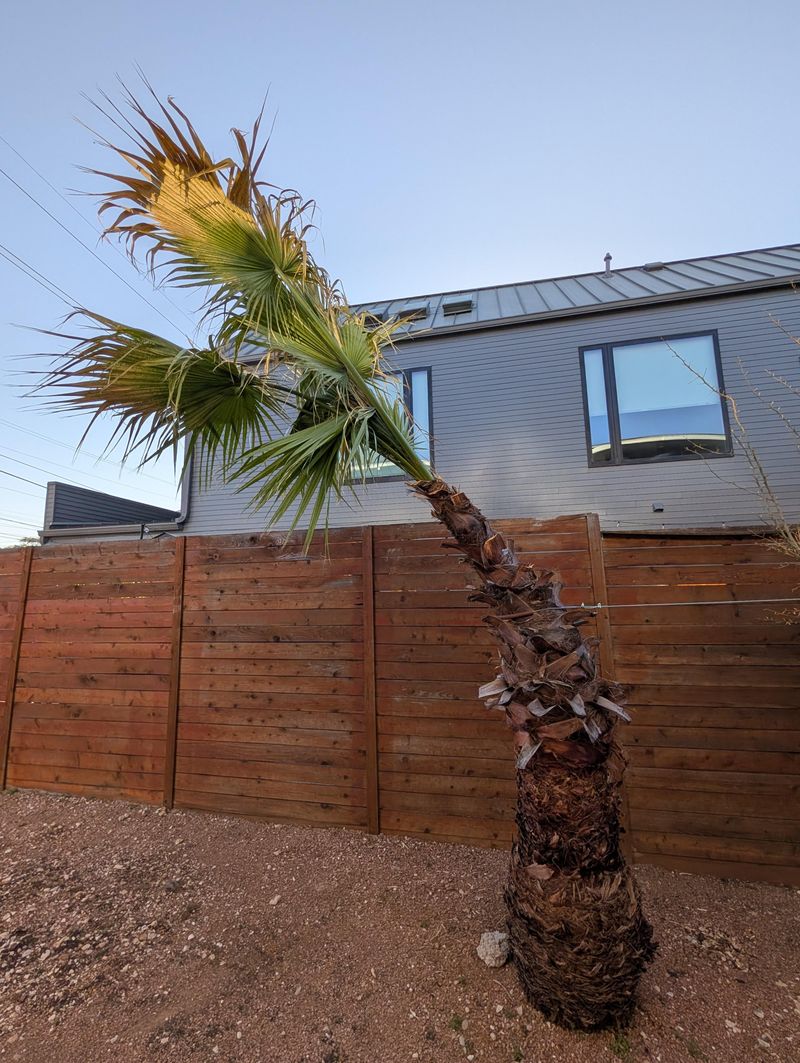
You may have seen palms trimmed to look like a shaving brush. Only a few fronds stick straight up at the very top. This popular style has a nickname: the hurricane cut.
The idea sounds good on paper. People believe fewer leaves let wind pass right through. They think it protects the tree during big storms.
Sadly, the opposite is true. Research shows hurricane cutting actually makes palms weaker. Stripped trees do worse in strong winds, not better.
Those lower fronds help the palm balance and store food. Cutting them off removes support and energy at the same time. The tree ends up stressed and shaky.
A hurricane cut also leaves the crown wide open. Wind, sun, and dust hit the sensitive center with no shield. That exposure invites all kinds of trouble.
Trees trimmed this way often grow with a pinched, weak trunk. This is sometimes called penciling because the new growth looks thin. A skinny trunk snaps far more easily.
It might look clean and tidy right after the cut. But the long-term cost to the palm is high. Beauty that harms the tree is not worth it.
Skip the extreme styles no matter how common they seem in the neighborhood. Your palm needs its fronds to face Santa Ana winds. Leave a full, natural crown for real protection.
Choosing gentle care over harsh fashion keeps your tree strong and safe for years to come.
6. Withered Fronds Are Different From Healthy Growth
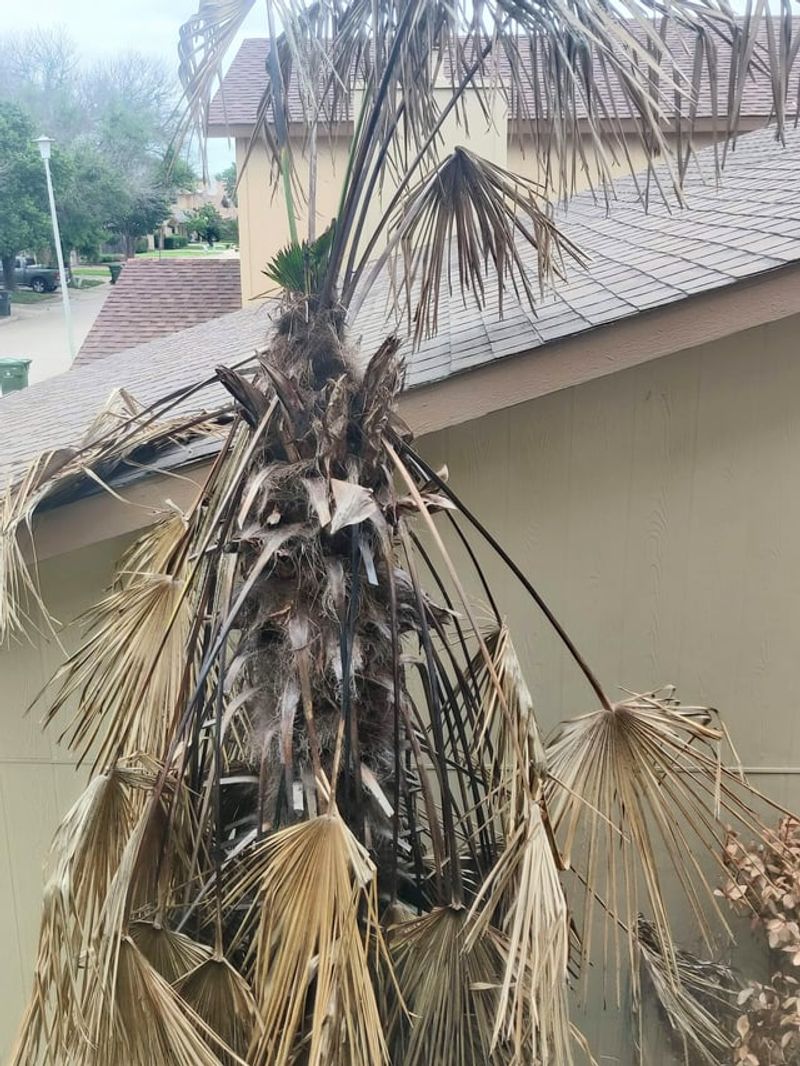
Telling the difference between a withered frond and a living one is a key skill. Once you learn it, pruning gets much easier. And your palm stays much healthier.
Damaged fronds are usually fully brown, dry, and crisp. They hang down against the trunk and rustle in the breeze. These have finished their job and can safely come off.
Healthy fronds are green, firm, and reach upward or outward. They feel flexible and full of life. These are the ones that keep feeding your tree.
Some fronds fall in between and confuse people. They might be green at the base but brown at the tips. As long as green remains, the frond still helps the palm.
A helpful trick is to look at the color where the frond meets the trunk. Green there means the leaf is still working. Only fully brown fronds are truly ready to remove.
Many palms in California naturally shed old fronds on their own. If a brown frond is loose, it may drop with a gentle tug. That is nature doing part of the job for you.
Rushing to cut anything that looks a little tired is a mistake. You could be removing leaves that still have plenty to give. Slow down and check carefully first.
Learning to read your palm’s fronds makes you a better caretaker. You will cut only what is truly finished. That simple habit keeps your tree full, strong, and thriving.
7. Heavy Pruning Creates Unnecessary Stress
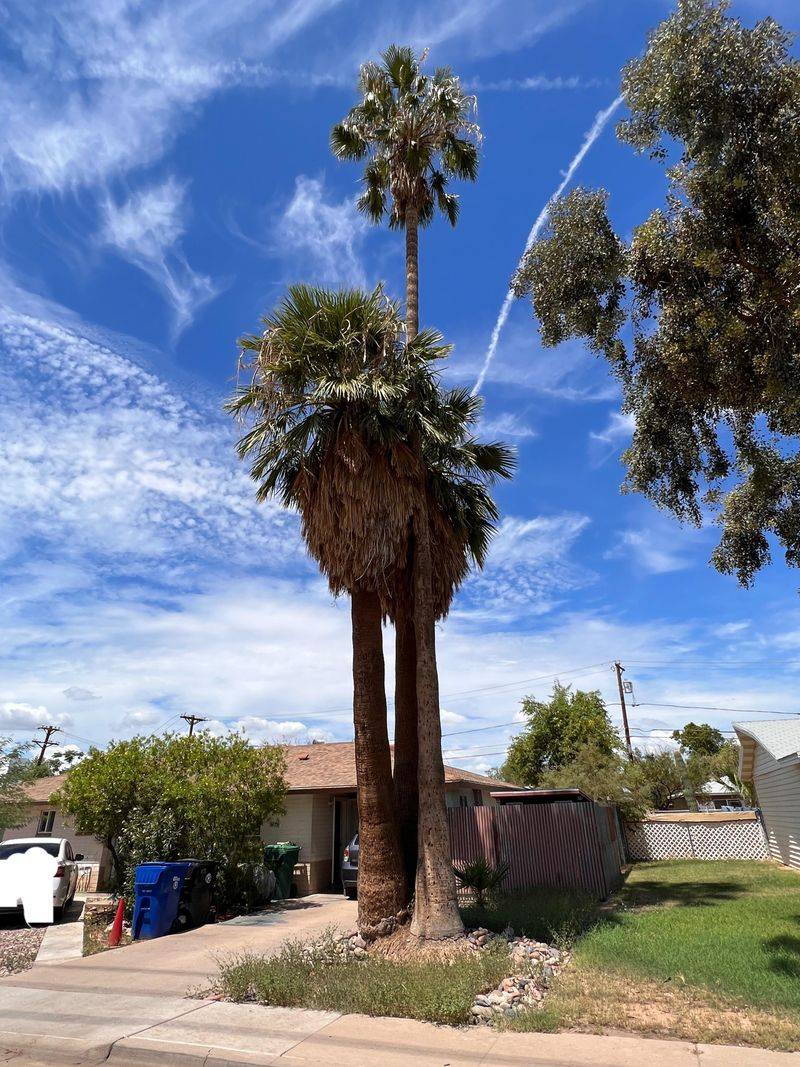
Trees feel stress too, in their own way. When you remove too much at once, a palm goes into shock. That stress shows up in many unwelcome ways.
A heavily pruned palm often slows its growth to a crawl. It spends its limited energy just trying to recover. New fronds come out smaller and fewer.
Stressed palms also become easy targets for pests. Weakened trees cannot fight off bugs and disease well. What starts as over-pruning can turn into a bigger problem.
The trunk can suffer too, growing thin and pinched. That narrow spot is a weak point in high winds. Ironically, the very winds you feared now pose a bigger threat.
Timing makes the stress even worse. Cutting heavily right before Santa Ana season gives the palm no time to bounce back. It faces the winds already worn out.
Recovery from heavy pruning can take many months or longer. During that time, the tree is vulnerable and struggling. Your yard loses its lush, green look too.
Gentle, light pruning avoids all of this trouble. The palm keeps its energy and stays balanced. It handles wind and weather with ease.
Think of pruning like a haircut for the tree. A small trim refreshes, but going too short causes harm. Restraint is the kindest choice you can make.
By keeping your cuts light and thoughtful, you spare your palm needless stress. A calm, healthy tree is a strong tree ready for anything the season brings.
8. Hire Properly Trained Palm Pruners
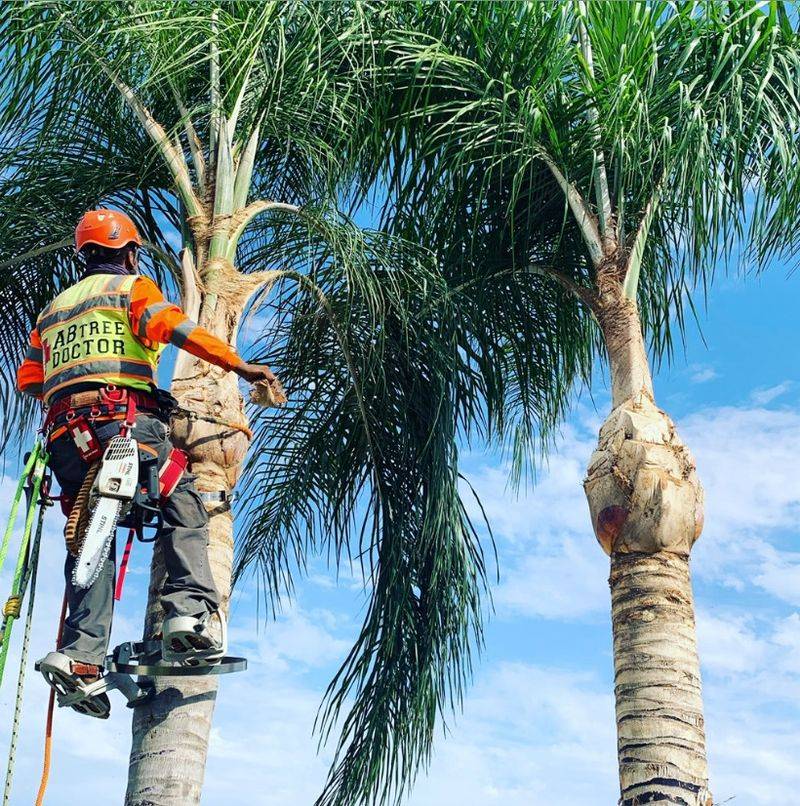
Sometimes the best move is to call in an expert. Trained palm pruners know exactly what your tree needs. They can spot problems you might miss.
A good professional understands how palms grow. They know which fronds to leave and which to remove. That knowledge protects your tree’s health and shape.
Safety is another big reason to hire help. Tall palms and sharp tools are a risky mix. Pros have the gear and training to work high up without accidents.
Look for someone certified, like an ISA arborist. That title means they studied tree care and passed real tests. It is a sign you can trust their advice.
Before hiring, ask a few smart questions. Find out if they avoid hurricane cutting. A skilled pruner will agree that less is more with palms.
Good pruners also clean their tools between trees. This stops disease from spreading around your yard. Careful habits show they take their work seriously.
Beware of anyone who wants to strip your palm bare. That approach may look neat but harms the tree. A true expert will explain why gentle pruning is better.
Yes, hiring help costs money up front. But it saves you from mistakes that hurt your tree. Healthy palms last for decades and add real value to your home.
When in doubt, trust a trained hand over a quick fix. Your palms will stay strong through every Santa Ana season, and your yard will look wonderful all year.