The Reasons To Plant Winterberry Holly In Your Pennsylvania Yard
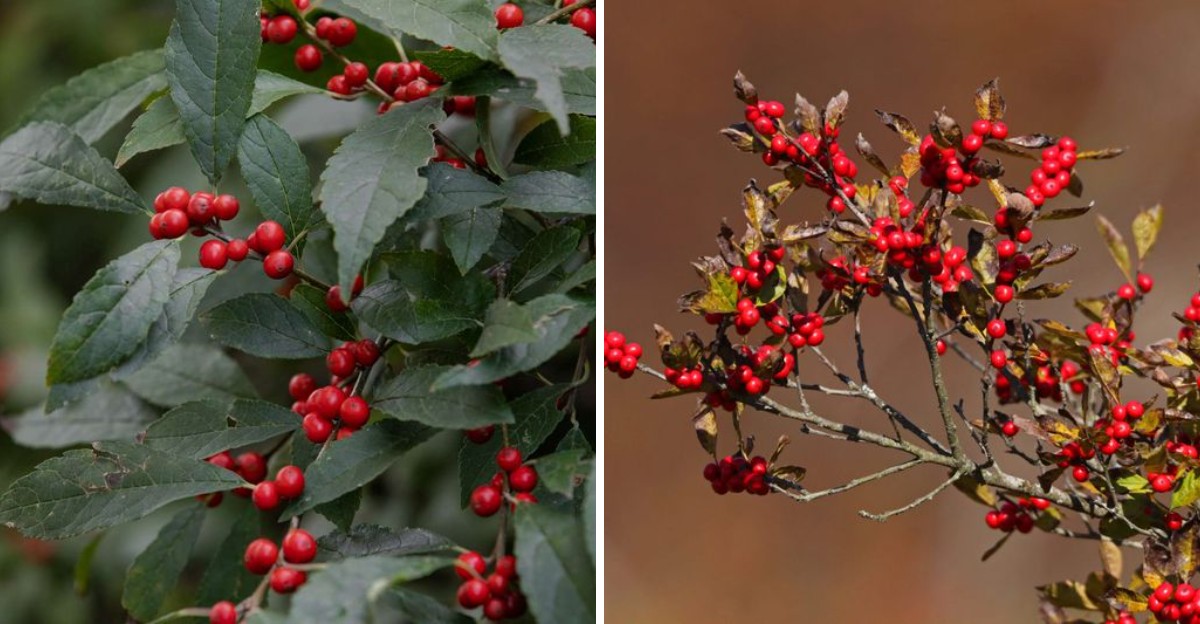
Winterberry holly is one of those plants that earns its place in a Pennsylvania yard more completely than almost anything else you could choose.
It’s not a one season wonder or a plant that peaks briefly and then blends into the background.
Winterberry delivers across every season, and in winter, when most of the landscape is bare and grey, it puts on a display that makes the whole yard worth looking at again.
The vivid red berries that cover this native shrub through winter are extraordinary on their own. But the reasons to plant winterberry go considerably further than the obvious visual impact.
Wildlife value, ecological contribution, low maintenance performance, and adaptability to the difficult growing conditions that challenge so many Pennsylvania yards all make the case alongside the beauty.
1. Bright Berries Light Up The Winter Landscape
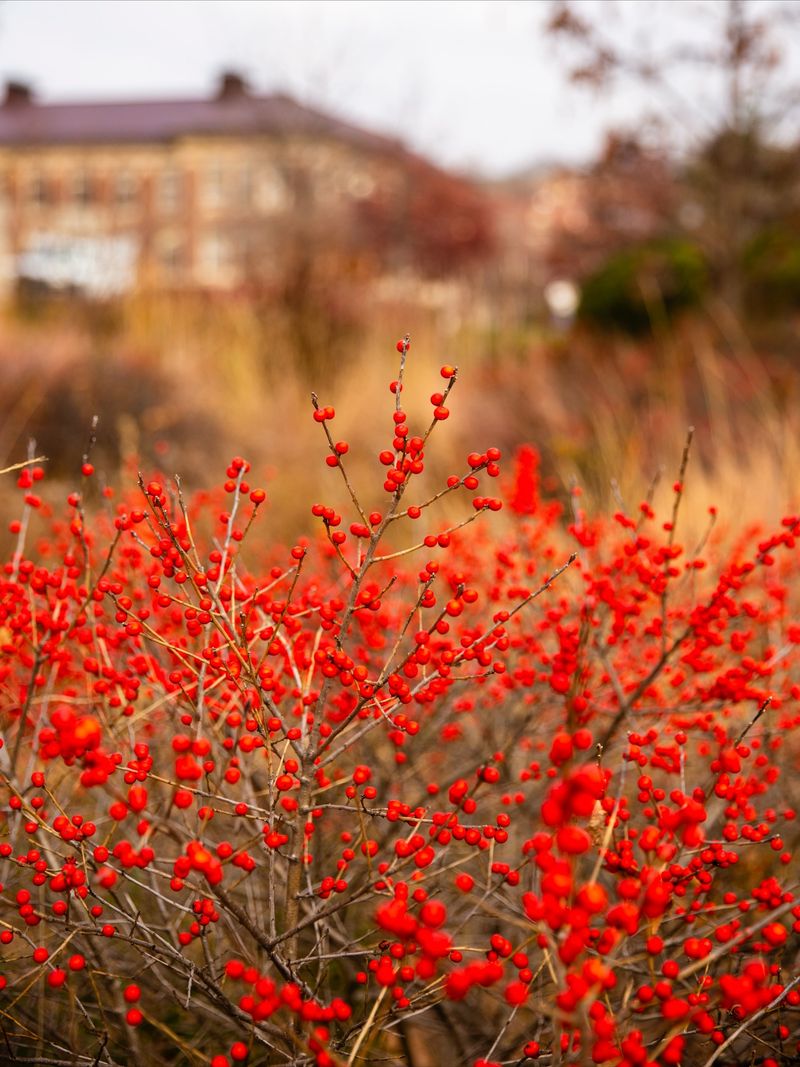
Picture your yard in January. Most plants have dropped their leaves and everything looks gray and sleepy. Then you spot a shrub loaded with hundreds of glowing red berries.
That is the magic of winterberry holly. After its leaves fall in autumn, the berries stay behind and hold their color for months. They stand out beautifully against snow, brown grass, and cloudy skies.
Pennsylvania winters can feel long and dull. A shrub like this gives you something cheerful to look at from your kitchen window. The red pops seem to warm up the whole scene.
These berries also work great for holiday decorating. You can clip a few branches and use them in wreaths, vases, or centerpieces. Fresh cuttings last a good while indoors and cost nothing extra.
The color show usually starts in late fall and can stretch into early spring. That means you get several months of beauty from just one planting. Few shrubs offer that kind of long-lasting reward.
To get the best berry display, plant your holly where you can actually see it. A spot near a walkway, porch, or window works well. You want to enjoy the view without walking far in the cold.
Keep in mind that female plants produce the berries. You will need a male plant nearby for pollination, but more on that later. Once set up correctly, the payoff is huge.
For anyone who dreads the drab months, this shrub is a gift. It turns a plain winter yard into a living display worth admiring.
2. A True Pennsylvania Native Plant
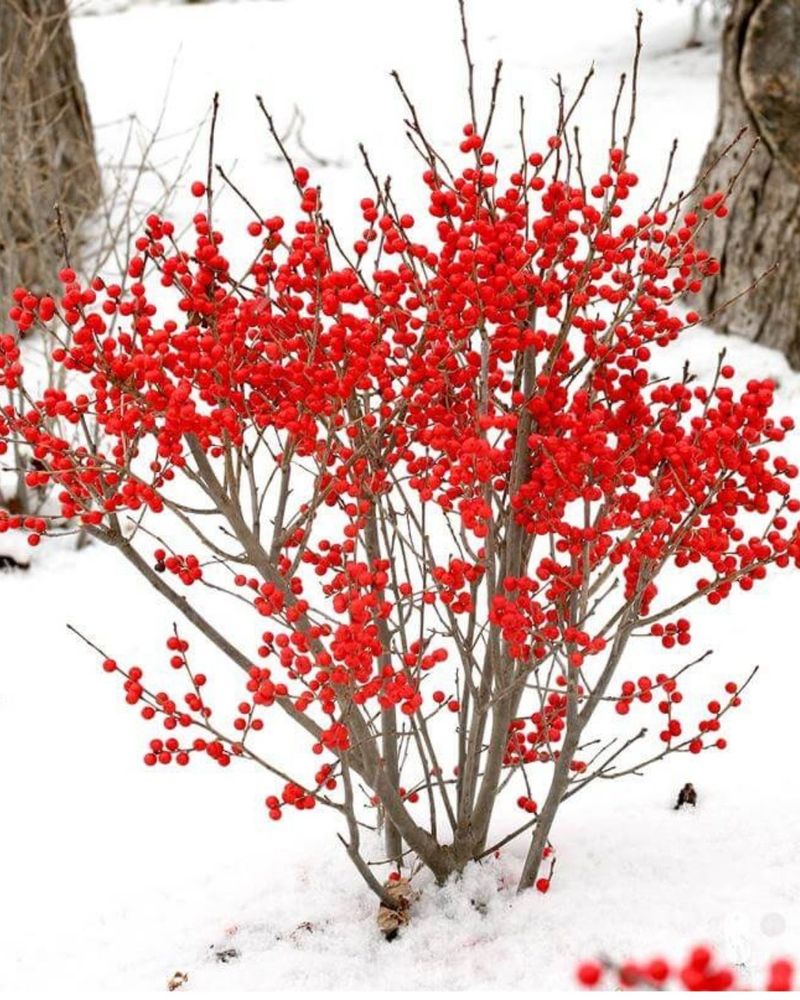
Here is something many gardeners love to hear. Winterberry holly is not some exotic import that struggles in our climate. It grows naturally right here in Pennsylvania.
Because it belongs here, it already knows how to handle our weather. Cold snaps, heavy snow, and swings in temperature do not bother it much. That local toughness saves you a lot of worry.
Native plants also fit into the local ecosystem in ways foreign plants cannot. They have grown alongside our insects, birds, and soil for thousands of years. Everything works together smoothly.
You can often find winterberry holly growing wild in wet woods and along stream edges across the state. Seeing it thrive in nature tells you it will likely thrive in your yard too.
Your Pennsylvania Garden Changes Every Week. Your Plan Should Too.
Gardening in Pennsylvania changes quickly throughout the season. Every Friday you’ll receive a simple weekly plan showing exactly what to plant, prune, fertilize, harvest, and protect so you never miss the right timing.
Choosing native plants is also good for the environment. They usually need less water, less fertilizer, and fewer chemicals than non-native options. That means less effort and lower costs for you.
Some homeowners worry that native plants look messy or plain. Winterberry holly proves that idea wrong. Its shape stays neat and its berries make it one of the showiest natives around.
Planting natives helps protect Pennsylvania’s natural heritage too. Every native shrub you add supports the web of life that has always lived here.
If you want a plant that feels right at home, this one belongs at the top of your list. It combines beauty with a deep connection to the land you live on. That makes it both a smart and meaningful choice for local gardens.
3. A Winter Feast For Birds And Wildlife
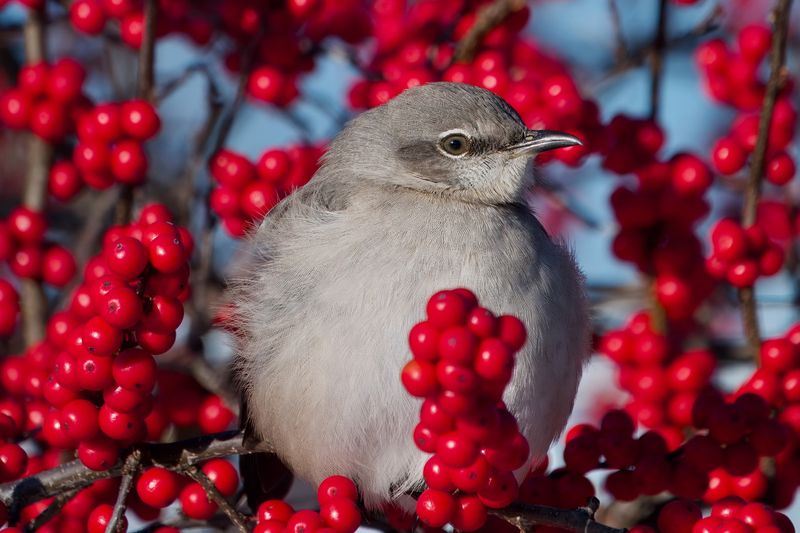
Ever wonder how birds find food when the ground is frozen and snow covers everything? Winterberry holly comes to the rescue during those hungry months.
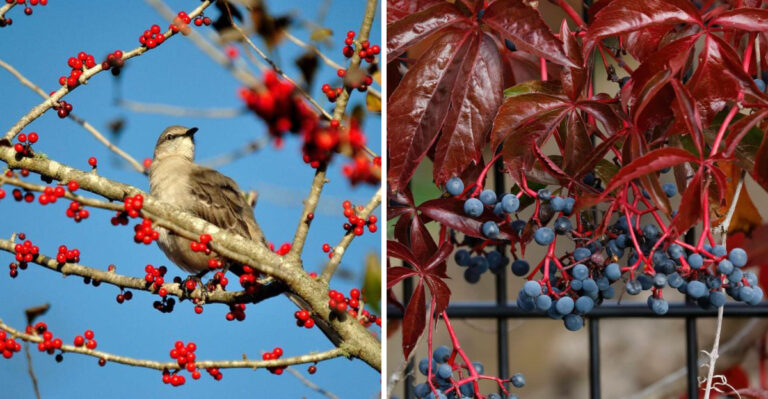
The berries that look so pretty to us are also a valuable meal for wildlife. Robins, cardinals, cedar waxwings, and many other birds feast on them all winter long.
Small mammals enjoy the berries too. When natural food gets scarce, this shrub becomes a reliable snack bar in your own backyard.
Watching birds flock to your holly is a joy in itself. On a quiet snowy morning, you might see bright cardinals landing on red-berried branches. It looks like a living holiday card.
The berries stay firm through the cold and slowly soften over time. That timing matters because it gives birds food later in winter when other sources have run out.
If you enjoy birdwatching, planting this shrub is like setting up a natural feeder. You will attract more feathered visitors without buying seed every week.
To make your yard even more bird-friendly, plant a few holly shrubs together. A bigger patch of berries draws larger groups of birds and creates a lively scene.
Supporting wildlife also helps your whole garden. Birds eat pests during the growing season, so inviting them in has hidden benefits for your other plants.
There is real satisfaction in knowing your yard helps local creatures make it through tough weather.
With winterberry holly, you get beauty for yourself and a helping hand for nature at the same time. That is a win worth planting.
4. Loves Wet Spots Where Other Plants Fail
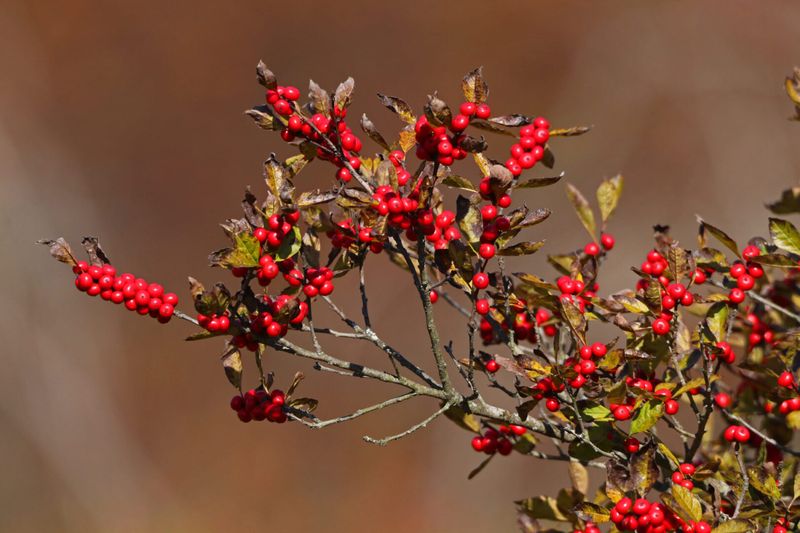
Got a soggy corner in your yard where nothing seems to grow? That damp problem spot might be the perfect home for winterberry holly.
Most shrubs hate wet feet and rot in soggy ground. This plant is different. It naturally grows in swamps and along streams, so moisture is exactly what it likes.
Low areas that collect rainwater often frustrate gardeners. Instead of fighting that wetness, you can work with it by planting a shrub that enjoys it.
Rain gardens are another great use. If you are trying to soak up runoff and protect your property, winterberry holly fits right into that plan.
The plant handles clay soil and poor drainage better than most. Where others would struggle, it settles in and grows strong.
That does not mean it only wants swamps. It also does fine in average garden soil as long as the ground does not dry out for too long.
For best results, add some organic matter like compost when planting. Rich, slightly acidic soil keeps this shrub happy and healthy.
Mulch around the base helps hold moisture and keeps roots cool. A two to three inch layer works nicely and cuts down on weeds too.
Solving a wet spot with a plant that actually enjoys it feels smart and simple. You turn a headache into a highlight.
Few landscape choices handle challenging ground this gracefully. If part of your yard stays damp, this shrub could be the easy answer you have been searching for. It thrives right where others give up.
5. Simple Care For Busy Gardeners
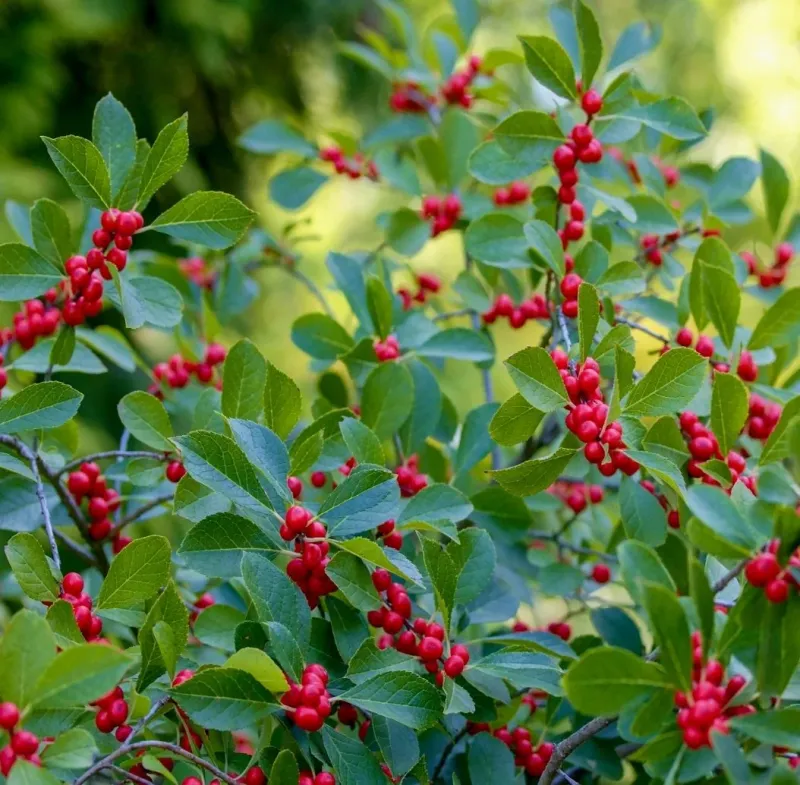
Not everyone has hours to spend fussing over plants. The good news is that winterberry holly asks very little from you once it settles in.
After the first year or two, this shrub becomes pretty self-sufficient. It handles our weather, resists most problems, and keeps growing with barely any help.
Watering matters most when the plant is young. Give it a good drink during dry spells that first season, and it will build strong roots.
Once established, it mostly takes care of itself. Natural rainfall usually covers its needs unless you hit a long summer dry stretch.
Pruning is easy too. You only need to trim it in late winter or early spring to shape it or remove weak stems. A light touch is all it takes.
Pests and diseases rarely trouble this shrub. That means fewer sprays, less stress, and more time enjoying your garden instead of babying it.
Fertilizer is usually optional. A yearly layer of compost or mulch gives it plenty of nutrients without any complicated feeding schedule.
Because it is so forgiving, this plant suits beginners perfectly. Even folks who claim to have a brown thumb tend to succeed with it.
For gardeners with packed schedules, low-maintenance plants are a lifesaver. You get big visual rewards without a big time commitment.
Plant it right, water it early on, and then step back. This tough native shrub will reward your patience with years of beauty and almost none of the daily work that fussier plants demand.
6. Flexible Sizes For Any Yard
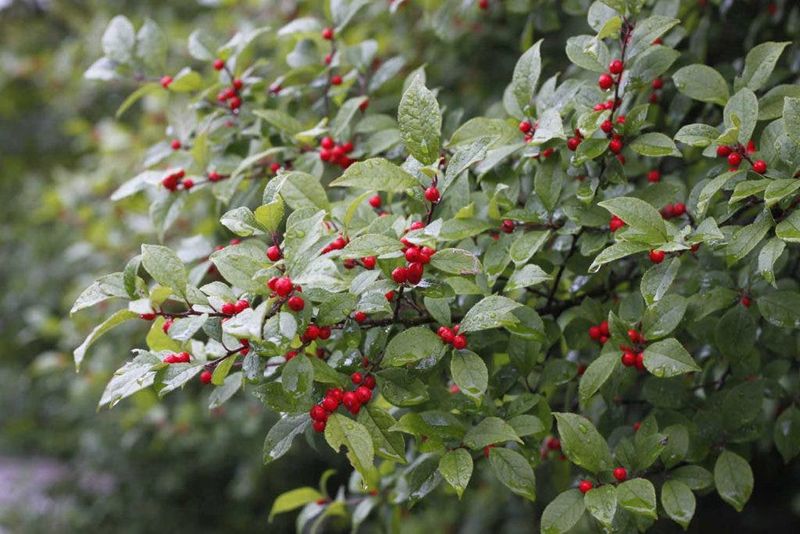
Whether you have a tiny city lot or a sprawling country property, there is a winterberry holly that fits. This plant comes in several sizes to match your space.
Some varieties stay small and compact, growing only three or four feet tall. These work great in small beds, borders, or foundation plantings near the house.
Other types can reach eight feet or more. Taller varieties make excellent hedges, screens, or backdrops for smaller plants in front of them.
That range gives you real design freedom. You can pick a size that solves your specific need instead of forcing a plant to fit where it does not belong.
Popular compact varieties like Red Sprite pack loads of berries onto a smaller frame. They are perfect when you want big color in a tight spot.
Larger types such as Winter Red create bold, showy masses of berries. Group several together and you get a stunning wall of color in winter.
Mixing sizes adds depth to your landscape. Tall shrubs in back and shorter ones in front build a layered, natural look.
Because the plant tolerates trimming, you can also shape it to keep a certain size. That helps if your space is limited but you love the look.
Before buying, check the mature size listed on the tag. Matching the variety to your yard saves you trouble down the road.
With so many options available, almost any Pennsylvania gardener can find the right fit. This flexibility makes winterberry holly a plant that adapts to you, not the other way around.
7. Easy Pairing With Male And Female Plants
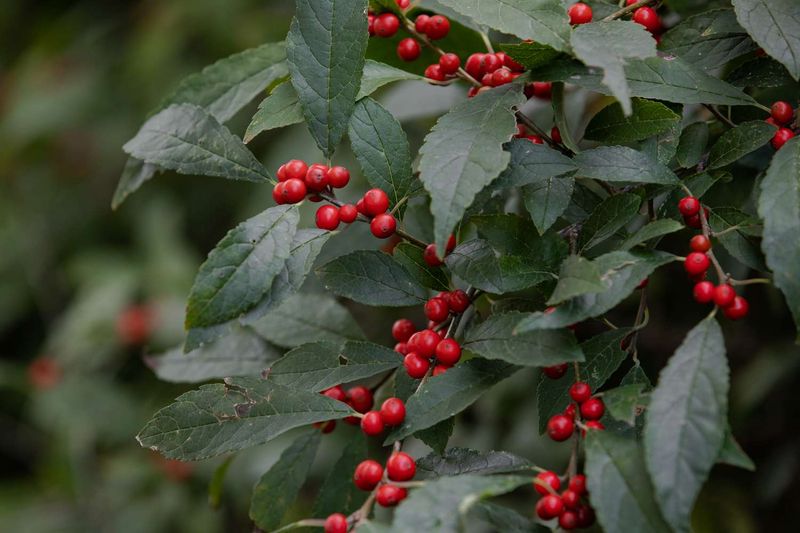
Here is a fun quirk about winterberry holly. To get those famous red berries, you need both a female plant and a male plant nearby.
The female plants are the ones that grow the colorful berries. The male plants do not make berries, but they provide the pollen that makes berries possible.
This might sound complicated, but it is actually simple to plan. One male shrub can pollinate several females planted within about fifty feet.
Nurseries clearly label their plants as male or female. When shopping, just make sure you bring home at least one of each type.
Timing matters too. The male and female plants need to bloom at the same time for pollination to work. Staff can help you match compatible varieties.
A common pairing is Winter Red females with a Southern Gentleman male. These two bloom together and produce a fantastic berry show.
You can tuck the male plant somewhere less visible since it lacks berries. Place your females where you want the eye-catching color.
Bees do the pollinating work for you in spring. So along with berries, you also support these helpful insects in your garden.
Once the pairing is set, you will enjoy berries year after year without repeating the effort. It is a one-time bit of planning for lasting results.
Think of the male plant as a quiet helper doing important work behind the scenes. Set up the right pair and your yard rewards you with brilliant color every single winter. That small step makes all the difference.