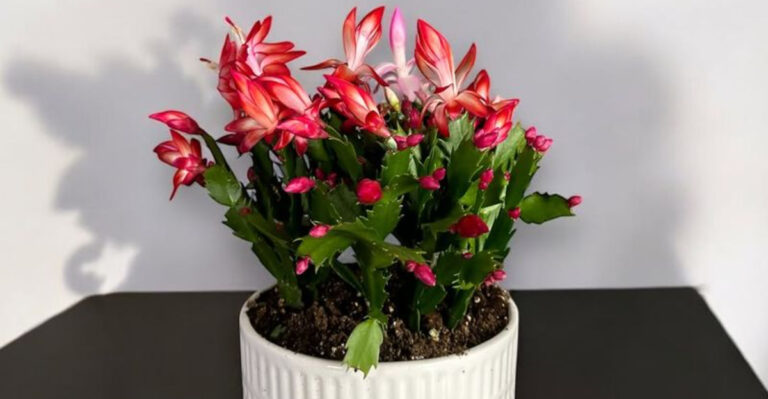
American Flamingos Are Coming Back To The Southwest After A Century Of Silence
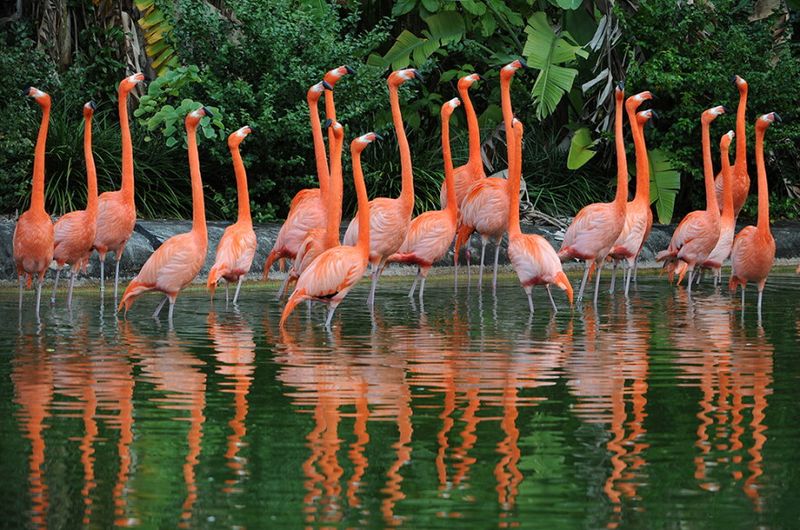
A pink bird the size of a small child, standing knee-deep in still water on legs like stilts, is hard to miss. American flamingos have been spotted in unexpected places recently, and people across the Southwest are asking whether these birds are making a comeback.
The real story is more specific and more interesting than a simple yes or no. Florida holds the strongest documented chapter of that story, while the evidence for Arizona and the inland Southwest tells a very different tale.
The strongest U.S. story starts in Florida
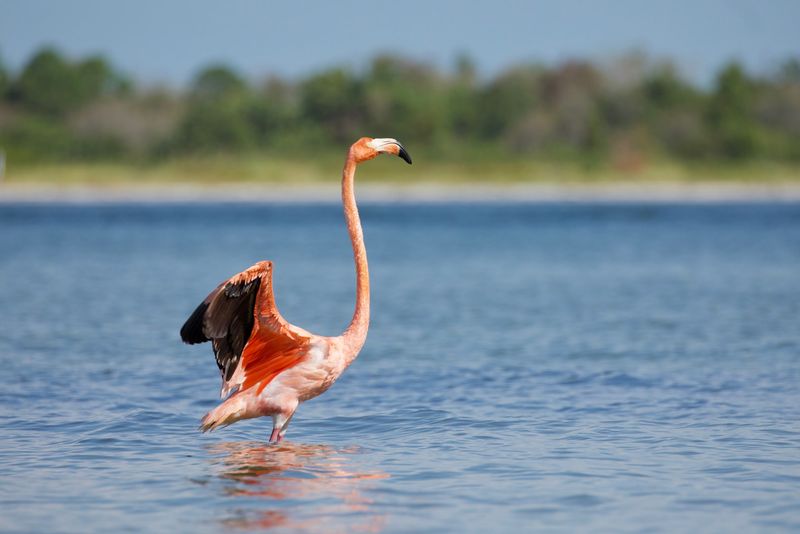
Florida wildlife officials are clear on one point: the American flamingo is not a newcomer to the state but a native species that was lost. The Florida Fish and Wildlife Conservation Commission recognizes the bird as historically native and places its disappearance around the turn of the 20th century, roughly a hundred years before today’s sightings began drawing attention again.
Recent flamingo appearances in Florida have added a new layer to that history. Evidence suggests that at least some of the birds showing up in the state are arriving naturally from outside, rather than wandering from captive flocks established in South Florida after about 1925.
That distinction matters because it shapes how researchers and wildlife managers interpret each new record.
What the recent sightings do not settle, on their own, is whether Florida is experiencing a full population recovery or a sustained recolonization. Each confirmed record adds to a documented native-status and arrivals story that is worth following closely.
That story is still being written, and calling it a proven comeback would get ahead of the evidence that currently exists.
The cited regional records stop short of a Southwest comeback
Two official state bird records help anchor this conversation in facts. The
Arizona Bird Committee’s 2024 accepted list covers 570 species and does not include American Flamingo.The New Mexico Ornithological Society’s checklist dated January 1, 2025, tallies 557 verified species and also carries no accepted flamingo record for the state. These are the most recent dated lists from those sources, though readers should check for any updates published after those dates.
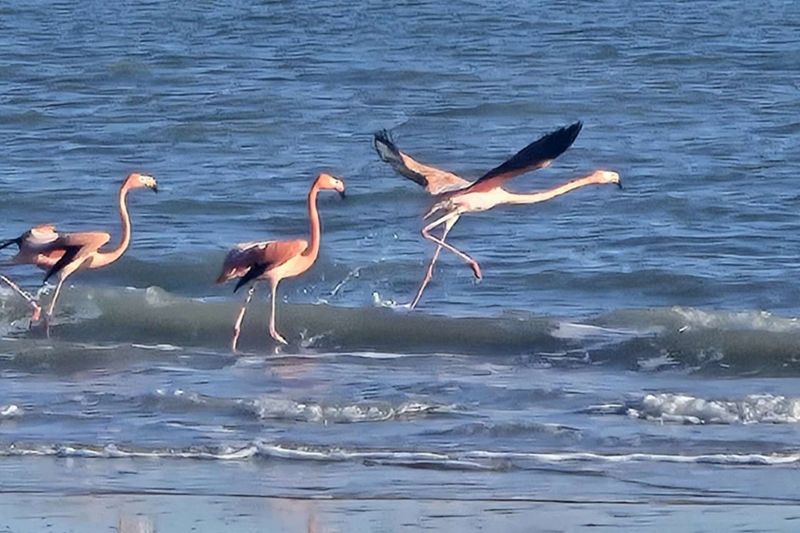
Texas tells a different story, but a carefully bounded one. The Texas Bird Records Committee has accepted 18 American Flamingo records, including recent sightings at Port Aransas, Laguna Atascosa, and Bayou Vista in 2023 and 2024.
Those are real, accepted observations along the Gulf Coast, and they are genuinely exciting for birders in that region.
Even so, rare coastal Texas records cannot be stretched into evidence of an inland-Southwest return. The Gulf Coast and the Sonoran Desert are separated by hundreds of miles of unsuitable habitat.
A bird turning up near salt marshes in coastal Texas is operating in a completely different ecological context than any hypothetical sighting in Arizona or New Mexico. Treating one as proof of the other collapses a distinction that the records themselves are careful to maintain.
A hurricane appearance does not prove recolonization

Hurricane Idalia made landfall in Florida in August 2023, and in its wake, flamingos turned up far outside their usual range. Banded birds tracked by the U.S.
Your Arizona Garden Changes Every Week. Your Plan Should Too.
Gardening in Arizona changes quickly throughout the season. Every Friday you’ll receive a simple weekly plan showing exactly what to plant, prune, fertilize, harvest, and protect so you never miss the right timing.
Geological Survey confirmed that at least some of those individuals had been physically displaced by the storm, carried to places they would not have reached on their own. That kind of event produces genuine sightings without producing a genuine range expansion.
Flamingos are generally non-migratory, but they are powerful fliers capable of covering long distances when conditions force or allow it. Food availability, water levels, and disturbance can all prompt a bird to move.
Assigning an individual flamingo a memory-based motivation, or saying it returned because it remembered where home was, adds a narrative layer that the science does not support. A bird that appears somewhere unusual may be lost, displaced, exploring, or responding to habitat cues.
What it is not doing, in any documented sense, is consciously recolonizing.
Increased flamingo reports may also reflect better observer coverage, more birders with cameras and apps, and growing public interest rather than a true increase in bird numbers. A peer-reviewed distribution study notes that rising eBird record counts can track tourism and technology as much as actual abundance shifts.
Separating a real population signal from improved detection is one of the harder problems in modern ornithology, and a single dramatic storm year makes that separation harder still.
A flamingo can reveal usable habitat without certifying clean water
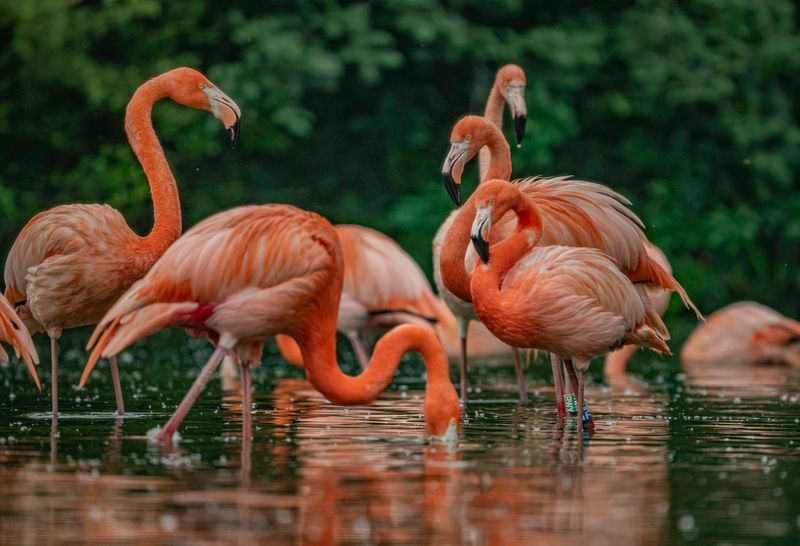
Shallow saline lagoons, estuaries, coastal mudflats, and soft-sediment wetlands are the environments American flamingos seek out. According to Cornell Lab of Ornithology’s life history account, their diet runs to aquatic invertebrates, algae, seeds, and plant material filtered from the water column.
A Yucatan foraging study found birds concentrating in coastal lagoons with saline water, soft sediments, aquatic vegetation, and abundant invertebrate prey. When a flamingo picks a spot, it is voting for a particular set of physical conditions.
That vote, though, is not a water-quality certificate. A flamingo’s presence tells you the site has some workable combination of water depth, salinity, and food.
It does not tell you whether the water is clean, free of pollutants, or safe for other species. Flamingos can and do use altered, treated, or eutrophic wetlands when the food supply holds up.
Research at Kamfers Dam in South Africa connected hypereutrophication and poor water quality to changes in food resources and measurable effects on the flamingo population there. A separate study on Argentine wetlands found that broader environmental conditions, including El Nino cycles and wetland state, shaped flamingo abundance and distribution.
These findings make the same point from different angles: water quality can affect flamingos, but flamingos do not automatically signal good water quality. Presence is a starting clue, not a clean bill of health.
Arizona’s pink wader is more likely to be a Roseate Spoonbill
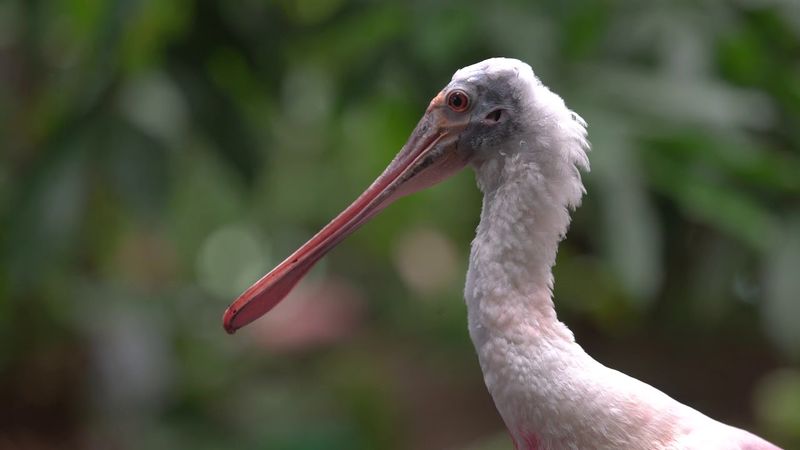
Pink wading birds do appear in Arizona, but the species to reach for first is not the flamingo. Roseate Spoonbills appear on the Arizona Bird Committee’s accepted list and have been documented in the state.
Both birds carry that striking rose-pink coloring, and at a distance or in poor light, the confusion is understandable.
The physical differences are significant once you know where to look. According to Cornell Lab’s identification guide for American Flamingo, flamingos carry an S-shaped neck that folds and extends dramatically, stand on legs that seem almost impossibly long, and hold a thick, sharply downturned bill that works like a filter press.
A Roseate Spoonbill’s bill flattens into a wide spatula at the tip, the neck is shorter and less sinuous, and the overall proportions are stockier.
Distance, heat shimmer, backlighting, and a quick view through binoculars can all make a confident identification difficult. Photographs from multiple angles, ideally showing the bill profile and leg length relative to body size, are the evidence that counts.
Calling any pink bird a flamingo before those details are confirmed is a shortcut that has led to misidentified records before, and Arizona observers owe the next unusual sighting a careful second look.
Document an unusual bird without disturbing it
Spotting something that looks like a flamingo in Arizona would be a genuinely rare event, and the instinct to get closer is natural. Resist it.
Wildlife agencies consistently advise observers to keep a wide buffer between themselves and any unusual bird, particularly one that may already be stressed from a long flight or an unfamiliar environment.
Photograph or video the bird from where you are, using whatever zoom your equipment allows. Note the exact location, the time, the habitat, and the bird’s behavior.
Avoid approaching, chasing, flushing, feeding, baiting, touching, or entering sensitive wetland areas to get a better angle. A disturbed bird may flush and not return, and a stressed bird may abandon a site it would otherwise have used for days.
Once you have your documentation, submit it to the Arizona Bird Committee, which reviews and maintains the state’s accepted records. Unusual sightings require supporting evidence, and a clear photograph with location data is the foundation of any accepted record.
Under the Migratory Bird Treaty Act, covered migratory birds are federally protected from unauthorized take, which includes capture, killing, and harassment. Keeping your distance is both the ethical choice and the legal one.
Good documentation submitted promptly helps the broader birding community and gives researchers a reliable data point, which is the best outcome a rare sighting can produce.
One sighting raises a question—it does not settle the story
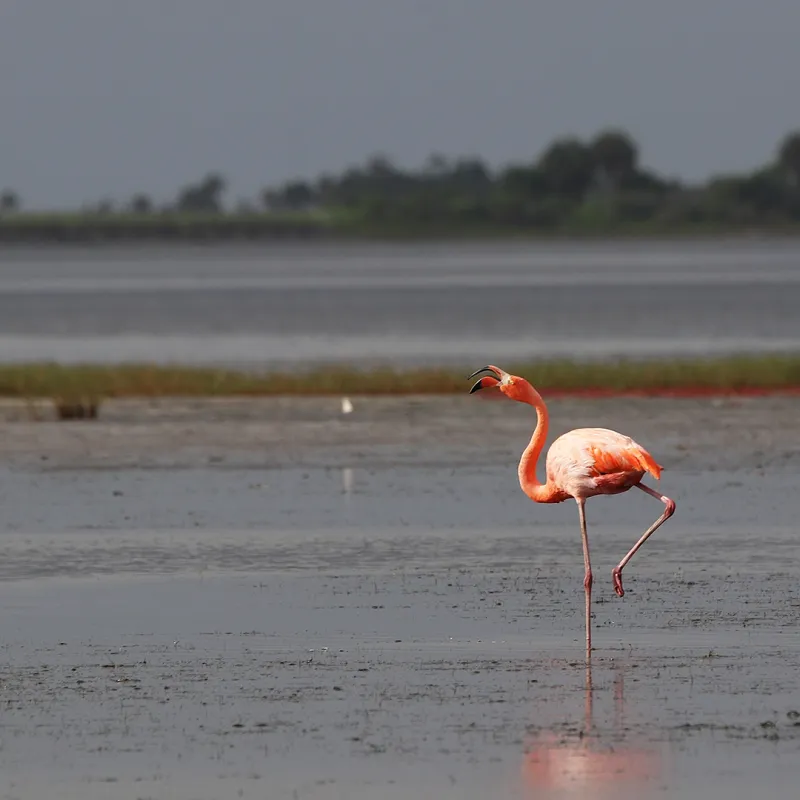
A flamingo appearing somewhere unexpected is worth paying attention to. It can tell you that a wetland has some combination of the right water depth, food, and shelter to attract a wide-ranging bird.
What it cannot tell you is that a population has returned, that the water is clean, or that the bird made a purposeful journey home.
Florida holds the most documented chapter of the American flamingo’s U.S. story, with a recognized native history, a disappearance around the turn of the 20th century, and recent sightings that include naturally arriving birds. Coastal Texas has 18 accepted records, all rare, all coastal.
Arizona and New Mexico, based on their most recently dated official lists, have no accepted American Flamingo records at all.
Any Arizona sighting would require careful documentation, a confirmed identification, and review by the state records committee before it added anything to the scientific record. One pink bird in a desert pond is a question mark, and question marks are exactly what careful observers are built to investigate.