These Tiny Freckles On Illinois Tomatoes Spread Faster In Cool Weather
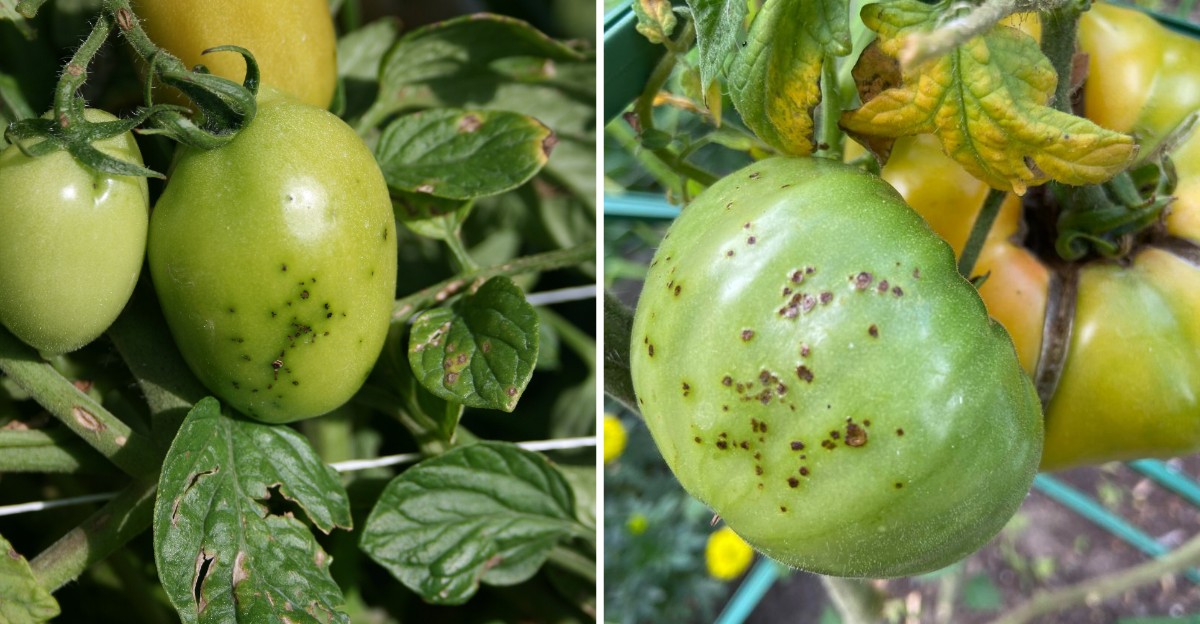
Illinois mornings in September arrive with heavy dew, cool air, and a quiet chill on every leaf. You wander out with warm coffee, expecting a peaceful harvest, and something in the garden looks off.
Up close, the fruit wears a scatter of dark freckles that were certainly not there last week. Rub one with your thumb and it stays put, as stubborn as a stain on white cotton.
Hot July barely bothered your plants, so this sudden trouble feels backwards, unfair, and slightly rude. Cool, damp autumn weather has its own list of favorites, and they are wide awake now.
Gardeners across Illinois notice the same pattern each fall, usually after a long stretch of gentle rain. Somewhere among your tidy rows, a tiny microbe is enjoying sweater weather far more than you.
Bacterial Speck, The Cool Season Troublemaker In Midwest Gardens
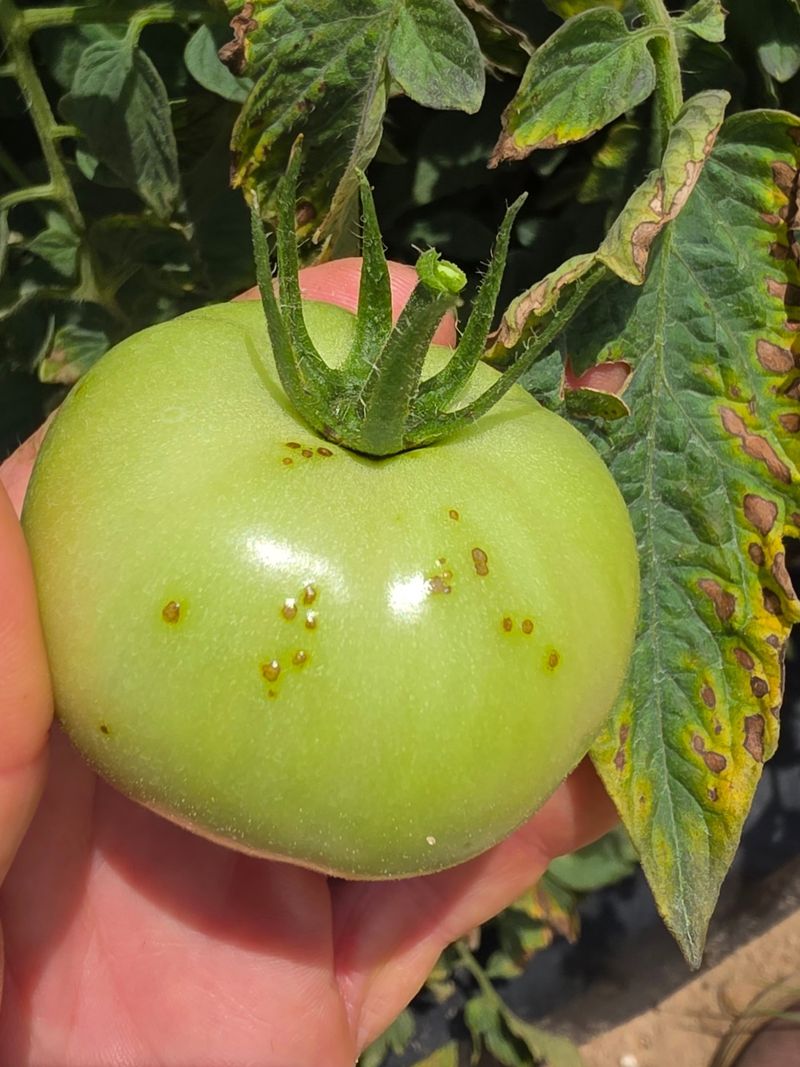
Those pinhead dots trace back to a bacterium named Pseudomonas syringae, a cool weather specialist. It slips in quietly, then announces itself loudly once September nights turn crisp and damp.
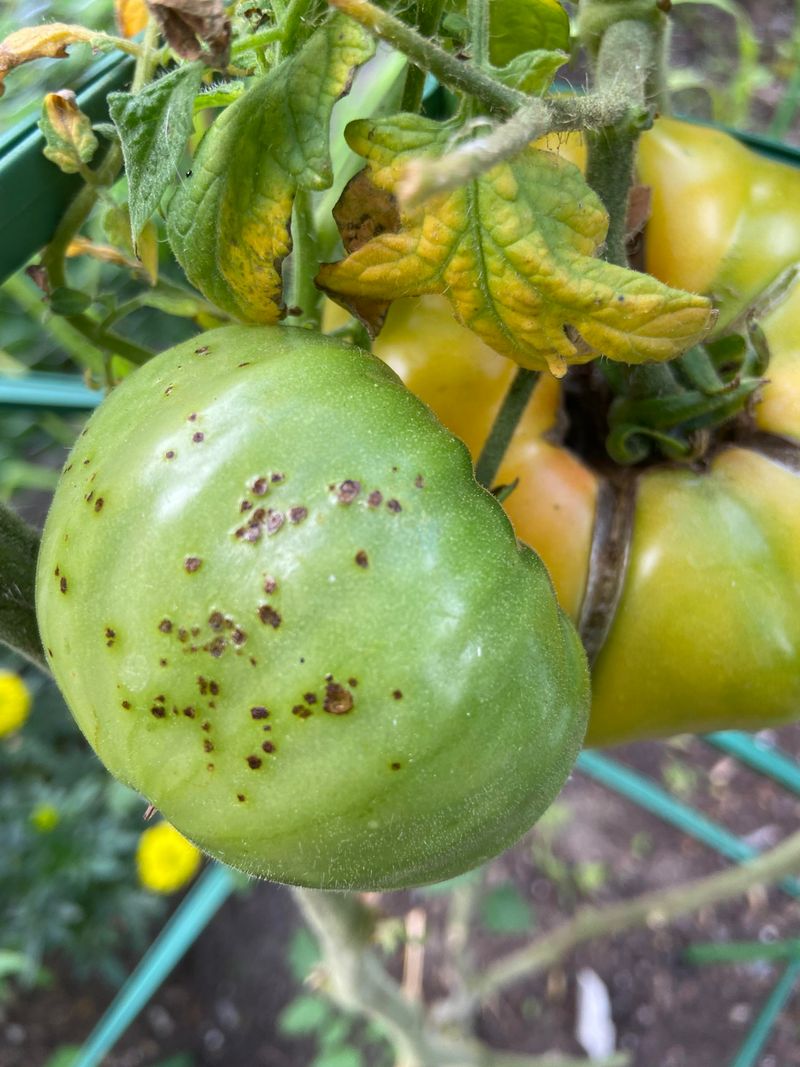
Speck lesions stay small, about the size of a pencil point, and feel slightly raised to the touch. On fruit, they resemble scattered pepper flakes, dark and superficial, sitting only in the outer skin.
Leaves show the same specks, often ringed by thin yellow halos that blend into larger blotches. Heavily marked leaves turn papery and drop, leaving fruit exposed to sunscald during warm afternoons.
Gardeners often mistake speck for bacterial spot, its close cousin that prefers hot, muggy July weather. Spot lesions grow bigger, scabbier, and rougher, while speck stays tidy, tiny, and oddly uniform.
Temperature is the clearest way to tell the two apart in an Illinois garden. Speck thrives between roughly fifty five and seventy seven degrees, with moisture on leaf surfaces.
Seeds, old plant debris, and nearby volunteer seedlings carry the bacterium from one season into another. Rain splash then moves it from soil onto lower leaves, where infection begins its climb.
Knowing the culprit matters because cool weather management differs from the hot weather advice most articles repeat. Once you match the problem to the thermometer, your response gets much sharper.
Illinois growers see speck flare after cold fronts, especially when dew lingers past mid morning. Spotting that link early gives your plants a real chance at a decent fall harvest.
September Weather Patterns That Favor Rapid Spread
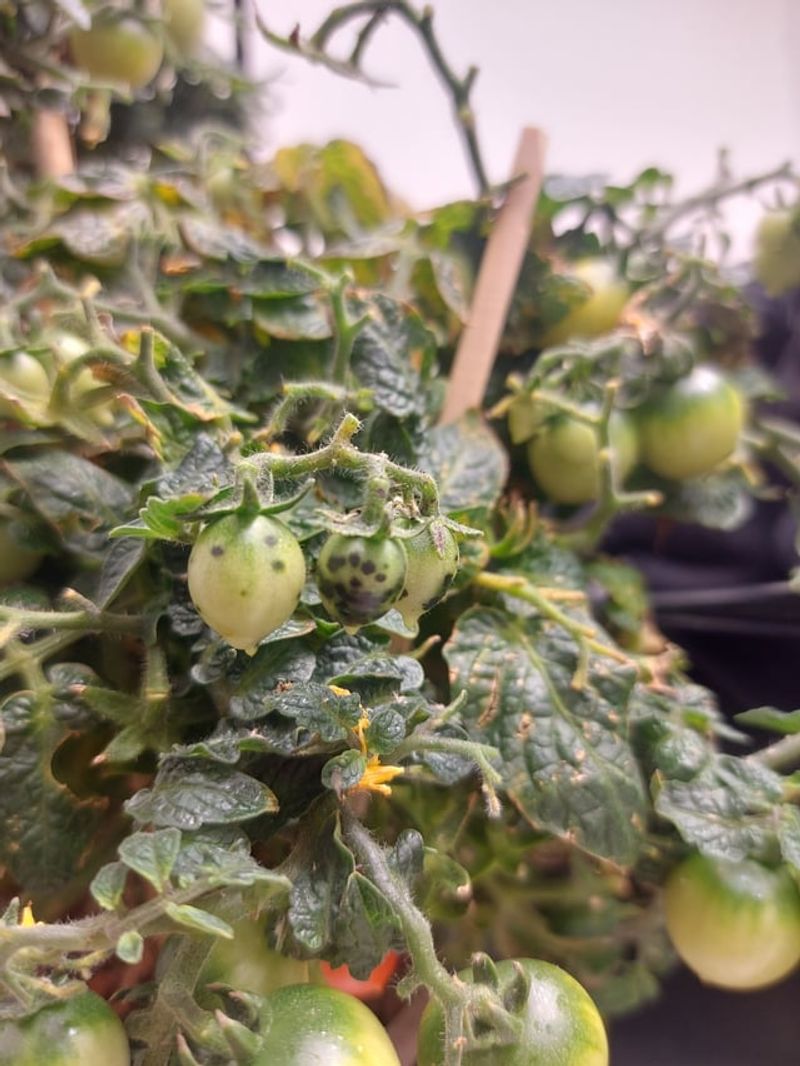
Autumn in Illinois delivers a weather combination that speck bacteria seem to appreciate more than gardeners do. Cool nights, heavy dew, and passing showers keep leaf surfaces wet for many quiet hours.
Bacteria need free water to travel, so they swim and slip through tiny pores called stomata. Dew that lingers until ten in the morning hands them a generous daily head start.
Temperatures stuck in the sixties slow your tomato plants while the bacterium speeds cheerfully along. New growth hardens slowly, roots work less eagerly, and natural defenses respond in low gear.
Thunderstorms and gusty cold fronts do the heavy lifting by scattering droplets across whole rows. Every splash lifts bacteria from crusty lower leaves onto clean young shoots above them.
Your Illinois Garden Changes Every Week. Your Plan Should Too.
Gardening in Illinois changes quickly throughout the season. Every Friday you’ll receive a simple weekly plan showing exactly what to plant, prune, fertilize, harvest, and protect so you never miss the right timing.
Shorter September days bring weaker drying power, so wet foliage simply stays wet much longer. Overgrown tomato jungles trap humidity underneath, turning the inner canopy into a cozy little greenhouse.
Watch the forecast for three cool, rainy days followed by still, foggy morning air statewide. That sequence often precedes a clear jump in fresh specks within roughly one short week.
Late planted crops carry the highest risk because their fruit ripens during peak speck season. High tunnel growers see trouble too when vents stay shut through chilly, humid evenings.
Tracking the weather beats guessing, and a cheap garden thermometer tells you plenty each morning. Once nights turn cool, treat each approaching rainstorm as an invitation you would politely decline.
Common Watering And Handling Habits That Help It Travel
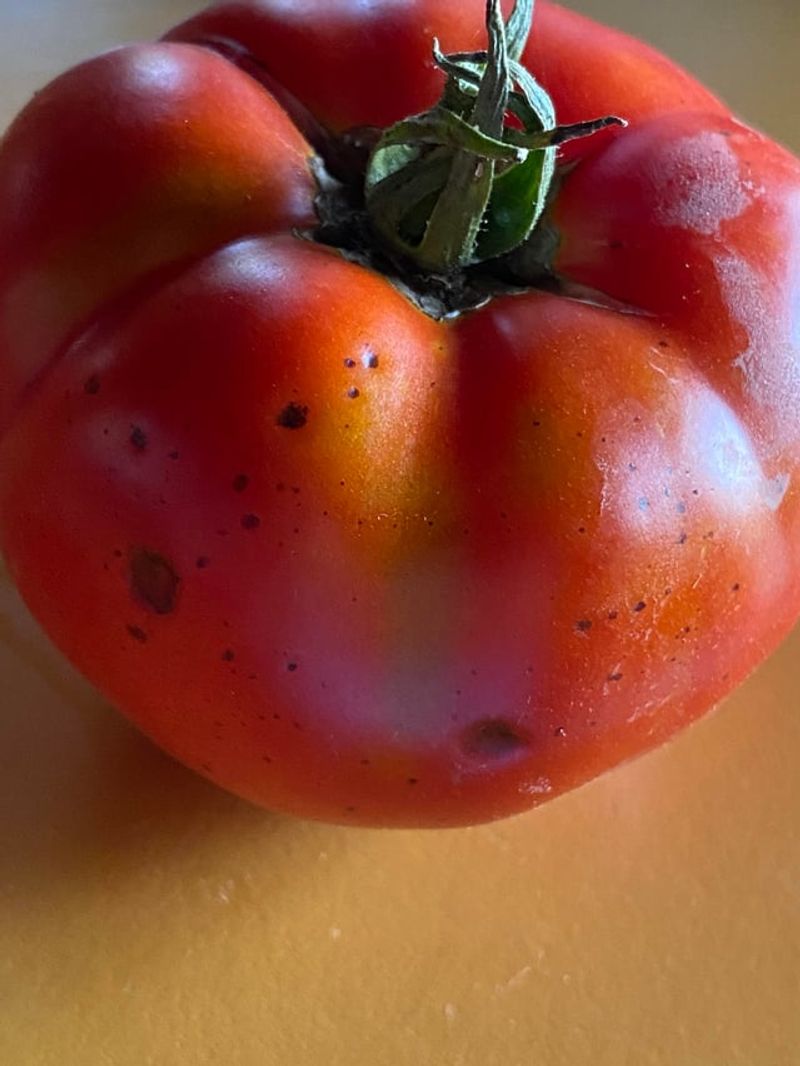
Most speck outbreaks get a big assist from well meaning gardeners holding a hose. Overhead sprinklers soak foliage, then splash bacteria from leaf to leaf like tiny taxis.
Watering in the evening leaves plants damp all night, exactly when cool air settles. Morning watering at the soil line dries faster and keeps bacteria grounded where they started.
Touching wet plants ranks as the second favorite mistake among September tomato growers everywhere. Hands, sleeves, gloves, and pruners carry bacterial films from one row to the next.
Pruning or tying up vines after rain leaves fresh cuts open while moisture sits everywhere. Wait until midday sun dries the leaves, then handle plants with clean, sanitized tools.
Crowded spacing feels efficient in May, though it traps humidity by the end of summer. Airflow through a canopy acts like a free dryer, shortening the window for infection.
Leaving diseased trimmings on the ground beneath plants invites the same trouble right back. Bag that material, keep it out of the compost, and clear fallen fruit weekly.
Saving seed from speckled fruit passes the problem forward into next spring’s seed trays. Purchased certified seed costs a few dollars and skips a whole year of frustration.
Habits, not bad luck, usually determine how far a few specks spread into a whole patch. Change two or three routines and the spread slows noticeably, even in damp weather.
Mulch under plants blocks splash from soil, which quietly removes one major travel route. Straw costs little and pays off across every wet, gray week of the season.
Practical Steps For Slowing An Active Outbreak
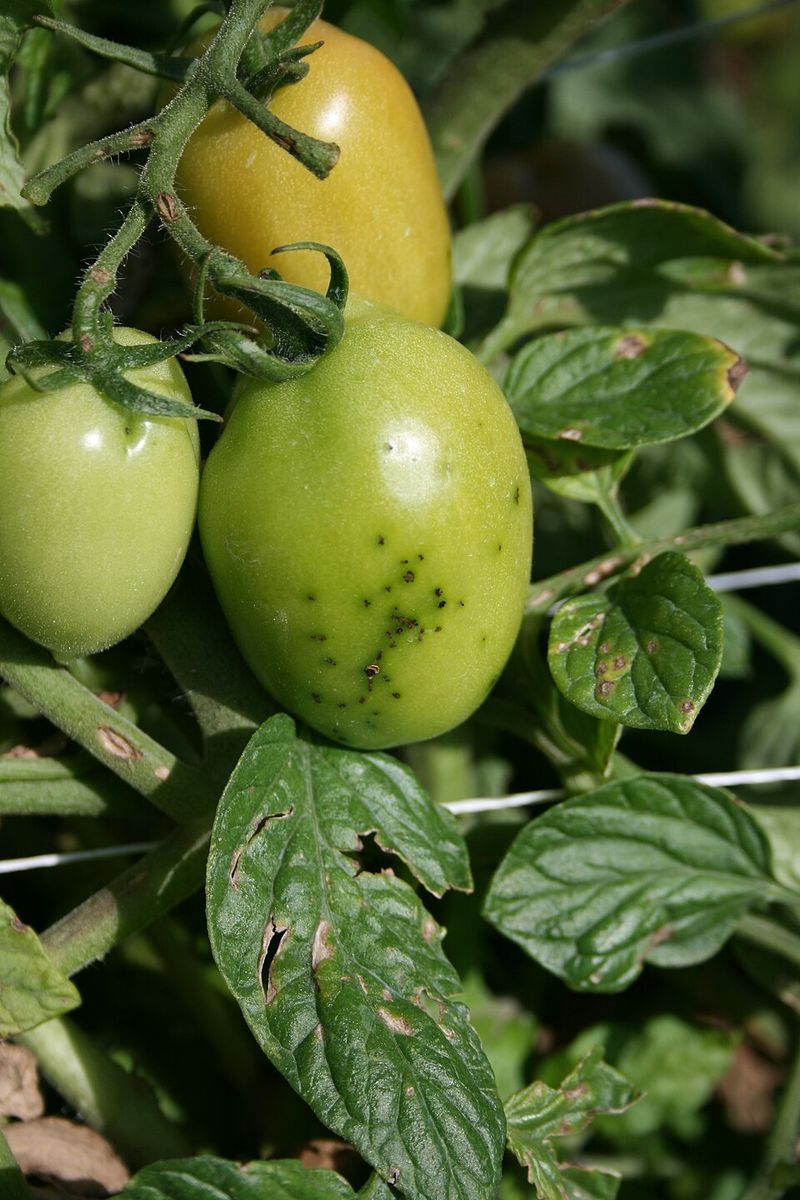
Once specks appear, the goal shifts from prevention to slowing the spread across the patch. Existing spots will not heal, yet new growth can still stay clean and productive.
Copper based sprays remain the main tool, especially when applied before rain arrives. Coverage matters more than strength, so wet the undersides of leaves thoroughly each time.
Adding mancozeb to copper improves results, a trick university trials have confirmed repeatedly. Check labels for tomato clearance and follow the waiting period before harvesting fruit.
Some strains shrug off copper, so rotating products and pairing them helps keep pressure high. Biological options containing Bacillus species can supplement sprays, though timing still drives success.
Remove the worst lower leaves during dry afternoons to cut the source of splashing bacteria. Stop there though, since stripping too much foliage exposes fruit to harsh sun damage.
Switch every drop of irrigation to drip lines or a slow soaker at ground level. Dry leaves frustrate speck bacteria more thoroughly than any spray in your shed.
Harvest ripening fruit promptly because specked skin invites secondary rots during long storage. A quick rinse, a sharp knife, and the fruit still tastes perfectly good fresh.
Record dates, sprays, and weather in a notebook you keep near the back door. Those scribbles turn into a personal playbook for next September’s cool, drizzly stretches.
Progress here looks like fewer new specks, not a spotless plant, so judge accordingly. Patience plus dry foliage carries most Illinois gardens through to a respectable finish.
Fruit Quality, Yield, And Harvest Expectations After Infection
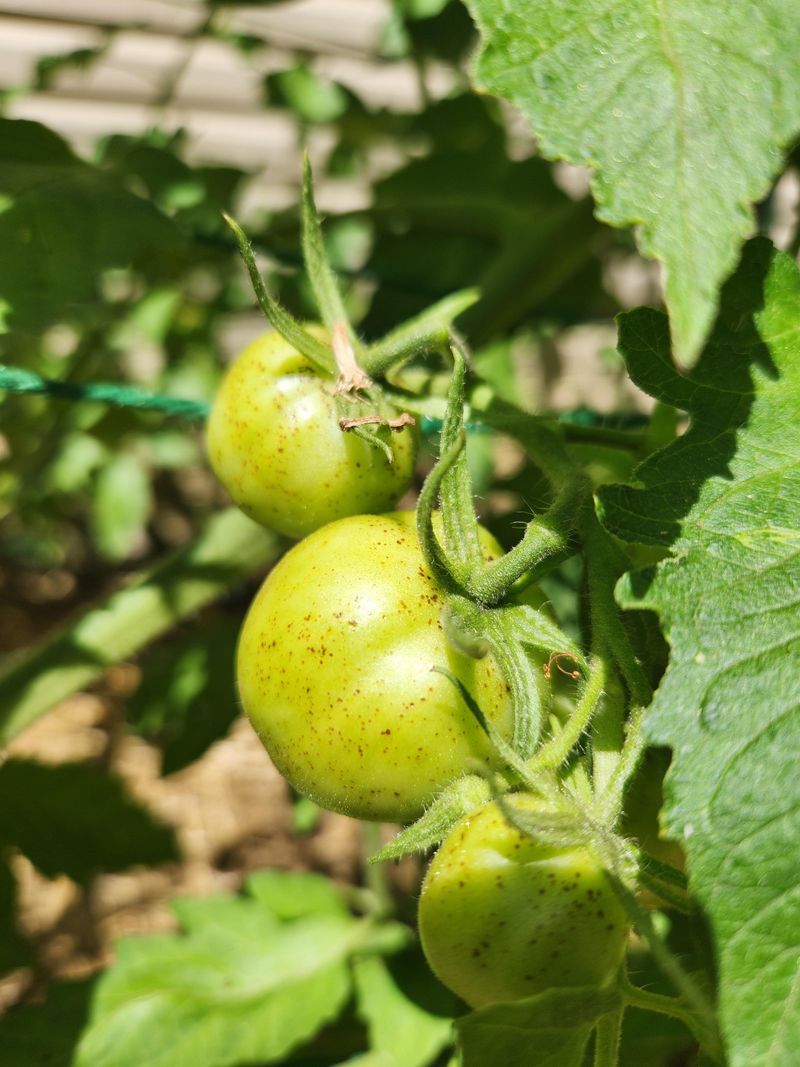
The marks stay shallow and skin deep on fruit, which works in your favor. Slice past the dots and the flesh inside usually looks perfectly normal and juicy.
Flavor stays intact, which surprises gardeners who assume spotted fruit belongs in the trash. Peel, chop, and use them in sauce, salsa, or a simple skillet of eggs.
Market growers feel the pinch harder because speckled fruit fails cosmetic grading standards quickly. Home cooks enjoy an advantage, trading appearance for a bowl of perfectly fine tomatoes.
Yield losses come mostly from leaf damage rather than the tiny spots on fruit. Fewer working leaves means less sugar production, smaller fruit, and slower ripening in autumn.
Defoliated plants also expose green fruit to sunscald, which leaves pale, leathery patches behind. Shade cloth or a light layer of clipped foliage can reduce that secondary damage.
Cracks around speck lesions occasionally let soft rot organisms enter during humid storage weeks. Use marked fruit within a few days and keep it off the kitchen counter pile.
Canning remains a solid option after trimming, since heat processing handles surface bacteria easily. Follow tested recipes and acidity guidelines from Illinois Extension for safe home preservation.
Expectations matter as much as any spray during a cool, wet September in Illinois. A speckled harvest still fills jars, sandwiches, and the occasional neighbor’s grateful hands.
Plants often push new clean growth once a dry, sunny stretch finally returns. That rebound keeps late tomatoes coming until the first serious frost shuts things down.
Clean Seed, Crop Rotation, And Next Season Defense
Next year’s speck story starts with the seed packet sitting in your kitchen drawer. Certified, tested seed removes the most common way this bacterium sneaks into a garden.
Home saved seed can be treated in water held at one hundred twenty two degrees. Twenty five minutes at that temperature reduces surface bacteria without harming germination much.
Rotation buys real protection because the bacterium survives mainly on host plant debris. Keep tomatoes, peppers, and related crops off the same bed for at least two years.
Fall cleanup deserves your attention more than almost any other single garden chore. Pull vines, rake debris, and remove stakes, cages, and clips for a thorough scrub.
Wooden stakes hold bacteria in cracks, so consider switching to metal or plastic supports. A ten percent bleach soak or hot soapy water works fine for smooth surfaces.
Volunteer seedlings and nightshade weeds act as quiet hosts through the following spring. Yank them early, especially near the beds where you found specks this September.
Variety choice helps too, since some hybrids carry genetic resistance to common speck races. Ask your local Extension office or trusted seed catalog about resistant options for Illinois.
Transplant care rounds out the plan, so inspect new plants closely before buying them. Leave any tray showing dark flecks at the garden center, no matter the bargain.
Prevention feels unglamorous compared with spraying, yet it decides most seasons before planting. Do the boring work in October and your July self will send silent thanks.