These Popular Pennsylvania Plants Need Feeding In September (And These Don’t)
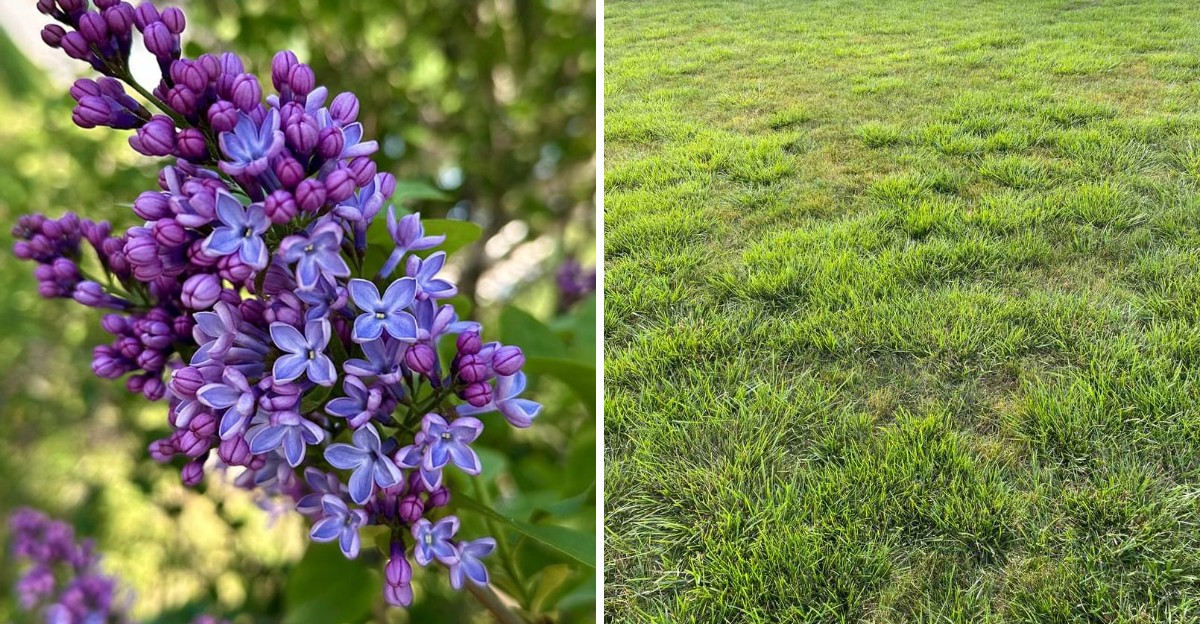
Picture a Pennsylvania gardener standing in the driveway in early September, a half-used bag of fertilizer propped against one hip, looking out at the yard.
The lettuce bed? The lawn? That lilac by the fence? Getting this wrong matters more than most people realize going into fall.
Feeding a plant that is shutting down for winter can push out tender new growth that freezes in October, while skipping a plant still growing hard costs you a harvest.
Most gardeners just feed everything on the same schedule, never realizing some plants actively want that nitrogen right now while others need to be left completely alone.
Penn State Extension guidance points to a simple rule that sorts nearly every plant in your yard, and the eight examples below show exactly how it works.
1. Kale And Fall Greens Still Need Regular Feeding
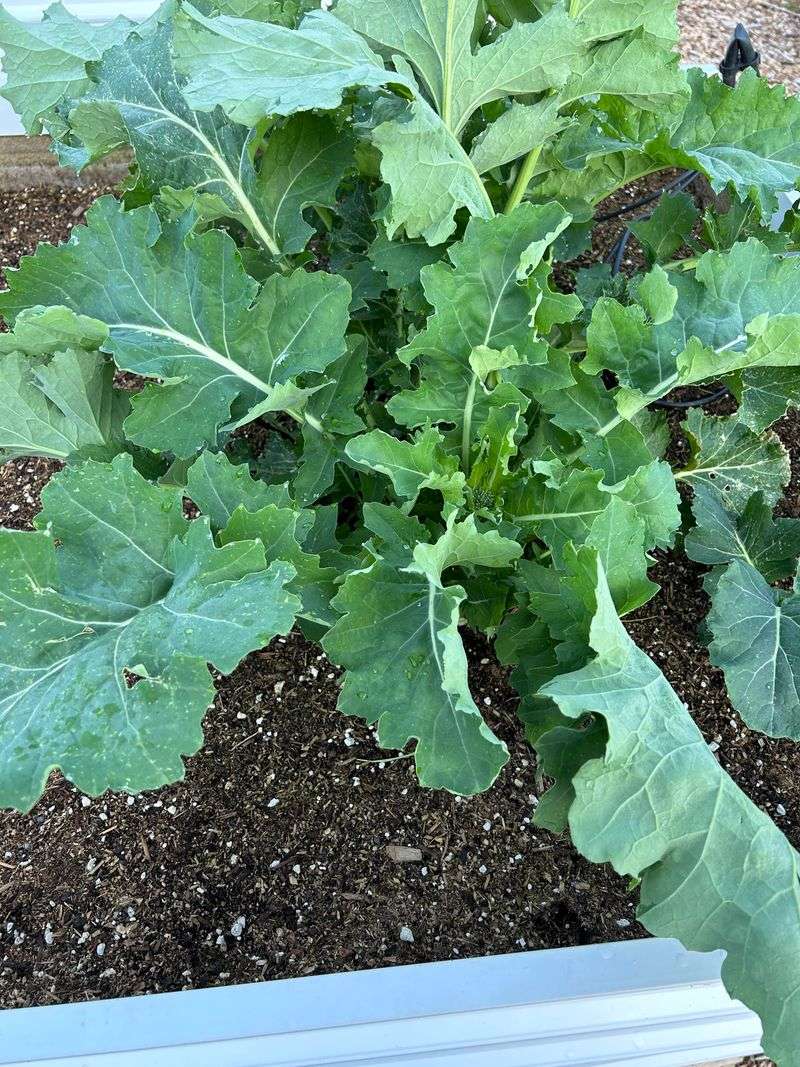
Out in the vegetable bed, nothing has gotten the memo about autumn winding down. Kale planted in mid to late summer is in the middle of its fastest growth right now.
Every one of those leaves has to be built from nutrients pulled out of the soil, and that is the whole reason fall crops are the clearest yes on this list.
Penn State Extension recommends side-dressing many vegetable crops with nitrogen during the growing season, since nitrogen leaches out of soil with rain long before plants finish using it.
Practically speaking, scratch a light band of fertilizer into the soil a few inches out from the row, then water it in thoroughly afterward.
Leafy greens are the hungriest because you are harvesting the nitrogen-rich part of the plant itself, so keeping that supply steady matters directly.
Keep the granules off wet foliage, so they do not scorch leaves during application. Roughly every three to four weeks works well for crops you will be cutting into November.
One detail people miss here. Cool soil slows nutrient uptake, so feed earlier in September rather than waiting until the ground chills down.
Frost actually sweetens kale, which means a well-fed fall bed often tastes better than the same crop grown in July heat.
2. Spinach And Lettuce Reward Steady Nitrogen
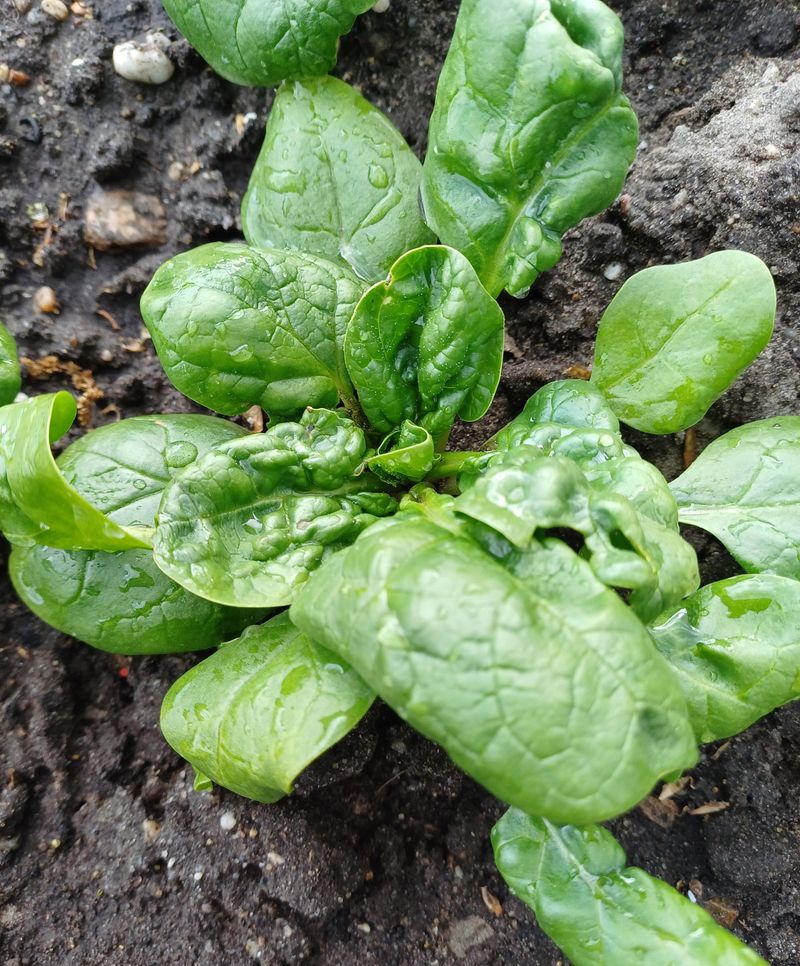
Spinach and lettuce planted for a fall harvest sit right alongside kale in their demand for consistent feeding through September while daylight and soil temperature still cooperate.
Both crops grow fast when conditions favor them, and that speed depends directly on available nitrogen sitting in the soil ready for the roots to pull up.
Unlike a summer planting racing against heat stress, a fall crop of spinach or lettuce is racing against shortening days instead, so every bit of feeding helps it size up before growth slows naturally.
Side-dressing works the same way here as with kale. A light band of fertilizer worked into the soil a few inches from the row, watered in well afterward.
Liquid feeding options like fish emulsion or compost tea suit lettuce particularly well, since the tender leaves respond quickly to nutrients delivered directly to the root zone.
Your Pennsylvania Garden Changes Every Week. Your Plan Should Too.
Gardening in Pennsylvania changes quickly throughout the season. Every Friday you’ll receive a simple weekly plan showing exactly what to plant, prune, fertilize, harvest, and protect so you never miss the right timing.
Spacing feedings roughly three to four weeks apart keeps growth steady without overwhelming young plants that have not built up much root mass yet this late in the season.
Skip feeding once you stop harvesting a bed for the season, since pushing new growth on a plant about to bolt or get frosted out wastes the fertilizer entirely.
Cold-hardy lettuce varieties covered with a row cover can keep producing well into late fall, and that extended harvest window is exactly when this fall feeding effort pays off most.
3. Kentucky Bluegrass Lawns Benefit From September Nitrogen
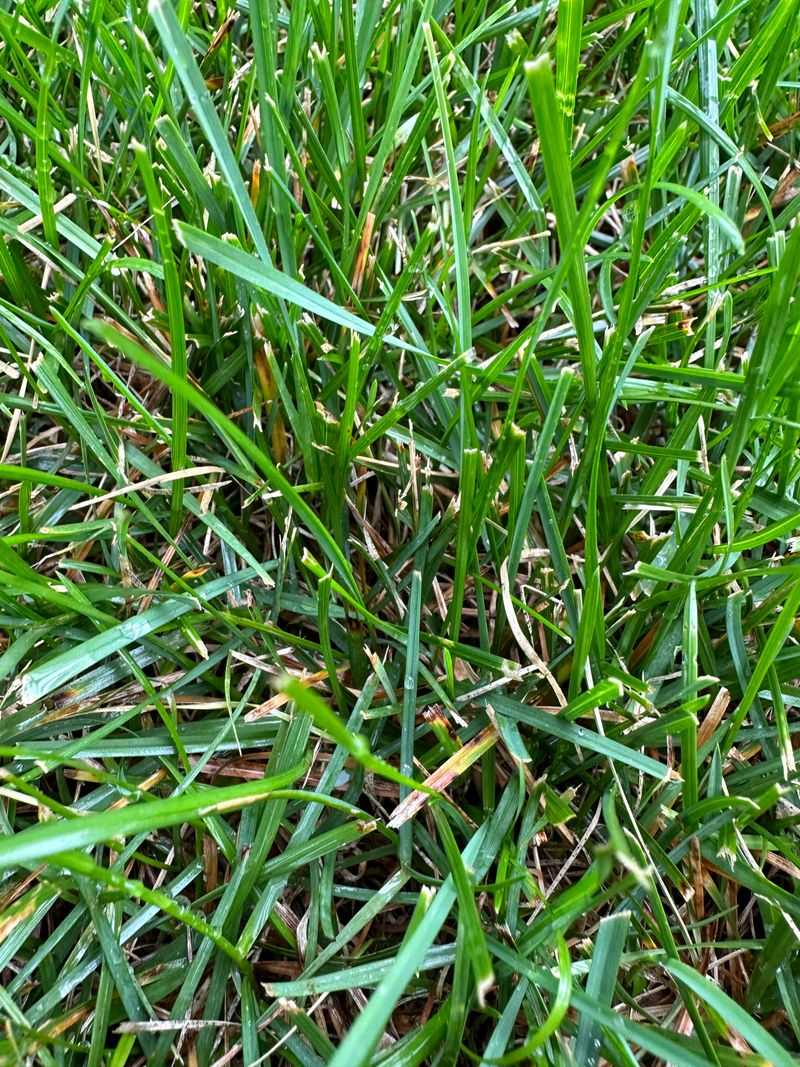
If there is one September feeding backed by decades of turf research, it is this one. Kentucky bluegrass lawns make up a huge share of Pennsylvania yards, and September brings them roaring back.
Root growth and tillering peak in early fall, so nitrogen applied now goes straight into thickening the stand rather than forcing weak, disease-prone top growth.
Penn State Extension has long identified late summer through fall as the most important fertilization window for cool-season turf across the whole state.
A common recommendation is roughly one pound of nitrogen per 1,000 square feet in early September, with a second application possible in late October or November.
Use a broadcast spreader and calibrate it carefully, because eyeballing the setting is how lawns end up striped unevenly across the yard.
Sweep granules off the driveway and sidewalk instead of hosing them into the storm drain, since Pennsylvania sits in the Chesapeake Bay watershed.
Pennsylvania also has fertilizer regulations regarding application timing and buffer zones near water, worth checking before you spread anything this fall.
The payoff shows up next spring reliably. A lawn fed in fall greens up earlier, crowds out crabgrass seedlings, and handles summer drought with deeper roots.
4. Tall Fescue And Ryegrass Lawns Follow The Same Rule
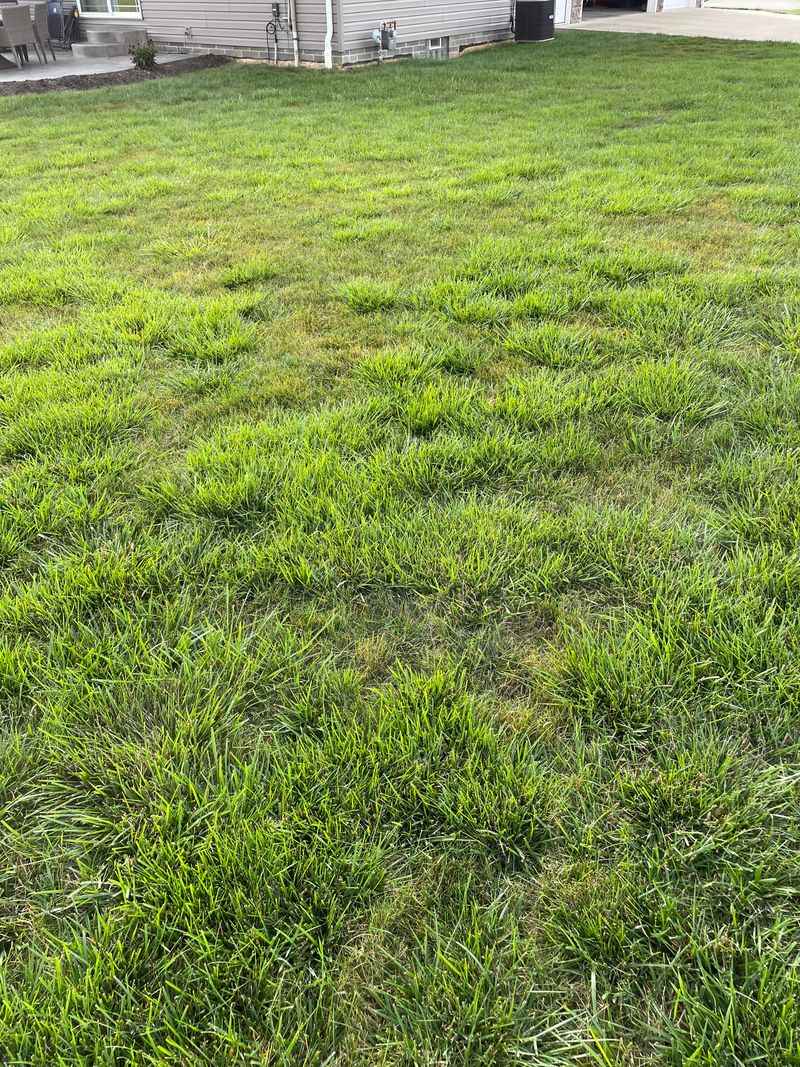
Tall fescue and perennial ryegrass, the other two grasses filling out most Pennsylvania lawns alongside Kentucky bluegrass, respond to September feeding in essentially the same way their bluegrass neighbors do.
These cool-season grasses share the same fall growth surge, pushing roots and tillers hard once summer heat backs off and cooler nights return to the region.
Because tall fescue often grows in clumps rather than spreading as densely as bluegrass, September nitrogen plays an especially useful role in thickening the stand and closing gaps before winter arrives.
The same roughly one pound of nitrogen per 1,000 square feet applies here, with timing mattering more than the specific grass blend growing in a given lawn.
Mixed lawns, common in much of Pennsylvania where fescue, ryegrass, and bluegrass grow together, simply need one seasonal feeding rather than separate treatments for each grass type present.
Avoid the temptation to feed heavily again in late summer heat, since that timing risks disease problems rather than the thickening growth September feeding actually delivers.
A soil test remains worth running every few years for any lawn, since fescue and ryegrass can sometimes need slightly different phosphorus or potassium levels than a pure bluegrass stand requires.
Whatever the exact grass mix growing in your yard, the underlying principle carries over directly. Cool-season turf wants its nitrogen now, not in the heat of summer.
5. Lilacs Should Skip Fertilizer Now
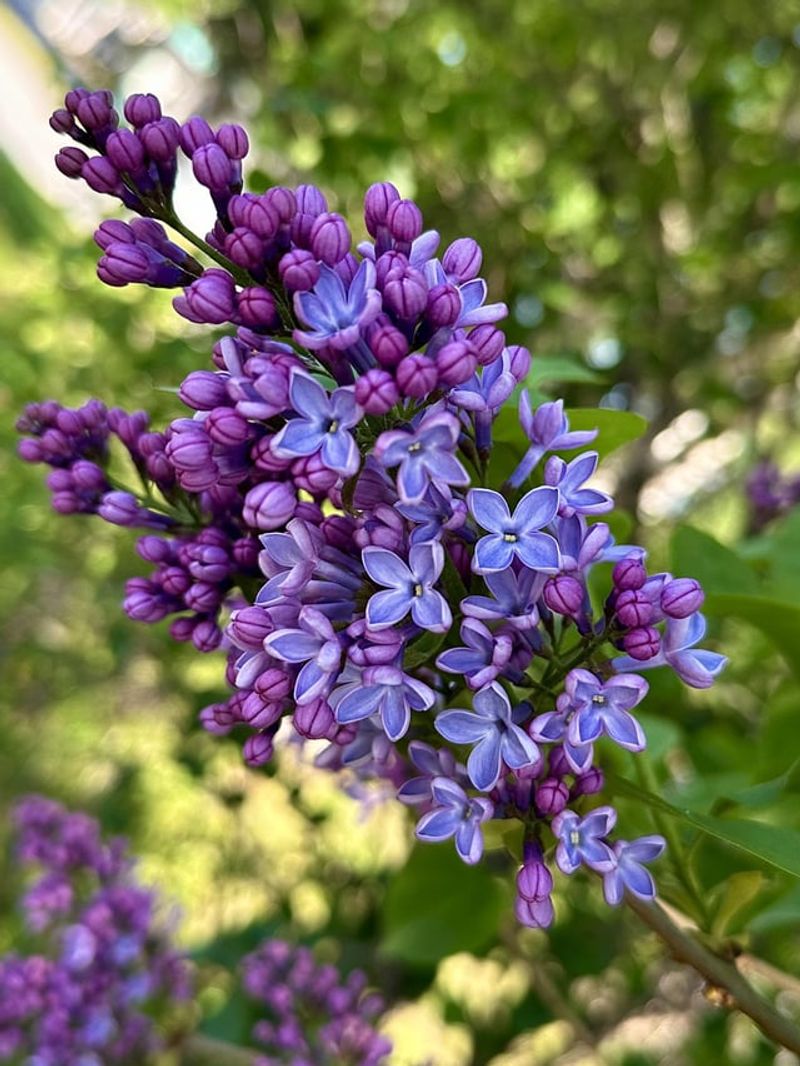
Here is the mistake that quietly ruins next April. Lilac has already set the flower buds that will open next spring, and it did that back in summer.
Those buds are finished products sitting on the stems right now, waiting out the winter ahead without needing anything further from the gardener.
Fertilizing in September does nothing to improve them, and it can actively cause harm by triggering a flush of soft new shoots at the wrong moment.
Tender growth that has not had time to harden off going into a Pennsylvania October is the growth that blackens in the first hard frost.
Worse, that damaged wood may be carrying next year’s blooms, which is how a healthy lilac ends up flowerless the following spring despite looking fine all summer.
Penn State Extension guidance on woody ornamentals generally favors spring fertilization, after growth resumes, and only when a soil test actually calls for it.
What lilacs genuinely appreciate in September is water during dry spells and a fresh two to three inch layer of mulch pulled back from the trunk.
Think of it this way. Your lilac is packing for a long trip, not starting a new project. Handing it groceries now just complicates the packing.
6. Forsythia And Azaleas Need The Same Restraint
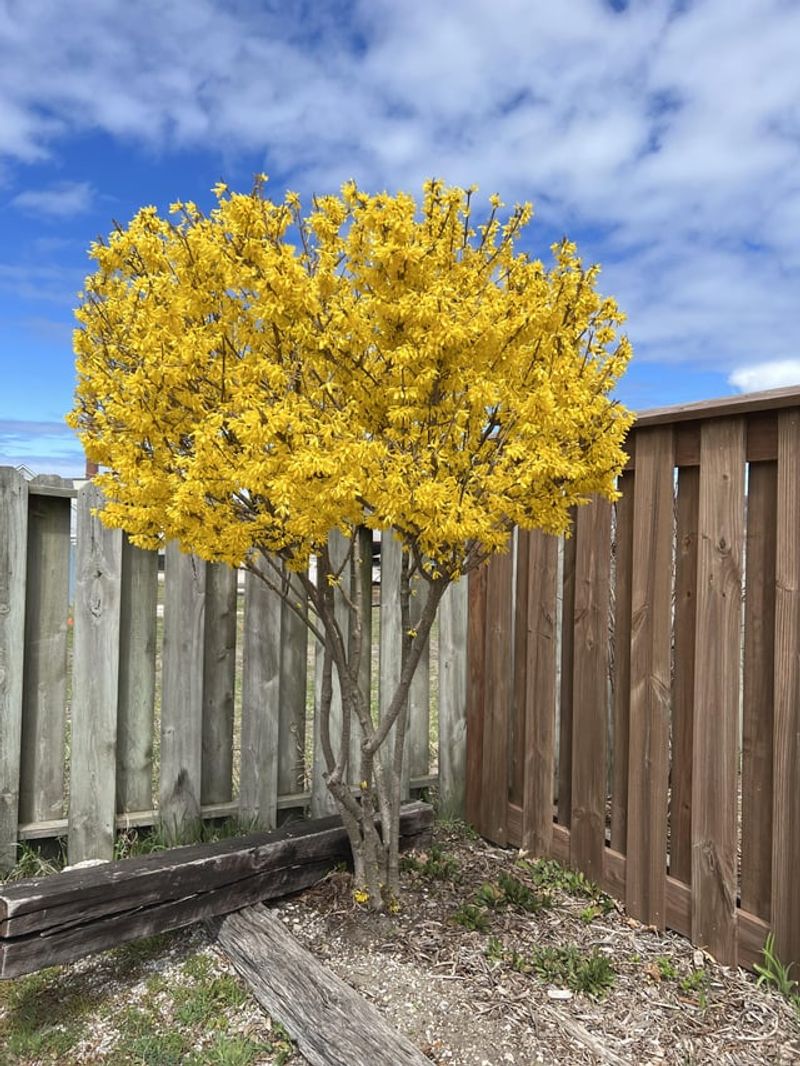
Forsythia and azalea join lilac in that same camp of spring bloomers already carrying next year’s flower buds on their current wood, making September feeding just as risky for them.
Both shrubs set buds during summer, well before anyone starts thinking about fall cleanup, so by the time September arrives those buds are simply waiting out the cold months ahead.
Pushing fresh growth on either plant now diverts energy away from properly hardening off the wood that already holds next spring’s show, weakening the plant’s readiness for winter.
Azaleas in particular struggle with tender new growth that gets caught by an early frost, since damaged tissue near a flower bud can take the bud down with it.
Forsythia tends to be a bit tougher overall, but the same principle still applies. Fertilizer right now buys nothing and risks a flowerless section of stems by spring.
Both shrubs respond well instead to a September routine built around consistent watering through any dry stretches and a mulch refresh rather than any feeding at all.
Save fertilizer decisions for spring, right after each shrub finishes blooming, and only then if a soil test or visible yellowing actually points to a real deficiency worth correcting.
Most established forsythia and azalea plantings in reasonable soil never need supplemental feeding at all throughout their whole lives, making this an easy one to simply skip.
7. Mature Oaks And Maples Need None
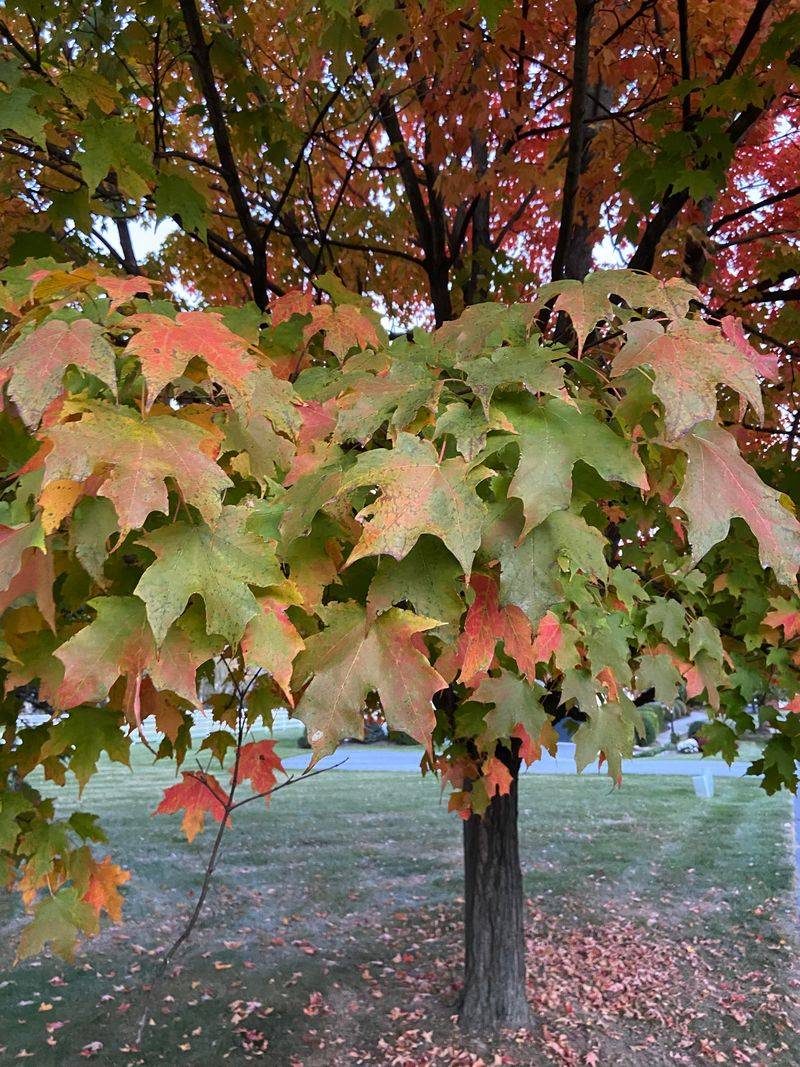
Established trees are the least needy plants most Pennsylvania homeowners own, and September is not the month to change that pattern. A mature oak or maple is currently pulling sugars.
That process is triggered by shortening days and cooling temperatures, not by anything in a fertilizer bag sitting in the garage.
Adding nitrogen to a tree that is actively shutting down can stimulate late shoot growth that will not harden before cold weather arrives in earnest.
There is also a practical point worth mentioning. Tree roots in a lawn already receive whatever you apply to the turf, which is often more than enough.
Penn State Extension generally recommends fertilizing landscape trees only when a soil test or clear symptoms indicate a deficiency, favoring early spring timing instead.
Poor color, stunted twig growth, or thinning canopy are the signals worth investigating, ideally with a soil test rather than a guess based on appearance alone.
Young, newly planted trees are the one gray area here, and even there the priority is water and mulch through fall, not food.
The genuinely useful September tree job costs nothing at all. Deep watering during dry stretches, so those roots enter winter properly hydrated instead of stressed.
8. Tomatoes And Zucchini Are Already Slowing Down
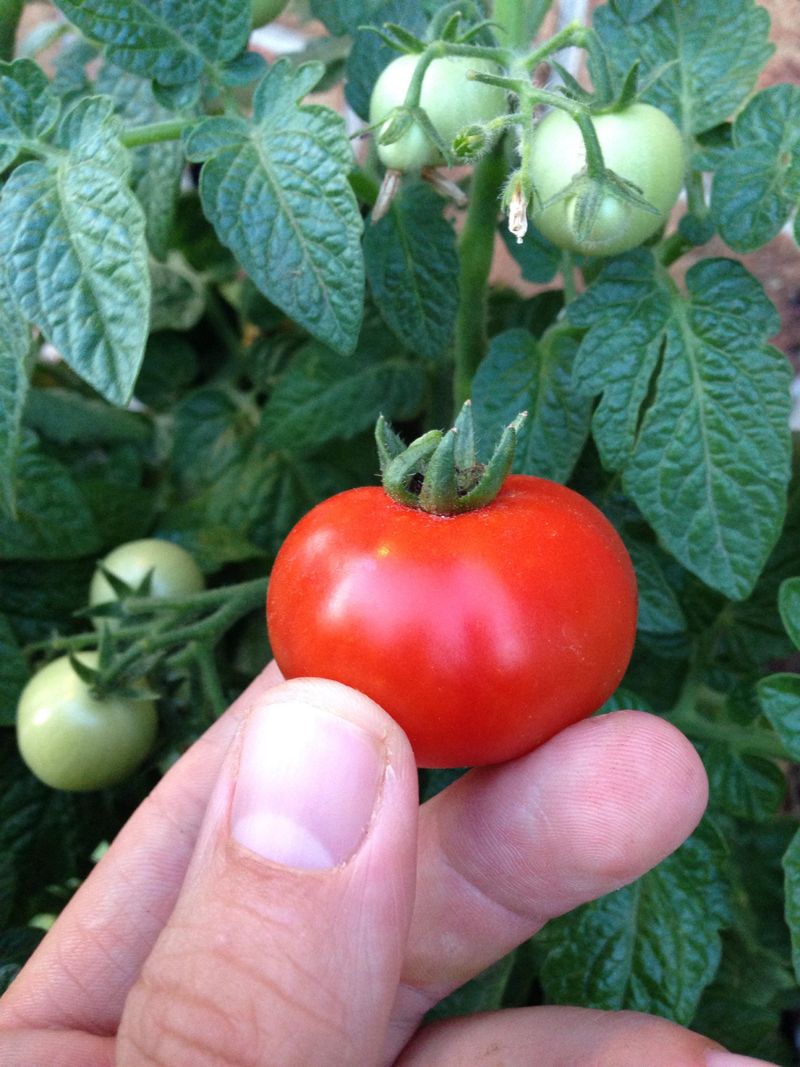
Tomatoes sprawling over their cages and tired zucchini leaves signal that warm-season vegetables are winding down, and no amount of fertilizer talks them out of it now.
Growth in these plants is driven by warm soil and long days, both of which are disappearing fast in Pennsylvania by mid-September regardless of feeding.
A tomato plant is not going to ripen a whole new crop before frost, so nitrogen applied now mostly produces foliage you will pull out in three weeks anyway.
Skip the feeding entirely and redirect that effort somewhere useful instead. Pull finished plants before they drop seed, and clear diseased foliage out of the garden rather than composting it.
Get a soil test done while the ground is still workable this fall, giving you real data to plan next year’s vegetable bed around properly.
Cover crops such as oats or winter rye sown in September do more for next year’s soil than any September fertilizer applied to a dying tomato plant would.
They hold nutrients in place over winter instead of letting rain carry them off toward the nearest storm drain and eventually the Chesapeake Bay.
Letting these plants finish their natural cycle is not neglect at all. Sometimes the smartest gardening decision of the month is simply leaving the bag closed.