Why Mums Actually Come Back Every Year In California, Unlike Almost Everywhere Else
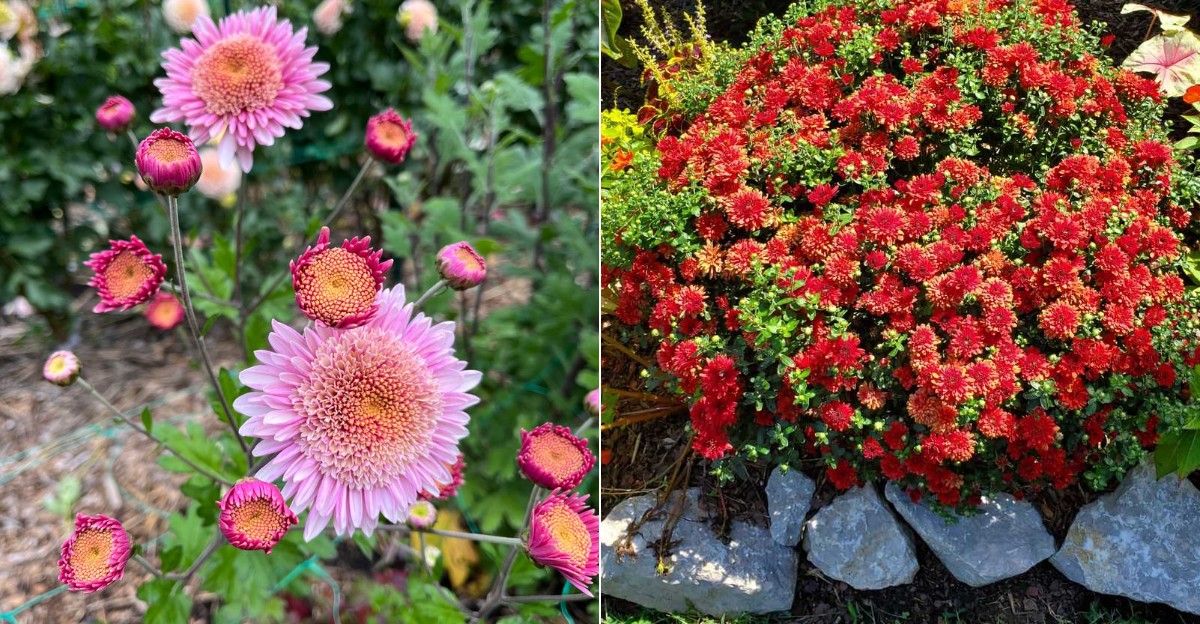
Mums are often treated like one-season fall decorations, but many gardeners see them return year after year.
If you have watched these colorful blooms come back after seeming to fade away, there is a reason they behave differently in this climate.
The mild conditions in many parts of California can give mums a better chance to survive and continue growing instead of disappearing after a single season.
Their performance depends on more than just the plant itself, including where they are planted and how they are cared for after flowering.
You may be able to enjoy these fall favorites for much longer than expected. Knowing what helps mums return can change the way you treat them and help you get more seasons of color from the same plants.
1. Mild Winters Help Mums Survive

Cold weather is the biggest enemy for mums in many states. When the ground freezes hard, the roots often cannot make it through to spring.
California changes that story. Most areas have winters that stay above freezing, or only dip slightly for short spells. That gentle chill lets the roots rest without getting damaged.
Think of it like a light nap instead of a harsh, frozen sleep. The plant slows down, saves energy, and waits for warmer days. When spring arrives, it has enough strength left to push out fresh shoots.
In colder regions, gardeners have to dig up mums or pile on heavy mulch just to protect them. Here, you can often leave them right where they are.
If you live in a spot that gets occasional frost, a thin layer of mulch adds an easy safety blanket. Straw, bark, or shredded leaves work well and cost very little.
The takeaway is simple. Warmer soil means living roots, and living roots mean your mums return. This single factor explains a big part of California’s success with repeat blooms.
So before you blame yourself for past failures elsewhere, remember the weather was doing half the work. This state just happens to hand your mums a much easier winter.
2. California Climates Reduce Winter Damage

Not every part of this state feels the same, and that variety actually helps mums. From foggy coastal towns to warm inland valleys, most zones offer conditions that keep plants comfortable.
Frost, when it comes, tends to be light and brief. That means the tender crown of the plant, the part where new growth starts, rarely takes a serious hit.
Compare that to the Midwest or Northeast. There, freezing and thawing happens over and over, which can heave plants right out of the soil and expose the roots to harm.
Steady, mild conditions let mums settle in and build a strong base. The less stress they face in winter, the more energy they save for blooming later.
Coastal areas add another bonus. The ocean keeps temperatures even, so there are fewer wild swings between hot and cold.
Even in the higher-elevation parts of the state, gardeners can pick sheltered spots near walls or fences that trap a little warmth. These small choices lower the risk of damage even more.
Your California Garden Changes Every Week. Your Plan Should Too.
Gardening in California changes quickly throughout the season. Every Friday you’ll receive a simple weekly plan showing exactly what to plant, prune, fertilize, harvest, and protect so you never miss the right timing.
The overall pattern is clear. California’s forgiving climate zones do not punish mums the way tougher regions do. That gentler treatment gives your plants a real shot at coming back healthy, strong, and ready to shine again next fall.
3. The Right Variety Makes A Difference
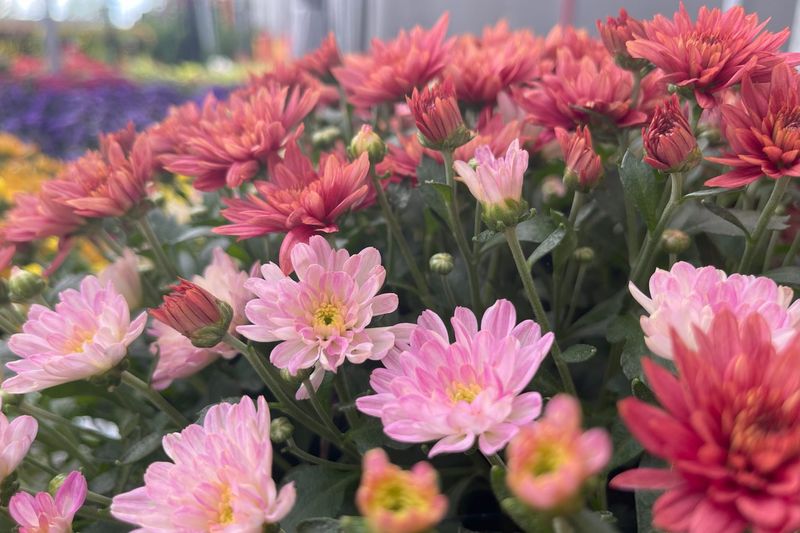
Here is a secret many people miss. Not all mums are built the same way, and that choice shapes whether they return.
The pots sold in grocery stores are often florist mums. They look gorgeous but are bred for quick color, not long life outdoors.
Garden mums, sometimes called hardy mums, are the real repeat performers. They have tougher roots and a stronger urge to survive from one season to the next.
When you shop, check the label or ask a nursery worker. Words like hardy or perennial are your green light.
California’s climate gives these hardy types the perfect stage to prove themselves. Plant the right variety, and the mild weather does the rest.
It also helps to pick plants that match your specific area. A coastal gardener and a valley gardener might do best with slightly different choices.
Local nurseries usually stock varieties suited to their region, so shopping nearby pays off. You get plants already comfortable with your conditions.
Fun fact worth remembering. Mums have been grown for thousands of years in Asia, and centuries of breeding created the hardy garden types we enjoy today.
Choosing wisely from the start saves heartache later. The right mum in the right spot rewards you with color that keeps coming back.
4. Cutting Back Helps Fresh Growth Return
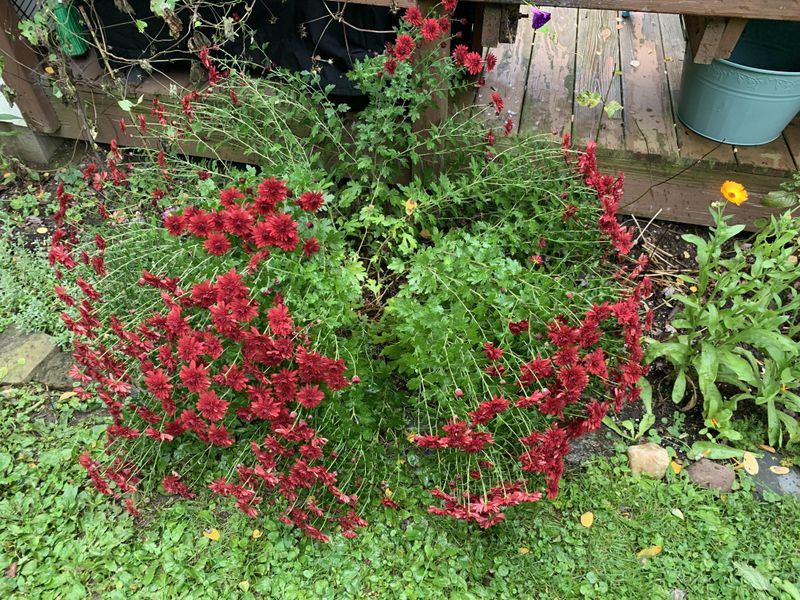
Trimming might feel harsh, but it is one of the kindest things you can do for a mum. Removing spent stems tells the plant to focus its energy on new growth.
After the fall blooms fade, wait until the flowers are clearly done. Then cut the stems back, leaving a few inches above the soil.
This tidy trim clears away old, tired growth. It also lowers the chance of pests hiding in leftover leaves.
In late spring or early summer, a second gentle trim works wonders. Pinching or clipping the tips makes the plant grow bushier instead of tall and floppy.
Bushier plants produce far more flowers when fall arrives. You basically trade a little height now for a lot of blooms later.
California’s long, mild growing season gives you plenty of time to do this without rushing. The plant has room to bounce back after each cut.
Always use clean, sharp tools. Wiping the blades keeps diseases from spreading between plants.
Do not worry if it looks bare for a bit. Fresh green shoots usually appear quickly once the roots get the message.
A simple habit of cutting back at the right times keeps mums vigorous year after year. It is easy, quick, and one of the biggest reasons they keep returning strong.
5. Healthy Roots Carry Plants Through Summer
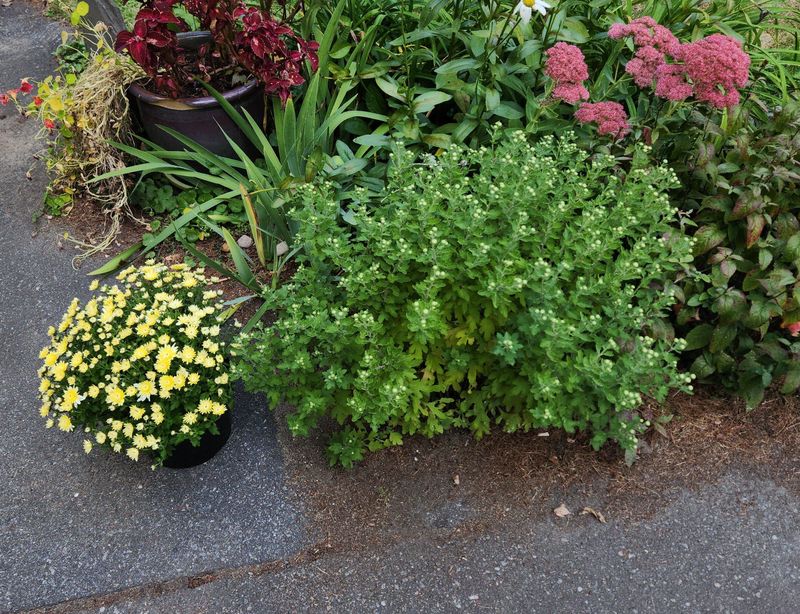
Everything above the ground depends on what is happening below it. Strong roots are the real engine behind a mum that returns each year.
During warm summers, those roots do the heavy lifting. They pull up water and nutrients so the plant can rest and prepare for fall.
Good soil is the starting point. Mixing in compost gives roots the loose, rich home they love and helps them spread wide.
Drainage matters just as much. Roots sitting in soggy ground struggle, so a spot that drains well keeps them healthy.
A light feeding in spring gives roots the fuel to grow deep and sturdy. Deeper roots reach moisture even when the surface dries out.
Mulch spread around the base helps too. It keeps the soil cool and holds moisture during the hottest stretches.
When roots stay comfortable through summer, the plant conserves energy instead of struggling. That saved energy becomes autumn flowers.
Think of the summer months as a quiet training period. The plant is not showing off, but underground it is building strength.
Give roots what they need and they will carry your mums through the toughest heat. Come fall, that hidden work pays off with a burst of color that makes all the effort worthwhile.
6. Mums Need Sun To Rebloom

Sunlight is basically food for mums, and they are hungry for it. Plants that get plenty of light bloom far better than those stuck in shade.
Aim for at least six hours of direct sun each day. More is usually even better, especially in cooler coastal areas.
California offers something special here. Its many sunny days give mums exactly the bright conditions they crave.
When a plant gets enough light, it produces the energy needed to form buds. Skimp on sun, and you get leggy stems with few flowers.
Watch how the light moves across your yard through the day. A spot that looks sunny in the morning might fall into shade by afternoon.
If your mums seem weak or stretched out, low light is often the reason. Moving them to a brighter place can turn things around fast.
Container mums make this easy. You can slide the pot to chase the best sun as the seasons shift.
Just balance sun with water during heat waves so the plants do not dry out too quickly.
The connection is simple and reliable. More sun means more energy, and more energy means more blooms. In a state blessed with sunshine, giving mums a bright home is one of the easiest wins you can score.
7. Overwatering Can Hurt Their Survival

Kindness with the hose can backfire. Too much water is one of the most common reasons mums fail to return.
Roots need air as well as moisture. When soil stays soaked, that air disappears and the roots begin to rot.
The trick is to let the top inch of soil dry out before watering again. Poke a finger into the dirt to check.
If it feels damp, wait. If it feels dry, go ahead and give a good drink.
Deep, less frequent watering beats shallow daily sprinkles. It encourages roots to grow downward toward steady moisture.
California’s dry climate can trick people into overcompensating with extra water. Resist the urge and trust your finger test instead.
Pots need special attention. Make sure containers have drainage holes so extra water can escape freely.
Morning is the best time to water. The plant drinks up before the heat and leaves dry off, which cuts down on disease.
Yellow, droopy leaves on wet soil are a warning sign. That usually means you are giving too much, not too little.
Getting watering right is a balancing act, but it is easy once you pay attention. Treat water as a helpful tool rather than a daily habit, and your mums will thank you by coming back healthy.
8. Fall Blooms Come From Earlier Growth
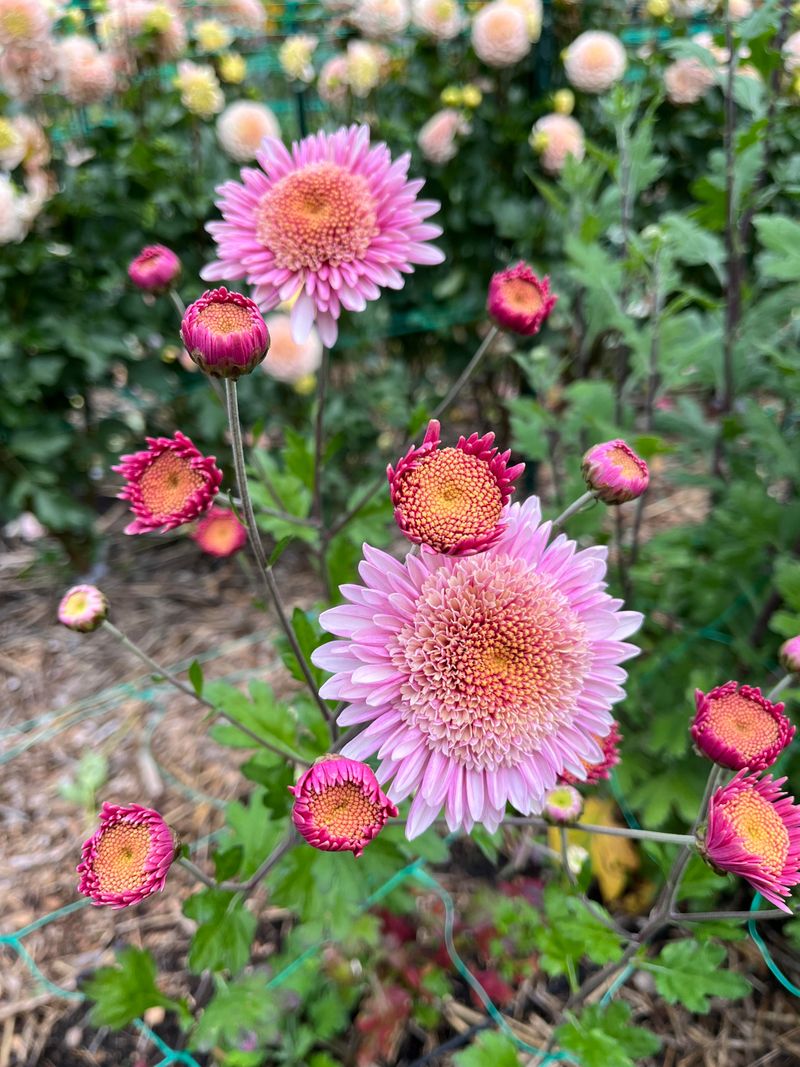
Those stunning autumn flowers do not appear by magic. They are the payoff for everything the plant did months before.
The green growth of spring and summer sets the stage. Strong stems and healthy leaves gather the energy that later becomes buds.
Mums are also sensitive to day length. As days grow shorter in late summer, the plant reads that signal and starts forming flowers.
This means your fall show depends on a plant that arrived at autumn already strong. A stressed plant simply cannot deliver the same burst of color.
Everything ties together here. Good roots, enough sun, smart watering, and timely trimming all feed into this final display.
California’s steady seasons let the plant follow its natural rhythm without harsh interruptions. The result is reliable, repeat blooms.
If you want bigger flowers, stop pinching by midsummer. That gives buds time to form before the shorter days trigger blooming.
Feeding lightly earlier in the season also helps, but ease off as fall nears so the plant can focus on flowers.
Seeing the connection between early care and late color changes how you garden. You start planting for autumn back in spring. That long view is exactly why mums keep rewarding patient gardeners with dependable fall beauty.