A Large Orange And Black Insect Is Turning Up In Louisiana Gardens, And Here’s What It Actually Is
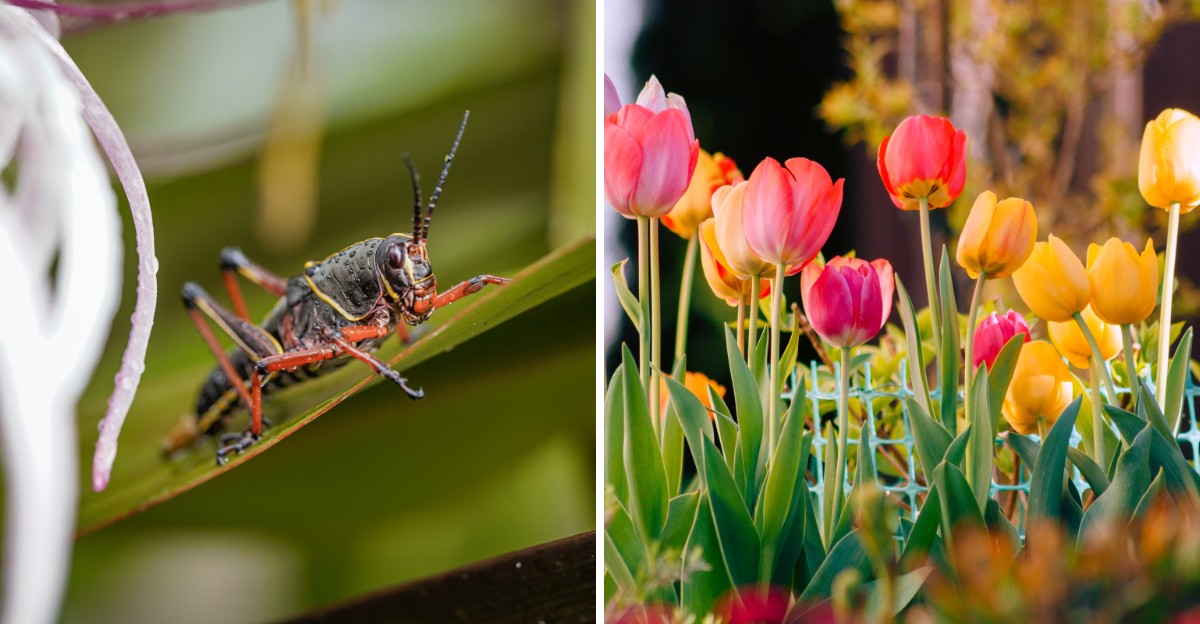
Something perches on your porch rail without a hint of fear. Its shell gleams in shades of orange, black, and warning yellow. Louisiana yards apparently breed creatures bolder than any postcard ever suggests.
Bright colors rarely mean harmless in the insect world around you. Slow steps hide a defensive streak that surprises unsuspecting gardeners. Hissing greets your approach as a clear warning sign.
Bulbs disappear from flower beds within a single night. Neighbors whisper theories ranging from beetles to smuggled exotics. Even seasoned gardeners underestimate this insect’s surprising boldness.
Nobody expects the truth to be quite this local. Parish ditches host these flightless troublemakers throughout the season. Soon you will notice the same pattern again nearby.
Curiosity pulls you closer despite mounting instinctive caution. Gardeners across Louisiana report ragged leaves and stripped blooms.
Patience matters more than panic when facing this insect. Answers wait ahead, and they’re worth the next few minutes of your time.
Spotting The Slow Orange Grasshopper On Your Leaves
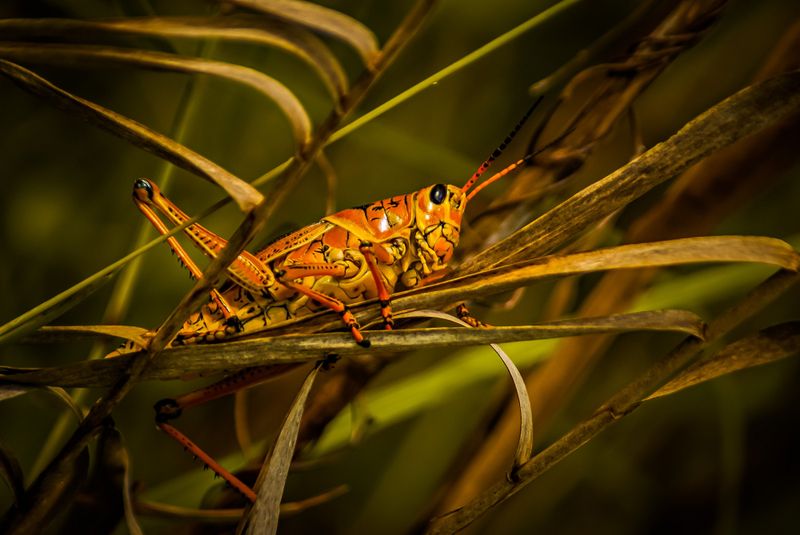
Walk out to the tomato patch on a warm September morning and you may find something the size of your thumb parked on a stem. Orange, black, and dusty yellow, it moves like it has nowhere urgent to be.
What you are looking at is almost certainly an eastern lubber grasshopper, one of the largest grasshoppers in the South. Adults can stretch close to three inches, with short wings that make real flight pretty much out of the question.
Gardeners often assume it is a tropical escapee or some odd beetle, since the colors look more like a warning label than an insect. The word lubber traces back to an old term for clumsy, and the nickname suits their lumbering crawl.
Instead of leaping away when you step closer, a lubber tends to shuffle to the far side of a leaf like a kid hiding behind a curtain. Some hiss softly or lift those stubby wings to flash a hint of rosy pink.
Louisiana yards near ditches, drainage canals, and weedy damp edges tend to host the largest numbers. Warm, soggy summers hand them plenty of tender growth to chew, so by late season the ones still around are big and easy to find.
Once you know the blocky shape and the slow shuffle, you will recognize them from across the lawn. Snap a photo before you do anything else, because a solid ID keeps you from treating the wrong bug entirely.
From Inky Black Babies To Flashy Adults
Here is the twist that fools a lot of experienced gardeners: the young ones look like a totally different species. Spring and early summer nymphs are glossy black with thin yellow or red racing stripes down their backs.
They also travel in crowds, sometimes dozens clumped on a single stem like commuters on a bus. That habit makes the early stage the easiest time to handle them, since one plant can hold a whole batch.
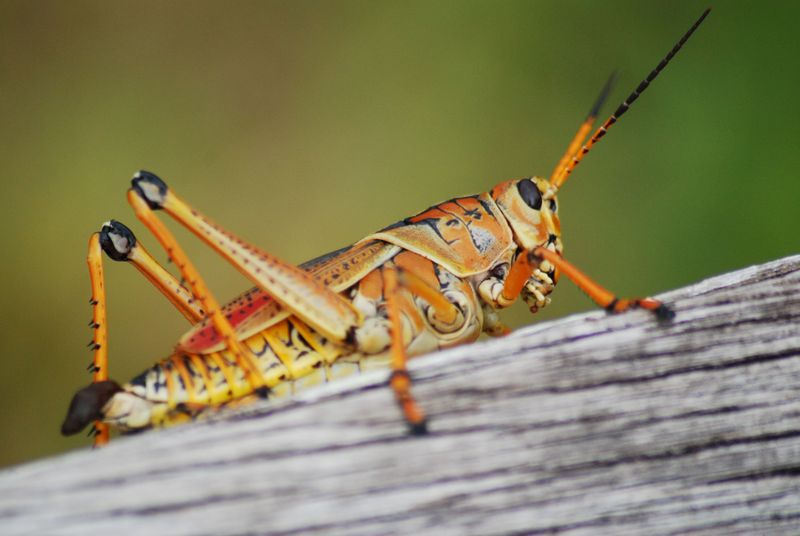
As they grow, lubbers shed their skin several times, and each round leaves them bigger and less inky. The final molt brings out the famous orange and yellow body marked with black blotches and speckles.
Your Louisiana Garden Changes Every Week. Your Plan Should Too.
Gardening in Louisiana changes quickly throughout the season. Every Friday you’ll receive a simple weekly plan showing exactly what to plant, prune, fertilize, harvest, and protect so you never miss the right timing.
Wings show up with adulthood, but they stay short and almost decorative. Lubbers walk, climb, and make short hops, which is why you can usually collect one without a net or any chasing.
By September, the insects in your beds are grown, well fed, and busy with mating and egg laying. Their appetite is bigger than it was in June, though their numbers are often thinner after a long season of birds, weather, and parasites.
Knowing the two looks helps you plan ahead instead of reacting in a hurry. Circle April through June on next year’s calendar and scout the damp, weedy corners of your property for those black striped clusters.
Catching them young saves your lilies a lot of trouble later. Fewer nymphs in spring means fewer thumb-sized visitors come autumn.
Garden Favorites That Keep Them Coming Back
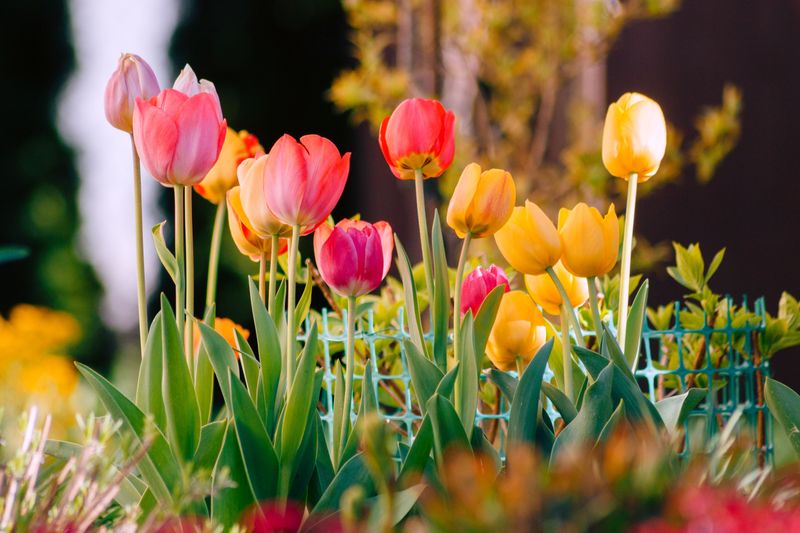
Ask any Gulf Coast gardener which plants get stripped first and the answer usually involves bulbs. Amaryllis, crinum, spider lily, and rain lily foliage seem to be the buffet items lubbers hunt down.
Their chewing leaves wide, ragged notches along leaf edges, often working down toward the base. A single insect can strip a young leaf overnight, and a group can leave a clump looking shredded.
Vegetable beds are not off the menu either. Beans, peas, lettuce, okra, and young pepper leaves all get sampled, along with citrus shoots and butterfly plants like lantana and milkweed.
Lubbers are famously unfussy eaters, feeding on a wide range of garden and wild plant species. They tend to skip tough, hairy, or heavily aromatic foliage, so rosemary and similar herbs usually stay tidy.
Wet, weedy ground nearby is part of the story. Ditch banks, unmown lots, and low spots hold moist vegetation where eggs hatch, and the growing insects simply walk uphill into your beds.
Practical answer: give the plants they adore some backup. Lightweight insect netting or window screen cages over prized bulbs work well during peak season, and potted specimens can be moved to a screened porch.
Trimming tall weeds along fence lines and ditch edges lowers the welcome mat considerably. Combine that with regular morning walks through the garden, and you will catch problems while they are still small enough to handle by hand.
Why The Bold Colors Are A Loud Warning Sign
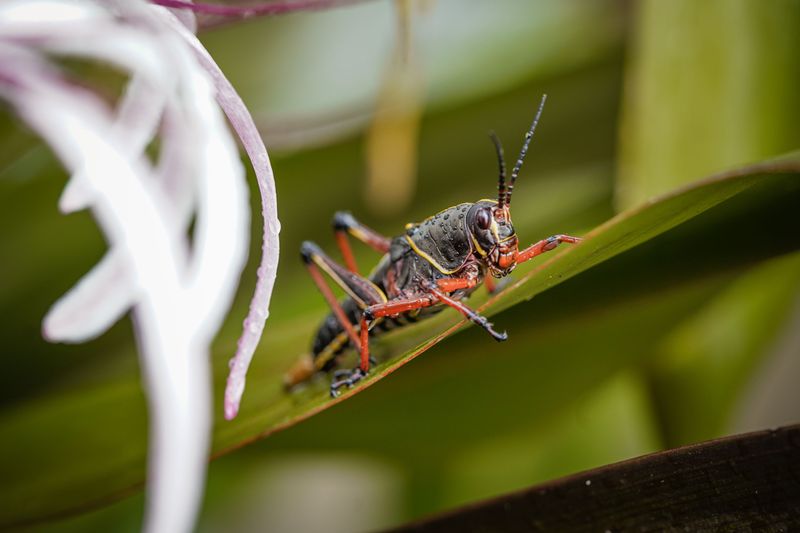
Bright orange plus deep black rarely means shy in the insect world. That flashy pattern is a billboard telling birds and lizards to look elsewhere for lunch.
Lubbers back up the bluff with chemistry. They collect compounds from the assorted plants they eat and store them, which makes them taste unpleasant to many predators.
Bother one and the show begins. It may hiss through its breathing holes, spread those stubby wings, and release a foamy, foul-smelling froth from the thorax.
The spray has been known to irritate eyes and noses, so simple garden gloves and a bit of distance are smart. Rinse your hands afterward, and keep curious dogs and cats from chewing on one, since a mouthful can cause drooling or an upset stomach.
Loggerhead shrikes are one of the few birds that regularly handle them, sometimes wedging a lubber in a branch to let it age before eating. That little detail says plenty about how unappetizing these insects are.
For gardeners, the takeaway is practical rather than scary. Natural predators alone rarely keep numbers low, so your own attention matters more than waiting for wildlife to solve the problem.
There is also a bright side to their honesty. Because lubbers advertise themselves so loudly and move so slowly, they are one of the easiest garden pests to find, identify, and remove without any guesswork or specialty gear.
Hand Picking, Buckets, And Other Low-Fuss Fixes
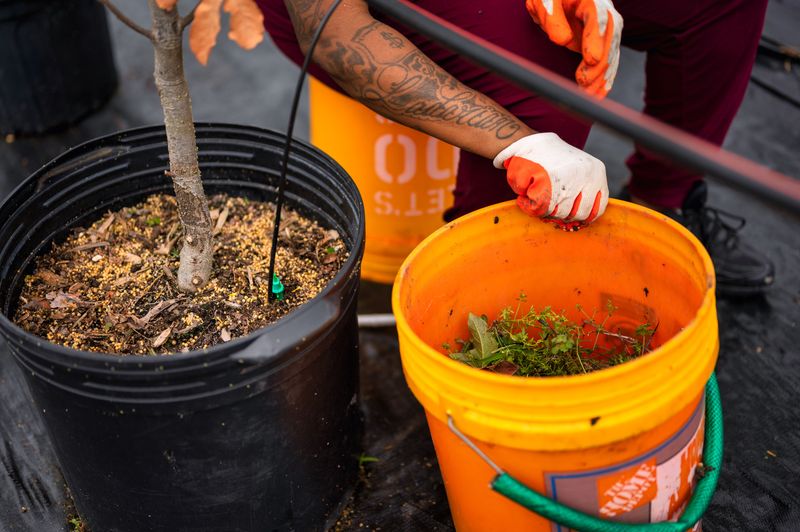
Good news for anyone who dreads spraying: the simplest method is also the most effective. Because lubbers cannot fly and do not jump far, you can pluck them off plants by hand.
Go out early, while the air is still cool and the insects are sluggish. Wear gloves, grab firmly behind the head and thorax, and drop each one into a bucket of soapy water.
Check the undersides of leaves and the shady middle of bulb clumps, since that is where they like to loaf. Ten quiet minutes a few mornings a week can change the whole look of a bed.
Chemical sprays give mixed results on adults, whose thick bodies shrug off many products. Younger nymphs are far more sensitive, so timing any treatment for spring is the smarter play.
If you want to try a product, read the label carefully and choose one cleared for your specific vegetables or ornamentals. Bait formulations spread along weedy borders can help reduce the crowd before it reaches your beds.
Physical barriers deserve more credit than they get. Fine mesh sleeves, floating row covers, and screen cones over young transplants stop the chewing without any spraying at all.
Mowing, weeding, and tidying low damp spots reduce the nursery ground next door. Pair that housekeeping with steady hand picking, and the bold orange visitors become an occasional curiosity rather than a season-long headache in your garden.
September Habits And Getting Ahead Of Next Spring
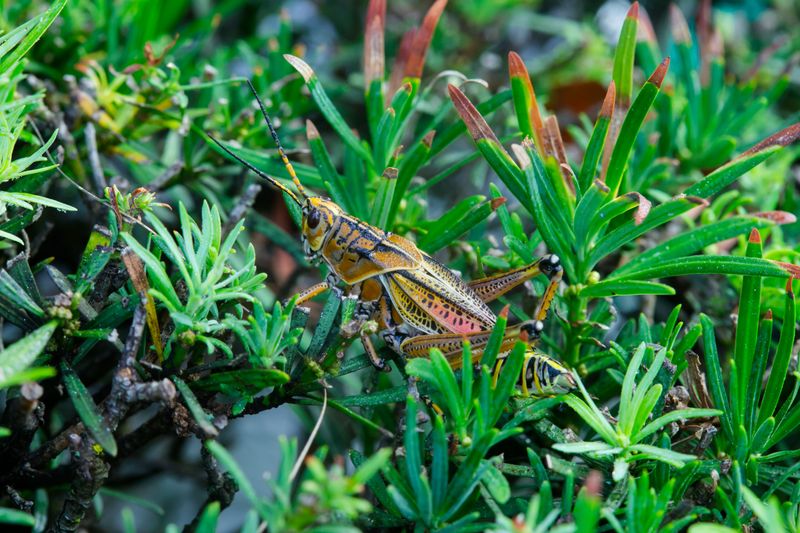
Late September marks the final stage of the lubber calendar, and the adults are focused on reproduction. Females push their abdomens into loose, sandy soil and deposit clusters of eggs in foamy pods, often a few dozen at a time.
Those pods rest underground through fall and winter. When spring warmth arrives, the little black nymphs climb out together and start the cycle again.
Which means your work this month pays off next April. Removing egg-laying adults now reduces the number of pods tucked into your beds and along your fence line.
Pay attention to where you keep finding them, because those spots are usually the nursery. Sunny, bare, sandy patches near damp weedy ground are prime real estate for eggs.
A fall cleanup helps a lot. Cultivating or turning soil in those areas disturbs pods, and keeping the ground planted or mulched makes it less inviting for laying.
Jot notes in a garden journal about dates, locations, and plants hit hardest. Next year that record turns scouting into a quick, targeted walk instead of a search party.
Talking with neighbors matters too, since these insects wander in from adjoining lots and ditch banks. A block where several yards stay mowed and monitored sees noticeably fewer hitchhikers.
Handle September thoughtfully and the following season feels calmer. You will still spot the occasional orange grasshopper, and by then it will seem like a neighborhood character instead of a threat.