Rain’s coming back to the valley – 6 fall veggies you can still sow in Oregon right now
The clouds are rolling back over the Willamette Valley, and that means our soil is about to get all the water it has been begging for. If you thought the growing season was winding down, good news: there is still time to tuck a few seeds into the ground before the first frost.
Late September and early October are golden windows for cold-hardy crops that love our mild, wet winters. Here are six veggies you can still sow right now and feel a little smug about all winter long.
1. Spinach
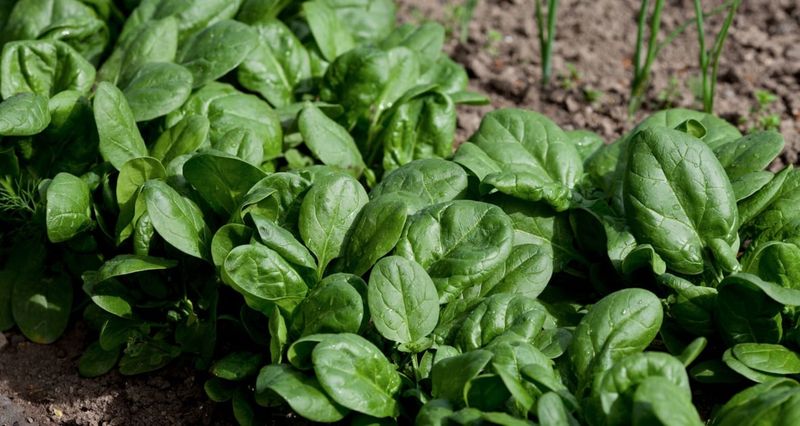
Few things feel as satisfying as pulling a fresh salad out of the garden while your neighbors are buying bagged greens at the store. Spinach is that quiet overachiever of the fall garden, shrugging off cold snaps that would flatten summer crops.
Direct-seed it into your beds in September and it will settle in while the soil still holds a little summer warmth. As the valley rains return, you can ease up on watering and let nature do the heavy lifting.
Spinach matures quickly, so you may be snipping tender leaves within a few weeks.
West of the Cascades in zones 8a to 9a, a lot of spinach will hang on through winter, giving you an early spring rebound too. Give it a spot that gets whatever weak sun our gray months offer, and it tends to reward you generously.
Consider it your low-effort, high-payoff pick for the season.
2. Radishes
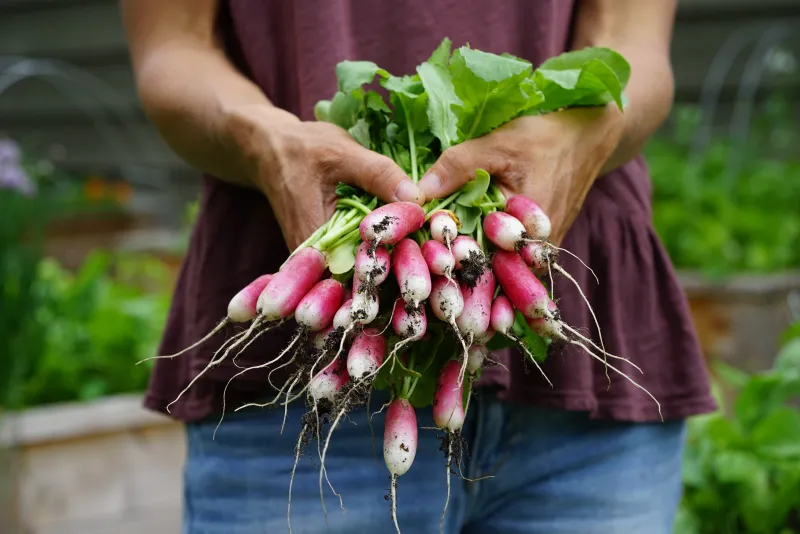
Impatient gardeners, this one is for you. Radishes go from seed to snack faster than almost anything else you can plant, and September in Oregon is prime time to get them going.
Pick a variety that matures in 30 days or less and you can be crunching on peppery little globes before Halloween. They are surprisingly tough too, standing up to temperatures that dip into the high teens without much fuss.
That cold hardiness means staggered sowings can keep radishes coming for months.
The returning valley rains actually work in your favor here, keeping the soil evenly moist so roots stay crisp instead of woody. Sow them shallow, thin the crowded seedlings, and try not to feel too proud when you harvest a whole handful in less than a month.
They are the instant gratification crop the fall garden secretly needs.
3. Turnips
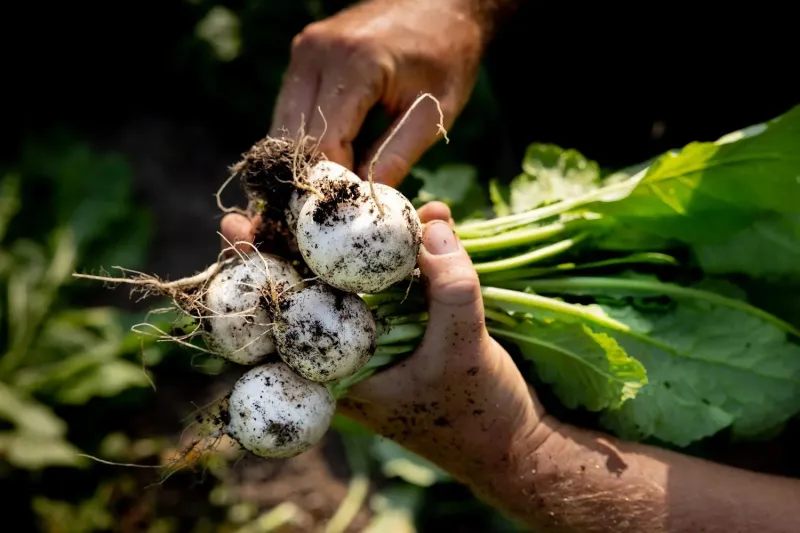
Turnips have shaken off their old-fashioned reputation, and the salad turnip is the reason why. Varieties like ‘Hakurei’ mature quickly and turn out sweet, crisp roots you can eat raw right out of the ground.
A September sowing gives them enough runway to size up before the cold really settles in. And here is the fun part: those chilly valley nights actually make them taste better, coaxing out a natural sweetness that summer heat never could.
They handle temperatures into the low 20s, so a light frost is nothing to worry about. Keep the soil moist while the seeds germinate, then let the returning rains take over.
You get double the harvest with turnips too, since the leafy greens on top are just as tasty as the roots below. It is a two-for-one deal that makes them worth the space.
Your Oregon Garden Changes Every Week. Your Plan Should Too.
Gardening in Oregon changes quickly throughout the season. Every Friday you’ll receive a simple weekly plan showing exactly what to plant, prune, fertilize, harvest, and protect so you never miss the right timing.
4. Arugula
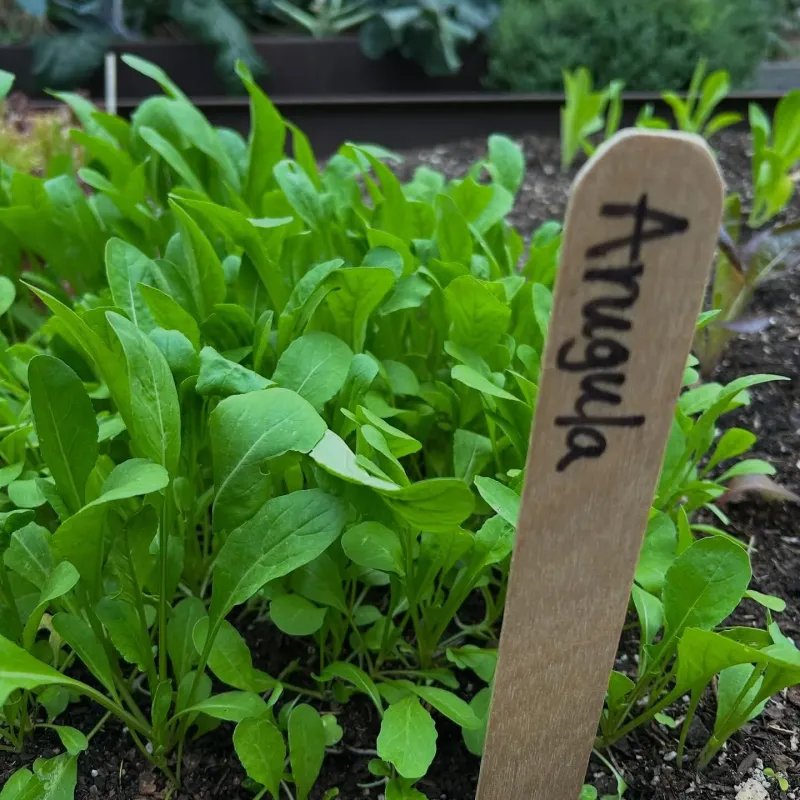
If you love a little bite in your salad bowl, arugula is about to become your favorite fall companion. Sow it in mid-September and you could be tossing homegrown greens into dinner by Halloween.
It grows easily from seed and does not ask for much beyond loose soil and a bit of moisture, which our returning rains happily provide. Once it gets going, it keeps handing you fresh leaves for a couple of months straight.
Arugula shrugs off many of Portland’s typical winter chills, staying productive when other greens have called it quits. Snip the outer leaves and let the plant keep pushing new growth from the center.
The flavor tends to get a touch spicier as the weather cools, which is either a bug or a feature depending on how bold you like your salads. Around here, we call it a feature.
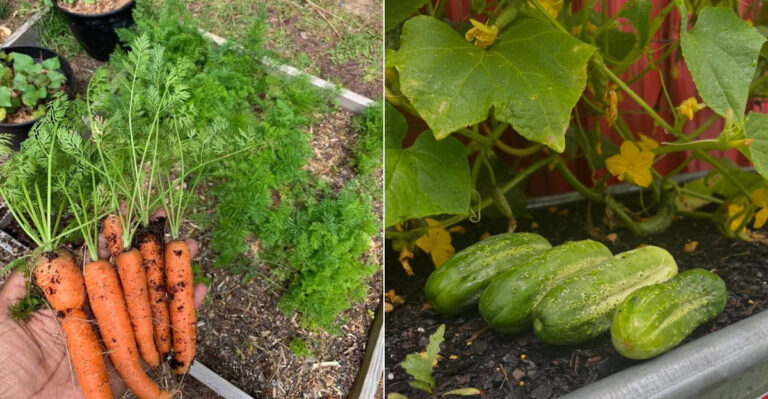
5. Carrots
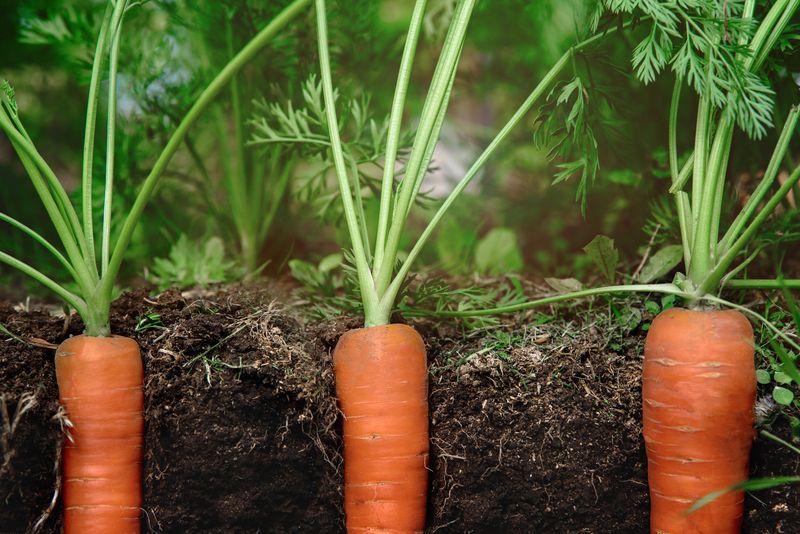
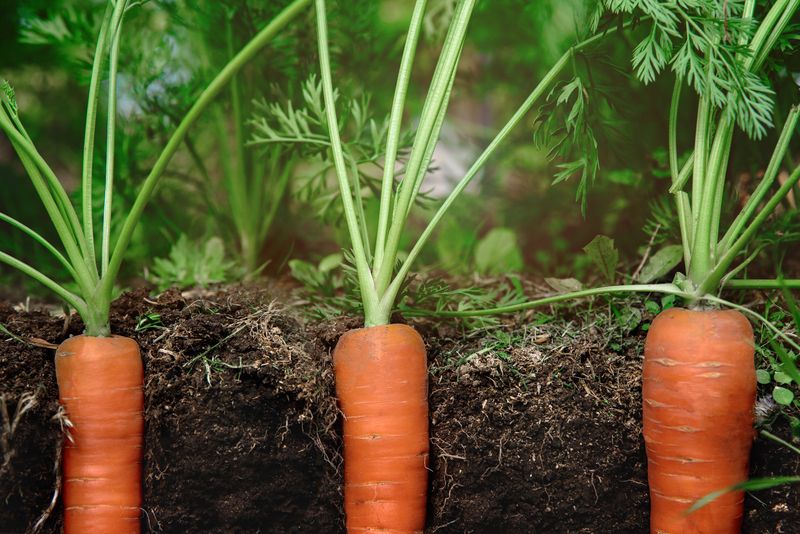
Patience pays off with fall carrots, and the reward is worth the wait. While spring is the usual carrot season, you can still direct-seed them now in Western Oregon for a winter harvest or an overwintered spring treat.
Fall-planted carrots grow slowly through the darker months, biding their time under the soil until you are ready for them. Frost does something almost magical to them, adding a crisp sweetness that summer carrots rarely match.
The catch is germination. Carrot seeds go in shallow and can take up to two weeks to sprout, so keeping the soil consistently moist is key during that stretch.
Lucky for us, the valley rains usually show up right on cue to help. Once they are established, you can practically forget about them and dig up a sweet surprise on a gray winter afternoon.
6. Kale
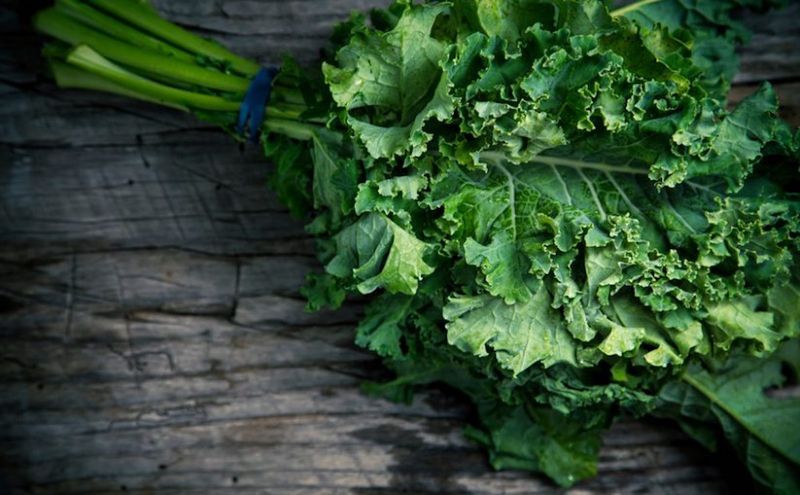
Meet the undisputed champion of the winter garden. Kale is so cold-hardy that a good frost does not just spare it, it actually improves it, turning the leaves noticeably sweeter.
Direct-sow it in late September and this leafy workhorse will keep feeding you all through fall. In our zones 8a to 9a, plenty of kale plants sail right through winter and bounce back for an early spring encore before they finally bolt.
It thrives exactly when everything else in the garden is fading, which makes it feel a little heroic standing tall in the December drizzle. Harvest the lower leaves and let the plant keep growing from the top.
Whether you toss it in soups, roast it into chips, or just admire it holding down the fort, kale earns its spot as the most dependable pick on this list. For an Oregon gardener who wants something green all winter, it is hard to beat.