What Happens When You Mow Over Leaves On A North Carolina Lawn
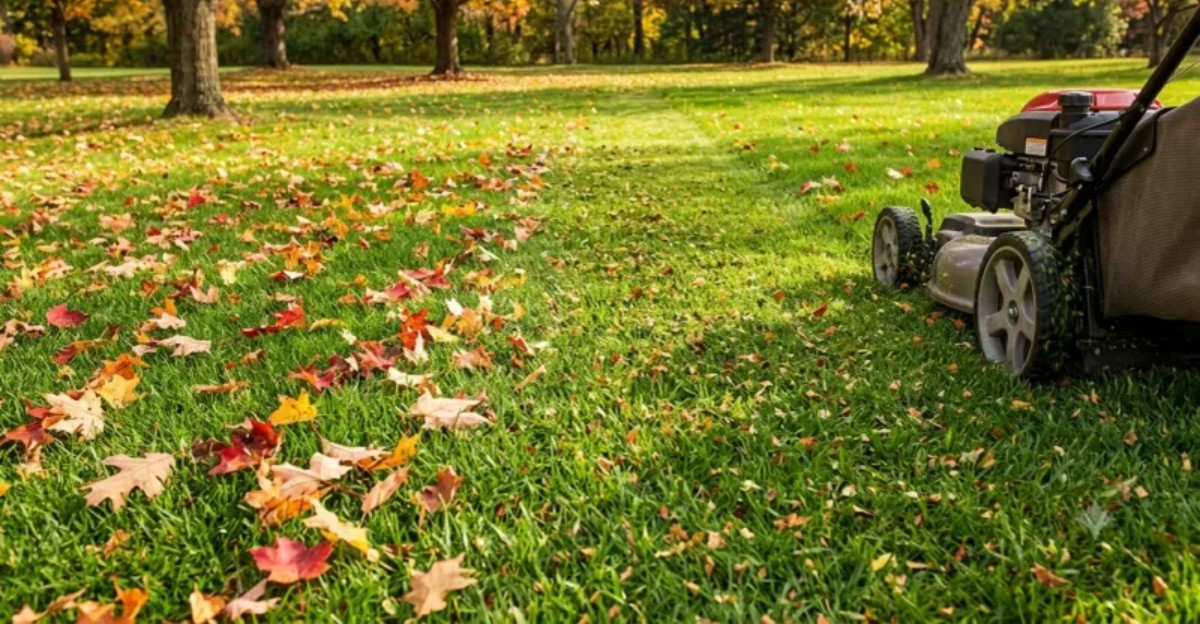
Mowing over fallen leaves instead of raking them is a practical shortcut for many North Carolina homeowners, and the results depend largely on how thick the leaf layer is to begin with.
A mulching mower, or a standard mower with the bag removed, can shred leaves into small pieces that settle down into the grass and gradually break down, adding organic matter back into the soil.
This works well for light to moderate leaf coverage, but a thick, unbroken layer can still smother grass even after being chopped up once or twice.
Multiple passes are often necessary to break leaves down finely enough to avoid matting on the lawn’s surface.
Knowing when this method works well, and when raking is still the better choice, helps North Carolina homeowners handle fall cleanup more efficiently.
1. Mowing Turns Leaves Into Lawn-Friendly Mulch
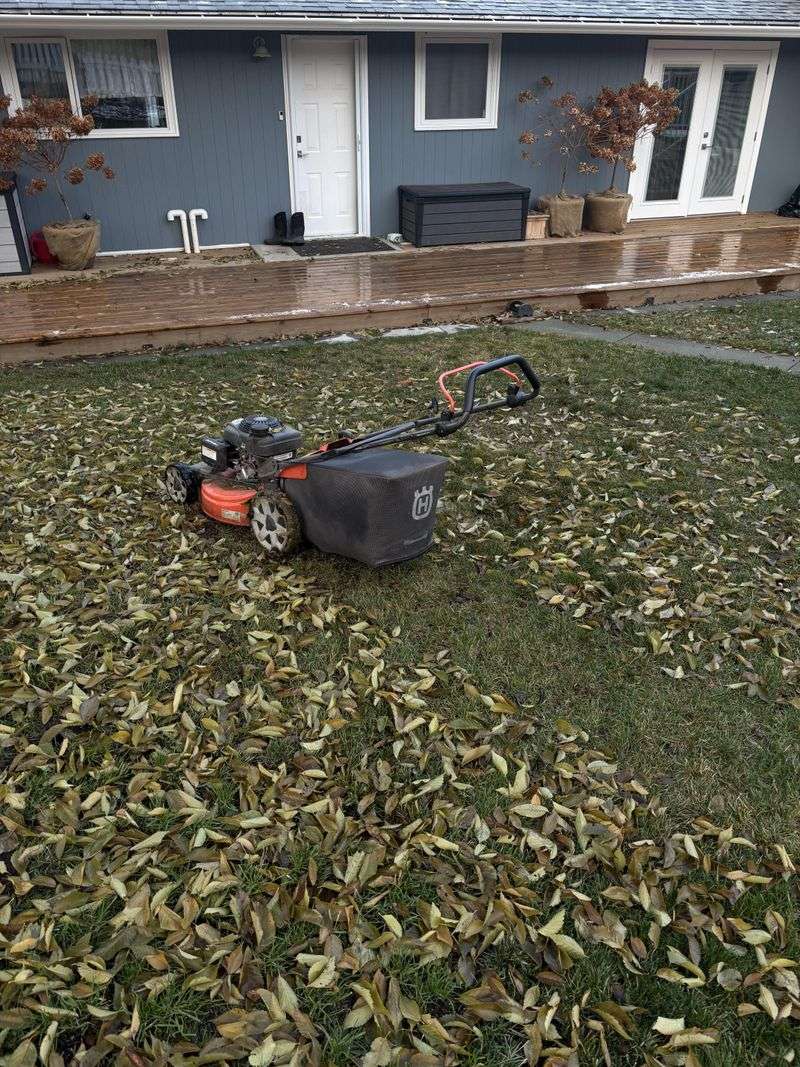
Picture your mower blade spinning fast and slicing through a layer of fallen leaves. Instead of gathering whole leaves into a pile, the blade chops them into tiny confetti-sized bits.
Those little pieces are small enough to drop right down between the grass blades. Once they settle near the soil, they stop looking like leaves at all. They turn into a thin, natural mulch that hugs the ground.
In North Carolina, where oaks and maples shower yards with color, this trick works especially well because the leaves are plentiful and easy to shred.
The pieces act like a light organic mulch, helping add organic matter and moderate soil conditions as they break down. Your lawn gets a free boost without any extra cost.
The best part is how quick it feels. Rather than spending a whole afternoon raking and hauling bags to the curb, you simply mow like you normally would. The work is done in one pass across most areas.
To get the finest pieces, use a mulching mower or a mower with a sharp blade. A dull blade tears leaves instead of cutting them cleanly. Keep your bagger off so the clippings and leaf bits stay on the lawn where they belong.
Over a single fall season, this habit slowly builds richer ground beneath your feet. Your grass thanks you with stronger roots and a healthier green come spring.
2. Small Leaf Pieces Can Feed Soil Life
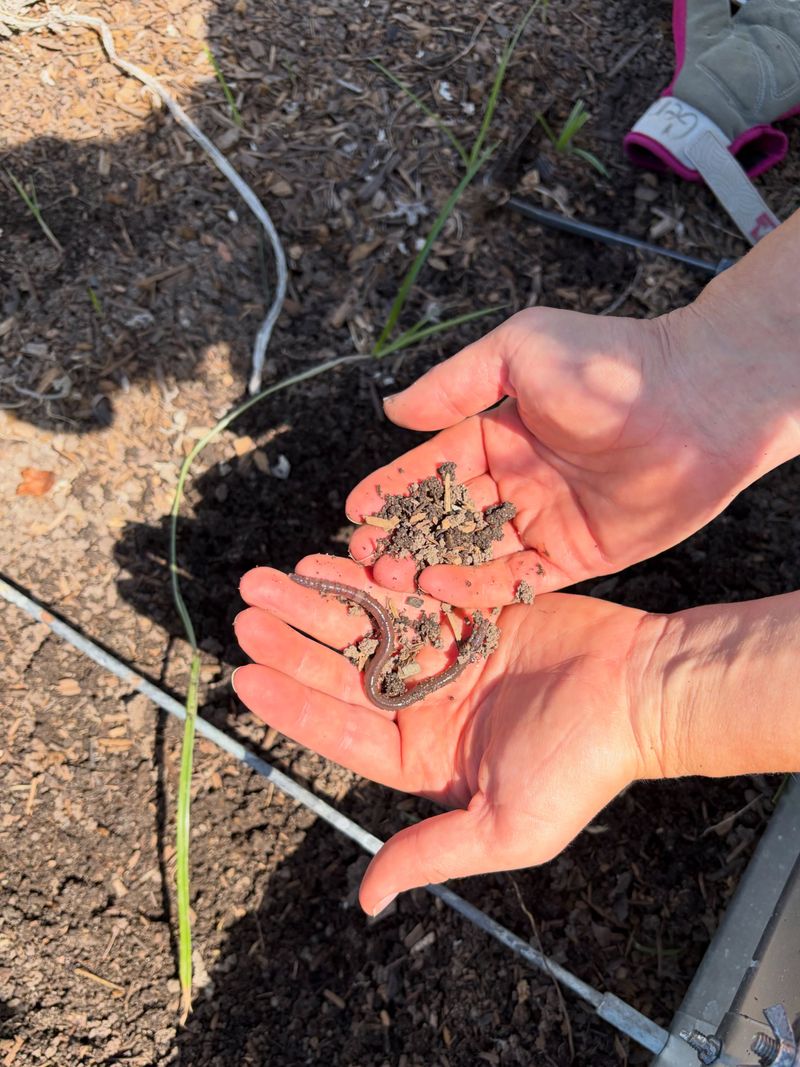
Beneath your grass lives a busy world of tiny helpers. Earthworms, fungi, and microscopic bugs all call the soil home, and they love snacking on chopped leaves. When you mow leaves into small bits, you hand these creatures a fresh meal.
As they eat and break down the pieces, they release nutrients back into the ground. Those nutrients feed your grass roots for free, working almost like a gentle, slow fertilizer that lasts for weeks.
Earthworms play a huge role here. They pull leaf bits down into their tunnels, mixing organic matter deep into the soil. Their tunnels also let air and water move through, which keeps roots happy and strong.
North Carolina soils range from sandy in the east to red clay in the middle of the state. Clay can pack down hard, but added organic matter helps loosen it over time. Sandy soil holds water better once it gains more organic material.
Your North Carolina Garden Changes Every Week. Your Plan Should Too.
Gardening in North Carolina changes quickly throughout the season. Every Friday you’ll receive a simple weekly plan showing exactly what to plant, prune, fertilize, harvest, and protect so you never miss the right timing.
The magic happens because the pieces are small. Tiny fragments break down fast and blend in without piling up on the surface. Whole leaves would just sit there and take much longer to change.
You will not see all of this action, since most of it happens underground. Still, the results show up in greener grass and softer soil you can feel under your shoes.
Keep the layer light and let nature handle the rest. Season after season, your lawn builds a living foundation that grows healthier and needs less store-bought help to thrive.
3. Too Many Leaves Can Smother Grass
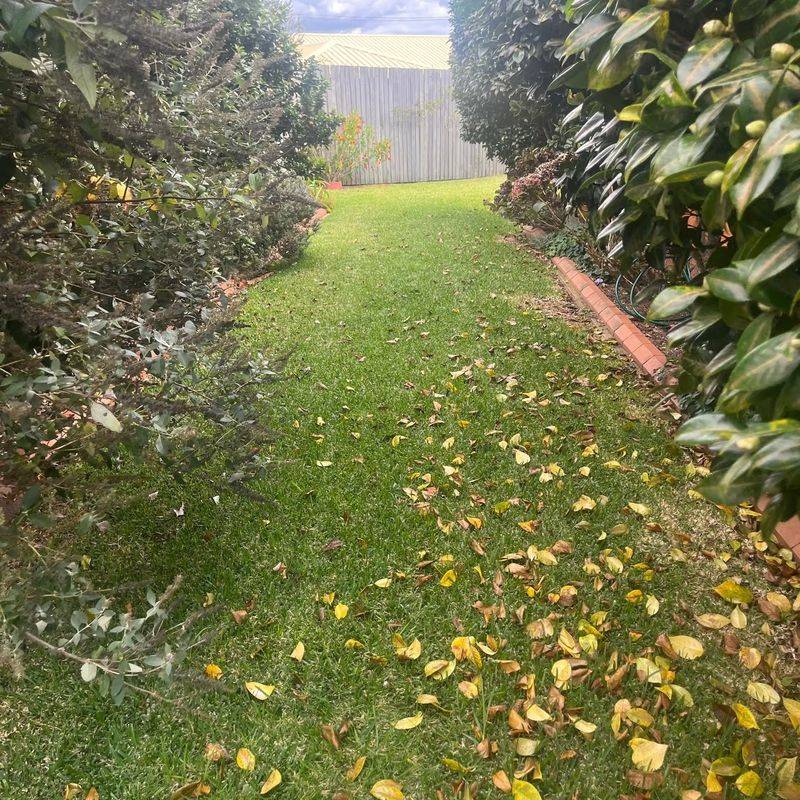
There is such a thing as too much of a good thing. When leaves pile up in a heavy blanket, they block sunlight from reaching your grass. Without light, the blades cannot make the energy they need to stay green.
A thick layer also traps moisture against the surface. That damp, dark space can invite mold and lawn diseases that weaken your turf. Grass buried too long may turn pale, thin out, or leave bare patches behind.
Airflow matters just as much as light. Grass needs to breathe, and a packed cover of wet leaves shuts off that fresh air. The result is stressed, struggling turf that has a hard time bouncing back.
You can spot trouble easily. If you look down and see mostly leaves instead of grass, the layer is too deep to mow into the lawn safely. That is your signal to take action.
The goal is balance. A light scattering of shredded pieces helps your lawn, while a dense mat works against it. Aim to see grass blades poking through after you mow.
During big leaf drops, do not let the pile grow for weeks before dealing with it. The longer heavy leaves sit, the more they smother what is underneath.
Stay ahead of it by checking your yard often in the fall. A quick look each week tells you whether to mow, rake, or spread things out. Keeping leaves from stacking up keeps your grass strong and ready for winter.
4. Dry Leaves Mow Better Than Wet Leaves
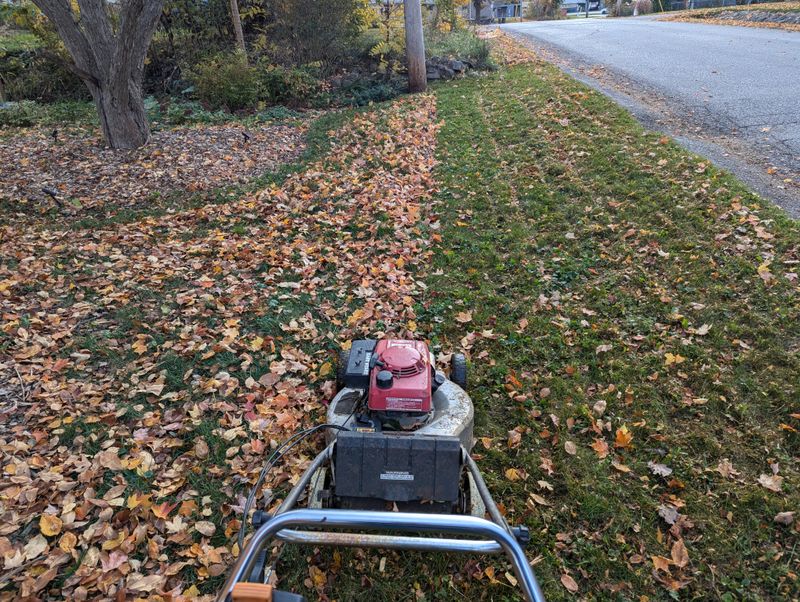
Timing your mow around the weather makes a real difference. Dry leaves are light and crisp, so the blade shatters them into fine pieces with ease. Those bits scatter evenly and slip right down to the soil.
Wet leaves behave in a whole different way. They stick together in slippery clumps that clog your mower and refuse to spread out. Instead of a smooth cover, you end up with soggy globs sitting on top of the grass.
Those clumps cause problems. They can stick to your mower deck, jam the blade, and leave your machine a mess to clean. On the lawn, they create patchy spots that smother grass instead of feeding it.
The best time to mow leaves is on a dry, sunny day. Late morning or afternoon works well, after any dew or frost has burned off. North Carolina fall mornings often start damp, so a little patience pays off.
If rain has soaked your yard, give it a day or two to dry before mowing. Trying to rush the job in wet conditions usually means more work, not less.
You can test readiness with a quick crunch. Step on a few leaves, and if they crackle and break, they are ready to shred. If they squish and bend, they need more drying time.
Dry conditions also protect your mower from strain and rust. A clean, easy pass keeps your equipment running well and gives your lawn the fine mulch it loves.
5. Multiple Passes May Be Needed
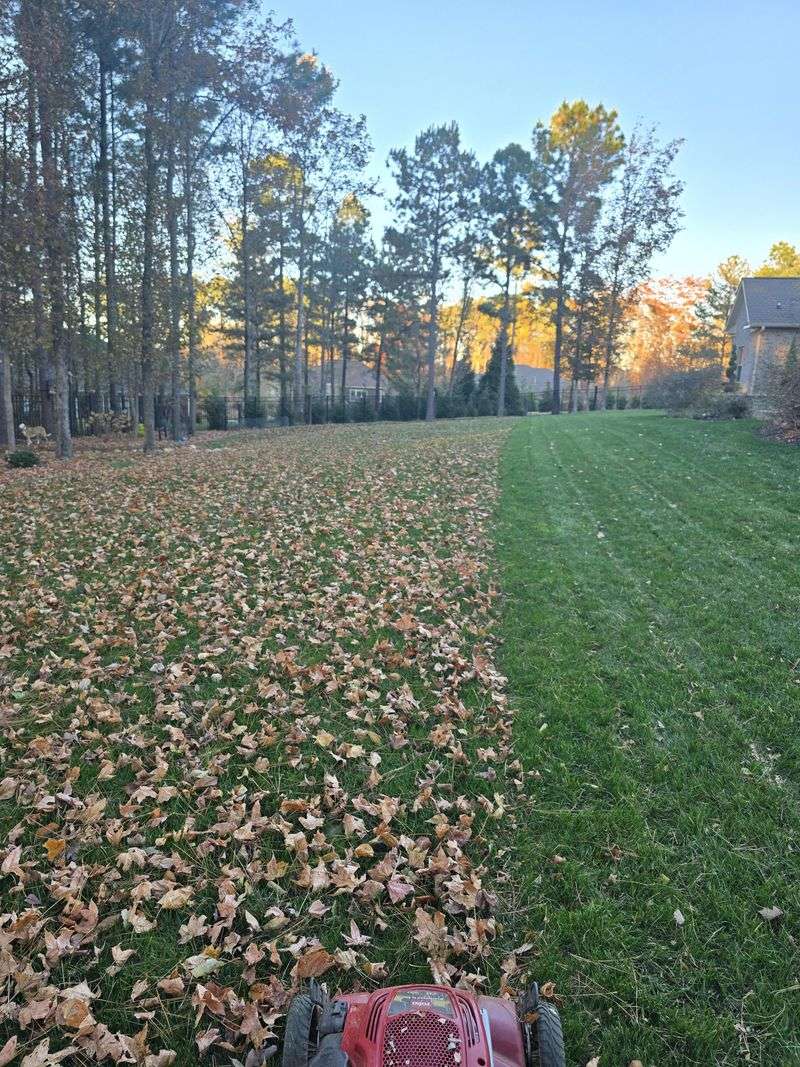
Some days the leaves fall faster than you can keep up. When maples, oaks, and sweetgums all drop at once, one pass with the mower may not be enough. A single run might leave big chunks still sitting on top.
Going over the same area a second or even third time solves this. Each pass chops the pieces smaller and smaller until they finally disappear into the grass. Think of it like blending until everything is smooth.
Overlapping your rows helps too. When you let each new pass cover part of the last one, the blade catches leaves it missed the first time. This spreads the mulch more evenly across your yard.
North Carolina falls can bring surprisingly heavy leaf drops, especially in older neighborhoods with tall shade trees. During peak weeks, planning for extra passes just makes sense.
You do not have to mow the whole lawn twice every time. Focus your extra passes on the spots where leaves gather most, like corners, fence lines, and areas under big trees.
Watch the ground as you work. Once you can clearly see grass blades poking through the shredded bits, you know the job is finished. That is your green light to stop.
Keeping your blade sharp cuts down on how many passes you need. A dull blade tears and drags, while a sharp one slices clean in fewer trips. A little upkeep saves you time and gives your lawn a tidy finish.
6. Do Not Leave Thick Leaf Piles Under Trees
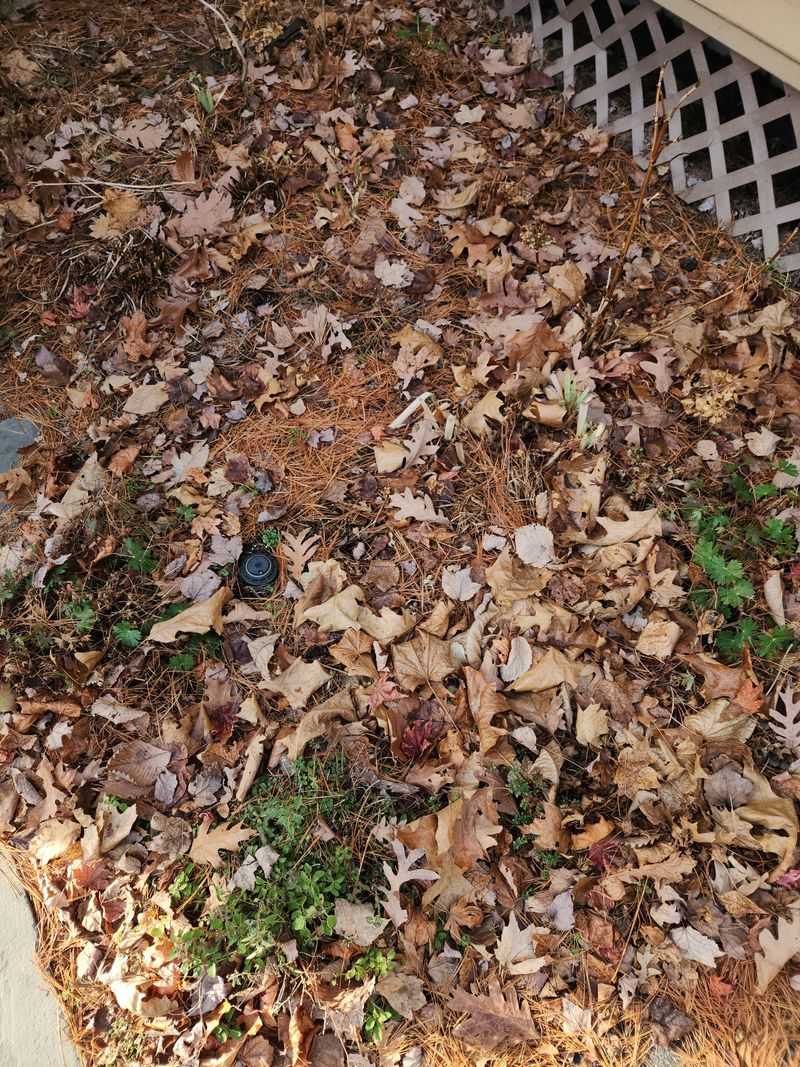
Right beneath big trees is where leaves stack up the deepest. The ground under an oak or maple can vanish under a heavy blanket that is inches thick. Mowing that same deep pile over and over is not a good idea.
A layer that thick simply cannot break down into the grass. Instead of feeding your lawn, it packs into a soggy mat that blocks light and air. The turf underneath ends up weak and thin.
Grinding the same deep pile again and again also strains your mower. The engine works harder, the blade struggles, and you may clog the deck. That extra wear is rough on your equipment.
A smarter move is to spread things out. Rake some of the heavy pile toward thinner areas of the yard where the mower can handle a lighter cover. Sharing the leaves keeps any one spot from getting buried.
You can also scoop up the extra leaves and put them to work elsewhere. Toss them into a compost pile or use them as mulch around shrubs and beds. Nothing goes to waste.
North Carolina yards with mature shade trees often need this extra step every fall. It only takes a few minutes with a rake or leaf blower to even things out.
The rule is simple. If the pile is too deep to see grass through it, remove some before you mow. A little redistribution keeps both your lawn and your mower in great shape all season.
7. Mow At The Right Lawn Height
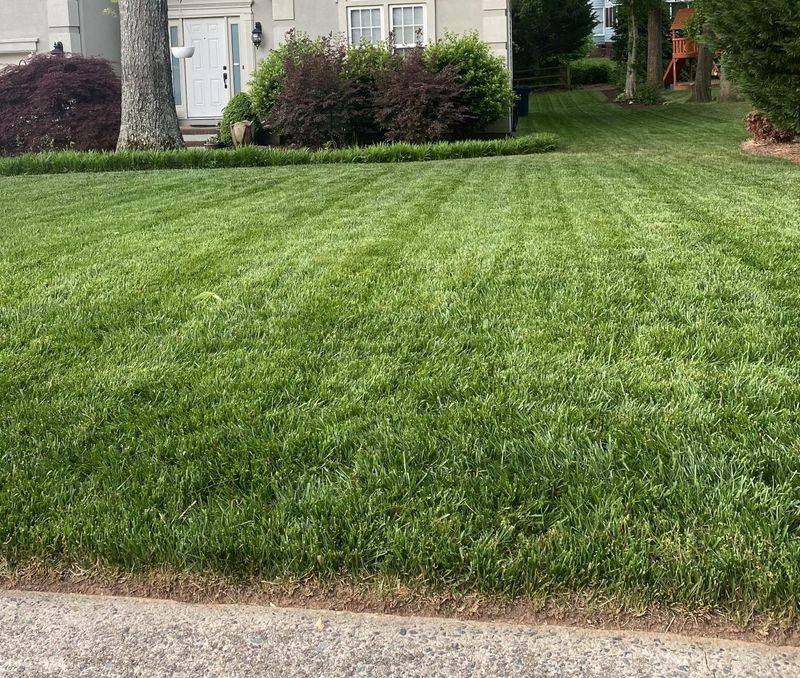
How short you cut your grass changes everything when mowing leaves. Grass left a little taller has more surface to catch light and stay strong. Taller blades also stand up better against a scattering of leaf bits.
Cutting too short does the opposite. Short grass has fewer blades to soak up sunlight, and its roots grow shallow and weak. Add leaf coverage on top, and that stressed turf struggles even more.
Most North Carolina lawns fall into two main groups. Cool-season grasses like fescue do well kept around three to four inches tall. Warm-season types like bermuda and zoysia usually like a shorter cut, but even they should not be scalped.
A good rule is to never remove more than one-third of the blade in a single mow. Taking off too much at once shocks the grass and slows its growth. Gentle trims keep it thriving.
Taller grass also helps hide the shredded leaf pieces. The blades stand up around the bits, letting them settle down to the soil out of sight. Your lawn looks neat instead of messy.
Set your mower deck before fall arrives so you are ready. Knowing your grass type makes picking the right height easy.
Sharp blades matter here too. A clean cut at the correct height keeps grass healthy and better able to compete with any leaves that land on it. Small adjustments like these add up to a lush, sturdy lawn.
8. Use Extra Leaves Around The Garden
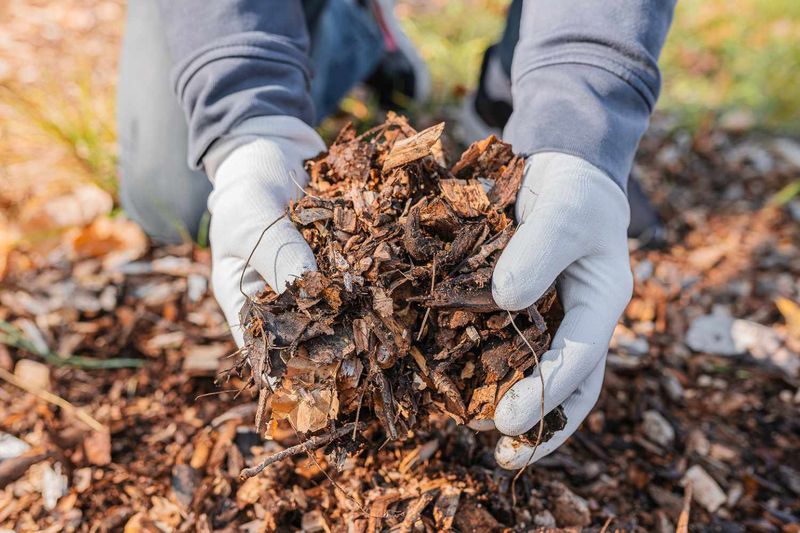
When your lawn has taken all the shredded leaves it can hold, do not bag the rest for the curb. Those extra pieces are pure garden gold waiting to be used. A little planning turns leftovers into free resources.
Vegetable beds love a leaf mulch. Spread a few inches of shredded leaves around your plants to hold moisture, block weeds, and keep the soil cozy. Come spring, your veggies get a head start.
Flower gardens benefit the same way. A layer of chopped leaves around your blooms protects roots through chilly North Carolina winters. It also gives beds a tidy, finished look.
Compost piles are hungry for leaves too. Leaves add the brown, carbon-rich material that balances out kitchen scraps and grass clippings. Mix them in, and you speed up rich compost you can use later.
Shredded leaves work far better than whole ones for all these jobs. The smaller pieces settle nicely, break down faster, and will not blow away in the wind. Your mower already did the chopping for you.
You can store bags of dry shredded leaves to use throughout the year. Keeping a stash means you always have mulch and compost material on hand when you need it.
This habit keeps yard waste out of the trash and puts it to real work. Your garden grows stronger, your soil gets richer, and you save money on store-bought mulch. Few fall chores give back this much for so little effort.