The September Task That Decides If Your North Carolina Bearded Irises Bloom Next Spring
Something in the September garden quietly stopped performing, and you probably noticed the silence back in April. Tall green leaves stood there looking perfectly fine, yet the flower stalks simply refused to show up.
Gardeners from mountain driveways in Boone to sandy beds near New Bern hit the same puzzle. Everything looks healthy and well behaved out there, which is precisely what makes the situation so maddening.
Right now, with evenings finally cooling and the humidity backing off, a short forgiving window swings open. Whatever happens in those beds over the next couple of weeks gets cashed in around Easter.
Miss it, and next April hands you another generous helping of handsome leaves and hollow promises. Your neighbors will politely assume you are growing the world’s most ambitious, most expensive grass.
Rhizome Division, The Chore That Sets Next Spring’s Show
Bearded irises across North Carolina stall for one very fixable reason, and most gardeners miss it. Splitting crowded rhizomes during September restores the stored energy those plants need for April flowers.
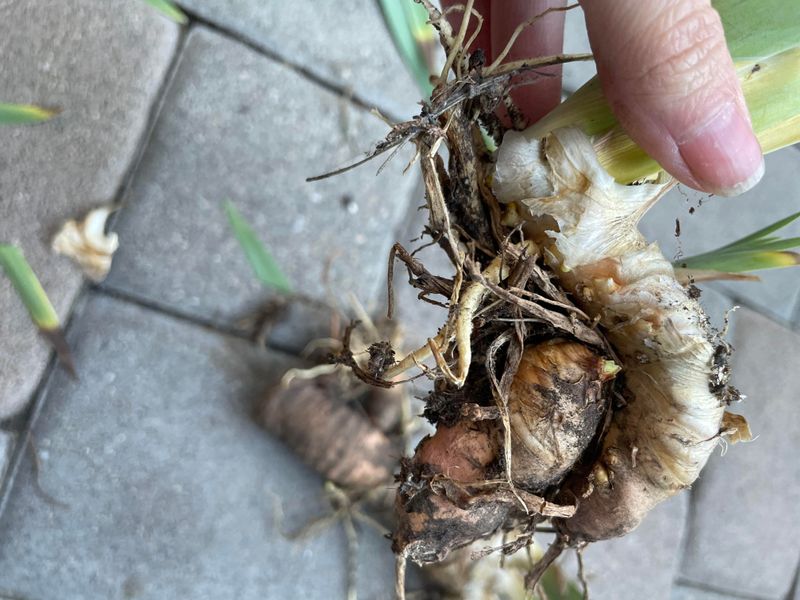
A rhizome is the thick, fleshy stem that rests right along the surface of the soil. Each piece stores food, and each piece wants elbow room to build next year’s flower bud.
Over three or four seasons, one fan multiplies into a dense mat competing for the same food. Flower buds form inside those rhizomes in summer, so hungry clumps quietly skip the whole job.
September works well because the soil stays warm while the air across the state finally cools. Fresh roots develop quickly under those conditions, anchoring transplants long before the first hard frost arrives.
Crowding also traps humidity inside the clump during muggy Carolina autumns, and soft spots appear. Wider spacing improves airflow, which helps keep rhizomes firm through soggy Piedmont winters.
Skipping the chore rarely causes trouble right away, which fools plenty of otherwise careful gardeners. Year one looks fine, year two thins out, and year three delivers leaves with barely any blooms.
Think of division as routine maintenance, similar to changing the oil in a hardworking farm truck. The plants request it on a predictable schedule, and they pay you back for showing up.
One afternoon with a spading fork can reset a tired bed for the next three years. That single September chore decides most of what your garden looks like next spring.
Crowded Clumps Behind Fading Flowers
Picture a neighborhood where twenty families share one small kitchen, and you understand an old iris clump. Roots tangle underground, food runs short, and flower stalks become the first luxury cut from the budget.
Flower buds for next April form inside the rhizome during the hottest weeks of summer. A packed clump spends that critical window on plain survival rather than on building new blooms.
Leaves often stay green and upright, which makes the trouble genuinely sneaky for casual observers. Foliage keeps growing long after the flowering machinery has been shut down by constant competition.
The oldest rhizomes in the center turn woody and hollow, and woody pieces stop making fans. Young offsets circling the outside carry the future, provided they receive space and steady sunshine.
Your North Carolina Garden Changes Every Week. Your Plan Should Too.
Gardening in North Carolina changes quickly throughout the season. Every Friday you’ll receive a simple weekly plan showing exactly what to plant, prune, fertilize, harvest, and protect so you never miss the right timing.
Heavy Carolina clay adds pressure because it packs tightly around a thick, matted root system. Water lingers, air becomes scarce, and vigor drains away faster than it would in sandy soil.
Shade sneaks in as well, since nearby shrubs and maples keep growing while irises stay put. Six hours of direct sun remains the honest minimum for dependable bloom in the Southeast.
Count the leaf fans in one clump this weekend for a quick and useful reality check. More than a dozen packed into a single square foot means the bed needs attention.
Gardeners in Raleigh and Charlotte regularly report flowers returning the very next April after splitting. The plants were not finished at all, they had simply run out of room.
The September Window From Asheville To The Coastal Plain
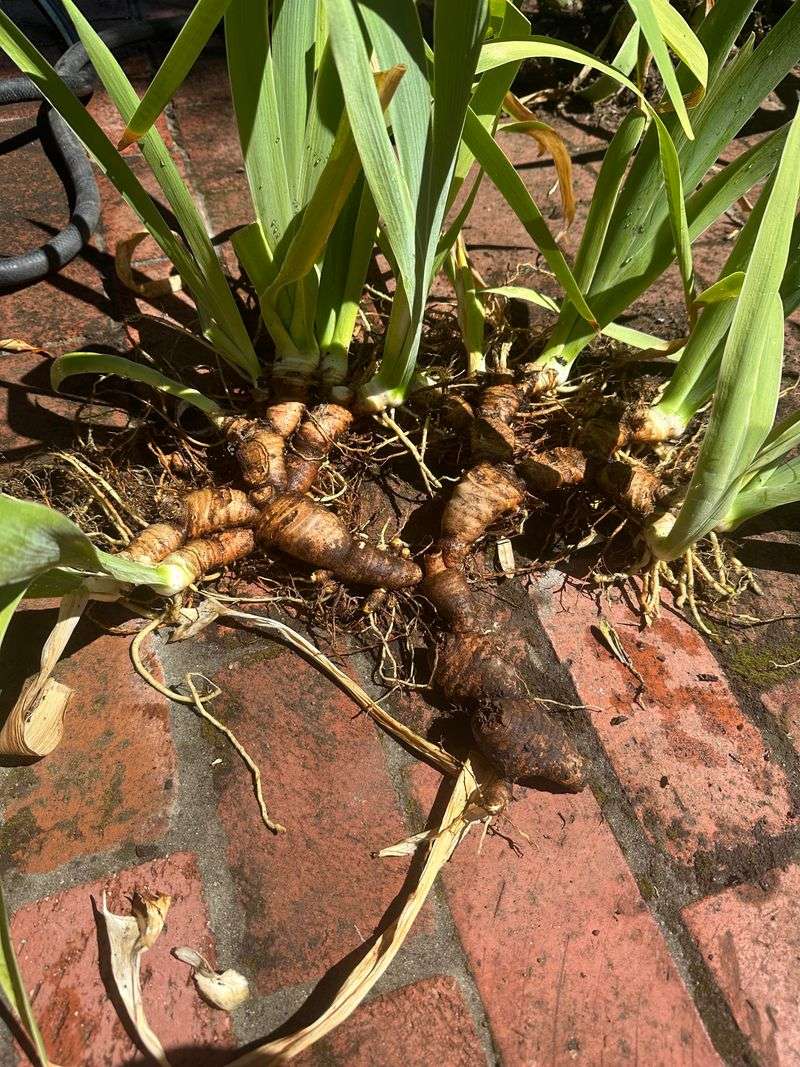
Timing shifts across North Carolina by several weeks, and the mountain counties move first each year. Asheville gardeners can begin in late August, while coastal beds often wait until October cools.
The Piedmont sits comfortably in the middle, making September the prime month for lifting and resetting. Soil near seventy degrees pushes new roots quickly without stressing the freshly cut rhizome surfaces.
Aim for about six weeks of growing weather before your average first frost date arrives. Greensboro typically frosts in early November, so a mid September start leaves a comfortable cushion.
Heat explains why July and August are poor choices in the flatlands around Fayetteville. Cut surfaces heal slowly in soupy air, and saturated soil invites soft rot into fresh wounds.
Rainfall deserves attention too, since tropical systems frequently soak the state during early September. Replant during a dry stretch, then hold off watering for several days while the cuts seal.
Bloom season wrapped up back in April or May, so the plants are resting quietly now. Digging during that calm stretch causes far less stress than a rushed move in spring.
Late starters still have options, because October planting usually succeeds in Wilmington and Elizabeth City. Past Halloween, roots may not settle deeply enough to resist winter frost heaving in clay.
Circle the second or third weekend of September on your calendar during division years. Your knees will appreciate skipping the August humidity that flattens even the most determined Carolina gardeners.
Buried Rhizomes Among Common Missteps
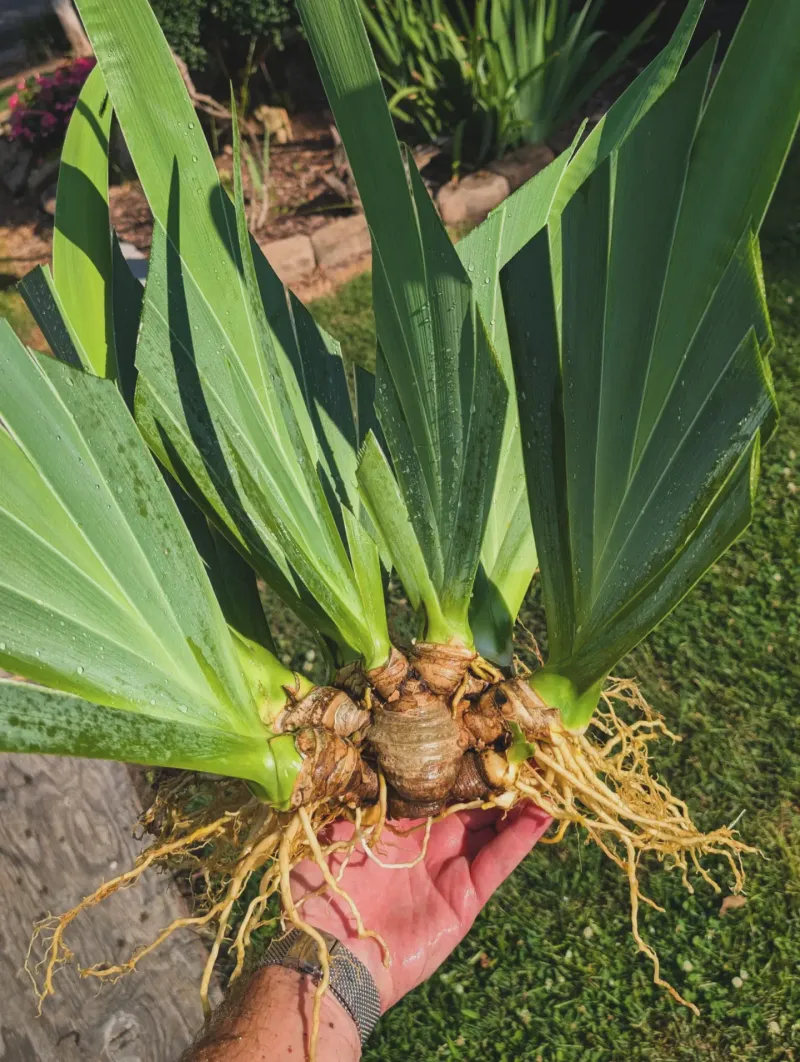
Planting too deep ruins more Carolina iris beds than any insect, drought, or cold snap. Bearded irises want the top of each rhizome visible, sunbathing like a turtle on a log.
Gardeners raised on tulips and daffodils naturally dig a nice deep hole out of habit. Bulb logic backfires here, because buried rhizomes rot in humid soil instead of setting buds.
Mulch causes the same problem in slow motion, especially thick pine straw piled every autumn. Keep shredded bark and needles pulled back several inches so the crowns stay exposed and dry.
Replanting the old woody center is another frequent error, and it wastes a whole season. Toss those tired chunks in the compost and keep firm outer pieces with healthy white roots.
Spacing gets rushed too, with divisions crammed eight inches apart to fill a bed immediately. Twelve to eighteen inches looks sparse in October and looks brilliant two springs later.
High nitrogen lawn fertilizer creates lush leaves and soft tissue that attracts problems. A low nitrogen blend, something like five ten ten, supports flowers without encouraging floppy growth.
Leaving full length leaves on a fresh division makes the plant top heavy in wind. Trim the foliage into a fan roughly six inches tall so roots can catch up.
Overwatering finishes the list, particularly in the clay soils common around Durham and Hillsborough. New divisions need one good soaking, then patience while the cut surfaces harden and heal.
The Lift Trim Replant Routine Done Right
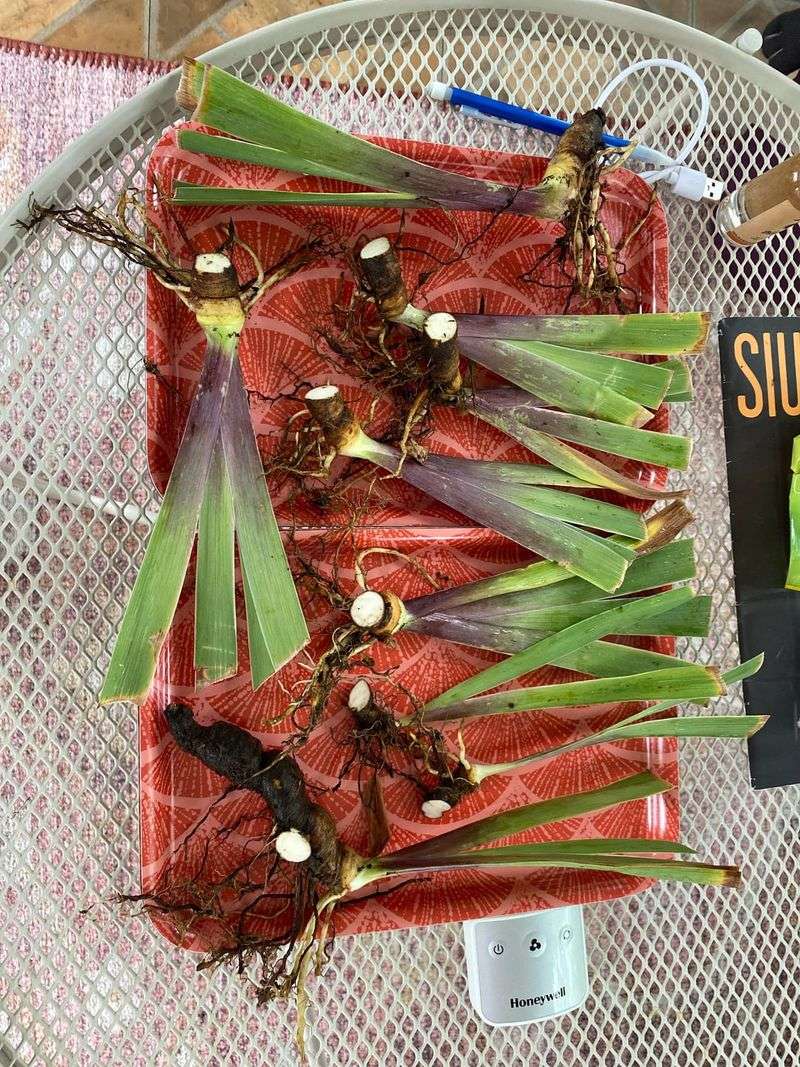
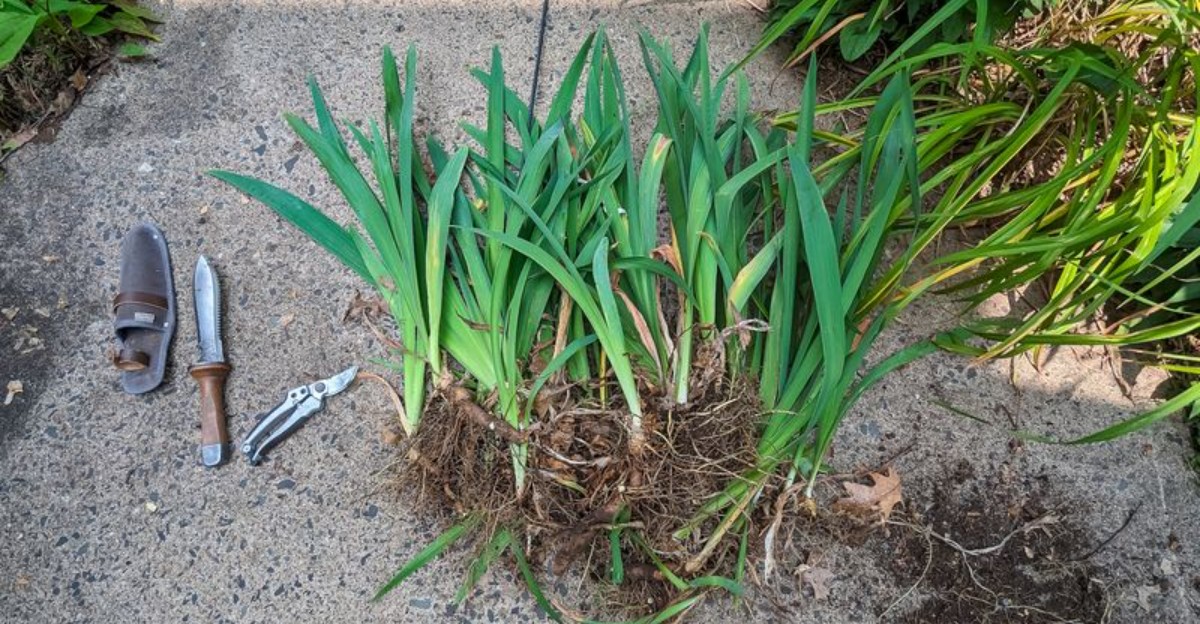
Grab a spading fork instead of a shovel, because tines slide past rhizomes without slicing them. Work around the outside of the clump, lifting the whole mass in one heavy piece.
Rinse the soil off with a hose so you can actually see what you are handling. Firm, plump rhizomes feel like a raw potato, while spongy ones belong in the trash.
Snap divisions apart with your hands wherever possible, since natural breaks heal faster than knife cuts. When a knife is needed, wipe the blade with a disinfecting solution between every clump.
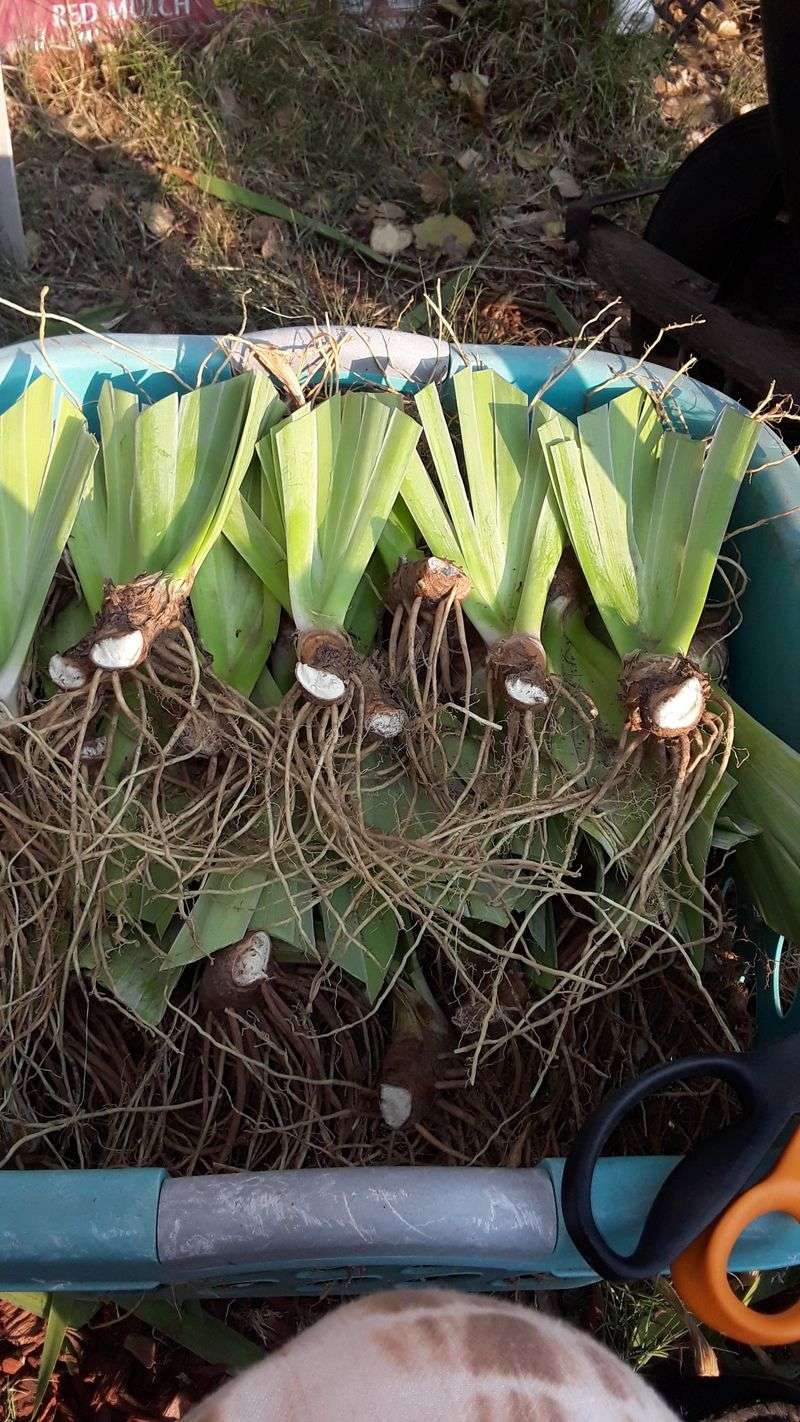
Each keeper should have one healthy leaf fan, a firm section of rhizome, and white roots. Trim leaves into a fan about six inches tall to reduce wind rock and water loss.
Let the pieces cure in dry shade for several hours, or overnight if rain threatens. Cut surfaces form a callus during that pause, which shields them from rot in damp ground.
Build a small ridge of soil in the planting hole and set the rhizome across the top. Spread the roots down both sides, then backfill so the rhizome top stays barely visible.
Point every fan toward open space, because new growth marches forward from the leafy end. Angling them outward keeps clumps from colliding again before the third season rolls around.
Water once, thoroughly, to settle soil around the roots and finish the job for the day. Skip the mulch blanket, add a plant label, and enjoy a cold drink on the porch.
Fall Care Behind The April Payoff
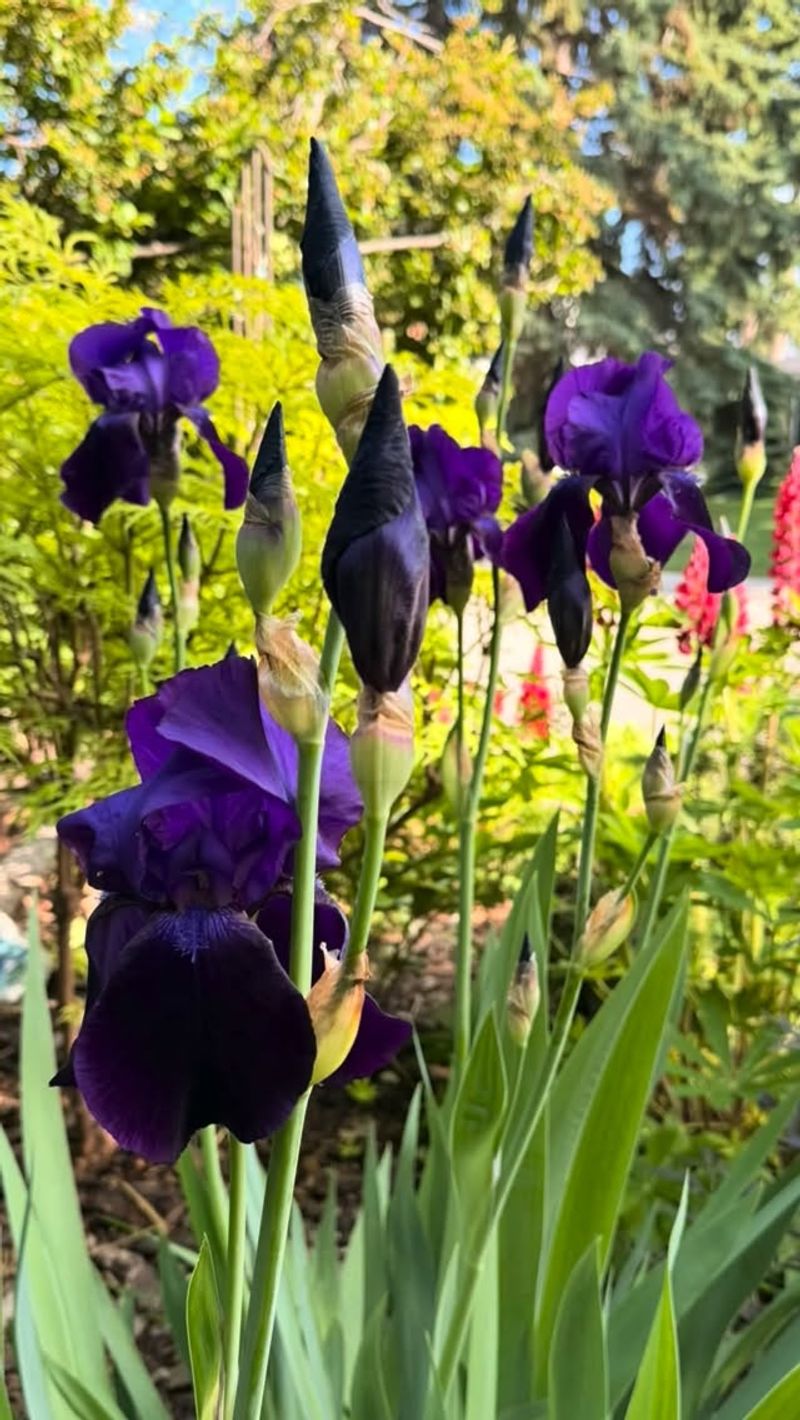
Everything after replanting is low effort, which is the best news in this whole process. A few small habits through October protect the work you did on that September afternoon.
Water new divisions only when the top inch of soil dries, roughly once each week. Carolina autumn rain often handles the entire task without any help from a hose or sprinkler.
Clear away old, spotted leaves and garden debris before winter settles across the iris beds. Iris borer moths lay eggs in that litter, and leaf spot fungus overwinters there too.
Hold off on fertilizer until late winter, then scatter a low nitrogen blend around each plant. Bonemeal worked lightly into the surface in fall also supports strong root development.
Expect honest results rather than miracles, since a few small divisions rest for one season. Most healthy, single fan pieces bloom the following April, and nearly all bloom the year after.
Winter heaving can push shallow rhizomes upward during freeze and thaw cycles in the Piedmont. Walk the bed in February and press any lifted pieces gently back into place.
Write the division date on a plant tag or in a notebook you actually keep. Three or four years from now, that scribbled note saves you from guessing again.
Come April, tall stalks with ruffled flowers will crowd the fence line and stop traffic. Neighbors will ask about your secret, and you can honestly blame a fork and one September Saturday.