What You Can Safely Plant Over A Florida Septic Drainfield (And What Should Stay Far Away)
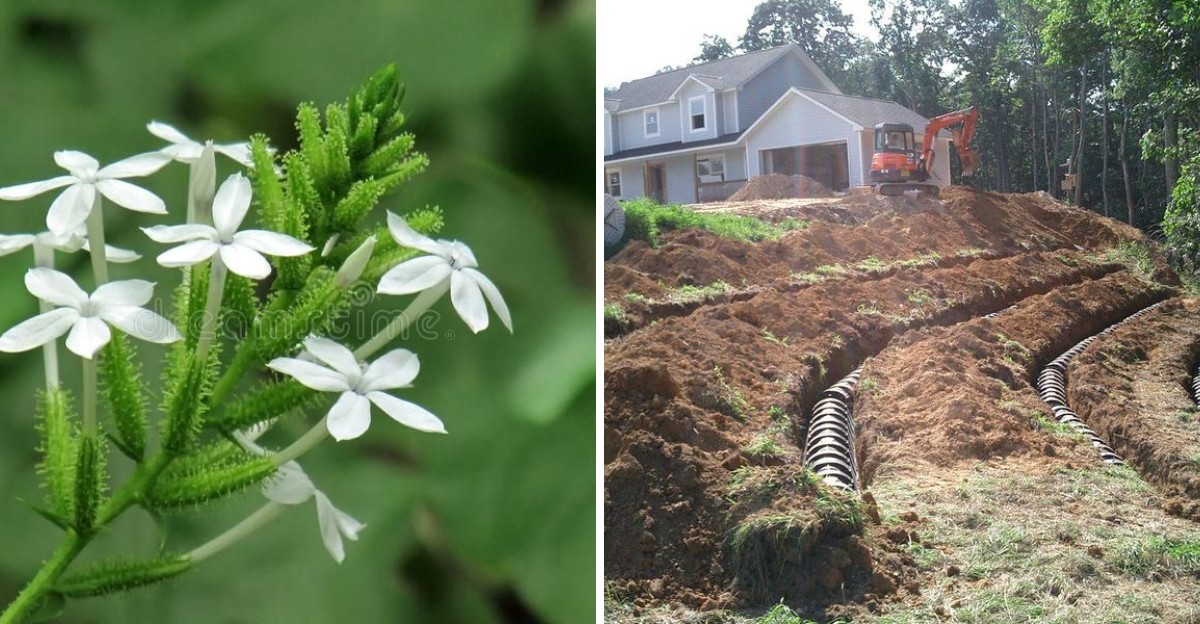
Plant the wrong thing over your septic drainfield, and you’re looking at a repair bill that makes landscaping regret look cheap.
Grass wins here, hands down. Shallow roots, minimal water demand, and zero interference with the pipes working underground.
Beyond that, your options shrink fast in Florida’s sandy soil, where roots stretch further searching for moisture than they would elsewhere.
Certain trees and shrubs send roots hunting for water without hesitation, and a drainfield practically advertises itself as a source.
Once roots find their way into those pipes, you’re facing cracked lines and a repair job that costs far more than any plant was worth.
Anything with an aggressive root system belongs nowhere near that section of your yard. Shallow-rooted groundcovers or grass are your safer bet if you want more than a plain lawn up there.
Map your drainfield boundaries before you plant anything new this season. What goes in the ground now could save you thousands later, or cost you exactly that.
1. Plant St. Augustinegrass Over The Drainfield Without Digging Deep
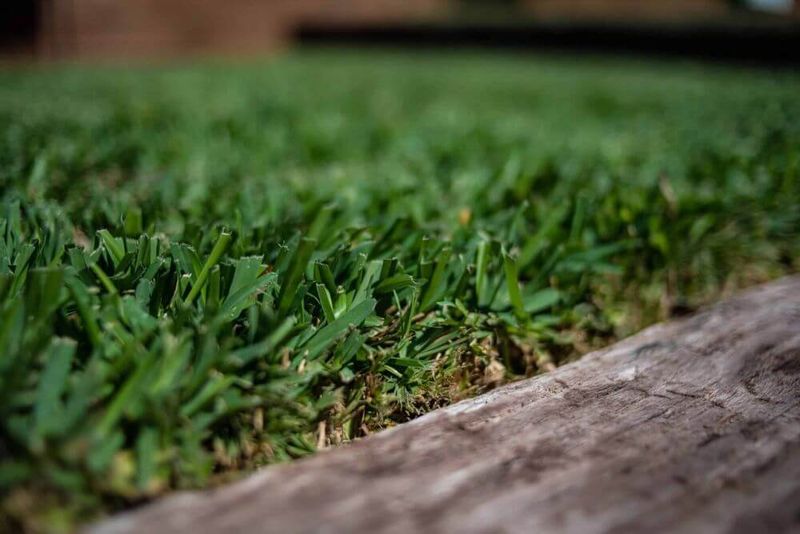
Walk across a St. Augustinegrass lawn barefoot and you feel why Florida homeowners love it. Those wide, springy blades form a carpet that shrugs off humidity and heat.
For a drainfield, the real selling point sits underground. St. Augustinegrass spreads by above-ground runners called stolons, and its roots stay shallow and fibrous rather than woody.
Shallow roots matter because the soil above a drainfield needs to breathe. Gases move upward through that layer, and a grass cover lets air pass while still holding sandy soil in place during summer downpours.
Installation is where people slip up. Lay sod or plugs directly on the existing grade instead of trucking in fill dirt, and skip deep tilling, which can disturb the gravel and pipes below.
Watering deserves care too. Avoid installing sprinkler heads or buried irrigation lines over the field, since digging trenches there risks puncturing something expensive.
Hand-water new sod for the first few weeks instead.
Fertilizer should be light. The soil below already receives nutrients from the system, so heavy feeding mostly feeds weeds and pushes extra nitrogen through sandy ground.
Mow at three to four inches. Taller blades shade the surface, hold moisture evenly, and keep the cover thick enough that you may forget what sits underneath.
2. Use Bahia Grass For A Low-Root-Impact Lawn Cover
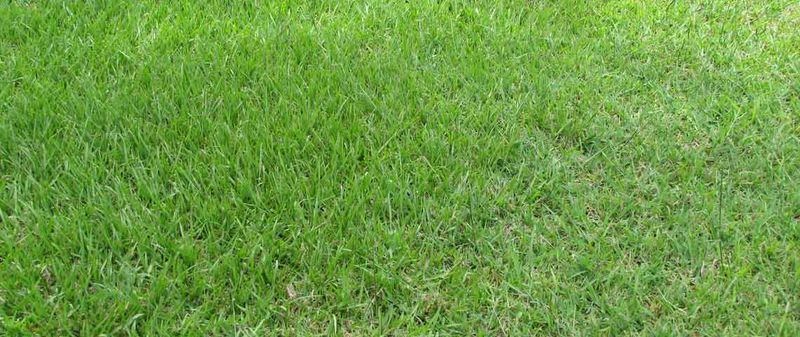
Bahia grass has a reputation as the workhorse of Florida lawns, and it earned it honestly. Introduced decades ago for pasture and roadside use, it thrives where fussier turf gives up.
Over a drainfield, its low-demand habit is the draw. Bahia handles dry spells without constant irrigation, which matters because you do not want sprinkler lines trenched across that area anyway.
Root talk gets interesting here. Bahia develops a fine, fibrous root system that can extend deeper than some turf grasses, but it does not form the thick woody roots associated with trees and shrubs.
Those same roots actually pull up excess moisture, helping the soil dry between rain events. Less waterlogging means the system drains the way engineers intended.
Your Florida Garden Changes Every Week. Your Plan Should Too.
Gardening in Florida changes quickly throughout the season. Every Friday you’ll receive a simple weekly plan showing exactly what to plant, prune, fertilize, harvest, and protect so you never miss the right timing.
Expect a coarser look than St. Augustinegrass. Bahia produces tall V-shaped seed stalks that shoot up quickly in summer, so you will mow for looks more than for health.
Establishment from seed is cheap, which appeals when covering a large rectangle. Rake lightly, broadcast seed on the existing grade, and resist the urge to add topsoil.
Fertilize sparingly, maybe once a year. Bahia stays green on very little, and that thriftiness is exactly what a septic area appreciates.
3. Let Zoysia Cover The Soil Without Woody Roots
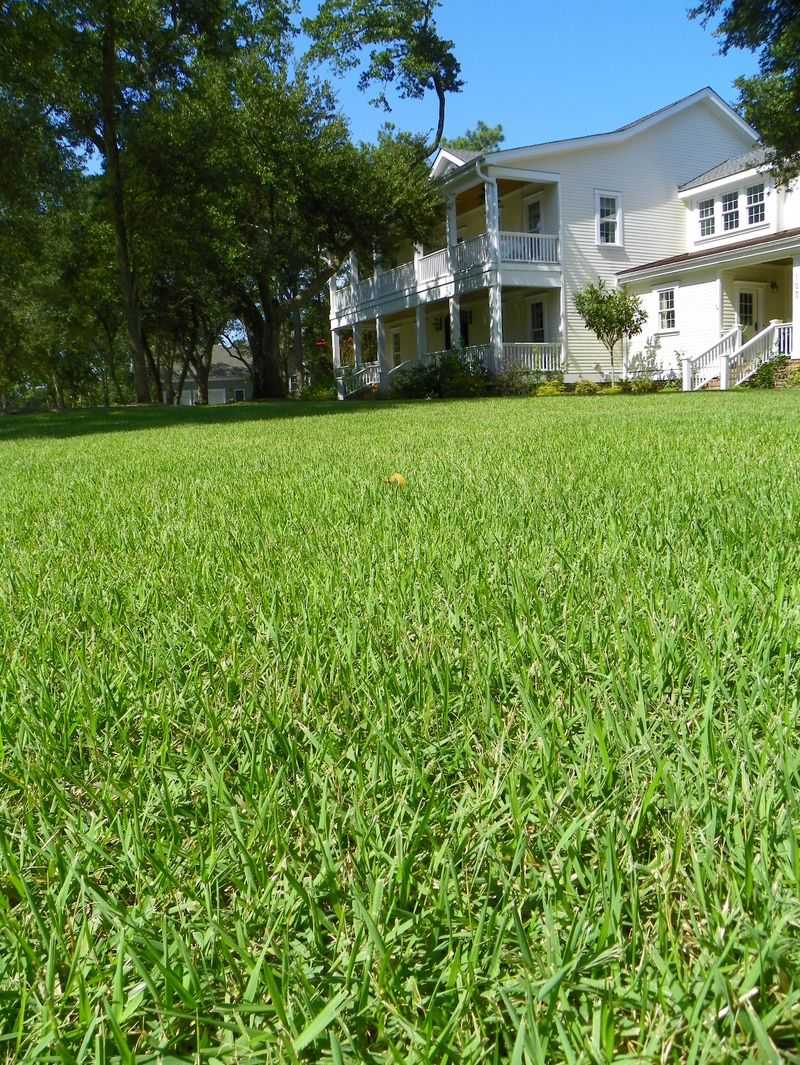
Zoysia is the neat freak of warm-season turf. Blades knit together so tightly that weeds struggle to find an opening, and the surface feels almost like outdoor carpet.
Because Zoysia spreads through stolons and rhizomes that stay near the surface, it belongs on the approved list for drainfield areas. Nothing woody, nothing hunting for pipe joints.
There is a catch worth knowing before you spend on sod. Some Florida homeowners report that Zoysia sulks over drainfields, and the suspected reason is soil chemistry.
Household cleaners and detergents moving through the system can nudge the soil toward alkaline, while Zoysia prefers conditions closer to neutral.
A simple soil test before installation saves disappointment. If the pH reads high, Bahia or St. Augustinegrass may hold color better in that exact spot.
Assuming conditions suit it, Zoysia rewards patience. Establishment runs slower than other warm-season grasses, so plan on a season of thin coverage before it fills in.
Keep mowing moderate and blades sharp, since Zoysia is tough enough to fray under a dull mower. Two inches is a comfortable height for most cultivars.
Skip the thick mulch rings or decorative borders that tempt people to frame a lawn area. Anything that blocks airflow above the field works against you.
4. Choose Bermudagrass When A Sunny Drainfield Needs Turf
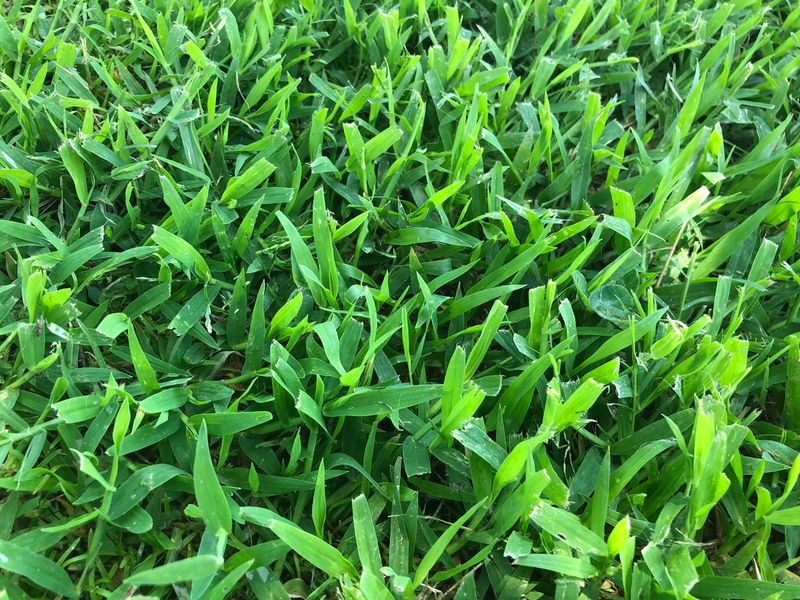
Sun-baked, wide-open, and shadeless describes plenty of Florida drainfield locations, since installers place them away from trees on purpose. Bermudagrass practically asks for that assignment.
Heat tolerance is its headline trait. Where other turf browns in August, Bermudagrass keeps pushing runners across the surface and filling in bare patches on its own.
Root structure keeps it drainfield-friendly. Growth happens through stolons above ground and shallow rhizomes just below, producing fibrous roots rather than anything thick or invasive.
Foot traffic is another bonus. If kids cut across that part of the yard or the dog has a favorite lap route, Bermudagrass recovers from wear faster than most alternatives.
Shade is the deal breaker. Give it less than six hours of direct sun and it thins out, opening gaps where rain can erode bare soil.
Mow often during the growing season, ideally weekly at one to two inches, because Bermudagrass grows fast and gets stemmy when neglected. A reel mower gives the cleanest finish.
Aggressiveness cuts both ways. Runners will creep into flower beds and along driveway cracks, so plan an edging routine.
One practical tip: mark your drainfield corners with small flags before mowing season. Knowing the boundaries keeps heavy equipment and future digging projects safely to the side.
5. Add Milkweed For Color Without Deep Woody Roots
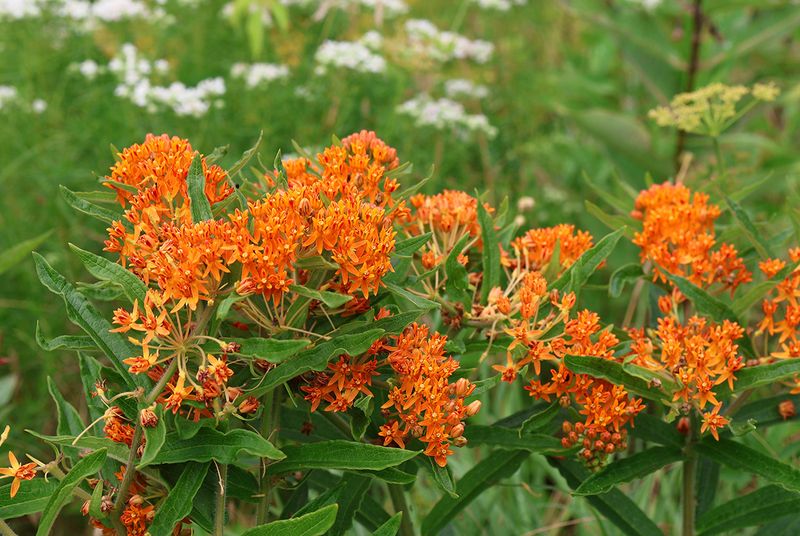
Orange blooms buzzing with monarchs beat a plain green rectangle any day. Butterfly milkweed brings that scene to sunny drainfield edges, and UF/IFAS lists it among herbaceous ornamentals suited to these areas.
Shallow roots are the reason it qualifies. The plant stays herbaceous, meaning stems wither rather than thickening into wood, so nothing below ground goes hunting for pipes.
Monarch caterpillars depend on milkweed as their host plant and primary food source. Watching striped caterpillars strip a stem is oddly satisfying once you know why.
Placement still deserves thought. Group plants near the margins rather than dotting them across the center, so future inspections or repairs disturb less of your work.
Planting means digging small holes, not trenches. Keep holes shallow, use the existing soil, and resist adding a thick blanket of mulch that would smother gas exchange.
Choose native species where possible. Tropical milkweed stays green through Florida winters and can disrupt monarch migration patterns, so many gardeners cut it back seasonally or opt for native types instead.
Water gently while plants settle in, then step back. Butterfly milkweed handles sandy, dry conditions well and rarely needs fertilizer, which suits a spot where extra nutrients are unnecessary.
6. Use Plumbago For Flowers Without Planting A Shrub
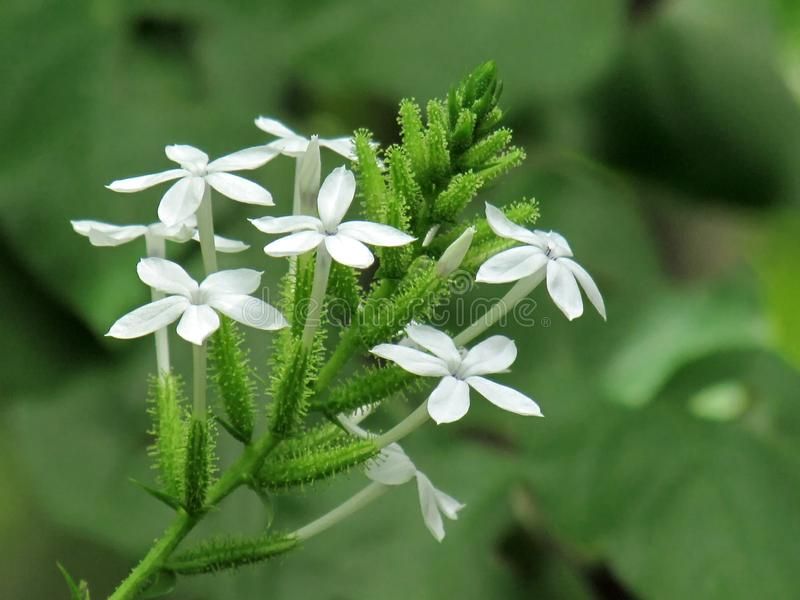
Here is where plant names get tricky. Say plumbago in Florida and most people picture that sprawling blue shrub covering half a fence line, but there is a smaller native cousin worth knowing.
White plumbago, sometimes called doctorbush, shows up on UF/IFAS lists as an herbaceous option for drainfield areas. It stays modest, roughly one to three feet tall and about as wide.
Herbaceous is the key word. Stems remain soft rather than woody, so root systems stay shallow and cooperative instead of thickening year after year.
Light flexibility helps in mixed yards. Full sun works, and so does partial shade, which is handy if a fence or house casts afternoon shadow across one end of the field.
Position plants toward the outer margin rather than the middle. That way, if anyone needs access to the pipes, your flowers are not the first casualty of the shovel.
Skip the woody blue plumbago shrub entirely for this spot. Same common name, very different root behavior, and woody shrubs are generally better kept outside the drainfield area, with setbacks based on the specific plant and local extension guidance.
Maintenance is refreshingly light. Trim stems back when they sprawl, water during establishment, and let the plant settle into sandy soil at its own pace without added fill or heavy mulch.
7. Bring In Agapanthus For Bold Foliage And Shallow Roots
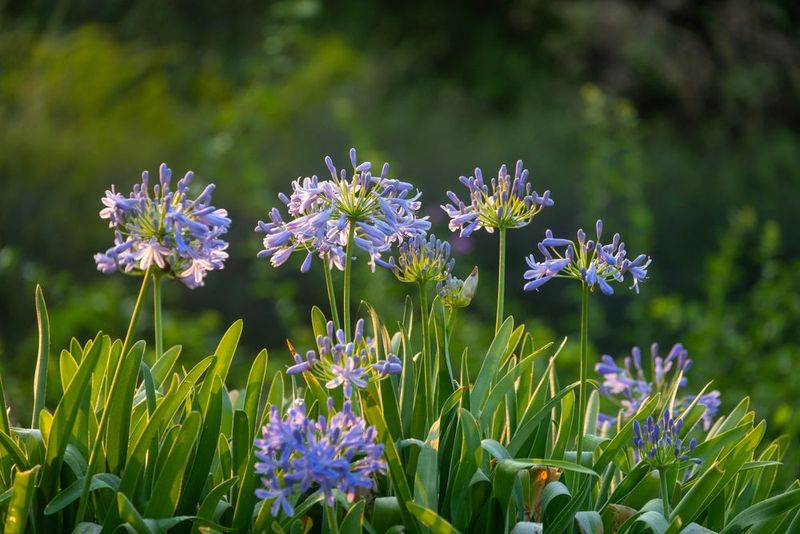
Lily-of-the-Nile sounds far more exotic than it behaves. Agapanthus forms tidy clumps of strap-like leaves and sends up tall stems topped with globe-shaped flower clusters in blue, violet, or white.
Size stays manageable. Plants reach roughly two to four feet in height and spread one to two feet across, giving structure without turning into a hedge.
UF/IFAS includes it among herbaceous choices for drainfield landscaping, largely because the root system stays shallow and clump-forming. Roots stay put rather than running sideways in search of moisture.
Use it in small groups near the perimeter. Three or five plants clustered at a corner read as intentional design while leaving the bulk of the field open and accessible.
Fun detail: those flower heads can hold dozens of individual blooms, which explains why a single stem draws so much attention in June.
Planting requires only shallow holes sized to the root ball. No fill dirt, no deep tilling, no buried drip lines snaking across the area.
Once established, agapanthus tolerates Florida heat with occasional watering. Clumps thicken over several years and can be divided in spring if they outgrow their spot.
Trim spent stalks for tidiness. Beyond that, the plant mostly handles itself, which is exactly what you want above buried infrastructure.
8. Keep Trees And Shrubs Completely Off The Drainfield
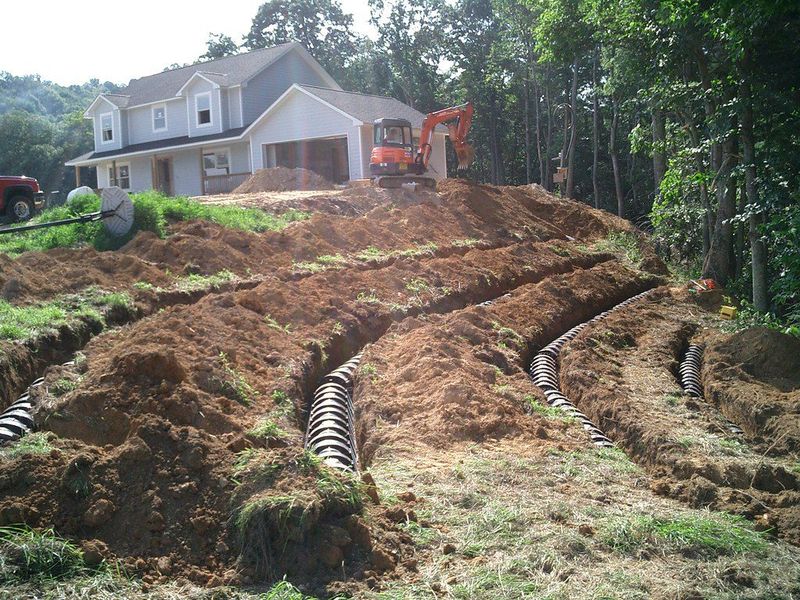
Tree roots are opportunists. They grow toward moisture and nutrients, and a drainfield offers both in steady supply, which makes it a magnet rather than a neighbor.
Once roots reach a pipe joint, they thicken, spread, and create clogs or cracks that lead to expensive repairs. Repair crews in Florida see this constantly.
Distance is your best defense. UF/IFAS guidance suggests keeping shrubs at least ten feet away from the drainfield and trees thirty to fifty feet away, measured from the field itself rather than the house.
Another useful rule of thumb: match the setback to the tree’s mature height or canopy width, whichever is greater. Aggressive species deserve the full fifty feet.
Species to keep well clear include palms, sea grape, saw palmetto, ficus, oaks, pines, willows, maples other than Japanese maple, birch, beech, elm, American sweetgum, ash, tulip trees, aspen, and Lombardy poplar.
Willows and poplars are especially notorious water seekers, while ficus roots have a reputation for lifting sidewalks, which tells you enough about their ambitions.
Existing trees near a field deserve monitoring. Slow drains, soggy patches, or unusually green streaks can hint that roots found their way in.
Plan new shade plantings on the opposite side of the yard. Your future self will appreciate the foresight.
9. Skip Bamboo And Pampas Grass Before Their Roots Take Over
Ask any landscaper about bamboo and watch the expression change. Running bamboo spreads through rhizomes just beneath the surface, moving fast and covering ground before anyone notices.
A drainfield can provide conditions that make bamboo’s spreading habit especially troublesome: loose soil, moisture, and plenty of room for rhizomes to travel.
The result is a thick, interwoven mat of underground stems. That mat blocks inspection access, interferes with drainage, and can compromise how the system functions.
Removal is brutal. Clearing established bamboo often means excavation, which is the last thing you want happening above buried pipes and gravel.
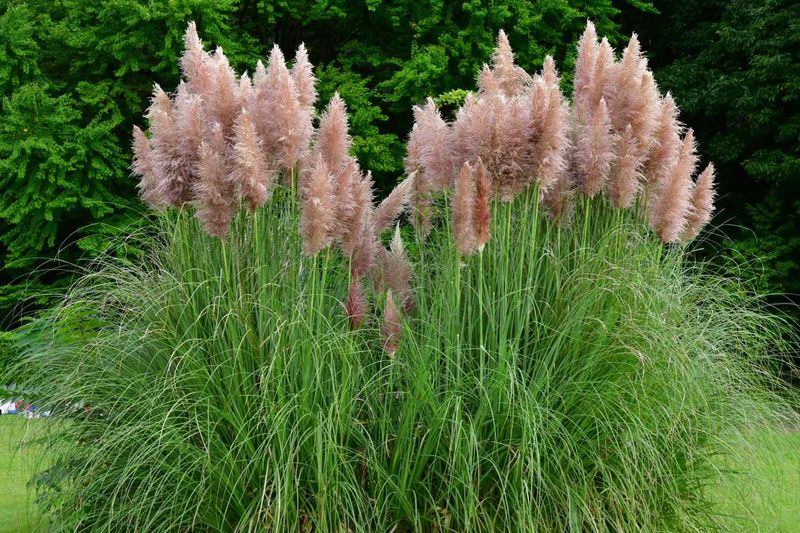
Pampas grass earns its place on the avoid list too. Those feathery plumes look dramatic along a driveway, but the plant develops deep, extensive roots and behaves aggressively once settled.
Size adds to the problem. A mature clump can reach eight to ten feet tall with a root mass to match, and the leaf edges are sharp enough to cut skin.
Both plants also create visual barriers that hide the field. Inspectors and pump-out crews need to locate access lids, and a wall of vegetation turns a routine service call into a scavenger hunt.
If you love the look, plant either one in a large container or far across the yard, well away from anything buried.