Invasive Plants Texas Gardeners Should Remove Before Winter
Fall is one of the most effective times to deal with invasive plants in Texas, and most homeowners never take advantage of it.
The season creates conditions that make removal more effective than summer efforts. Invasive plants spreading through your property right now are at a stage where acting now prevents next year’s problem from getting significantly worse.
Waiting until spring to deal with invasive plants means watching them get further established through the intervening months. Some produce seeds in fall that will be in the soil long before you pick up a shovel in March.
Here are the invasive plants Texas gardeners should prioritize removing before winter and exactly why the timing of each one matters.
1. Chinese Tallow
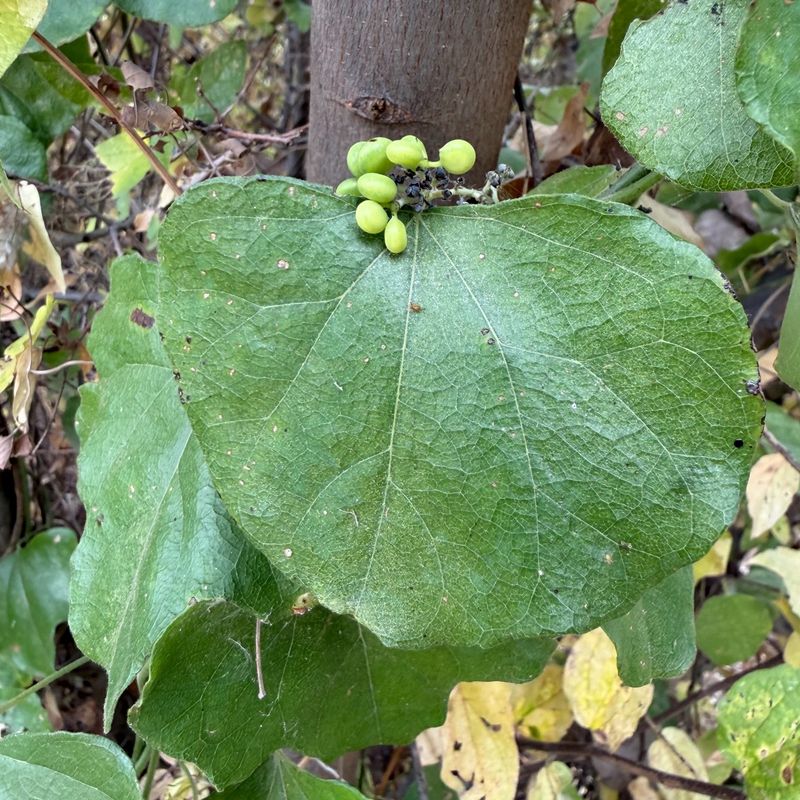
Bright fall color makes Chinese tallow tempting, but that beauty hides a big problem. The leaves turn fiery red and orange, which is why some folks once planted it as a shade tree. Sadly, it spreads fast and takes over land that native plants once called home.
You will often find this tree near creeks, ditches, and other damp spots. It produces waxy white seeds that birds carry far and wide. One tree can create dozens more before you even notice.
Left alone, tallow forms thick stands that block sunlight from smaller plants. It also changes the soil, making it harder for Texas natives to grow back. Wetter areas of East Texas suffer the most from its spread.
Fall is a good time to act because the colorful leaves make the tree easy to spot. Young seedlings pull out by hand when the ground is soft. For larger trees, cutting the trunk and treating the fresh stump works best.
Be sure to clean up any fallen seeds so new sprouts do not appear next year. Bagging the seeds keeps them from spreading to your neighbors. A little cleanup now saves a lot of work later.
Once the tallow is gone, you can plant a native shade tree like a Texas red oak or cedar elm. These choices give you fall color without the trouble. Your local wildlife will thank you too.
Removing Chinese tallow protects wetlands and keeps your yard balanced. It is one of the most rewarding cleanup jobs a Texas gardener can tackle before winter.
2. Chinaberry
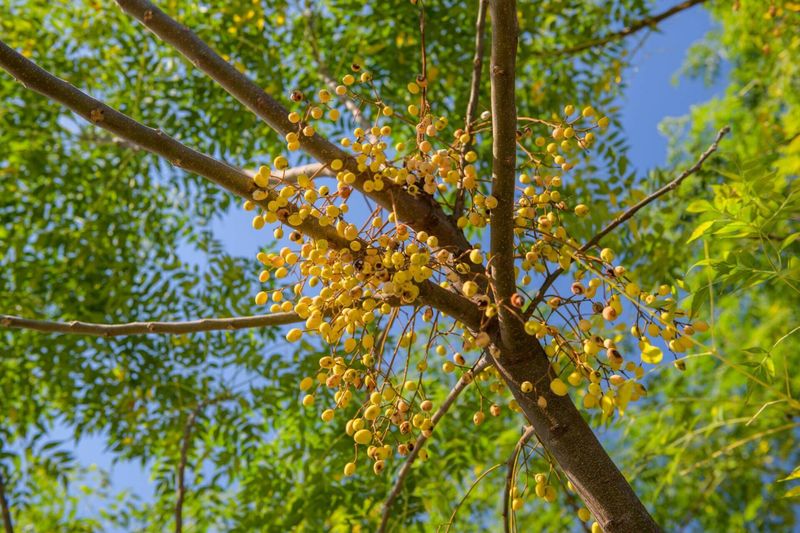
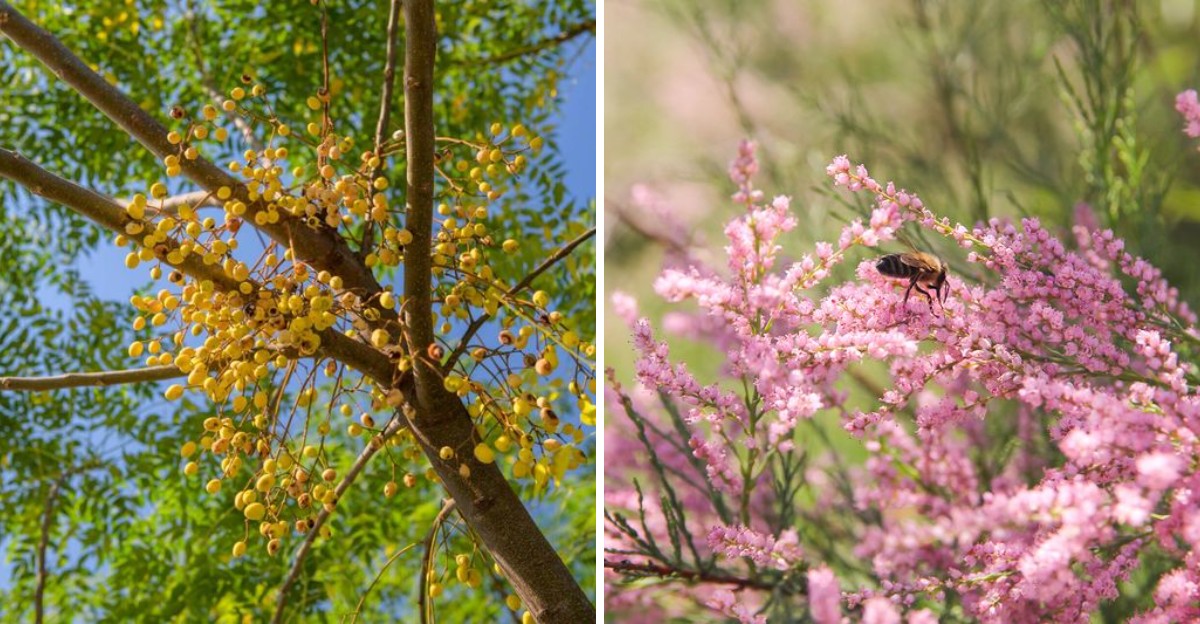
Sweet-smelling purple flowers in spring gave chinaberry its charm long ago. Settlers planted it for quick shade near homes and farms. Today it shows up in fields, fence lines, and forgotten corners all across Texas.
The tree grows fast and drops clusters of pale yellow berries. Birds eat the berries and scatter the seeds everywhere they go. Before long, young chinaberry trees pop up far from the parent.
Those seedlings grow quickly and crowd out native shrubs and grasses. A single mature tree can send out huge numbers of seeds each season. That is how one backyard tree turns into a whole thicket.
Autumn gives you a clear chance to stop the cycle. Pulling small trees while they are young keeps them from ever making seed. The roots come up easier when the soil holds a little moisture.
Your Texas Garden Changes Every Week. Your Plan Should Too.
Gardening in Texas changes quickly throughout the season. Every Friday you’ll receive a simple weekly plan showing exactly what to plant, prune, fertilize, harvest, and protect so you never miss the right timing.
For bigger trees, cut them low and treat the stump so they do not resprout. Rake up fallen berries and bag them for the trash. This simple step blocks the next generation from sprouting.
Keep an eye on the same area next spring in case any seeds sprouted. Quick action on new seedlings makes future cleanup easy. Staying ahead is the whole trick with this plant.
After removal, try planting a native Mexican plum or a possumhaw holly. Both offer flowers or berries that support local birds the right way. You get beauty without the invasion.
Clearing chinaberry before winter means fewer surprises come planting season. It is a small task with a big payoff for your yard and the land around it.
3. Chinese Privet
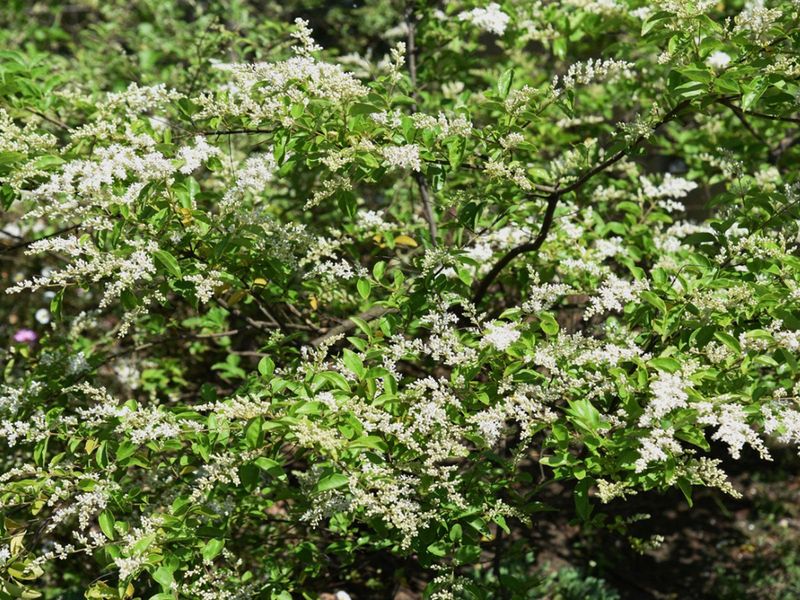
Many hedges in older Texas neighborhoods started as tidy privet borders. The problem is that this shrub refuses to stay put. Seeds spread from yards into woods, creeks, and open land nearby.
Chinese privet grows into thick tangles that block out everything below. Native wildflowers and tree seedlings cannot get the light they need. Whole patches of forest floor go bare beneath the shrubs.
Its dark blue berries feed birds, which then drop seeds across the countryside. That is how a single hedge becomes a wide invasion. The plant also resprouts easily, so it takes some care to remove.
Cooler fall weather makes the work more pleasant. Small plants tug out of soft ground with a good grip. Larger clumps may need a shovel or a weed wrench to loosen the roots.
For thick stems, cut them close to the ground and treat the cut stump. This stops the plant from bouncing back next spring. Removing berries first keeps birds from spreading more seed.
Watch the cleared spot over the next few months for new shoots. Pull any sprouts right away while they are still small. Consistency is what finally wins against privet.
Once the space is open, fill it with native yaupon holly or American beautyberry. Both make lovely hedges and feed local wildlife. You keep the privacy without the headache.
Tackling privet before winter clears the way for healthier plants next year. Your yard stays neat, and the nearby woods get a chance to breathe again.
4. Japanese Honeysuckle
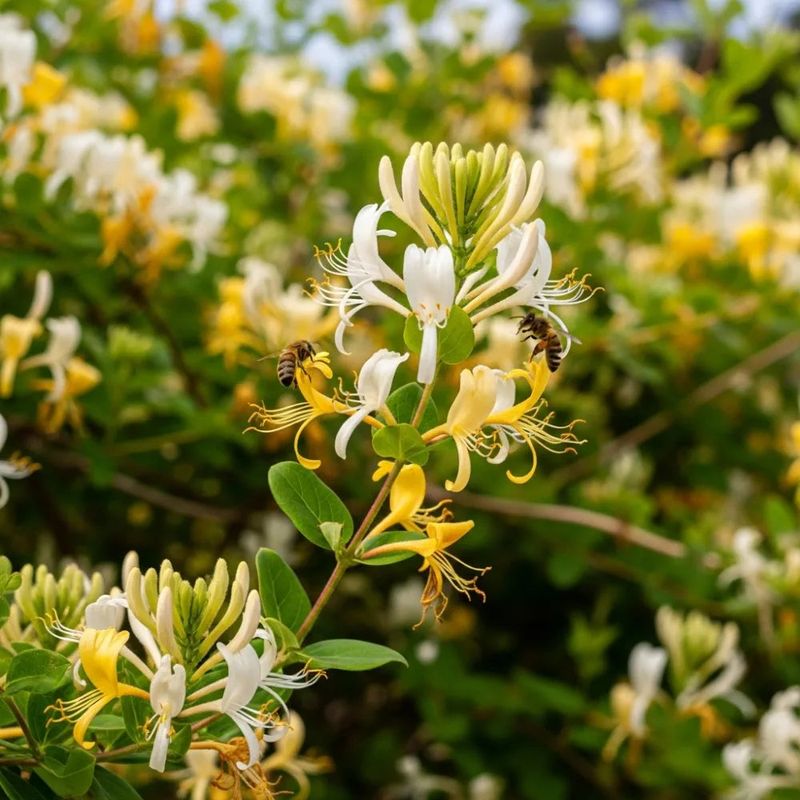
That sweet honeysuckle scent brings back childhood summers for many people. Kids love pulling the flowers to taste the tiny drop of nectar. Behind the sweetness, though, this vine causes real trouble in Texas.
Japanese honeysuckle climbs and sprawls with amazing speed. It wraps around shrubs and small trees, blocking their light. Over time, it can pull down fences and bury whole hedges.
The vine spreads by seed and by rooting wherever a stem touches the ground. One patch quickly becomes a thick blanket. Native plants underneath simply cannot compete.
Fall is a smart season to deal with established patches. The vine stays green longer than many plants, so it is easy to see. That makes tracing the stems back to the roots much simpler.
Start by pulling the vines off shrubs and trees by hand. Dig out the roots where you can, since bits left behind will regrow. For stubborn patches, cut the stems and treat the fresh cuts.
Gather up all the pulled vines and bag them so they do not reroot. Check the area again in a few weeks for new growth. Repeat pulling keeps the vine from taking hold again.
To fill the gap, plant native coral honeysuckle instead. It offers the same pretty tubular flowers and feeds hummingbirds. Best of all, it behaves nicely in your garden.
Clearing this vine before winter protects the plants you already love. A weekend of pulling now means far less tangled mess next summer.
5. Giant Reed (Arundo)
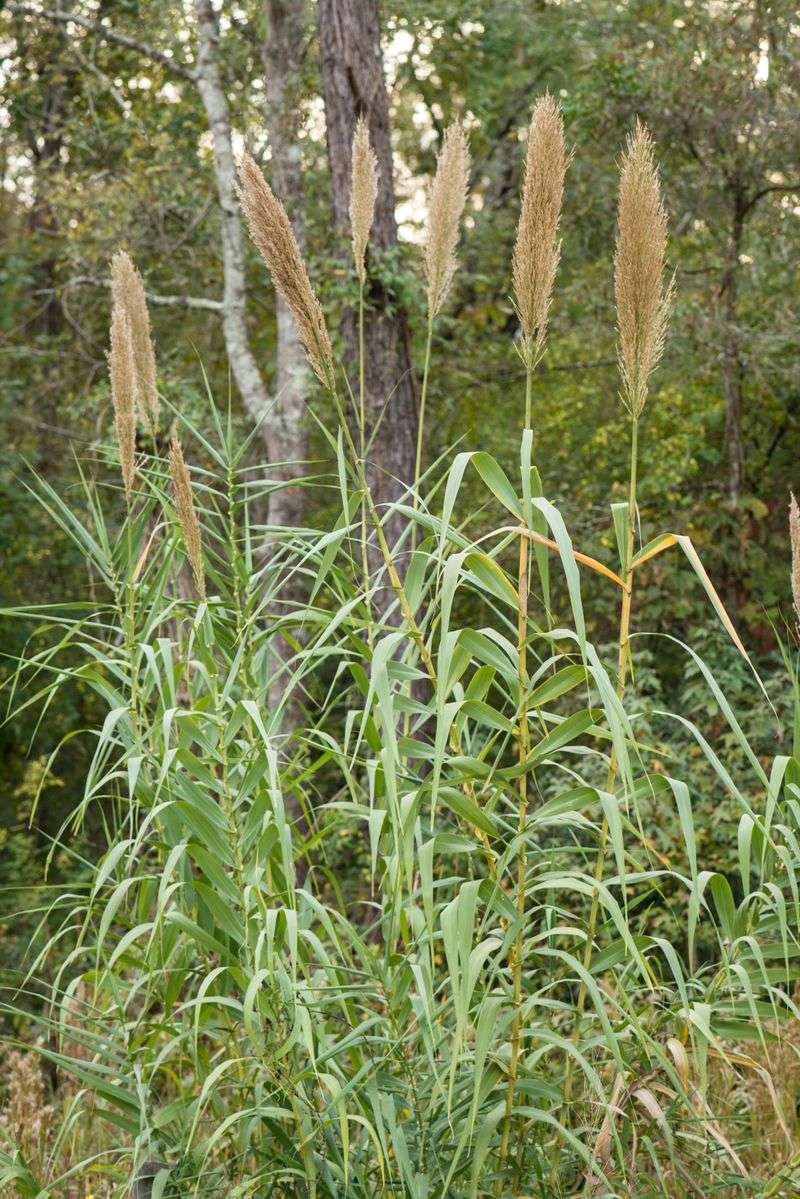
Standing taller than a house, giant reed looks almost like bamboo. It shoots up fast along rivers, ditches, and canals across Texas. Along waterways, it becomes one of the toughest invaders around.
This plant drinks huge amounts of water. That thirst lowers water levels that fish and wildlife need. In a state that often faces drought, that is a serious concern.
Giant reed grows in dense stands that push out native reeds and grasses. Its thick roots spread underground and along the water. Even small chunks of root can start a brand new patch.
Fall cleanup helps you get ahead of its spring surge. Cutting the tall canes down makes the patch easier to manage. Wear gloves, since the stalks can be tough and sharp.
After cutting, the roots need treatment to stop them from resprouting. Digging out roots works for small stands but takes real effort. For large patches, careful stump treatment is more practical.
Never toss cut pieces near water, since they float and take root downstream. Bag and dispose of all the plant material properly. This keeps the invasion from moving to new spots.
Once the reed is gone, native plants like switchgrass or bushy bluestem can return. These grasses hold soil and support wildlife along the banks. They also use far less water.
Removing giant reed protects Texas streams and the creatures that live there. It is a big job, but every patch you clear helps the whole watershed stay healthy.
6. Saltcedar
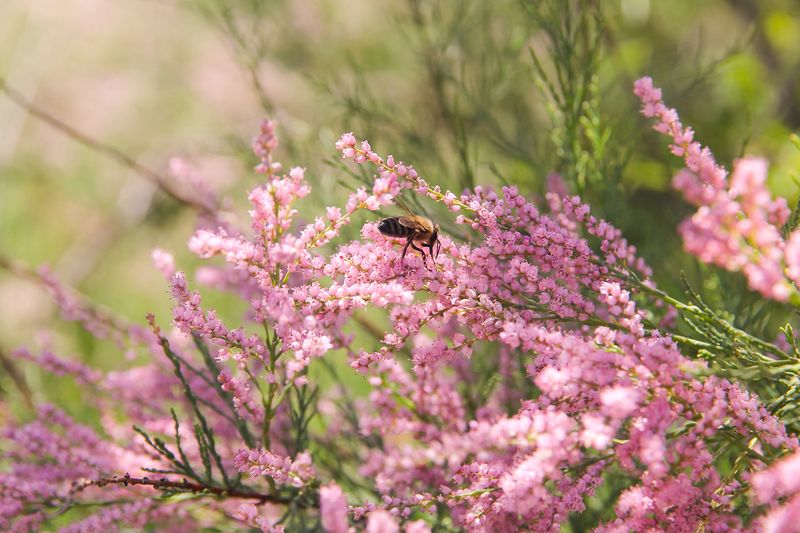
Feathery pink blooms make saltcedar look soft and harmless. Do not let the delicate flowers fool you. This shrub is a stubborn invader of Texas rivers and dry washes.
Saltcedar, also called tamarisk, loves wet and salty ground. It pulls salt up from the soil and drops it on the surface. That salty layer makes it hard for native plants to grow.
The plant forms dense thickets along riverbanks and lake edges. These tangles crowd out cottonwoods, willows, and other natives. Wildlife loses the food and shelter it once found there.
Cooler fall weather makes clearing saltcedar more comfortable. Small plants can be dug out roots and all. The roots run deep, so getting the whole thing matters.
For bigger shrubs, cut the trunk low and treat the stump right away. Saltcedar resprouts fast, so quick treatment is key. Skipping this step lets the plant bounce back stronger.
Haul away all the cut branches so they do not take root. Check the site again through the season for new sprouts. Steady follow-up is what finally clears a patch for good.
Replant the area with native black willow or seep willow if the spot stays moist. These plants stabilize banks and shade the water. They also welcome birds and other wildlife back.
Getting rid of saltcedar before winter helps restore healthy riverbanks. Even one cleared thicket gives native plants room to reclaim their space and thrive again.
7. Nandina (Heavenly Bamboo)
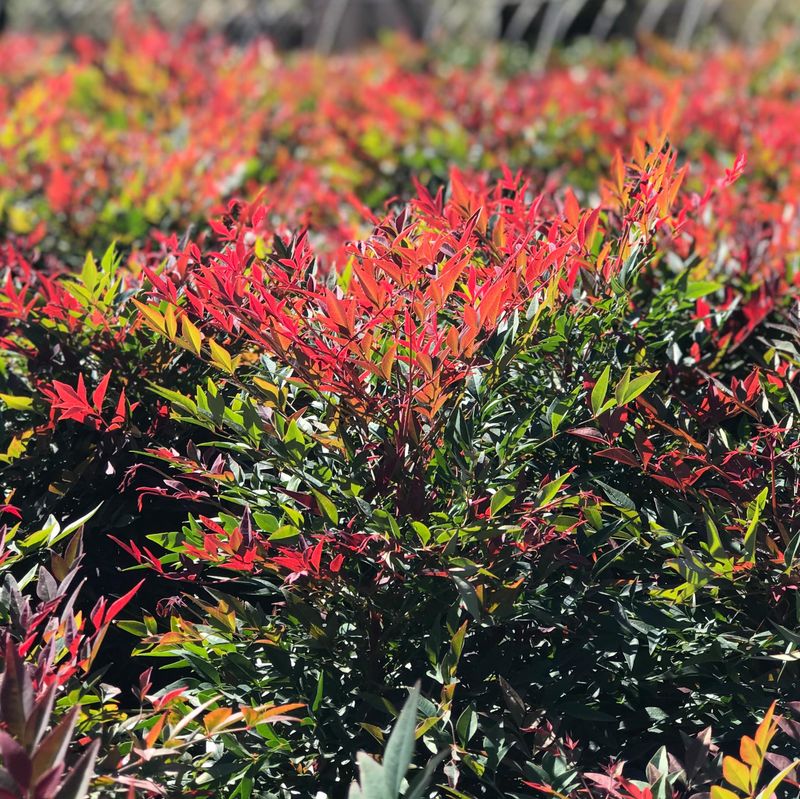
Garden centers still sell nandina as a pretty, easy shrub. Its lacy leaves and red berries brighten many Texas yards in winter. Yet wildlife experts warn that this popular plant causes real harm.
Nandina spreads from gardens into natural areas nearby. Birds eat the bright berries and carry the seeds far away. New plants then sprout in woods and fields where they do not belong.
The berries are also risky for certain birds that eat too many at once. That gives gardeners even more reason to remove the fruit. Clipping the berry clusters is a quick and helpful first step.
Autumn is the perfect time since the red leaves and berries stand out. You can easily spot every plant in your yard. That makes rounding them all up much simpler.
Young nandina pulls out of the ground with a firm grip. Larger clumps spread by underground runners, so dig wide to catch them. Any roots left behind may send up new shoots.
Bag the berries and roots so they cannot spread or regrow. Keep watching the spot for stray sprouts through the year. A little follow-up keeps nandina from creeping back.
For a safe swap, try native possumhaw holly or Barbados cherry. Both offer bright berries that feed birds without the danger. You keep the winter color you love.
Clearing nandina before winter protects local birds and wild spaces. Trading it for a native shrub makes your garden both beautiful and truly helpful to nature.