What You Should And Shouldn’t Do To Live Oaks Before Winter In Texas
A beetle smaller than a pencil eraser can carry fungal spores from one injured tree to another across a neighborhood. Those spores ride along after the insect sips sweet sap oozing from fresh cuts or cracked bark in Texas.
To my surprise, the trees most at risk are these giants that shade porches and picnic tables statewide. Their roots often graft together underground, so one sick tree can share trouble with nearby neighbors through the soil.
I have to admit, I used to grab my saw whenever a branch annoyed me, no matter the month. Nobody warned me that a careless cut or a stack of fresh firewood could invite serious problems.
Cooler weather gives Texas gardeners a smart window for care, but only when you know the right moves. So which habits help these beloved trees, and which ones quietly cause harm before the first frost arrives?
1. Prune Live Oak Branches During The Coldest Winter Weeks
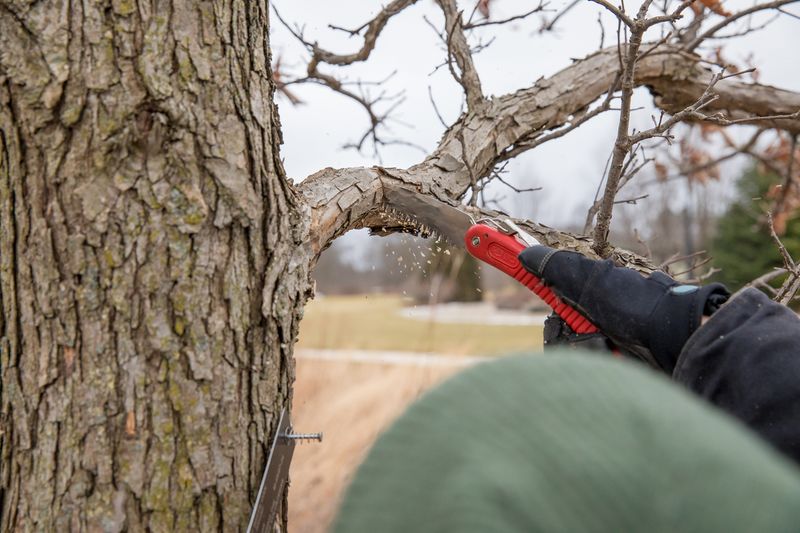
Winter is when I finally feel brave enough to pick up the pruning saw near my big oaks. The cold slows down sap beetles, and those tiny pests are the main ride for oak wilt spores.
Texas A&M Forest Service suggests avoiding live oak pruning from February through June, when spore mats and beetles peak.
That leaves the coldest weeks of December and January as a smart choice for most routine trimming jobs.
You might notice that many arborists book up quickly during this window, so call early if you need help. Large limbs over roofs or power lines deserve a certified professional with proper gear and insurance coverage.
Keep your goals modest when you trim, because live oaks rarely need heavy cuts to stay healthy. Removing broken limbs and branches that rub together matters more than shaping the crown into a neat ball.
Many experts recommend taking no more than about a quarter of the living canopy in one year. Overdoing it forces the tree to spend stored energy regrowing leaves instead of strengthening roots for spring.
Personally, I mark questionable branches with a ribbon in summer, then wait patiently for the chilly season.
That simple trick keeps me from making hasty cuts on a hot afternoon when beetles are buzzing around.
Emergency storm damage is the one exception, since hanging limbs can be dangerous and need quick attention. Make those repairs right away whatever the month, then follow the wound care steps in the next section.
2. Paint Every Fresh Live Oak Pruning Wound Right Away
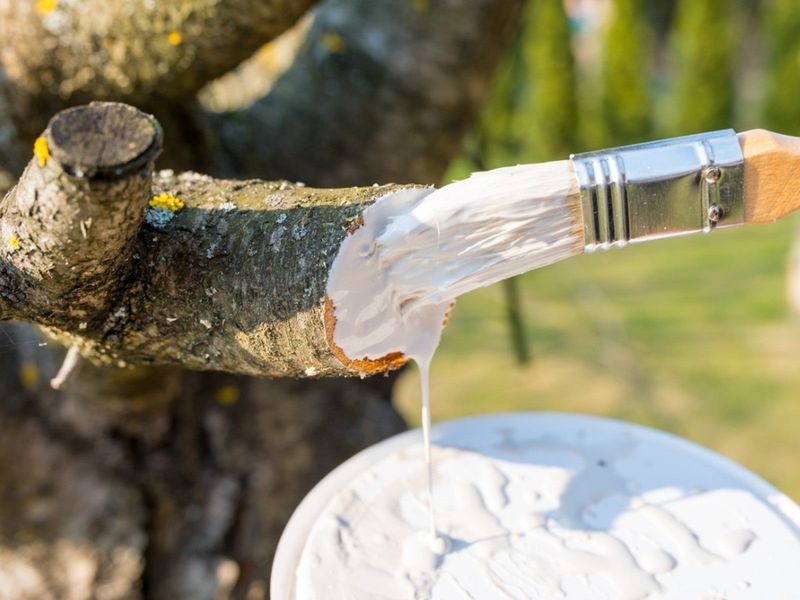
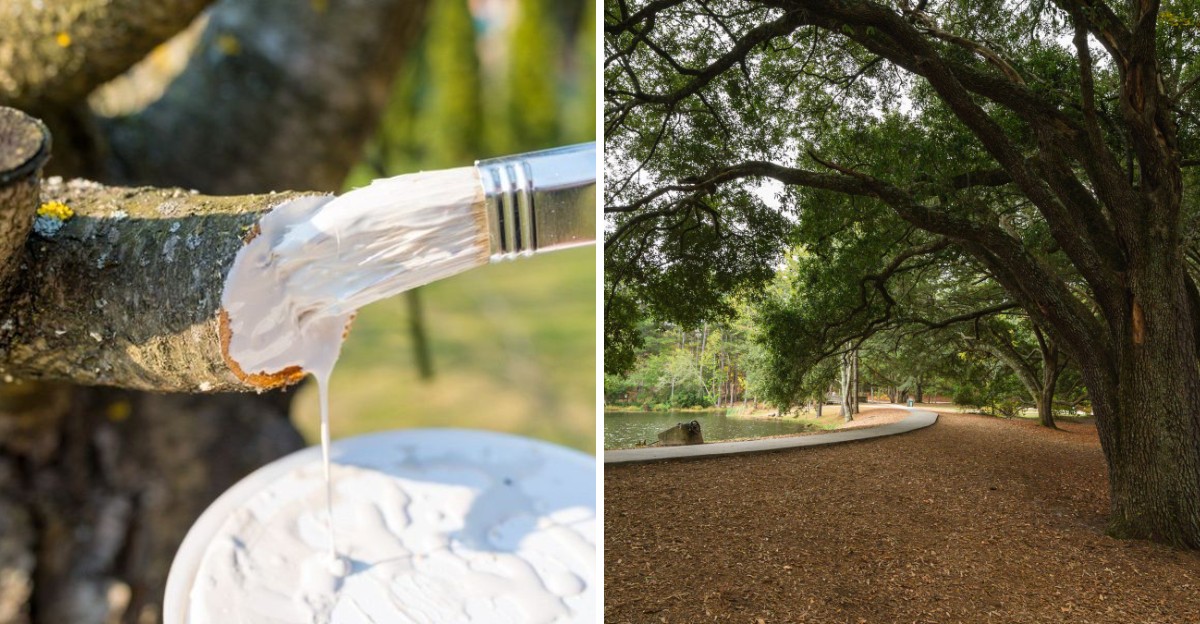
A fresh pruning cut smells sweet to a sap beetle, almost like a bakery sign glowing on a dark street. Painting that wound within minutes covers the scent and blocks the beetle from landing with fungal spores.
Texas A&M Forest Service recommends painting every live oak wound immediately, including cuts made during the safer winter months.
Accidental scrapes from lawn mowers deserve the same quick coat as the cuts you planned on purpose.
You need nothing fancy for this job, since ordinary latex paint or commercial wound dressing works well. I keep a small can and a cheap brush clipped to my pruning bucket so I cannot forget.
Interestingly, most other trees do not need wound paint, and many arborists skip it on maples or elms. Oaks are the special case because oak wilt is such a serious threat across much of central Texas.
Aim for a thin, even layer that covers the exposed wood and the ring of fresh bark edges. Thick globs are unnecessary and can trap moisture, so one light coat is plenty for the job.
Clean your tools between trees too, especially if you have been working near any oak that looks sick. A quick wipe with a disinfectant spray or diluted bleach solution helps keep spores from hitching a ride.
Believe it or not, this thirty-second habit may be the cheapest insurance your shade tree ever gets. Grab the paint before you grab the saw, and your future self will thank you every summer.
3. Give Thirsty Live Oak Roots A Slow Deep Soak

Fall rains in many parts of the state can be stingy, and thirsty roots notice long before you do. Dry soil heading into winter stresses trees, especially when a hard freeze arrives on top of drought.
I like to check moisture by pushing a long screwdriver into the ground beneath the canopy edge. If it stops hard after just a few inches, your live oak would probably appreciate a long drink.
Most of the feeder roots spread near the drip line and beyond, not tight against the trunk. Lay a soaker hose in a wide circle out there and let it run slowly for an hour or two.
Deep, infrequent soakings encourage roots to grow downward, where moisture lingers longer between those rare rainy spells.
Light daily sprinkles mostly wet the surface and evaporate before they reach the roots that really matter.
Young trees planted within the last two or three years need extra attention through dry winter stretches. Their root systems are still small, so a weekly soak during droughts can make a big difference.
Watering before a forecasted freeze also helps, because moist soil holds warmth better than dusty dry ground. Just skip the hose when the ground is already soggy, since soggy soil can suffocate tender roots.
You’ll love how easy this is once you set a phone reminder during long stretches without rain.
Follow any local watering restrictions too, because many cities limit irrigation days during serious drought conditions.
4. Spread Hardwood Mulch Under The Live Oak Canopy

Fallen leaves crunching under your boots are free treasure, and your oak would gladly take them back. A blanket of mulch keeps roots cozier on frosty nights and holds moisture after every bit of rain.
Spread a layer about two to four inches deep, reaching outward toward the drip line if possible. Shredded hardwood or chopped leaves both work nicely, and they slowly feed the soil as they break down.
Leave a gap of several inches between the mulch and the trunk, like a donut around the tree. Piling mulch against bark creates a soggy hiding spot for insects and fungi that love constant moisture.
I truly believe mulch volcanoes are the most common landscaping mistake I spot in neighborhood yards. They look tidy at first, but they slowly harm the root flare and invite rot around the base.
Mulch also replaces grass beneath the canopy, which means less competition for water and nutrients near roots.
Fewer mowers rolling close to the trunk also means fewer accidental wounds that could attract beetles.
Live oak leaves themselves are safe to use as mulch, since oak wilt does not spread through dry leaves. Rake them out from the lawn and tuck them around the root zone instead of bagging them up.
Refresh the layer about once a year as the bottom portion slowly decomposes into rich, dark soil. Your tree gets slow nourishment, and you save money on yard waste bags every single fall.
5. Skip Fall Fertilizer On Your Live Oak Trees

Feeding a tree right before winter feels generous, yet it can backfire in a surprisingly sneaky way. High nitrogen pushes soft new shoots that have little time to toughen up before the first freeze.
Those tender leaves and twigs often get scorched by cold snaps, leaving brown tips across the crown.
The tree then spends precious energy repairing that damage instead of storing reserves for spring growth.
Personally, I put the fertilizer bag away once the summer heat breaks and nights start cooling down. Healthy, established live oaks in decent soil often need little or no fertilizer at all to thrive.
If you suspect a nutrient problem, a soil test from Texas A&M AgriLife Extension takes the guesswork out. Results show exactly what your soil lacks, so you avoid adding nutrients the tree does not need.
When feeding is truly needed, many experts suggest early spring as new leaves start pushing out.
A slow-release product spread under the canopy gives steady nourishment without a sudden burst of soft growth.
Watch for lawn fertilizers spread near the tree too, since roots happily absorb whatever lands on the grass.
Weed-and-feed products can be especially risky because some herbicides harm trees through their wide root systems.
Interestingly, a simple layer of decomposing mulch often feeds roots more gently than any bag of chemicals. Let nature handle the winter menu, and save any feeding plans for when spring warmth returns.
6. Keep Trucks And Foot Traffic Off Live Oak Roots
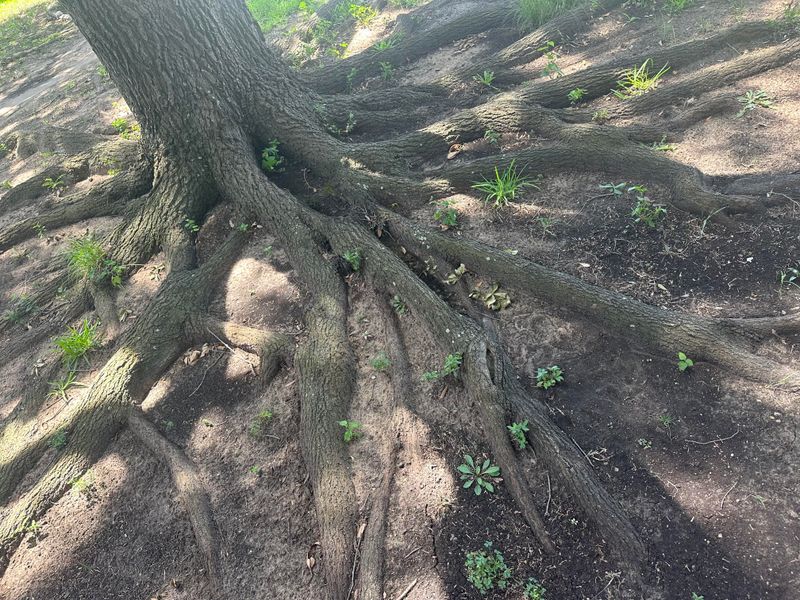
Roots breathe, which surprised me the first time I learned that soil needs tiny air pockets to work. Heavy feet and tires squeeze those pockets shut, leaving roots gasping for oxygen beneath a hard crust.
Most live oak roots grow in the top foot or so of soil, spreading well beyond the canopy. That shallow network is easy to crush when holiday guests park on the lawn or trailers roll across.
Winter projects like patio work or fence building often bring wheelbarrows and equipment right under the branches.
Before work starts, mark a protection zone with temporary fencing around the drip line of each tree.
You might notice thinning leaves or slow growth years later, since compaction damage tends to show up gradually. By then, the cause is easy to forget, so prevention is far simpler than trying to fix it.
Avoid piling extra soil or construction materials over the root zone, even for just a few days. Adding fill dirt can smother roots as badly as a parked truck sitting there for weeks.
If an area is already packed hard, a certified arborist can loosen it with air tools or vertical mulching. Those methods open channels in the soil and refill them with compost so water and air move again.
I can’t imagine trading a century-old shade tree for a convenient parking spot or a quick shortcut. Lay a stepping stone path instead, and guide foot traffic gently around the roots you want to keep.
7. Cover Fresh Red Oak Firewood Near Your Live Oaks
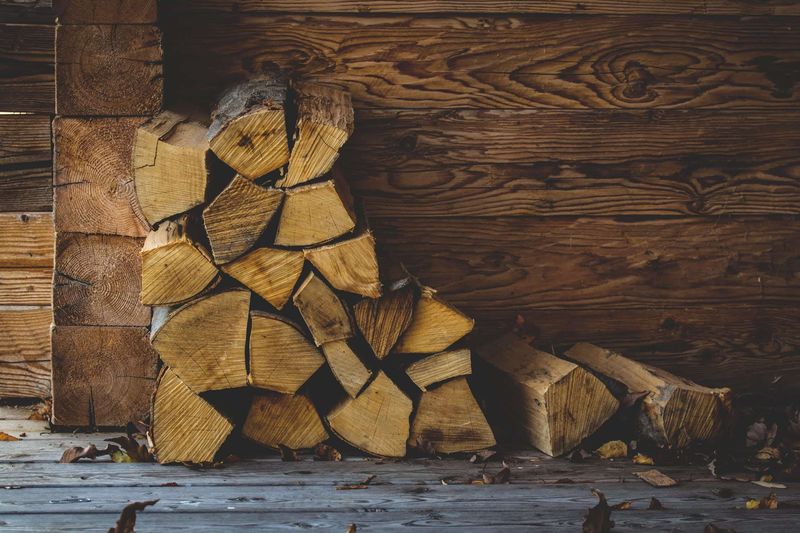
That neat stack of firewood by the back door could be hiding a surprise you really do not want. Freshly cut red oaks infected with oak wilt can grow fungal mats under the bark that smell fruity.
Sap beetles crawl into those mats, pick up spores, and then fly off searching for fresh tree wounds. A single infected pile placed near healthy live oaks can start a brand-new disease center in your yard.
Buy firewood from sources you trust, and ask whether it came from oaks that declined from disease. Well-seasoned wood usually feels light and shows loose bark with deep cracks across the cut ends.
Wood that has dried for a full summer is generally considered low risk, because the fungus struggles in dry wood.
Avoid hauling unknown oak firewood across long distances, especially from areas with active oak wilt problems.
If you already have green oak wood, Texas A&M Forest Service suggests covering it tightly with clear plastic. Bury the edges in soil so beetles cannot sneak in, and leave it covered through the following spring.
That sealed cover keeps insects away from any fungal mats while the wood dries out over the months. Stack the pile in a sunny spot well away from your oaks for an extra margin of safety.
Burning firewood on chilly evenings is one of my favorite winter rituals, and it can stay worry free.
A little planning keeps your fireplace glowing and your beloved live oaks standing strong for decades ahead.