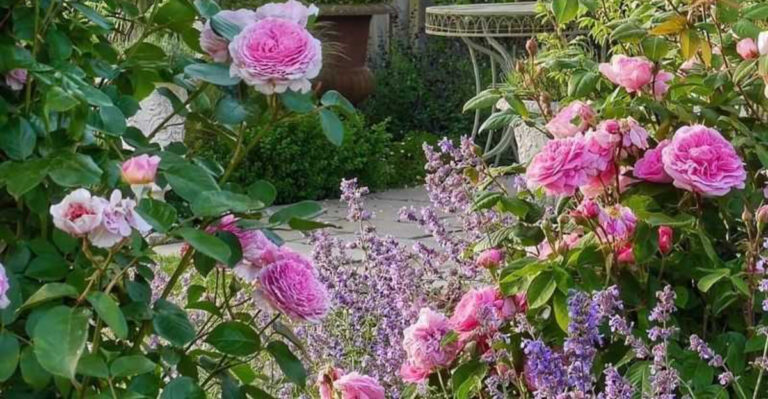
8 Vegetables New Jersey Gardeners Still Have Time To Plant This Fall
Labor Day misleads you about the season being over. Frost forgets your New Jersey garden until mid or late October. Warm soil beneath your boots keeps working long after summer fades.
Tired tomato vines can retire, and still claim your credit. Cooler nights sweeten crops you haven’t even planted yet. Empty garden beds right now overlook weeks of your prime time.
New Jersey hands you a hidden window gardeners rarely notice. Each day you pause costs flavor and yield. Certain crops taste better once cold air reaches your garden.
You hold more time than you think you do. Stepping back doesn’t suit you this early in the fall. This stretch of weeks belongs entirely to you. Act now, and October rewards your patience fully.
Pausing early hands away flavor you can’t reclaim later. Growth continues here whether you watch or not. Your next move decides exactly what this harvest becomes.
1. Spinach For Sweet Cold Weather Greens
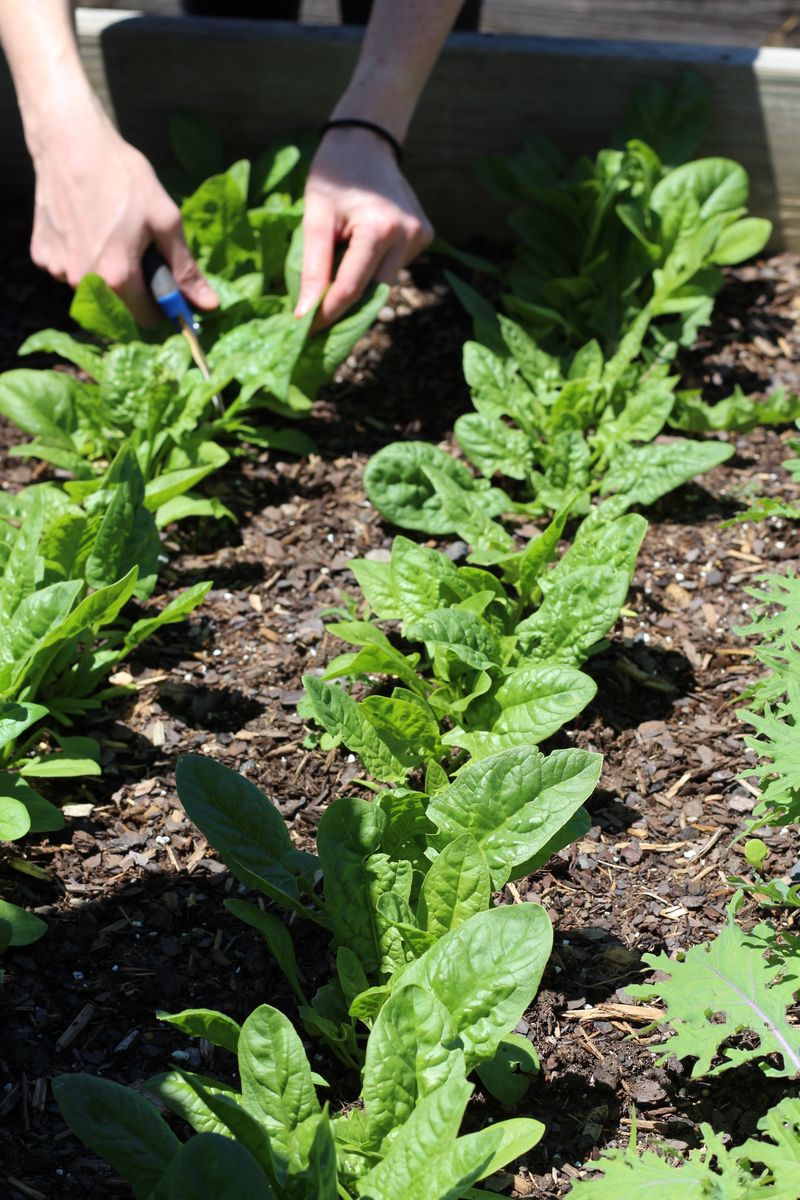
Few crops handle a New Jersey autumn as gracefully as spinach does in September. Seeds germinate in cool soil that would make summer lettuce curl up and sulk.
Sow seeds about half an inch deep, spacing them two inches apart in loose soil. Rows planted now in Bergen or Burlington County can produce tender leaves by late October.
Cold weather actually improves the flavor, because the plant stores sugar to protect its cells. Leaves picked after the first light frost taste noticeably sweeter than anything from July.
Water the bed regularly for the first two weeks, since dry seeds simply sit there. Once the seedlings have four leaves, thin them so each plant gets breathing room.
Varieties like Bloomsdale Long Standing and Space handle chilly nights without much fuss at all. Smooth leaf types rinse faster, while savoyed types hold up better in soups.
A simple row cover or old bedsheet stretched over hoops adds several weeks of protection. Many gardeners here overwinter small plants and harvest again during the first warm March week.
Harvest the outer leaves first and leave the center crown alone to keep producing. One well tended bed can feed a family salads through November without replanting anything.
Skip fertilizers heavy in nitrogen this late in the season. A shovel of compost worked in before sowing handles the job.
Fun fact: spinach is believed to have reached Europe through Spain, likely brought by Moorish farmers centuries ago. Your backyard patch carries a longer travel history than most of your relatives.
2. Radishes For A Fast Fall Harvest
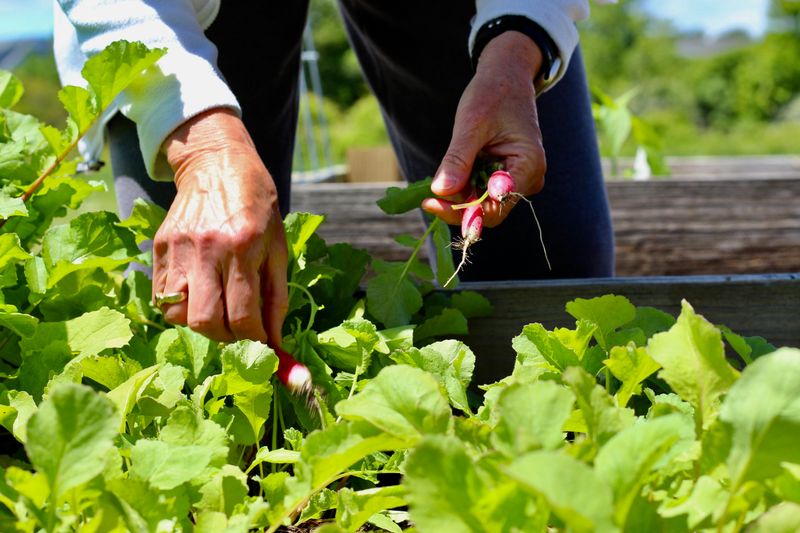
Three weeks from seed to snack is not an exaggeration with certain radish varieties. Impatient gardeners and bored kids both love that kind of instant gratification.
Cherry Belle, French Breakfast, and Easter Egg all mature quickly in cooling New Jersey soil. Seeds go in half an inch deep with about an inch between them.
Fall roots grow crisper and milder than spring ones, since heat is what makes them harsh. September plantings rarely turn woody or unpleasantly spicy the way June plantings often do.
Your New Jersey Garden Changes Every Week. Your Plan Should Too.
Gardening in New Jersey changes quickly throughout the season. Every Friday you’ll receive a simple weekly plan showing exactly what to plant, prune, fertilize, harvest, and protect so you never miss the right timing.
Thin the seedlings ruthlessly once they reach two inches tall, no matter how guilty you feel. Crowded radishes produce lush tops and disappointing little roots the size of pencil erasers.
Steady moisture matters more than fertilizer, because uneven watering causes cracked and hollow roots. A light mulch of shredded leaves keeps the bed evenly damp during dry spells.
Try sowing a short row every ten days through early October for a steady supply. Winter types like Daikon and Watermelon radish need longer, roughly fifty to sixty days.
Radish greens are edible too, tasting peppery when raw and mild when cooked with garlic. Tossing them into the compost overlooks an edible part most gardeners skip.
Pull the roots as soon as they size up, rather than leaving them for later. Overgrown radishes turn spongy inside and lose the snap that makes them worth growing.
According to ancient accounts, Egyptian workers ate radishes while building the pyramids, though historians dispute the source. Your salad has surprisingly impressive credentials.
3. Garlic For A Big Summer Payoff
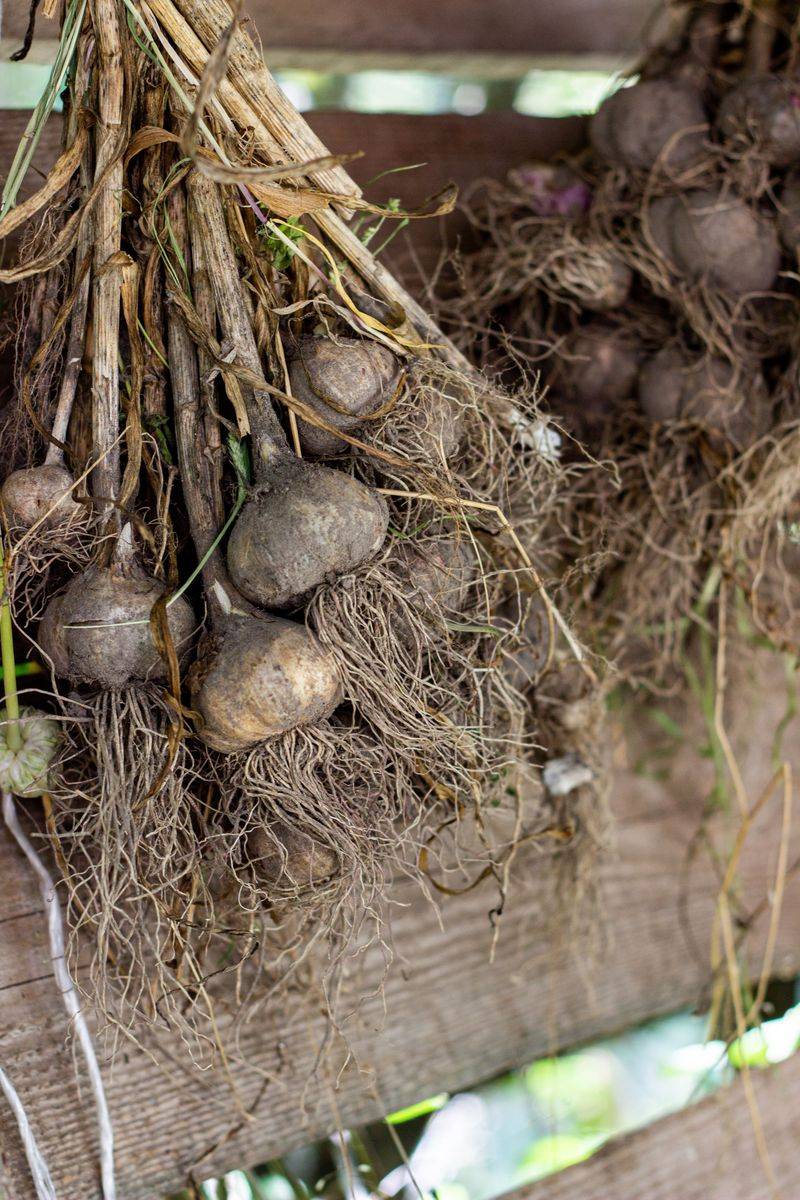
Patience pays here, because garlic planted this fall will not be harvested until July. Gardeners who try it rarely skip a year.
Mid October through early November is the sweet spot across most of New Jersey. Cloves need several weeks to grow roots before the ground freezes solid.
Hardneck varieties such as Music and German Extra Hardy suit our winters especially well. Softneck types store longer but sometimes struggle through a harsh Sussex County cold snap.
Break the bulb apart right before planting, keeping the papery skin on each clove. Set them pointy end up, two inches deep, and six inches apart in rows.
Grocery store garlic often carries disease and gets treated to prevent sprouting. Buying seed garlic from a local farm or seed company gives far better results.
Cover the bed with four inches of straw or shredded leaves after planting. Mulch prevents the freeze and thaw cycle from pushing cloves out of the soil.
Green shoots appear in March, and hardneck plants send up curly scapes in June. Snap those scapes off, cook them like green beans, and the bulbs grow bigger.
Harvest when the lower third of leaves turn brown, then cure bulbs in shade. Properly cured garlic hangs in a cool basement well into the following winter.
Label your rows clearly, since spring garlic shoots look a lot like stray grass. More than one gardener has weeded out an entire crop by accident.
One pound of seed garlic can yield five or six pounds next summer. Few garden investments return that generously.
4. Kale For Frost Kissed Winter Flavor
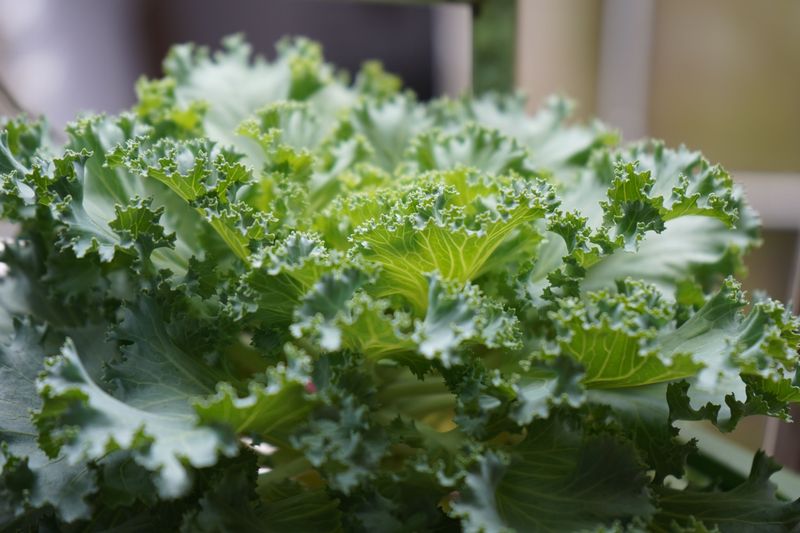
Kale gets mocked as a health food cliche, yet fall gardeners know its real secret. Cold turns bitter leaves sweet, and no store bunch matches that flavor.
Transplants set out in early September establish faster than seeds this late in the year. Garden centers around the state usually stock small plants right through the month.
Space plants eighteen inches apart, because a mature kale plant spreads wider than beginners expect. Crowded rows invite aphids and mildew when humid September weather lingers.
Lacinato, also called dinosaur kale, has bumpy dark leaves perfect for soups and chips. Red Russian grows tender and sweet, while Winterbor shrugs off serious cold.
Harvest from the bottom up, snapping off outer leaves and leaving the growing tip. Treated this way, a single plant keeps producing for months on end.
Cabbage worms remain active in early fall, so check the undersides of leaves weekly. Lightweight row cover keeps the white moths from laying eggs in the first place.
Water deeply once a week rather than sprinkling lightly every day. Deep roots handle November wind and dry cold far better.
Plants often survive New Jersey winters under a blanket of snow and leaf mulch. March brings fresh growth before most gardeners have even ordered their seeds.
Massaging chopped leaves with olive oil and salt softens them for raw salads. Two minutes of effort turns a chewy leaf into something genuinely pleasant.
Kale belongs to the same species as broccoli, cabbage, and Brussels sprouts. Centuries of selective breeding turned one wild plant into an entire produce aisle.
5. Leaf Lettuce For Quick Salad Bowls
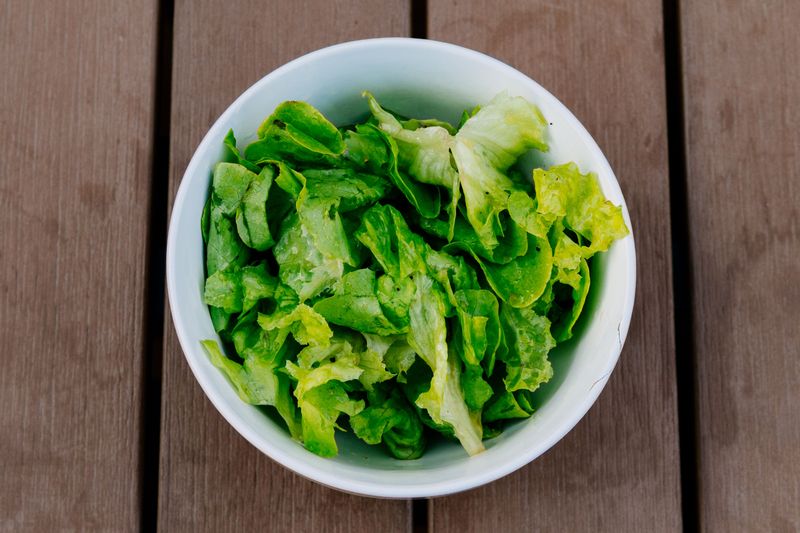
Head lettuce needs time, but loose leaf types are the sprinters of the salad world. Some varieties hand you a harvest in under thirty days.
Black Seeded Simpson, Salad Bowl, and Red Sails all perform reliably in autumn beds. Seeds sprout best when soil temperatures drop below seventy five degrees.
Scatter seed thinly and press it into the surface instead of burying it deep. Lettuce needs light to germinate, so a dusting of fine soil is plenty.
Containers work beautifully, and a pot on the deck can be dragged inside overnight. Window boxes near a warm brick wall stretch the season by a week or two.
Cut leaves with scissors an inch above the crown for a cut and come again harvest. Most plants regrow two or three times before autumn finally slows them down. Bitterness in lettuce comes from heat stress, which September evenings gradually soften.
Slugs love damp autumn nights, so keep mulch thin and water in the morning. A shallow dish of beer near the bed catches more of them than you would guess.
Interplant lettuce between slower crops like kale to use every inch of bed space. The quick crop finishes long before the big one needs the extra room.
Sow a final round by late September for October salads. After that, the shorter days slow growth to a crawl. Some Romans reportedly considered lettuce a sleep aid, later serving it at the end of dinner. Modern salad courses quietly flipped that tradition around.
6. Arugula For A Peppery October Punch
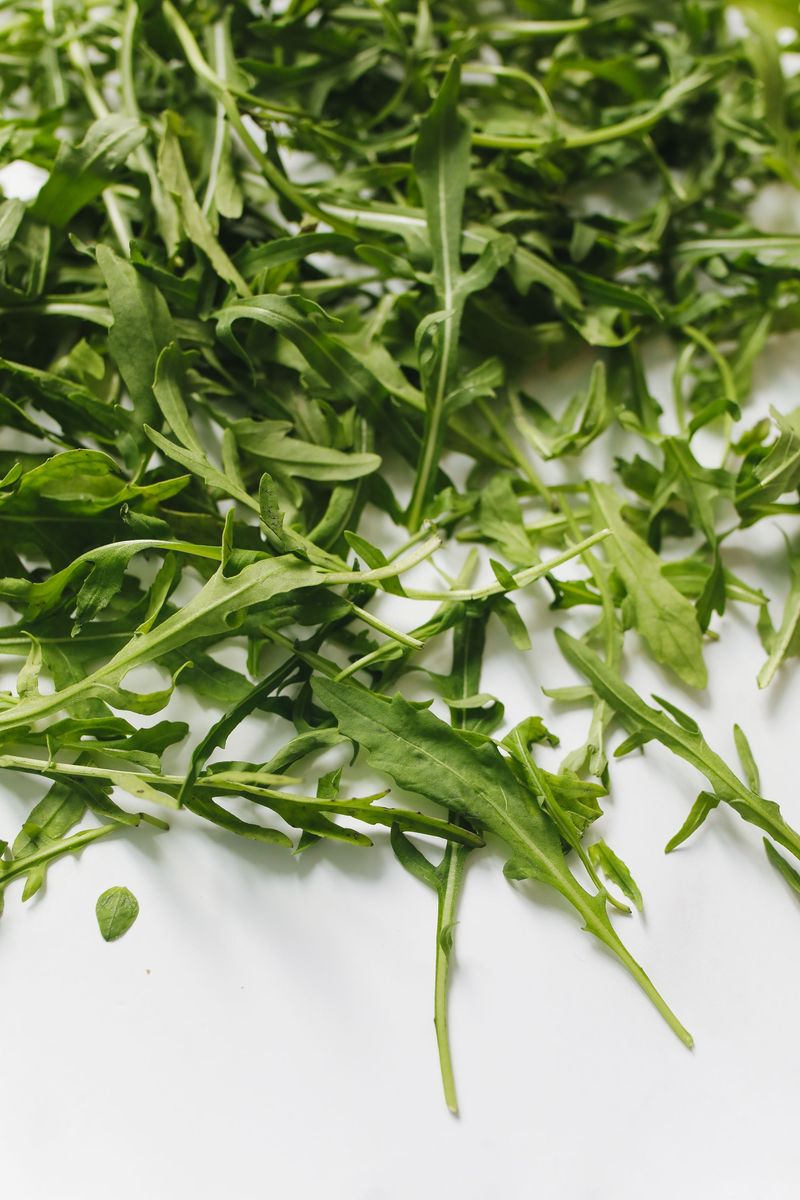
Some greens whisper, while arugula practically shouts from the plate. That peppery bite softens in cool weather, turning nutty rather than harsh.
Seeds germinate in cool soil that would stress summer lettuce and stunt its growth. Few crops reward last minute planting so generously.
Broadcast seed across a small patch rather than fussing with tidy rows. Arugula grows fine shoulder to shoulder, and crowding keeps the leaves tender.
Astro matures fastest, while wild types like Sylvetta grow slower with stronger flavor. Wild arugula also survives colder nights, often lasting deep into November here.
Flea beetles chew tiny shot holes in the leaves during warm early September days. Row cover laid directly over the bed stops them without any spray at all.
Soil rich in compost produces the mildest leaves and the fastest growth. Poor dry ground makes arugula taste like liquid pepper.
Pick leaves young, around three inches long, for the best texture and balance. Older leaves turn tough and take on a sharp mustard heat.
Once the plant bolts, the white flowers are edible and taste mildly peppery. Scattering them over pizza makes an ordinary Friday dinner look fancy.
A quick sowing every two weeks keeps fresh leaves coming until real cold arrives. Even a window box on a Hoboken fire escape produces enough for weekly salads.
Harvest in the morning when leaves hold the most water. Afternoon picking gives you limp greens. Italians have grown this green since Roman times, sometimes pairing it with bitter chicory, according to food historians. Your fall bed connects to a very old dinner tradition.
7. Turnips For Roots And Tasty Greens
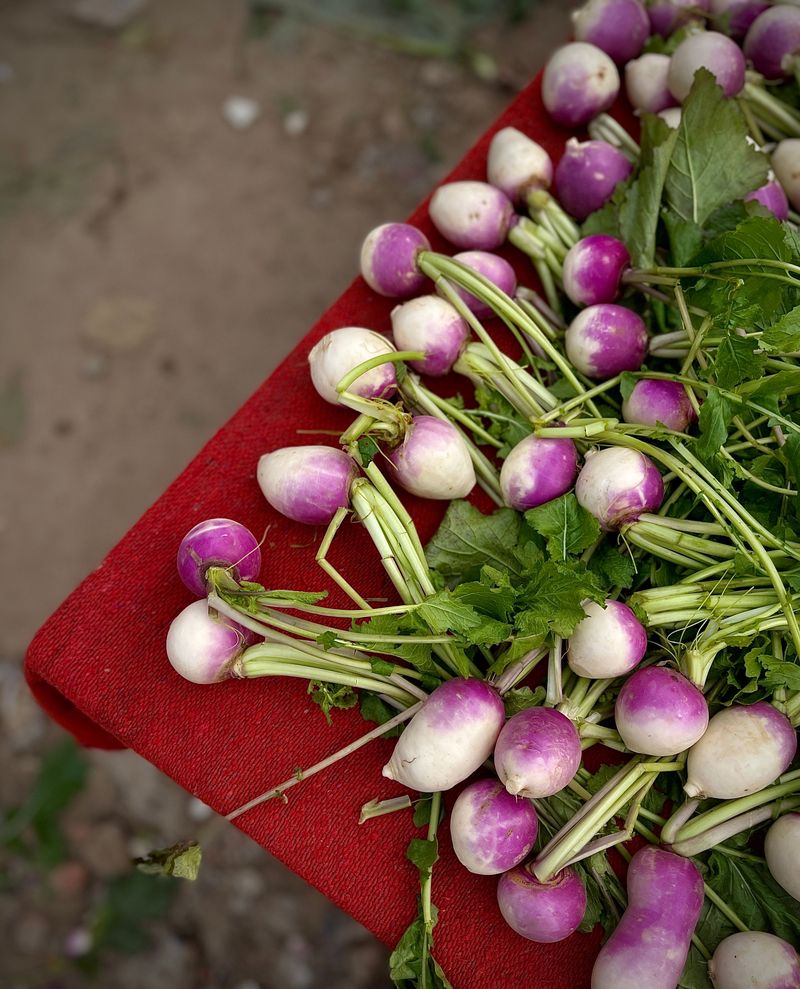
Two vegetables from one seed packet make turnips a bargain nobody talks about. Roots and greens both earn their keep in a small fall bed.
Hakurei, a sweet white salad turnip, matures in roughly forty days from sowing. Purple Top White Globe takes longer but stores well through winter.
Sow seeds half an inch deep and thin seedlings to four inches apart. Skipping the thinning step gives you leafy tops and marble sized roots.
Cool soil keeps the flavor mild, which is why fall turnips beat spring ones. Summer heat makes them fibrous and sharp enough to put off less adventurous eaters.
Young Hakurei roots taste sweet and juicy raw, closer to an apple than a potato. Slice them thin with a little salt, and most skeptics come around.
The greens cook down like mustard or collards, with a gentle peppery edge. Harvest a few outer leaves without disturbing the root growing below.
Light frost improves both parts of the plant by concentrating natural sugars. Roots left in mulched ground stay firm well past Thanksgiving in most counties.
Water consistently, since drought stressed roots split open once rain finally returns. A two inch mulch layer solves that problem with almost no effort.
Sow now through late September for a harvest before the ground hardens. October sowings usually yield greens only, which is still a fair trade.
Before pumpkins took over, Irish families carved lanterns out of turnips for Halloween. Those faces were reportedly far creepier than anything orange.
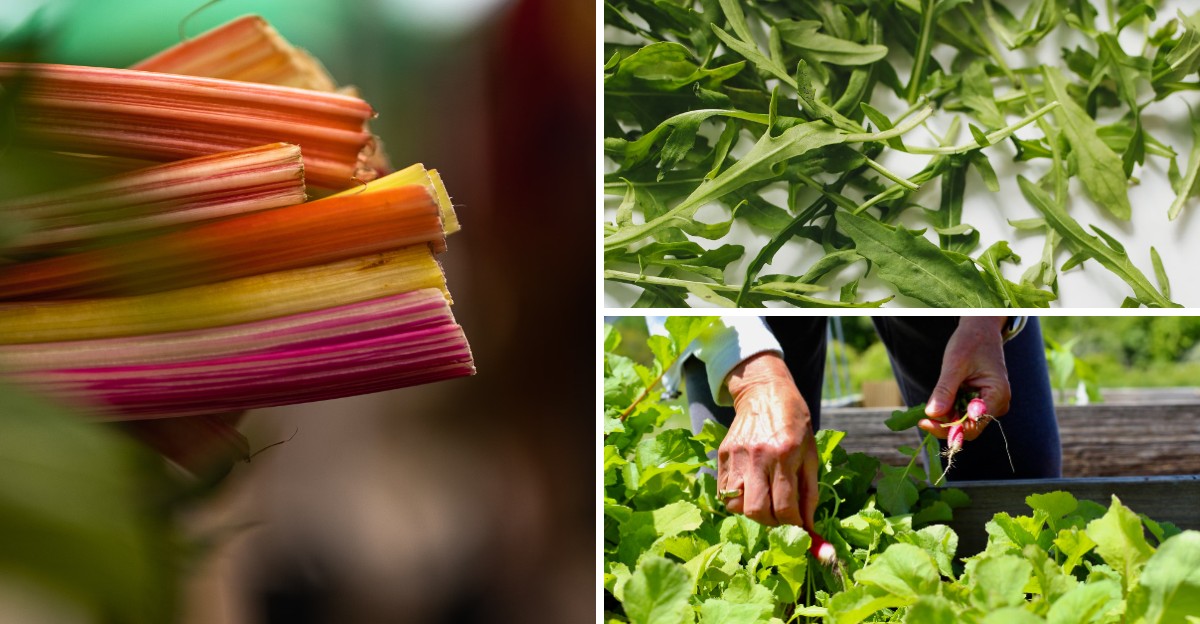
8. Swiss Chard For Colorful Late Season Stems
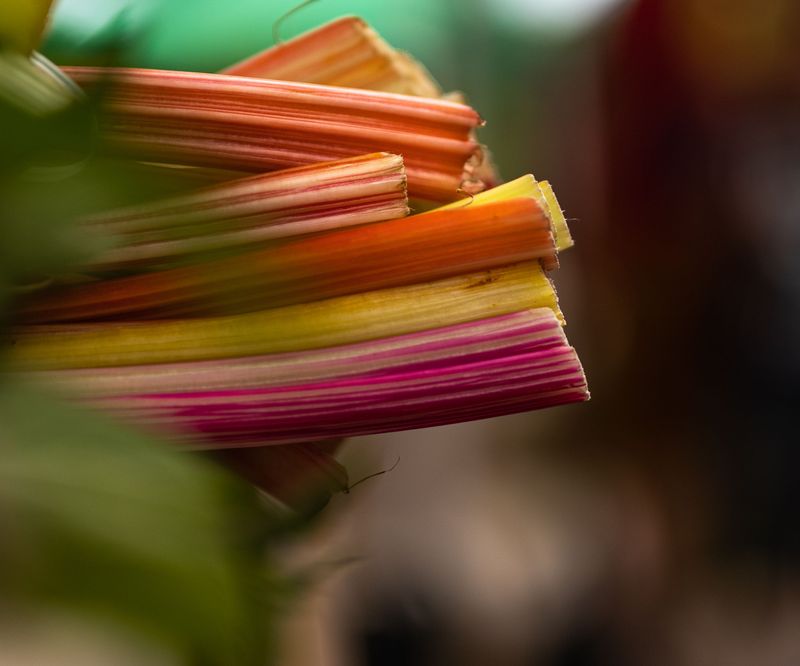
Neon pink, sunset orange, and bright yellow stems belong in a flower bed. Swiss chard just happens to be edible, which feels like cheating.
Bright Lights and Rainbow mixes bring color to gardens long after summer blooms fade. Fordhook Giant offers thick white stems and heavy leaf production instead.
Transplants are the smarter choice this late, giving you a three week head start. Seeds still work if sown during the first half of September.
Space plants a foot apart, because chard grows into a surprisingly large clump. Each one can produce leaves for four or five straight months.
Chard belongs to the beet family, though it was bred for leaves rather than roots. Tolerating both heat and cold makes it unusually flexible in our climate.
Cut outer stalks near the base and new growth keeps rising from the center. Leave a few center leaves in place so the crown can recover quickly.
Stems take longer to cook than leaves, so chop and start them a few minutes early. Treat the leaves like spinach and the stems like celery.
A light frost barely bothers established plants, and flavor deepens slightly afterward. Mulch around the base and many plants push through December in South Jersey.
Containers on a sunny patio work well if they hold at least three gallons. Colorful stems look striking against gray autumn afternoons.
Despite the name, the plant traces back to the Mediterranean, not Switzerland. A Swiss botanist named it, and the label simply stuck.