Should California Gardeners Pull Squash Vines Or Let Them Break Down In Place?
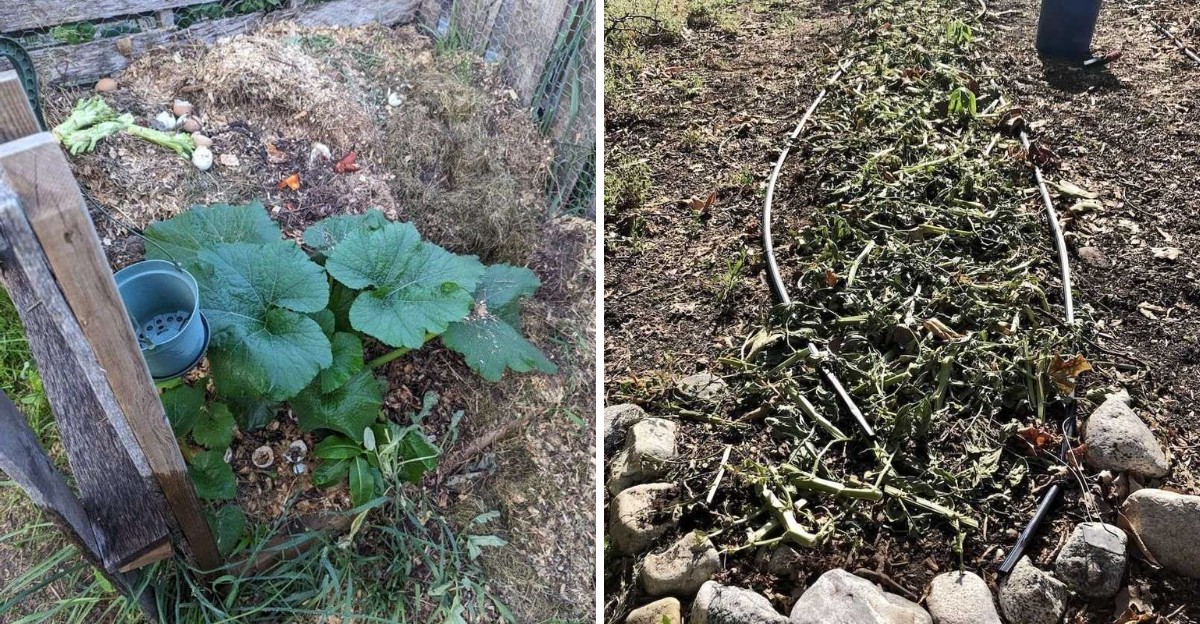
By late September, that zucchini plant that fed half the neighborhood is a sprawling mess of gray-spotted leaves draped across a raised bed in Sacramento.
Its owner is standing there with a wheelbarrow, wondering if hauling it out is really worth the effort compared to just leaving the whole thing alone.
Leaving it to rot in place sounds easier, and plenty of garden advice says decaying plants feed the soil naturally over time without much intervention.
Most gardeners assume any plant material breaking down in the bed automatically helps next year’s crop, never questioning what might be hiding inside that decaying mess.
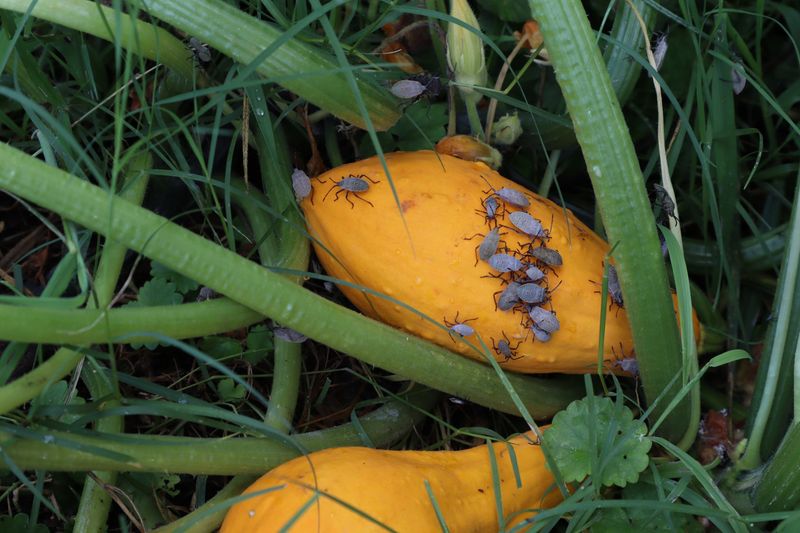
The catch is that squash vines are not ordinary garden waste, because they tend to carry powdery mildew spores and give squash bugs a cozy winter home.
1. Pulling Vines Removes Overwintering Pests
Think of a collapsed squash vine as a free hotel with no checkout time whatsoever built into the arrangement at all.
The tangled stems, curled leaves, and shaded soil underneath create exactly the kind of dry, protected pocket that insects look for when nights start cooling.
University of California IPM guidance on cucurbits points to garden sanitation as a basic step for reducing pest carryover from one season to the next.
Cleaning up spent plants takes away the shelter before insects settle in for the cold months ahead, cutting off their winter housing before it fills up.
Squash bugs are the headliner here, but they are not alone in seeking out this kind of shelter. Cucumber beetles and slugs also appreciate a damp mat.
Timing matters more than most gardeners realize when tackling this task. Removing vines soon after harvest ends, rather than waiting until December, denies pests their shelter.
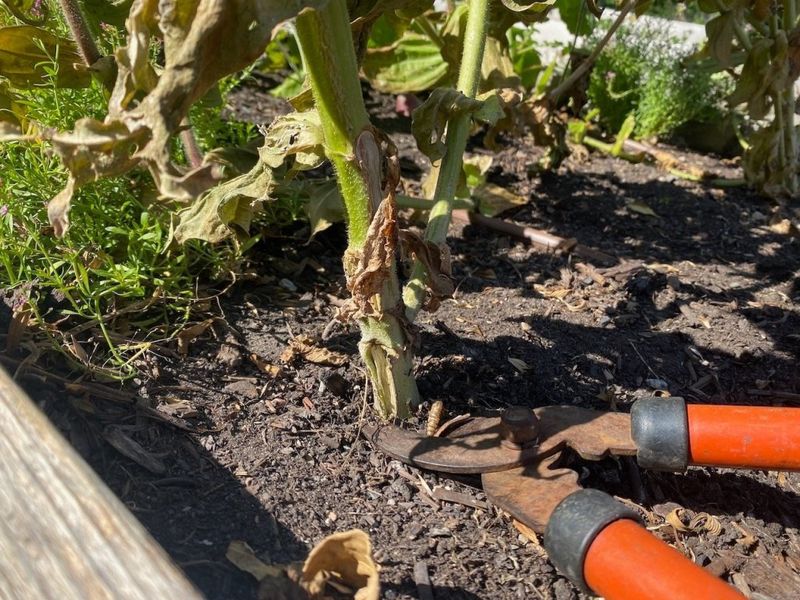
Practical approach worth following. Cut the vine at the base, roll it up like a rug, and lift the whole thing out in one piece.
Rake the area afterward too. Loose leaves and stem fragments hold heat and moisture near the soil surface, often sheltering more insects per square inch.
2. Powdery Mildew Spores Survive In Debris
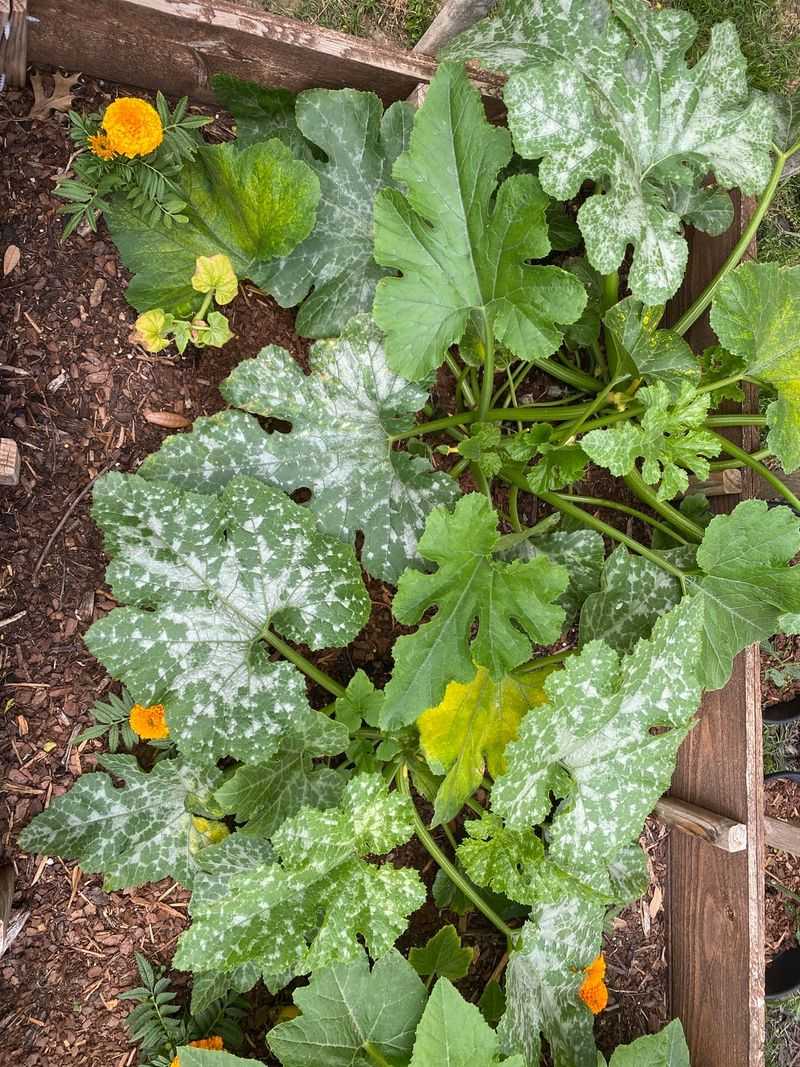
That white dust coating squash leaves by August is almost a rite of passage in California gardens, showing up nearly every single year regardless of care.
Powdery mildew thrives in the state’s warm days and cool, humid nights, and it shows up on cucurbits nearly every year without much exception.
UC Statewide IPM Program materials describe cucurbit powdery mildew as a pathogen that can survive on living plant material and plant debris left sitting around.
In mild-winter regions, the fungus does not necessarily need a hard freeze to be knocked back, unlike in colder states where winter does the job naturally.
Leaving infected vines lying on the bed keeps that fungal material sitting right where next year’s squash seedlings will go come spring planting time.
Even if much of it breaks down, the timing gap between fall decay and spring planting is often short in zones 9 and 10.
Worth flagging honestly here. Researchers note that airborne spores from outside the garden also contribute to infection, so removing debris is not a guarantee alone.
Your California Garden Changes Every Week. Your Plan Should Too.
Gardening in California changes quickly throughout the season. Every Friday you’ll receive a simple weekly plan showing exactly what to plant, prune, fertilize, harvest, and protect so you never miss the right timing.
A reasonable habit is to treat mildewed foliage the way anyone would treat a sick houseplant. Bag it, get it out of the area entirely.
Rotating where cucurbits grow each year adds another layer of protection alongside the basic cleanup work already covered above in detail.
3. Squash Bugs Shelter In Old Vines
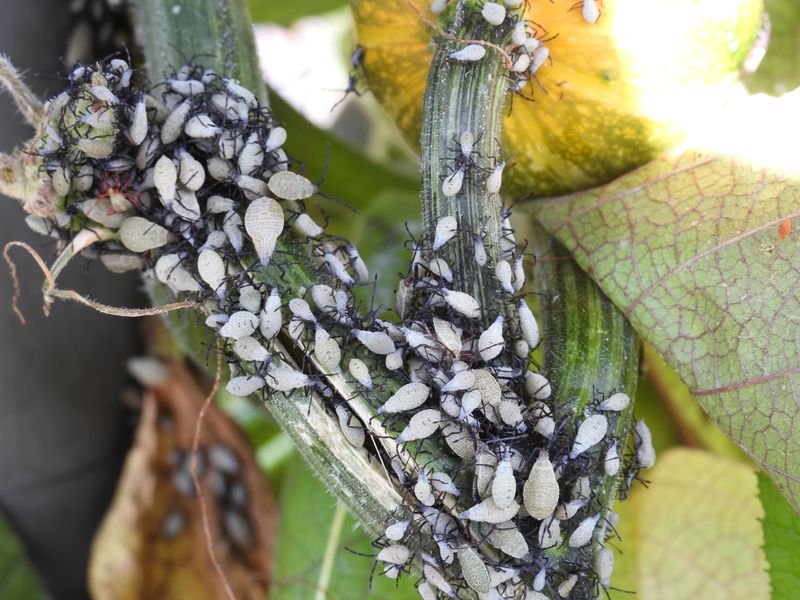
Anyone who has flipped over a wilting squash leaf and watched a dozen flat gray insects scatter knows the feeling well from firsthand experience.
Squash bugs are stubborn, hard to squash by hand, and remarkably good at finding hiding spots throughout a garden bed without much trouble at all.
According to UC IPM, adult squash bugs overwinter in sheltered locations, and old crop residue is one of the places they tuck into comfortably.
Spent vines, curled leaves, and plant litter give them the dark, protected conditions they need to survive until spring returns and temperatures warm again.
Come warm weather, those survivors walk or fly straight to the nearest young cucurbit and start laying bronze egg clusters on leaf undersides immediately.
A single overwintering population can put real pressure on seedlings that have barely developed their first true leaves come spring planting season.
Removing the vines cuts that cycle short considerably. It will not eliminate every adult, since they also hide under boards and mulch piles elsewhere.
Gardeners dealing with heavy squash bug pressure sometimes use a cleanup trick. Lay a board flat in the bed for a night after pulling vines.
Skip the temptation to pile pulled vines at the garden edge entirely. A heap of squash stems by the fence is functionally the same shelter.
4. Leaving Vines Rarely Helps The Soil Enough
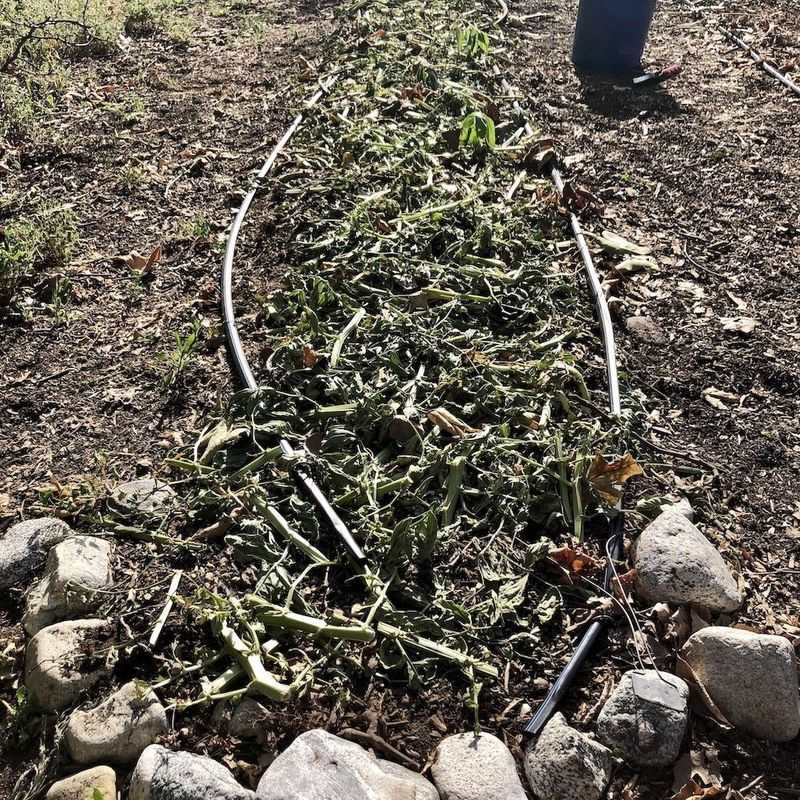
The soil-building argument sounds convincing at first glance, appealing to anyone who wants to avoid unnecessary work in the garden this fall.
Organic matter feeds microbes, microbes build structure, and hauling material away seems wasteful when it could be rotting right where it grew naturally instead.
Squash vines, though, are mostly water throughout their whole structure. A huge sprawling plant shrinks down to a surprisingly thin layer of residue eventually.
Compare the trade involved here carefully. On one side sits a modest, hard-to-measure bump in organic matter that barely registers in the bigger picture.
On the other sits a shelter for overwintering squash bugs and a reservoir of fungal material sitting directly in next season’s cucurbit bed instead.
California’s dry autumns complicate things further too. Without regular moisture, vines in an unirrigated bed can sit half-dried for months rather than decomposing quickly.
Better options exist for the same goal worth considering instead. Sowing fava beans or a crimson clover mix after clearing the bed builds nitrogen effectively.
Adding a layer of aged compost or well-rotted manure gives the soil food web plenty to work with, minus the pest baggage entirely.
None of this means organic matter does not matter at all in the bigger picture of garden health overall.
5. Compost Only If The Plant Looked Healthy
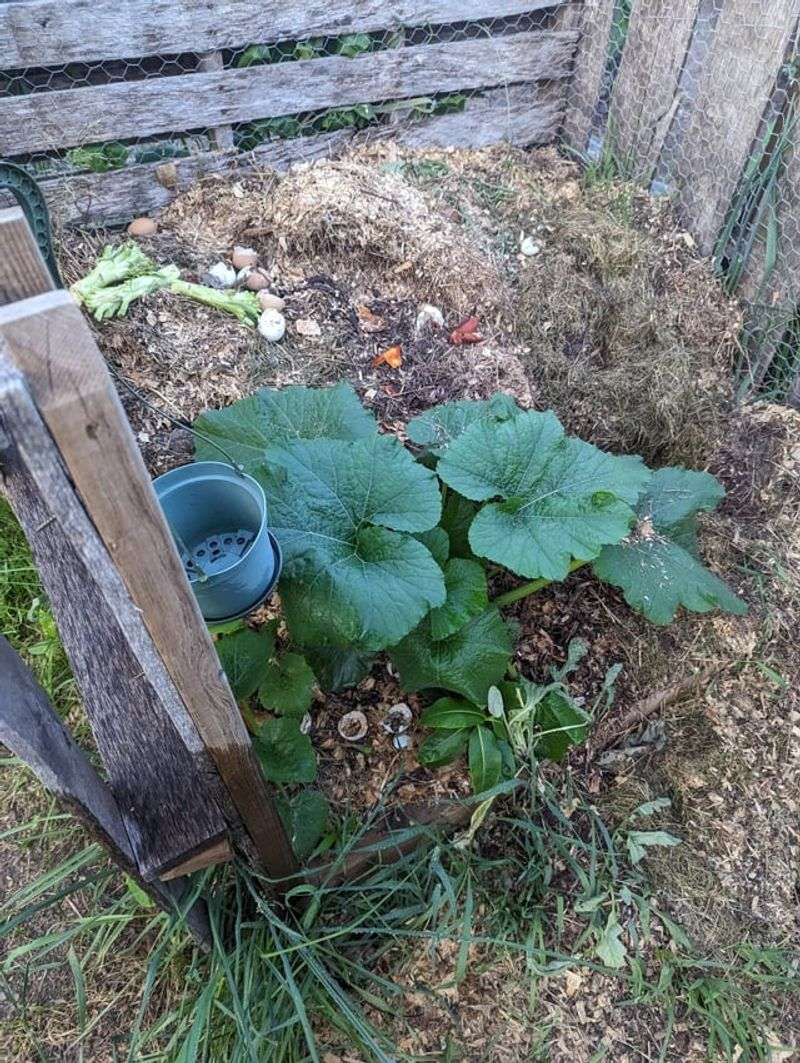
Here is the exception worth knowing about before deciding what to do with this season’s spent squash vines sitting in the garden.
A squash plant that stayed genuinely clean all season, with green leaves and no white mildew coating, carries meaningfully less risk than a struggling plant.
Vines like that can go into a working compost pile. The key word is working, meaning a pile that heats up and actually breaks material down.
Hot composting reaches temperatures that help reduce many pathogens and pests, though home piles are notoriously uneven and rarely hit those temperatures throughout the whole pile.
Turning the pile so outer material moves to the center improves the odds considerably compared to a pile left sitting undisturbed all season.
Chop the vines into shorter pieces before adding them to the pile. Long stringy stems wrap around compost forks and resist decomposition badly.
Be honest during the inspection process too. Powdery mildew often starts as small pale patches on older, shaded leaves near the base of the plant.
When uncertainty creeps in, the green waste bin handled by a municipal facility is a solid middle ground worth considering seriously.
6. Diseased Vines Belong In The Trash
Some plants send obvious distress signals worth recognizing quickly before deciding how to dispose of them properly at the end of the season.
Yellowing that spreads upward, sudden wilting despite wet soil, and leaves dusted white all point toward trouble that should not circle back into the garden.
Vines showing those symptoms do not belong in a backyard compost pile at all under any circumstances worth considering here.
Home piles rarely maintain the sustained heat needed to break down pathogens reliably, and a lukewarm pile can simply store the problem indefinitely.
Bacterial wilt, various root and crown rots, and viral infections transmitted by cucumber beetles all fall into the discard category without exception.
Green waste collection is usually the best destination in California, since municipal facilities compost at industrial scale with monitored temperatures throughout the whole process.
Bag the material at the bed rather than carrying armloads across the yard. Dragging mildewed leaves past healthy plants scatters spores along the way.
Tools deserve attention too during this whole cleanup process. Rinsing soil off pruners and giving blades a wipe with rubbing alcohol takes under a minute.
7. Removal Is The Safer Default Choice
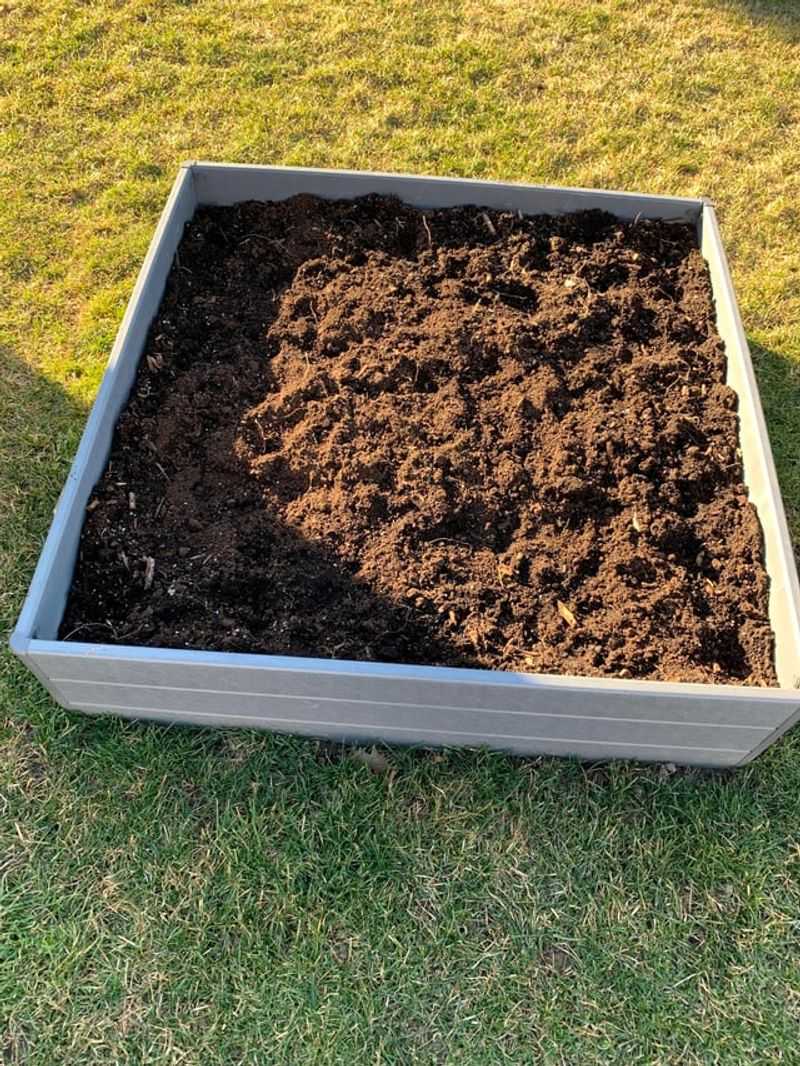
Weighing everything together, pulling the vines wins on most California garden beds by a fairly wide margin once you consider all the factors.
The pest and disease risks are real and documented, while the soil benefit of leaving them in place is small and slow overall.
Default to removal as your standard practice. Make composting the exception rather than the rule, reserved for plants that genuinely looked healthy throughout the season.
A simple decision path helps sort this out quickly. Mildew, wilt, borers, or bug clusters mean the green waste bin every single time.
Clean and vigorous means a hot compost pile instead. Anything in between means erring toward disposal, since the cost of guessing wrong shows up next June.
After clearing, put the bed to work right away. Sow a cover crop, spread finished compost, or plant cool-season greens in that same space.
Mild California winters make this cleanup more valuable than it would be in a state with deep freezes handling pest control naturally.
Pests here do not get knocked back the way they do in colder climates, so gardeners have to do more of that work themselves.
8. Slugs And Snails Multiply In Leftover Debris
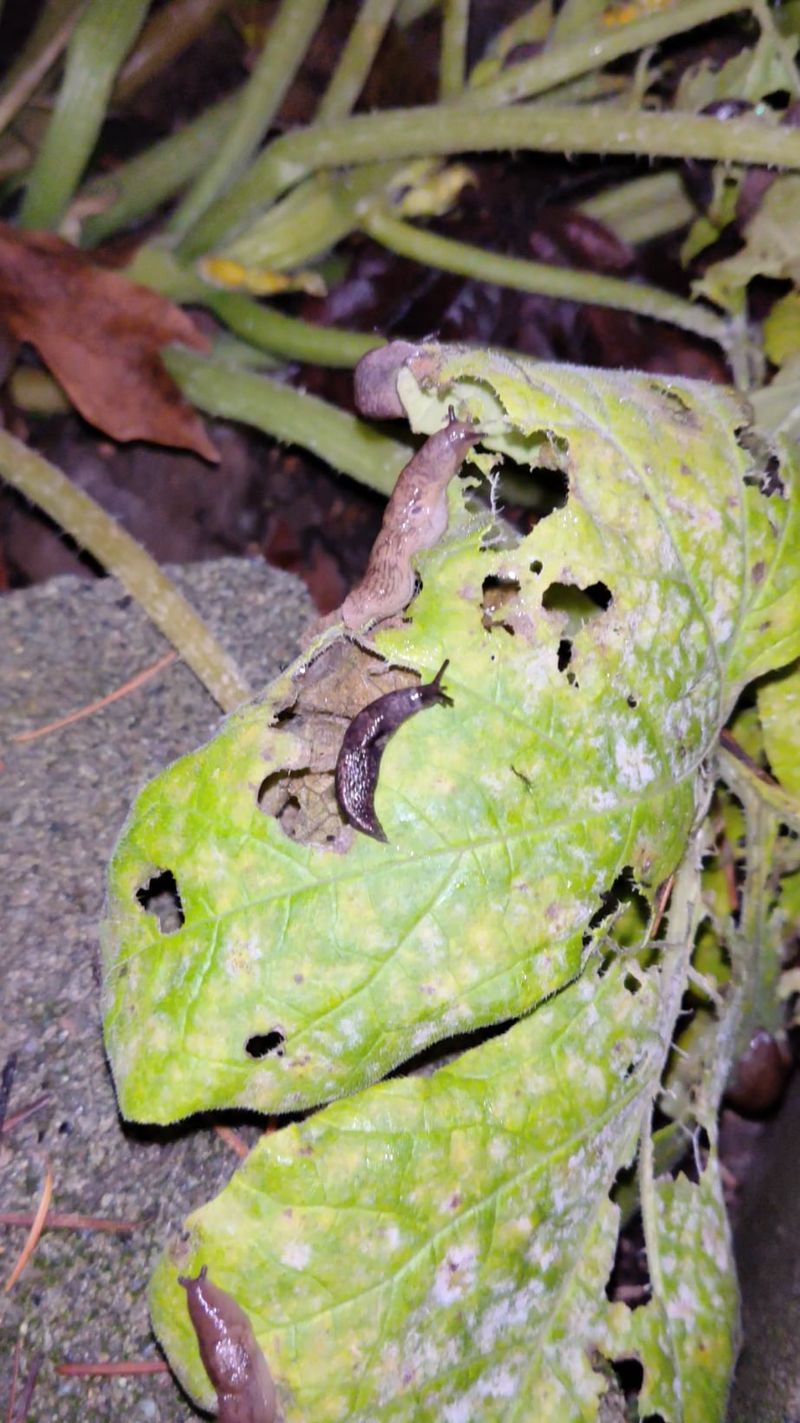
Beyond squash bugs and mildew spores, decaying squash vines create ideal conditions for slugs and snails, two pests that thrive in California’s mild, humid microclimates tucked beneath garden debris.
These mollusks seek out cool, moist, sheltered spots during the day, and a collapsed squash vine offers exactly that kind of hiding place right through the fall and into winter.
A single overwintering population of slugs can explode in numbers by spring, since favorable conditions let them breed steadily through the cooler months rather than dying off the way they might elsewhere.
Come spring planting time, that built-up population moves straight into tender new seedlings, chewing through emerging lettuce, bean sprouts, and any other soft new growth planted nearby in the same bed.
Removing squash debris promptly denies slugs and snails that comfortable overwintering habitat, forcing them to find shelter elsewhere rather than settling in right where next season’s vegetables will go into the ground.
Checking under any boards, pots, or other debris left in the garden after vine removal catches slugs that may have already relocated nearby, since they rarely travel far from a good hiding spot.
Beer traps or copper tape become far more effective against a smaller starting population, so combining vine removal with these standard slug control methods works better than either approach used alone.
This overlap with squash bug and mildew concerns means one cleanup session addresses multiple pest and disease problems at once, making the fall vine removal task even more worthwhile than it might first appear.
9. Nutrient Drain Affects Next Year’s Planting Too
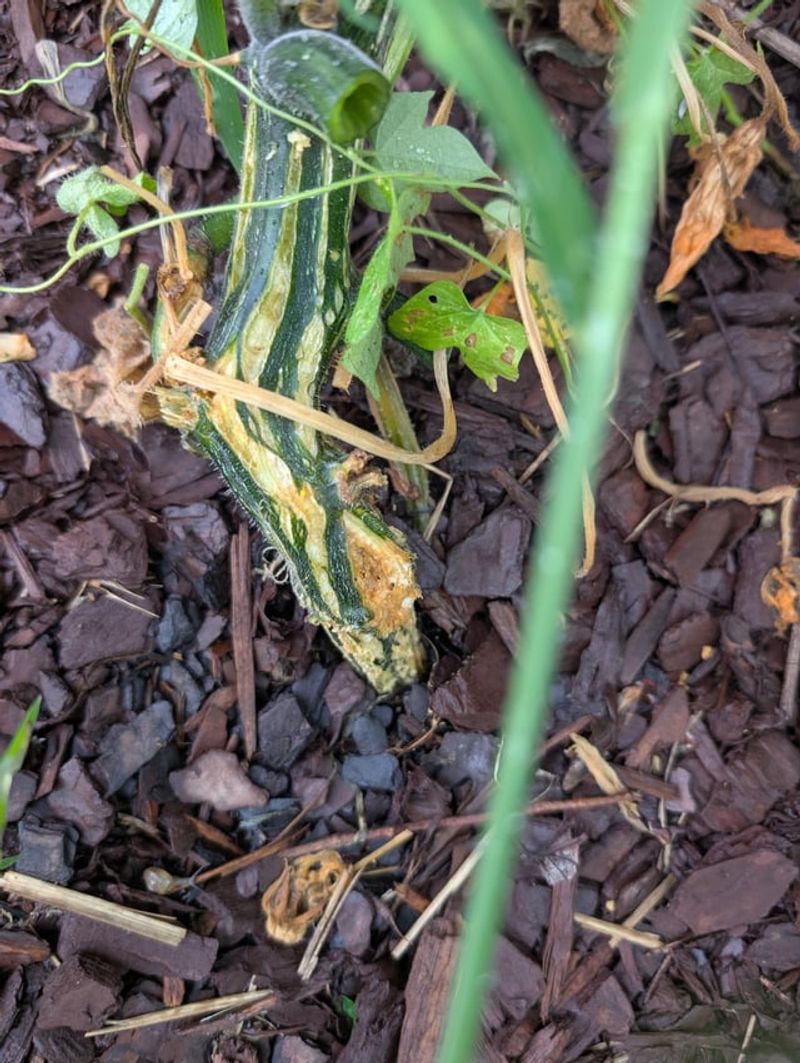
Beyond pests and disease, a decomposing squash vine left in place ties up nitrogen in the soil precisely when a fall cover crop or winter vegetable planting needs that nutrient most.
Fresh, undecomposed plant material with a high carbon content, like woody squash stems, forces soil microbes to pull nitrogen from the surrounding soil in order to break that material down efficiently.
That temporary nitrogen tie-up can leave newly planted fall greens or a cover crop struggling with yellowing, stunted growth right at the exact moment they most need available nutrients to establish properly.
Removing the vines instead and adding already-finished compost sidesteps this problem entirely, since finished compost has already gone through that decomposition process and releases nutrients rather than consuming them.
Gardeners eager to get a fall planting in the ground quickly benefit most from this distinction, since waiting for raw squash debris to break down on its own could take considerably longer than the fall growing window actually allows.
Testing soil nitrogen levels before planting a nutrient-sensitive crop like lettuce or spinach can reveal whether residual vine material is already causing a deficiency worth addressing before seeds or transplants go in.
If time constraints make full vine removal impractical, chopping any remaining plant material into smaller pieces and mixing it with a nitrogen source like compost or aged manure helps offset that temporary tie-up somewhat.
Considering this nutrient dynamic alongside the pest and disease concerns already covered rounds out a complete picture of why removal, followed by proper soil amendment, sets up a stronger fall and winter garden overall.