8 Fall Blooming Plants That Take Over Louisiana Yards Once The Heat Finally Breaks
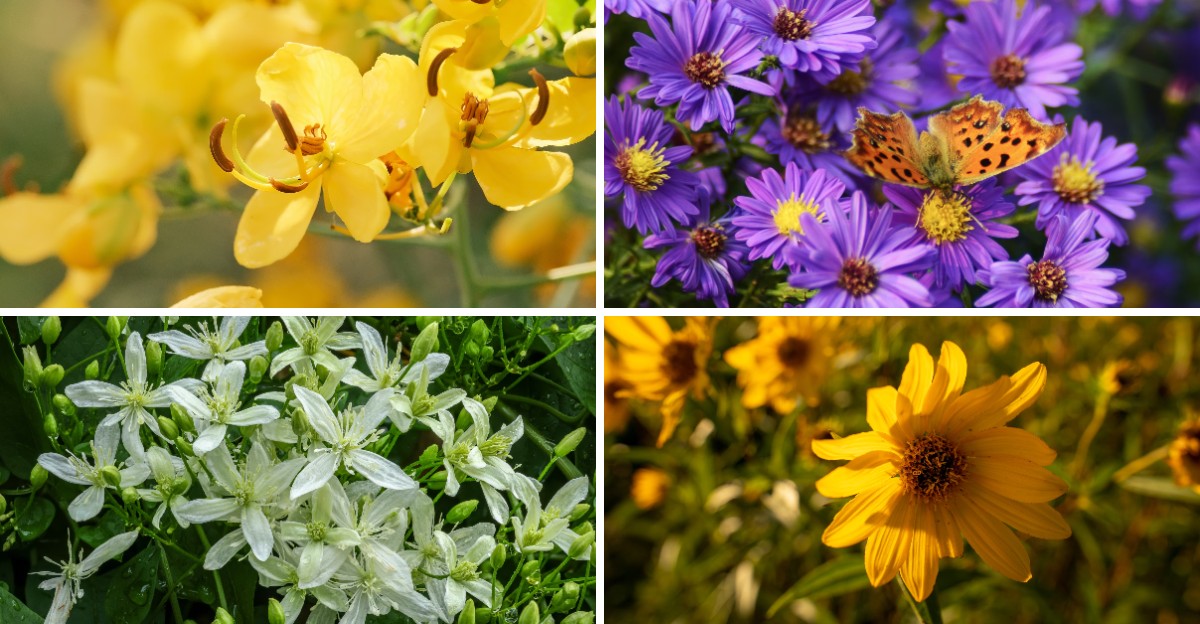
Heat loosens its grip, and you finally exhale. Louisiana shifts fast when October lands, and your skin notices right away. Mornings turn crisp, sharp enough to surprise you.
Color floods your garden beds, arriving weeks later than logic allows. Wilted leaves fade back, and blooms nobody predicted take over. Butterflies show up hungry, drifting toward petals barely opened yet.
Bees work overtime, racing an early cold snap. Cracked soil softens under cooler nights, and roots respond immediately. Neighbors stop and stare, clearly unsure what changed in your yard.
That intense Louisiana heat finally earns you this payoff. Pollinators crowd each bloom before the real cold arrives. This isn’t luck, because months of sustained heat built it.
Frost threatens, but your determined garden refuses to slow down. You’re about to find out why your backyard suddenly outperforms everyone else’s this whole fall.
1. Sasanqua Camellia Turns Hedges Into Flower Walls
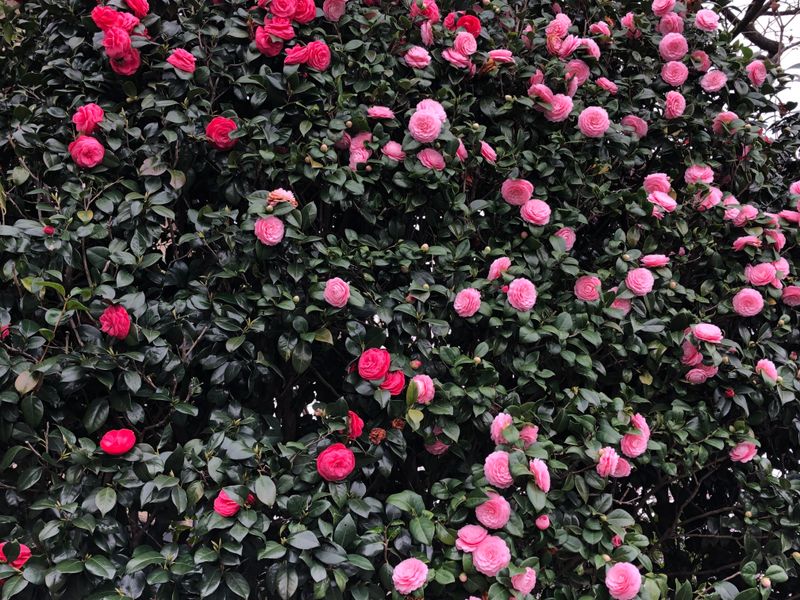
Somewhere around late October, sasanqua camellias begin their heaviest bloom of the year. While neighboring shrubs look tired and scruffy, these push out hundreds of soft, papery blooms.
Gardeners across south Louisiana lean on sasanquas because they handle humidity, clay soil, and light shade. Plant one along a fence line and you get privacy nine months, flowers the other three.
Flower colors run from snowy white to hot pink, with singles, semi doubles, and ruffled forms. Popular picks include Shishi Gashira, Yuletide, and Mine No Yuki, all proven performers down here.
Fall is actually the best season to plant them, since roots settle in during cool weather. Dig a wide hole, keep the root flare above grade, and mulch with pine straw.
Sasanquas prefer morning sun and afternoon relief, though mature plants shrug off full sun fine. Acidic soil keeps the leaves deep green, so an azalea fertilizer each spring works well.
Bees swarm the open centered varieties, which matters when few other flowers remain in November. Spent petals drop like confetti onto the lawn, and honestly, that mess looks pretty charming.
Prune right after flowering finishes, usually February, so you do not cut off next year’s buds. Scale insects are the main pest, easily treated with horticultural oil on a mild day.
Unlike their fussy cousins, japonica camellias, sasanquas tolerate heat and bloom weeks earlier. Give one a good spot now, and it will outlive the fence you planted it beside.
2. Mexican Bush Sage Waves Purple Velvet At Hummingbirds
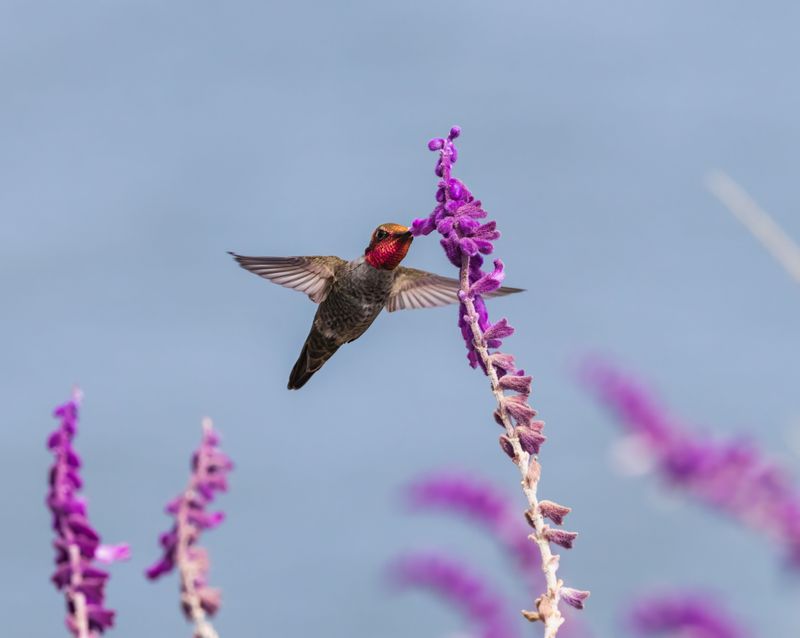
Run your fingers over a Mexican bush sage bloom and you will swear it is velvet. The purple calyxes feel fuzzy, and hummingbirds treat the whole plant like a drive through.
Blooming kicks off in September and keeps rolling until the first hard freeze hits. By then the plant may stand four feet tall and just as wide.
Full sun is the requirement, along with soil that drains instead of staying soggy. Raised beds and sandy spots suit it better than low ground that puddles.
Louisiana gardeners often treat it as a perennial, cutting stems to the ground after winter. New shoots return in spring, usually stronger and bushier than the previous year.
Your Louisiana Garden Changes Every Week. Your Plan Should Too.
Gardening in Louisiana changes quickly throughout the season. Every Friday you’ll receive a simple weekly plan showing exactly what to plant, prune, fertilize, harvest, and protect so you never miss the right timing.
Two forms exist, the classic purple and white type and the all purple Santa Barbara. The Santa Barbara selection stays shorter, which helps in small beds near walkways.
Cut flowers hold their color when dried, so bundles last on the mantel for months. Florists charge real money for stems you can grow with almost no effort.
Pinch the plant back in early July if you want a tidier, less floppy shape. Skip that step and the arching stems will lean dramatically across your sidewalk.
Deer often walk past it, and rabbits tend to show little interest in fuzzy leaves. Pair it with goldenrod or marigolds, and the color combination looks downright theatrical.
Butterflies pile on during migration season, especially monarchs passing through Louisiana in October. Sit nearby with coffee and you will count a dozen visitors in minutes.
3. Swamp Sunflower Lights Up Ditches With Gold
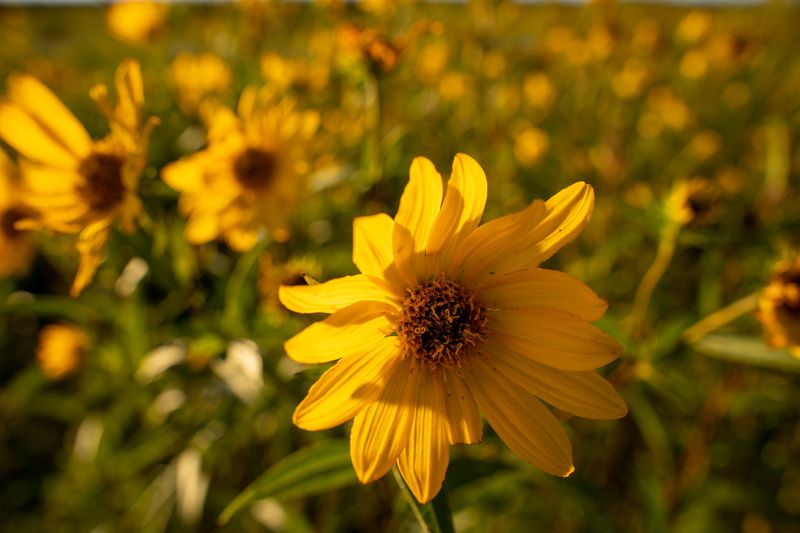
Drive a country road in October and those tall golden daisies in the ditch? That is swamp sunflower, a tough native that thrives where most plants would sulk.
Stems reach six to eight feet, topped with hundreds of bright yellow blooms. One healthy clump can read like a wall of sunshine from clear across the yard.
Wet feet do not bother it, which explains the name and its ditch bank habit. Still, it grows happily in regular garden soil as long as sun is plentiful.
Cut stems back by half in June to keep the plant from flopping later. That single chore turns a leggy giant into a sturdy, shrub shaped mound.
Goldfinches show up for seeds once blooms fade, so resist cleaning everything immediately. Leave the stalks standing through winter and the little birds will thank you loudly.
Spreading happens through underground runners, so give it room or plan to divide clumps. Sharing divisions with neighbors is practically a Louisiana tradition by the end of winter.
Bees, skippers, and migrating monarchs work the flowers from morning until dusk. This plant feeds a wide range of pollinators during a warm Louisiana autumn afternoon.
Back of the border is the right spot, ideally with shorter plants hiding the ankles. Stems get bare near the bottom, which nobody notices when asters fill in front.
Native status means it handles our humidity, heavy soil, and sudden downpours without complaint. Plant it once and it quietly becomes a permanent fixture in the landscape.
4. Garden Mums Bring Instant Color To Front Porches
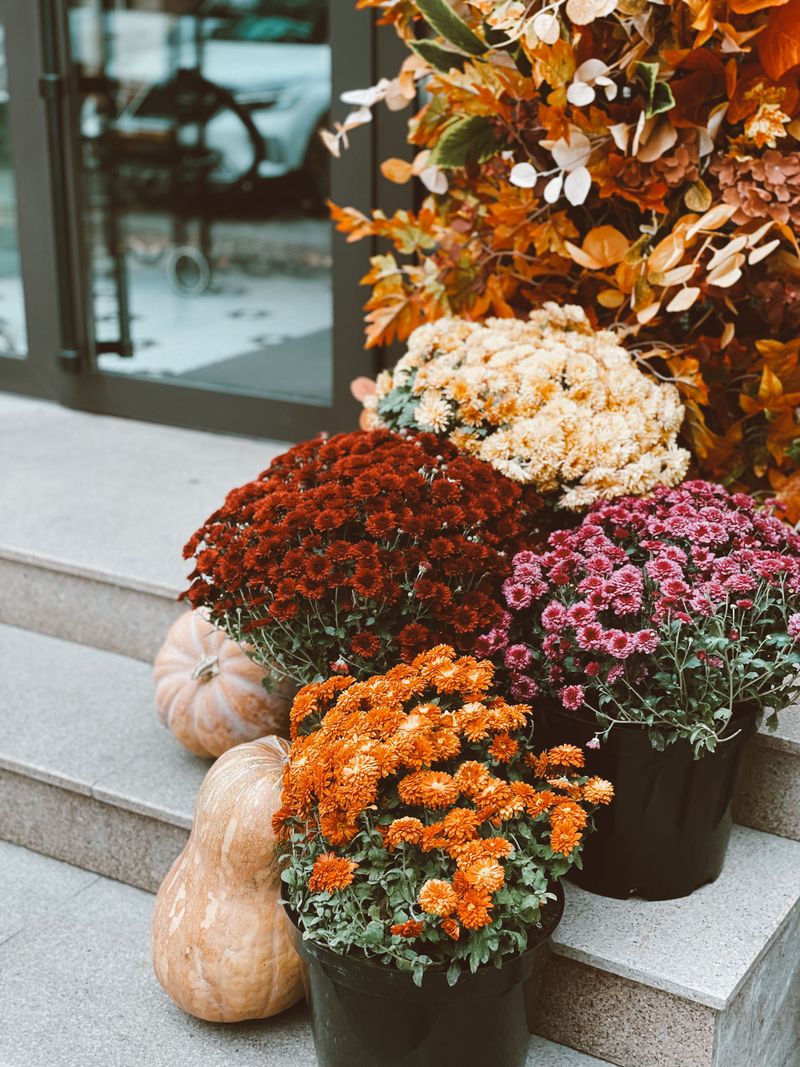
Grocery stores stack them by the door every September, and somehow three end up in your cart. Garden mums are the impulse buy that actually earns its spot on the porch.
Buds beat blooms at the store, since tight buds mean weeks of color still ahead. A plant already in full flower is basically halfway through its show.
Water matters more than anything, because those dense root balls dry out surprisingly fast. Check pots daily in early fall, especially if they sit in hot afternoon sun.
Florist mums sold as gifts rarely last outdoors, but hardy garden types can. Look for tags that say garden mum or hardy mum before buying anything.
Planting them in the ground gives better odds of a return the following fall. Loosen the root ball, water deeply, and mulch once soil temperatures finally drop.
Colors cover rust, bronze, burgundy, butter yellow, crisp white, and a dozen purples. Mixing two shades in one large pot looks fuller than a single color.
Pinch returning plants back twice in spring and early summer for compact, sturdy growth. Stop pinching by mid July so flower buds have time to form properly.
Louisiana heat and humidity can shorten their run, so treat any survivors as a bonus. Plenty of gardeners buy fresh ones yearly and call it cheap seasonal decor.
Pair pots with pumpkins and ornamental peppers for a front step that looks styled. Total cost often stays modest, which can beat a store-bought arrangement.
Remove spent blooms weekly and the plants keep pushing fresh flowers longer. Five minutes of grooming stretches the display well past Halloween.
5. Sweet Autumn Clematis Drapes Fences In White Stars
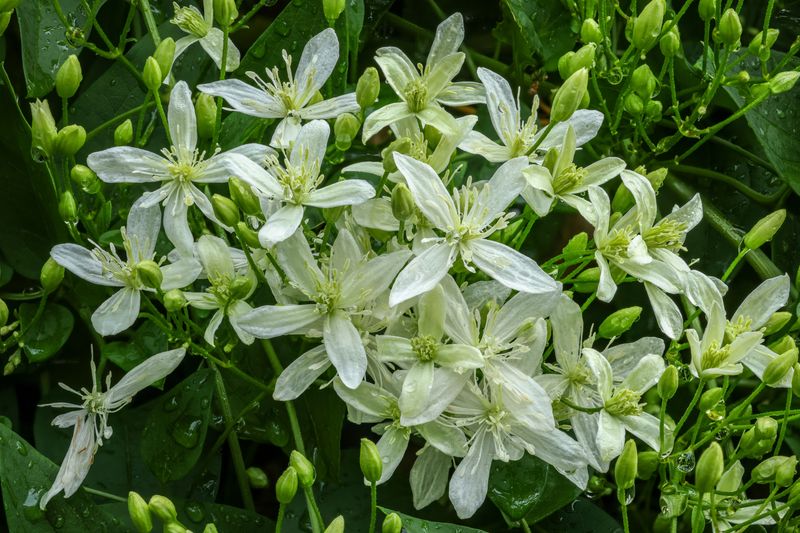
One September morning you catch a wave of vanilla scent and cannot find the source. Look up, because sweet autumn clematis has probably swallowed a fence somewhere nearby.
Thousands of tiny white star shaped flowers open at once, covering the vine completely. The fragrance carries across a whole backyard on a still evening.
Growth is fast, often reaching many feet in a single season, so give it structure. Arbors, mailboxes, and chain link fences all disappear under it by October.
Honesty time: the common form, Clematis terniflora, reseeds aggressively and can escape gardens. Snip the fluffy seed heads before they scatter if you want control.
A native cousin, Clematis virginiana, offers similar flowers with much better manners. Ask a local nursery which one they carry before bringing a pot home.
Roots prefer cool shade while the top half craves sunshine, an old gardening rule. Mulch heavily around the base and let the vine climb toward the light.
Pruning happens in late winter, when you cut stems back to about twelve inches. That hard trim produces stronger growth and far more flowers the next fall.
Bees and small butterflies crowd the blooms during a stretch when nectar runs scarce. The humming sound near a loaded vine gets surprisingly loud on warm afternoons.
Once established, it tolerates drought, poor soil, and Louisiana’s harsh August conditions. Just do not plant it beside anything you would regret losing visually.
6. Pineapple Sage Sends Up Red Spikes And Sweet Scent
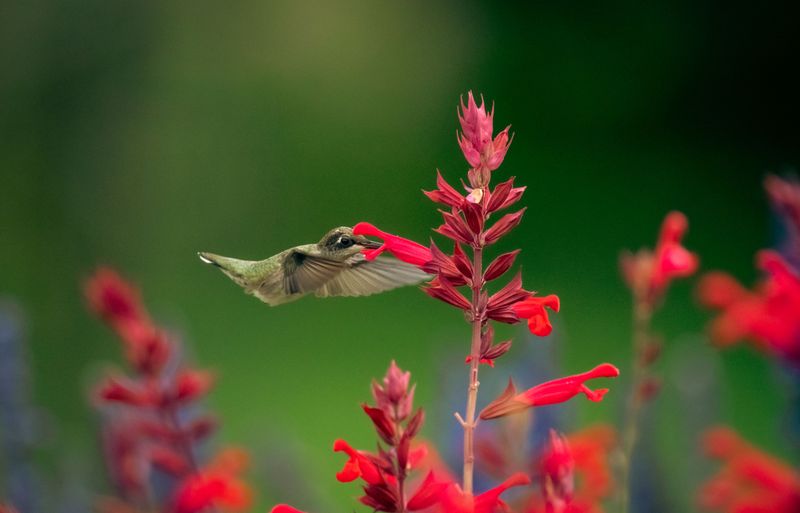
Crush a leaf between your fingers and the smell is pure canned pineapple, no exaggeration. Kids love that trick, and so do adults who claim they are too busy.
Flowering waits until days shorten, so red tubular spikes appear around late September here. Hummingbirds fueling up for migration treat those blooms like a roadside diner.
Plants reach three or four feet tall, with soft green leaves and square stems. Give them morning sun and a little afternoon shade in hotter parishes.
Leaves and flowers are edible, showing up in iced tea, fruit salad, and lemonade. The red petals look fancy floating in a glass at a Saturday gathering.
Roots handle mild Louisiana winters, returning each spring after you cut old stems down. Heavy mulch adds insurance during those rare weeks of real cold.
Rich, moist soil keeps foliage lush, but soggy ground causes root problems fast. A soaker hose twice weekly in summer usually hits the sweet spot.
A golden leaf version called Golden Delicious brightens shady corners even before flowers arrive. Its chartreuse foliage pairs beautifully with purple salvias and dark coleus.
Timing matters, since an early frost can cut the flower show short some years. Container plants can move onto a porch when a cold front rolls through.
Cuttings root easily in a glass of water within a couple of weeks. One plant easily becomes six by spring, perfect for gifts and swaps.
7. Fall Aster Carpets Beds With Purple Daisies
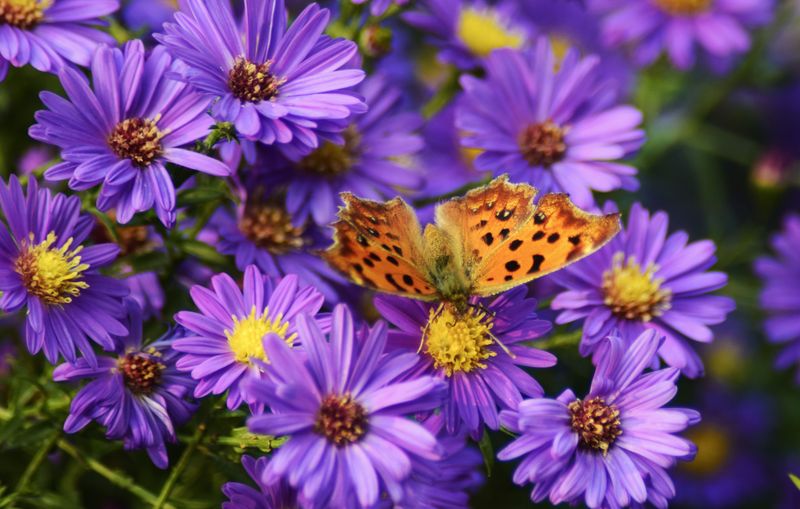
Come October, fall asters burst into clouds of lavender blue daisies with yellow eyes. Nothing else in the bed matches that shade, and butterflies clearly agree.
Aromatic aster, Symphyotrichum oblongifolium, is the tough Louisiana friendly species to look for. Varieties like Raydon’s Favorite and October Skies stay compact and bloom heavily.
Sun, drainage, and neglect suit them perfectly, which describes many Louisiana side yards. Overwatering and rich fertilizer cause floppy stems and fewer flowers overall.
Shear plants back by half around Memorial Day to prevent tall, leggy growth. Skipping that haircut means a sprawling mess that leans on its neighbors.
Foliage releases a faint balsam scent when brushed, hence the name aromatic aster. Rub a leaf while weeding and you will notice it right away.
Clumps widen each year, so dividing every third spring keeps them vigorous. Extra pieces transplant easily and make thoughtful gifts for gardening friends.
Monarchs passing through in late October depend on aster nectar for the trip south. Planting a few creates a fueling station along their migration path.
Pair them with swamp sunflower, mums, or ornamental grasses for a layered fall display. Purple against gold is the color combination autumn was clearly built around.
Deer usually leave them alone, and pests stay minimal in a sunny, breezy spot. Honestly, the hardest part is remembering to cut them back in June.
Blooms last four to six weeks, stretching color deep into November most years. That is a long run for a plant asking so little.
8. Cassia Bursts Into Yellow Bloom Before Thanksgiving
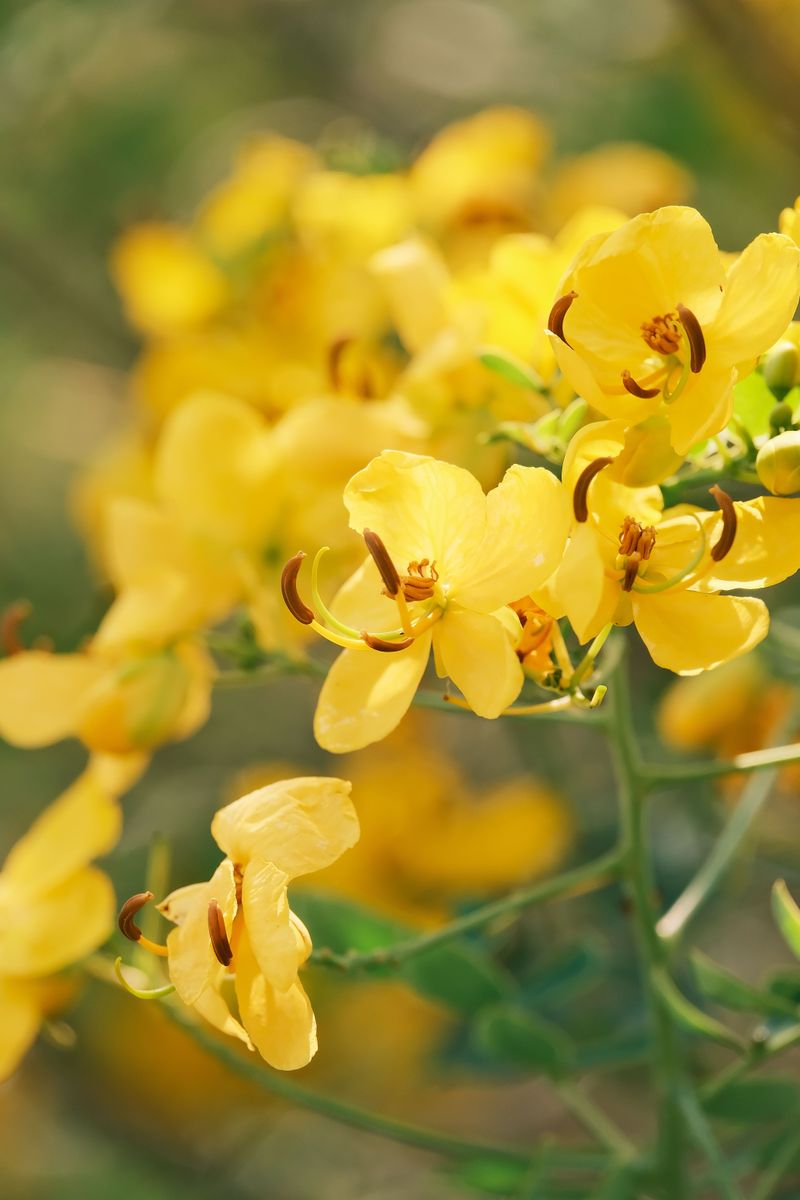
Few shrubs make a bigger entrance than cassia, which fills out in butter yellow flowers within days. Neighbors slow their cars, and someone will eventually knock to ask its name.
Blooming starts in late October and often runs through Thanksgiving, sometimes toward Christmas. The nickname Christmas senna comes from that unusually late flowering habit.
Plants grow fast and loose, reaching eight feet wide with arching, informal branches. Give it space or plan on pruning hard every single spring.
Sulphur butterflies lay eggs on the leaves, so caterpillars will chew holes eventually. Consider that damage a compliment rather than a problem worth spraying.
Full sun brings the heaviest bloom, while shade produces leaves and little else. Well drained soil matters too, since standing water weakens the roots.
Hard freezes may knock it back, but established plants usually resprout from the base. A thick mulch layer improves the odds through a rough winter.
Cut stems back by a third after flowering ends to encourage dense growth. Late winter is the safest window, once freeze danger has mostly passed.
Seed pods follow the flowers, and volunteer seedlings pop up around the mother plant. Pull the extras young or pot them up for the next plant swap.
Bees work it hard during a season when other nectar sources are fading fast. Standing beside a blooming cassia on a warm November afternoon feels lively.
Pair it with purple fall asters or Mexican bush sage for striking contrast. Yellow and purple sit opposite on the color wheel, which explains the punch.