Why Pocket Gophers Love Some Florida Yards More Than Others
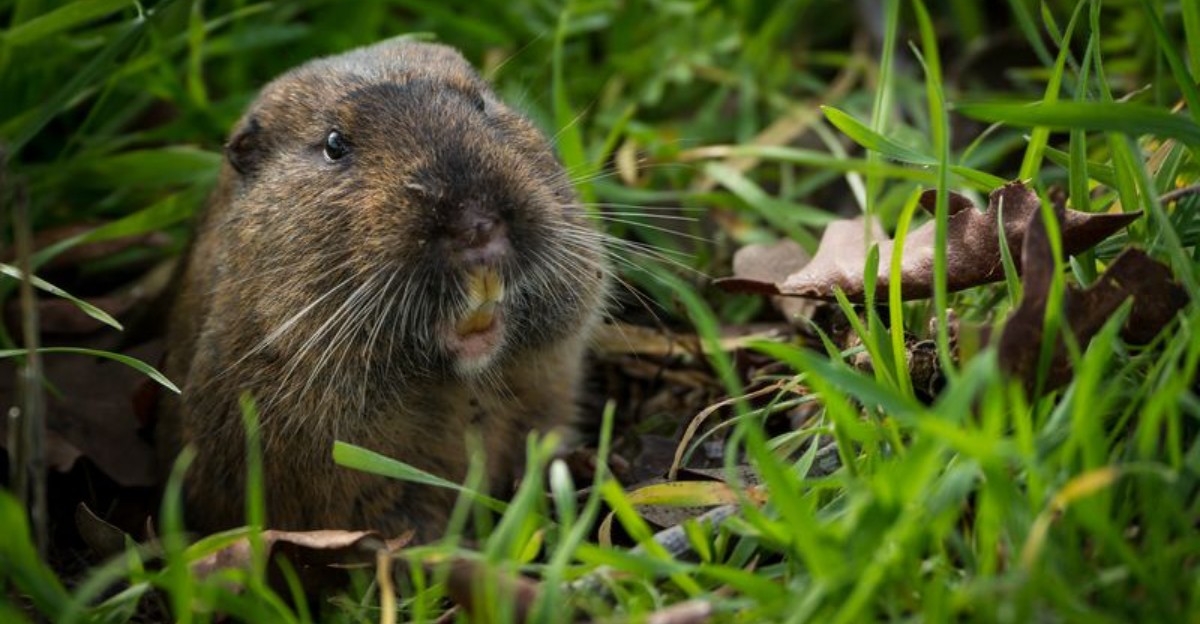
Pocket gophers don’t dig just anywhere, and some Florida yards top their list for reasons most homeowners never notice.
You’d guess any patch of dirt works fine, but these animals turn down plenty of yards without a second look. Soil texture plays a part.
So does what sits below the surface and how often water reaches those roots. A few small factors line up just right in certain yards, and once they do, the digging doesn’t stop.
Your neighbor might go years without a single mound, while your lawn turns into a maze overnight. That gap rarely comes down to luck.
Compare your yard to one nearby that stays untouched. The reason gophers pick favorites has less to do with chance and more to do with details sitting right under your feet.
1. Loose Florida Soil Gives Gophers Room To Tunnel
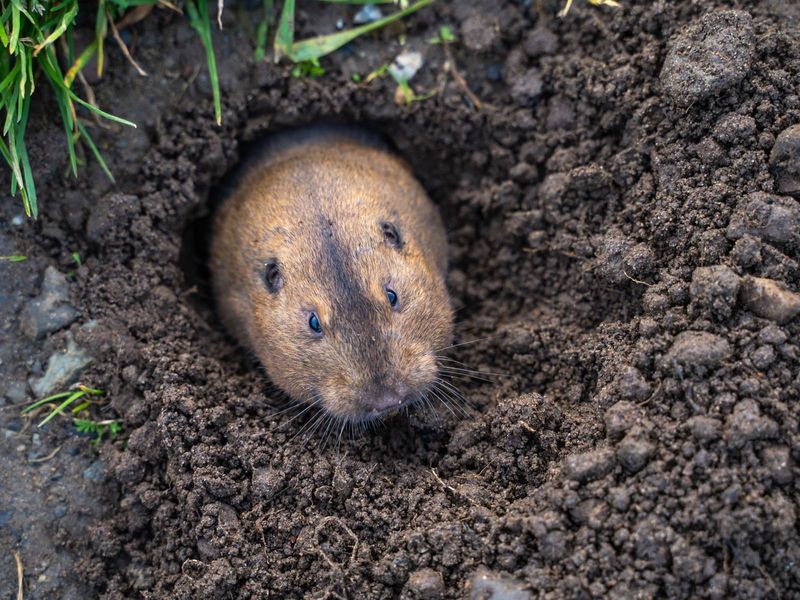
Digging through concrete-hard clay is exhausting work, and burrowing rodents seem to know it. Pocket gophers pick their real estate based on how easily the ground gives way.
Across Florida, these animals favor dry, deep, sandy soils that crumble instead of clumping. Fine-textured, porous dirt lets them move fast and build long tunnel networks without wearing themselves out.
There is another reason loose soil matters. Gophers seal their tunnels with earthen plugs, so air has to pass through the soil itself for the burrow to stay breathable.
Heavy clay or ground that stays soggy blocks that gas exchange, which is why waterlogged corners of a property rarely see much tunneling. Well-drained sand handles the job beautifully.
Deep soil also acts like insulation, keeping burrow temperatures steady when summer heat bakes the surface. Rocky ground gets tolerated, but it is never the first choice.
So if your yard sits on that classic Florida sugar sand, you have prime gopher territory whether you wanted it or not. Comparing your soil to a neighbor’s can explain a lot about why your lawn got picked.
Grab a handful and squeeze it. If it falls apart instantly and drains fast after rain, you now know exactly what makes your yard look inviting from below.
2. A Thick Lawn Can Put Food Right Above The Burrow
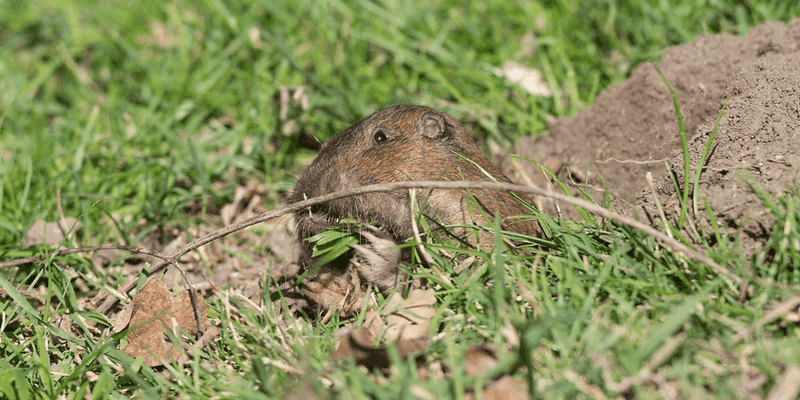
Imagine a grocery store that restocks itself right above your bedroom ceiling. That is essentially what a healthy, dense lawn offers a tunneling gopher.
Pocket gophers eat plants, and almost all of their meals come from roots, bulbs, and underground stems. They rarely need to surface, because the food finds them as they dig.
A keen sense of smell helps them track tender roots while they work. When they bump into something juicy, they simply chew it off and keep going.
Bahiagrass tubers rank high on the menu, and so do dandelions and legumes like alfalfa and clover. A thick turf holds thousands of those root pieces per square foot.
Every so often a gopher will pop up at a lateral opening, clip a whole plant at the base, and pull it down into the tunnel. Homeowners sometimes watch a small plant vanish and assume something strange happened.
Your Florida Garden Changes Every Week. Your Plan Should Too.
Gardening in Florida changes quickly throughout the season. Every Friday you’ll receive a simple weekly plan showing exactly what to plant, prune, fertilize, harvest, and protect so you never miss the right timing.
Here is the tricky part for lawn lovers. The same care routine that produces a carpet of green grass also produces the exact root buffet gophers prefer.
You do not have to let your yard decline to reduce the appeal. Mowing on the shorter side and thinning out clover patches lowers the reward without wrecking your curb appeal.
3. Irrigated Turf Keeps Roots Tender And Easy To Find
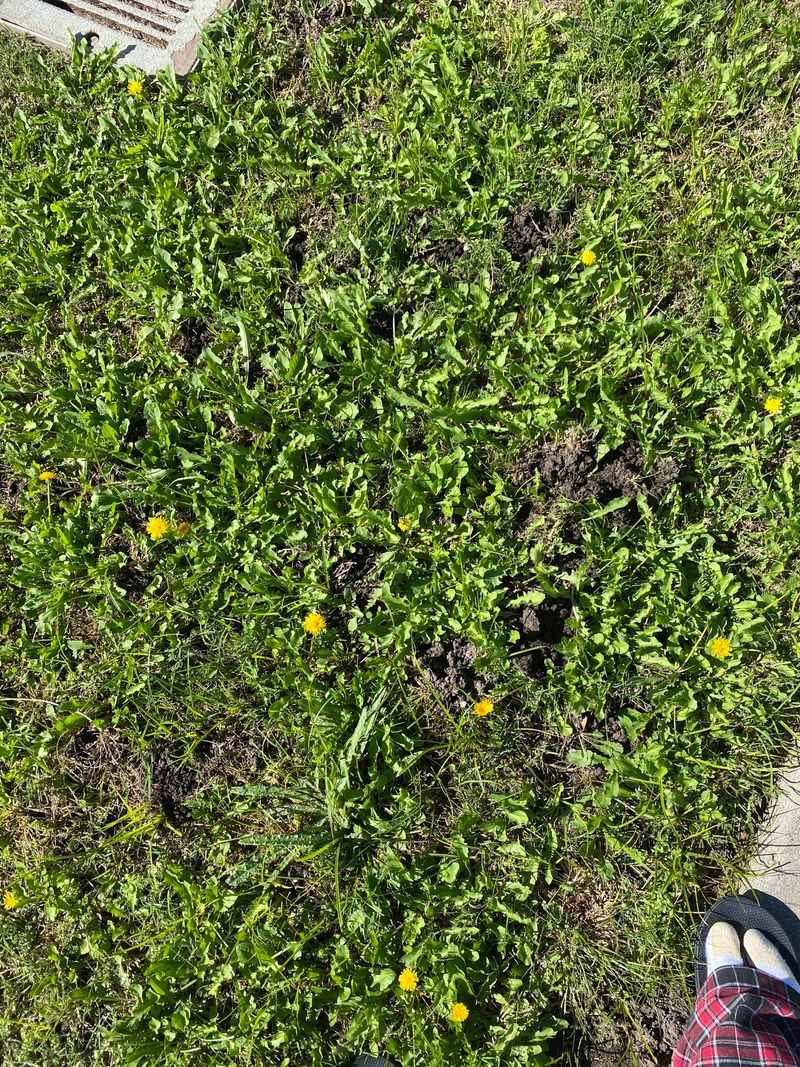
Sprinkler systems create a little tropical paradise underground, and burrowing rodents cash in on it. Moist, soft soil is the easiest kind to move.
Landscapes with regular irrigation stay diggable nearly year-round in Florida. While unwatered pasture ground may harden in dry spells, a watered lawn stays workable through most seasons.
Fresh mound building often shows up a day or two after watering. The soil is loose, the roots are plump, and conditions are about as good as a gopher could ask for.
Tender roots are the real draw. Newly installed sod, fresh landscaping, and pampered flower beds all produce soft, young growth that beats tough, dried-out roots.
There is a population angle too. Irrigated yards can support more consistent food and moisture, which may help explain why gopher activity remains noticeable through more of the year.
None of that means you should let your yard go thirsty. Watering deeply but less frequently helps grass roots grow strong while reducing constantly damp surface soil.
Drip lines and soaker hoses in garden areas also keep moisture down where plants use it instead of soaking the top few inches. Checking for broken sprinkler heads is worth the walk, since a leaky zone creates a permanently soft, attractive patch.
4. Sandy Ground Makes Underground Construction Much Easier
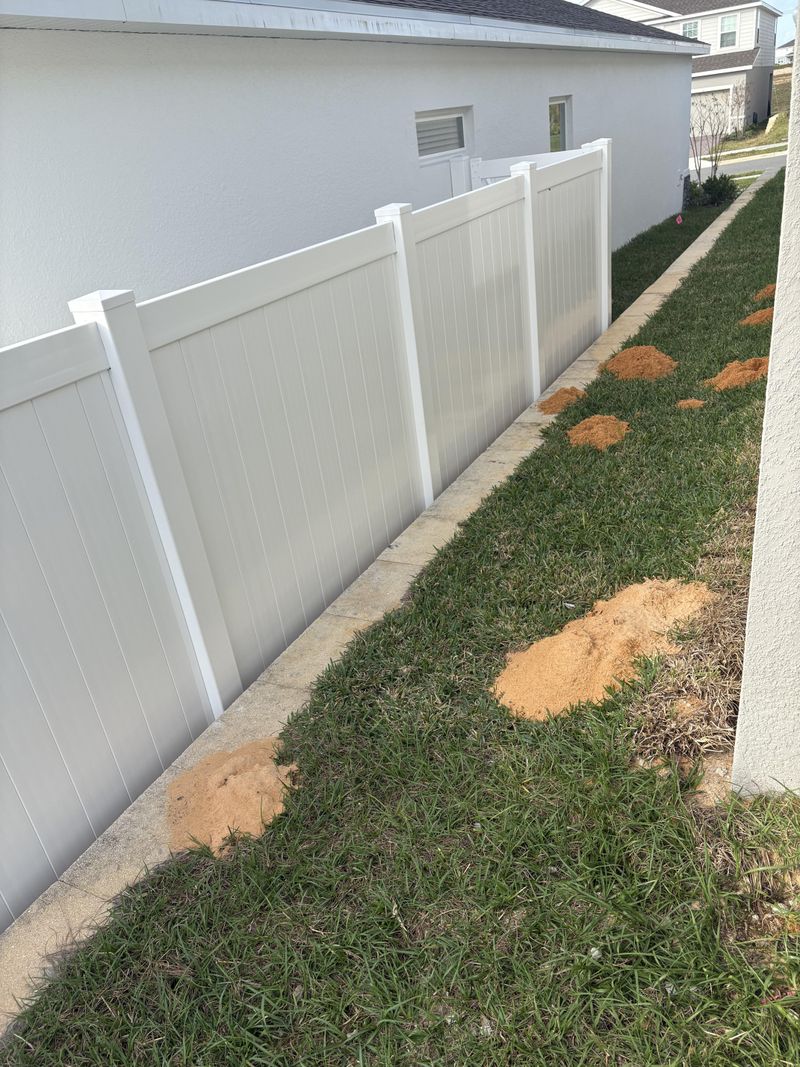
Pocket gophers can move surprisingly large amounts of soil when conditions are favorable, which helps explain how fresh mounds can appear quickly.
Their bodies are built like little excavators. Heavy, muscular shoulders power oversized front paws tipped with long claws that rake through loose ground.
Fur adds another clever touch. Short and fine, it shrugs off damp dirt instead of caking up the way longer hair would.
The mouth is the real engineering marvel. Their lips close behind those big front teeth, so they can gnaw through roots without swallowing mouthfuls of sand.
Sandy-loam and loam textures take the least energy to move, and Florida’s deep sandy soils fit that description across much of the state. Less effort per foot means longer tunnels and more of them.
Excavated dirt gets shoved backward along the tunnel, then pushed up a short side branch and out onto the surface. That is where your mysterious mound comes from.
Knowing this helps you read your own property. Yards with fill dirt, compacted clay, or heavy foot traffic tend to see far less tunneling than soft, sandy plots.
Where soil is loose and deep, expect activity to spread quickly once a gopher settles in nearby.
5. Raised Mounds Reveal Where The Tunnels Are Growing
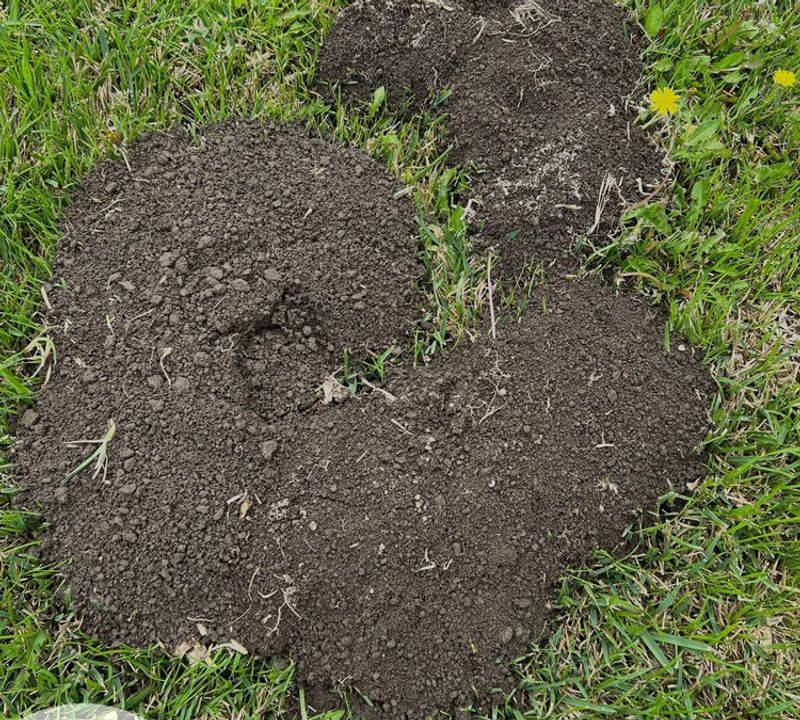
Mounds are basically a map, if you know how to read the shape. Fresh soil piles remain the most dependable sign that a gopher is at work.
Look at the outline first. Gopher mounds tend to be crescent or horseshoe shaped, with the plugged opening sitting off to one side rather than in the middle.
Mole mounds look different. They are usually round like tiny volcanoes with a center plug, and moles also leave raised ridges running just under the surface.
Timing gives another clue. Florida mound building picks up during cooler stretches in spring and fall, then eases off through the hottest part of summer.
Irrigated yards break that pattern and can show mounds any month of the year. Non-watered areas usually push up soil after rain softens the ground.
The most useful trick involves the plug. Since the opening sits to one side, the main tunnel generally runs a bit away from the mound, not directly beneath it.
Draw an imaginary line from the plugged side outward and you are pointed toward the main run. Marking fresh mounds with small flags over a week shows you the direction the burrow is expanding, which is far more helpful than raking piles flat and hoping for the best.
6. Garden Beds Can Offer A Richer Underground Buffet
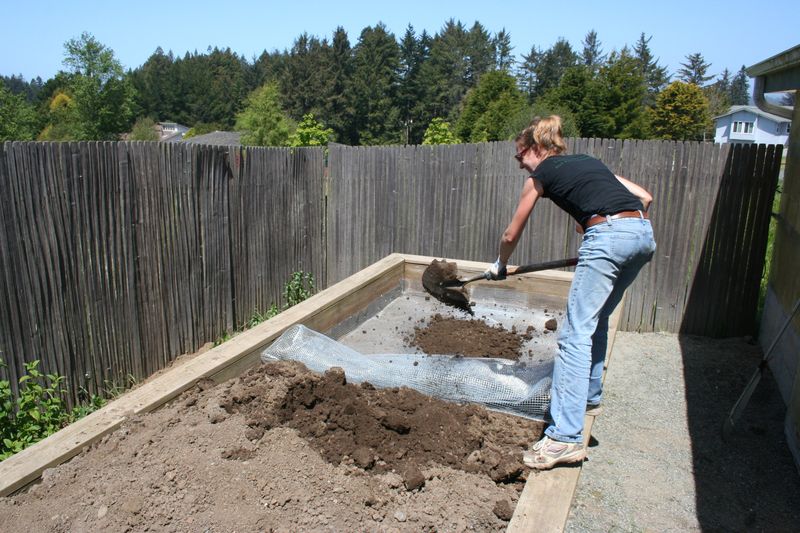
Vegetable gardeners tend to notice gopher trouble first, and there is a good reason for that. Cultivated beds combine soft soil with the richest food a gopher can find.
Plants with large, fleshy storage parts are the biggest attraction. Tubers, bulbs, and thick taproots pack far more calories than a mouthful of grass roots.
Sweet potatoes, peanuts, sugarcane, peas, and alfalfa all rank among their favorites. Ornamentals, vines, shrubs, and even young trees can end up on the list too.
The damage can happen startlingly fast. A gopher may pull an entire plant down into a tunnel from below, leaving a gap in the row and nothing else behind.
Loose, worked garden soil also drains well and moves easily, so tunneling through a raised bed is less work than crossing packed ground.
Protecting those beds is doable. Hardware cloth or wire mesh laid under a raised bed blocks entry from below, and mesh baskets around individual root balls guard prized shrubs.
A quarter-inch or half-inch galvanized mesh works well and lasts for years in Florida soil. Pulling out clover and other legumes growing near the bed edges also trims the buffet, making your garden a less obvious destination for anything traveling through the neighborhood underground.
7. One Pocket Gopher Can Reshape More Lawn Than You Expect
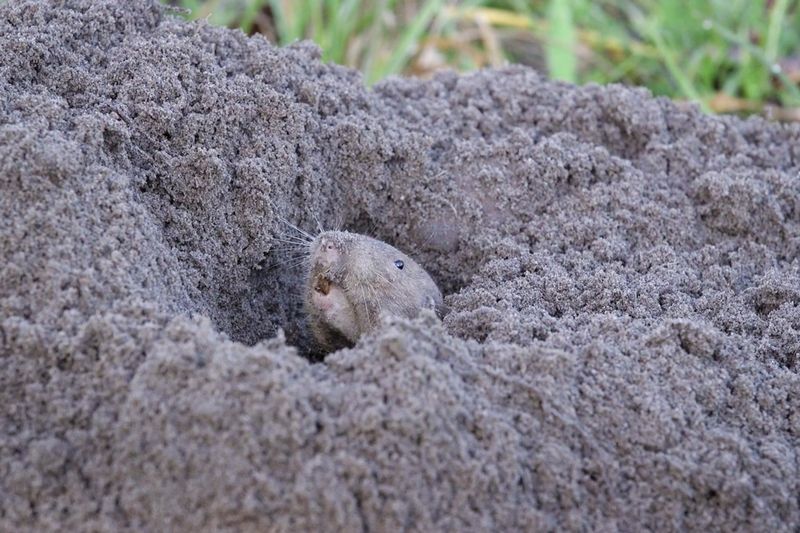
A single pocket gopher can move a surprising amount of soil in a year, which explains the scale of damage one animal can create.
Here is the part that catches people off guard. Gophers are loners and fiercely territorial, so one burrow system usually belongs to just one animal.
Exceptions happen during mating season or when a female is raising young. Otherwise, all those mounds across your lawn likely trace back to a single resident.
A lone gopher can build a burrow spanning anywhere from 200 to 2,000 square feet. Tunnel networks stretch for hundreds of feet, and some Florida burrows reach roughly 492 feet of total length.
Mound output adds up quickly. One animal may push up several mounds a day and produce 200 to 300 of them over a year.
Beyond the cosmetic mess, constant tunneling loosens soil structure and disturbs grass roots and ornamental plantings. Sunken spots and uneven turf often follow.
Chewed irrigation lines and damaged sprinkler heads are another common headache, since buried pipe sits right in the tunneling zone.
The upside of all this is real. Solving a mound problem often means addressing one animal rather than an entire colony, which makes the task feel much more manageable.
8. Skip Deep Digging When A Burrow Is Already Active
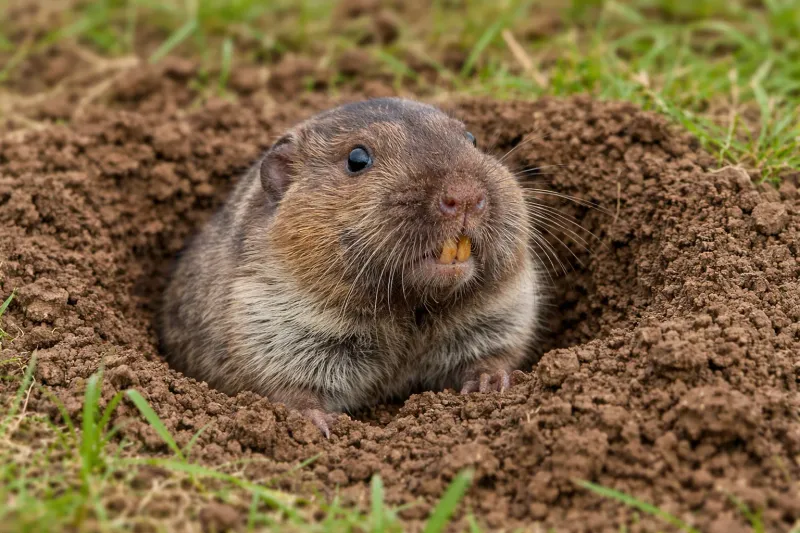
Grabbing a shovel and trenching across the yard feels productive, but it usually creates more repair work than results. Gophers spend about 95 percent of their lives underground, and their burrows are more organized than most people picture.
The layout has three basic parts. Main tunnels typically run below the surface, with shorter branches reaching upward toward the mounds and deeper sections used for nesting and food storage.
Since laterals end at the mounds, the main run is rarely right under a pile. That is why random digging so often comes up empty.
Gophers also plug openings with packed earth, which keeps the system sealed and makes surface hunting frustrating.
Finding the main tunnel is the whole ballgame for any control effort. A probe or sturdy rod pushed into the ground a foot or two from the plugged side of a fresh mound will suddenly drop when it hits the hollow run.
Trapping remains one of the most reliable methods, and traps belong in that active main tunnel rather than in a mound.
Fresh, damp-looking soil tells you the burrow is currently in use. Working a live tunnel beats tearing up turf, and it keeps your lawn and sprinkler lines intact.
9. Change The Yard Conditions Instead Of Chasing Every Mound
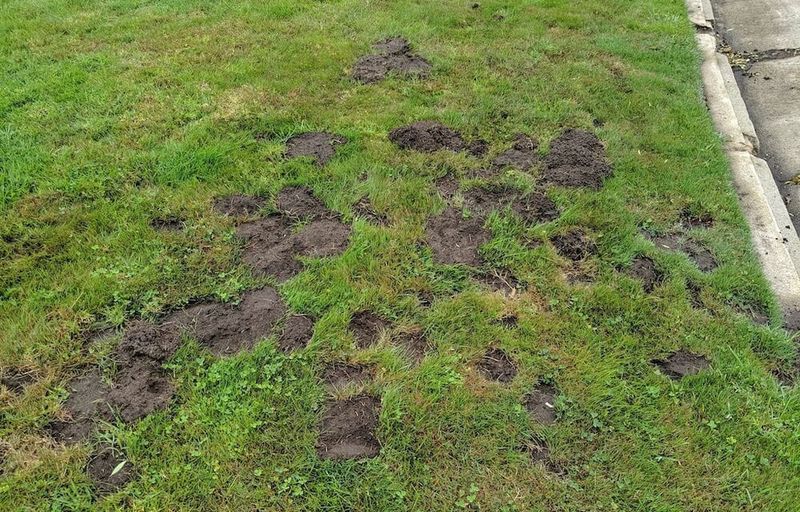
Raking mounds flat every Saturday is a workout, not a solution. Shifting the conditions that make your yard appealing tends to produce longer-lasting results.
Mowing matters more than people think. Keeping grass trimmed shorter reduces the cover and the soft root growth that draws burrowers in.
Watering habits come next. Soaked soil digs easily and stays inviting, so easing back on frequency makes the ground firmer and less comfortable to work.
Swapping overhead spray for drip irrigation or soaker hoses in beds cuts surface moisture while still feeding your plants. Compacted, drier ground is simply less appealing to a burrowing rodent.
Physical barriers do the heavy lifting where plants matter most. Wire mesh under raised beds and hardware cloth baskets around root systems block access from below.
Food choices count too. Clovers, legumes, and other favorites can be thinned out or replaced with plants that offer less underground reward.
Wildlife helps as well. Snakes, owls, and outdoor cats all keep an eye on rodent numbers, so a nesting box for owls is a quiet long-term ally.
Layering two or three of these changes works better than relying on any single fix. Your neighbor’s gopher-free lawn probably reflects a few of these habits already in place.