Something Is Turning Iowa’s Locust Trees Brown Weeks Before Autumn Officially Begins
Something is cooking your Iowa trees before autumn even arrives. Your neighbors blame drought, yet you sense something stranger. Branches along your fence line look toasted and brittle. Crumbling leaves snap in your fingers like old paper.
Calendars insist it’s early, yet your yard argues otherwise. Corn stands tall in your fields while nearby trees struggle. Only a tiny suspect explains what you are seeing.
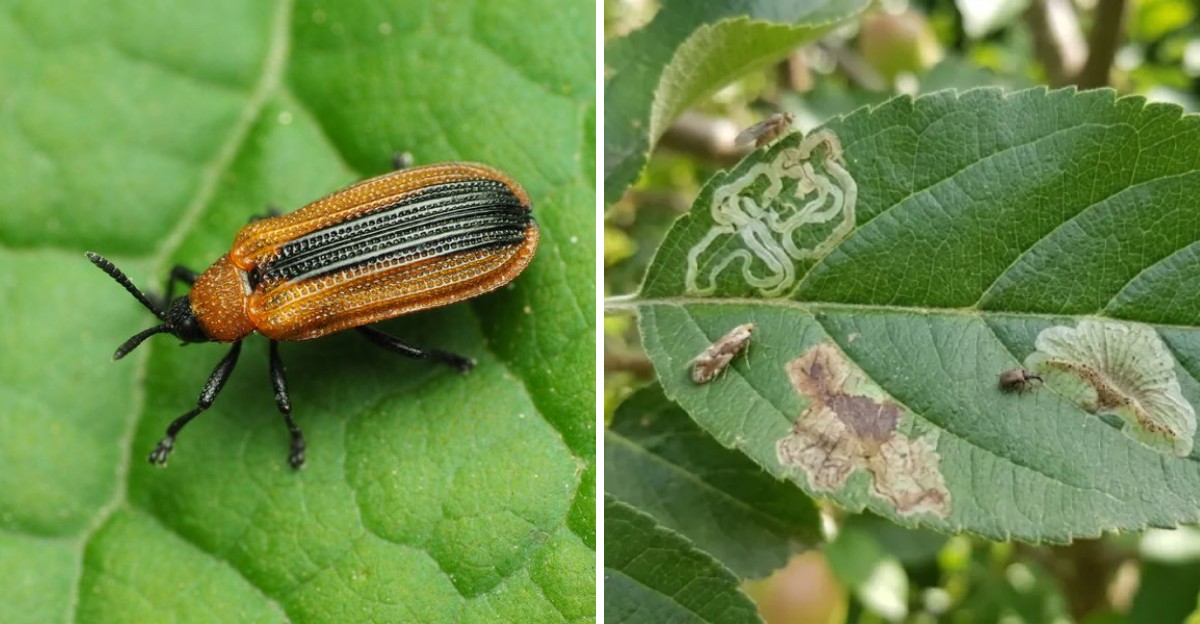
Orange and small, this insect ignores your calendar entirely. Iowa homeowners like you stand baffled from Dubuque to Des Moines. Whatever caused this reached your trees long before any cool night.
Sleep offered you no explanation for the sudden change. Insects this small rarely cause damage you can see so fast. Suspicion points you straight toward bagworms feeding fast and quietly.
Damage like this spreads across your yard, block by block. You deserve real answers before your own backyard trees turn brittle and empty too.
The Small Orange Culprit Inside The Leaves
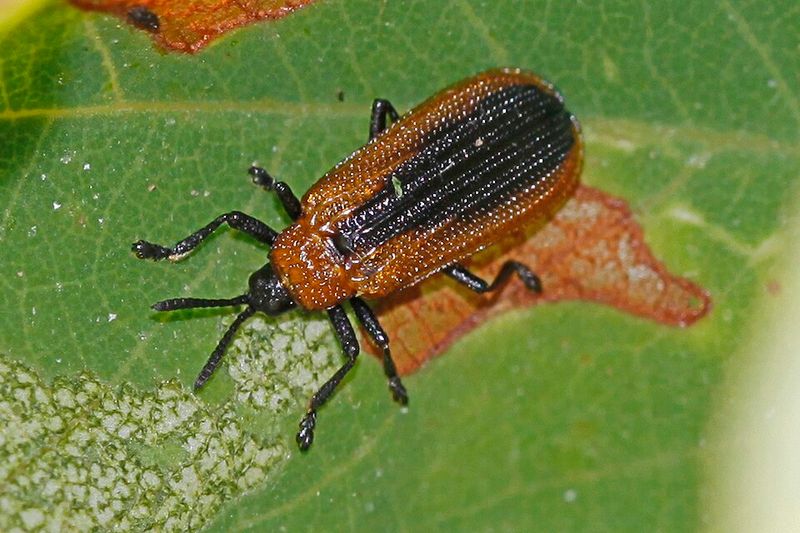
Peel open one of those crispy leaflets and you might find a pale tunnel running through it. That tunnel is the work of the locust leafminer, a beetle about a quarter inch long.
Adults wear orange and black like a tiny jersey, and they chew small holes in leaves. Their larvae do the heavier damage, feeding inside the leaf out of reach.
Black locust is the favorite target, which is why Iowa roadsides look scorched first. Honeylocust trees face different pests, so the two problems should not be lumped together.
Mined leaves lose their green tissue, then dry to that papery brown you notice at highway speed. From a distance the tree can look severely browned.
Extension offices across Iowa tend to field questions about it in most late summers. The insect is native, and it has been part of the Midwest scenery for generations.
Populations swing from year to year, so one summer looks fine and the next looks singed. Weather, natural enemies, and the timing of egg laying all play a role.
Look for pale blotches near the leaf tip that spread toward the base over time. Those blotches are mines, and they confirm the diagnosis without any lab work.
Homeowners often assume a fungus or a chemical spill caused the browning. The reality is a beetle that stays in the neighborhood and waits for warm weather.
Fun bit of trivia, the same beetle has long been recorded across the eastern states. Iowa simply sits near the western edge of its range.
Two Generations And A Late Summer Timeline
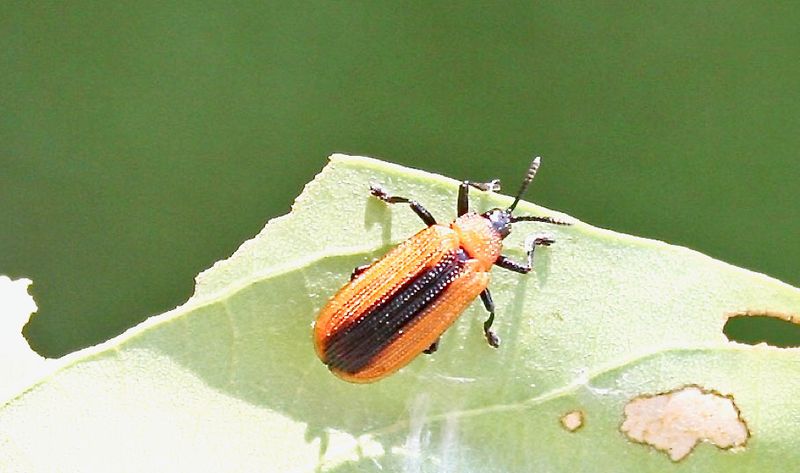
Timing explains a lot about why September feels too early for brown trees. The beetle runs two generations each year, and the second one does the visible damage.
Adults spend winter tucked under bark, leaf litter, and fence row debris around Iowa. They emerge in May, right when young black locust leaves first unfold.
The first round of larvae feeds through June, causing damage most people barely notice. Fresh growth hides the injury, and thick summer foliage covers most of the evidence.
Your Iowa Garden Changes Every Week. Your Plan Should Too.
Gardening in Iowa changes quickly throughout the season. Every Friday you’ll receive a simple weekly plan showing exactly what to plant, prune, fertilize, harvest, and protect so you never miss the right timing.
By late July the second generation gets to work, and their numbers are far larger. August heat speeds everything up, so browning peaks right around Labor Day.
That schedule collides with our idea of fall color, which fools people into thinking fall arrived early. Real autumn color in Iowa usually starts in late September or October.
Warm, dry summers tend to favor the beetle, and Iowa has served up plenty of those. Cool, wet Junes can knock populations back before the second wave builds.
Frost eventually shuts the whole show down, typically by mid-to-late October depending on the region. Surviving adults slip into hiding spots and quietly wait for spring.
Knowing the calendar helps you skip panic in September, since the feeding season is nearly finished. By the time leaves look toasted, the insects have already eaten their fill.
Mark late May on your calendar if you want to watch the cycle from the start. Little orange adults on new leaves are the opening act.
Leafminer Damage Versus Drought And Disease Symptoms
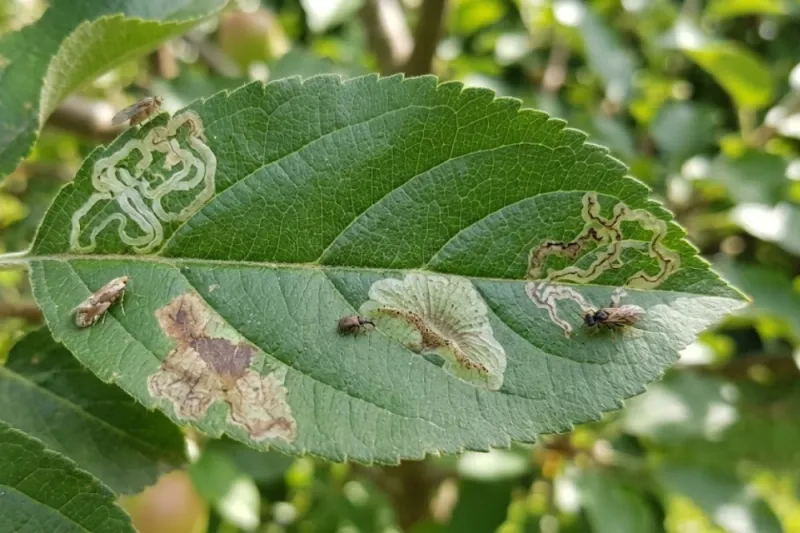
Brown leaves can come from several directions, so a quick check saves you worry and money. Leafminer injury has a signature look once you know it.
Hold a damaged leaflet up to the sunlight and look for hollow, see-through patches. Drought browning leaves the tissue solid, just dry and curled at the edges.
Mined leaves also show tiny chew holes from adult beetles, like pinpricks scattered across the surface. Drought stress does not punch neat little holes anywhere on the leaf.
Disease problems such as cankers usually start on branches and move outward in patches. Leafminer browning tends to hit the upper crown and the sunniest sides hardest.
Another clue sits on the ground, where fallen leaflets crumble into flakes instead of bending. Leaves dried by thirst feel leathery and tough rather than papery and hollow.
Root problems and herbicide drift create their own patterns, often twisting or cupping new growth. Leaf mines leave the overall shape normal, just hollowed out and pale.
If you are stuck, snap a photo and send it to your county extension office. Iowa State operates a plant diagnostic clinic that can help confirm cases like this.
Getting the diagnosis right matters because the treatments are wildly different. Watering helps a thirsty tree, but water does nothing to a beetle already inside a leaf.
Neighbors comparing notes helps too, since leafminer outbreaks usually hit a whole stretch of trees. One lonely brown tree among healthy ones points somewhere else.
The Chainsaw Mistake Worried Homeowners Often Make
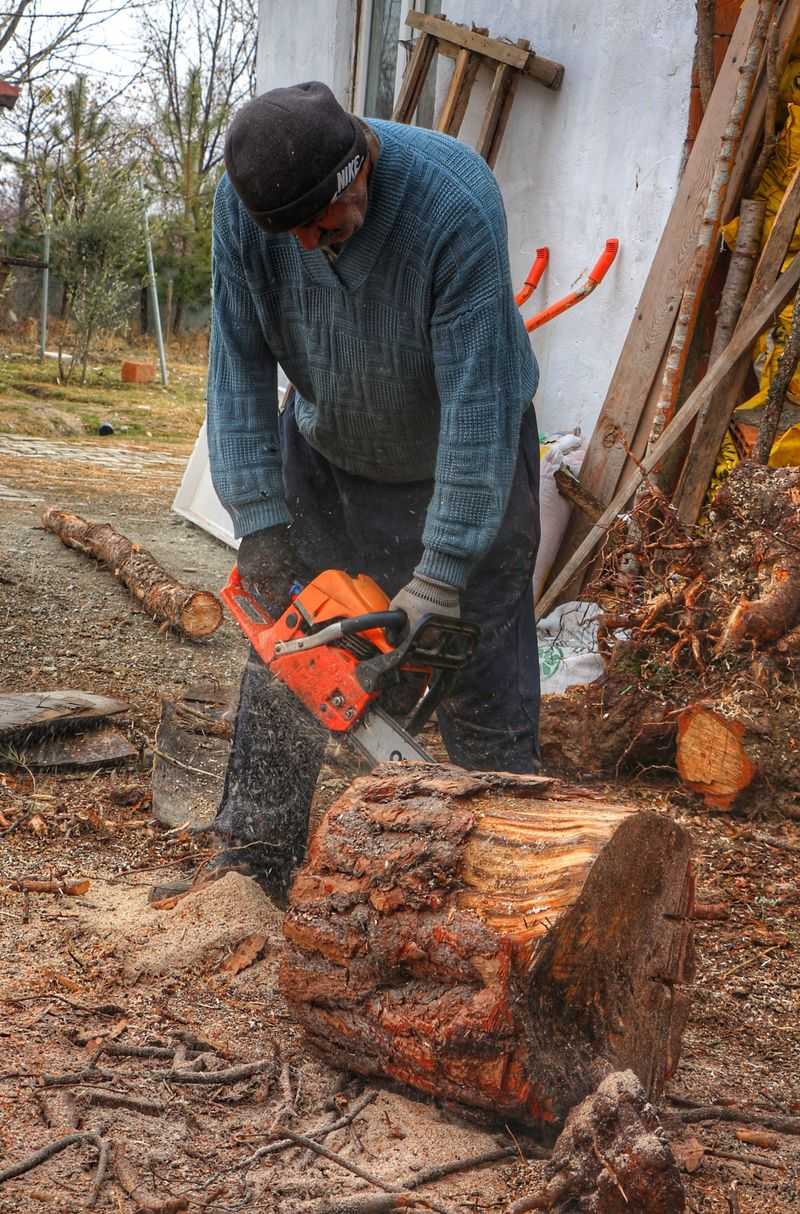
Every September a few Iowa homeowners reach for the chainsaw, convinced their locust won’t recover. That decision is usually premature, and a tree service bill is not cheap.
Black locust is famously tough, the kind of tree that resprouts from a stump with enthusiasm. One rough season rarely ends the story for a healthy, established tree.
Another common misstep involves spraying insecticide in late August, hoping to rescue the leaves. By then the larvae are protected inside the leaf, and the damage is already done.
Broad sprays also take out lady beetles, parasitic wasps, and other helpers that keep numbers down. Those natural enemies are the reason outbreaks fade after a year or two.
Heavy fertilizing is a third trap, since a stressed tree does not need a growth spurt. Pushing tender new leaves late in the season invites winter injury instead.
Some folks also pile mulch high against the trunk, thinking they are helping. Volcano mulching traps moisture, invites rot, and creates a more serious problem than the beetle itself.
Patience feels passive, yet it is the smartest move available in September. The tree has stored energy, the season is closing, and the insects are winding down.
Give it a year before making a removal decision, unless a certified arborist says otherwise. Trees have a habit of surprising the people who choose to wait.
Mark the tree, take a photo, and compare it to next June’s leaves. A tree leafing out normally in spring earned its reprieve.
Smart September Care For A Browned Locust Tree
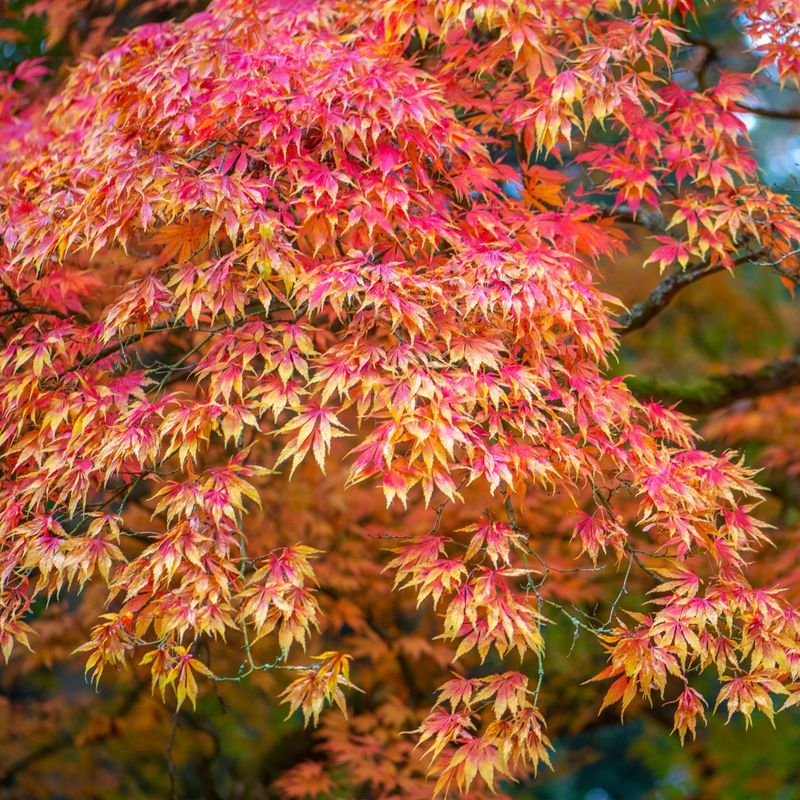
Practical help in September comes down to lowering stress everywhere else in the tree’s life. The tree cannot regrow lost leaves this late, so the goal is supporting the roots.
Deep watering is the single best thing you can do during a dry Iowa fall. Aim for one good soaking each week until the ground freezes.
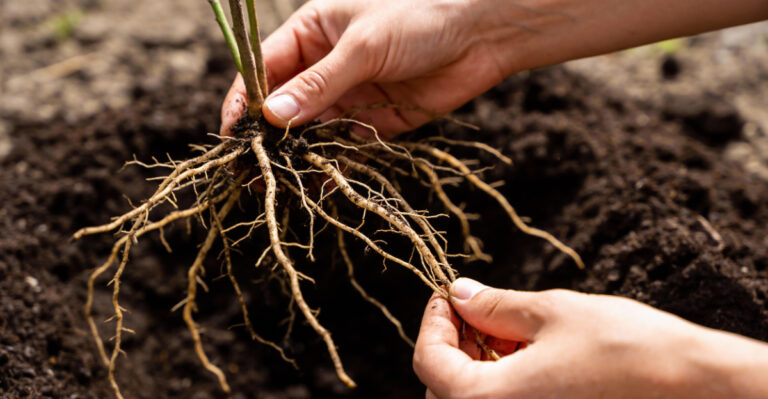
Let the hose trickle slowly at the drip line, not against the trunk. Roots spread far wider than the branches, a fact that surprises most homeowners.
A two to three inch layer of wood mulch helps hold moisture and moderate soil temperature. Keep it pulled back a few inches from the bark.
Skip heavy pruning for now, aside from broken, hanging, or clearly hazardous limbs. Autumn cuts close slowly, and fresh wounds invite trouble through the winter months.
Raking fallen leaflets will not solve much, since adults overwinter in bark and ground cover nearby. Tidying is fine, but do not expect miracles from it.
Hold off on fertilizer until a soil test tells you something is actually missing. Guesswork costs money and sometimes makes growing conditions worse instead of better.
Young trees planted within the last three years deserve extra attention this month. Their root systems are still small, so a dry stretch hits them hardest.
Handle those basics and you have done your part for the year, honestly. The beetle will wrap up its season with or without your permission.
Consistency beats intensity here. Steady care through October matters more than one dramatic weekend project.
Recovery Odds And The View Toward Next Spring
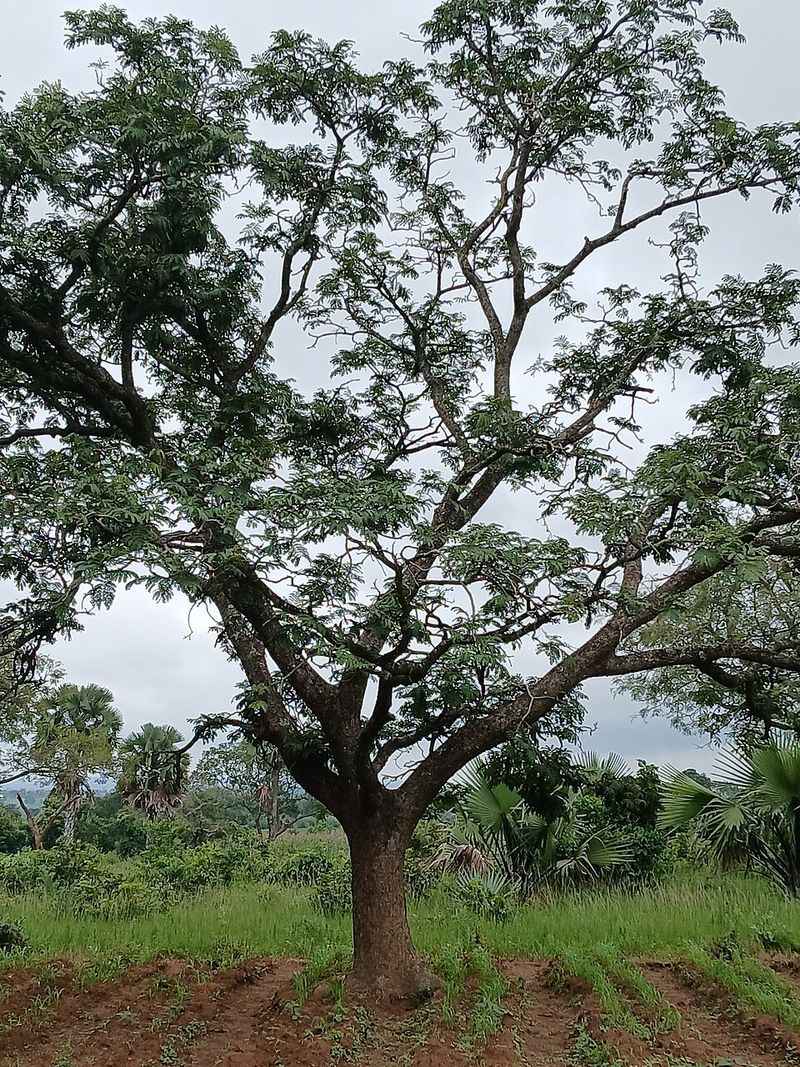
Good news arrives in the form of some fairly stubborn tree biology. Most black locusts shrug off leafminer damage and leaf out normally the following May.
By late August a tree has already banked most of the sugar it needs for winter. Losing leaf function in September costs far less than losing it in June.
Repeated heavy infestations over several years can weaken a tree, especially alongside drought or road salt. Single bad seasons rarely register as a long term setback.
Some trees push out a flush of new leaves in September, which looks encouraging. That growth drains stored energy, so it is not the win it appears to be.
Watch for buds next spring rather than judging the tree by its September appearance. Plump, healthy buds along the twigs tell you the report card is fine.
Outbreaks tend to collapse on their own after one or two busy seasons. Predators, parasites, and disease catch up with the beetles once numbers get high.
Iowa has seen these waves before, in roadside stands and windbreaks across the state. Longtime landowners have grown accustomed to seeing brown roadside timber in September.
Meanwhile the tree keeps providing shade, wildlife cover, and erosion control on slopes and banks. A crispy canopy looks rough, but the trunk and roots keep working.
Give it until June before making any final judgments about the old locust. Most of them come back looking like nothing happened at all.
Prevention Plans For Iowa Yards With Locust Trees
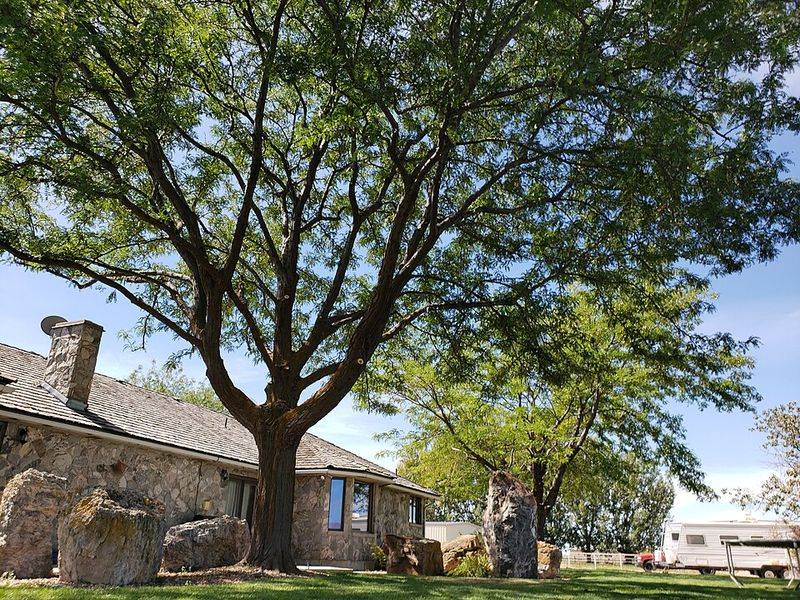
Prevention with a native insect works differently than blocking a foreign invader. The goal is managing a natural cycle, not erasing it from the landscape.
Healthy trees handle feeding better, so the foundation is water, mulch, and sensible soil care. Boring advice, but it outperforms almost anything sold in a spray bottle.
If a high value yard tree gets hammered several years running, a systemic treatment is an option. Timing must land in spring, when the first larvae begin feeding.
Licensed applicators can apply soil-injected products in April or early May for that purpose. Speak with a certified arborist before committing money to that approach.
Encourage natural enemies by keeping flowering plants nearby and skipping broad, calendar-based spraying. Wasps and lady beetles do plenty of unpaid work in Iowa yards.
For new plantings, mix your species rather than lining a driveway with identical trees. Diversity means one pest outbreak cannot brown your whole property at once.
Hackberry, Kentucky coffeetree, bur oak, and swamp white oak all handle Iowa conditions well. Variety also spreads out fall color instead of turning everything at once.
Keep a simple log of which years look bad, since patterns help you plan. Two rough years in a row may justify a call to a professional.
Mostly though, prevention here means learning to read a brown canopy without losing sleep. A native beetle doing native beetle things is part of living in Iowa.