Your Florida Bougainvillea May Need Less Care In September, Not More
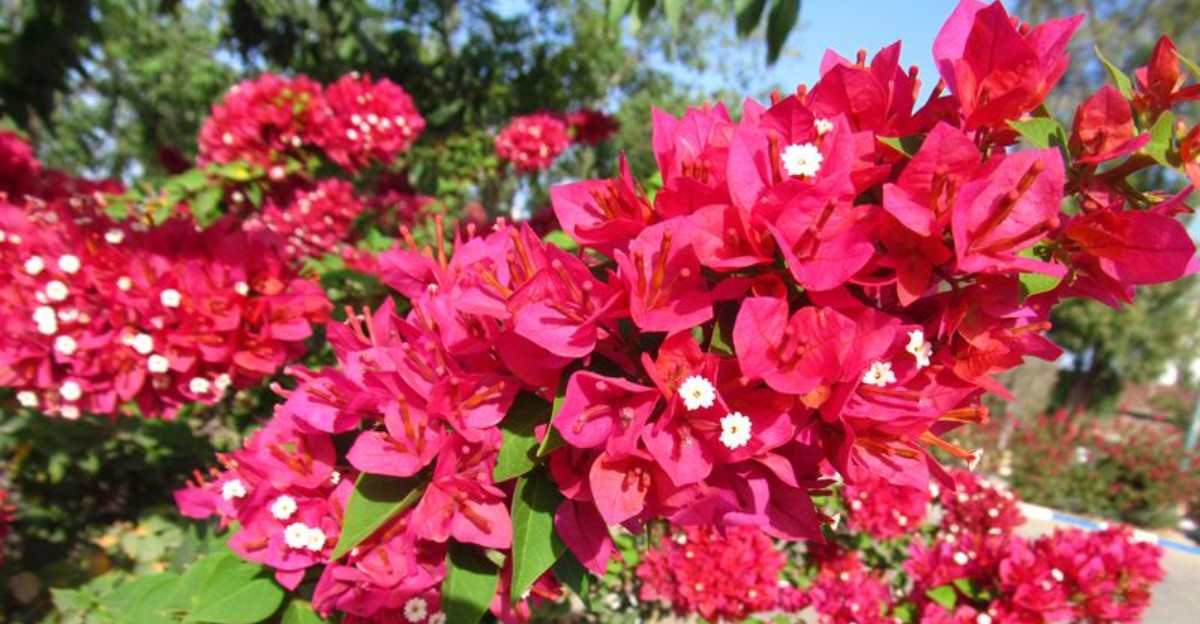
You’ve spent all summer fussing over that bougainvillea, and this Florida heat has you convinced more attention means more blooms.
That instinct works against you this time of year. Bougainvillea actually performs best under a certain kind of pressure, and September quietly sets up conditions that do a chunk of the work without your help.
Add more care on top of that, and you risk trading the color you want for a plant that grows a lot of leaves and not much else.
One specific habit trips up more homeowners than anything else this month, and it has nothing to do with water.
Ease off this month and watch what happens. Sometimes doing less is the whole trick.
1. Let Bougainvillea Dry Out Between Waterings
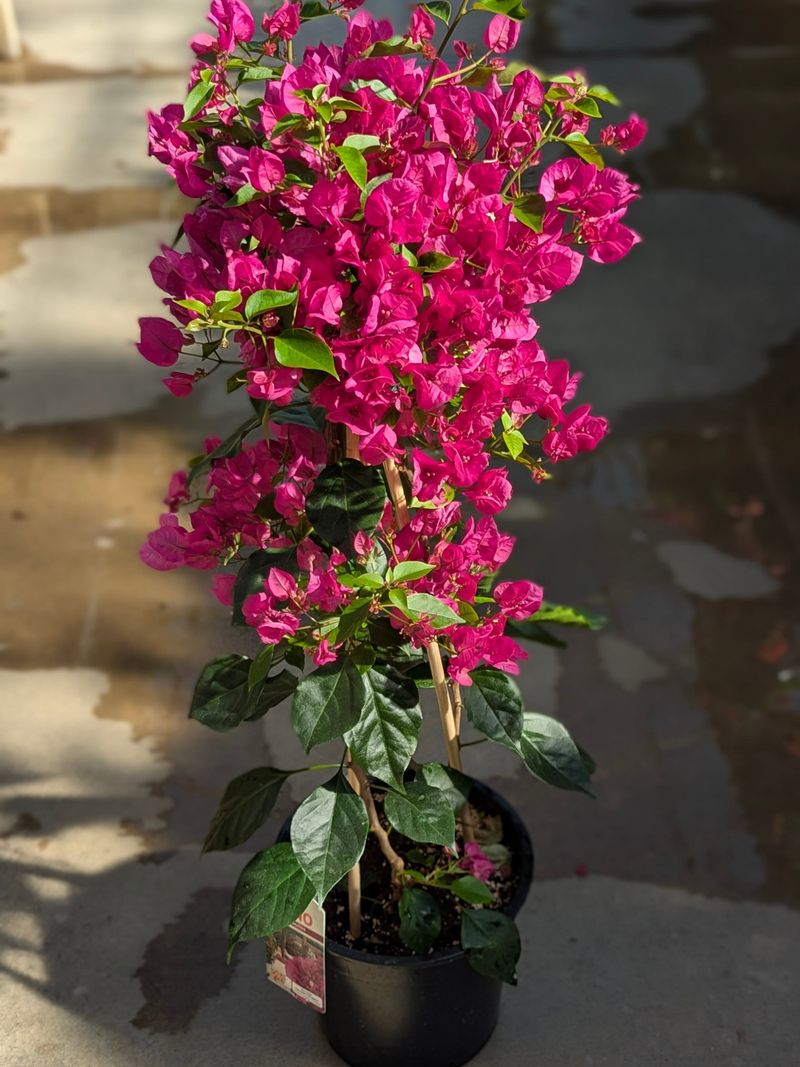
Soggy roots are the fastest way to a leafy, colorless vine. Bougainvillea evolved in dry, rocky places, so constant moisture confuses it.
The best rhythm is deep and occasional. Soak the root zone well, then let the top two to three inches of soil go dry before you reach for the hose again.
Poke a finger into the soil near the base. If it feels cool and damp, walk away and check again tomorrow.
Established plants in the ground often get by on rainfall alone for weeks at a time. Container plants dry faster, so they may need a drink every few days in heat, but the same dry-down rule applies.
That brief dry spell can help encourage flowering, especially when the plant is getting plenty of sun and not being overfed.
Growers in Southwest Florida use this trick on purpose. When the dry season arrives around November, they cut back water and watch color explode across the plant.
Root rot, by contrast, sneaks up quietly. Wet feet in heavy or poorly draining soil leave roots unable to breathe, and the whole plant sulks.
September is a fine time to practice restraint. Let the soil tell you when to water, rather than a timer on the wall.
2. Skip Extra Fertilizer When Blooms Are Already Strong
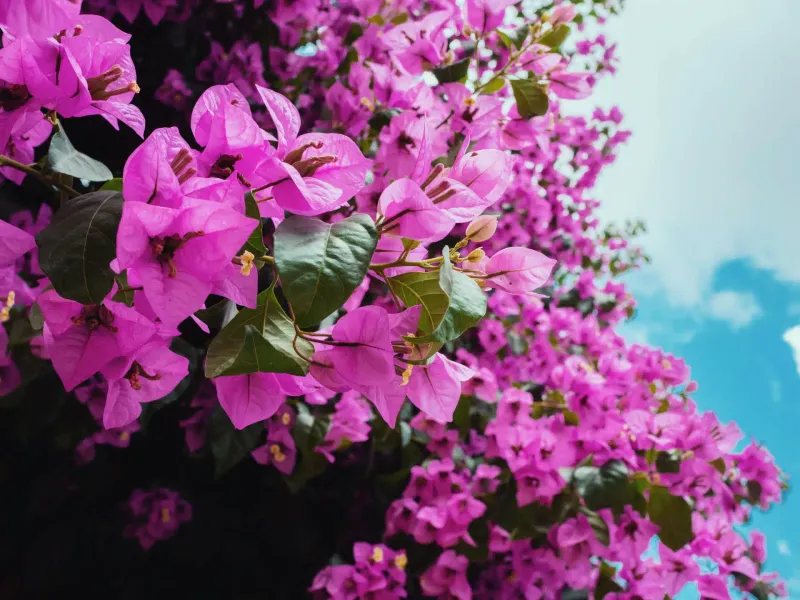
Here is the funny part about feeding bougainvillea: generosity backfires. Pile on nitrogen and you get a green monster with thorns and almost no color.
Nitrogen builds leaves and stems. Potassium supports overall plant health and flowering, while fertilizer needs depend on the plant and soil conditions.
During spring and early summer, a bloom booster every four to six weeks suits most plants. By late summer, it makes sense to taper off.
If your vine is already pushing out fresh bracts in September, it is telling you the tank is full. Adding more food at that point pushes soft, floppy growth instead of color.
That tender growth also struggles when cooler nights arrive. Firm, hardened stems handle temperature swings far better.
Heavy late-season feeding can also mute the next bloom cycle. You may end up with a lush green wall in January instead of the magenta curtain you pictured.
Container growers should be extra careful, since fertilizer salts build up in pots and can scorch roots. Flushing the pot with plain water now and then helps.
Your Florida Garden Changes Every Week. Your Plan Should Too.
Gardening in Florida changes quickly throughout the season. Every Friday you’ll receive a simple weekly plan showing exactly what to plant, prune, fertilize, harvest, and protect so you never miss the right timing.
Watch the plant, not the calendar. Strong color and steady new shoots mean your bougainvillea is perfectly happy without another meal this month.
3. Hold The Pruners Until You See What Needs Cutting
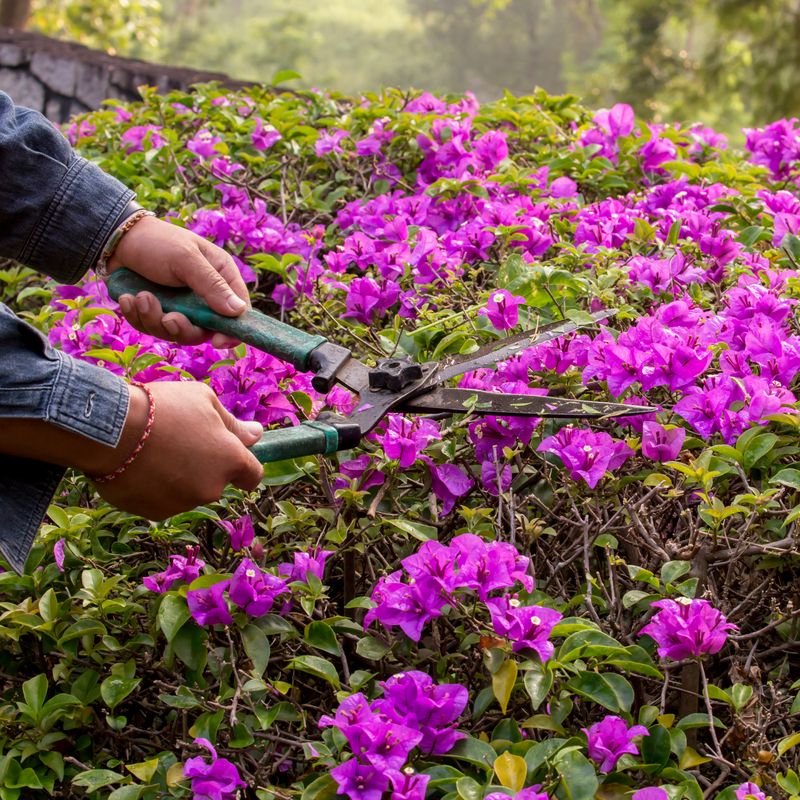
Pruners have a way of taking over once they are in your hand. One snip turns into forty, and suddenly half your future color is on the ground.
Bougainvillea sets its bracts on new growth. Cut hard at the wrong moment and you remove the very shoots that were about to put on a show.
In Florida, the sweet spot for big cuts is late winter or early spring, after a flowering cycle finishes or as the rainy season begins. September sits awkwardly in between.
Trimming heavily now can leave you with a thin winter display. That is a rough trade for an hour of tidying.
Light touch-ups are a different story. Snipping a spent flush or shortening one wayward cane keeps the shape without stressing the plant.
Walk the vine first and actually look. Mark the branches crossing a walkway, rubbing on a wall, or blocking a window, then cut only those.
Broken or damaged canes can go anytime, since leaving them helps no one. Everything else can wait.
A handy habit: stand back after every three cuts and reassess. The vine usually needs less shaping than it seemed to from the kitchen window.
4. Give Bougainvillea More Sun Instead Of More Care
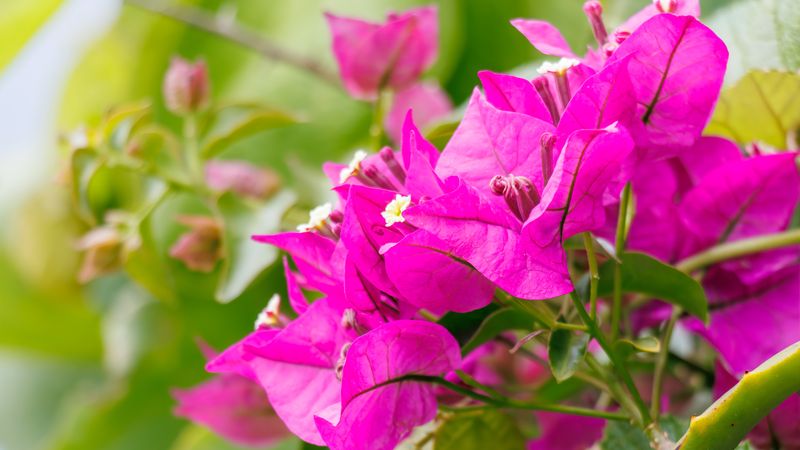
Sunlight does more for this plant than any bottle, bag, or gadget you can buy. Bougainvillea are unapologetic sun worshippers.
Bougainvillea needs plenty of direct sun for strong flowering, with more light generally producing better color.
When a vine grows leggy, thorny, and stubbornly green, shade is usually the reason. Trees leaf out, neighbors build fences, and a spot that once baked now sits in dappled light by afternoon.
Potted plants are the easy fix. Roll or carry them to the hottest, brightest corner of the yard and watch the difference over a few weeks.
In-ground plants take more thought. Thinning an overhanging branch or limbing up a nearby tree can restore hours of light without moving anything.
South and west exposures tend to work best in Florida, including spots against a light-colored wall that bounces heat back at the plant. Reflected warmth is a bonus, not a problem.
Before you blame a nutrient shortage for weak color, spend a day noting when sun actually hits the plant. Take a photo every couple of hours.
Before you blame a nutrient shortage for weak color, check how much direct sun the plant actually receives.
5. Stop Treating Yellow Leaves With More Water
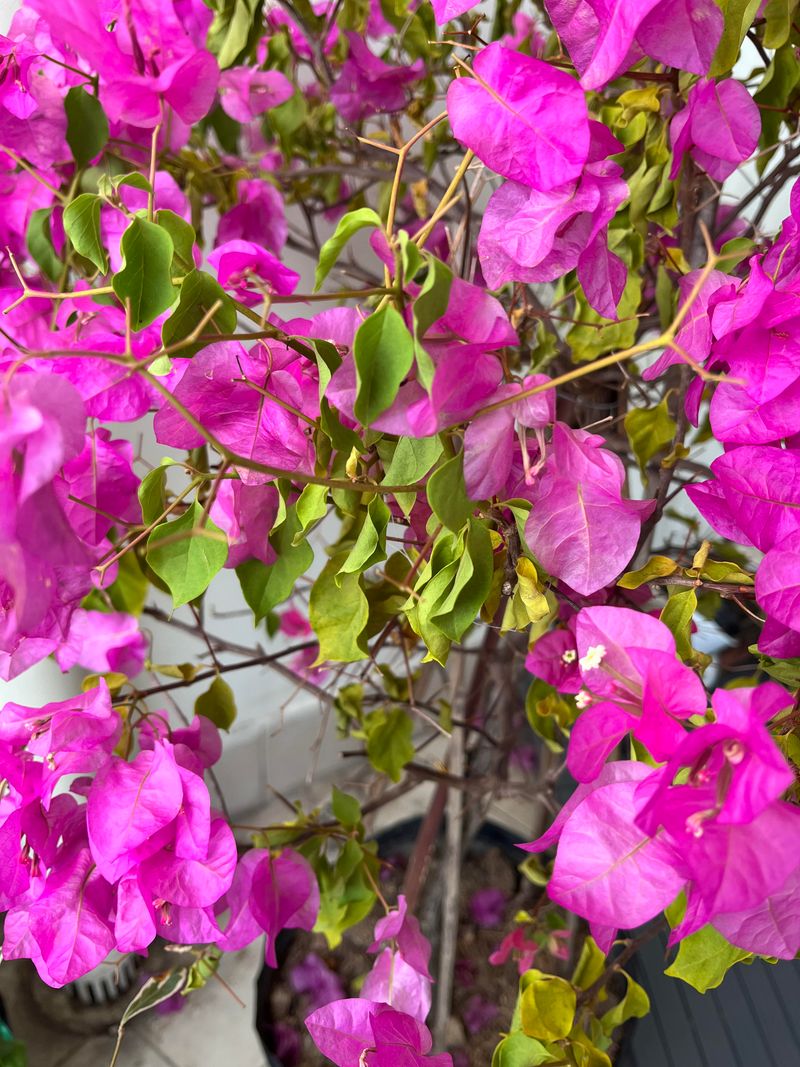
Yellow leaves look thirsty. That instinct sends a lot of Florida gardeners straight to the hose, which often makes things worse.
Soggy soil is the most common reason bougainvillea leaves turn pale. Roots sitting in water cannot take up oxygen, and the plant shows it in the foliage.
Drainage plays a big role too. Heavy clay pockets, saucers full of rainwater, and pots without working holes all trap moisture where roots cannot escape it.
Other culprits exist. Too little sun, low nitrogen, iron or magnesium shortages, recent repotting, or a sudden weather swing can all cause yellowing.
Underwatering shows up differently. Those leaves go yellow, then dry, crispy, and curled, and the soil pulls away from the pot edge.
Diagnose before you act. Check soil moisture two inches down, look at drainage, then consider light and nutrition in that order.
Once a leaf turns yellow, it will not green up again. That is normal, so do not judge your progress by the old foliage.
Fix the underlying issue and watch the new shoots instead. Fresh green growth appearing at the tips means you got the diagnosis right.
Patience beats panic here. A week of observation saves a month of trouble.
6. Leave Healthy New Growth Alone
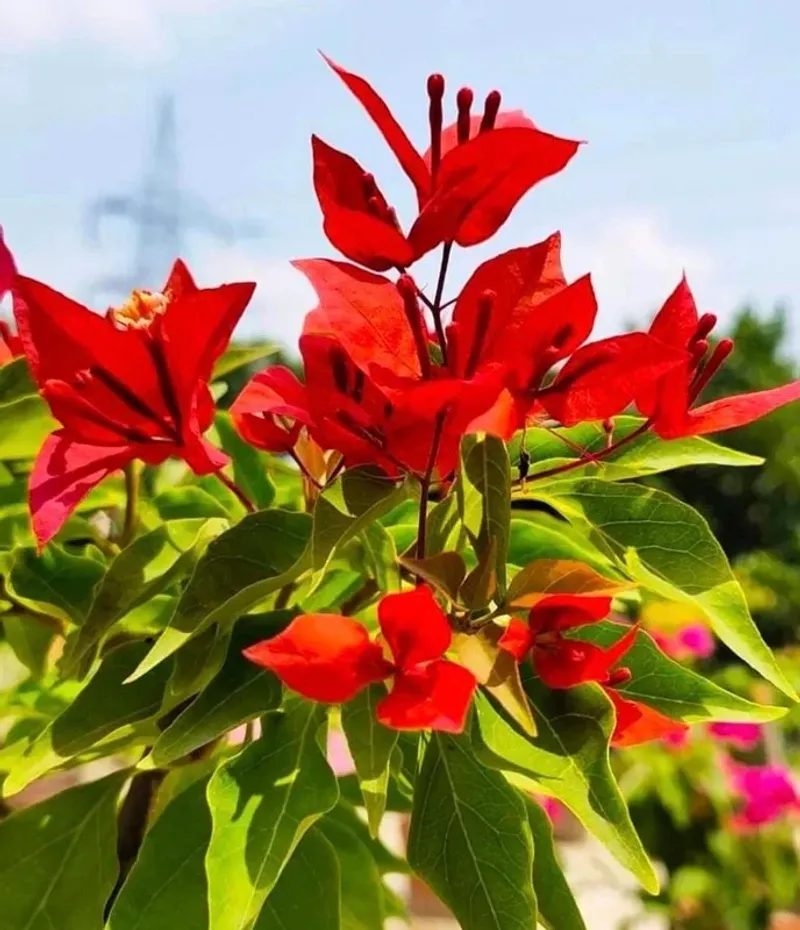
Those skinny new shoots at the branch tips are not messy. They are your next round of color, still in progress.
Every bract this plant produces forms on fresh growth. Snip the young stems and you have traded a future display for a neater silhouette today.
Give a shoot a few weeks and the tips start blushing. Pink, magenta, coral, or white edges appear where plain green leaves used to be.
Light pruning after a bloom flush does encourage new shoots, which is useful. The mistake is cutting indiscriminately, taking healthy developing stems along with the spent ones.
A good rule: remove what is finished, damaged, or in the way, and let everything vigorous stay. Your vine keeps its momentum that way.
Vertical canes that shoot straight up can be tied instead of trimmed. Training them along a fence or trellis spreads color horizontally and keeps the growth working for you.
Fun detail worth knowing: the showy parts are modified leaves called bracts, and the real flowers are the tiny white tubes tucked inside them. Those little blooms only appear once the bracts mature.
September growth in Florida moves fast thanks to heat and rain. Let it run, and enjoy the payoff later.
7. Watch September Rain Before Turning On Irrigation
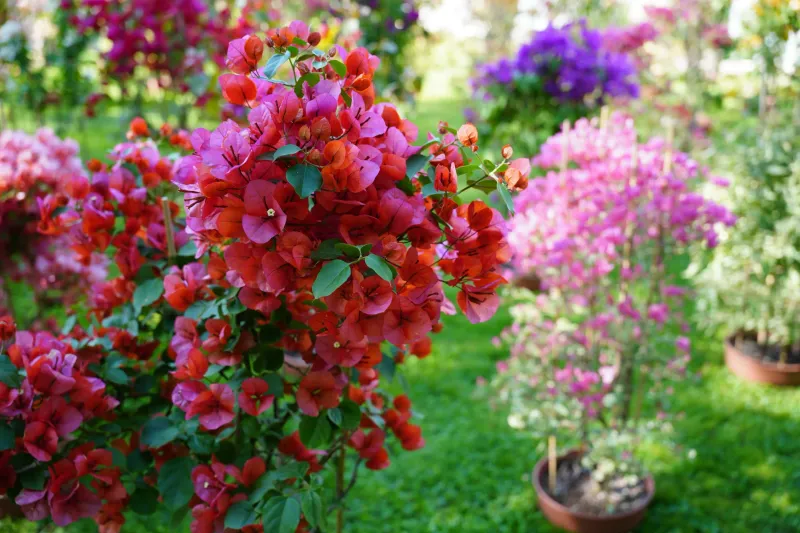
Florida hands out water for free from mid-May into September or even October. Running sprinklers on top of that is like adding salt to an already salty dish.
Afternoon storms can drop an inch in twenty minutes. Your automatic system, meanwhile, keeps its Tuesday and Friday schedule as if nothing happened.
A cheap rain gauge solves most of this. Check it in the morning and skip the next cycle if you collected half an inch or more.
Rain sensors and smart controllers do the thinking for you. Many Florida water districts even offer rebates for installing them.
Too much rain stresses roots the same way overwatering does, leaving them waterlogged and unhappy. Bougainvillea in low spots suffers most.
If your plant sits where water pools after storms, consider raising the bed or amending the soil with coarse material to improve drainage. Better yet, plant new ones on a slight mound.
Container plants deserve a quick look too. Tip out any saucers holding standing water after a storm.
When the rainy pattern breaks and a dry stretch settles in, go back to deep and infrequent soakings. Until then, let the clouds handle the chore and keep the controller off.
8. Keep Heavy Pruning For The Right Moment
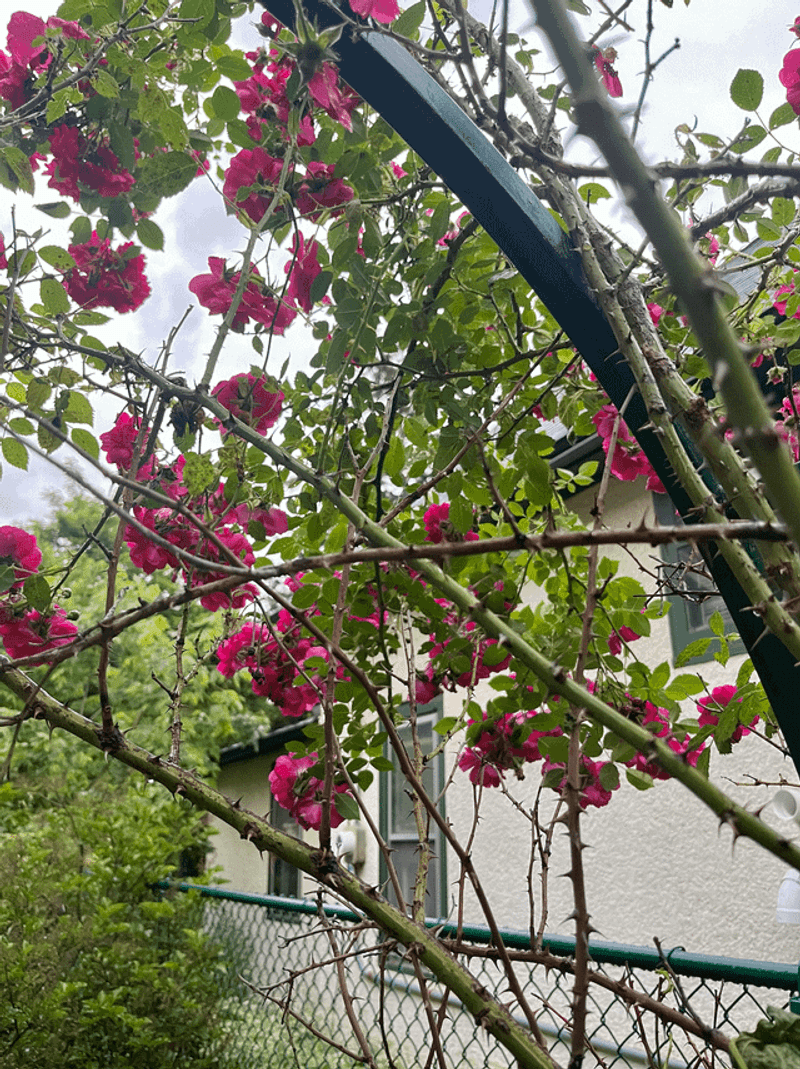
Big cuts deserve a calendar, not a whim. Reshaping or shrinking a large bougainvillea is a project with real consequences for next season’s color.
Late winter and early spring are the prime windows in Florida. The plant is semi-dormant then, and the cuts have months of warm weather ahead to regrow bloom-bearing shoots.
The start of the rainy season works well too, since fast growth follows the moisture. Either timing gives the vine room to recover.
September, by comparison, is a risky moment for major work. Heavy cuts now often mean a sparse winter display, right when you wanted color against the holidays.
Save this month for structural fixes only. A branch scraping a roofline or crowding a driveway can come off without guilt.
When the right season arrives, wear thick gloves and long sleeves. Those thorns are no joke, and the sap can irritate skin.
Use sharp bypass loppers and cut just above a node facing the direction you want growth to go. Clean tools between plants to avoid spreading trouble.
Remove no more than a third at a time unless you are deliberately renovating an overgrown specimen. Gradual reshaping keeps the plant steady and your fence line colorful.
9. Let A Little Stress Bring The Bracts Back
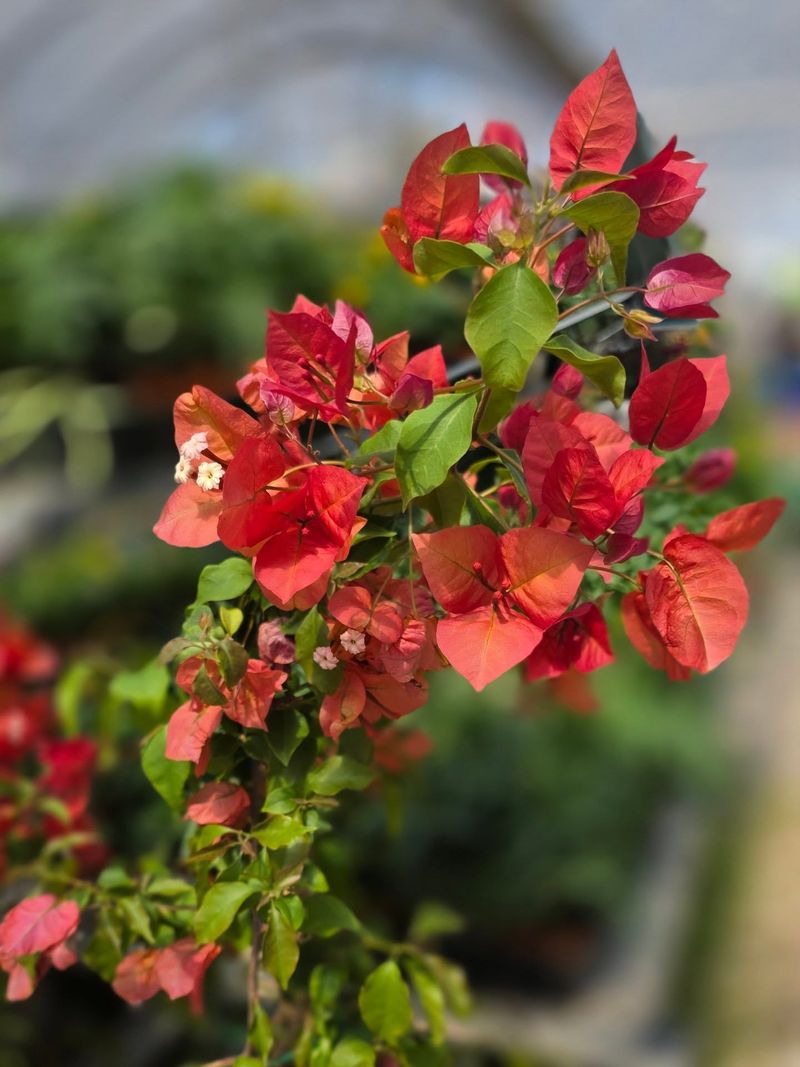
Plants that bloom when life gets tough are rare, and this one turns hardship into a spectacle. Comfort makes it lazy.
Growers call it bloom-on-stress. Slightly dry soil and modest fertility push the vine to produce bracts rather than more leaves.
Some experienced growers deliberately allow the soil to dry more between waterings to encourage flowering, but the plant should not be pushed into prolonged drought stress.
Try it carefully if you are new to the technique. Start by stretching the gap between waterings by a day or two and note how the plant responds.
Container plants offer the clearest results, since you control every drop. Watch for drooping tips as your cue, then soak thoroughly.
Root restriction helps as well, which explains why bougainvillea in snug pots often bloom harder than pampered in-ground plants. A crowded root ball nudges the vine toward flowering.
None of this means neglect. The idea is a steady rhythm of soak, dry, soak, with less food and more sun in the mix.
Come the dry months from November through May, that rhythm pays off across Southwest Florida yards. Ease up now, and your fence may look painted by autumn’s end.