Don’t toss those banana peels and wood ash – 4 more kitchen scraps that feed your Oregon beds

Your kitchen trash can might be hiding some of the best free plant food in Oregon. Before you scrape those leftovers into the bin, take a second look, because a handful of everyday scraps can quietly turn your Willamette Valley beds into something special.
It feels good to grow strong plants and waste less at the same time. Here are four more scraps worth saving for your garden.
1. Eggshells
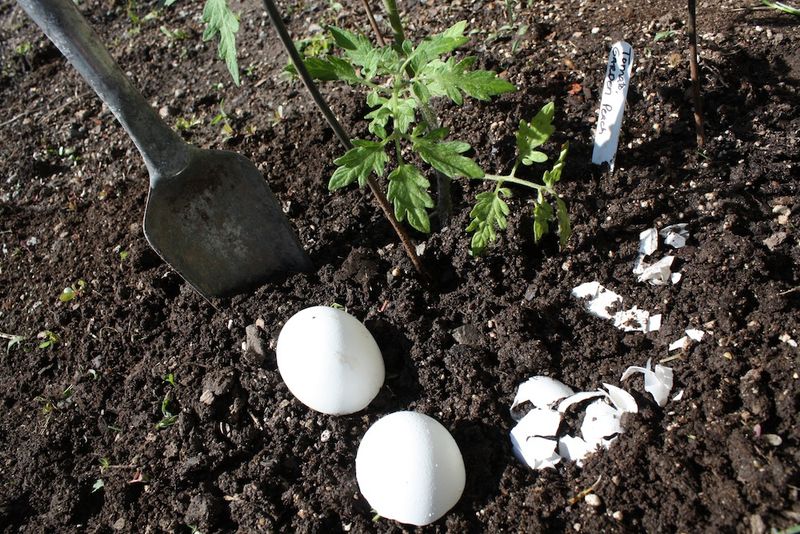
Breakfast leftovers rarely get a second glance, but those cracked shells sitting by your sink are packed with calcium. That single nutrient does a lot of heavy lifting, helping tomatoes, peppers, and squash grow sturdy and fending off blossom end rot, the sunken brown patch that can ruin a promising fruit.
The routine is easy. Rinse the shells, let them dry, then crush them and sprinkle the pieces around the base of your plants or work them gently into the soil.
The calcium releases slowly, feeding hungry roots over the long Oregon growing season rather than all at once.
There is a bonus, too. Crushed shells can loosen heavy soil a bit, improving drainage and letting roots breathe, which matters west of the Cascades where our wet winters leave beds soggy well into spring.
Save a small container on the counter and you will be surprised how fast it fills.
2. Coffee Grounds
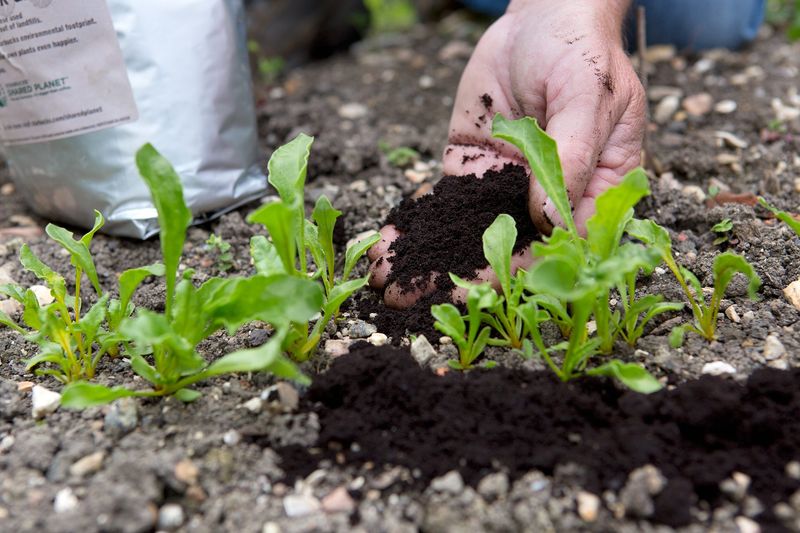
That morning cup leaves behind a garden gem most of us dump without a thought. Used coffee grounds count as a nitrogen-rich green scrap, and they also carry a little potassium and phosphorus, all of it useful for leafy, vigorous growth.
Worked into your soil or compost, the grounds improve texture, help with drainage, and hold onto moisture, which is a real gift during our bone-dry Oregon summers. Some local gardeners also swear a diluted coffee drench around tender seedlings can help discourage slugs, and if you garden in the maritime PNW, you know slugs are practically a full-time hobby of their own.
One caution keeps this from backfiring. A thick, fresh layer piled on the surface can compact and grow moldy, so scatter thinly or toss them in the compost pile where the microbes will happily go to work.
3. Used Tea Leaves

Finished your afternoon cup? Those spent leaves still have plenty to give before they hit the trash.
Like coffee grounds, tea leaves offer a mild release of nitrogen, potassium, and phosphorus, plus a dose of organic matter that improves how your soil holds together and hangs onto water.
What sets tea apart is the gentle acidic nudge it provides. Plenty of PNW favorites appreciate that, including roses, rhododendrons, and the ferns that seem to thrive in every shady corner of a Willamette Valley yard.
A light acidity boost suits our region’s acid-loving standbys nicely.
Dry the leaves first. Spreading damp clumps invites mold, and nobody wants that fuzzy surprise.
Once dry, sprinkle them around your plants or fold them into the compost, and consider it a quiet thank-you from your garden for a habit you already have.
Your Oregon Garden Changes Every Week. Your Plan Should Too.
Gardening in Oregon changes quickly throughout the season. Every Friday you’ll receive a simple weekly plan showing exactly what to plant, prune, fertilize, harvest, and protect so you never miss the right timing.
4. Vegetable and Fruit Scraps
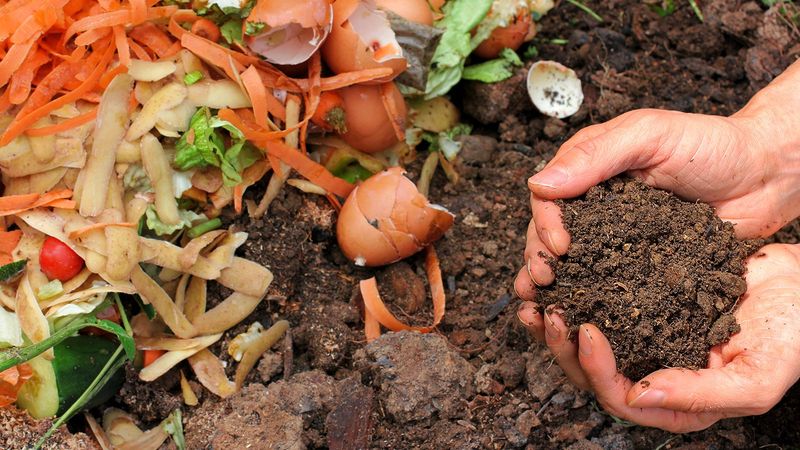
Every carrot peel, apple core, and sad, wilting lettuce leaf is quietly valuable. Collect them instead of trashing them and you are gathering the raw ingredients for compost, the crumbly black gold that gardeners talk about with genuine affection.
Finished compost lifts your whole bed. It boosts fertility, feeds the tiny soil organisms doing invisible work below the surface, and helps the ground hold more water through those long rainless Oregon stretches from June into September.
You have options for how to break it all down. Many Oregon communities offer food scrap collection, but a backyard pile or a worm bin does the job beautifully at home.
Just keep meat, dairy, and oily leftovers out of the mix, since those attract raccoons and other uninvited midnight visitors. Watching scraps become soil is one of the most satisfying loops a gardener gets to close.
5. Crushed Nut Shells
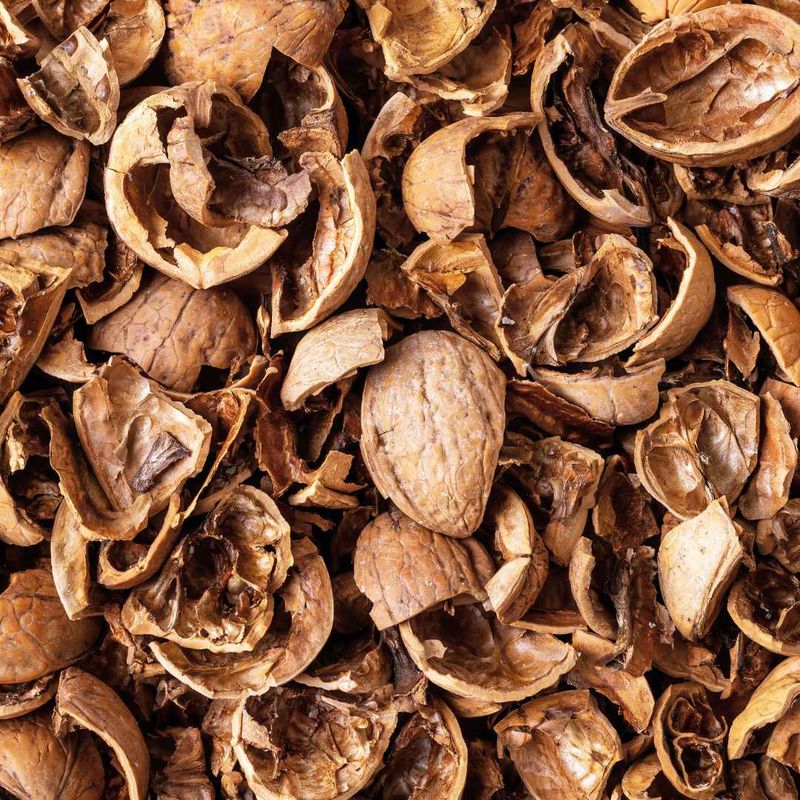
Snack time can pull double duty in the garden. Leftover shells from walnuts, almonds, and other nuts break down slowly and make a surprisingly handy addition to beds and paths, adding organic matter as they go.
Crush them up and scatter a thin layer as a coarse mulch. The chunky texture helps water soak in rather than run off, and it lets air move around plant crowns, which is welcome in our damp maritime climate where soggy soil can smother roots over winter.
A quick heads-up for the walnut fans. Black walnut shells contain a compound that some plants dislike, so it is smarter to compost those separately and let them mellow before spreading.
Milder shells like almond and hazelnut, the latter practically an Oregon crop of pride, are the safer everyday choice for your beds.
6. Citrus Peels
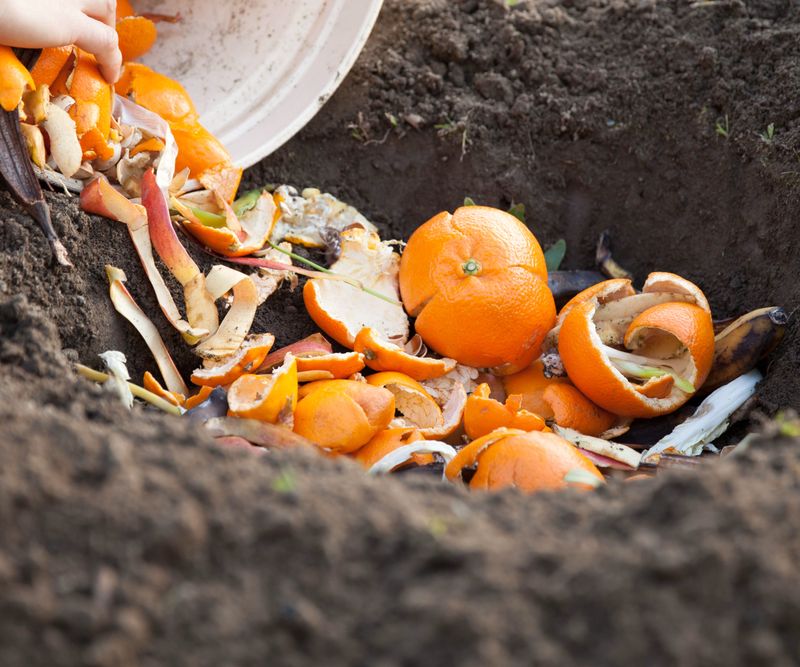
Oranges and lemons leave behind peels that most folks toss straight into the bin, and that is a small missed opportunity. Chopped citrus peels add organic matter and a bit of slow-release nutrition as they decompose in your compost or worked lightly into the soil.
Some Oregon gardeners tuck peels around seedlings hoping the scent can help nudge slugs and a few other soft-bodied pests to look elsewhere, a modest bit of extra defense against creatures our wet climate seems to breed by the thousands. Results vary, so treat it as a helpful experiment rather than a guarantee.
Because citrus is acidic and breaks down slowly, chop the peels small and use them in moderation, mixing them well rather than dumping big piles in one spot. Your worm bin, if you keep one, prefers only a little citrus at a time.
Used with a light hand, those peels finish their life doing something good for your garden.