The Oregon Peony Mistake Made Right After Blooming That Ruins Next Year’s Display Completely
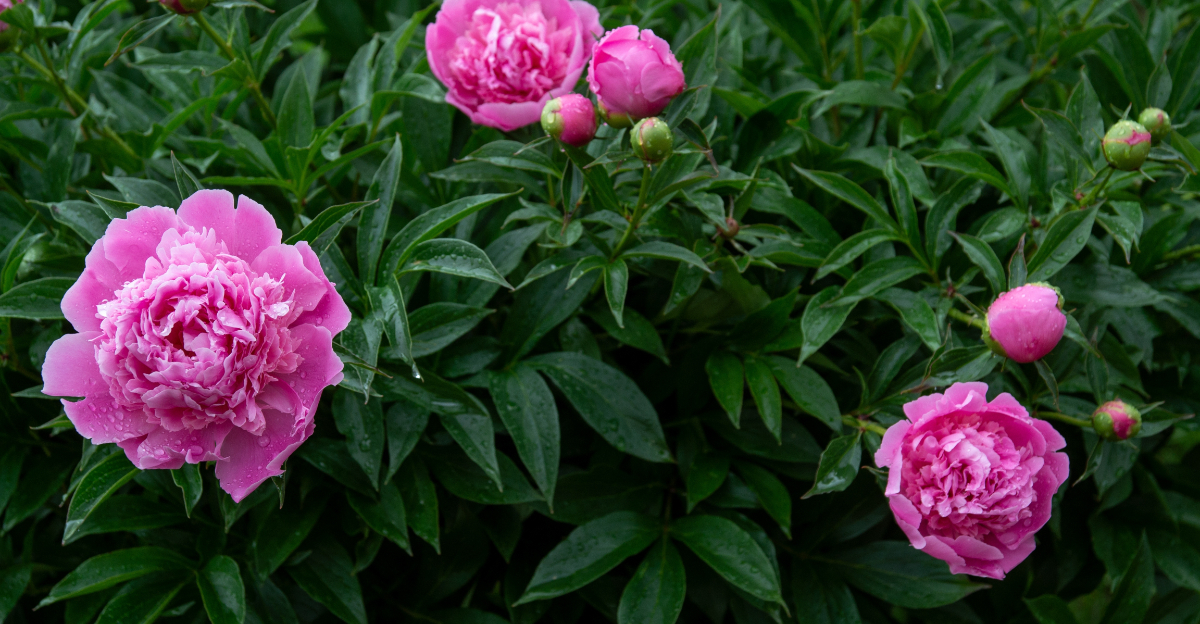
Peonies know how to make an Oregon garden feel expensive for about five glorious minutes.
Then the petals drop, the show ends, and many gardeners get a little too eager to “clean things up.” That is where next year’s display can quietly get sabotaged.
The plant may look finished, but it is still doing important behind-the-scenes work. Treat it like a spent bouquet too soon, and spring’s big comeback may be a lot less impressive.
The frustrating part is that the mistake looks tidy, helpful, and totally reasonable in the moment. Peonies are not needy, but they do expect you to understand their timing.
What happens right after blooming can decide how full, strong, and dramatic next season’s flowers will be.
1. Cutting Leaves Too Soon
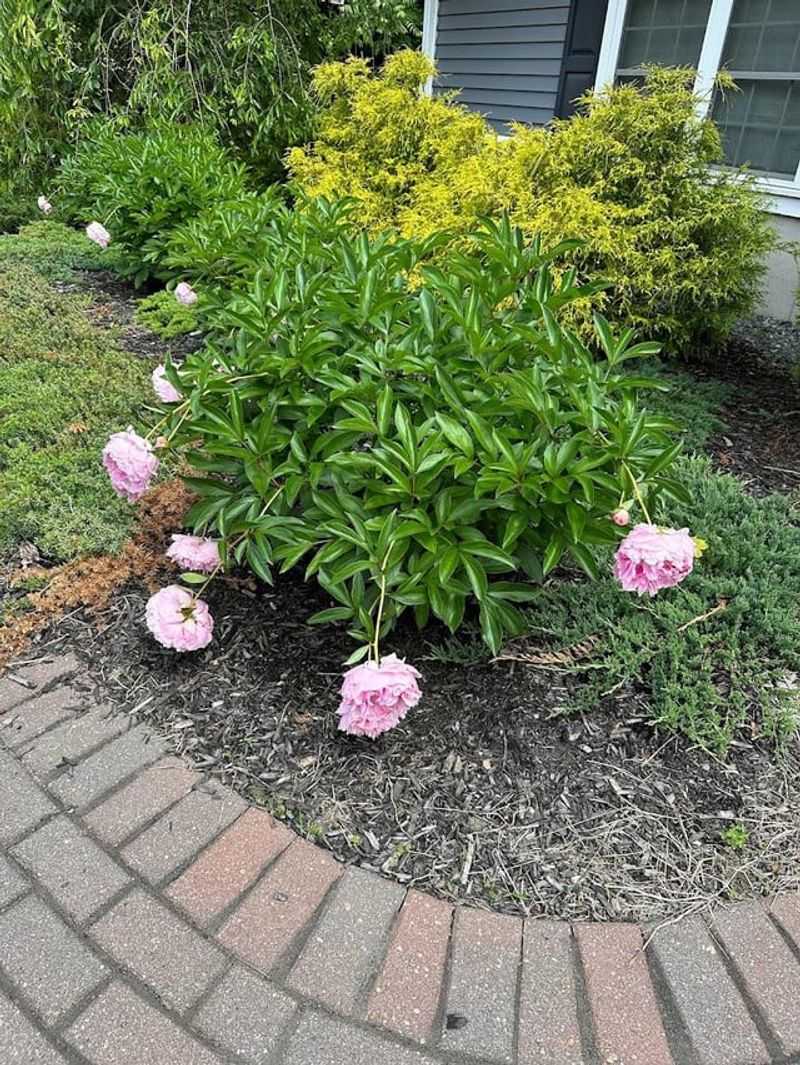
Right after the last peony bloom drops its petals, many gardeners reach for their pruning shears and start cutting everything back. It feels tidy.
It looks clean. But removing the leaves too soon is one of the biggest mistakes you can make for next year’s flowers.
The leaves are not just decoration. They are the plant’s food factory.
Every green leaf on that plant is collecting sunlight and turning it into energy through photosynthesis. That energy travels down into the roots and gets stored for next spring’s growth cycle.
When you cut the foliage off in June or early July, you are cutting off the plant’s ability to build up those energy reserves. The roots end up going into fall and winter with less stored fuel than they need.
Come spring, the plant simply does not have enough energy to push out strong stems and full blooms.
In Oregon, where summers can be dry and warm, the leaves still keep working hard even after bloom season ends. Let them do their job.
Keep the foliage standing green and healthy all the way through summer. Only cut it back once the leaves start to yellow and fade naturally in the fall.
That is the signal that the plant has finished storing energy and is ready to rest for winter.
2. Peony Leaves Feed Next Year’s Blooms
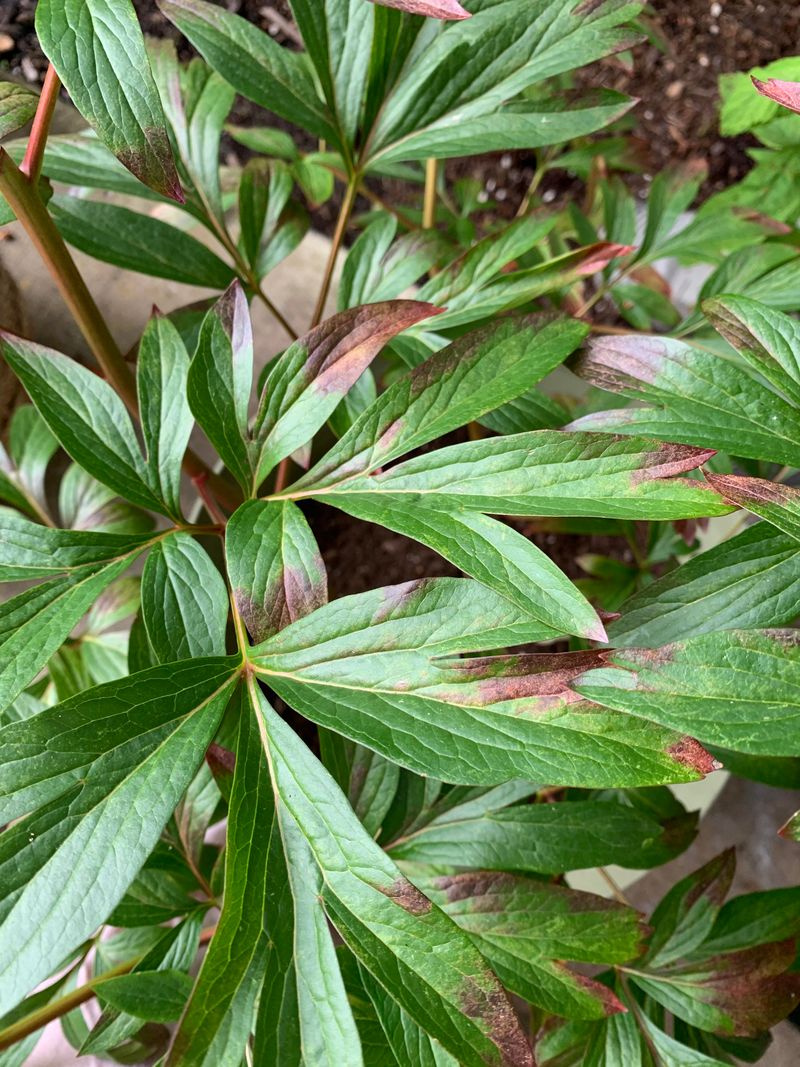
Most people do not think about what a plant is doing underground. But beneath the soil, a peony’s root system is always working.
After the flowers are gone, the roots shift into storage mode, and the leaves above are what make that possible.
Think of the leaves as solar panels. They absorb light and convert it into sugars.
Those sugars move down through the stems and settle into the thick, fleshy roots. By fall, a healthy peony should have roots packed with stored nutrients.
That stored energy is exactly what fuels next spring’s buds, stems, and blooms.
Gardeners who strip the foliage early often wonder why their plants look tired and sparse the following year. The answer is almost always the same: the roots did not get enough time to load up on nutrients.
A plant that runs out of stored energy cannot push out big, showy flowers.
Your Oregon Garden Changes Every Week. Your Plan Should Too.
Gardening in Oregon changes quickly throughout the season. Every Friday you’ll receive a simple weekly plan showing exactly what to plant, prune, fertilize, harvest, and protect so you never miss the right timing.
Oregon’s long, mild summers actually give peonies extra weeks of leaf activity compared to northern regions. That is a real advantage.
Take full benefit of it by leaving the foliage completely alone after bloom time. Water the plant normally, keep the area around it clear of weeds, and let those leaves keep working.
You will see the reward next May when your peonies come back bigger and more vibrant than ever before.
3. Deadhead Flowers, Not The Whole Plant
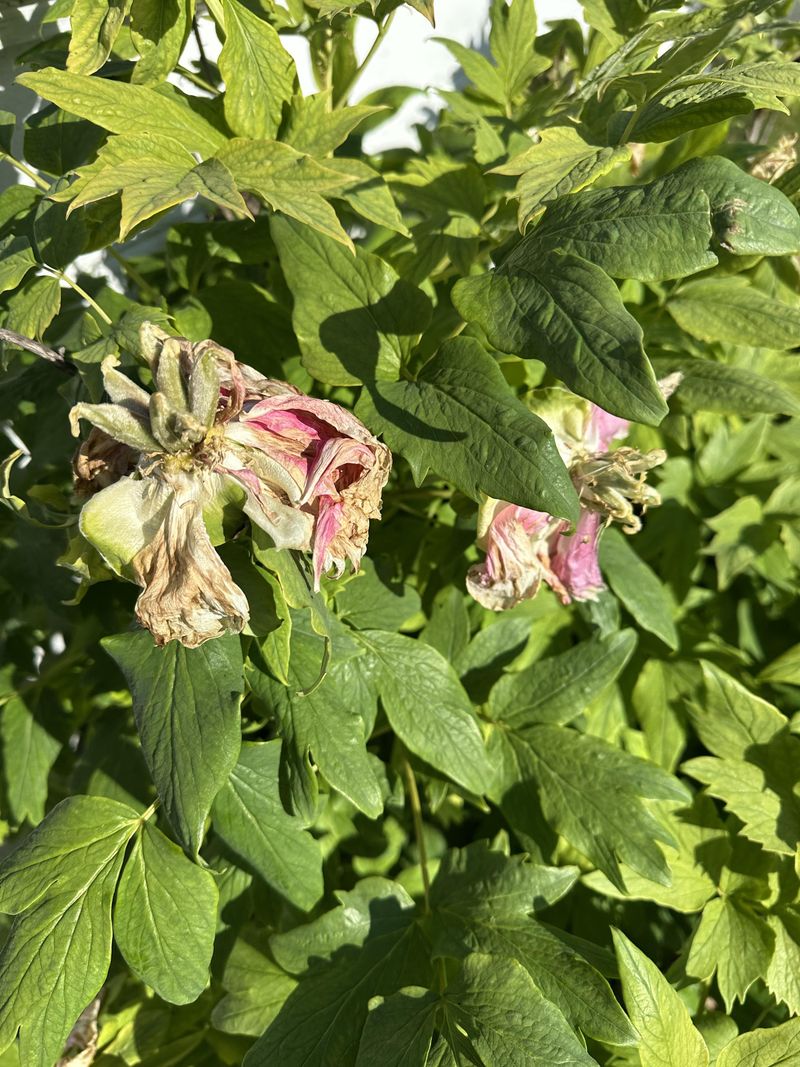
There is an important difference between deadheading and cutting the whole plant back. Deadheading means removing only the spent flower heads once the blooms are done.
Cutting the whole plant means taking off the stems and leaves too, which is a very different thing and a very damaging one.
Removing finished blooms is actually a great habit. It keeps the plant looking neat and stops it from wasting energy on forming seed pods.
But the cut should stop right there, just below the flower head, leaving all the green stems and leaves in place.
Many Oregon gardeners make the mistake of getting carried away. They deadhead the flowers, and then they keep cutting lower and lower until the whole plant is reduced to a stub.
At that point, the foliage that was doing all the important work is gone, and the plant has nowhere left to gather energy from.
A clean cut is simple. Use sharp, clean pruning shears.
Snip the bloom stem just below the flower, above the first set of healthy leaves. That is all you need to do.
The green parts of the plant should remain completely untouched until fall arrives and the leaves begin to turn yellow on their own. Keeping that boundary clear in your mind, flowers out, foliage stays, will protect your plant through the long summer months ahead.
4. Leave Green Stems Standing Through Summer
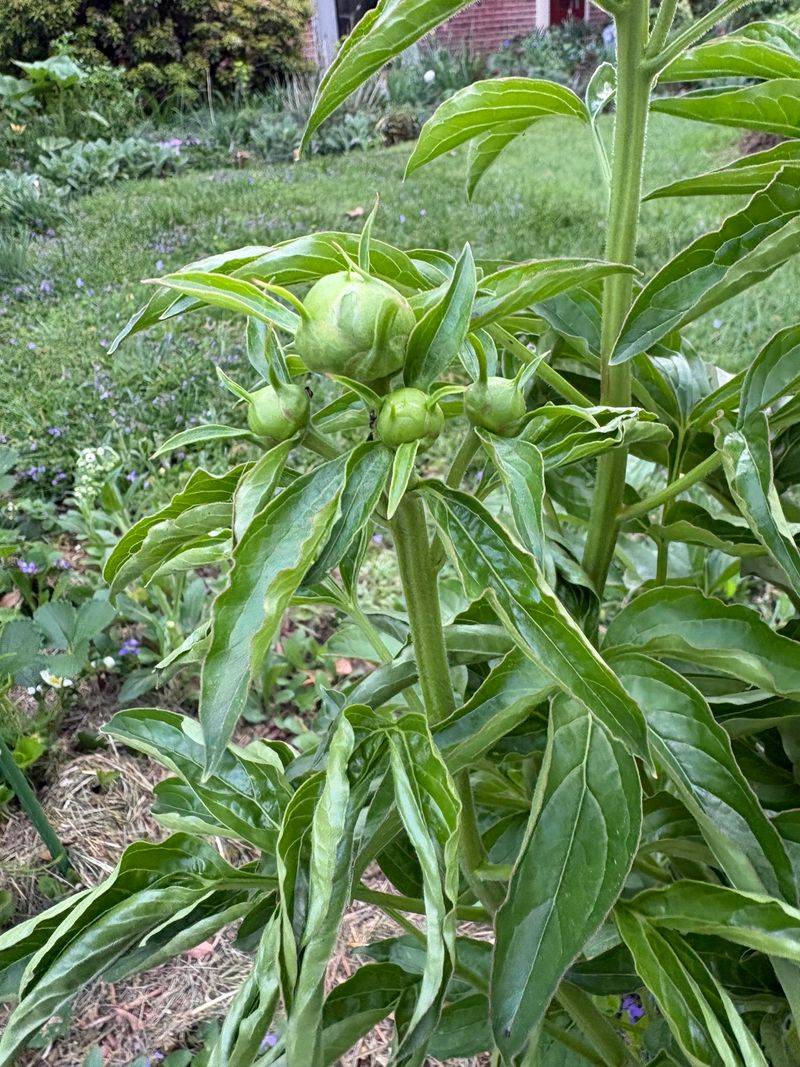
After the blooms fall, peony stems can look a little awkward. They are tall, leafy, and not particularly showy without flowers on top.
Some gardeners find them messy and want to cut them down. But those green stems are carrying important work all season long.
Every stem is a highway for nutrients. Water and minerals travel up from the roots through the stems to reach the leaves.
Sugars made by the leaves travel back down through those same stems to feed the roots. Cut the stems, and you shut down that whole system before the plant is done using it.
Oregon summer usually stretches well into September. That gives peonies a long window of stem and leaf activity after blooming ends.
Leaving the stems standing means the plant gets to use every week of that growing season to build up root reserves.
If the stems bother you visually, try planting lower-growing perennials nearby to fill in the garden bed and draw the eye away from the peony foliage.
Ornamental grasses, coneflowers, or salvia work really well as companions in Pacific Northwest gardens.
They add color and texture while the peonies quietly do their underground work. Come fall, when the stems and leaves start to yellow and dry out naturally, that is your sign to finally cut everything back to just a few inches above the soil line.
5. Seed Pods Steal Energy From The Roots
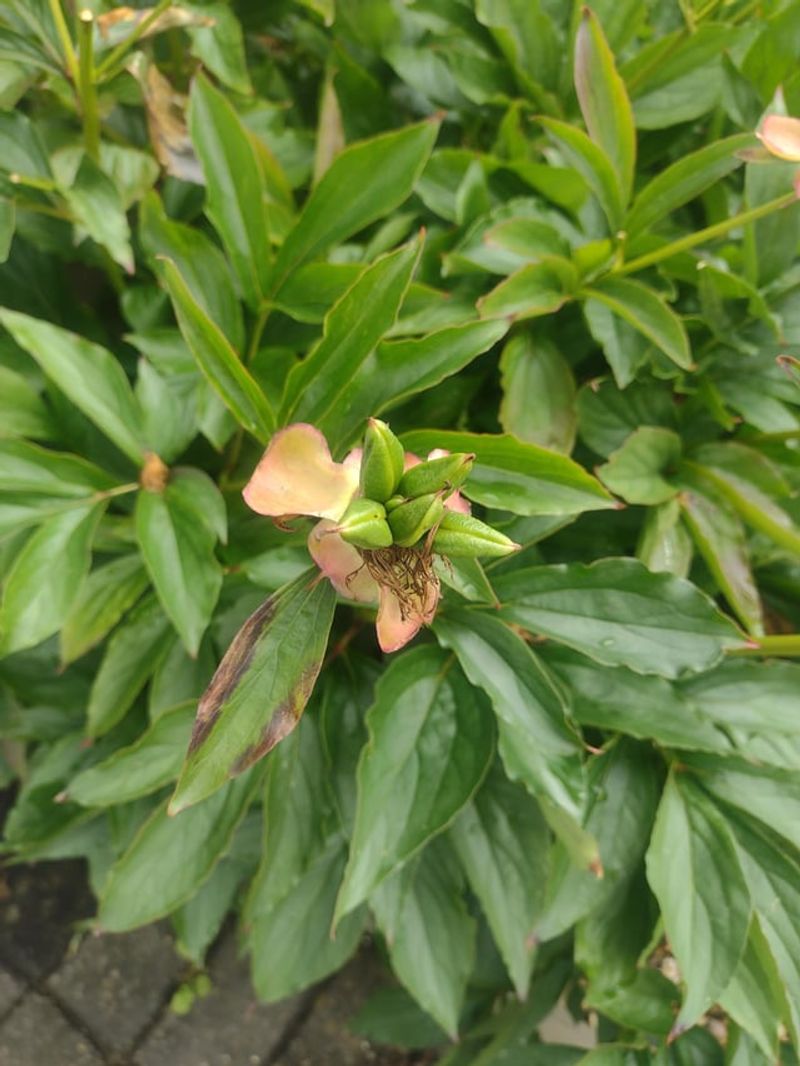
Here is something that surprises a lot of new peony growers. After the petals drop, some peony varieties start forming seed pods.
These pods look interesting, almost like little green balloons on the stem. But letting them develop is a mistake if you want strong blooms next year.
Forming seeds takes a significant amount of energy. The plant has to divert resources away from root storage and push them into pod and seed development instead.
By the time fall arrives, the roots end up with less stored energy than they would have had if the pods had been removed early.
The fix is simple. As soon as you notice seed pods starting to form after the blooms fade, snip them off.
Use clean pruning shears and cut the pod stem cleanly. Do not wait until the pods are fully developed.
The sooner you remove them, the less energy the plant wastes on the process.
Some gardeners like the look of the pods and want to leave a few for visual interest or to collect seeds. That is fine to do occasionally, but understand the trade-off.
Letting pods fully develop every year will gradually weaken the plant’s bloom performance over time.
In a state where gardening season is precious and every plant needs to perform well, keeping those pods trimmed is a smart and easy habit that pays off in a big way the following spring.
6. Healthy Foliage Builds Stronger Crowns
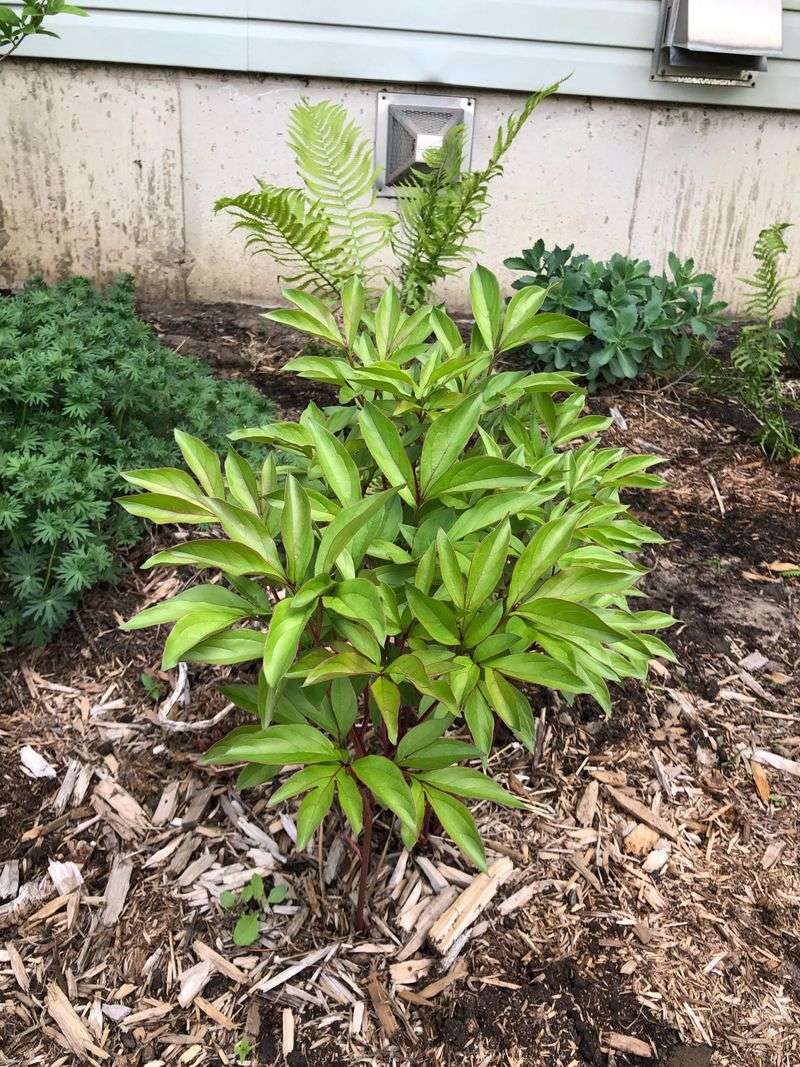
The crown of a peony is the part of the plant right at or just below the soil surface where the eyes, or growth buds, are located. Those eyes are what sprout into next year’s stems and flowers.
A strong crown produces strong buds. A weak crown produces weak ones, or sometimes none at all. What builds a strong crown? Healthy foliage does.
When the leaves stay green and active all summer, they keep pumping energy into the root system and the crown. That energy builds up the buds that will become next year’s flowers.
It is a direct connection between summer leaf health and spring bloom quality.
Foliage health matters too, not just foliage quantity. Leaves that are spotted, yellowed, or damaged by fungal disease cannot photosynthesize as efficiently as clean, green leaves.
Botrytis blight is a common problem in wetter parts of Oregon. If you see gray mold or brown spots on leaves, remove the affected parts right away and improve air circulation around the plant.
Keeping foliage healthy through summer means watering correctly, avoiding overhead irrigation, and not crowding plants too closely together. Peonies need good airflow to stay disease-free.
Give them space in the garden bed, clean up fallen debris, and watch for early signs of trouble.
A plant that stays healthy above ground will always develop a stronger crown below ground, which means a better bloom show next spring.
7. Don’t Hide Peonies By Hacking Them Down
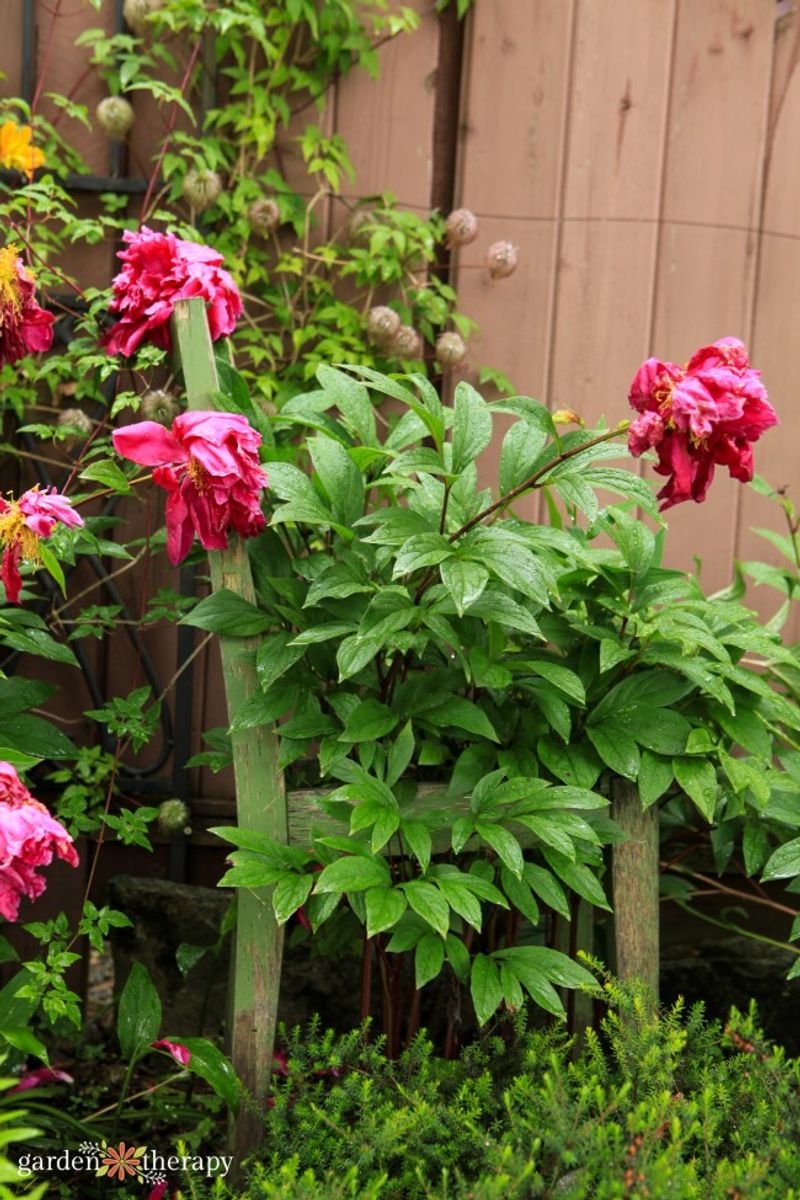
When peonies finish blooming, some gardeners treat them like they are in the way. The flowers are gone, the stems look plain, and suddenly the plant feels like it is just taking up space.
So out come the shears, and the whole plant gets chopped down to almost nothing. That choice costs you next year’s blooms.
Peonies are perennials, which means they come back year after year from the same root system. But they depend on their above-ground growth to fuel that underground system.
Hacking the plant down mid-summer is like pulling the plug on a charging device before it is done charging. The roots simply do not get enough energy stored before winter sets in.
Plenty of gardeners in Oregon have experienced this firsthand. They cut the plant back in July, and the following spring, the peony barely wakes up. Maybe a few weak stems emerge. Maybe nothing at all.
It can take two or even three full seasons for a plant to fully recover from aggressive mid-summer pruning.
A better approach is to work with the plant, not against it. If the foliage looks boring after bloom time, add interest nearby with colorful annuals or tall ornamental grasses.
Let the peony do its quiet summer work. You can always tidy it up in the fall once the leaves naturally begin to brown and wither on their own. Patience here is absolutely worth it.